Why Store Brand Snacks Are Winning Shelf Space

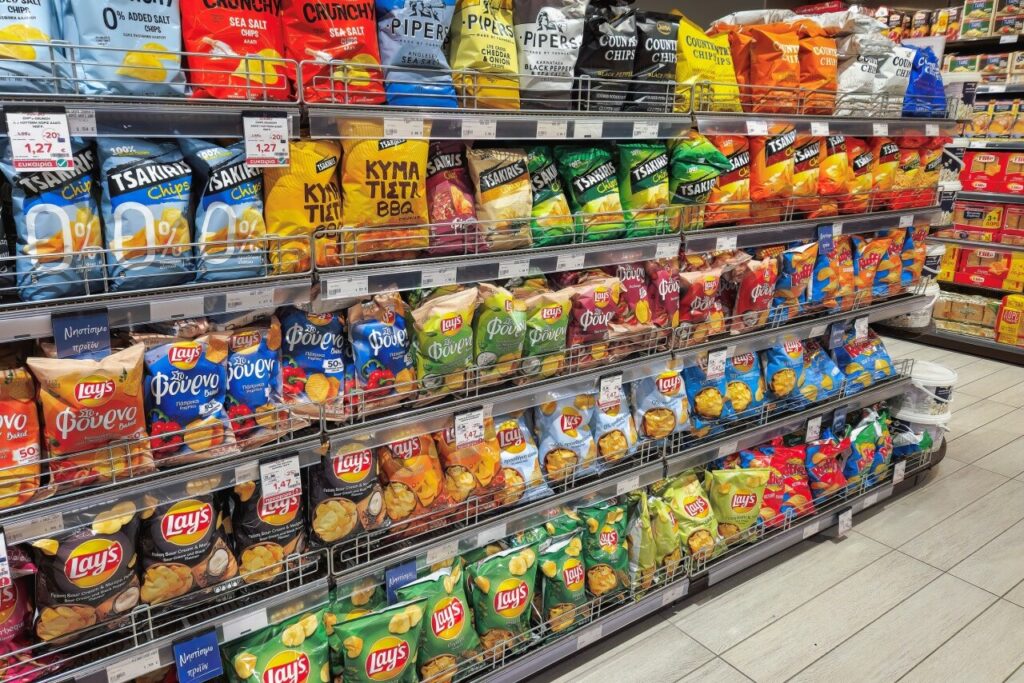
The snack aisle looks familiar at first glance, but something has shifted beneath the surface. Bright national logos still stretch across the shelves, yet store brand chips, cookies, crackers, and granola bars are no longer confined to the lowest rows. Many now sit at eye level, packaged with modern designs and clear ingredient labels. What was once viewed as a simple budget substitute has evolved into a direct competitor. The presentation signals change, but the deeper story lies in how consumer perception has matured. Store brands are no longer framed as compromises. They are increasingly positioned as smart, deliberate choices in a market where value and quality both matter.
Behind this quiet transformation is a mix of economic pressure and retail planning. Rising grocery costs have encouraged shoppers to compare prices more closely, and private-label snacks often deliver savings per ounce. Retailers have invested in product development, taste testing, and packaging upgrades to narrow the gap with national brands. Data analytics guide shelf placement, ensuring high-performing store items receive strong visibility. As customers find that flavor and freshness meet expectations, trust grows. That trust translates into loyalty, and shelf space reflects a lasting shift in snack power.
Store Brand Snacks Gain Stronger Consumer Loyalty
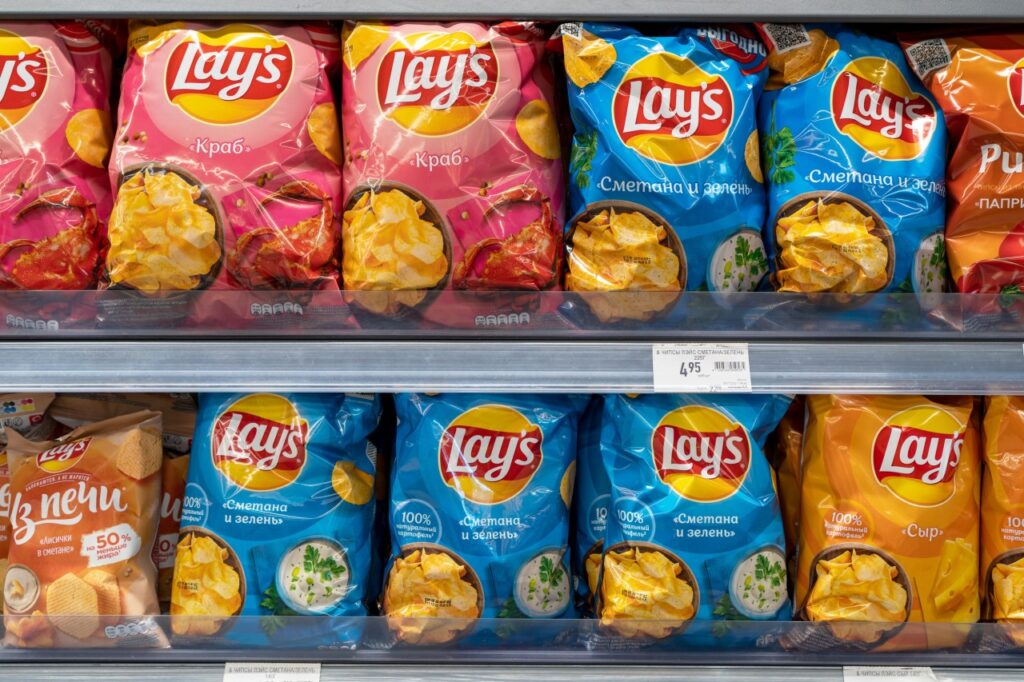
Not long ago, store brand snacks were often seen as backup options chosen mainly for price. Today, they are increasingly first-choice items for many shoppers. Over the past several years, private-label products have improved in recipe consistency, ingredient sourcing, and packaging presentation. Retailers have invested in taste testing, reformulation, and comparisons with leading brands to ensure their chips, cookies, crackers, and snack bars can compete on flavor and texture. These upgrades are not cosmetic. Many store brands now use comparable manufacturing partners and quality controls, strengthening consumer confidence and reshaping assumptions about in-house labels.
Repeated positive experiences reinforce that growing trust. When shoppers try a private-label snack and discover that the flavor, crunch, and freshness meet expectations, the hesitation to switch diminishes. Familiarity then builds routine purchasing habits. Instead of treating store brands as temporary substitutes during tight budget months, many households now rely on them as everyday staples. As satisfaction levels rise, loyalty deepens, giving retailers the confidence to broaden their snack lines, introduce new flavors, and dedicate more prominent shelf space to their own labels. Over time, that consistency turns trial purchases into long-term brand preference.
Rising Prices Push Shoppers Toward Private Labels
Higher grocery bills have made price comparisons a routine and often necessary part of shopping. With inflation affecting packaged food categories, even modest differences between national brands and store labels stand out more clearly on the shelf tag. Private-label snacks frequently cost less per ounce, sometimes by a noticeable margin, offering immediate savings without requiring shoppers to dramatically change what they buy. For families managing tight budgets, that gap becomes meaningful over time. A few cents saved on chips, crackers, or cookies during each trip can add up across a month of regular grocery runs, making private labels an increasingly practical choice.
As inflation pressures continue, shoppers grow more willing to test lower-priced alternatives they may have once overlooked. Trial purchases often lead to repeat buying when flavor, texture, and freshness meet expectations. The financial motivation to return to higher-priced brands weakens once confidence builds. Retail sales data consistently shows that during periods of economic uncertainty, private-label products gain market share as consumers prioritize value. In the snack category, where purchases are frequent and price sensitivity is high, this behavioral shift becomes especially pronounced and measurable over time.
Retailers Prioritize Higher-Margin In-House Products
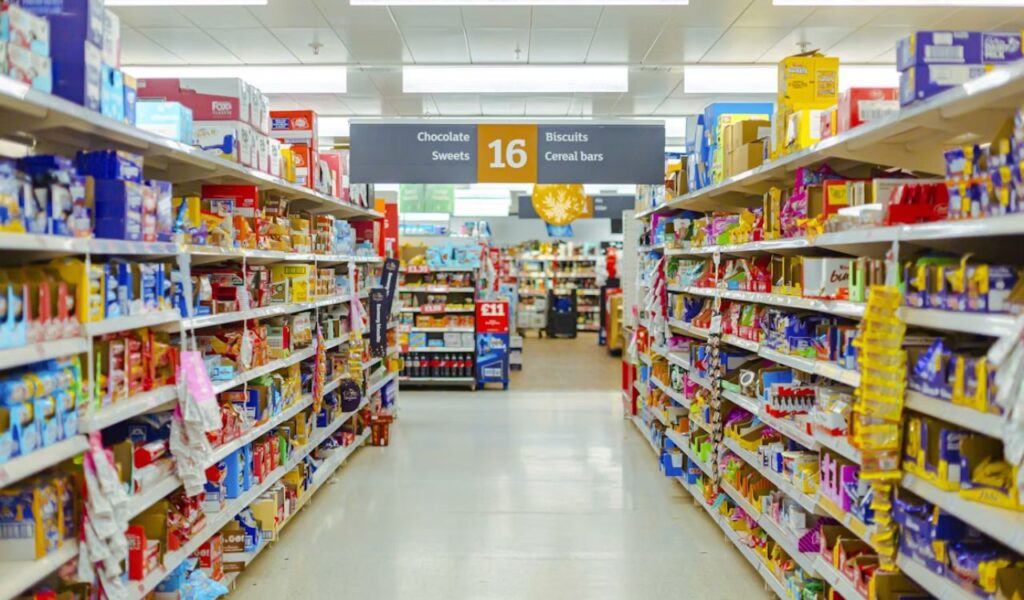
Behind every snack aisle layout is a set of financial calculations most shoppers never see. Retailers evaluate which products deliver the strongest return per square foot of shelf space, and private-label snacks often provide a clear margin advantage. Unlike national brands that require trade promotions, slotting fees, and shared marketing allowances, store brands allow grocers more control over pricing and profitability. By overseeing product development, sourcing, and branding internally, retailers capture a larger share of the value chain. That added margin flexibility gives them room to price competitively while strengthening overall store performance.
Shelf placement decisions reflect these incentives. Eye-level positioning, end-cap displays, and seasonal promotional features are increasingly spotlighting in-house snack lines. As sales data confirms steady demand, retailers expand flavor assortments, introduce limited-edition varieties, and develop premium tiers such as organic or better-for-you options. Data analytics guide assortment adjustments, ensuring high-performing store brands receive optimal visibility. The more private labels demonstrate steady turnover and profit contribution, the more confidently retailers dedicate additional shelf space to them, gradually reshaping the competitive balance within the snack category.
Quality Improvements Narrow the Brand Gap
The perception gap between store brands and national labels has narrowed more quickly than many shoppers expected. Modern private-label snacks now compete closely in ingredient quality and recipe consistency. Many are manufactured by established co-packers that also produce well-known national brands, often using similar equipment and food safety standards. Retailers have invested in quality audits and taste testing to ensure their in-house chips, cookies, and crackers deliver reliable flavor and texture. These upgrades have strengthened consumer confidence and reduced the belief that lower price automatically signals lower quality.
Packaging evolution has reinforced this shift in perception. Contemporary design elements and clearer nutrition labeling help store brands compete visually with established names. Matte finishes and minimalist graphics create a polished shelf presence that no longer signals “budget” at first glance. As presentation improves, shoppers feel more assured when placing private-label snacks into their carts. When taste comparisons reveal only small differences, brand familiarity becomes less persuasive. This alignment of quality and packaging continues to narrow the divide and supports broader acceptance of private-label snacks.
Shelf Space Reflects a Lasting Shift in Snack Power

The snack aisle offers a clear visual indicator of shifting power within the grocery industry. Where nationally advertised brands once controlled long stretches of shelving, private-label snacks now occupy more prominent positions. Eye-level rows and end-cap displays increasingly highlight store-owned products alongside legacy names. This reallocation of space reflects more than short-term experimentation. As private-label sales continue to grow, retailers gain leverage in negotiations with major snack manufacturers, influencing wholesale pricing, promotional funding, and display commitments in ways that were less common when national brands held stronger dominance.
Over time, this redistribution of shelf space reshapes the competitive landscape in lasting ways. National brands must justify premium price points through innovation, marketing campaigns, and limited-edition launches to maintain visibility. At the same time, store brands steadily refine recipes, expand flavor assortments, and introduce premium or health-focused tiers that appeal to evolving consumer preferences. The outcome is a more balanced snack category where purchasing decisions hinge less on brand familiarity alone and more on perceived value, quality consistency, and price sensitivity reflected directly on the shelf.