How Regional Price Gaps Are Changing Grocery Habits


The price of groceries is no longer just a national headline discussed in economic reports. It has become a local experience shaped by geography and regional cost structures. A carton of eggs, a loaf of bread, or a bag of apples can carry a noticeably higher price tag in one state compared to another, even when the brands and packaging are identical. Transportation expenses, warehouse distribution networks, labor wages, and commercial rent vary across regions, influencing what appears on store shelves and at what cost. As these regional price gaps widen, shoppers are increasingly aware that their ZIP code directly affects how far their grocery dollars stretch each week.
These price differences are reshaping everyday shopping habits in practical ways. Families are planning meals more carefully, comparing unit prices, switching to private labels, and tracking weekly promotions more closely. In higher-cost regions, shoppers may split purchases between multiple stores to find discounts, while those in lower-cost areas still adjust to national inflation layered onto local conditions. Routine grocery trips have become more strategic, shaped by income levels and local retail competition. The result is a grocery landscape where local economics influence spending patterns and the foods families place on their tables.
Regional Price Gaps Reshape Everyday Grocery Decisions
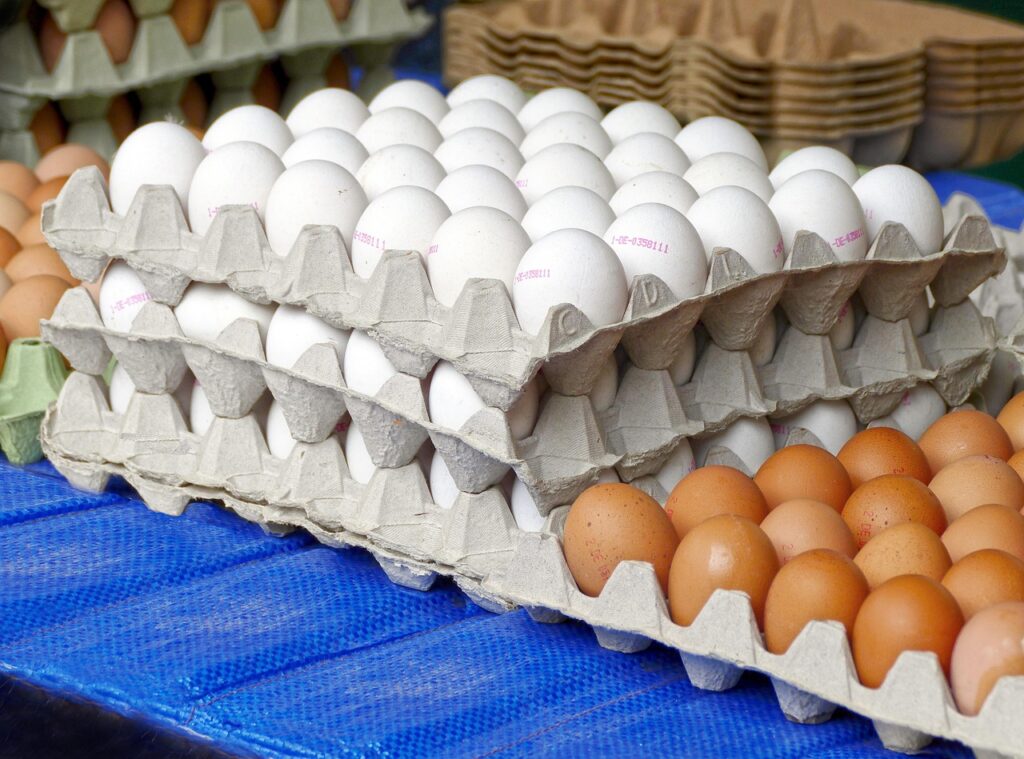
The price of a gallon of milk or a dozen eggs can look very different depending on where you live. Regional price gaps across the United States have widened in recent years, shaped by differences in transportation routes, fuel costs, warehouse access, labor wages, and rent. Retailers in coastal metropolitan areas often face higher overhead expenses, from utilities to payroll, and those costs are reflected in shelf prices. In contrast, parts of the Midwest and South benefit from closer proximity to farms and processing centers, which can reduce shipping time and distribution expenses for staples. These cost structures create clear contrasts in what shoppers pay for the same items.
These differences are not minor. For households in higher-cost regions, weekly grocery bills can exceed the national average, influencing how often they shop and what ends up in their carts. Consumers in pricier markets are more likely to build meals around weekly promotions, compare unit prices carefully, and substitute premium brands with store labels to manage spending. In lower-cost areas, inflation is still present, yet the baseline price advantage allows for more flexibility. Over time, these regional realities shape distinct shopping rhythms and expectations about reasonable value at checkout.
Inflation Deepens the Divide Between Markets
Inflation has intensified the differences already separating grocery markets across the country. When national food prices climb due to supply chain disruptions, fuel costs, or commodity swings, those increases do not land evenly. In states where retailers face higher expenses such as minimum wages, rents, or regulatory requirements, added inflation compounds pressure. Grocers in these regions often pass along more of those costs to remain profitable, resulting in sharper shelf price increases than in areas with lower operating overhead. This pattern widens the pricing gap between metropolitan and lower-cost markets.
At the same time, income growth has not kept pace uniformly across regions. Some urban centers have experienced stronger wage gains that help cushion rising grocery bills, while rural and lower-income communities may see slower earnings growth alongside higher food costs. This imbalance means that the same percentage increase in food prices can feel manageable in one region but burdensome in another. As a result, grocery shopping strategies are increasingly shaped by local economic realities, with households adjusting spending patterns, brand choices, and store selection based on how inflation interacts with regional wage levels and cost structures.
Shoppers Turn to Discount and Private Labels
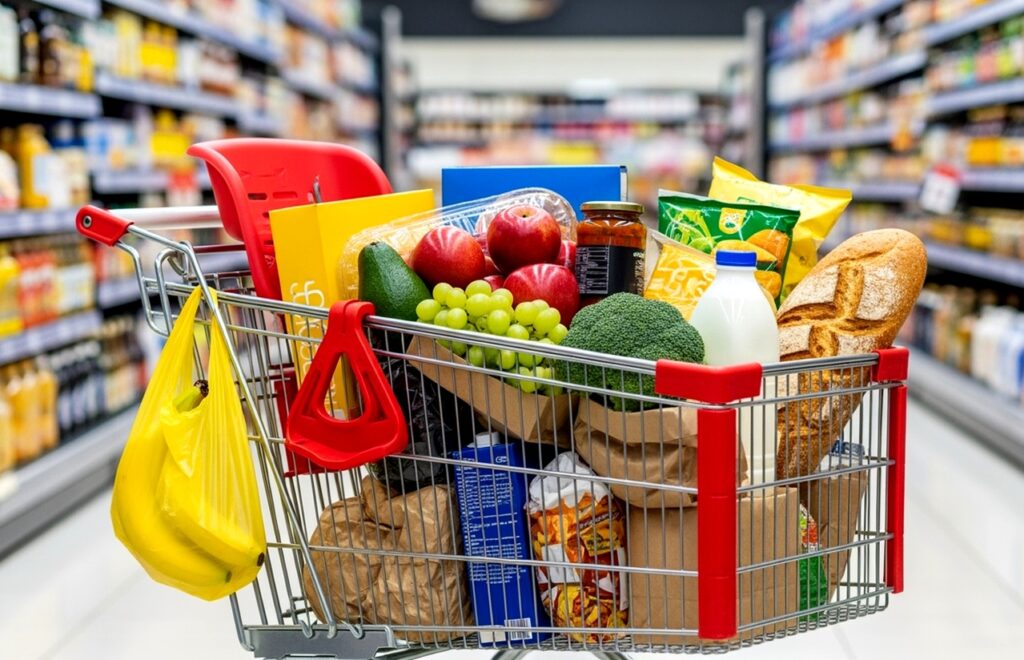
When price gaps become more noticeable, shoppers tend to respond quickly. In higher-cost regions, discount grocers, warehouse clubs, and limited-assortment chains are drawing more traffic from consumers seeking reliable savings. These stores often operate with lean staffing models, simplified layouts, and smaller product selections, allowing them to keep prices lower. At the same time, private-label brands have gained momentum. Priced below national brands, store labels are increasingly seen as strong alternatives rather than generic substitutes. Sales data across markets shows that when budgets tighten, private brands see steady growth in both first-time trials and repeat purchases.
For many households, the shift is less about sacrificing quality and more about redefining value. Shoppers are reading ingredient lists more carefully, comparing nutrition panels, and calculating unit prices to ensure savings do not come at the expense of taste or standards. In regions where grocery bills take up a larger share of income, this evaluation becomes routine. Over time, repeated positive experiences with store brands can weaken long-standing loyalty to national labels. What begins as a budget adjustment often evolves into a lasting change in purchasing habits shaped by regional price realities.
Store Loyalty Weakens as Price Sensitivity Grows
Higher grocery costs are changing not only what people buy, but where they buy it. As prices climb unevenly across regions, many shoppers have grown more strategic about store selection. Instead of relying on a single neighborhood supermarket, consumers increasingly split their weekly lists among discount chains, warehouse clubs, and traditional grocers to capture the best available deals. Mobile apps, digital coupons, and online weekly ads make price comparisons simple before anyone even leaves home. This access to real-time information empowers shoppers to prioritize savings over convenience, especially in regions where food expenses consume a larger share of household income.
This heightened price awareness weakens the automatic loyalty that once defined local grocery routines. In higher-cost markets, consumers are more willing to switch stores for short-term promotions or better private-label pricing. Loyalty cards and reward programs still matter, but they now compete with aggressive competitor discounts and regional price variations. Retailers are responding with targeted offers, personalized digital promotions, and dynamic pricing strategies designed to retain customers. As a result, competition intensifies most in markets where financial pressure is greatest, reshaping how grocery chains attract and keep shoppers.
Grocery Habits Evolve Around Local Cost Realities
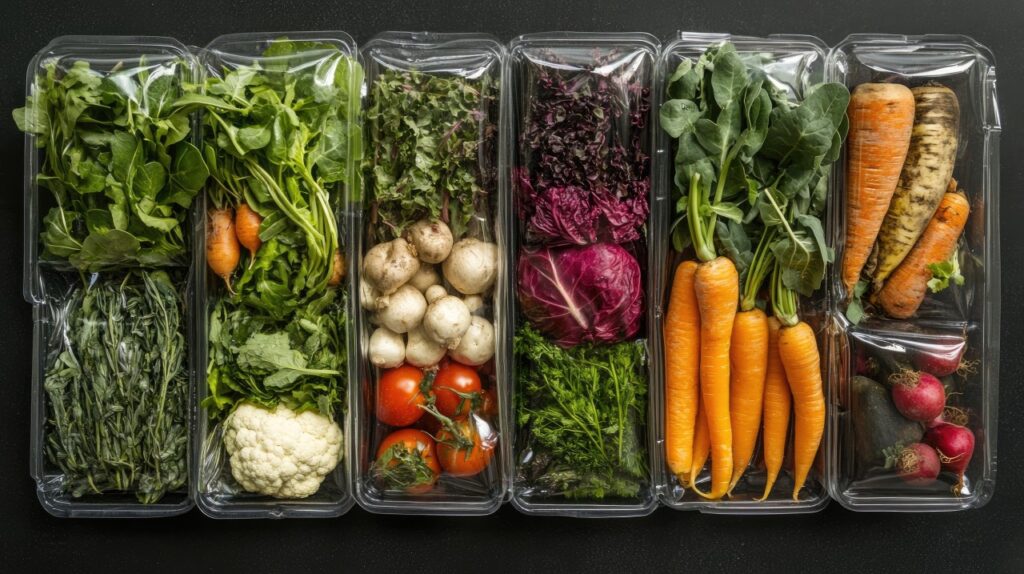
Over time, regional price gaps influence not only where people shop but also what they choose to eat each week. In higher-cost markets, households often lean toward frozen vegetables, canned goods, store-brand staples, and bulk purchases that stretch budgets without sacrificing nutrition. Shoppers may prioritize items with longer shelf lives to reduce food waste and limit repeat trips. In regions closer to agricultural centers, fresh produce and dairy products can be more competitively priced, allowing seasonal fruits and vegetables to play a larger role in meal planning. Distribution networks quietly shape which foods feel affordable and accessible in different communities.
These evolving habits reflect practical adaptation rather than retreat from quality. Families are responding to local price realities with structured meal planning, batch cooking, and closer tracking of pantry inventory to avoid unnecessary spending. Some households rotate proteins based on weekly discounts, while others rely on versatile ingredients that can be used across multiple meals. Although national reports highlight average inflation rates, the everyday experience of grocery shopping remains distinctly local. Regional cost differences continue to influence budgeting decisions, cooking routines, and how households define value when navigating the checkout line.