10 Iconic 80s Cereals That Actually Tasted Like Cardboard

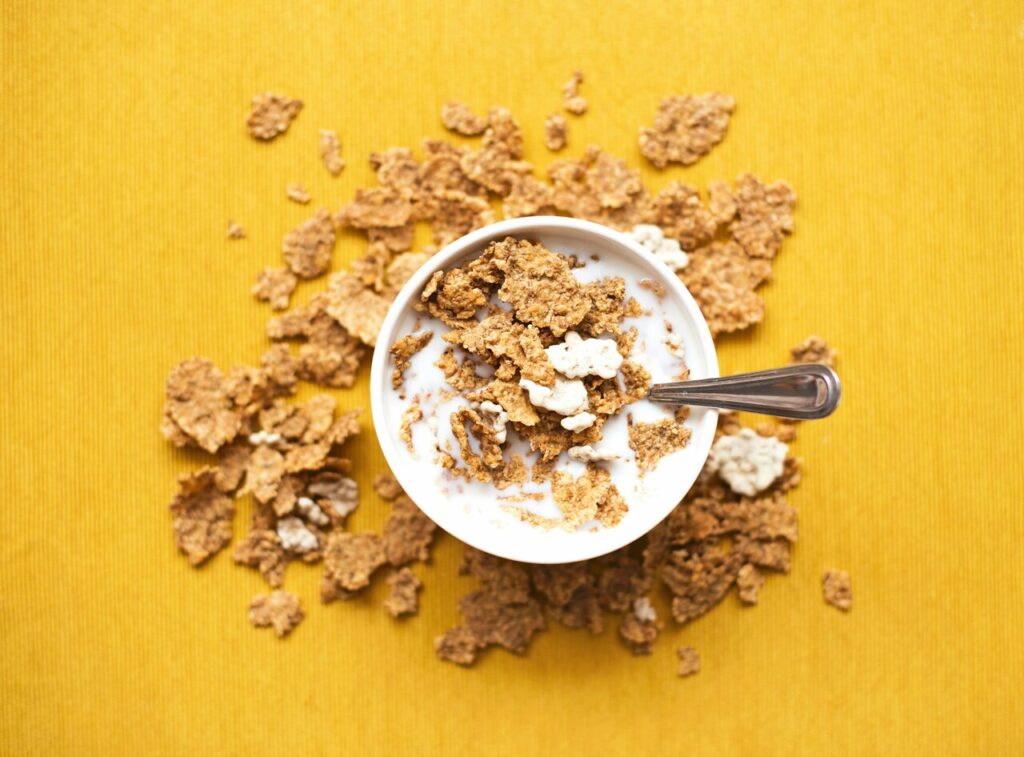
Breakfast in the 1980s often came with cartoon mascots, movie tie-ins, and arcade heroes staring from cereal boxes, promising excitement in every spoonful. Yet once milk hit the bowl, many of these colorful cereals delivered surprisingly bland flavors and soggy textures that rarely matched the marketing hype. While nostalgia keeps them alive in memory, a closer look reveals how branding often mattered more than taste, leaving several once-popular cereals remembered more for their boxes than for satisfying breakfasts.
1. C-3PO’s Cereal
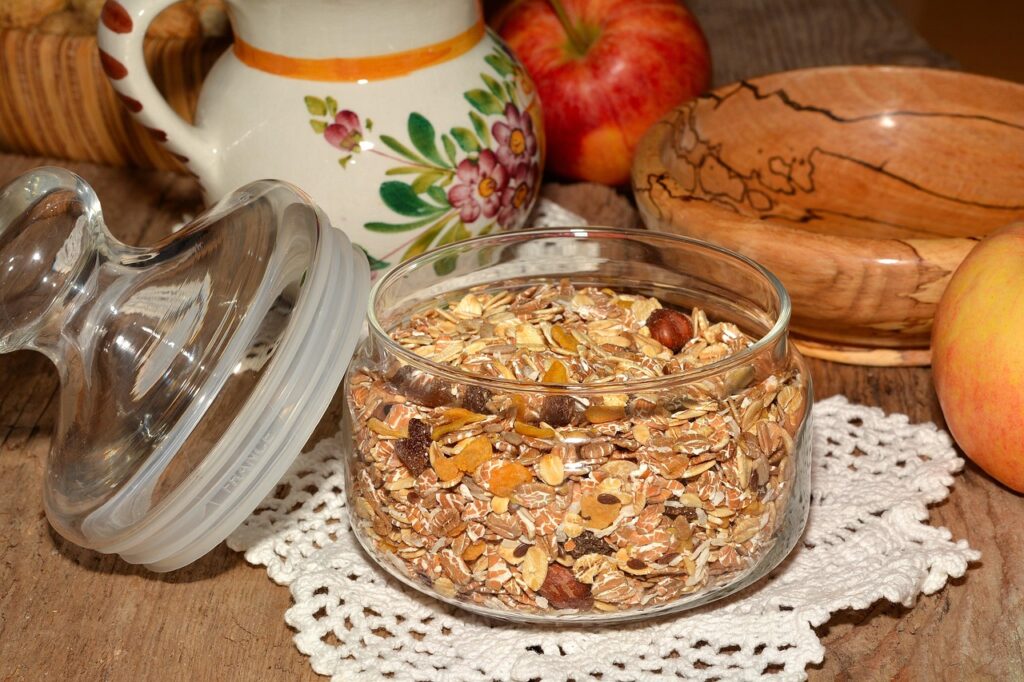
Few cereals captured 80s pop culture excitement like C-3POs, released during the height of Star Wars popularity. Honey-flavored, figure eight-shaped pieces resembled the famous droid, but many kids quickly noticed the cereal tasted milder than expected.
The recipe relied mostly on corn and oat flour, lightly sweetened with honey, creating a texture some later described as dry. Without marshmallows or bold flavor coatings, pieces softened quickly in milk and lost crunch.
Many fans now remember loving the branding more than the cereal’s taste. Once the novelty faded, consumers often moved to sweeter options. The cereal remains nostalgic mainly because of the Star Wars connection rather than its memorable flavor.
2. Apple Raisin Crisp
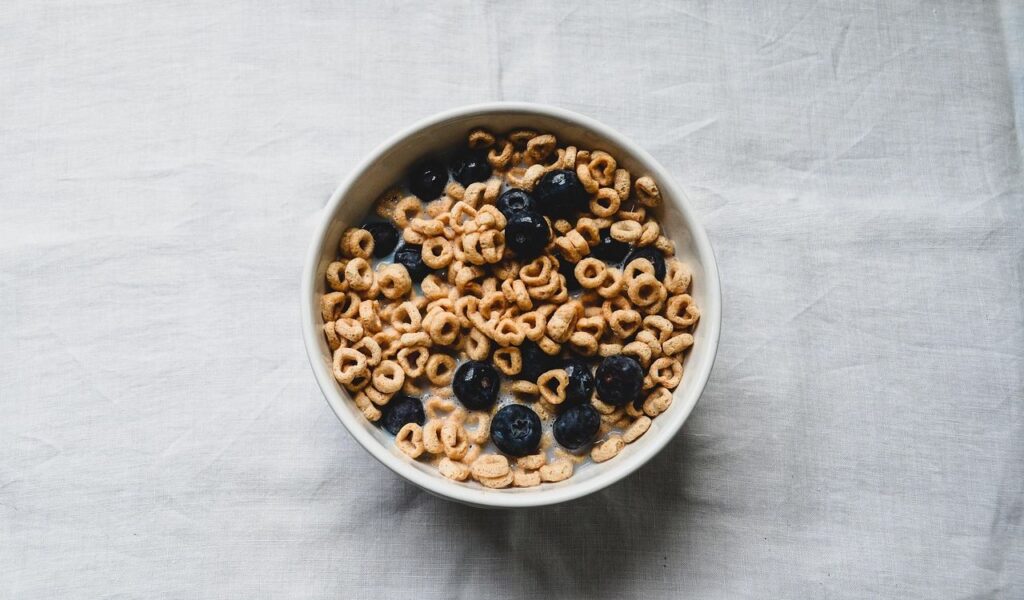
Apple Raisin Crisp attempted to blend healthy-sounding ingredients with cereal sweetness, offering flakes mixed with raisins and apple flavor. Parents appreciated the wholesome image, but many kids found the taste dull compared with sweeter cereals dominating the decade.
The flakes often became soggy quickly, while raisins sometimes clumped in the box. Artificial apple flavor rarely delivered a convincing fruit taste, leaving bowls tasting flat once milk was added.
Although marketed toward families seeking healthier choices, the cereal struggled against flashier competitors. Many adults recall it as a cereal their parents bought, but kids rarely requested it again. Its bland texture left it remembered more for good intentions than enjoyment.
3. OJ’s Cereal
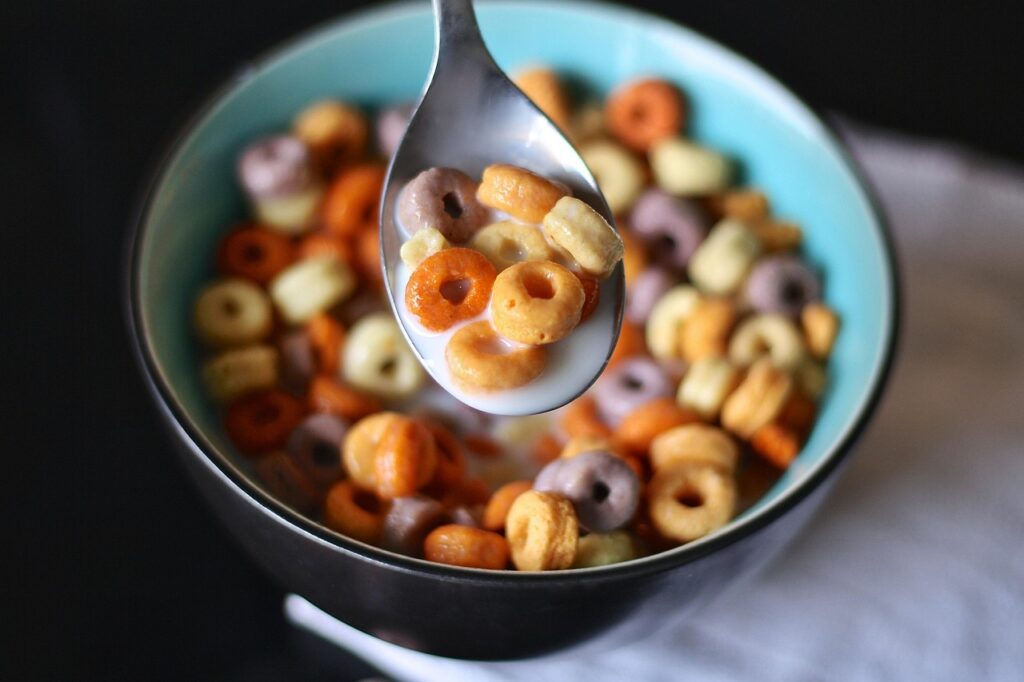
OJ’s cereal tried something bold by introducing orange-flavored cereal shaped like small fruit slices. While visually fun, many people found the idea of citrus-flavored cereal mixed with milk confusing. Expectations often clashed with the actual eating experience.
The pieces delivered sweetness with a tangy edge, but the citrus flavor felt artificial to some. Once the milk softened the cereal, the flavor weakened, and the texture became grainy. The novelty wore off quickly for many households.
OJ’s remains are remembered as one of the era’s stranger experiments. Creative in concept, it failed to convince many families that orange-flavored cereal worked as breakfast. Curiosity drove initial interest, but repeat purchases often declined.
4. Cracker Jack Cereal
Cracker Jack cereal tried transforming the famous caramel popcorn snack into breakfast form using sweetened corn pieces with peanut flavoring. While nostalgia attracted buyers, many eaters felt the cereal lacked the bold flavor of the original snack.
Without popcorn texture, the cereal relied heavily on caramel coating that weakened once milk diluted the sweetness. Crunch also faded quickly, leaving softer pieces behind. Many bowls felt less exciting than expected.
Despite strong branding, the cereal struggled to recreate the magic of classic Cracker Jack. Consumers often enjoyed the idea more than the eating experience. Today, it remains remembered more for novelty than breakfast satisfaction.
5. Ice Cream Cones Cereal

Ice Cream Cones cereal leaned heavily on novelty, featuring cone-shaped pieces meant to mimic ice cream flavors. The concept promised dessert at breakfast, yet many consumers found the flavor surprisingly weak once milk entered the bowl.
The cereal softened quickly, losing crunch and becoming mushy before finishing a serving. Artificial flavor coatings delivered sweetness but lacked the richness of actual ice cream. Expectations often exceeded reality.
Kids initially loved the concept, yet many families stopped buying it once the novelty faded. Without strong flavor or texture, the cereal often felt gimmicky. Today, it is remembered mainly for creative packaging rather than satisfying taste.
6. Rainbow Brite Cereal
Rainbow Brite cereal capitalized on the popularity of the colorful cartoon character, offering bright cereal shapes aimed at children. Despite a vibrant appearance, many consumers recall the taste being milder than expected.
The cereal relied on lightly sweetened corn pieces with colorful coatings that softened quickly in milk. Flavor intensity dropped before bowls were finished, leaving a bland aftertaste. Visual appeal often outweighed flavor enjoyment.
Children often begged for it because of the cartoon branding, yet boxes sometimes lingered unfinished. Nostalgia remains strong for the character connection, but few remember the cereal itself as particularly delicious.
7. Donkey Kong Cereal
Donkey Kong cereal attempted to bring arcade excitement to breakfast using barrel-shaped cereal inspired by the hit game. While branding excited young gamers, flavor often felt generic compared with popular cereals already on shelves.
The cereal relied on lightly sweetened corn flavors that softened quickly in milk. Without distinctive taste elements, bowls sometimes felt repetitive after only a few servings. Many kids enjoyed the game tie-in more than eating it.
Although memorable due to gaming culture, the cereal struggled to compete with sweeter options. Once arcade excitement faded, consumers often moved on. The cereal remains remembered as a fun idea lacking strong flavor appeal.
8. Pac-Man Cereal
Pac-Man cereal used gaming’s biggest icon to attract attention with cereal shapes and colorful marshmallows. Visual appeal worked well, yet many people later recalled the cereal tasting fairly plain once the novelty faded.
Marshmallows provided bursts of sweetness, but cereal pieces often tasted mild and softened quickly in milk. Once diluted, bowls sometimes felt repetitive compared with cereals offering stronger sugar coatings.
Children enjoyed spotting familiar characters, but adults later recognized that the cereal relied heavily on branding. Novelty worked initially, yet flavor rarely kept families loyal for long periods.
9. Dunkin’ Donuts Cereal
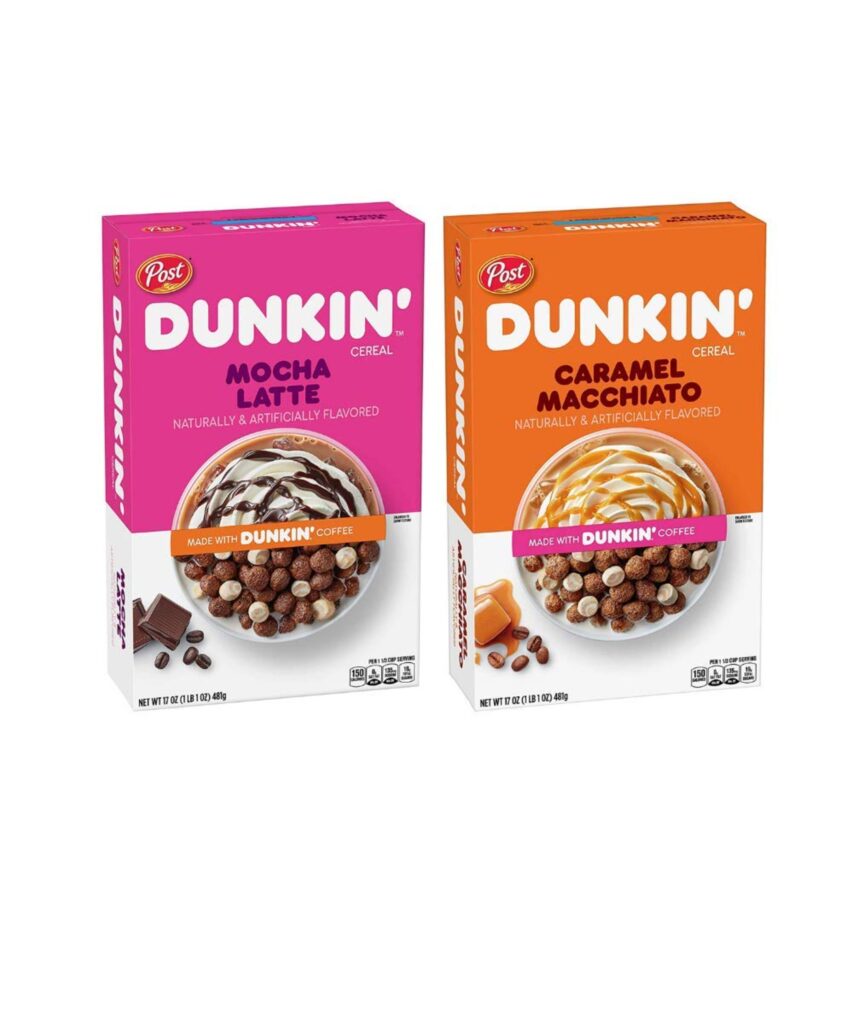
Dunkin’ Donuts cereal tried bringing bakery flavors to breakfast with glazed and chocolate donut-inspired pieces. Expectations ran high, but many consumers felt the cereal failed to capture the richness of actual donuts.
The cereal softened rapidly in milk, tasting more like sweetened corn than pastries. Artificial glaze flavor coatings struggled to recreate bakery depth, leaving bowls underwhelming compared with real donuts.
Brand recognition created strong curiosity, but repeat purchases often declined. Today, the cereal survives mostly as a nostalgic curiosity remembered more for branding than satisfying taste.
10. Mr. T Cereal
Mr. T cereal used the celebrity’s popularity to market sweet corn and oat cereal shaped like the letter T. Children loved seeing the star on packaging, yet taste reviews often described the cereal as fairly ordinary.
The cereal offered light sweetness but lacked the bold flavors of competitors loaded with sugar or marshmallows. Once the milk softened the pieces, the texture sometimes felt bland, making the bowls repetitive after several servings.
Despite memorable commercials, many adults recall liking Mr. T more than the cereal. Pop culture marketing drove success, yet flavor alone rarely made it a lasting breakfast favorite.