13 Grim Great Depression Meals That Should Stay in the Past

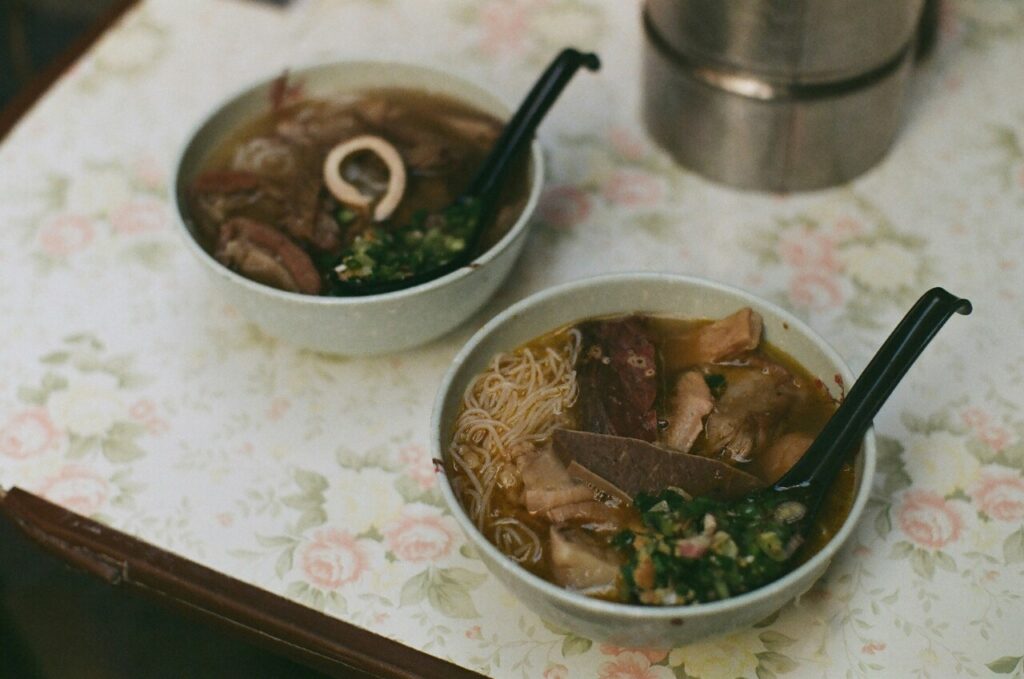
During the Great Depression, survival shaped every meal, forcing families to cook with whatever ingredients they could afford or find. Creativity replaced choice, and dishes focused on stretching calories rather than delivering flavor or variety. From unusual sandwiches to meatless stews and recycled leftovers, many meals reflected hardship more than comfort. While these recipes helped households endure difficult years, most modern kitchens have little reason to bring them back, offering a glimpse into how dramatically food security and everyday cooking have improved.
1. Hoover Stew
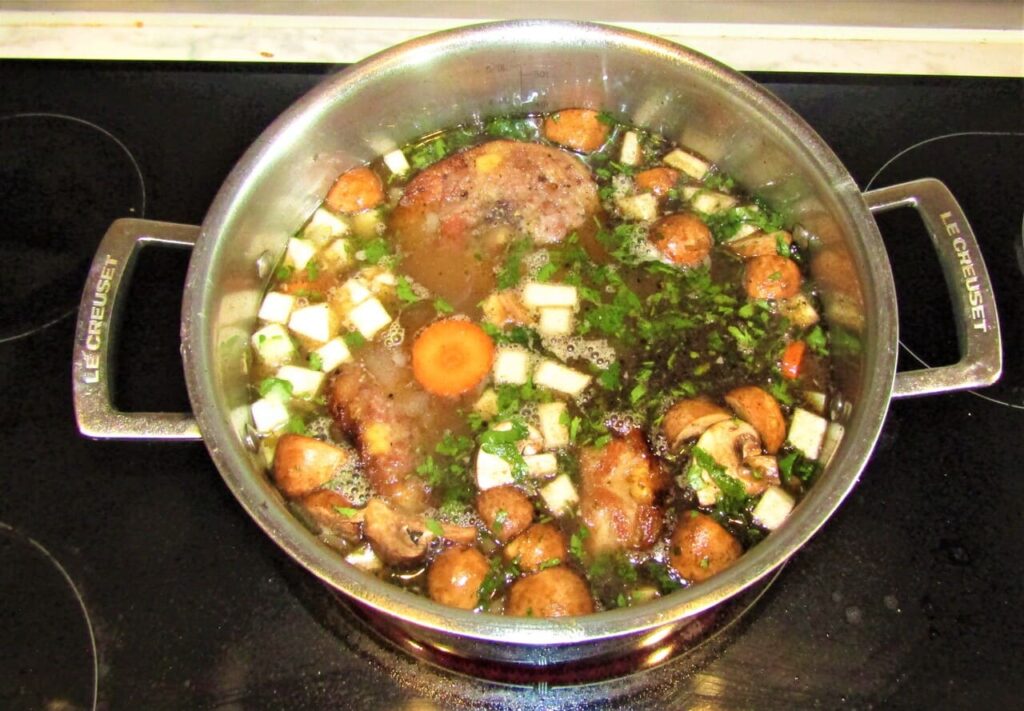
Hoover Stew became one of the most recognizable meals of the Great Depression because it stretched cheap ingredients to feed large families. The focus was not flavor but survival, using whatever ingredients were available to make something filling.
Families often cooked large pots that could last several meals, adding vegetables or leftovers when possible. The result was heavy but practical, delivering calories rather than balanced nutrition.
While Hoover Stew helped families endure tough times, modern diners often find it bland and repetitive. Today, improved food access makes such emergency cooking unnecessary for most households. Remembering dishes like this highlights how drastically everyday eating habits have improved since hardship once shaped every meal.
2. Poorman’s Meal
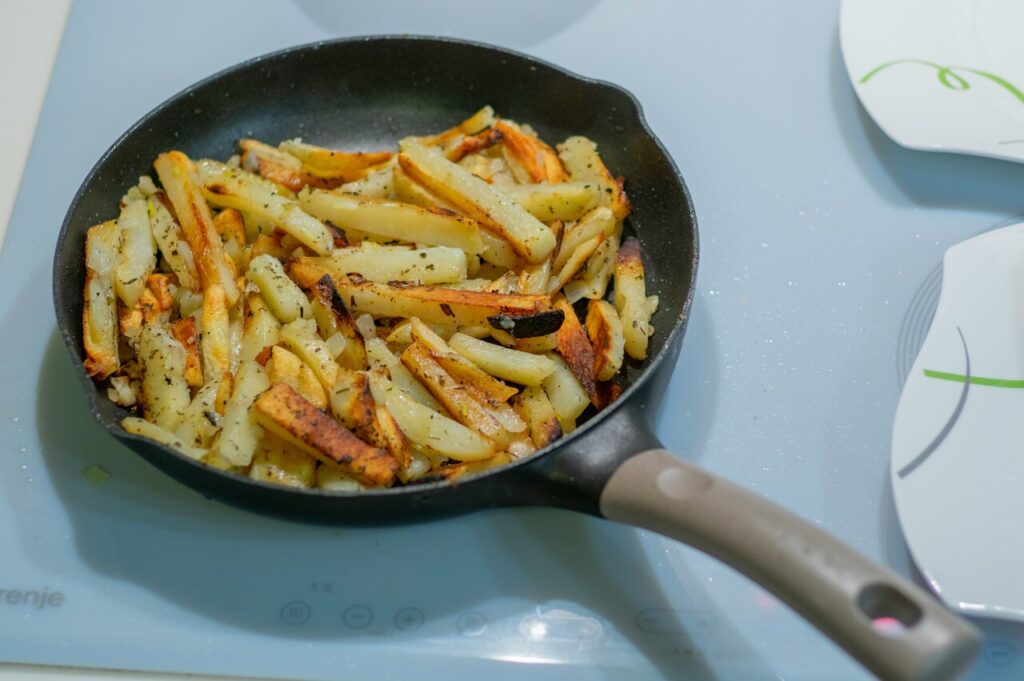
Poorman’s Meal relied on inexpensive staples, typically potatoes, onions, and small amounts of ground beef cooked together in one pan. Ingredients were affordable and widely available, even when many foods became hard to find.
The simplicity made it practical but monotonous. Meat portions remained small, with potatoes carrying most of the meal’s bulk. Seasonings were often limited because spices and extras cost money that families could not spare.
Although still made occasionally for nostalgia or budget cooking, many associate Poorman’s Meal with scarcity rather than comfort. Modern kitchens offer far more variety and nutrition, making such repetitive survival cooking feel unnecessary except as historical remembrance.
3. Peanut Butter and Mayonnaise Sandwich
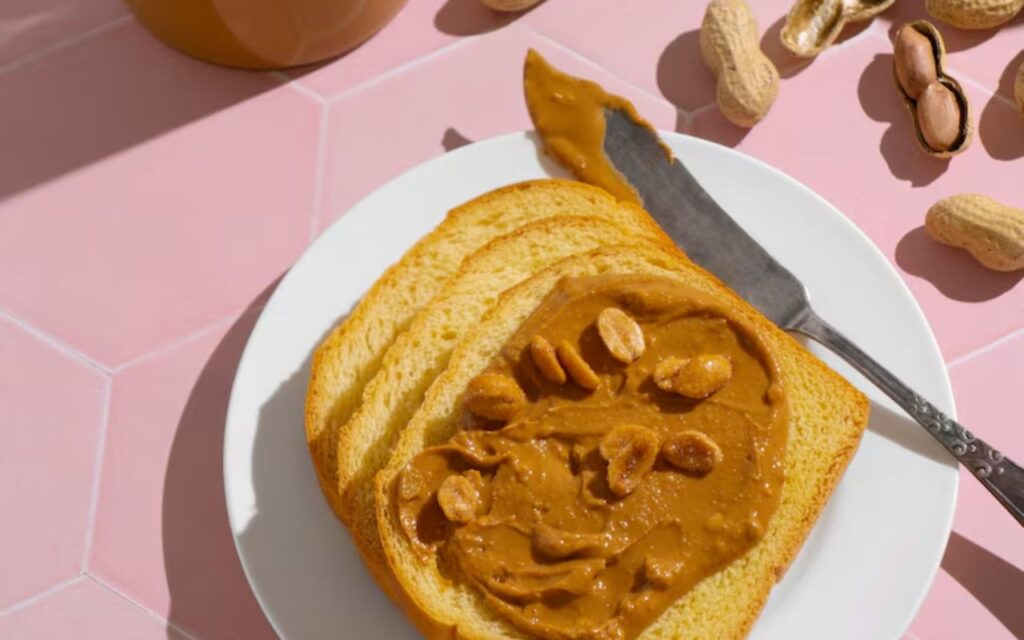
The peanut butter and mayonnaise sandwich surprises many modern eaters, yet both ingredients were affordable and provided needed fats and calories when food choices were limited. Bread remained inexpensive, making this combination a quick solution when little else was available in the pantry.
The sandwich required no cooking, which helped families conserve fuel or electricity. Taste mattered less than creating something fulfilling with minimal resources.
Today, the combination feels unappealing to many because food options are far more abundant. While some nostalgic eaters still enjoy it, the sandwich mainly reminds people how necessity reshaped tastes when families relied heavily on affordable pantry staples.
4. Peanut Butter and Pickle Sandwich
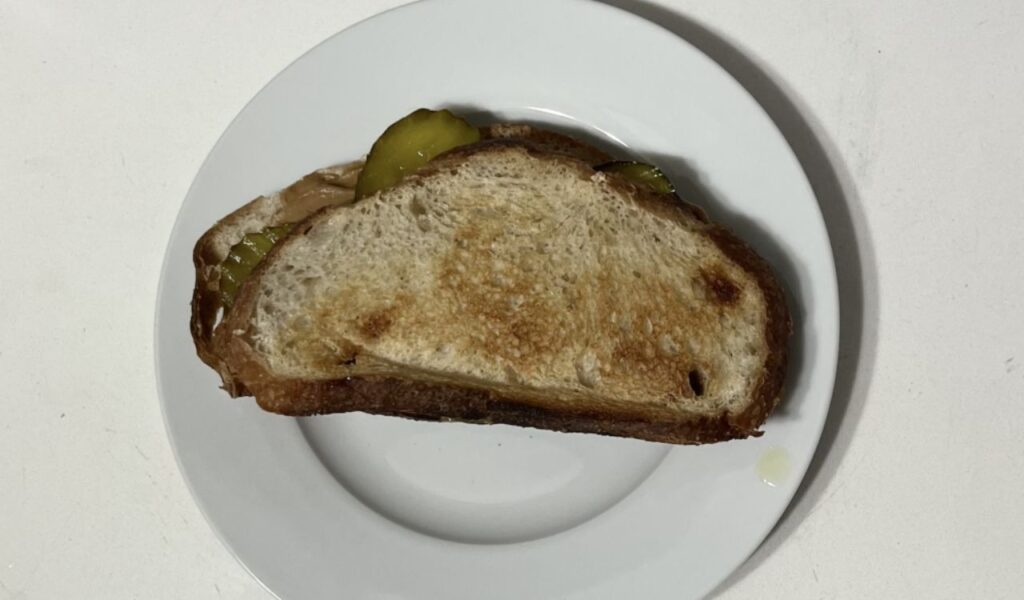
Another unusual pairing born from hardship was the peanut butter and pickle sandwich. Pickles added salt and crunch while peanut butter provided calories and protein, helping simple meals feel more satisfying. Preserved foods like pickles lasted longer when fresh produce was scarce.
Families depended on preserved foods throughout the Depression, and pickles added flavor to otherwise bland diets. Combined with peanut butter, the sandwich offered contrast and helped break monotony when ingredient choices remained limited.
Although some adventurous eaters still enjoy this combination, most modern households rarely prepare it. The sandwich reflects how families creatively used whatever affordable foods were available to make meals feel more substantial.
5. Rabbit Dumplings
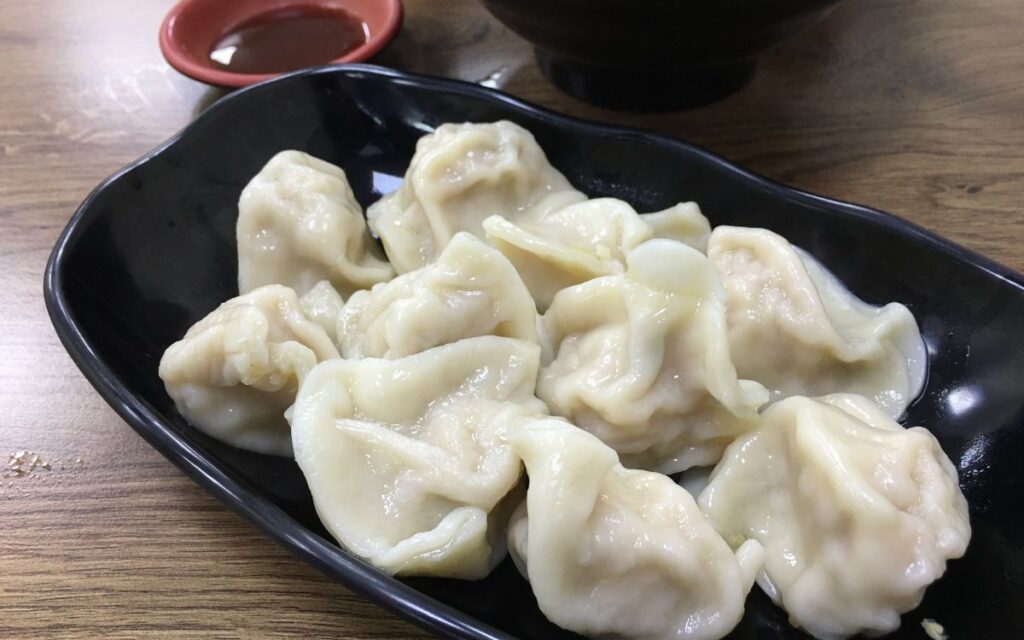
Rabbit stew or rabbit dumplings became common because rabbits were easier and cheaper to raise or hunt than larger livestock. Families could keep rabbits in small spaces, making them practical protein sources when beef or pork became too expensive. Dumplings stretched small portions of meat further.
Slow cooking softened tougher cuts, creating hearty meals that could serve several people. Vegetables and broth helped extend the stew, ensuring everyone received some protein alongside filling starches.
Today, rabbits rarely appear in American home cooking because industrial meat production made other meats cheaper. For many people, rabbit dishes now feel historical rather than practical, representing survival cooking rather than everyday preference.
6. Turtle Soup
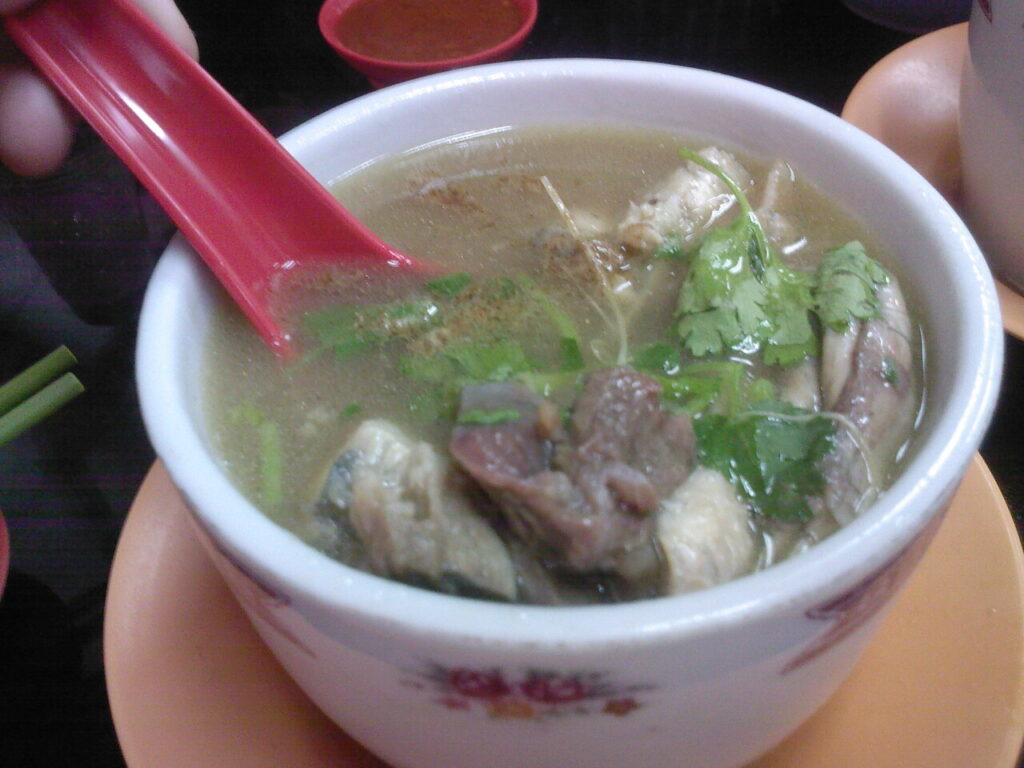
Turtle soup may seem unusual now, but turtles were sometimes easier to catch than afford traditional meats during the Depression. People near rivers or wetlands turned to turtles for protein when grocery money disappeared. Preparing the soup required long cooking to soften the tough meat.
Cleaning and cooking turtles required effort, yet families used whatever ingredients they could add to improve flavor. Meat variety depended heavily on local availability rather than preference.
Modern diners rarely consider turtle soup outside specialty restaurants. Easier access to affordable meats gradually pushed the dish out of daily cooking, leaving it mainly as a reminder of how necessity expanded food choices during hardship.
7. Tomato Gravy
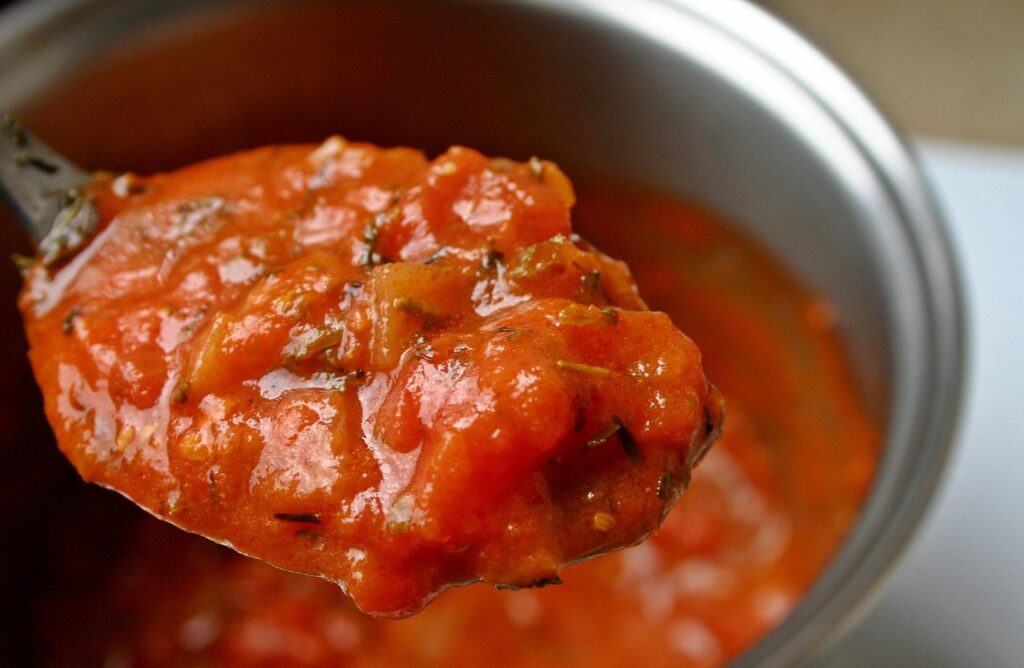
Tomato gravy emerged when meat became scarce, and families needed something flavorful to serve over bread or biscuits. Made from canned tomatoes thickened with flour or fat, the gravy added moisture and taste to otherwise dry meals while using inexpensive pantry staples.
Served over biscuits, rice, or potatoes, it helped meals feel more filling despite limited ingredients. Tomatoes added acidity that improved repetitive starch-heavy diets common during difficult times.
Although tomato gravy still appears in some kitchens, many associate it with economic struggle. Modern cooking offers more diverse sauces and protein options, making such survival gravies less necessary for everyday meals.
8. Cooked Bread
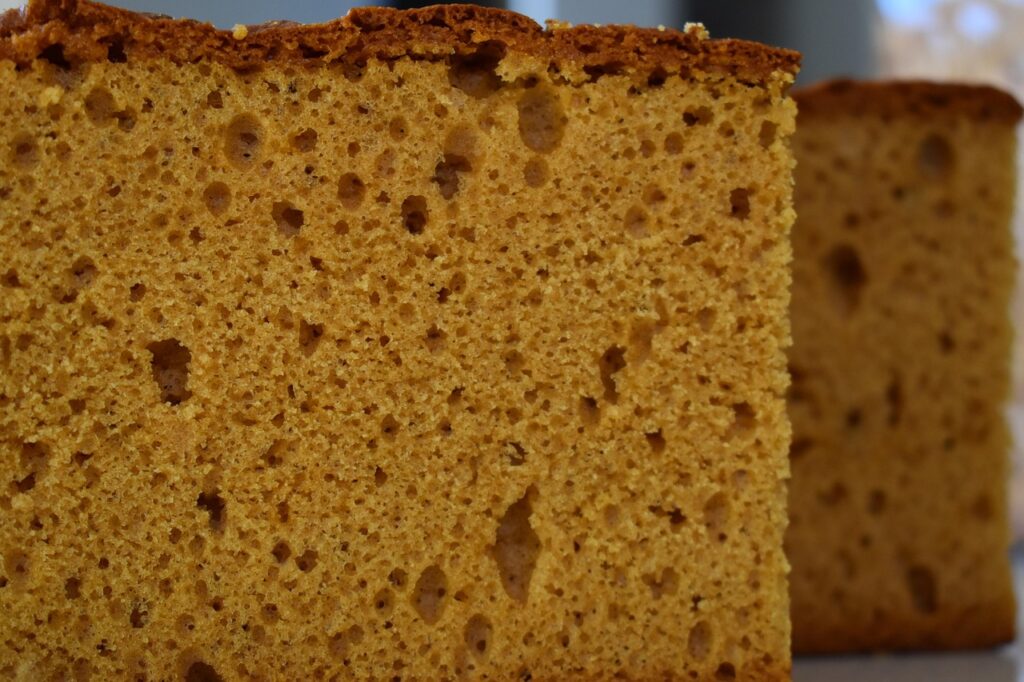
Cooked bread, sometimes called bread soup, involved soaking stale bread in water or milk to make it edible again. Families avoided wasting food because replacing it was costly or impossible. Even hardened bread became useful once softened and reheated.
Occasionally, sugar or butter improved flavor when available, but the dish often remained plain. The goal was to turn leftovers into something warm and filling rather than creating a flavorful meal.
Today, fresh bread is affordable, and stale bread is often discarded. Cooked bread reflects how families maximized every crumb when food security remained uncertain, and waste simply was not an option.
9. Mulligan Stew
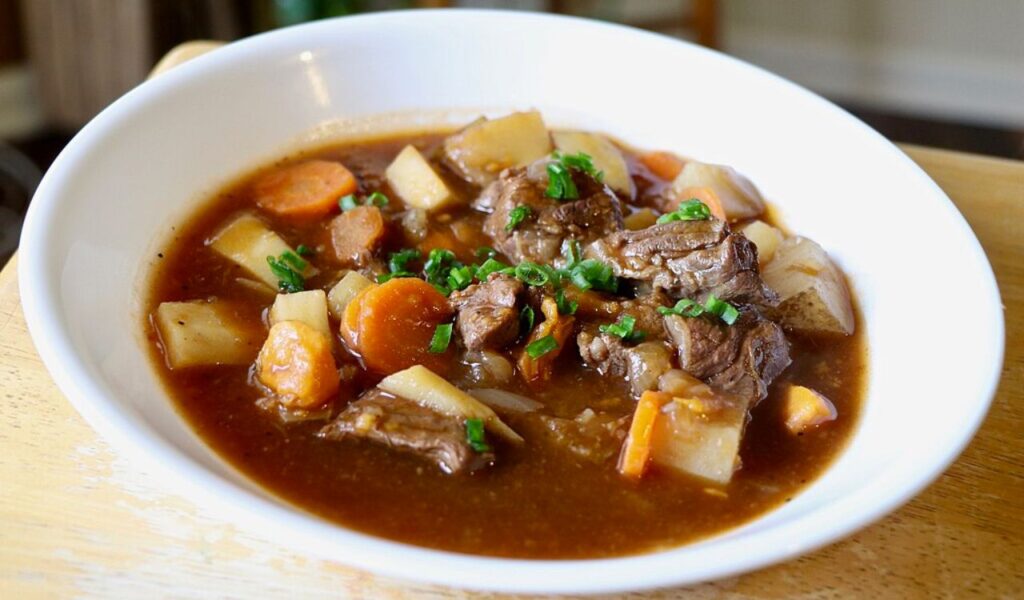
Mulligan stew, also called hobo stew, developed among traveling workers who combined whatever ingredients they could gather. Vegetables, meat scraps, and donated foods went into communal pots, creating unpredictable but nourishing meals shared among those facing unemployment.
Each batch differed depending on available ingredients, making adaptability essential. Sharing meals helped communities survive when individual resources were scarce, turning cooking into collective survival rather than personal preference.
Modern society rarely requires communal survival cooking. Mulligan stew remains historically important, symbolizing resilience while also showing how economic hardship shaped eating habits that few people would willingly repeat today.
10. Meat and Potato Patties
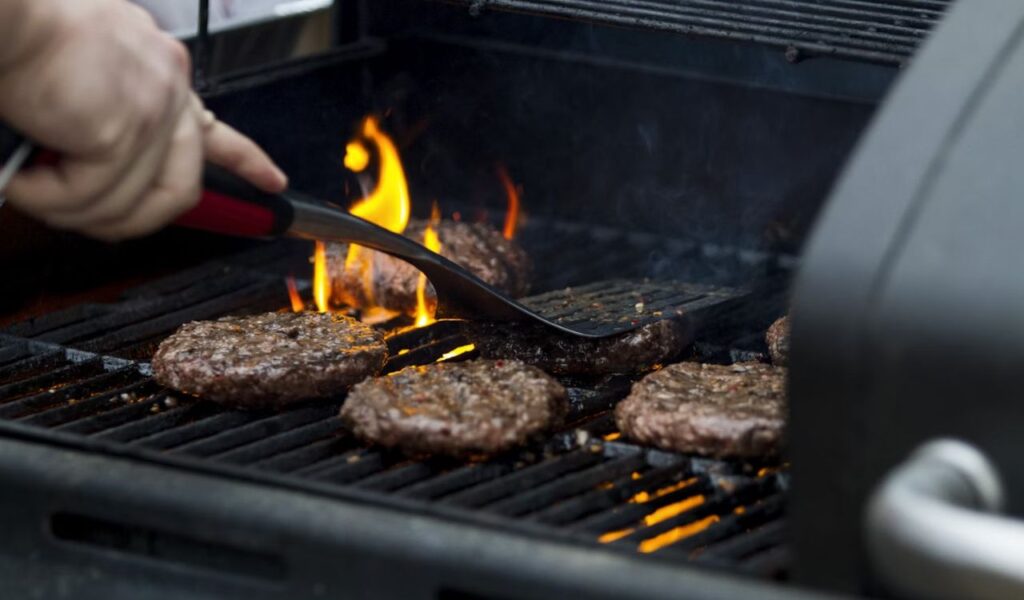
Meat and potato patties stretched small meat portions by mixing them with mashed potatoes before frying. Potatoes added bulk, allowing families to create several servings from minimal protein. Patties were easy to cook and filling enough for physically demanding days.
Seasonings remained minimal because spices were costly, so flavor depended on whatever meat was available. Leftovers were often repurposed, helping families reduce waste while keeping meals slightly varied.
Although still prepared occasionally, the dish often reminds people of times when stretching ingredients mattered more than culinary creativity. Modern food availability makes such extreme thrift less necessary in many households today.
11. Spaghetti with Boiled Carrots and White Sauce
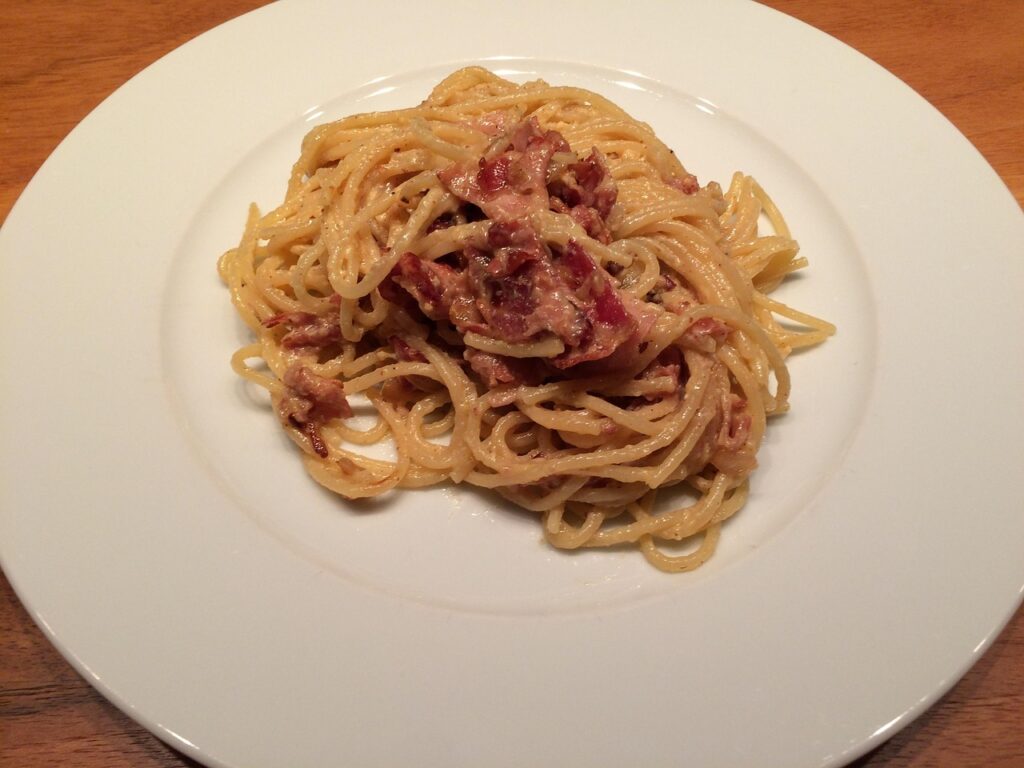
Spaghetti dishes during the Depression looked very different from modern pasta meals. Meat sauces were luxuries, so families used boiled vegetables and simple white sauces for substance. Carrots were affordable and helped fill plates when protein was unavailable.
White sauce made from flour, milk, and fat added creaminess without expensive ingredients. The dish filled stomachs but lacked the bold flavors now expected from pasta dishes.
Today, pasta usually includes richer sauces and varied ingredients, making Depression era versions seem plain. Such meals show how families adapted familiar foods to survive when ingredient choices were severely limited.
12. Tomato Cakes
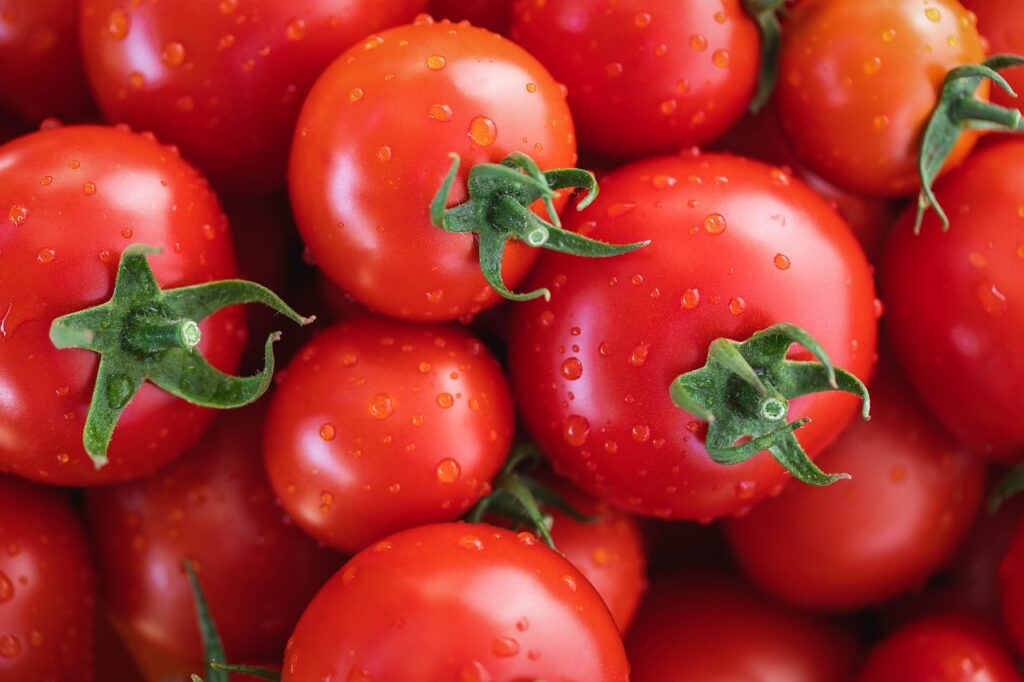
Tomato cakes mixed canned tomatoes with crushed crackers or breadcrumbs to create patties that could be fried or baked. The mixture allowed families to prepare filling meals even when meat was unavailable, with crackers providing structure and tomatoes adding moisture.
Often served with gravy or sauces, the cakes improve taste and texture while relying on affordable pantry staples. Like many Depression recipes, they emphasized stretching ingredients rather than culinary complexity.
Modern kitchens rarely prepare tomato cakes because protein and fresh vegetables are easier to obtain. The dish stands as a reminder of creativity shaped by necessity rather than flavor preference.
13. Bulldog Gravy
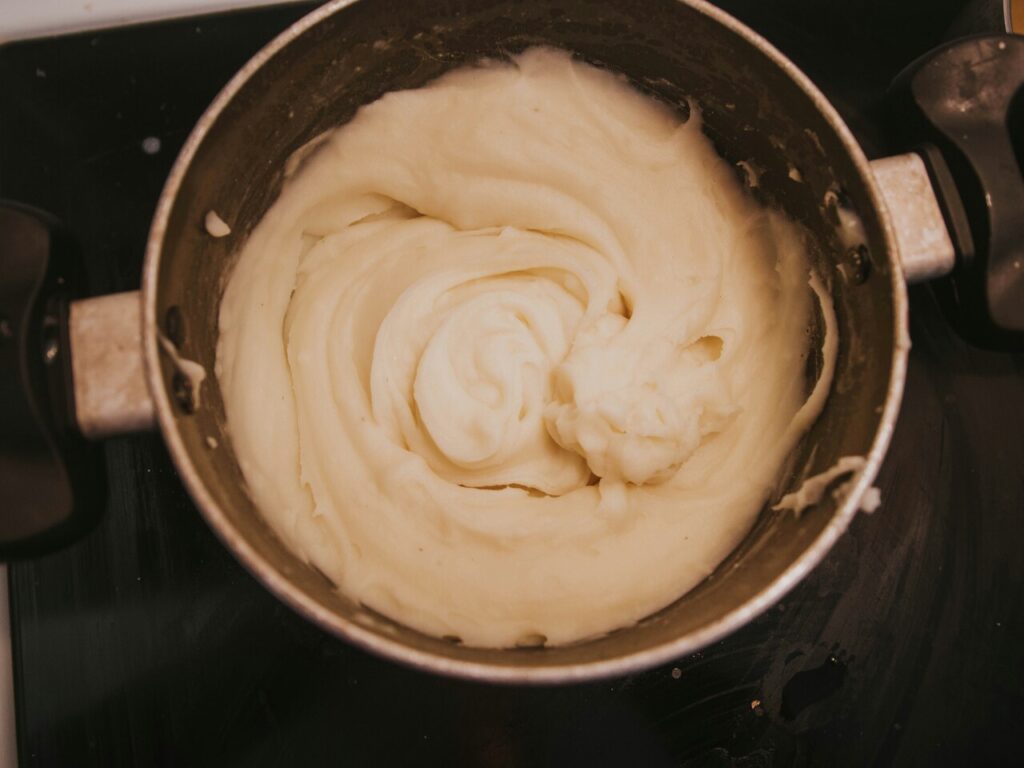
Bulldog gravy represented one of the simplest survival foods, usually made from leftover grease mixed with flour and sometimes milk. Served over bread or biscuits, it created filling meals when ingredients were scarce, and nothing could be wasted.
The gravy ensured leftover cooking fat remained useful while delivering calories needed for physically demanding work. Meals centered on survival rather than enjoyment, reflecting harsh realities that many families faced during the era.
Today, such gravy rarely appears outside historical discussions because better ingredients are widely available. Bulldog gravy remains a symbol of resourcefulness but also shows how far food security and everyday cooking have progressed.