10 Grocery Items Seeing Record Shortages Because the Market is Rigged

Grocery shortages rarely happen by accident. When shelves stay empty and prices keep rising, the cause is usually deeper than weather or timing. Many missing staples reflect a system built for speed, profit, and control, not balance or resilience.
Modern food markets are highly concentrated. A small number of producers and distributors decide what gets made and who gets priority. When disruption hits, supply does not adjust. It breaks, and shoppers feel the impact first.
These shortages are not always about food running out. They are about how supply is allocated and restricted. Seeing why items disappear explains why the same failures keep repeating.
1. Baby Formula

Baby formula shortages expose how fragile and concentrated this market really is. A small number of manufacturers control most production, so when one facility shuts down or slows output, shelves empty nationwide. Parents feel the impact immediately because there is no true substitute when the formula disappears.
Formula contracts tied to government programs funnel demand toward select brands, limiting competition and flexibility. When supply tightens, switching brands is harder than it should be, even when alternatives exist.
The result is a system where minor disruptions cause major shortages. The issue is not sudden demand, but a tightly controlled market that leaves families with few options when production falters.
2. Eggs
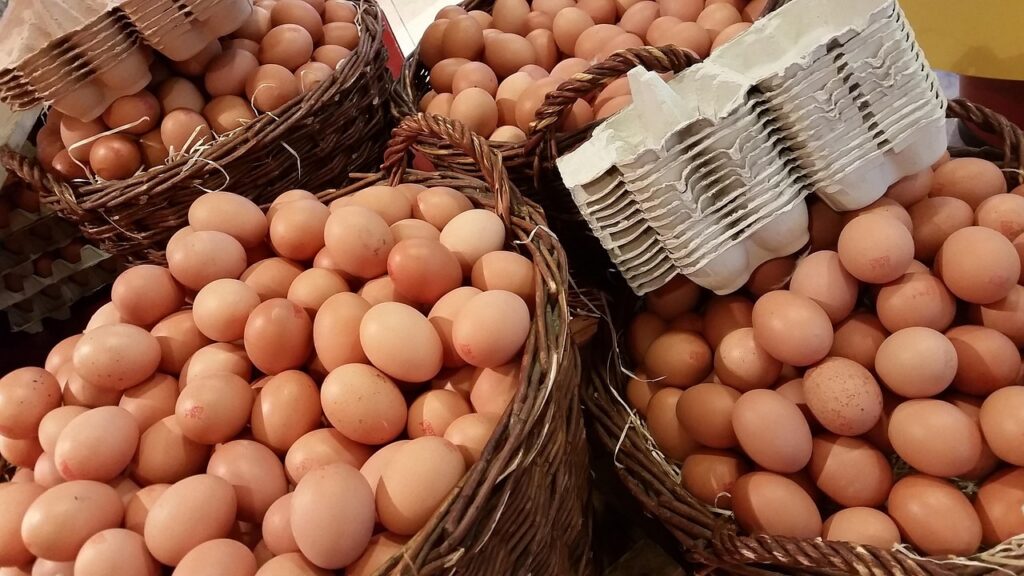
Egg shortages often look like simple farm problems, but the market structure makes them worse. Large producers dominate supply, so disease outbreaks or culling events remove massive volumes at once. Smaller farms cannot scale quickly to fill the gap.
Pricing mechanisms amplify the pain. Even modest supply drops trigger sharp price spikes because eggs move through centralized distributors. Retailers compete for limited stock, and consumers see empty shelves alongside record prices.
This cycle repeats because consolidation reduces resilience. A system built for efficiency struggles when shocks hit, turning predictable farm risks into national shortages.
3. Toilet Paper

Toilet paper shortages are driven less by production limits and more by supply chain rigidity. Mills specialize in either commercial or household paper, and switching between them is slow and costly. When demand shifts suddenly, shelves clear fast.
Distribution practices compound the issue. Retailers rely on just-in-time deliveries, keeping minimal backstock. When panic buying or shipping delays occur, stores cannot absorb the shock.
The shortage is not about raw materials. It is about a system optimized for normal behavior that breaks under stress, leaving consumers without basics despite steady production.
4. Bread Flour
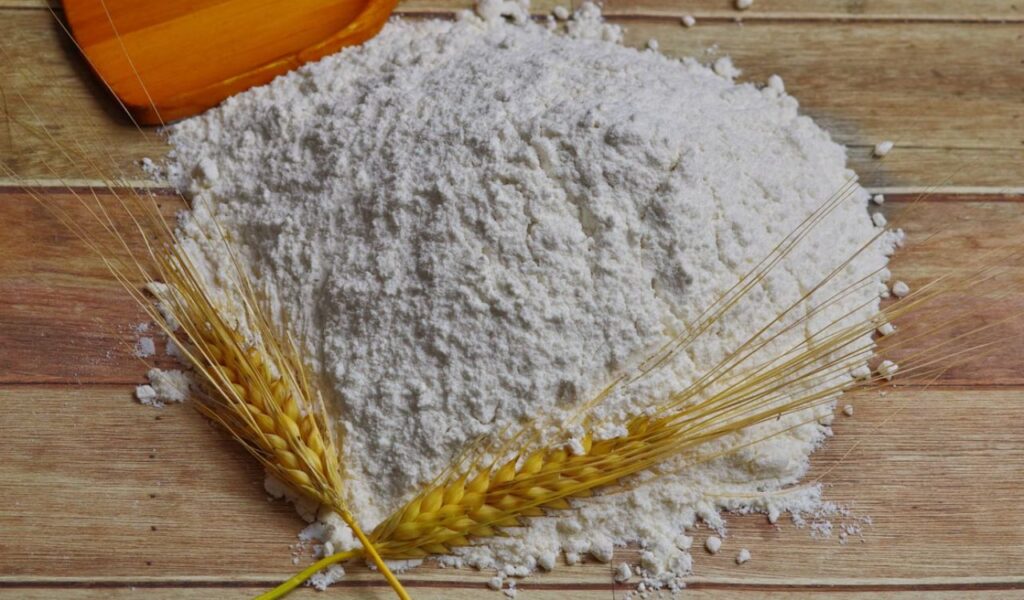
Bread flour shortages appeared during home baking surges, but the real issue lies in how flour is produced and packaged. Mills run segmented operations for commercial and retail flour, and shifting between them is slow due to inflexible milling and bagging systems.
Packaging is the main bottleneck. Consumer-sized bags need separate equipment and labor, while bulk buyers receive flour without retail packaging. Even with plenty of grain, flour remains stuck upstream.
The imbalance persists because bulk contracts are more profitable and predictable. Retail shortages are not about wheat scarcity, but rigid allocation systems that favor efficiency over flexibility.
5. Cooking Oil

Cooking oil shortages show how concentrated and globally exposed the market is. A few crops dominate production, so weather, export limits, or biofuel demand quickly ripple through supply chains, turning small disruptions into large shortages.
Big food manufacturers secure long-term contracts early, locking in supply before retailers. Grocery stores rely on shorter deals, leaving them vulnerable when availability drops and prices spike. Shoppers feel the impact last but most sharply.
The problem is not home use. It is a system driven by trade policy, speculation, and energy markets, where consumers absorb the fallout of forces they cannot see or control.
6. Canned Tomatoes

Canned tomato shortages expose how seasonal farming collides with industrial processing limits. Tomato harvests occur in narrow windows, and processing plants run at full capacity during that time. Any disruption during harvest immediately reduces supply for the entire year.
Consolidation worsens vulnerability. Fewer processing plants mean fewer backups when equipment fails or labor shortages occur. Once output drops, there is no quick fix. Inventories decline steadily, and restocking cannot begin until the next harvest cycle.
This creates a fragile system where small issues cause long shortages. Tomatoes may be abundant in theory, but the industrial structure turns minor disruptions into months-long gaps on grocery shelves.
7. Rice
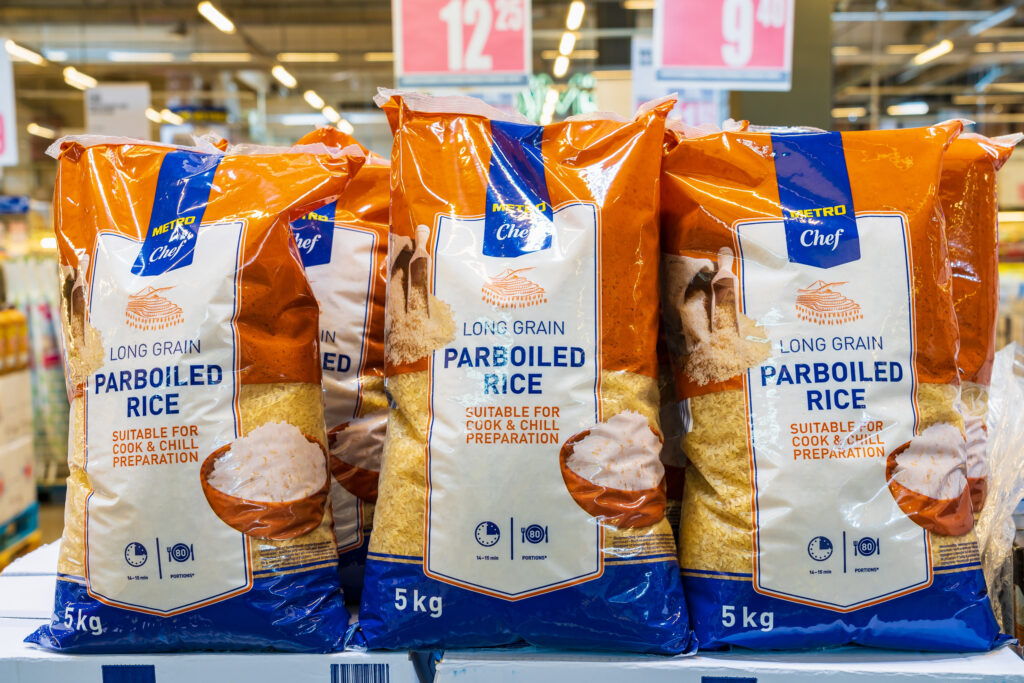
Rice shortages are driven less by production and more by policy decisions. Major producing countries often restrict exports during economic or political instability to protect domestic supply. These controls reduce global availability overnight, even when harvests are strong.
Import-dependent regions feel the effects immediately. Price spikes trigger panic buying, and retailers struggle to replenish stock as shipments slow or stop. The reaction amplifies shortages far beyond the initial restriction.
The world is not running out of rice. The market is responding to national protection strategies that prioritize local stability over global flow, creating artificial scarcity for consumers elsewhere.
8. Coffee Beans
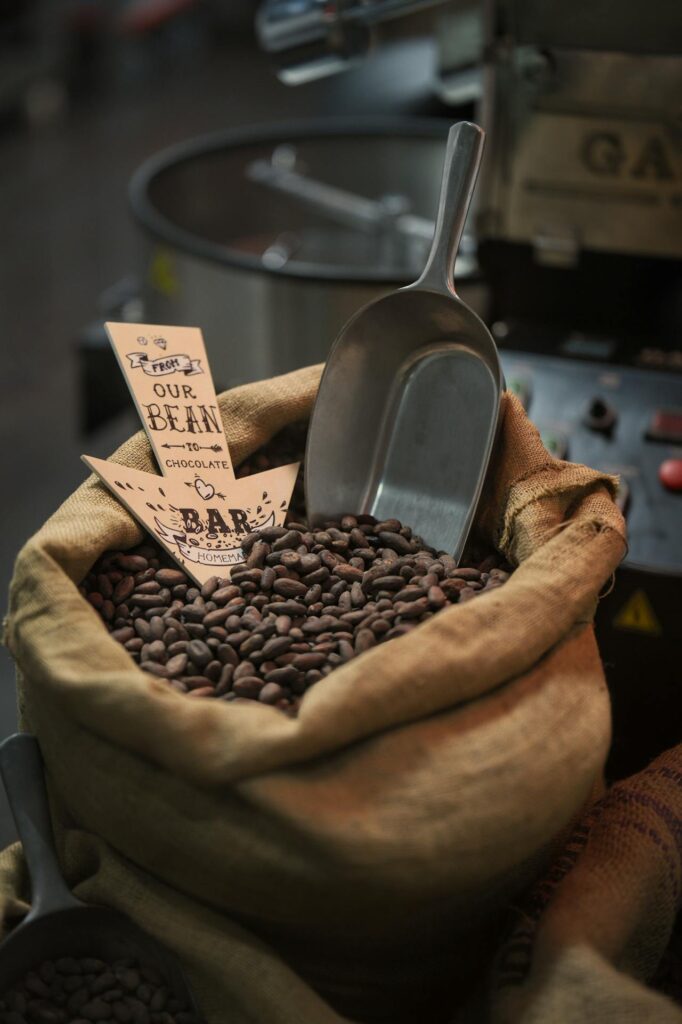
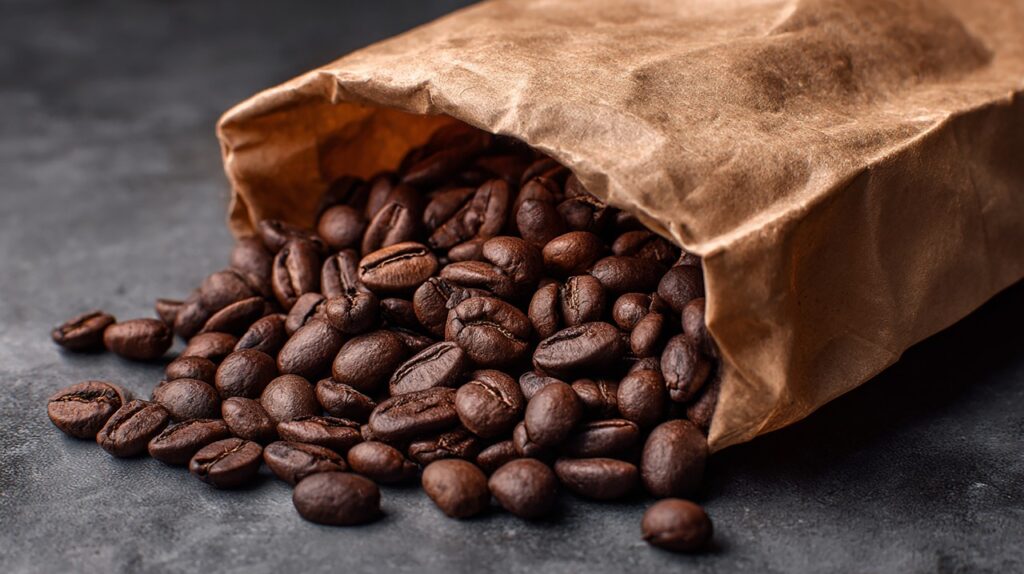
Coffee shortages begin long before beans reach store shelves. Climate stress from droughts, rising temperatures, and plant disease reduces yields in key growing regions. Traders respond early, tightening contracts and driving prices higher before physical shortages appear.
Large buyers secure supply first through futures and long-term agreements. Smaller roasters and retailers are left competing for what remains, often at higher prices and lower quality. Consumers notice fewer options even when demand stays steady.
This pattern shows how financial behavior can amplify scarcity. Market speculation creates supply pressure well ahead of actual production limits, reshaping availability long before shortages fully materialize.
9. Meat
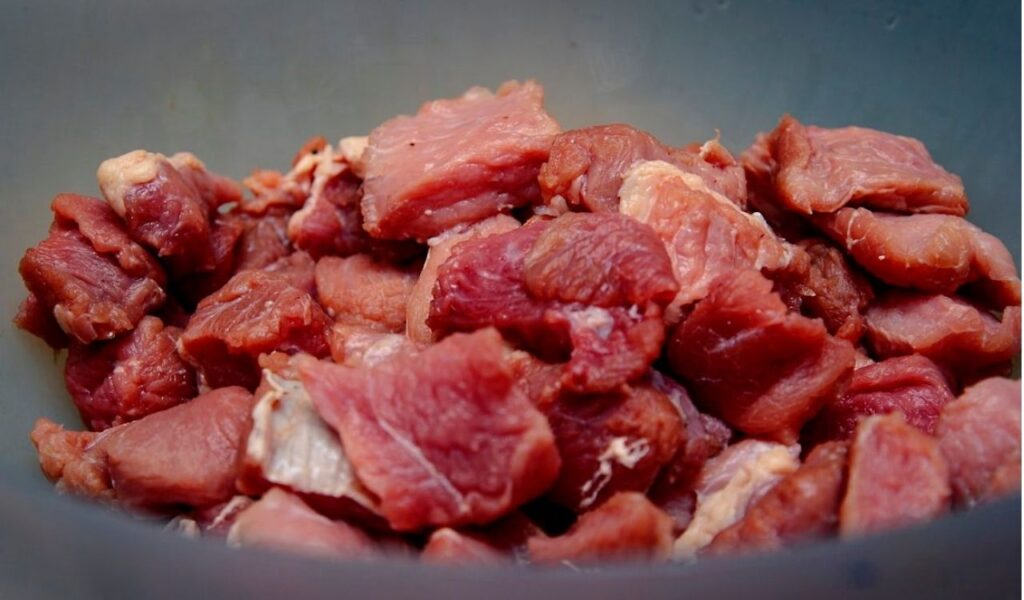
Meat shortages reveal how consolidated processing has become. A handful of facilities handle most beef and pork processing, so when one plant slows or shuts down, massive capacity disappears instantly. Livestock still exists, but it cannot move through the system.
Farmers face falling prices while retailers raise them. This disconnect happens because processing, not production, controls supply. Consumers see empty shelves even as animals remain available upstream.
The system favors scale and efficiency over resilience. When disruptions occur, the lack of redundancy turns localized issues into nationwide shortages almost overnight.
10. Pasta
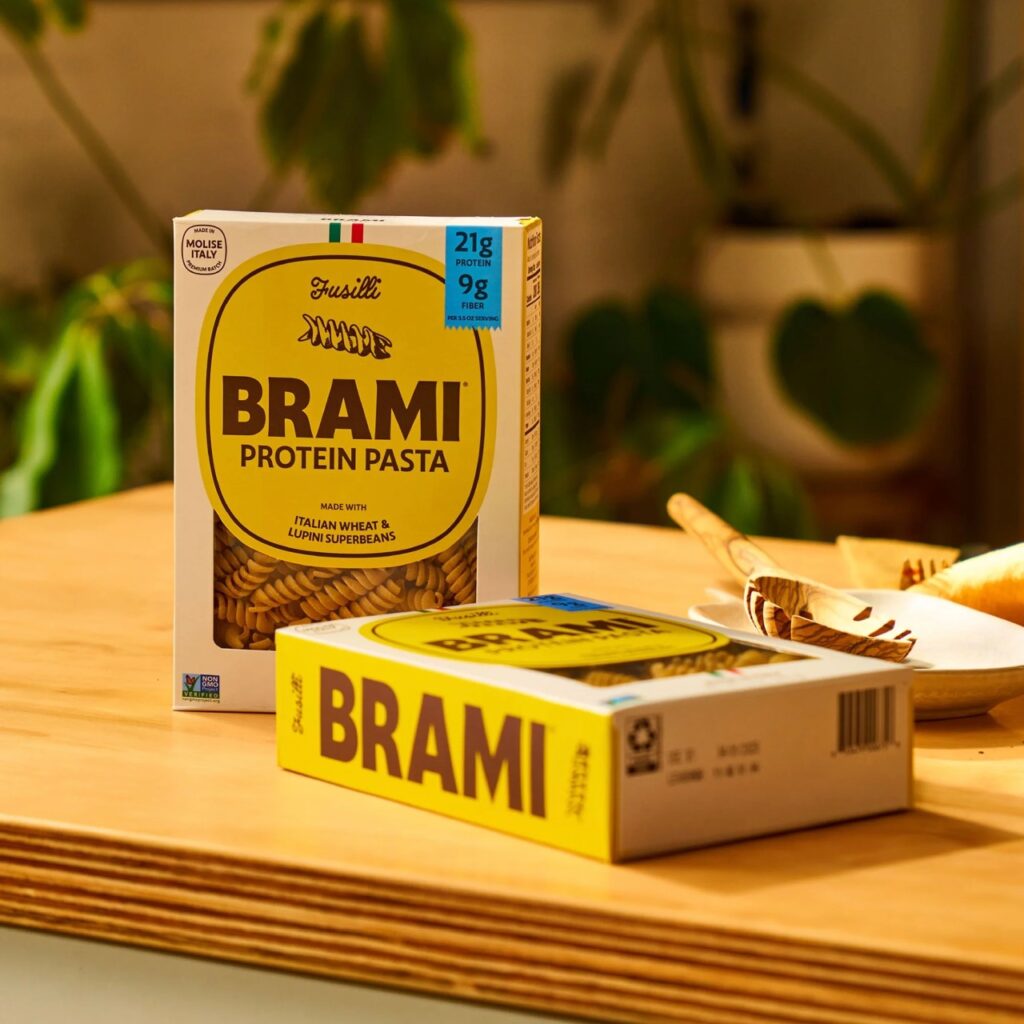
Pasta shortages are shaped by manufacturing priorities rather than wheat supply. When demand spikes, producers focus on high-volume shapes and institutional buyers, pushing retail variety to the back of the line. Specialty items disappear first.
Packaging and transportation delays compound the issue. Even with enough wheat, finished pasta lags due to bottlenecks in processing, labeling, and shipping. These steps matter as much as farming itself.
The shortage is not about running out of pasta. It is about a system that channels supply toward the largest buyers, leaving grocery shelves waiting last for what remains.