10 Common Cooking Habits That are Secretly Making Your Family Sick

Most families assume food poisoning comes from restaurants, not their own kitchens. In reality, many illnesses begin at home through habits that feel routine and harmless. The risk is not obvious mistakes, but small shortcuts repeated every day.
Kitchens may look clean, but bacteria spread easily through hands, utensils, temperature, and timing. When these details are ignored, germs slip into meals that seem fresh, hot, and safe.
These habits rarely cause immediate sickness, which is why they continue. Over time, though, they raise the risk of foodborne illness. Spotting them is not about fear, but about making simple changes that keep meals safer.
1. Not Washing Hands Before Food Prep
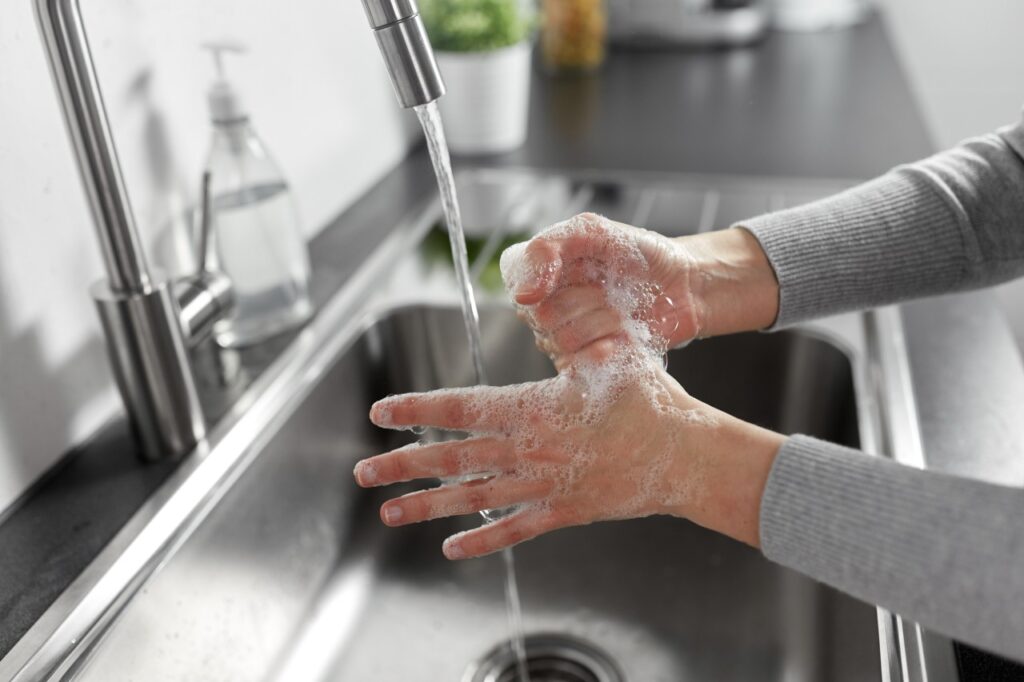
Handwashing is often skipped because it feels obvious, yet hands collect bacteria all day from phones, doors, pets, and packaging. When those germs reach foods like salads, fruit, or bread, there is no cooking step to kill them. They go straight onto the plate.
Warm kitchens make it worse. Bacteria spread easily, and even clean-looking hands can carry pathogens like norovirus or salmonella. A quick rinse is ineffective. Soap and friction are what actually remove germs.
Skipping proper handwashing quietly raises illness risk with every meal. It is one of the easiest habits to fix and one of the most common causes of foodborne sickness at home.
2. Using the Same Cutting Board for Raw Meat and Produce
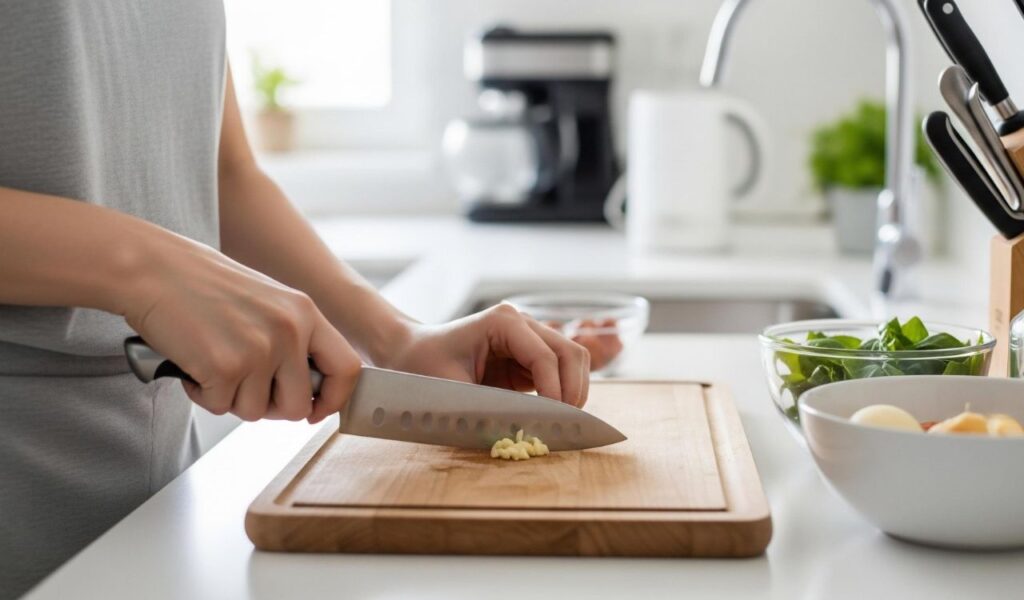
Cutting boards are prime zones for cross-contamination. Raw meat releases juices that carry bacteria, which settle into knife marks and board grooves. Simply wiping the surface does not remove them, especially on wood or plastic with wear.
When vegetables or fruit touch that same board, they pick up bacteria instantly. Because produce is often eaten raw, those pathogens go straight to the table without being cooked off. Even a clean-looking board can be dangerous.
Using separate boards or properly sanitizing between tasks prevents this risk. Reusing one board for everything quietly turns healthy meals into potential illness triggers.
3. Thawing Meat on the Counter
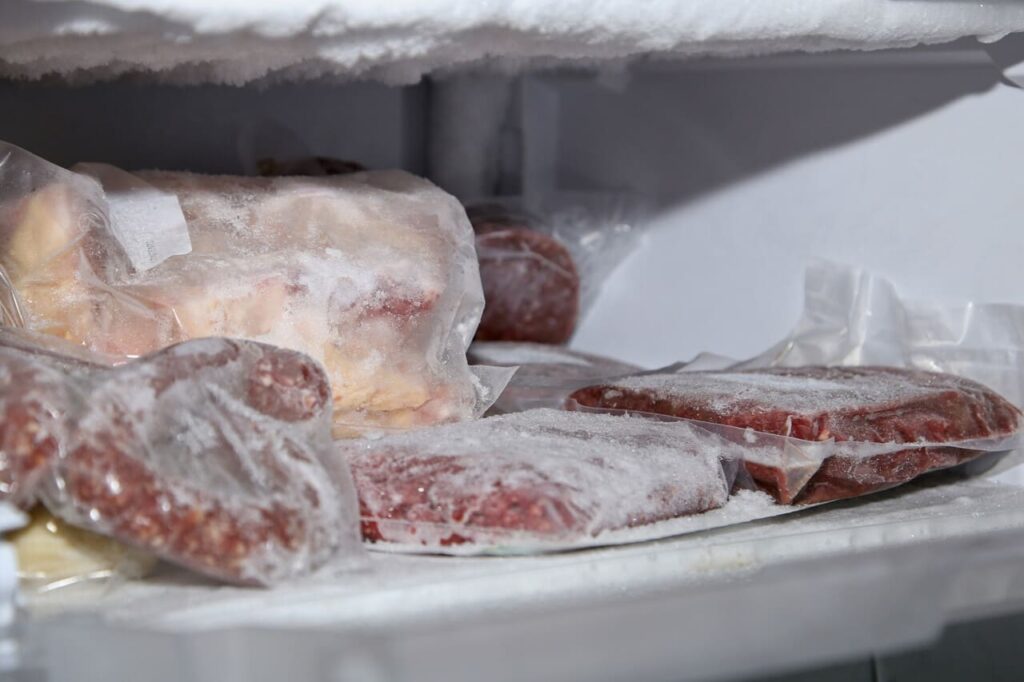
Counter thawing puts meat directly in the temperature danger zone. As the outside warms, bacteria multiply rapidly while the inside stays frozen. This uneven warming gives microbes hours to grow unchecked.
Even short periods at room temperature can allow harmful bacteria to thrive. Cooking later does not always fix the problem because some bacteria leave behind toxins that heat cannot destroy. The risk builds before the pan ever heats up.
Safe thawing methods keep meat cold while it defrosts. The refrigerator, microwave, or cold water all limit bacterial growth. Counter thawing quietly raises the odds of food poisoning.
4. Undercooking Poultry or Ground Meat
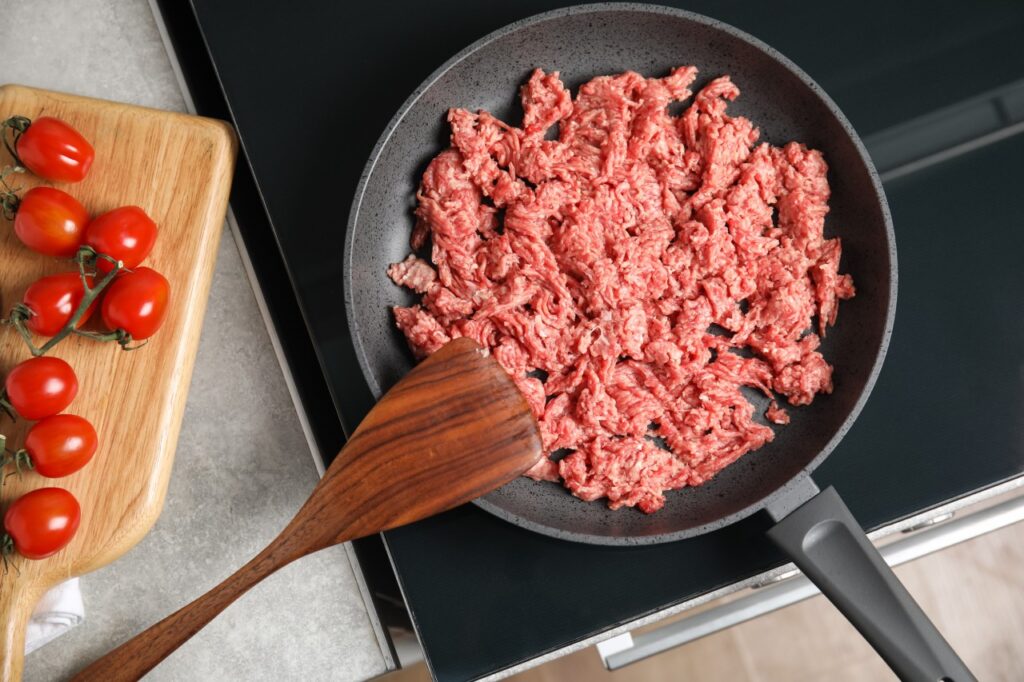
Undercooked poultry and ground meat are common sources of foodborne illness. These foods are risky because bacteria are not just on the surface. In ground meat, microbes are mixed throughout, and poultry can carry bacteria deep in the tissue.
Appearance is unreliable. Chicken may look fully cooked while still containing salmonella, and ground meat can brown before reaching a safe temperature. Relying on color or time creates false confidence.
A food thermometer removes the guesswork. Cooking to proper internal temperature kills bacteria. Undercooking may seem minor, but it quietly puts dangerous pathogens on the plate.
5. Leaving Cooked Food Out Too Long
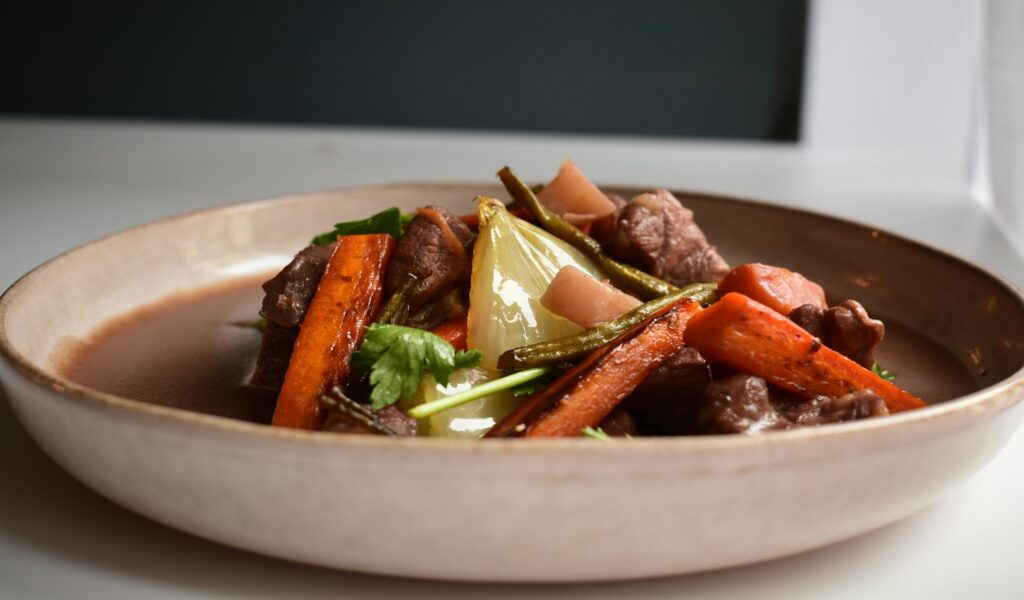
Once cooked food leaves the heat, it begins cooling through temperature ranges where bacteria grow fastest. This window allows microbes to multiply rapidly, especially in moist, protein-rich dishes. Leaving food out for hours creates ideal conditions for contamination to take hold.
Reheating does not always make food safe again. Some bacteria produce toxins that survive heat, particularly in foods like rice, pasta, meats, and sauces. A dish can smell and taste normal while still causing illness.
Prompt refrigeration slows bacterial growth dramatically. Allowing food to sit out quietly transforms leftovers into hidden health risks that often go unnoticed until symptoms appear.
6. Reusing Marinades from Raw Meat
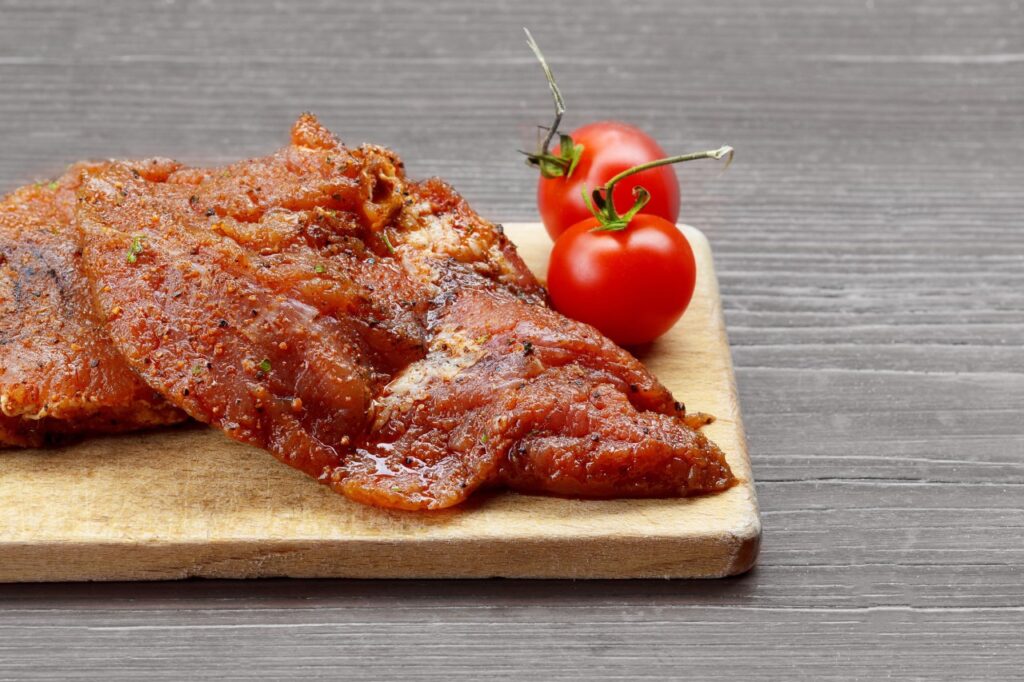
Marinades that contact raw meat become contaminated almost immediately. Bacteria transfer from the meat into the liquid and continue multiplying as it sits, especially at room temperature. Using that same marinade later spreads microbes onto cooked food.
Boiling is not a reliable fix. Thick marinades heat unevenly, and brief boiling may not destroy all pathogens. The risk remains higher than most home cooks expect, even when precautions seem sufficient.
Using fresh marinades or setting aside unused portions before contact with raw meat is safer. Reusing raw marinades quietly reintroduces bacteria after cooking is complete.
7. Washing Raw Chicken in the Sink
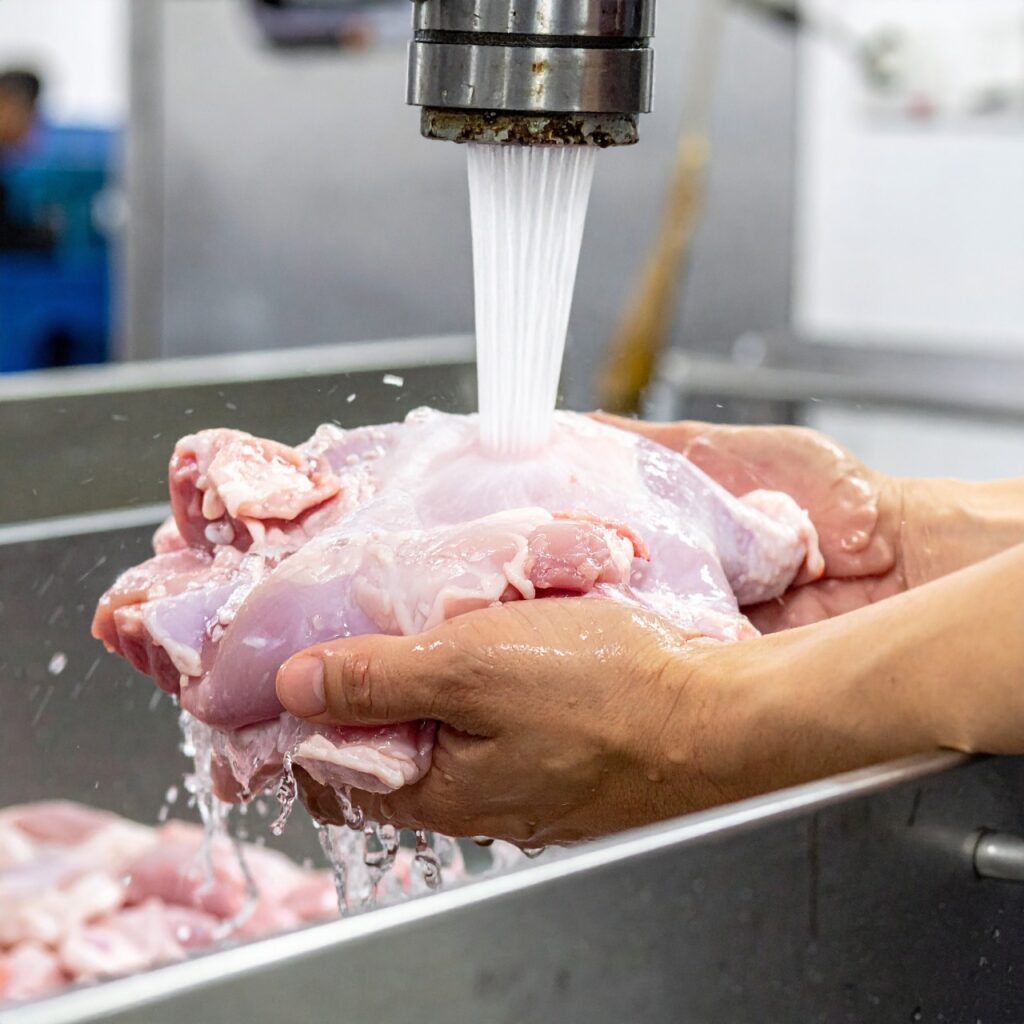
Washing raw chicken does not make it safer. It spreads bacteria instead. Water splashes contaminated droplets across sinks, countertops, utensils, and nearby foods, creating invisible contamination zones throughout the kitchen.
Cooking is what destroys bacteria on poultry, not rinsing. Washing increases the surface area where germs can land, and those splashes often go unnoticed and uncleaned. The result is widespread contamination.
Skipping the rinse and focusing on proper cooking and surface sanitation keeps bacteria contained. Washing chicken quietly turns the entire kitchen into a risk zone.
8. Ignoring Refrigerator Temperature
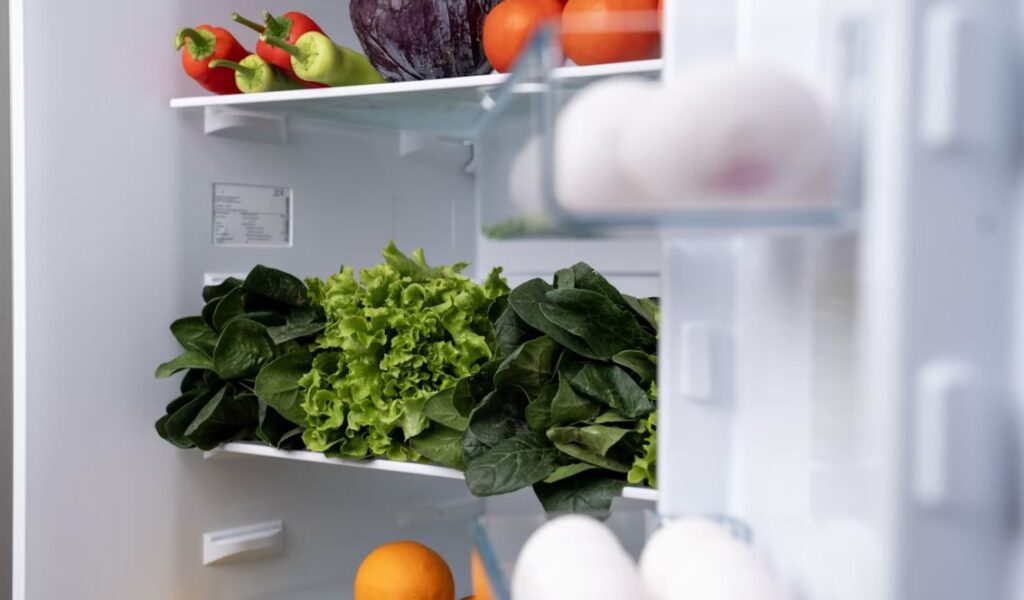
A refrigerator that runs too warm allows bacteria to grow even when food looks normal. Many home fridges drift above safe temperatures without obvious signs, especially when overfilled or frequently opened. Leftovers and dairy spoil faster than expected.
Bacterial growth may be slow, but it is constant. Each degree above safe range shortens shelf life and increases illness risk, particularly for ready-to-eat foods that receive no further cooking.
Keeping the refrigerator cold enough slows microbial growth significantly. Ignoring temperature quietly undermines food safety every day, even when everything appears clean.
9. Using Expired or Improperly Stored Ingredients
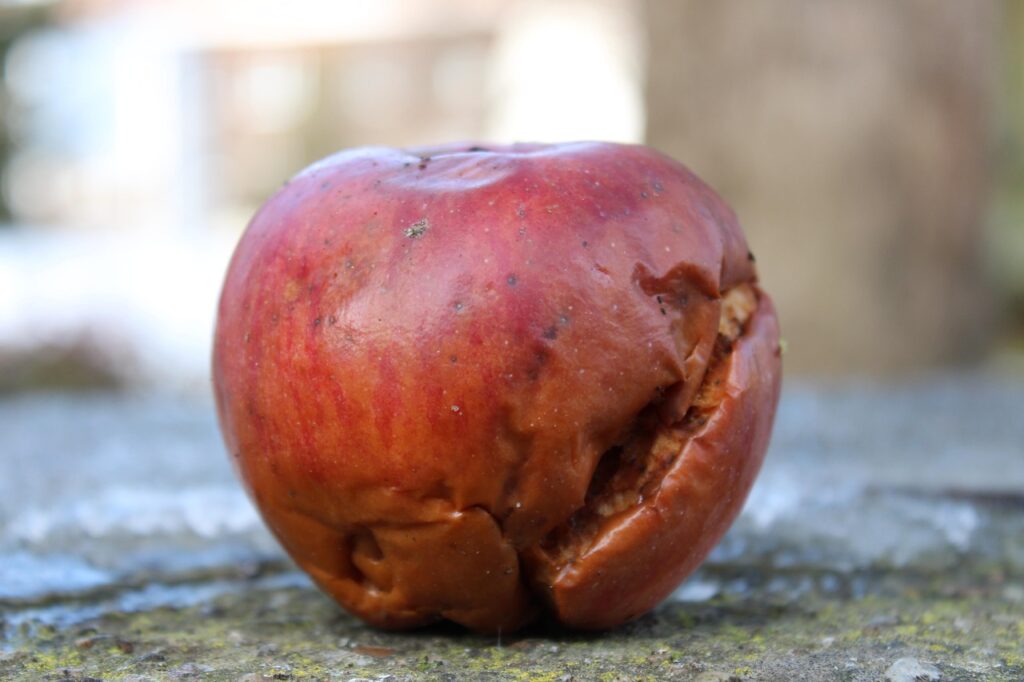
Expired or improperly stored ingredients can be risky even when they look fine. Harmful bacteria, molds, and toxins often develop without obvious changes in smell, taste, or appearance, making senses an unreliable guide.
Poor storage makes the problem worse. Moisture leads to mold in dry goods, heat speeds up oil spoilage, and leftovers kept too long allow bacteria to grow. Even unopened items break down faster when temperature and humidity are ignored.
Watching expiration dates and storing food properly greatly reduces risk. Overlooking these details quietly increases the chance of foodborne illness at home.
10. Tasting Food with the Same Spoon Repeatedly

Tasting food with the same spoon seems harmless, but it repeatedly introduces mouth bacteria into the pot. Saliva contains microbes that thrive in warm soups, sauces, and stews, especially when food is held at serving temperature for extended periods. Each dip increases contamination.
Illness may not show up right away, which makes this habit easy to dismiss. However, repeated contamination speeds up spoilage, causing leftovers to break down faster and become unsafe much sooner than expected. The risk grows with time.
Using a clean spoon for each taste stops this cycle completely. Reusing tasting spoons quietly turns a normal cooking habit into a persistent food-safety problem that affects everyone who eats later.