TikTok Food Trends Are Reshaping How Americans Cook at Home

TikTok has quickly become one of the most powerful forces shaping modern home cooking in the United States. What once required cookbooks, cooking shows, or food blogs can now spread across millions of kitchens through a short video on a smartphone screen. From viral pasta recipes to creative sandwich hacks and global dishes, the platform has turned everyday home cooks into enthusiastic experimenters. The speed, simplicity, and visual nature of TikTok make cooking feel more approachable and less intimidating.
Viral Recipes Are Changing Everyday Cooking
One of the most striking impacts of TikTok on home cooking is how quickly recipes can spread across the country. A dish that appears in a short video can reach millions of viewers within hours. Home cooks who might never have attempted a particular dish suddenly feel encouraged to try it themselves after watching a quick demonstration. The visual nature of short videos makes recipes feel approachable and easy to follow. Instead of reading long instructions, viewers watch the entire process unfold step by step in real time. Many people say they feel more confident trying a recipe after seeing exactly how the ingredients should look during each stage of cooking.
These viral recipes often rely on simplicity and convenience, which makes them especially appealing to busy households. Many TikTok recipes focus on minimal ingredients and quick preparation times, allowing people to cook something interesting without spending hours in the kitchen. As a result, everyday cooking routines are changing. People are experimenting more frequently and adding new dishes to their weekly meals. What once required flipping through cookbooks or browsing lengthy blogs now happens in seconds through a scrolling feed. Many home cooks discover ingredients or combinations they might never have considered otherwise.
The constant stream of trending recipes also keeps home cooking dynamic. Each week brings a new idea that people want to try, whether it involves a creative sandwich, a one-pan dinner, or a quick dessert. This cycle of discovery encourages experimentation in the kitchen. Instead of repeating the same meals every week, many households are now inspired to explore new flavors and techniques simply because they saw them in a short video. Over time, this exposure broadens people’s cooking knowledge without requiring formal training. Even small cooking tricks shared in these videos can influence how people prepare everyday meals.
Social Media Creators Are Becoming Kitchen Authorities
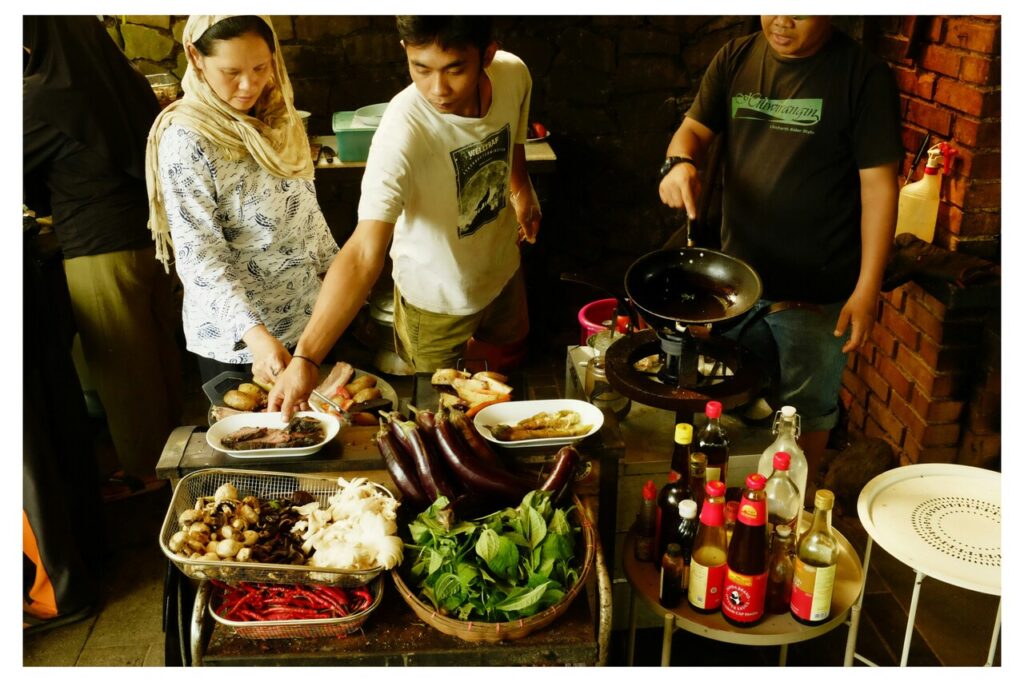
TikTok has transformed everyday creators into influential voices in the food world. Many home cooks who began by casually sharing recipes now reach millions of viewers and shape how people prepare meals at home. Their influence comes from relatability rather than formal training. Viewers often trust these creators because they cook in ordinary kitchens and straightforwardly explain techniques. This sense of authenticity makes recipes feel accessible to anyone watching. People are often drawn to creators who show mistakes, adjustments, and practical solutions while cooking. This honesty makes the learning process feel more realistic and encouraging.
Unlike traditional celebrity chefs, TikTok food creators often interact directly with their audience. Comments and questions from viewers can lead to follow-up videos that clarify techniques or suggest variations. This interactive style of cooking education allows people to learn more conversationally. Instead of passively reading a recipe, viewers feel like they are participating in a community that shares cooking ideas and solutions. Many creators also respond to viewer requests by testing different ingredient substitutions or cooking methods. This level of responsiveness builds a strong connection between creators and their audience.
The popularity of these creators also shows how food expertise is evolving. Many successful TikTok cooks are not professional chefs, yet their ability to explain recipes clearly makes them highly influential. Their success demonstrates that practical kitchen knowledge and creativity can resonate strongly with audiences. As more people discover cooking through social media, the idea of who qualifies as a trusted culinary voice continues to expand. This shift is changing how people learn cooking skills. Instead of relying only on traditional media, home cooks are now learning directly from peers who share their everyday experiences.
Older Creators Are Gaining Massive Trust
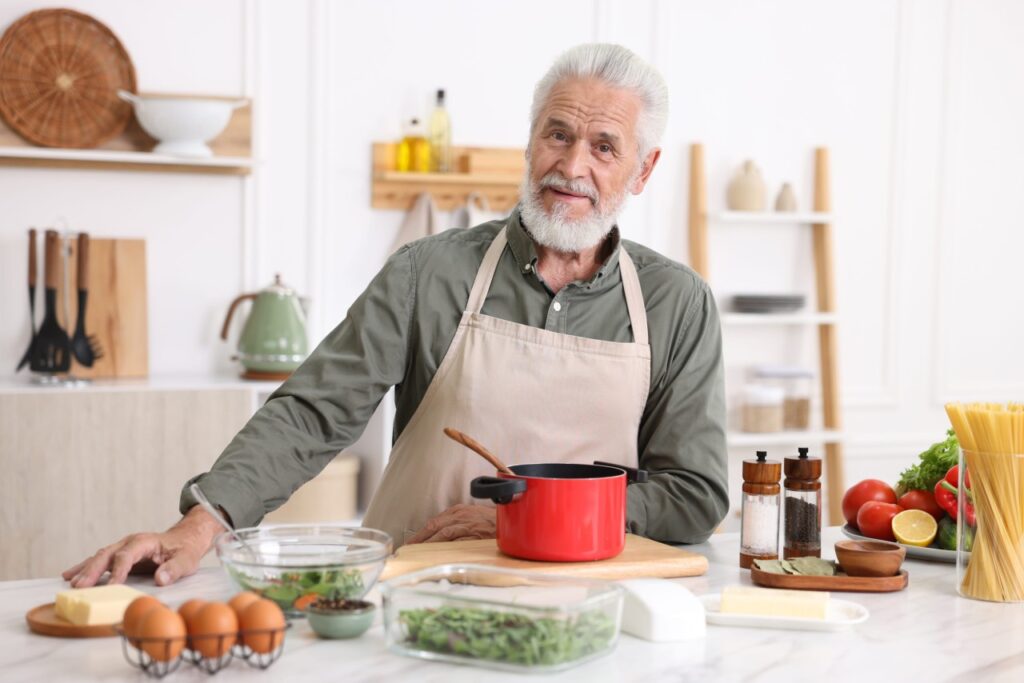
Another fascinating trend on TikTok is the rise of older food creators who share traditional cooking methods. These individuals often bring decades of kitchen experience and present recipes that feel comforting and familiar. Their videos frequently highlight family dishes, simple techniques, and practical advice that viewers find refreshing. In a platform often associated with young influencers, these creators stand out by offering wisdom and authenticity. Many viewers appreciate the calm pace and clear explanations these cooks provide. Their videos often feel more like watching a family member cook rather than following a scripted tutorial.
Viewers tend to respond warmly to this style of content because it feels sincere and approachable. Watching someone prepare a dish in a calm, home-style environment can create a sense of nostalgia. Many of these creators emphasize cooking skills that have been passed down through generations. Their presence reminds viewers that valuable culinary knowledge often comes from everyday experience rather than professional training. This authenticity often resonates more strongly than highly polished content. People enjoy learning techniques that feel practical and rooted in real life. The relaxed pace makes the process feel achievable in an ordinary kitchen.
This trend also bridges generational gaps in the kitchen. Younger viewers discover traditional dishes that they may not have encountered before. At the same time, older cooks gain a platform to share their knowledge with a much larger audience. The result is a unique blend of tradition and modern technology that brings classic recipes back into everyday cooking conversations. These exchanges also help preserve culinary traditions that might otherwise fade over time. Social media, therefore, becomes a place where food heritage can continue evolving while still honoring its roots. Families often recreate these dishes together after seeing them online.
Global Flavors Are Entering American Kitchens
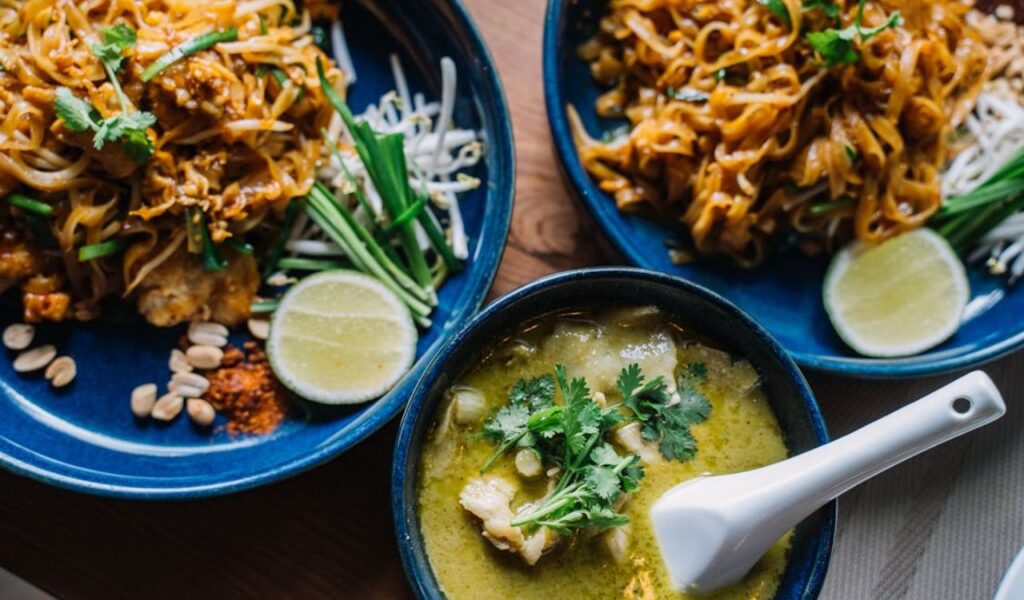
TikTok has also opened the door for international recipes to gain popularity among American home cooks. Creators from different countries share traditional dishes, which quickly attract viewers curious about global flavors. A recipe that might once have remained local can suddenly reach millions of people around the world. This exposure encourages viewers to explore ingredients and techniques from cuisines they may not have previously tried. Many viewers begin saving these recipes and planning meals around them. Over time, this repeated exposure builds familiarity with ingredients that once seemed unusual or difficult to use.
The platform allows home cooks to learn about unfamiliar ingredients visually and engagingly. Watching someone prepare a dish step by step can make a foreign cuisine feel accessible rather than intimidating. Many viewers become curious about the cultural context behind these recipes and seek out the ingredients needed to recreate them. This curiosity often leads people to explore specialty grocery stores or international markets. Over time, these experiences expand people’s understanding of global food traditions. People also become more comfortable experimenting with spices and sauces that were once unfamiliar.
As a result, American kitchens are becoming more diverse in the flavors they use. Home cooks are experimenting with spices, sauces, and cooking methods that were once considered niche. This shift reflects a growing interest in exploring global cuisine from the comfort of home. Many families now incorporate international dishes into their regular meal rotations. This growing curiosity about global food helps broaden culinary knowledge and appreciation. It also encourages people to adapt traditional recipes using locally available ingredients. Over time, this blending of influences creates new variations that reflect both global inspiration and personal taste.
Grocery Shopping Is Influenced by Viral Recipes
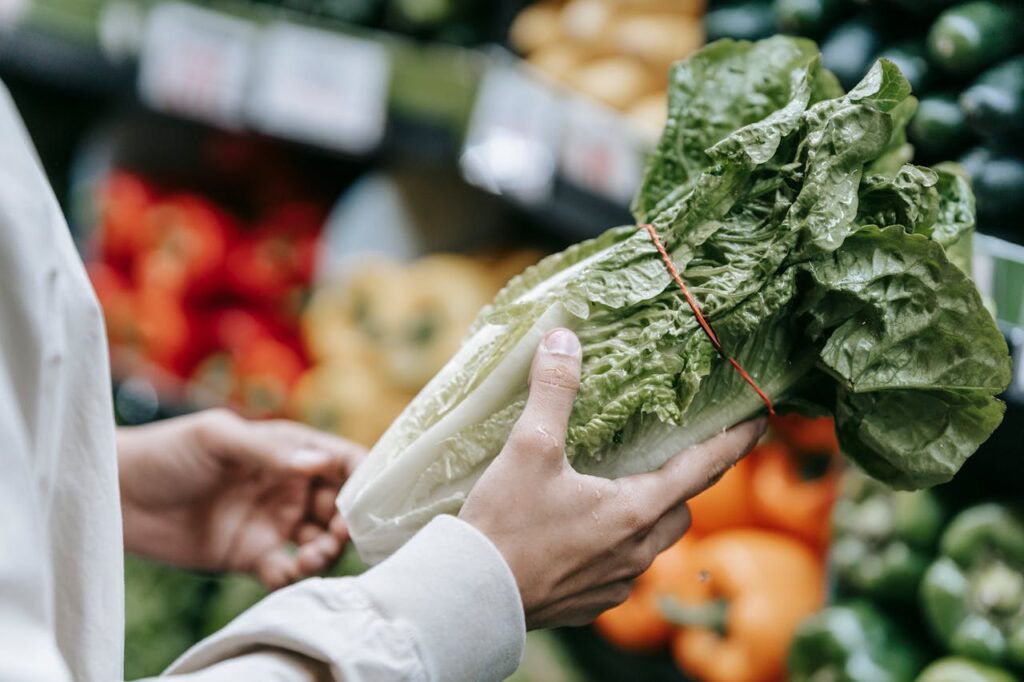
TikTok trends do not just affect what people cook. They also influence what people buy at the grocery store. When a recipe becomes viral, the ingredients featured in the video can suddenly become extremely popular. Stores sometimes notice rapid increases in demand for certain products after they appear in trending recipes and videos. These spikes can happen very quickly when a video receives millions of views. Shoppers may visit multiple stores trying to find the ingredients they saw online. This sudden demand highlights how quickly digital trends can translate into real-world purchasing behavior.
This effect demonstrates the powerful relationship between social media and consumer behavior. A single viral video can introduce an ingredient to millions of viewers who may never have considered buying it before. As people attempt to recreate the recipe at home, grocery lists begin to change. Ingredients that were once unfamiliar suddenly become common household purchases. This phenomenon shows how online content can directly shape shopping habits. It also encourages stores to pay closer attention to emerging food trends. Retailers often monitor social media activity to anticipate which ingredients might soon become popular.
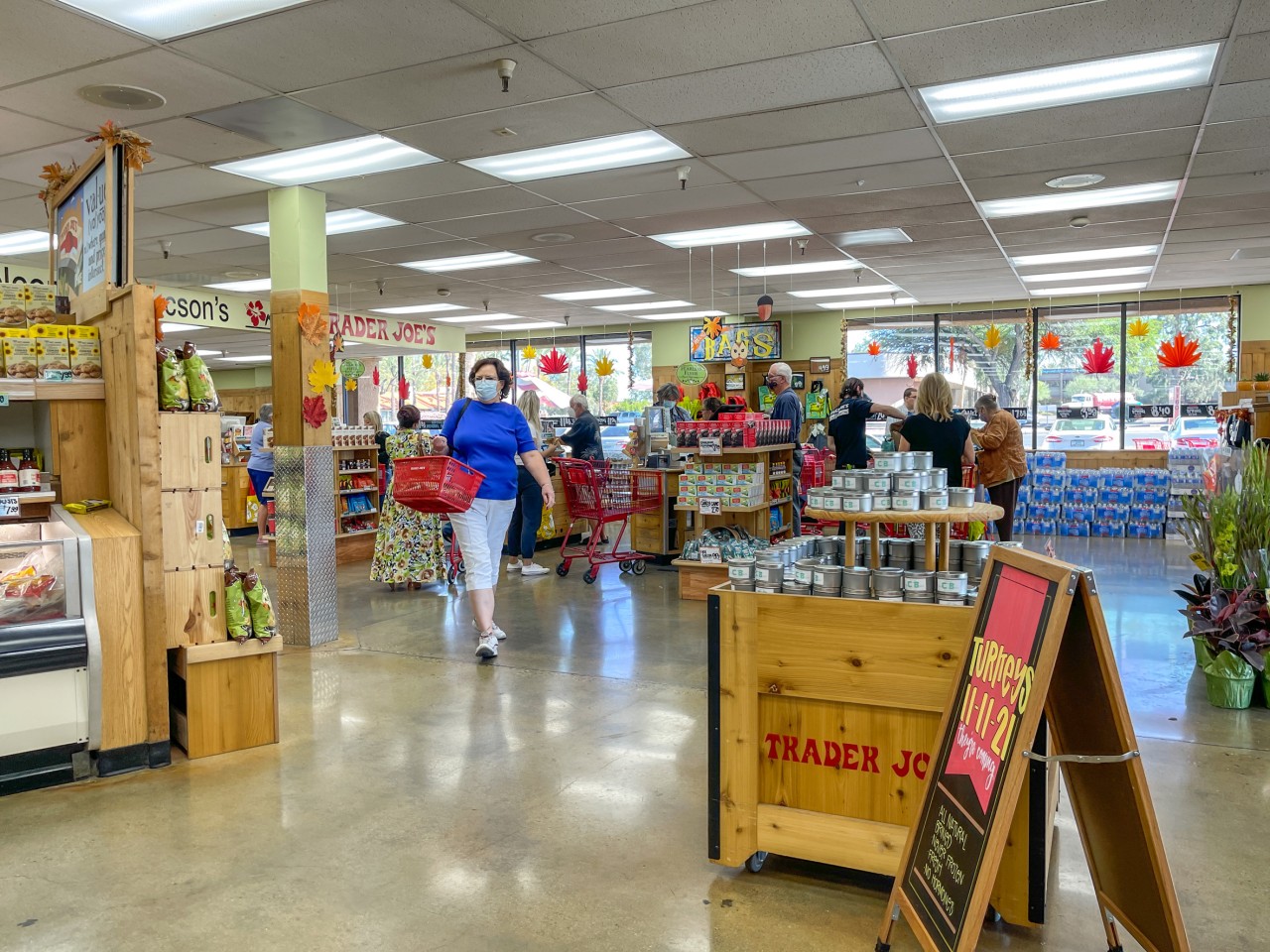
Retailers often respond to these trends by highlighting popular ingredients or expanding their inventory. When enough shoppers begin looking for the same item, stores recognize the opportunity to meet that demand. In this way, social media trends are influencing not only cooking habits but also the way grocery stores respond to consumer interests. Retailers sometimes even promote ingredients that are currently trending online. This connection between digital trends and retail demand continues to strengthen. Some stores even create displays featuring ingredients associated with viral recipes. These efforts help shoppers quickly find what they need to recreate popular dishes.
Food Trends Are Moving Faster Than Ever
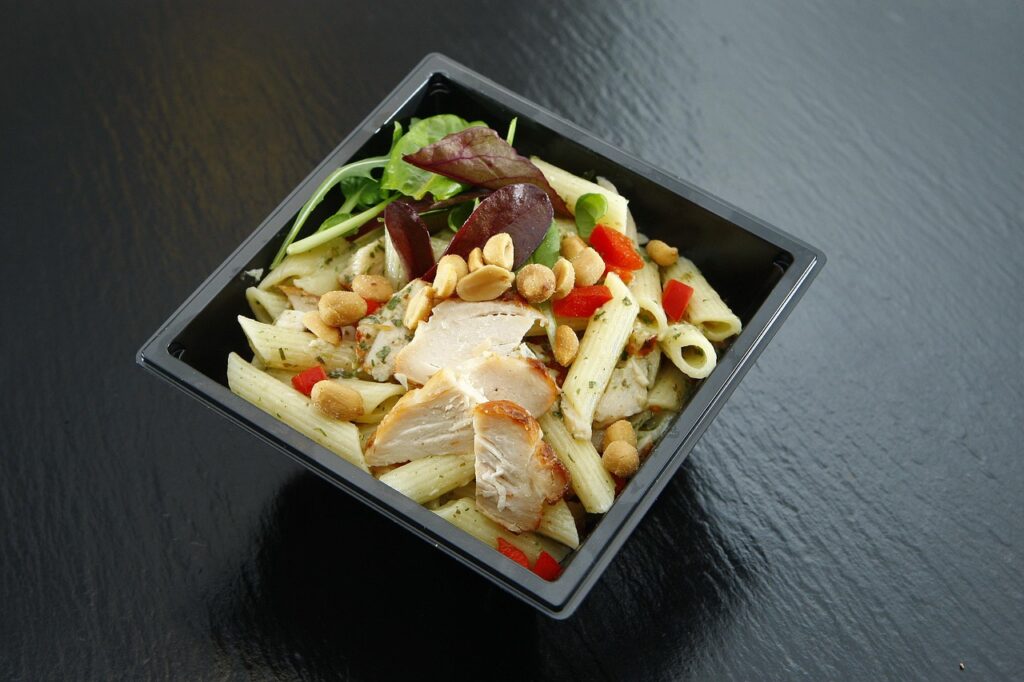
The speed at which food trends develop today is unlike anything seen in previous decades. Before social media, new recipes often spread slowly through cookbooks, television shows, or magazine articles. Now, a cooking idea can reach millions of people within hours and inspire thousands of home kitchens almost immediately. This rapid circulation of ideas keeps the food world constantly evolving. People are exposed to far more cooking inspiration than ever before. The constant flow of content means that new dishes appear almost daily. This environment encourages curiosity and experimentation among home cooks.
This rapid pace creates a constantly evolving food culture. One week, a specific dish might dominate social media feeds, and the next week a completely new recipe captures attention. Home cooks are exposed to an endless stream of inspiration that encourages experimentation and curiosity. These trends often motivate people to try cooking techniques they might not have attempted otherwise. Even short-lived trends can introduce useful cooking ideas. Some recipes inspire creative variations that continue long after the original trend fades. These adaptations help keep home cooking fresh and engaging.
While some trends fade quickly, others leave a lasting impact on how people cook. Techniques and ingredient combinations that gain popularity online can become part of everyday meal planning. Over time, these digital influences reshape the way Americans approach home cooking and expand the variety of dishes people feel comfortable preparing. Many people now discover recipes through social media before anywhere else. This shift shows how digital platforms are reshaping modern cooking culture. As new creators continue sharing new ideas, the cycle of innovation in home kitchens continues to grow.