How Many Bottles of Whiskey Really Come from One Barrel

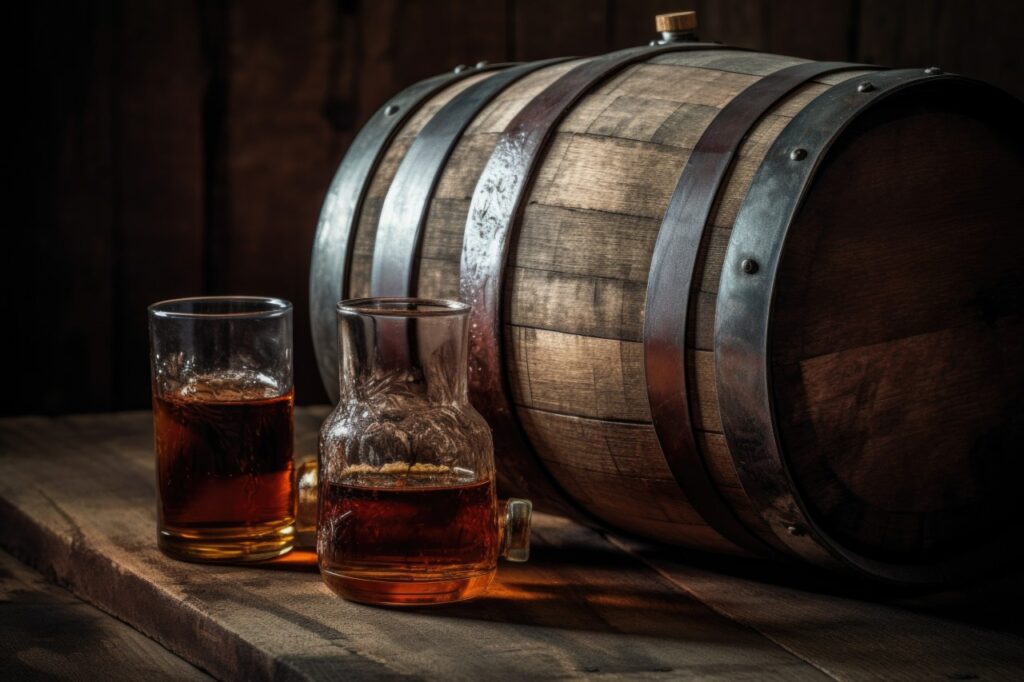
A single whiskey barrel holds far more than liquid quietly aging in oak. From the moment it is filled, time, temperature, and environment begin shaping what will eventually reach a glass. While it may seem like a simple matter of volume, the reality is far more complex. Barrels breathe, seasons change, and whiskey slowly interacts with charred wood, gaining color and flavor while steadily losing volume. Heat pushes the spirit into the oak, cold pulls it back out, and each cycle alters both taste and quantity. Over the years, evaporation becomes unavoidable, quietly reducing the amount left behind.
What happens next depends on choices made long after the barrel is sealed. Aging length, warehouse conditions, and entry proof all influence how much whiskey survives. Some barrels lose more alcohol, others more water, changing both strength and yield. When aging ends, decisions about dilution or barrel-proof bottling further affect the final count. Older whiskeys are rarer not because producers hold back, but because time steadily claims its share. Understanding this journey explains why bottle counts are estimates rather than guarantees, and why each barrel represents patience, loss, and craftsmanship working together over years rather than a simple calculation made at filling.
Inside a Whiskey Barrel
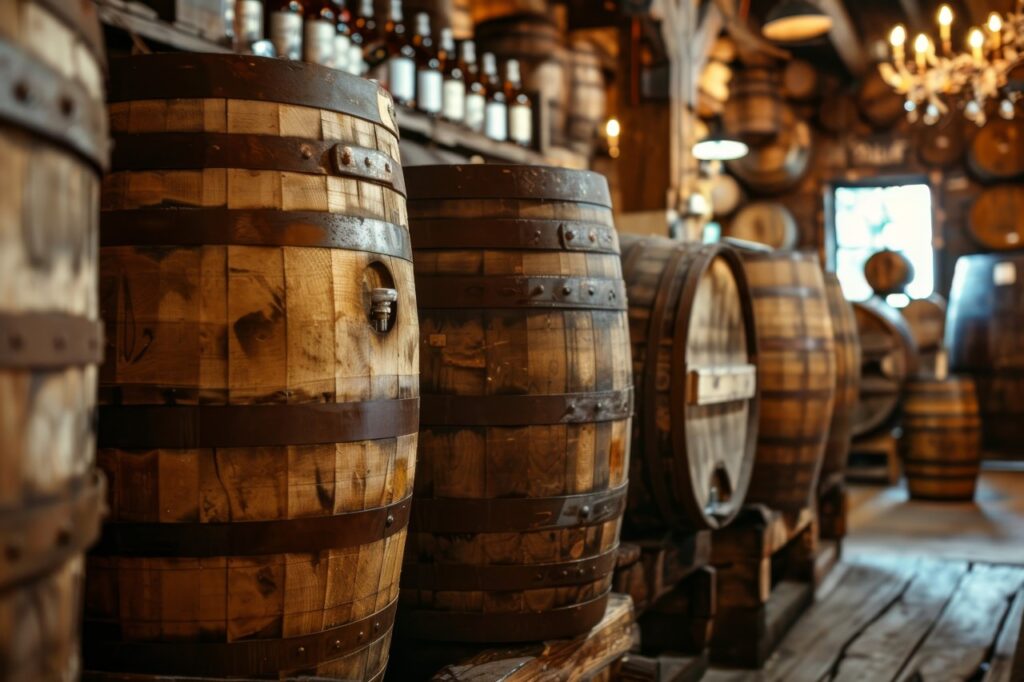
A whiskey barrel may look simple from the outside, but it is a carefully standardized vessel designed to shape both flavor and volume. In most American whiskey production, the standard barrel holds 53 U.S. gallons, a size chosen for practical reasons tied to transport, storage, and aging efficiency. This volume provides ample surface area for the spirit to interact with the wood without aging too quickly. The barrel is made from new, charred American oak, a legal requirement for bourbon and other whiskey styles. Charring the interior creates a charcoal layer that filters impurities, deepens color, and opens the wood’s structure so flavor compounds move freely into the spirit.
The barrel itself actively determines how much whiskey survives to bottling. Oak is naturally porous, allowing oxygen to enter while permitting small amounts of liquid to escape. Seasonal temperature shifts cause the whiskey to expand into the wood during warm periods and contract back into the barrel as temperatures drop. This constant movement extracts sugars, tannins, and aromatic compounds while gradually reducing volume. From the moment whiskey is sealed inside, evaporation begins its slow work. Understanding this interaction between spirit, wood, and climate explains why final bottle counts are shaped by time and environment, not simple math.
The Starting Volume
At the moment a whiskey barrel is filled, it holds its greatest possible volume, typically about 53 gallons of clear spirit. This liquid enters the barrel at a specific proof that is tightly regulated and carefully chosen. In the United States, bourbon cannot be barreled above 125 proof, though many producers opt for lower entry proofs to influence aging outcomes. Proof at entry matters because it affects how alcohol and water interact with the wood. A spirit with more water can draw out certain sugars and flavor compounds, while higher proof alcohol may extract tannins more aggressively. From day one, this balance shapes both taste and future yield.
Once the barrel is sealed, the whiskey begins changing immediately, even though nothing appears to move. Heat and cold cause the liquid to expand and contract, pushing it into the oak and pulling it back out again. During this process, some alcohol may evaporate faster than water, or vice versa, depending on climate and storage conditions. These early choices around proof and filling volume influence how much liquid survives long-term aging. Even subtle shifts in temperature over a single season can permanently alter the balance inside the barrel. Over the years, these small changes compound, shaping both the whiskey’s character and the amount left to bottle.
What Gets Lost Over Time
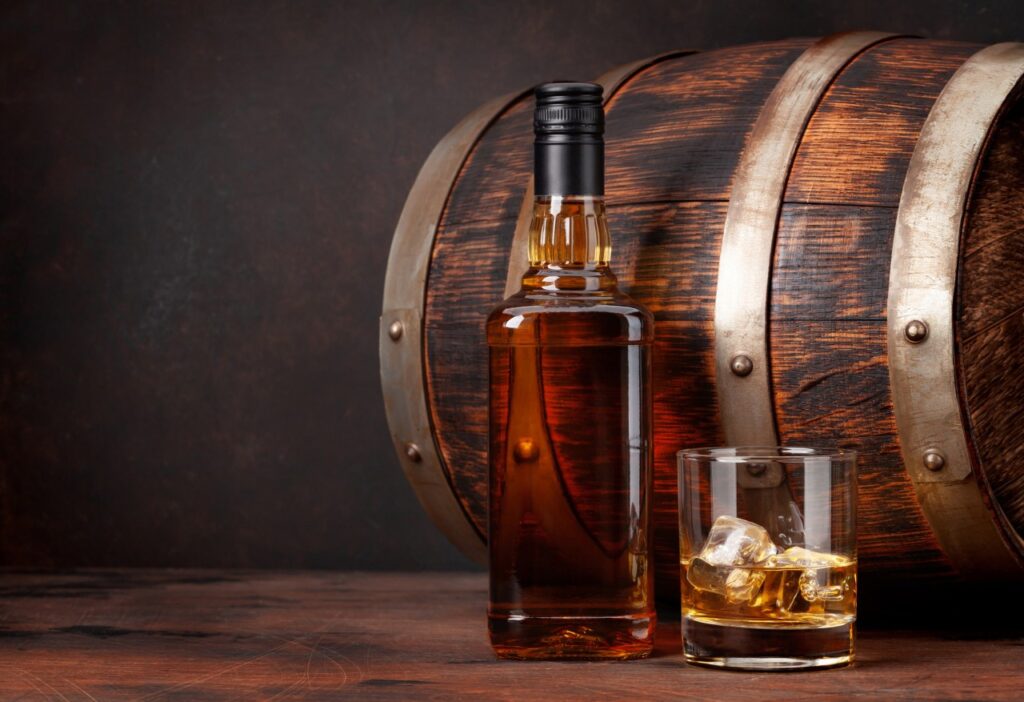
Evaporation is one of the quiet forces that steadily reduces how much whiskey remains in a barrel, and it begins the moment aging starts. As the spirit rests in oak, small amounts escape through the wood’s porous structure into the surrounding air, a process commonly known as the angel’s share. This loss happens every year and is unavoidable, no matter how carefully a barrel is stored. Climate plays a decisive role. Hot, dry conditions accelerate evaporation, while cooler or more humid environments slow it down. Over several years, these small annual losses accumulate, turning a full barrel into something noticeably lighter and setting clear limits on how many bottles can ever be produced.
The type of evaporation also affects the whiskey itself, not just the volume left behind. In some warehouses, alcohol evaporates faster than water, which gradually lowers the proof. In others, water escapes more quickly, concentrating the alcohol and raising the proof instead. Regardless of direction, total volume always declines. A barrel aged for four or five years may lose a modest portion, but one aged for a decade or longer can give up a substantial share of its contents. This explains why older whiskeys are often released in smaller quantities. Time builds depth and complexity, but it also steadily reduces yield.
From Barrel to Bottle
When aging reaches its endpoint, whiskey does not usually move straight from the barrel into bottles. Most producers first adjust the spirit with carefully measured water to reach a specific bottling proof. This step is not about dilution alone but balance, ensuring the whiskey tastes consistent and approachable. Adding water slightly increases total liquid volume, which can raise the final bottle count from a single barrel. This is why whiskeys bottled at standard proof often yield more bottles than expected. In contrast, barrel proof releases skip dilution entirely, preserving the whiskey exactly as it aged.
Bottle size further influences how many finished bottles come from one barrel. The most common format is 750 milliliters, but distilleries may also use smaller or larger sizes depending on market and release style. A relatively young barrel diluted to standard proof may yield roughly two hundred or more bottles, while an older barrel with heavy evaporation produces fewer. Barrel proof expressions reduce the count even further. Each decision made after aging, from proofing to packaging, directly shapes how much whiskey reaches shelves. The final number is never fixed, but the result of deliberate choices made to balance flavor, strength, and availability.
Why Bottle Counts Vary
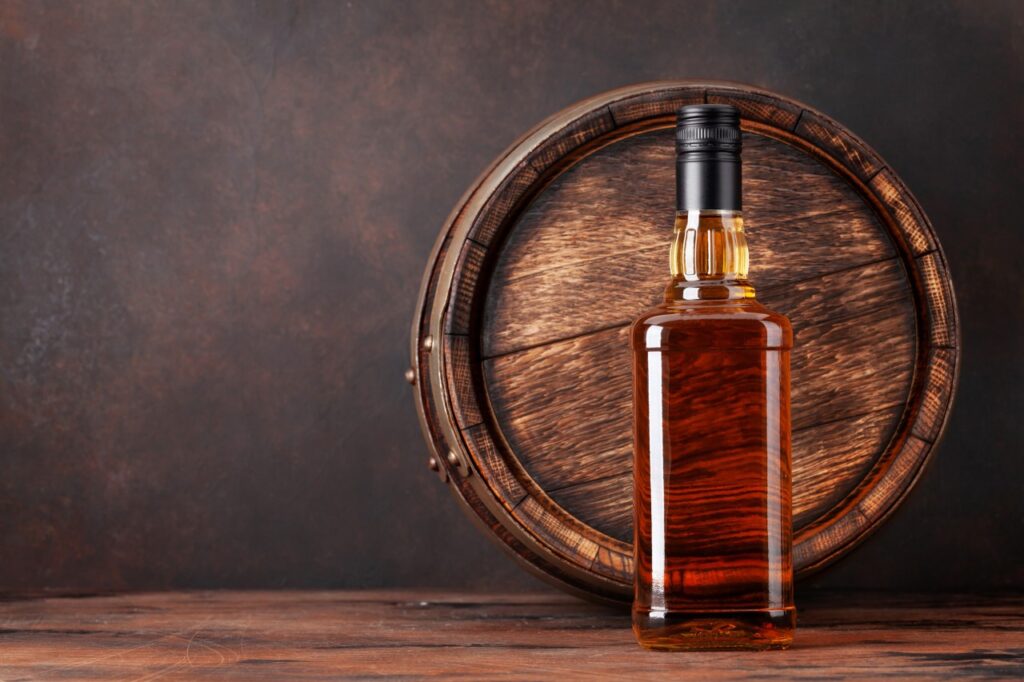
No two whiskey barrels age in the same way, even when they sit only feet apart. Barrels stored higher in a warehouse are exposed to more heat, which increases evaporation and accelerates aging. Those kept closer to the ground experience cooler, steadier temperatures and tend to retain more liquid over time. Airflow, humidity, and seasonal temperature swings all shape how much whiskey is lost year by year. Even construction details matter. The thickness of the oak staves, how tightly the barrel was assembled, and how deeply it was charred can influence how easily liquid and alcohol escape, making every barrel’s final yield slightly different.
Barrel size introduces another layer of variation. While the standard American whiskey barrel holds 53 gallons, some producers use smaller or larger barrels for experimentation or special releases. Smaller barrels have a higher surface area relative to volume, which speeds up interaction with the wood but also increases evaporation. This often leads to faster flavor development and a lower bottle count. Larger barrels may lose volume more slowly. Because aging conditions, barrel size, and production decisions differ so widely, there is no single number that applies to every barrel. Bottle counts are always estimates shaped by time, environment, and choice rather than fixed math.
Reference
- You Might Be Surprised by How Many Bottles of Whiskey One Barrel Produces – foodandwine.com
- How Much Whiskey One Barrel Actually Holds, In Bottles – foodrepublic.com
- You Might Be Surprised by How Many Bottles of Whiskey One Barrel Produces – aol.com