If You Love Pinot Noir This Wine Region Might Be Your New Favorite

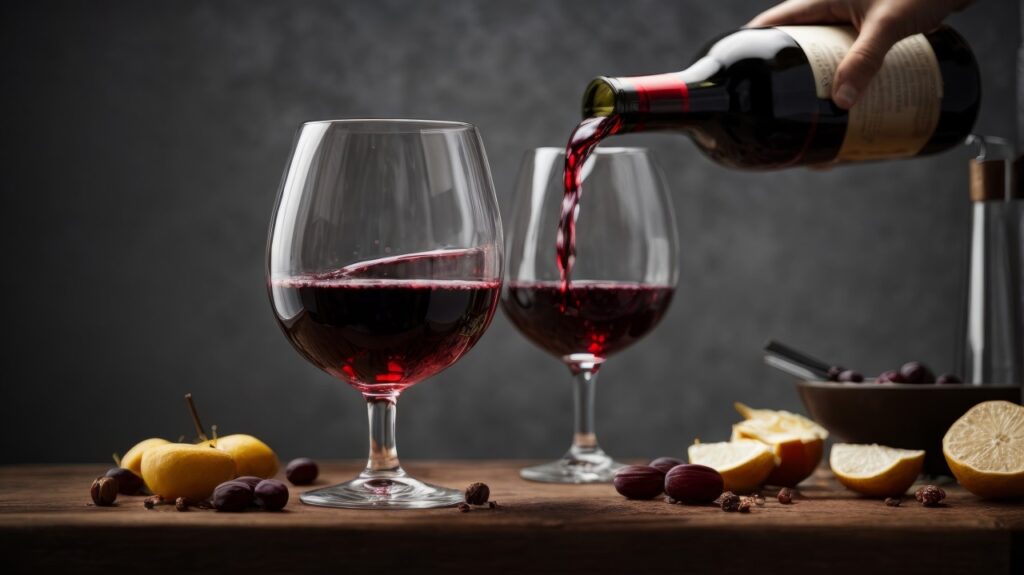
Pinot Noir lovers often feel torn between staying loyal to familiar regions and exploring what lies beyond their comfort zone. Burgundy may define the classic benchmark, while Oregon feels like a reliable modern favorite, yet the Pinot Noir world stretches far wider than most people expect. A quietly evolving region is now drawing attention for producing wines that feel elegant without being intimidating and expressive without excess. Its cooler climate encourages slow, even ripening, allowing delicate aromas and balanced acidity to develop naturally. These wines favor clarity over power, offering refined texture and subtle depth rather than bold heaviness. For drinkers who appreciate nuance and restraint, this region feels like a natural extension of everything they already love about Pinot Noir.
What makes discovering this region especially rewarding is how familiar yet refreshing the experience feels. The wines reflect their surroundings, shaped by thoughtful farming, modest yields, and patient winemaking rather than trends. They offer freshness and subtle complexity without requiring deep expertise or long aging. Instead of replacing classic favorites, these bottles broaden the Pinot Noir landscape, offering a chapter that feels honest and approachable. Exploring them feels less like a risk and more like a natural progression, rewarding curiosity with wines that strike a balance between elegance and character.
Why Pinot Noir Fans Are Turning to Alsace
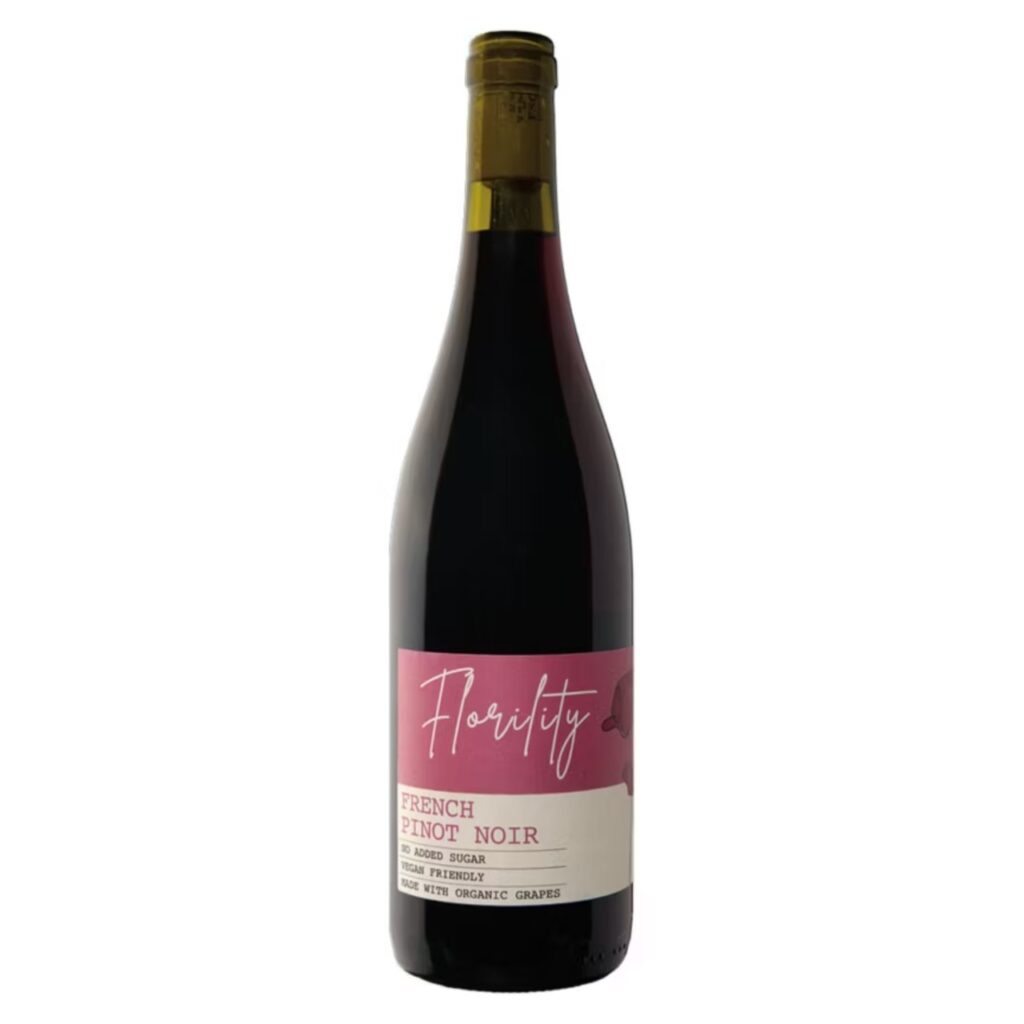
For lovers of Pinot Noir who assume Burgundy and the Willamette Valley define the grape’s limits, Alsace is quietly challenging that belief. Known for generations as a white-wine stronghold, this northeastern French region is now earning attention for refined, expressive Pinot Noir that values balance over weight. Cooler temperatures and long ripening periods allow grapes to develop aroma and structure without losing freshness. The wines often feel poised and restrained, favoring clarity rather than richness. Recent recognition of Pinot Noir in select Grand Cru vineyards has elevated its reputation, signaling that these reds deserve serious consideration alongside Alsace’s whites.
What makes Alsace especially intriguing is how its geography shapes these wines. Protected by the Vosges Mountains, the region experiences low rainfall and steady growing seasons that support slow ripening. This environment encourages Pinot Noir to express bright red fruit, lively acidity, and subtle mineral tones. Historically, red wines here were treated as simple local offerings and excluded from classifications. That perception has shifted as growers refined vineyard practices and lowered yields. Today, Alsace Pinot Noir is gaining traction among professionals for its range and authenticity, reflecting a movement toward regions that offer familiar grapes with a fresh sense of place.
What Makes Alsace’s Pinot Noir Unique
Alsace’s Pinot Noir occupies a space that feels both familiar and quietly distinctive, sitting between delicacy and controlled intensity. The wines rarely chase power, instead leaning into precision and balance. Many are unoaked or see only gentle oak contact, allowing pure notes of strawberry, raspberry, and sour cherry to lead. Acidity remains bright, giving the wines lift and energy, while fine tannins provide structure without heaviness. Because Pinot Noir is the only red grape permitted under Alsace appellation rules, producers treat it with focused intent rather than volume-driven ambition.
Compared with Pinot Noirs from warmer regions, Alsatian examples tend to be leaner and more restrained, emphasizing freshness over ripeness. Gentle oak use, when applied, adds subtle spice and texture without masking the wine’s natural profile. Sparkling expressions further showcase this versatility. Crémant d’Alsace Rosé, made entirely from Pinot Noir using traditional methods, delivers soft floral aromas, red fruit flavors, and crisp acidity. Whether still or sparkling, these wines remain approachable, energetic, and precise. They appeal to drinkers seeking everyday elegance, offering charm and balance while staying true to the grape’s inherently graceful nature.
How Alsace Earned Its Pinot Noir Status
Pinot Noir has been part of Alsace’s landscape for centuries, yet for much of that time it remained secondary to the region’s celebrated white wines. Riesling and Gewurztraminer defined Alsace’s identity, while red wines were grouped under generic labels and excluded from formal quality classifications. This reinforced the belief that Alsace was unsuited to serious red wine, even though Pinot Noir vines persisted across villages. Many bottles were made mainly for local consumption, with little ambition beyond daily drinking. As a result, Pinot Noir’s potential was underestimated, not due to poor conditions, but because attention, resources, and prestige focused almost entirely on whites.
That perception shifted as growers began reassessing what their vineyards could truly deliver. Improved site selection, lower yields, and more careful cellar work revealed how well Pinot Noir responds to Alsace’s soils and climate. A pivotal moment arrived when select Grand Cru vineyards were authorized to produce Pinot Noir under their historic designations, granting red wines long-denied recognition. This change reflected a deeper philosophical evolution, with producers embracing Pinot Noir as a serious expression of place. Alsace’s varied geology, diverse exposures, and long ripening season allow the grape to develop depth and structure.
How Alsace’s Pinot Noir Pairs With Food
Alsace Pinot Noir stands out at the table because it balances freshness with enough structure to handle a wide range of foods. Bright acidity keeps the wine lively, while moderate alcohol prevents it from overpowering dishes. This makes it especially effective with traditional Alsatian cooking, where richness and smoke are common. Dishes like tarte flambée, pork charcuterie, and duck confit benefit from the wine’s red fruit lift, which cuts through fat and salt without clashing. Earthy notes often found in Alsace Pinot Noir also echo mushrooms, onions, and herbs, creating harmony rather than contrast.
That versatility extends well beyond regional cuisine. Alsace Pinot Noir pairs comfortably with grilled foods, where gentle smokiness highlights its fruit character without masking nuance. Bacon, sausages, and lightly spiced barbecue find balance in the wine’s acidity and restrained tannins. At the same time, its lighter body allows it to work with dishes that might overwhelm heavier reds, such as smoked salmon, roasted vegetables, or mushroom-forward preparations. Sparkling Crémant d’Alsace Rosé broadens options further, pairing easily with cheeses, mildly spicy dishes, and fruit-based desserts.
Who to Know: Notable Alsace Pinot Noir Producers
The rise of Alsace Pinot Noir is closely tied to a group of producers who treat the grape with seriousness and restraint rather than novelty. Albert Mann is often cited as a benchmark, known for biodynamic farming and careful site selection in Grand Cru vineyards. Their Pinot Noir emphasizes precision, with layered red fruit, earthy undertones, and firm but polished structure. The wines are shaped by low yields and long aging, allowing complexity to build without heaviness. This approach has helped redefine expectations, showing that Alsace Pinot Noir can deliver depth and longevity while remaining elegant and transparent in its expression.
Other producers reinforce this growing reputation through different but equally thoughtful styles. Allimant Laugner, an organic family domaine, is especially noted for its Crémant d’Alsace Rosé, where Pinot Noir shows bright strawberry and watermelon notes with crisp acidity. Cave de Ribeauvillé offers a broader view through its cooperative model, producing approachable Pinot Noirs with fresh cherry character and gentle spice. François Baur adds a more concentrated expression from steep slopes, combining ripe fruit with restrained oak. Together, these producers illustrate how diverse yet confident Alsace Pinot Noir has become.
Reference
- If You Love Pinot Noir, Meet Your New Favorite Wine Region – foodandwine.com
- Pinot Noir Makes Some of the World’s Best Wines — Here’s How to Find a Great Bottle – foodandwine.com
- If You Love Pinot Noir, Meet Your New Favorite Wine Region – aol.com