11 Vintage Christmas Appetizers That Faded Away for Good Reason

Holiday appetizer spreads have changed dramatically over the decades. Many once popular Christmas starters were built around convenience foods, heavy dairy, rich sauces, and novelty presentation rather than balance or freshness. As palates evolved and hosting styles became more streamlined, these dishes slowly disappeared from modern celebrations. While they still spark nostalgia, their textures, flavors, and preparation demands no longer match how most people entertain today. These vintage Christmas appetizers show how food trends shift over time and why some holiday classics were quietly left behind.
1. Christmas Tree Cheese Ball
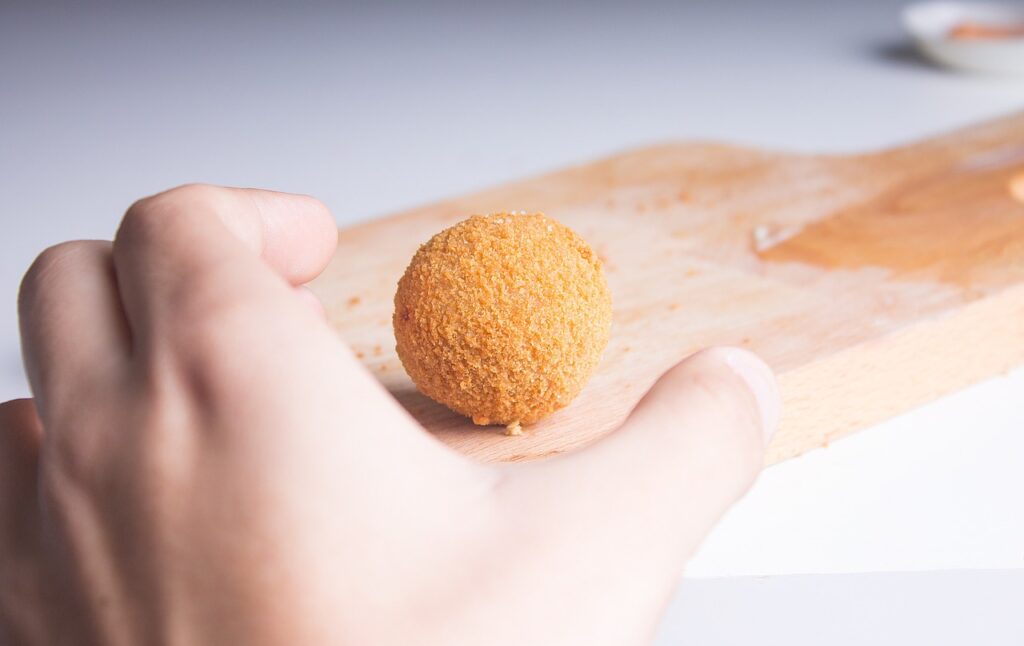
The Christmas tree cheese ball once symbolized festive effort, but it gradually fell out of favor as tastes shifted. Built mostly from cream cheese and shredded cheese, it delivered a heavy, one-note richness that dominated the palate early in a meal. Decorative coatings of herbs or nuts added visual appeal but little contrast in flavor. As party spreads evolved toward lighter and more varied bites, this appetizer began to feel filling rather than inviting. It also required advanced shaping, chilling, and decorating, which added work without improving eating quality. Modern hosts tend to prefer cheese served in simpler formats like cheeseballs.
2. Bacon-Wrapped Smokies
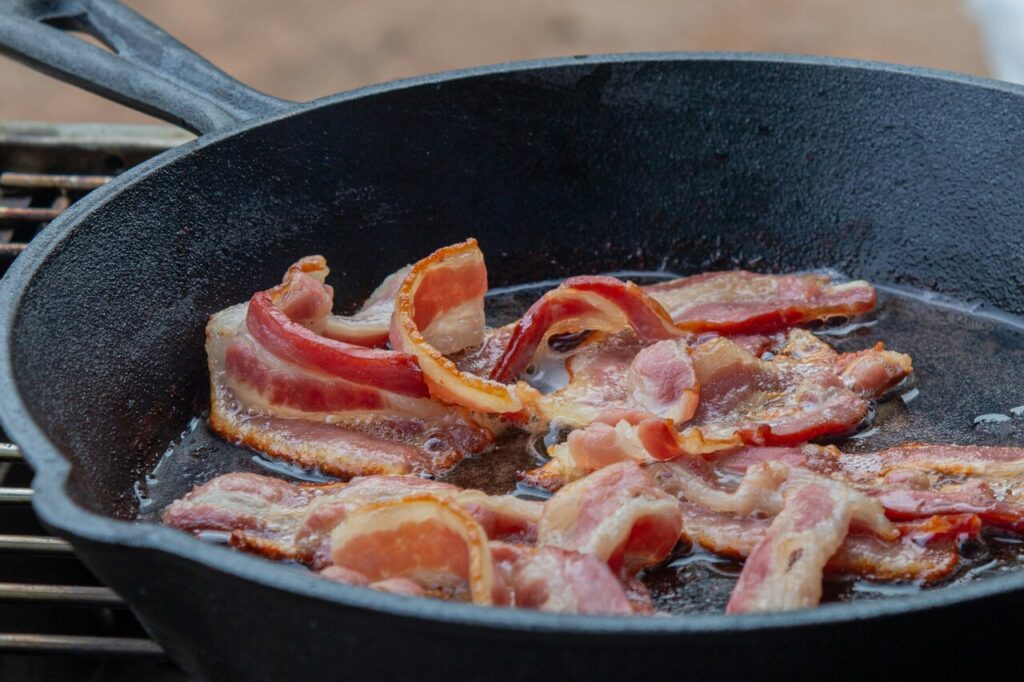
Bacon-wrapped smokies were once a guaranteed crowd pleaser, combining sweetness, salt, and fat in a single bite. Over time, their intensity became their weakness. The heavy glaze and fatty bacon often overwhelmed the sausage rather than enhancing it. As palates adjusted toward balance and freshness, these bites started to feel greasy and repetitive. They also cool quickly, losing appeal once the bacon softens. With modern appetizers offering brighter flavors and cleaner finishes, smokies began to feel dated. While still nostalgic, they no longer align with how many people want to start a holiday meal.
3. Classic Savory Deviled Eggs
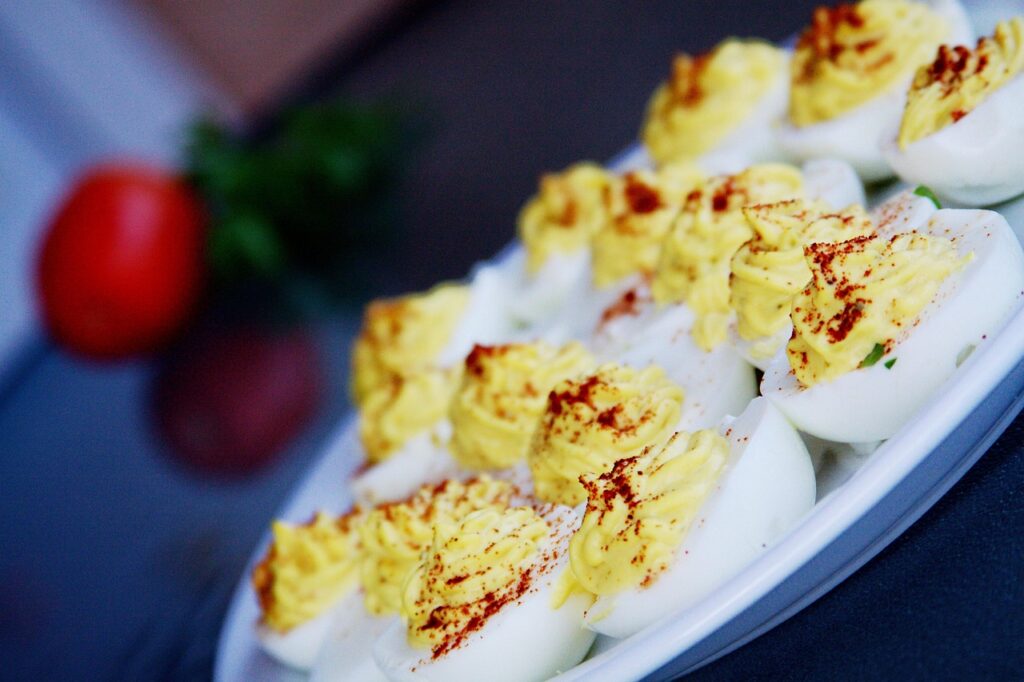
Deviled eggs were a staple at holiday gatherings for decades, but their decline reflects changing expectations around texture and presentation. Made with mayonnaise-heavy fillings, they often tasted flat unless seasoned. Eggs also dry out quickly when left uncovered, making them unreliable for long parties. Food safety concerns added another layer of hesitation, especially at room temperature. While still appreciated in small doses, deviled eggs began to feel old-fashioned compared to newer vegetable-forward or globally inspired starters. Their preparation also requires careful handling, which limits their appeal for large gatherings.
4. Sausage Balls
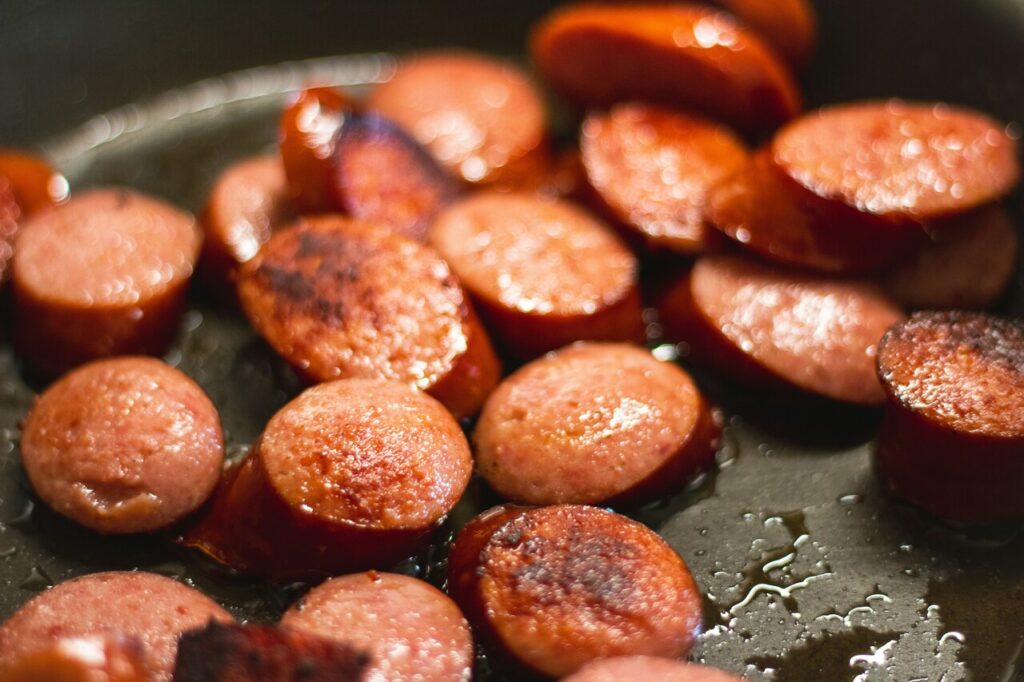
Sausage balls delivered bold flavor with minimal ingredients, but their richness worked against them over time. Typically dense and greasy, they filled guests quickly and left little room for variety. Their uniform texture offered little contrast, making multiple bites less appealing. As party menus became more diverse, sausage balls struggled to compete with lighter, more layered appetizers. They also require precise timing to stay appealing, as cooling reduces flavor impact. While nostalgic, they now feel better suited to casual gatherings than modern Christmas spreads.
5. Olive Puffs
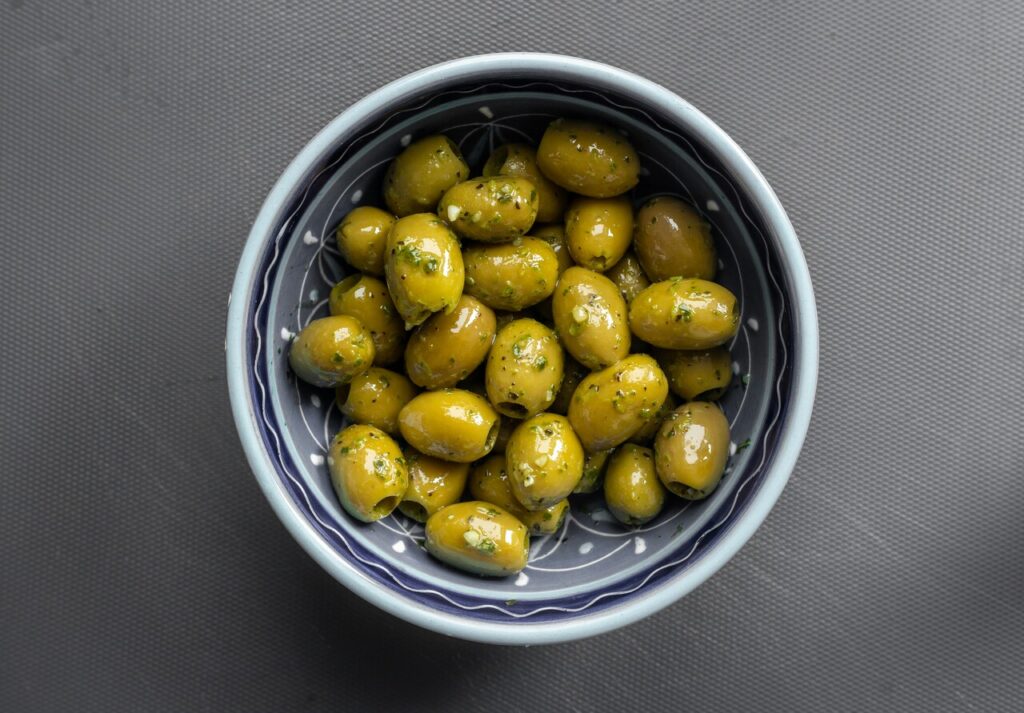
Olive puffs paired briny olives with buttery pastry, a combination that once felt elegant. However, their oil-heavy profile and soft interior made them feel dated as tastes shifted. The pastry often absorbed excess oil, leading to a greasy mouthfeel. Olives dominated the flavor, which limited appeal to a narrower audience. As holiday appetizers moved toward brighter and more balanced profiles, olive puffs lost relevance. They also offered little visual contrast once baked, making them less appealing on crowded tables. Over time, simpler olive preparations replaced them. The strong saltiness of olives also limited how many guests could enjoy them.
6. Spinach Dip with Mayonnaise and Soup Mix
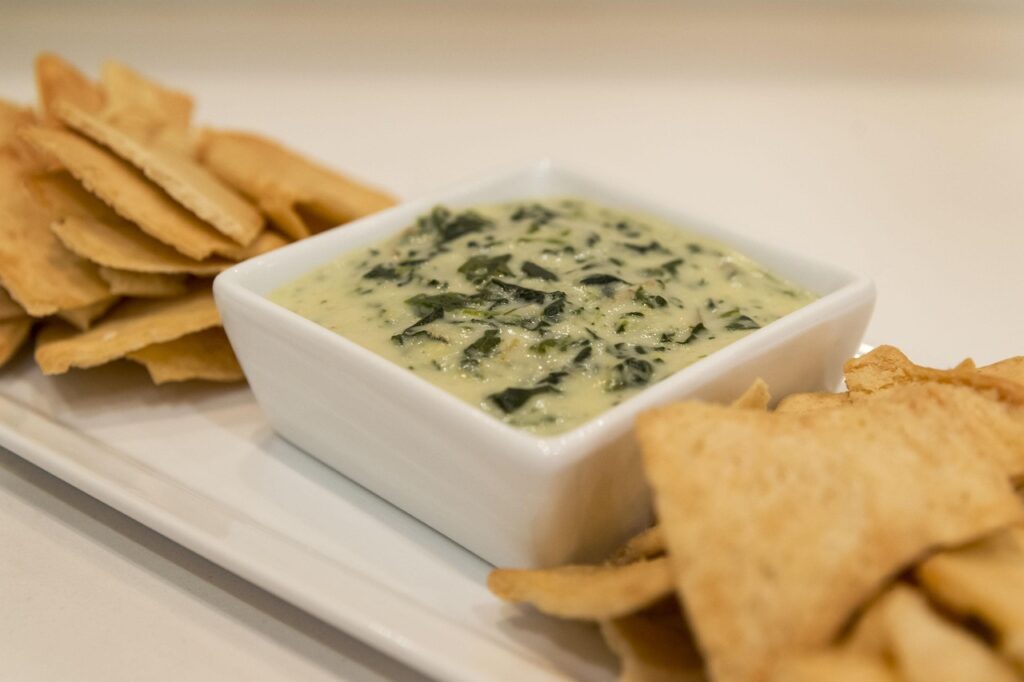
This spinach dip defined mid-century entertaining, relying on convenience ingredients and bold saltiness. Over time, its processed flavor profile became less appealing as cooks favored fresher ingredients. The heavy mayonnaise base masked the spinach rather than highlighting it. Texture often leaned watery or overly thick, depending on preparation. As awareness around ingredient quality grew, this dip felt artificial and unbalanced. Newer dips offered cleaner flavors and lighter textures, pushing this once beloved appetizer out of rotation. The dip also relied heavily on shelf-stable mixes that modern cooks tend to avoid.
7. Sweet and Spiced Party Nuts
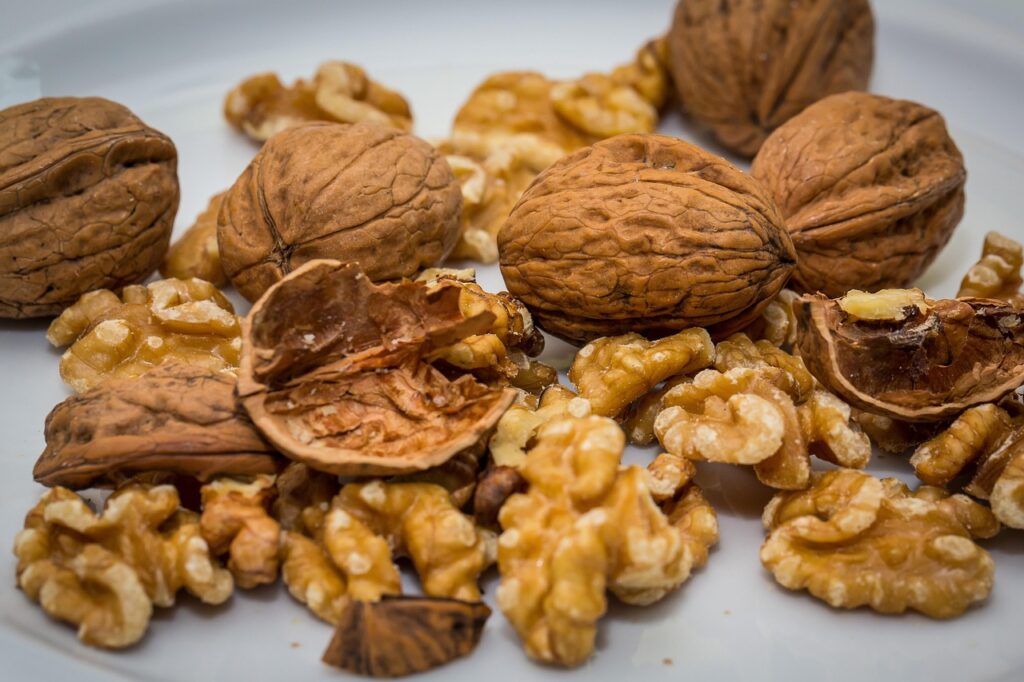
Spiced party nuts once signaled hospitality, but they gradually faded as expectations changed. Heavy sugar coatings and aggressive seasoning made them feel cloying rather than snackable. Nuts also stale quickly when exposed to air, reducing reliability. As snack options diversified, these nuts struggled to stand out. Hosts began favoring fresher, simpler nibbles that required less advance prep. Though nostalgic, sweet-spiced nuts now feel more like a relic than a highlight. Once displayed in open bowls, the nuts were easily affected by humidity. This made the texture inconsistent and shortened their window of appeal during long gatherings.
8. Cheese Fondue
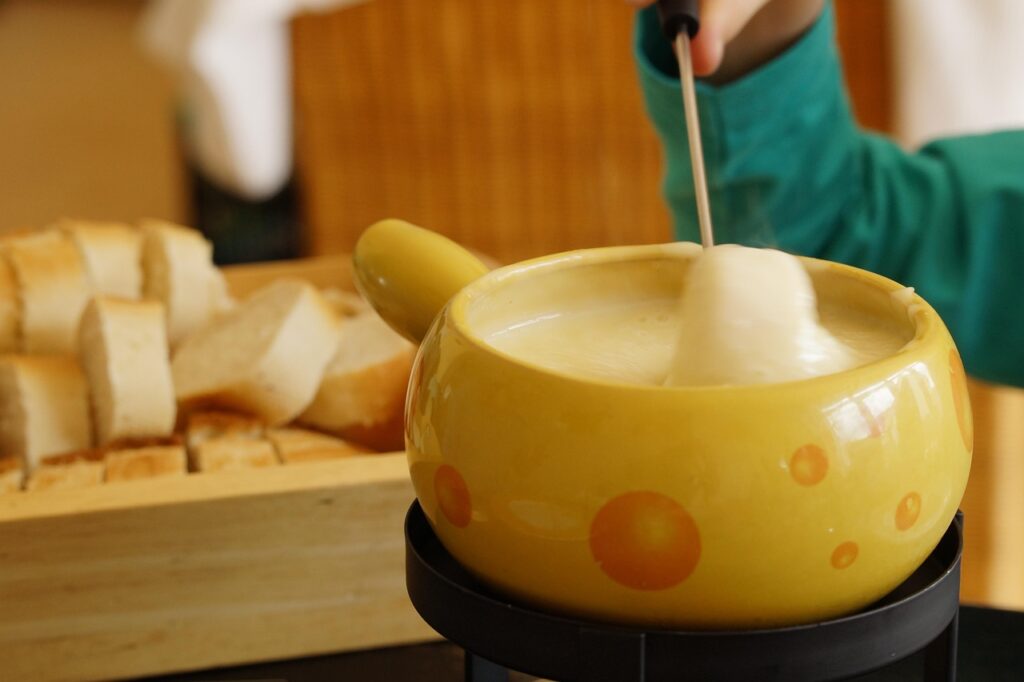
Cheese fondue once felt festive and interactive, but its decline reflects practical concerns. It requires specialized equipment, constant monitoring, and careful temperature control. The heavy cheese base fills guests quickly and limits their appetite for other foods. Dipping logistics can also become awkward in crowded settings. As holiday hosting shifted toward ease and variety, fondue became less attractive. Modern spreads favor grab-and-go bites over shared pots. Fondue’s richness and setup demands made it less compatible with contemporary entertaining styles. Shared dipping raised hygiene concerns that became harder to ignore over time.
9. Crispy Crab Rangoon
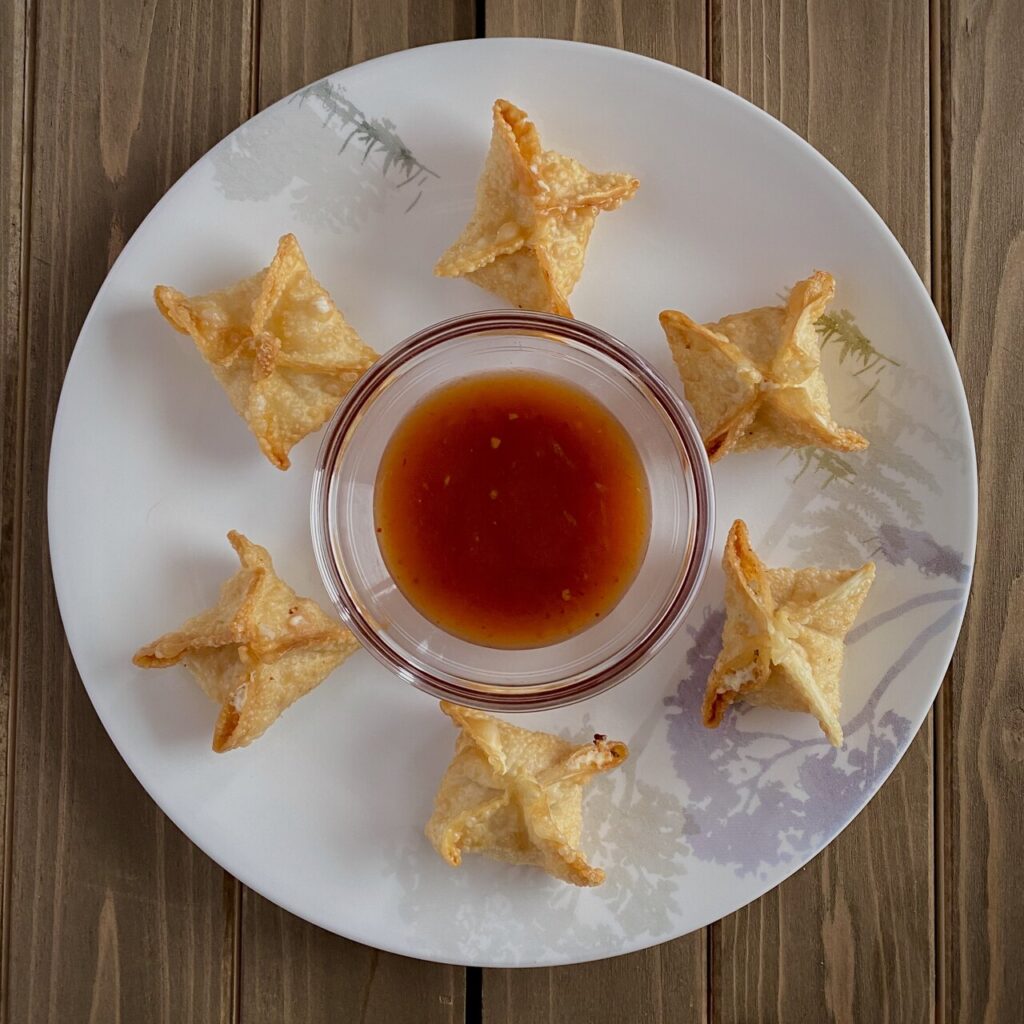
Crab rangoon brought crunch and richness, but its decline mirrors changing attitudes toward fried appetizers. Often dominated by cream cheese rather than seafood, it lacked balance and subtlety. Fried foods also cool quickly, losing texture and appeal. As holiday menus moved toward lighter and more ingredient-driven dishes, rangoon felt out of place. While still enjoyed in restaurant settings, it no longer fits the tone of many home holiday spreads. Its richness and reliance on frying contributed to its gradual disappearance. The filling often contained little actual crab, which conflicted with growing expectations around ingredient transparency.
10. Smoked Salmon Spread
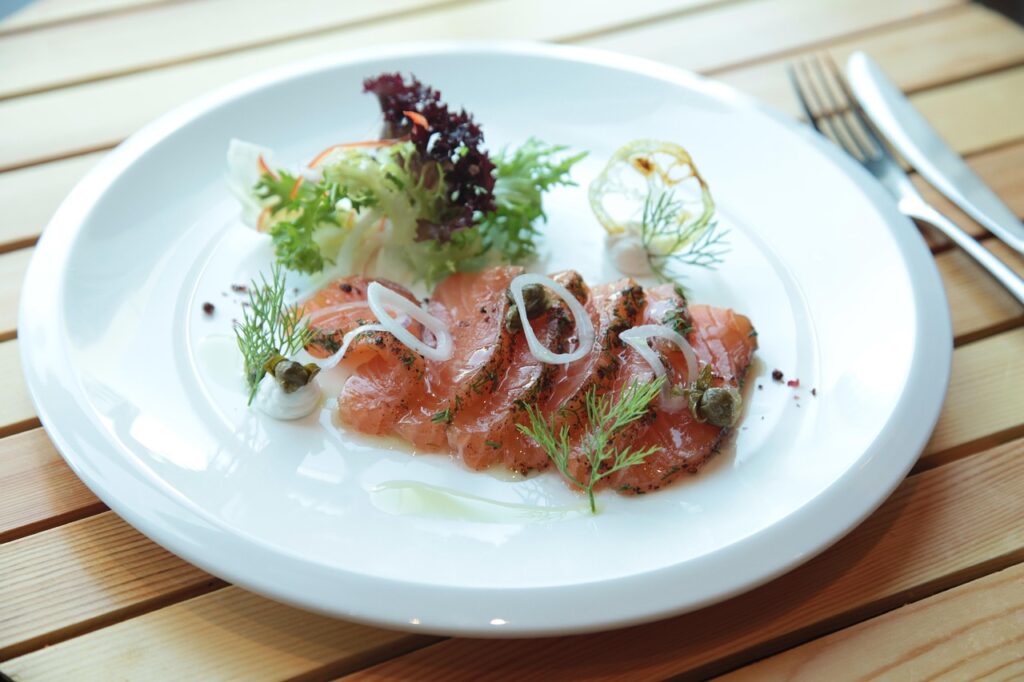
Smoked salmon spread combined luxury ingredients with heavy dairy, resulting in a dense texture that limited versatility. The smoke often overwhelmed subtler flavors, while cream cheese dulled freshness. As salmon began appearing more frequently in lighter formats, spreads felt unnecessary. Modern hosts prefer simple presentations that highlight ingredient quality. This spread also required refrigeration and careful timing. Over time, it was replaced by cleaner, more adaptable seafood starters. The spread dulled the delicate texture of smoked salmon rather than showcasing it. Modern presentations focus on preserving structure and freshness.
11. Cape Cod Cocktail Meatballs
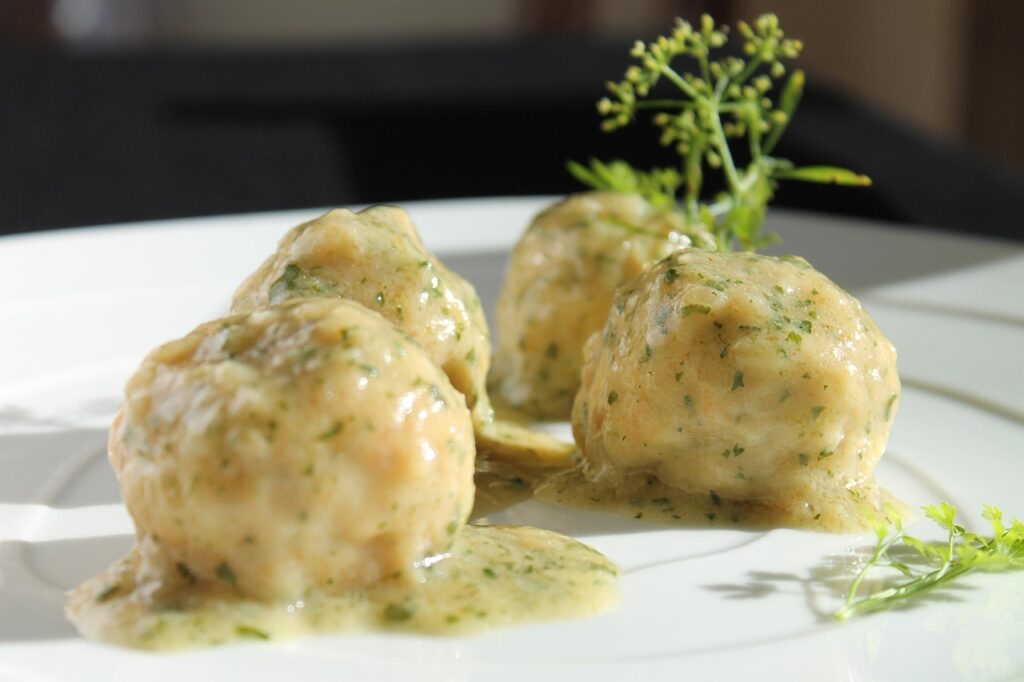
Cape Cod cocktail meatballs relied on a sweet, sauce-soaked preparation that dominated the palate. While comforting, the sugar-heavy glaze felt excessive as tastes evolved. The meatballs absorbed the sauce unevenly, leading to an inconsistent texture. As appetizer trends shifted toward balance and variety, these meatballs felt heavy and predictable. They also lacked flexibility once prepared. Though nostalgic, they no longer align with modern expectations for holiday starters. Their sweetness often clashed with other savory appetizers on the table. As menus became more curated, overly sugary starters were among the first to be removed.