Why the Olive Oil You Are Buying at the Grocery Store Might Not Be What the Label Claims

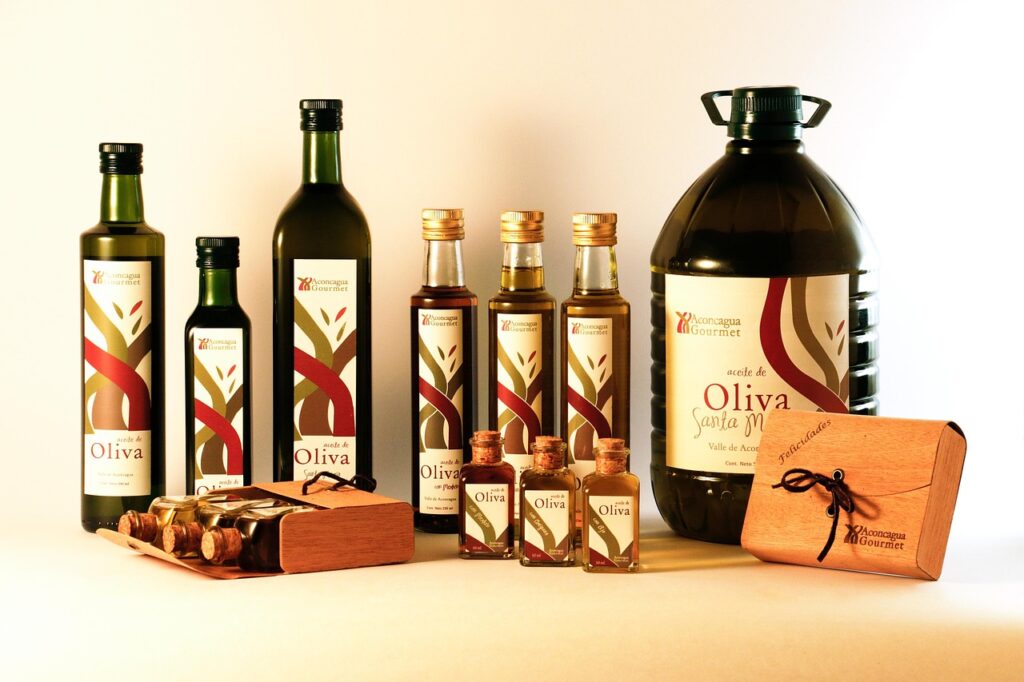
A bottle of olive oil often carries an image of purity, tradition, and careful craftsmanship that feels instantly reassuring to shoppers. Labels promise richness, freshness, and a direct connection to sunlit groves, making it easy to trust what’s inside without much hesitation. Yet behind that familiar green glass lies a far more complex story shaped by global supply chains, varying standards, and inconsistent oversight across regions. What appears simple on the shelf is often the result of layered processes that most shoppers never see, where quality can shift at multiple stages long before the bottle finally reaches the store shelf.
This disconnect between perception and reality is what makes olive oil one of the most misunderstood products in the grocery aisle today. From misleading labels to subtle blending practices, small details can significantly affect what ends up in your kitchen and how it performs in everyday use. Understanding how these factors work does not require deep expertise, but it does change how you approach every purchase decision. Once you begin to notice what truly matters, the choices become clearer, and what once felt like a routine buy turns into a more informed and intentional decision over time.
The Truth Hidden in Plain Sight
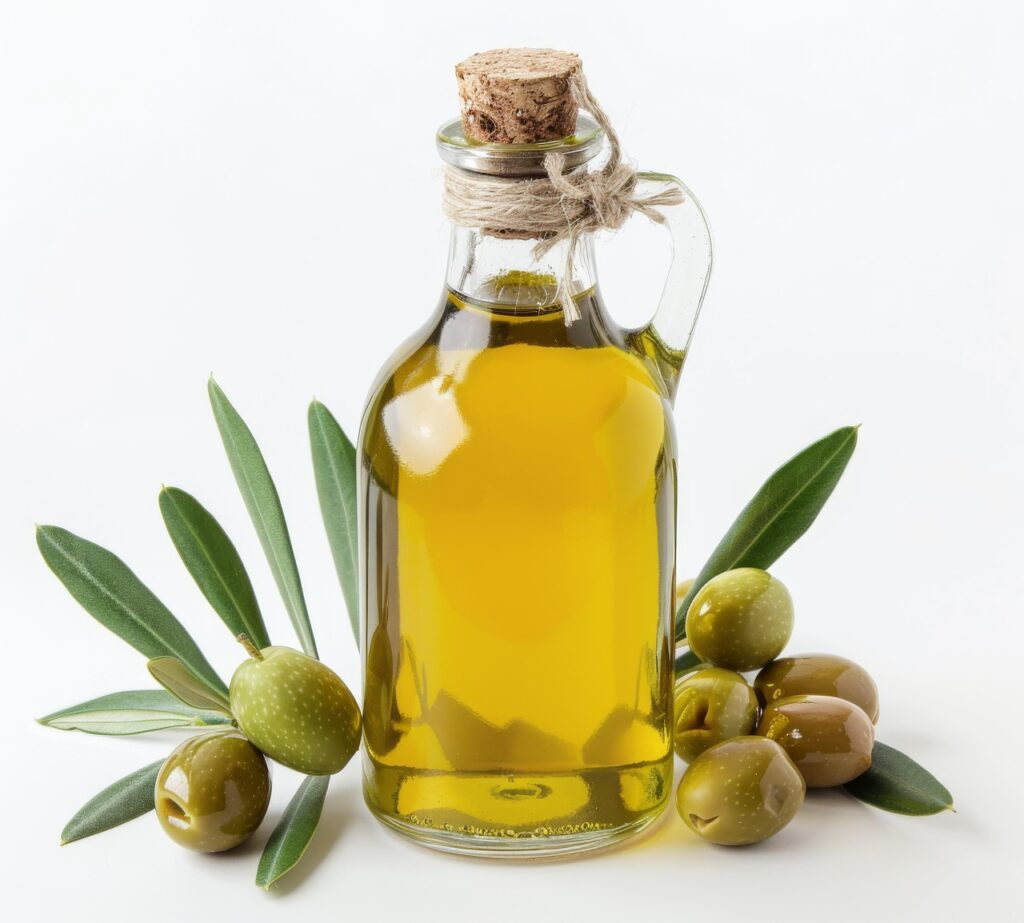
At first glance, a bottle of olive oil appears simple and trustworthy, with labels that suggest purity, origin, and carefully maintained quality. Terms like “extra virgin” and regional claims often create a sense of authenticity that feels easy to rely on during quick shopping decisions. However, the reality behind many of these products is far more complex than it seems on the surface. Research has shown that a notable share of olive oil sold in global markets does not fully meet the standards implied on the label, often due to blending with lower-grade oils or the use of stock that has aged beyond its optimal condition.
What makes this issue especially difficult to detect is the way consumers naturally depend on visual and branding cues rather than measurable indicators of quality. Packaging, color, and wording can strongly influence perception, even when they do not reflect what is inside the bottle. Without access to laboratory testing or trained sensory evaluation, confirming authenticity becomes extremely challenging. This allows lower-quality or misrepresented products to exist alongside genuine ones, making it increasingly difficult for shoppers to distinguish between them with confidence in everyday purchasing situations.
When Labels Fall Short
Labels like “extra virgin” carry precise definitions that include low acidity levels and distinct sensory qualities such as aroma and taste. In theory, these standards are meant to ensure consistency and help consumers identify higher-quality oils with confidence. However, enforcement of these definitions can vary widely across regions, depending on local regulations, testing frequency, and oversight mechanisms. While many producers follow these standards carefully, others may fall short due to gaps in monitoring or differences in how quality is evaluated, resulting in a marketplace where identical labels can reflect very different realities.
In practice, regulatory systems often depend on periodic testing rather than continuous quality verification throughout the product’s shelf life. This creates opportunities for oils that initially met required standards to gradually degrade due to exposure to light, heat, or time, while still being sold under the same classification. Additionally, blending practices may not always be fully transparent, further complicating what the label represents. For consumers, this means that the information on the bottle may not always provide a complete or current picture, making it less reliable as the sole basis for judging quality.
Why Knowledge Is Your Best Filter
Understanding olive oil begins long before it reaches the store shelf, starting at the moment olives are harvested and processed. The timing of harvest plays a critical role, as fresher olives tend to produce oils with better flavor, aroma, and nutritional stability. Equally important is how quickly those olives are pressed after picking, since delays can lead to oxidation and a decline in quality. Storage conditions throughout production and transport also matter, with exposure to heat, light, and air gradually reducing freshness. These factors collectively shape the oil’s final character long before it is bottled and labeled.
Building awareness of these details allows consumers to move beyond surface-level claims and make more informed choices. Looking for harvest dates instead of just expiry dates can offer a clearer sense of freshness, while certifications from reputable organizations can provide an added layer of trust. Pricing can also serve as a subtle indicator, as extremely low-cost options may reflect compromises in sourcing or processing. No single detail guarantees authenticity, but when combined, these small checks create a stronger, more reliable approach to selecting olive oil with confidence and long-term satisfaction in everyday use.
Choosing Quality Over Assumption
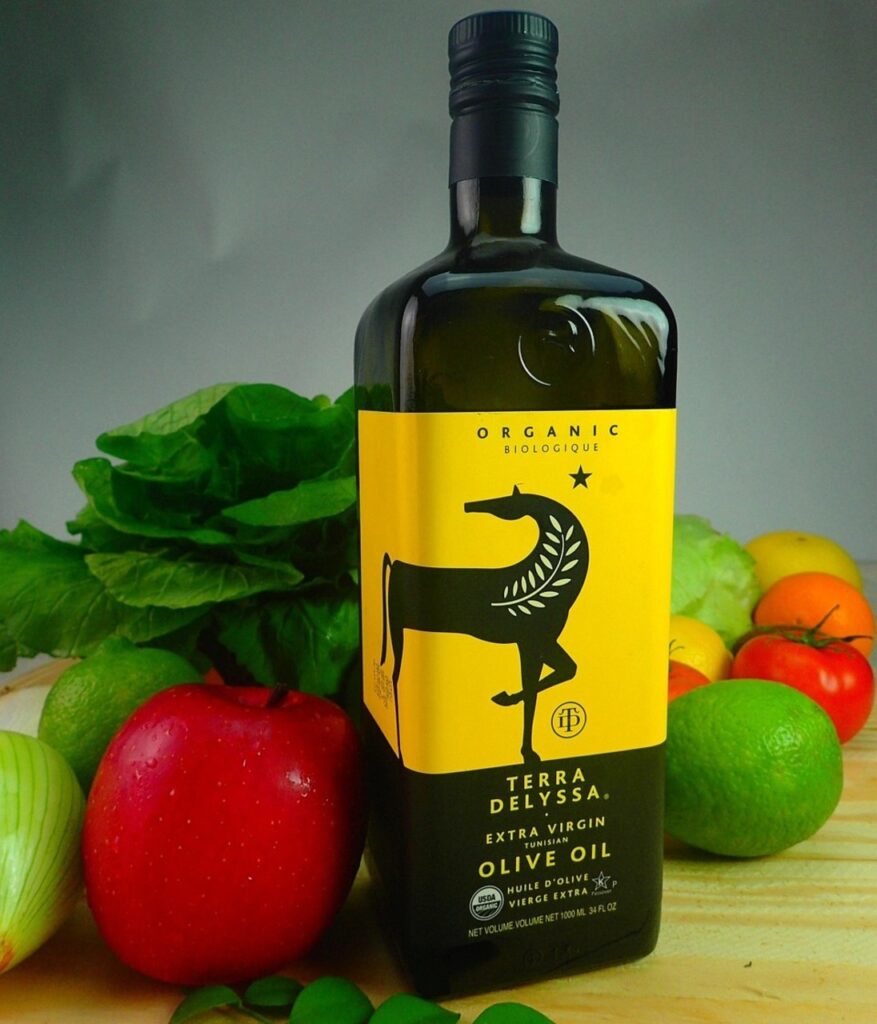
Price and presentation often create a strong first impression, but they do not always reflect the true quality of what is inside the bottle. Sleek packaging, premium branding, and carefully chosen wording can suggest a higher standard, even when the oil itself may not fully match those expectations. At the same time, some genuinely high-quality oils are packaged more simply, focusing less on appearance and more on the product itself. This contrast can make it difficult for shoppers to judge value accurately, leading many to rely on visual cues rather than objective details when making a purchase.
A more reliable approach is to look for consistency and transparency in how the product is presented and described. Producers who openly share sourcing information, harvest dates, and processing methods tend to provide a clearer picture of quality and freshness. These details offer practical insight that goes beyond marketing language, helping consumers make better-informed decisions. By gradually shifting focus from branding elements to verifiable information, shoppers can develop a more confident and consistent way of selecting olive oil that better matches their expectations and everyday use.
A Smarter Way to Shop Olive Oil
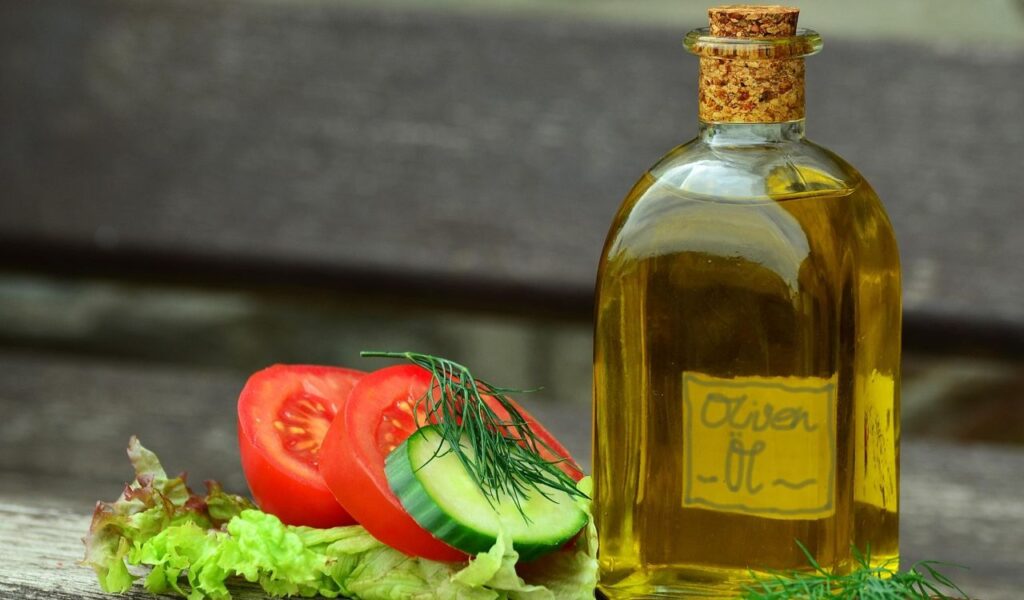
Shopping for olive oil becomes far more reliable when approached with a few practical and consistent habits rather than quick assumptions. Choosing smaller bottles helps ensure the oil is used while it is still fresh, as exposure to air over time can reduce both flavor and nutritional quality. Opting for dark glass or opaque containers provides an added layer of protection against light, which can accelerate degradation even before the bottle is opened. It is also useful to observe how oils are stored in the store itself, as prolonged exposure to heat or bright lighting can quietly affect quality long before purchase.
Over time, these small but deliberate adjustments can lead to noticeably better results in both taste and consistency. As consumers become more aware of how storage, packaging, and freshness influence quality, their buying habits begin to shift in meaningful ways. This change in behavior encourages retailers to prioritize better sourcing and handling practices, gradually raising overall standards across the market. As a result, higher-quality oils become easier to identify and access, while products that rely on misleading cues or poor handling begin to lose their appeal among more informed shoppers.