9 Restaurant Ingredients That Quietly Changed After Supply Chain Shortages

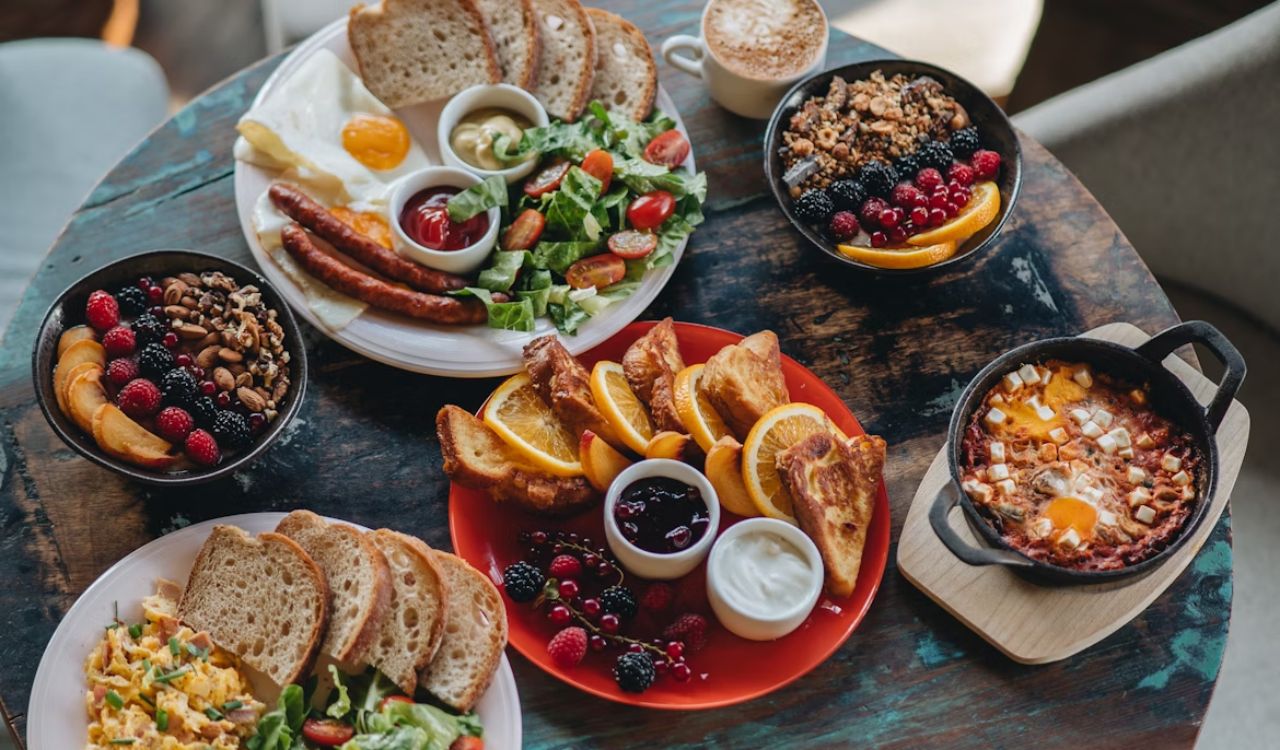
Restaurant menus may appear unchanged, yet many kitchens quietly swapped ingredients when global supply shortages disrupted deliveries. From smaller portions to alternative suppliers and substitute products, chefs adjusted recipes to keep dishes available while costs and shipping delays mounted. Most diners never noticed, as flavors remained familiar despite behind-the-scenes changes. These subtle shifts reveal how supply chains influence everyday dining experiences more than customers often realize.
1. Chicken Wings Quietly Became Smaller

Chicken wings became one of the most noticeable casualties of supply shortages as demand surged while processing plants struggled with staffing and transportation disruptions. Restaurants relying heavily on wings suddenly faced rising costs and inconsistent deliveries.
Many establishments responded by serving smaller wings. Customers often notice portion changes or menu price increases without realizing that supply chain challenges, not recipe updates, drove those decisions.
Although supply conditions have gradually stabilized, some restaurants kept modified portions or substitutes because customers accepted them. Wing shortages revealed how quickly ingredient availability can reshape menus, even when restaurants try to maintain familiar dining experiences.
2. Bread and Buns

Bread seems simple, yet bakeries supplying restaurants faced flour shortages, transportation delays, and staffing challenges during supply disruptions. As a result, many restaurants quietly switched suppliers or simplified bread recipes to maintain consistency.
These substitutions sometimes altered texture, size, or flavor, though changes often went unnoticed beneath burgers or sandwiches. Some establishments opted for smaller buns or sturdier bread that held up longer.
Even after supply pressures eased, certain restaurants kept new suppliers because costs or reliability improved. Bread changes highlight how behind-the-scenes logistics decisions can subtly reshape dining experiences without customers recognizing ingredient shifts.
3. Beef Cuts
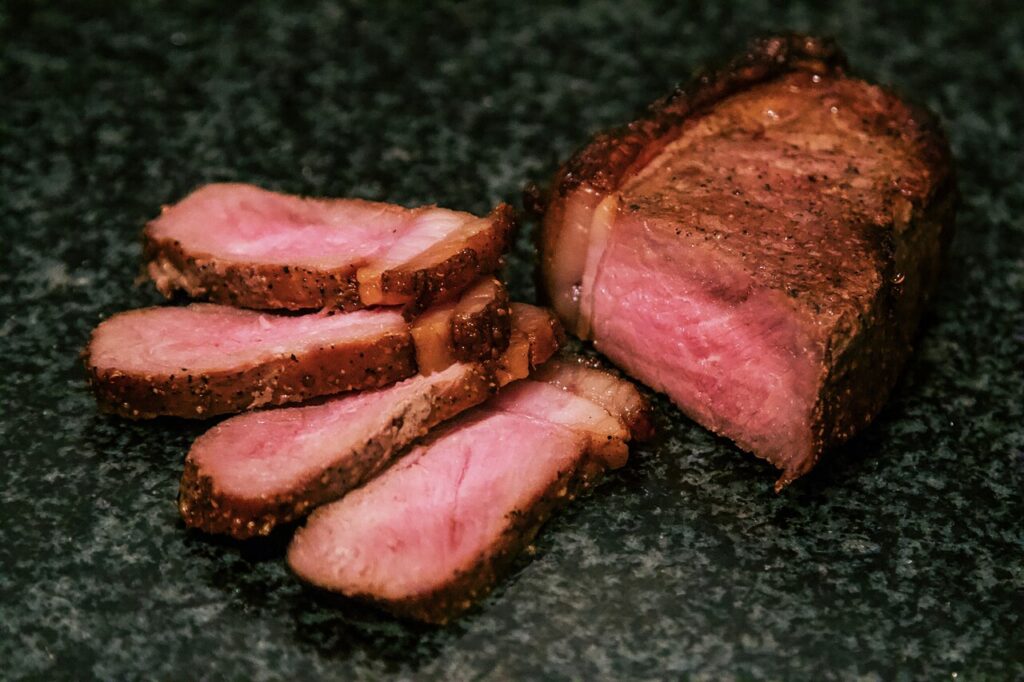
Beef prices climbed sharply when processing facilities slowed production and supply chains faltered. Restaurants, depending on premium steak or ground beef options suddenly faced unpredictable supply and soaring costs.
To adapt, many kitchens switched to more available cuts, blended meats, or smaller portion sizes. Some menus quietly replaced premium steak options with alternative preparations while maintaining similar dish descriptions to avoid alarming customers.
These adjustments allowed restaurants to keep popular items available despite disruptions. The experience demonstrated how menu consistency sometimes depends less on tradition and more on supply flexibility when ingredient shortages strike.
4. Seafood
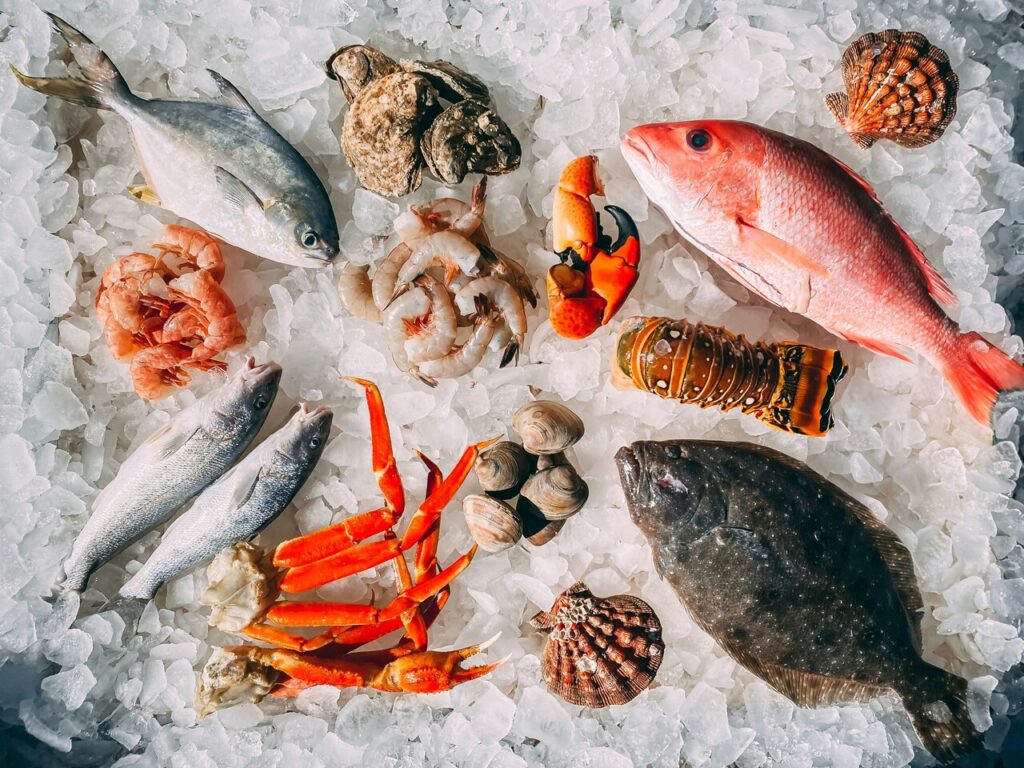
Seafood supply chains rely heavily on international shipping, which experienced major disruptions during global transport slowdowns. Delays, port congestion, and fishing interruptions reduced the availability of commonly served fish varieties.
Restaurants responded by substituting shrimp, tuna, or white fish species depending on what suppliers could deliver reliably. Diners sometimes received alternative seafood without realizing recipes had shifted due to sourcing challenges.
Although seafood availability continues improving, some substitutions remain because restaurants discovered customers accepted different fish options. Supply shortages reshaped seafood menus in ways many diners never noticed.
5. Cheese

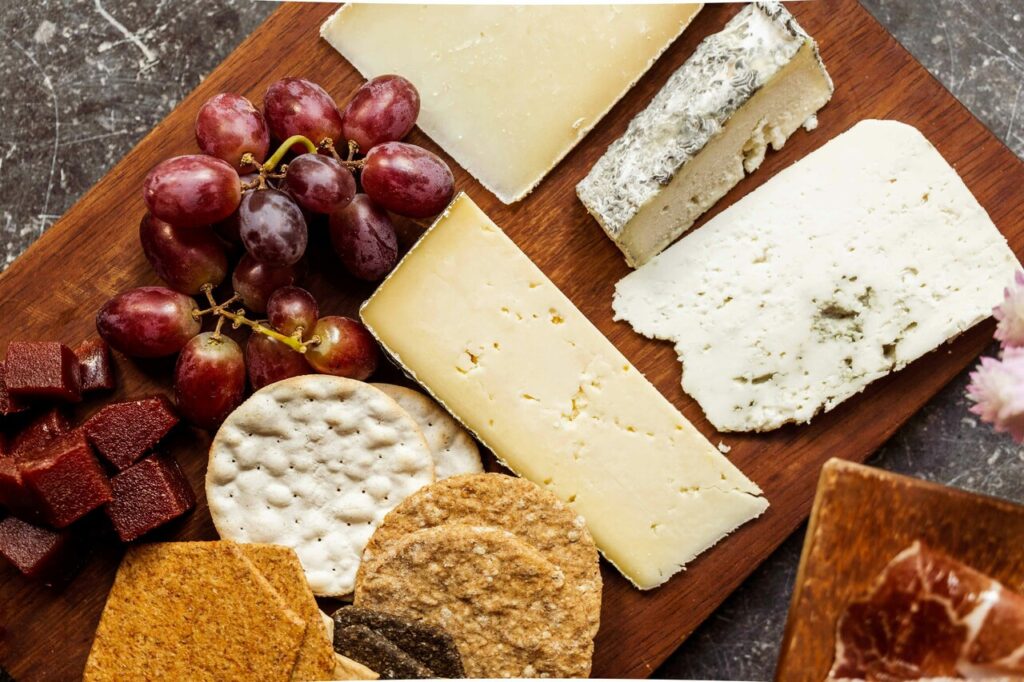
Dairy processing disruptions and transportation bottlenecks affected cheese supply for restaurants, particularly those relying heavily on specialty cheeses. Pizza shops, burger chains, and casual dining establishments faced shortages or rising prices.
Some kitchens switched cheese blends or reduced portion sizes to stretch available inventory. Flavor changes are often blended into dishes, meaning customers rarely realize that the cheese composition has shifted behind the scenes.
As supply conditions improved, certain restaurants maintained modified recipes to control costs. Cheese adjustments reveal how even familiar comfort foods evolve quietly when ingredient sourcing becomes uncertain.
6. Avocado
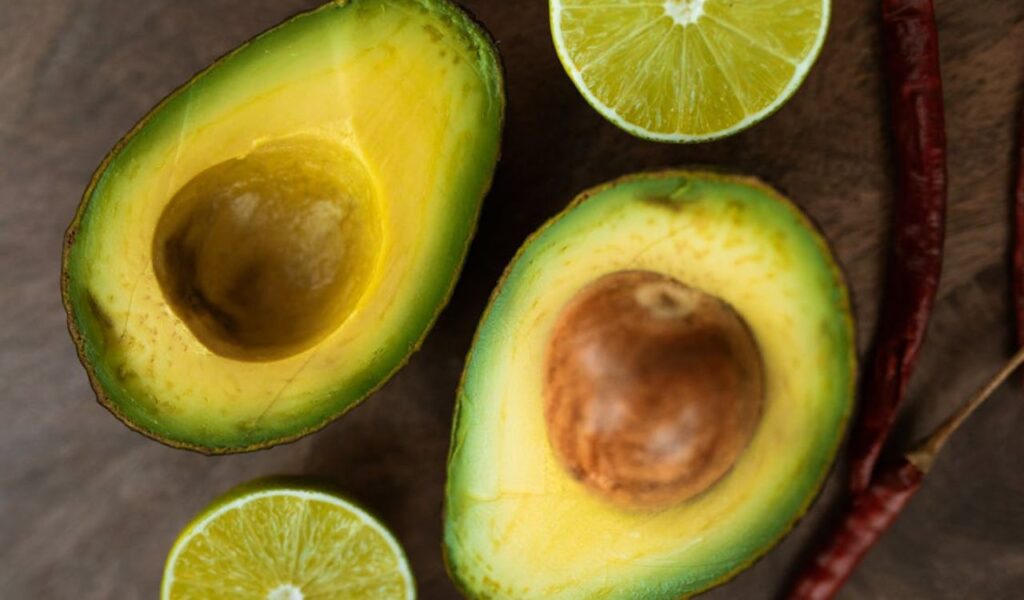
Avocados became increasingly difficult to source when labor disruptions, shipping delays, and import challenges limited availability from major producing regions. Restaurants offering avocado toast, burgers, or salads faced sudden shortages.
To cope, many establishments shrank portions or temporarily removed avocado-based dishes from menus. Some customers noticed smaller servings, while others simply saw items disappear without explanation.
Even after supply improved, rising costs led some restaurants to permanently adjust portion sizes. Avocado shortages highlighted how trendy ingredients remain vulnerable to global supply pressures beyond restaurant control.
7. Sauces and Condiments

Restaurants often rely on specific suppliers for sauces, dressings, and condiments, but supply disruptions forced many to switch brands or formulations when usual products became unavailable. Changes often occurred without public notice.
While flavor differences sometimes appeared subtle, regular diners occasionally noticed shifts in taste or consistency. Kitchens prioritized availability and cost stability over maintaining identical condiment profiles during shortages.
Many restaurants retained substitute brands even after supply stabilized because new options proved reliable or affordable. Condiment changes show how small ingredients quietly influence flavor while rarely drawing attention from diners.
8. Lettuce

Fresh produce faced transportation bottlenecks and weather challenges that disrupted consistent delivery to restaurants nationwide. Lettuce, tomatoes, and other vegetables sometimes became scarce or arrived with lower quality.
Restaurants adapted by substituting different greens, using seasonal alternatives, or reducing produce portions to manage fluctuating availability. Menu descriptions often remained unchanged despite ingredient variation.
Even today, produce substitutions continue seasonally, though supply chains have improved. These shifts illustrate how restaurant kitchens constantly adjust ingredients based on what suppliers can reliably provide.
9. Pasta
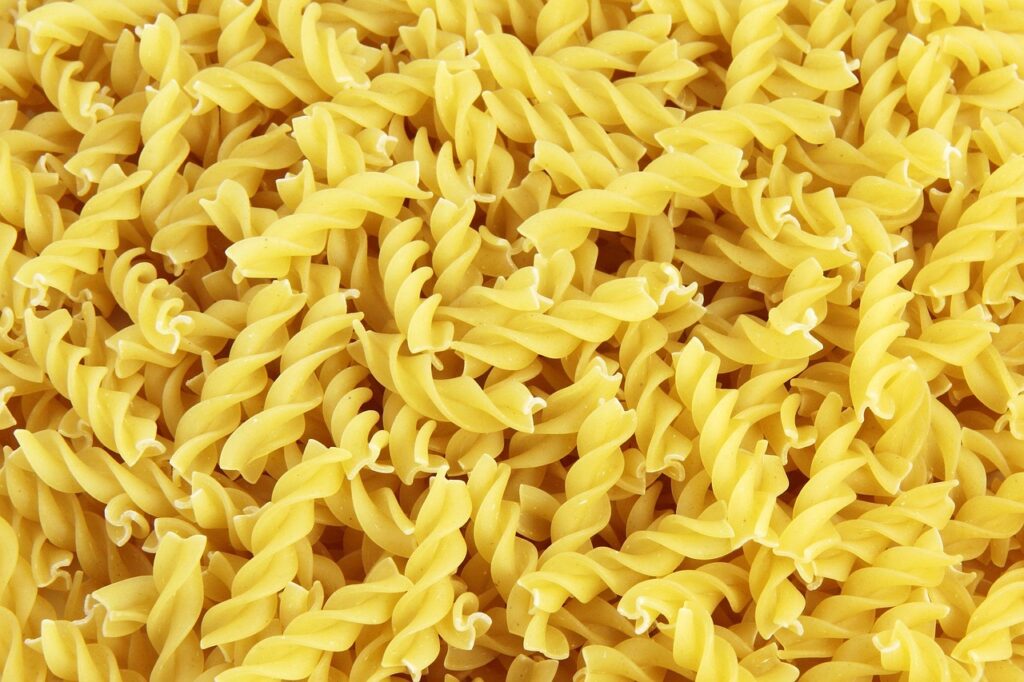
Pasta shortages emerged when processing plants and shipping networks faced pandemic disruptions, limiting the availability of specific shapes and brands. Restaurants serving pasta-heavy menus needed quick adjustments to maintain service.
Many kitchens substituted available pasta shapes or switched suppliers entirely, sometimes altering texture or cooking behavior slightly. Diners rarely noticed, especially when sauces remained consistent across dishes.
Some restaurants discovered customers accepted alternative pasta types without complaint, making substitutions permanent. Pasta shortages demonstrated how even staple ingredients depend heavily on global production and logistics networks.