10 Packaged Foods That Taste Very Different Than They Did Years Ago

Many packaged foods hold a special place in memory. The taste of a favorite snack or quick meal can instantly bring back childhood dinners, after-school treats, or late-night cravings. That familiarity is part of what keeps these products popular for decades.
But packaged foods rarely stay the same. As ingredient sourcing, manufacturing methods, and nutrition guidelines evolve, companies quietly adjust recipes to keep up with changing expectations and regulations.
Most of these updates are small and gradual. Yet loyal fans often notice when a beloved product tastes slightly sweeter, milder, or simply different than the version they remember from years ago.
1. Kraft Mac & Cheese
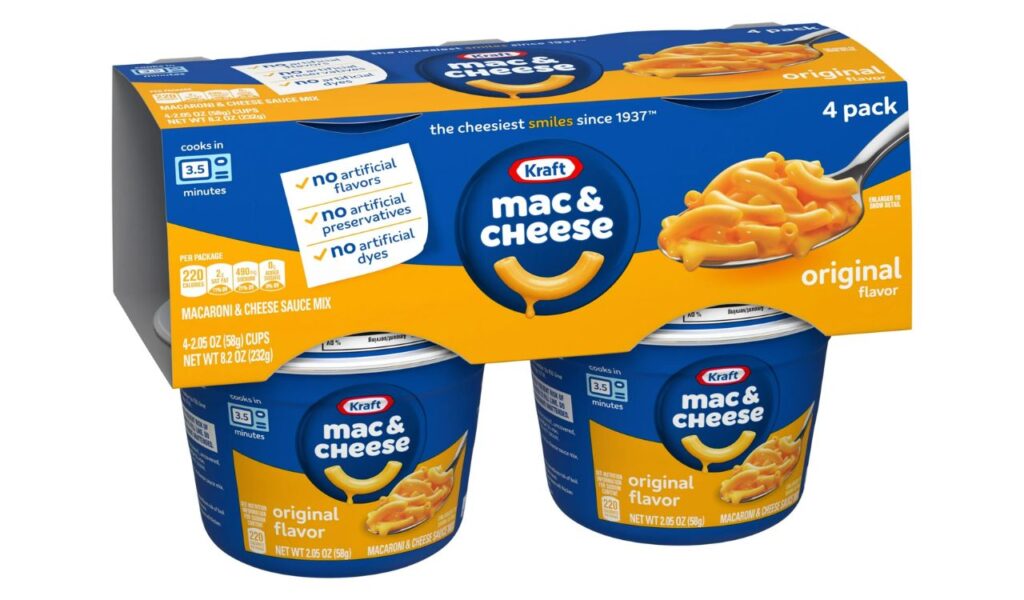
Few packaged foods carry as much nostalgia as Kraft Mac & Cheese. For decades, the bright orange noodles have been a quick comfort meal in American kitchens. Many longtime fans say the flavor today feels different from what they remember.
One notable change came when the recipe was reformulated to remove artificial preservatives, flavors, and dyes. The company replaced earlier coloring agents with natural sources such as paprika and turmeric. These updates aimed to meet demand for simpler ingredient lists.
Even small shifts in cheese powder blends, processing methods, or ingredient sourcing can influence flavor. While the product remains recognizable, some consumers feel the formula tastes slightly different from the version they grew up eating.
2. Doritos
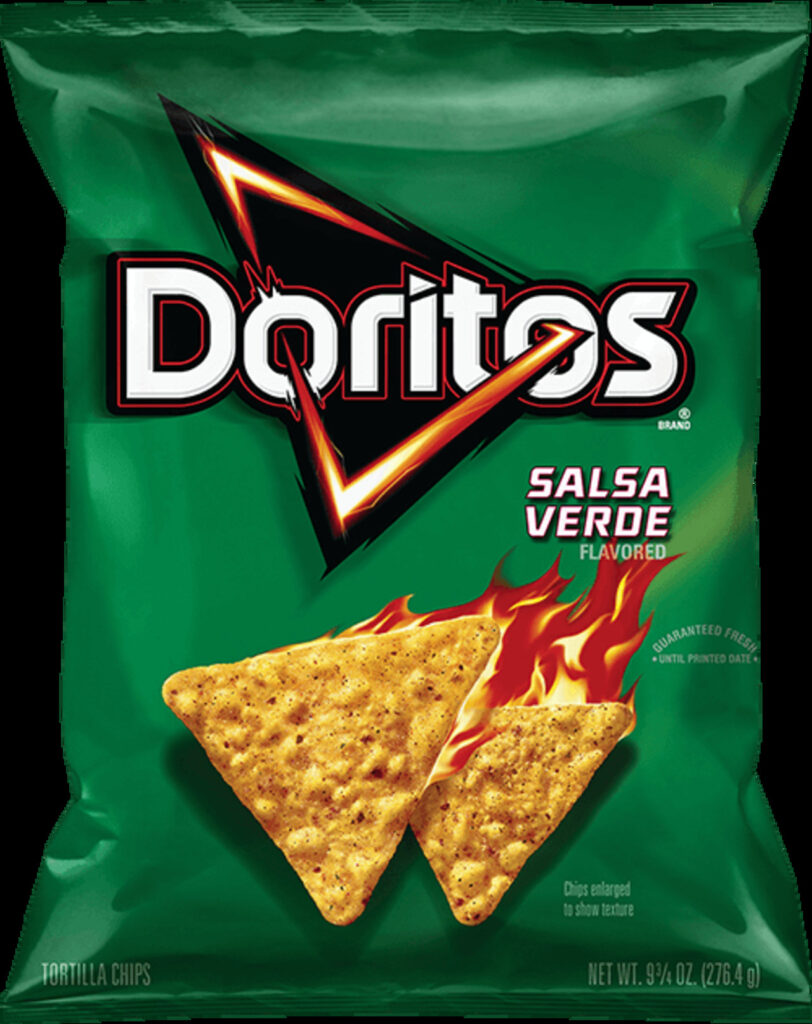
Doritos built its reputation on bold flavor. The intense seasoning that coats the chips helped make Nacho Cheese Doritos one of the most recognizable snack foods in the United States.
Over the years, the seasoning blend has been adjusted several times. Companies often update spice ratios, oils, or preservatives to meet changing manufacturing practices and consumer preferences. These modifications can shift how salty, tangy, or cheesy the chips taste.
Another factor is ingredient regulation and labeling trends. Snack brands sometimes reformulate recipes to reduce certain additives or align with modern nutrition expectations. Even minor adjustments can be noticeable to loyal fans who have eaten the chips for decades.
3. Oreo Cookies
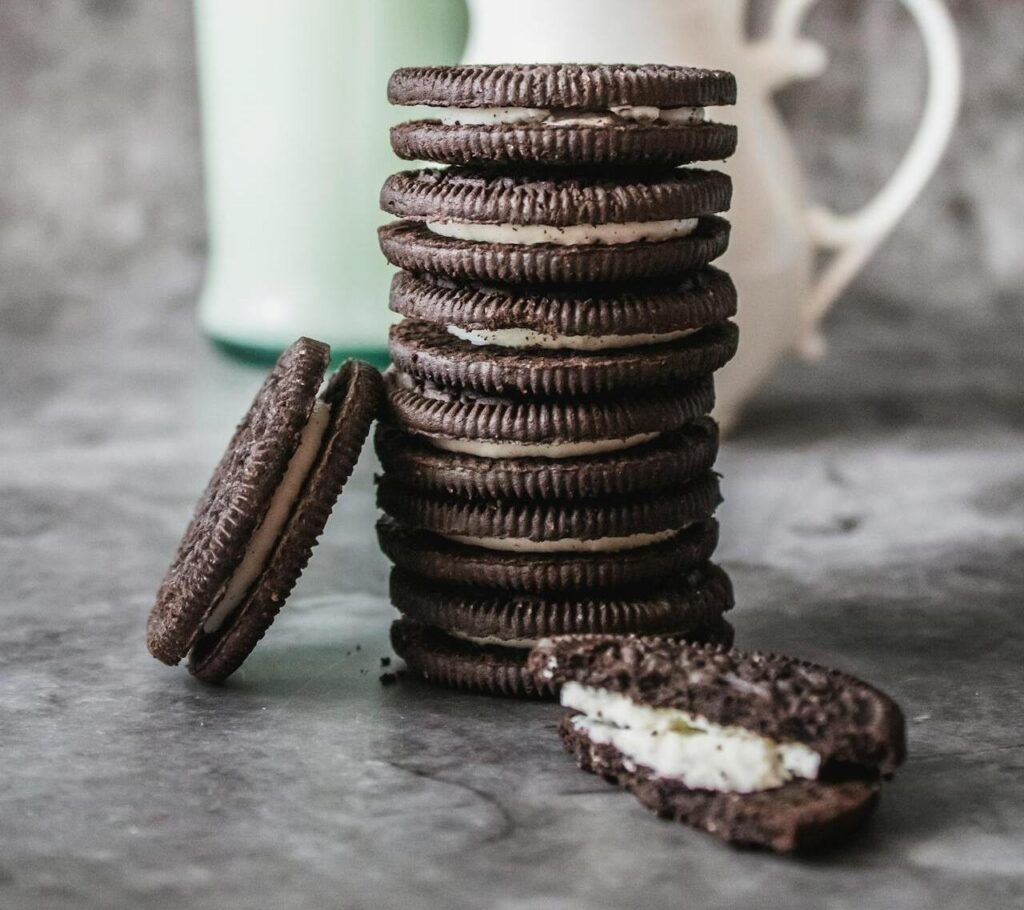
Oreo cookies have remained a staple snack for generations, yet their flavor profile has evolved slightly over time. The classic chocolate cookie and sweet cream filling still define the product, though ingredient adjustments have occurred.
One widely discussed change happened when the manufacturer replaced animal-based lard with vegetable oils in the filling. This shift occurred decades ago as companies responded to changing dietary expectations and production methods.
Further adjustments have followed as manufacturers refine recipes for shelf life, supply chains, and consistency. While the flavor remains familiar, longtime consumers sometimes notice subtle differences in sweetness, texture, or creaminess compared with older versions.
4. Coca-Cola
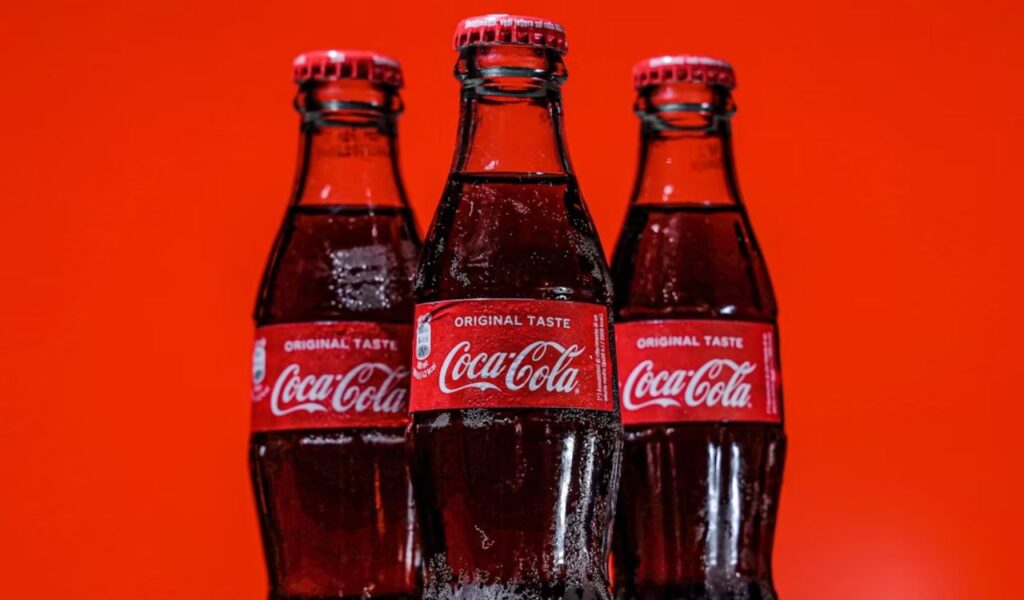
Coca-Cola may be one of the most famous beverages in the world, but even this iconic drink has experienced flavor shifts over time. The company has periodically adjusted its formula to reflect ingredient availability and consumer expectations.
In the United States, one major difference came when high fructose corn syrup replaced cane sugar in the 1980s. The sweetener change affected how the soda tastes and feels on the palate. Some consumers believe the older sugar-based versions offered a slightly cleaner sweetness.
Regional variations also play a role. Coca-Cola produced in different countries can still use cane sugar instead of corn syrup. These differences often lead fans to debate which version most closely resembles the original taste.
5. Campbell’s Chicken Noodle Soup
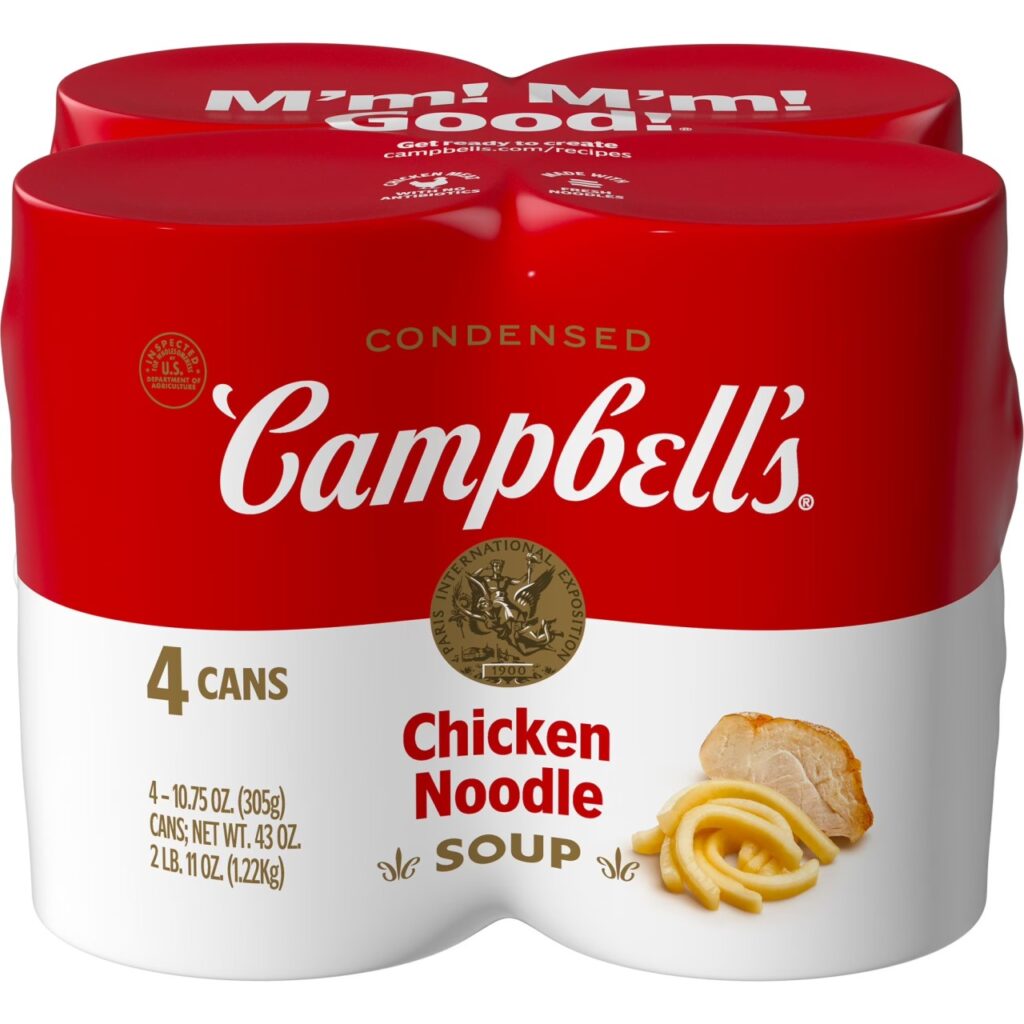
Campbell’s Chicken Noodle Soup has long been associated with comfort and simplicity. The familiar red and white can represents one of the most recognizable packaged foods in grocery stores.
Over the years, the company has reformulated parts of the recipe to reduce sodium and remove certain additives. These adjustments reflect broader health trends and consumer demand for simpler ingredient lists.
While the goal is to improve nutritional balance, reducing salt can noticeably change flavor intensity. Some longtime consumers say the soup tastes milder today than earlier versions, highlighting how even well-intentioned changes can affect a product’s classic taste.
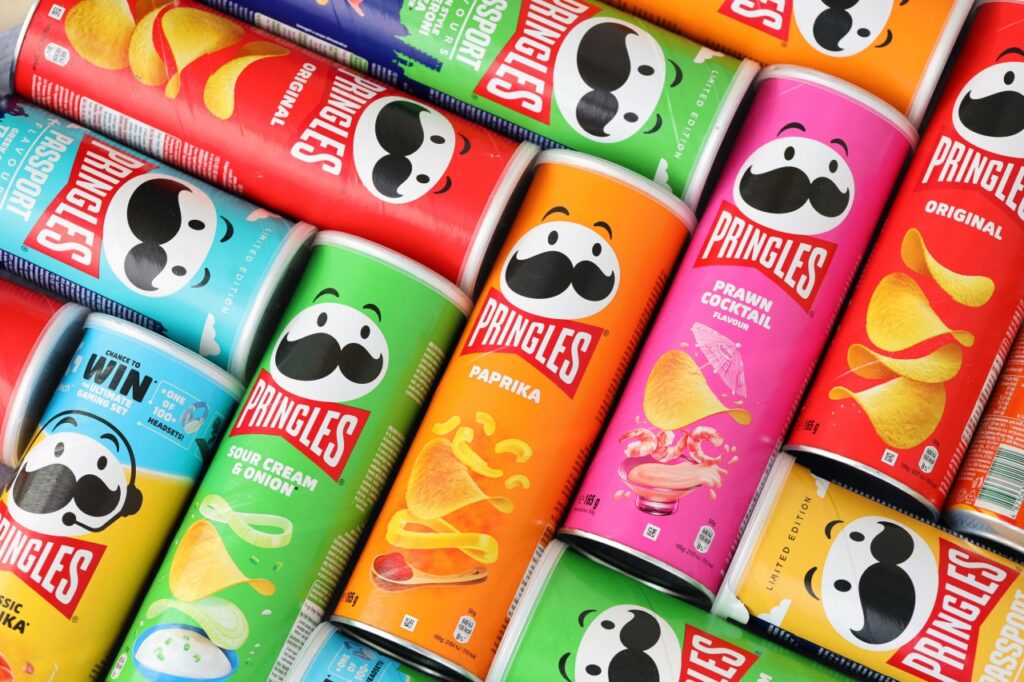
6. Pringles
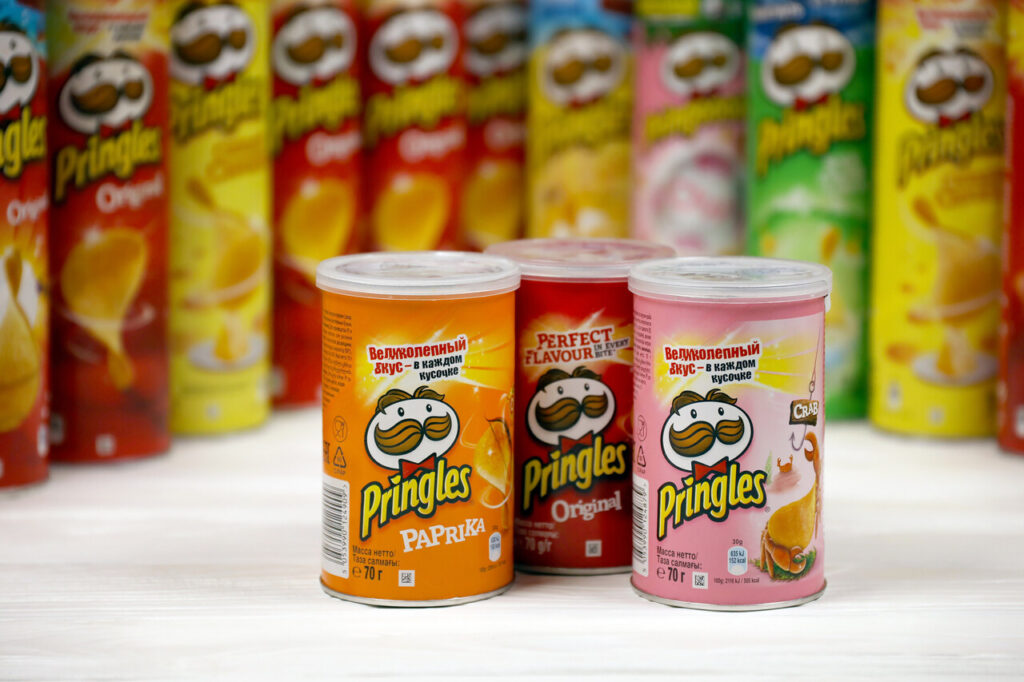
Pringles stand apart from traditional potato chips because of their uniform shape and texture. Made from a blend of dehydrated potato flakes and starches, the crisps are designed for consistency in every can.
Over time, ingredient and seasoning adjustments have occurred as the brand expanded globally. Manufacturing locations, oil blends, and flavor formulas may differ slightly across markets and production periods.
Even small changes in seasoning balance can affect the taste experience. Fans who remember earlier versions sometimes describe the flavor as milder or less distinctive than before, reflecting how snack recipes evolve with changing production methods.
7. Pop-Tarts
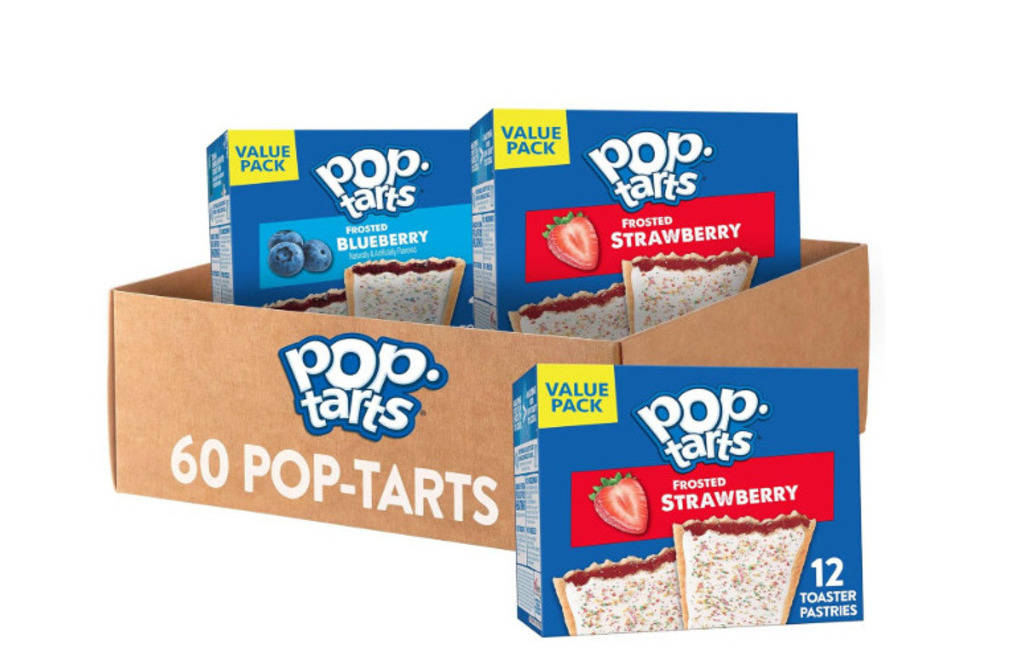
Pop-Tarts became a breakfast staple thanks to their sweet fillings and convenient packaging. The pastries were designed to be toasted quickly while maintaining a soft interior and frosted exterior.
As the product evolved, manufacturers adjusted ingredients to improve shelf life and production efficiency. Changes in dough composition, frosting formulas, and filling mixtures can influence both flavor and texture.
Sugar levels and flavorings have also been updated across different varieties. Some longtime fans say the pastries taste sweeter or less balanced than older versions, illustrating how packaged foods often shift as companies adapt to modern manufacturing practices.
8. Tostitos Salsa
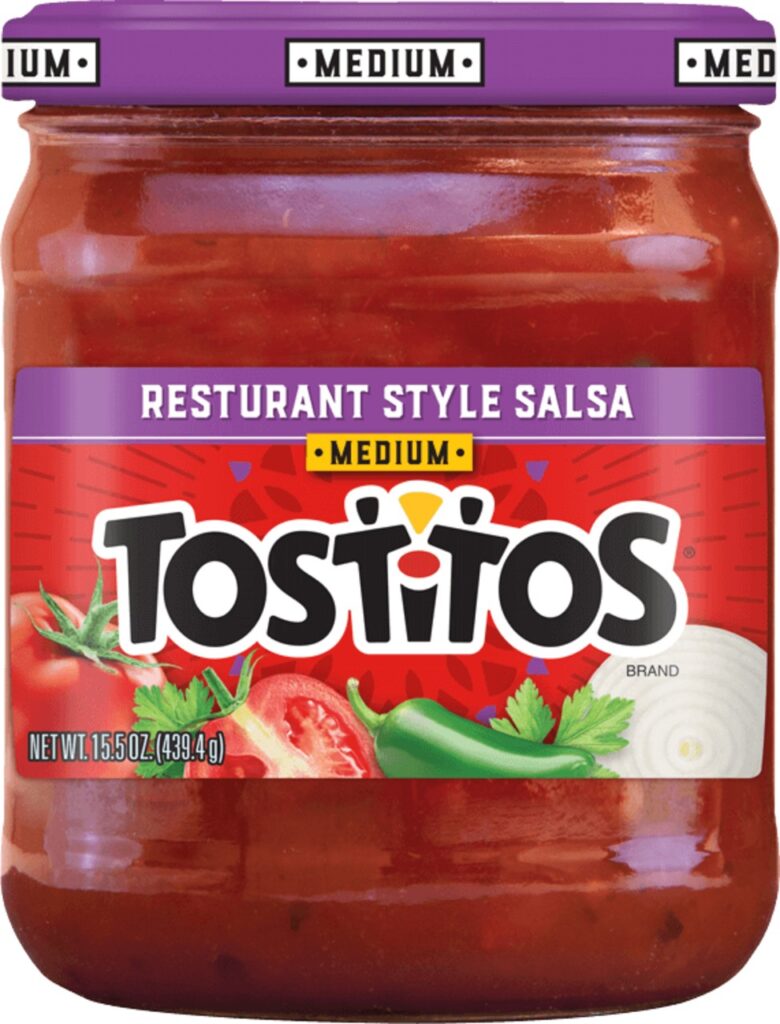
Tostitos Salsa became popular as a convenient dip to pair with tortilla chips at home gatherings. The jarred product combines tomatoes, onions, peppers, and seasonings in a shelf-stable format.
Over time, adjustments to ingredient sourcing and processing have changed the flavor slightly. Tomato varieties, acidity levels, and spice blends may vary depending on supply chains and production standards.
Jarred foods must also balance flavor with preservation requirements. Stabilizers and acidity regulators help maintain shelf life, but they can influence taste. Some consumers feel earlier versions had a fresher flavor compared with more recent formulations.
9. Velveeta

Velveeta has long been known for its smooth melting texture. The processed cheese product was designed to melt evenly in sauces, dips, and comfort food recipes.
Because it is a processed dairy product, the formula includes emulsifiers and stabilizers that create its signature consistency. Over the years, ingredient adjustments have occurred to align with updated labeling standards and dairy sourcing.
While the melting quality remains reliable, some consumers believe the flavor has become milder. Changes in fat ratios, milk sources, or processing techniques can influence taste, even when the product continues to perform the same way in cooking.
10. Totino’s Pizza Rolls

Totino’s Pizza Rolls have been a freezer aisle favorite for decades. The small bites filled with sauce, cheese, and meat became popular as an easy snack or quick party food.
Like many frozen products, the recipe has been updated over time to reflect ingredient costs and manufacturing changes. Adjustments to the crust dough, cheese blend, or sauce seasoning can affect flavor.
Some longtime fans say the filling tastes less robust than earlier versions. While the product still delivers the familiar combination of crispy shell and warm center, subtle recipe changes illustrate how packaged snacks evolve across decades of production.