7 Gluten Free Cookie Recipes That Taste Like the Classic Version

Gluten-free cookies no longer mean settling for something that tastes close enough. With the right ingredients and an understanding of baking science, it is entirely possible to recreate the flavors, textures, and aromas people expect from classic cookies. Butter still browns, sugars still caramelize, and chocolate still melts the same way it always has. The difference lies in how gluten-free flours, starches, and natural binders work together to replace structure without dulling flavor. These recipes are built to mirror the originals, focusing on chewy, crisp edges, tender centers, and familiar sweetness.
1. Gluten-Free Chocolate Chip Cookies
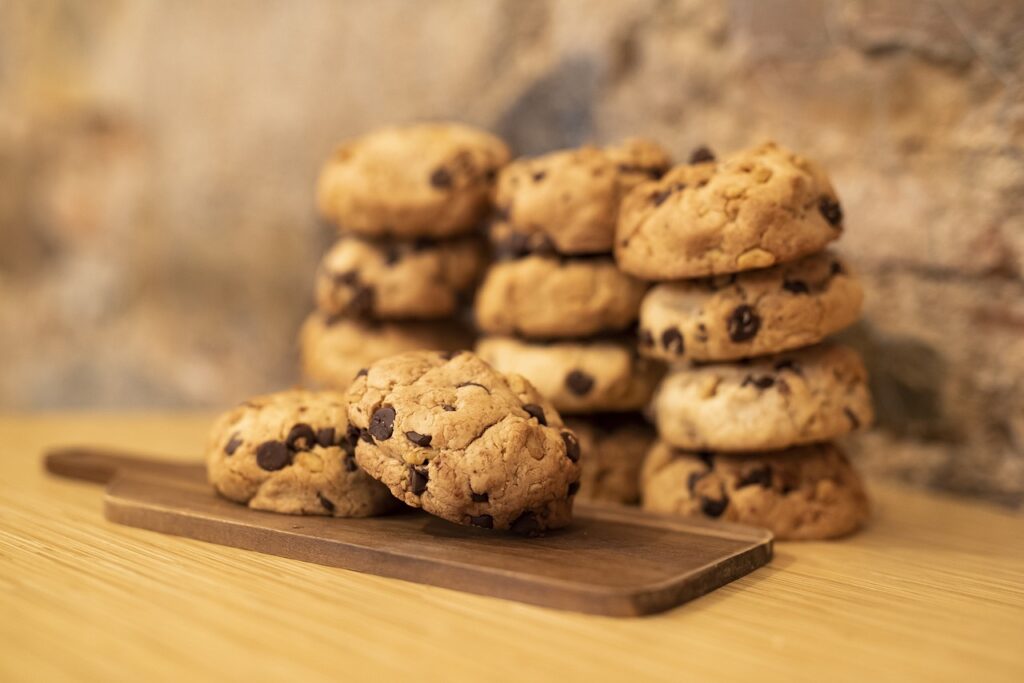
The true test of a gluten-free cookie is whether it delivers the same chew, spread, and caramelized flavor as the original, and chocolate chip cookies are the benchmark. Achieving that texture without wheat relies on balancing fats, sugars, and starches rather than mimicking gluten directly. A well-formulated gluten-free flour blend combines rice flour for structure, starches for tenderness, and a small amount of gum to prevent crumbling. Brown sugar remains essential because its moisture and molasses content create chewiness. Butter provides flavor and spread, while chilling the dough controls excessive flattening.
2. Gluten-Free Peanut Butter Cookies
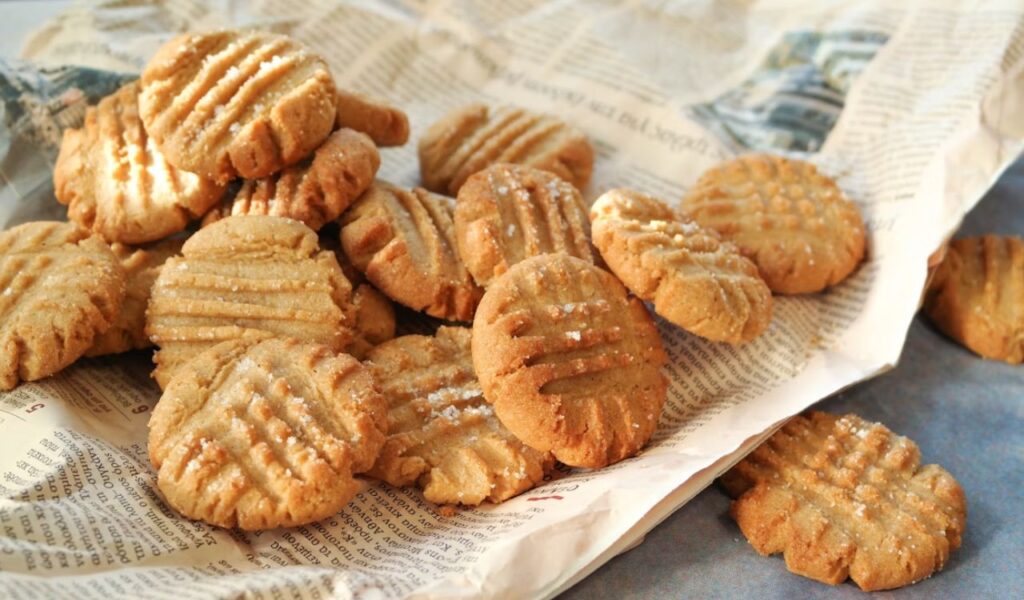
Peanut butter cookies work exceptionally well without gluten because they were never dependent on flour for structure. Peanut butter itself provides fat, protein, and binding power, creating a naturally cohesive dough. Eggs add lift and stability, while sugar caramelizes to form crisp edges and a tender interior. The absence of flour allows the peanut flavor to shine more clearly, making these cookies taste identical to traditional versions. Baking temperature is critical, as too much heat can cause spreading while too little results in a dense texture. When baked properly, the cookies crack on top and remain soft inside.
3. Gluten-Free Sugar Cookies
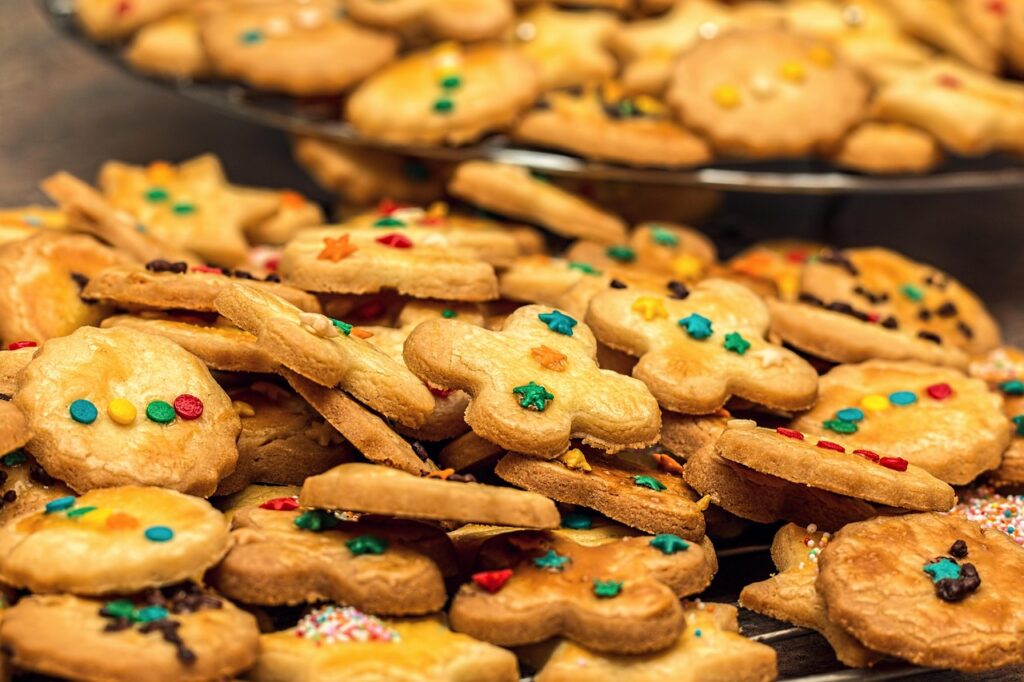
Sugar cookies depend on balance rather than complexity, which makes them surprisingly adaptable to gluten-free baking. The goal is a dough that rolls cleanly, holds shape, and bakes into a tender but stable cookie. Gluten-free flour blends often include fine rice flour and starches to replicate softness without grittiness. Cornstarch or tapioca starch contributes to the delicate crumb associated with classic sugar cookies. Butter remains essential for flavor and spread, while sugar provides both sweetness and structure. Chilling the dough allows starches to hydrate fully, preventing cracking or spreading.
4. Gluten-Free Oatmeal Cookies
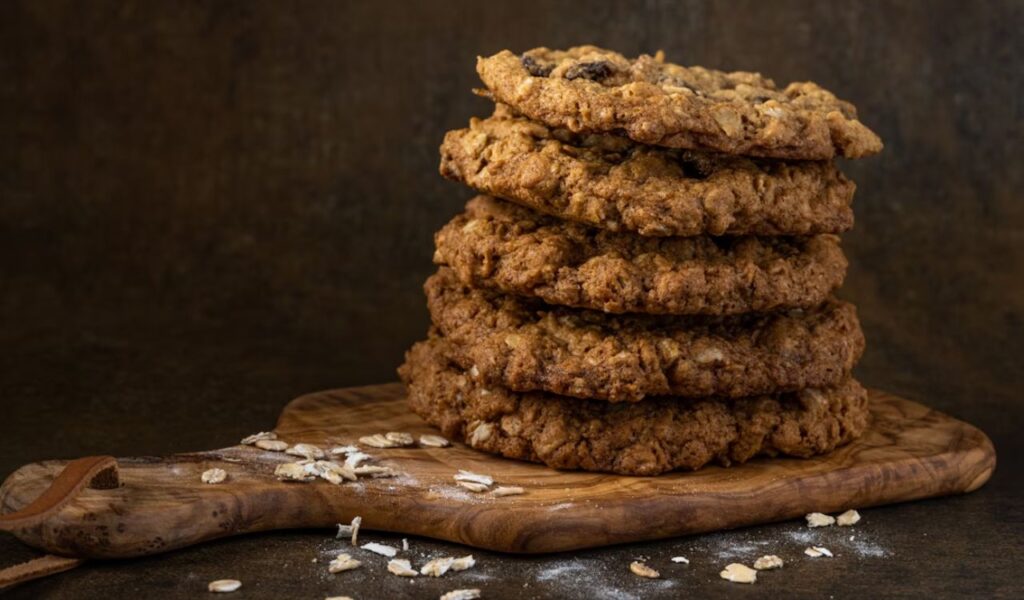
Oatmeal cookies translate well to gluten-free baking because oats naturally add chew and moisture. Using certified gluten-free oats ensures safety without changing flavor. Oats absorb liquid and swell during baking, replacing the elasticity provided by gluten. Brown sugar enhances moisture retention, while butter creates richness and spread. Eggs bind the dough, preventing crumbling. The result is a cookie with a hearty texture, crisp edges, and soft interior. Cinnamon and vanilla bloom as the cookies cool, reinforcing classic flavor. These cookies succeed because oats bring their own structure, allowing the recipe to stay close to the traditional version in both taste and mouthfeel.
5. Gluten-Free Snickerdoodles
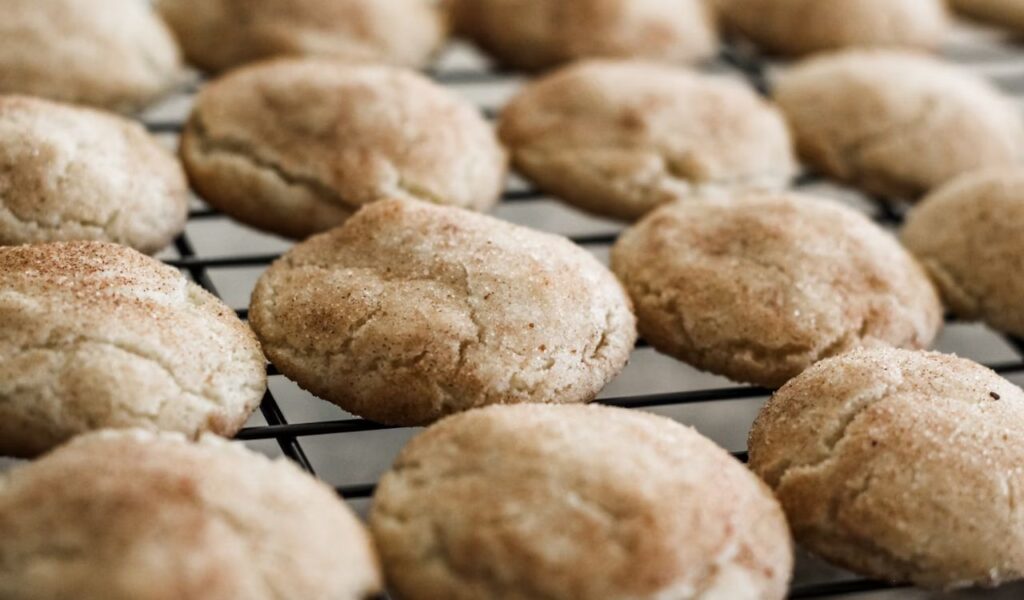
Snickerdoodles rely more on chemistry than flour for their signature texture. Cream of tartar reacts with baking soda to create lift and tenderness, producing the soft interior associated with classic snickerdoodles. In gluten-free versions, a balanced flour blend provides enough structure without heaviness. Butter and sugar form the base, creating spread and crisp edges. Rolling the dough in cinnamon sugar adds flavor and texture without affecting the structure. Chilling helps prevent spreading. When baked correctly, these cookies puff slightly, then settle into soft centers with lightly crisp exteriors. The familiar tang and warmth remain intact, making the absence of gluten unnoticeable.
6. Gluten-Free Shortbread Cookies
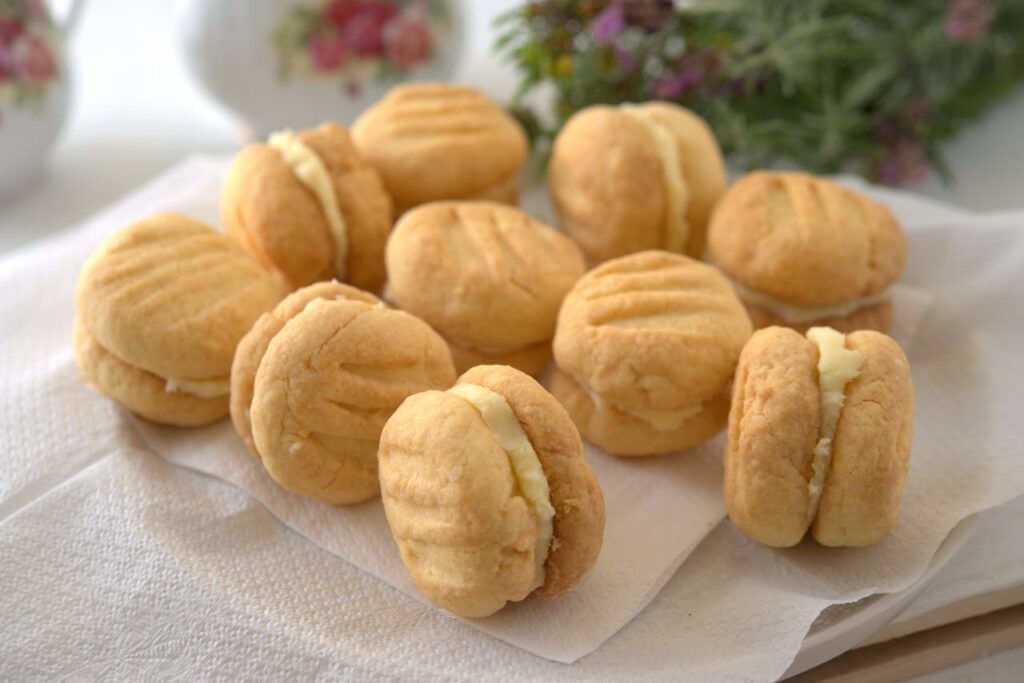
Shortbread cookies are defined by simplicity, which makes them ideal for gluten-free adaptation. Traditional shortbread relies on butter and sugar rather than gluten development. Almond flour works especially well because its natural fat content mimics the richness of wheat flour while providing structure. Powdered sugar dissolves easily, creating a smooth dough and tender crumb. The dough requires minimal mixing, preventing density. When baked, the cookies hold their shape and develop the classic crumbly snap. The flavor remains deeply buttery, and the texture feels intentional rather than compromised. These cookies succeed because they focus on fat and balance, not elasticity.
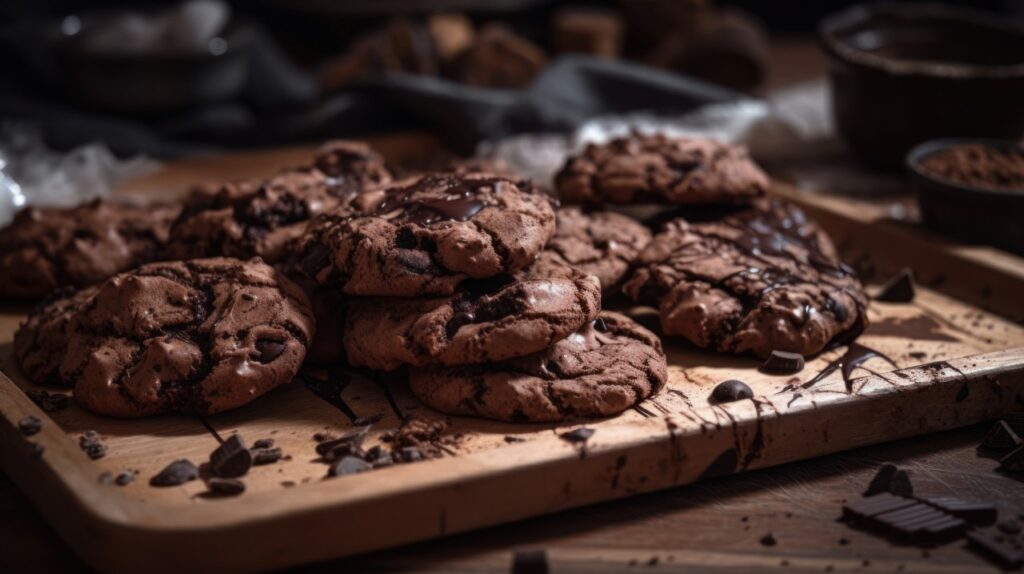
7. Gluten-Free Double Chocolate Cookies
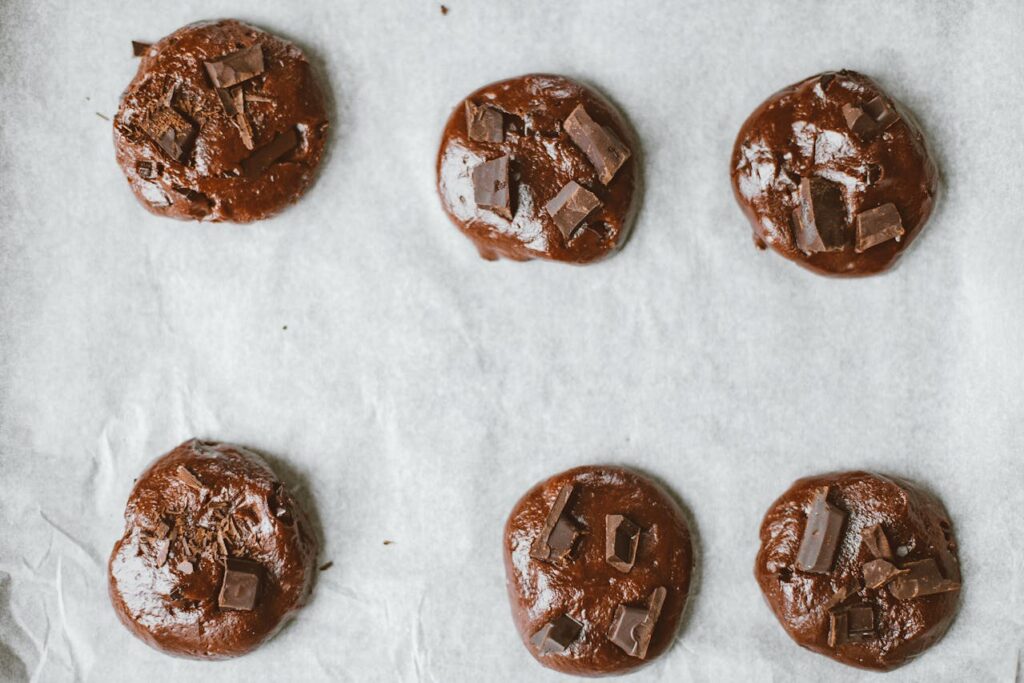
Chocolate-based cookies are naturally forgiving in gluten-free baking because cocoa powder and melted chocolate contribute structure and moisture. Cocoa binds liquids and thickens batter, reducing reliance on gluten. A gluten-free flour blend adds stability without dominating texture. Brown sugar supports chewiness, while eggs provide lift and cohesion. Chilling the dough prevents excessive spread and keeps the cookies thick. When baked, the cookies remain soft inside with crisp edges, and the intense chocolate flavor masks textural differences. The result tastes indulgent and familiar, proving that gluten-free cookies can deliver the same richness and satisfaction as the classic version.