13 Classic Christmas Cookies Made from Age Old Recipes

Christmas cookies are more than sweet treats. They are edible heirlooms shaped by centuries of home baking, seasonal scarcity, and shared celebration. Long before modern ovens and packaged ingredients, families relied on butter, nuts, honey, spices, and preserved fruits to create cookies that could last through winter and still feel special. These recipes were passed from hand to hand and generation to generation, refined through repetition rather than written rules. Baking them today is not just about flavor, but about recreating the comfort, patience, and quiet joy that defined Christmas long before it became commercial.
1. Gingerbread Cookies
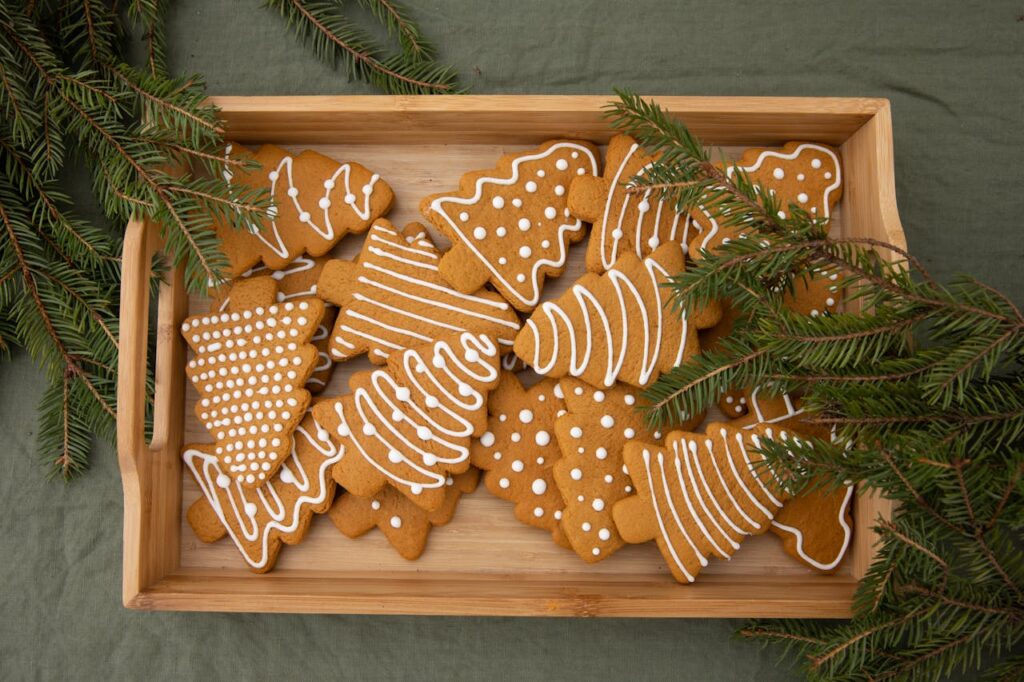
Few cookies are as closely tied to Christmas as gingerbread, and that connection goes back hundreds of years. Gingerbread began as a spiced bread sweetened with honey or molasses, long before refined sugar was common. The warming spices, especially ginger, cloves, cinnamon, and nutmeg, were once costly imports, making these cookies a sign of celebration and abundance. Molasses gives gingerbread its deep color and slightly bitter sweetness, which balances the spice and helps the cookies keep well over time. Today’s gingerbread cookies still rely on the same balance of spice, fat, and sweetener, offering a firm bite that softens as they sit.
2. Shortbread Cookies
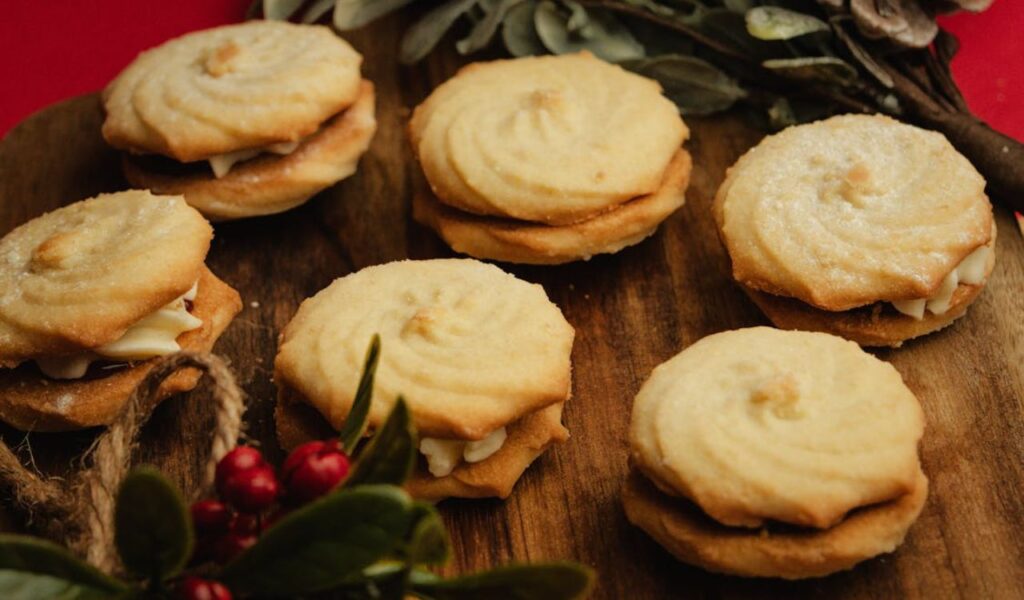
Shortbread is a lesson in how simplicity can become timeless. Originating in Scotland, this cookie uses just three core ingredients: butter, sugar, and flour. There is no leavening, which gives shortbread its dense, crumbly texture and rich mouthfeel. The name comes from the high fat content, which shortens the gluten strands and creates tenderness. Historically, butter was a luxury, so shortbread was reserved for special occasions like Christmas and weddings. The slow baking process allows moisture to evaporate without browning too much, preserving a pale color and clean flavor. Because there are no spices to hide behind, the quality of the butter matters deeply.
3. Snickerdoodles
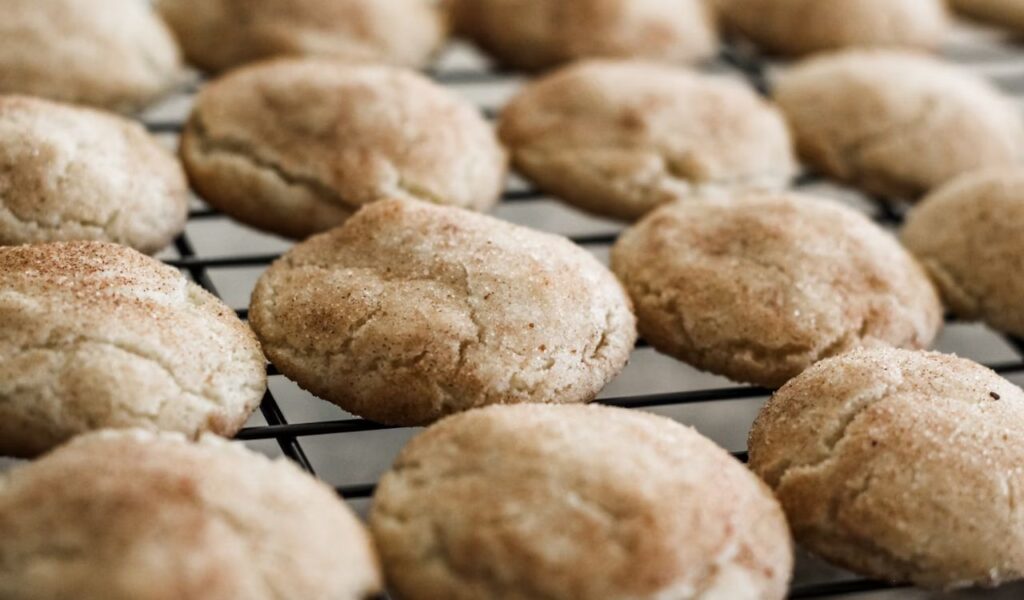
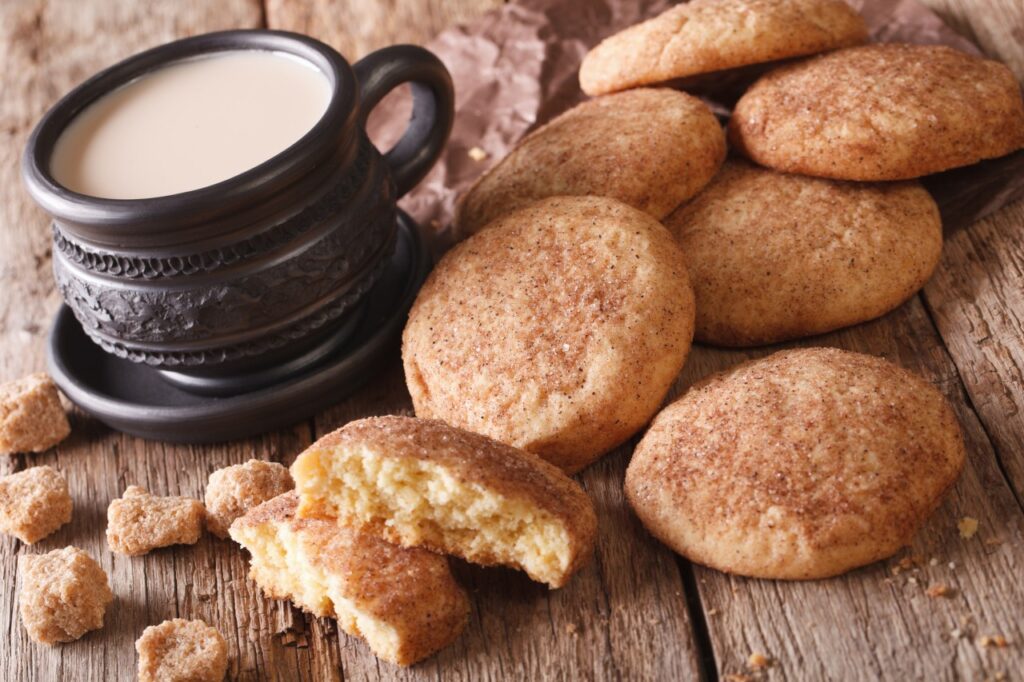
Snickerdoodles stand out because they feel both familiar and slightly unusual. Their defining feature is the cinnamon sugar coating, which creates a crackled surface and a warm aroma as the cookies bake. Unlike many old cookies, snickerdoodles traditionally include cream of tartar, an acidic ingredient that reacts with baking soda to create a soft, slightly tangy interior. This technique dates back to early European baking methods, where chemical leaveners were carefully balanced. The result is a cookie that stays tender longer than most sugar cookies. Cinnamon, once a prized spice, adds both flavor and preservation benefits.
4. Linzer Cookies
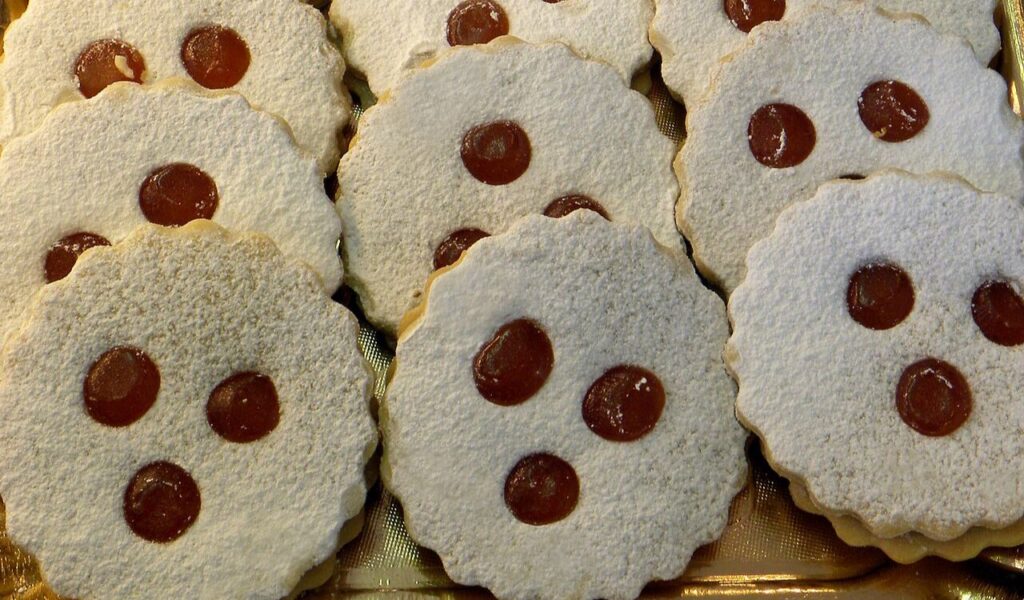
Linzer cookies trace their roots to Austria’s Linz region, inspired by the famous Linzer torte. These cookies are made with a nut-enriched dough, often almonds or hazelnuts, which adds richness and structure. The dough is rolled thin, baked, and sandwiched with jam, traditionally raspberry or currant. The cutout top reveals the filling, making the cookie visually festive without elaborate decoration. Historically, nuts and preserved fruit were winter staples, making this recipe practical as well as celebratory. The slight tartness of the jam balances the buttery dough, preventing the cookie from becoming overly sweet.
5. Spritz Cookies
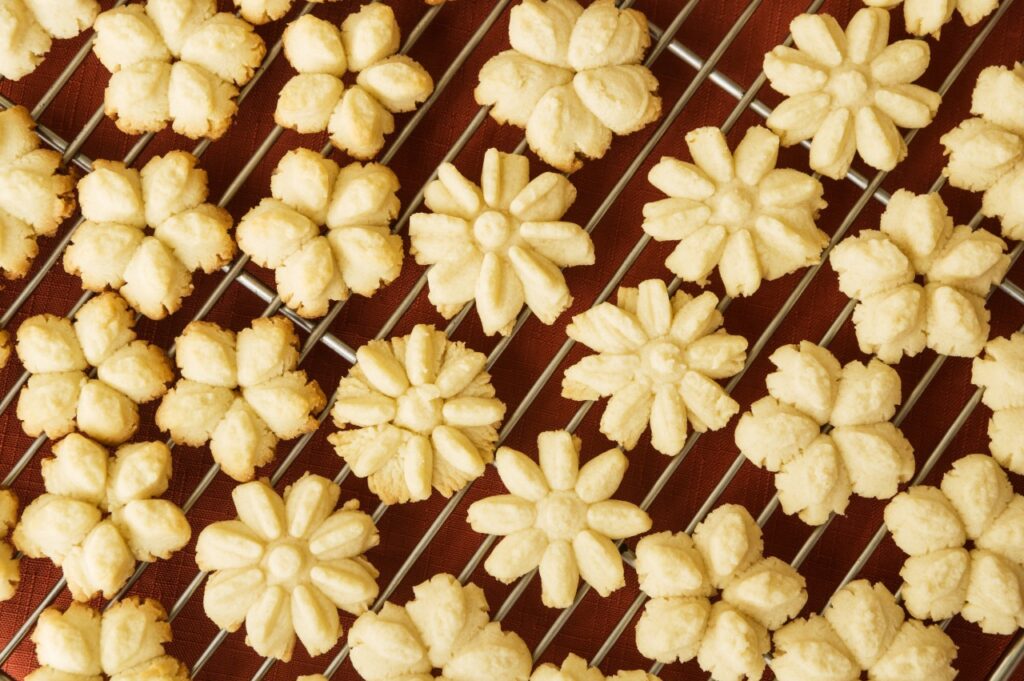
Spritz cookies are closely tied to Scandinavian Christmas traditions, where butter rich baking played a central role in winter celebrations. The name comes from the German word meaning “to squirt,” referring to how the dough is pressed through a cookie press into decorative shapes. This method was developed as a way to create ornate cookies quickly without complex rolling or cutting. The dough is high in butter and eggs, giving spritz cookies a crisp edge and tender center. Because they are lightly sweetened, they pair well with coffee and tea, which has always been part of Nordic holiday customs.
6. Pepparkakor
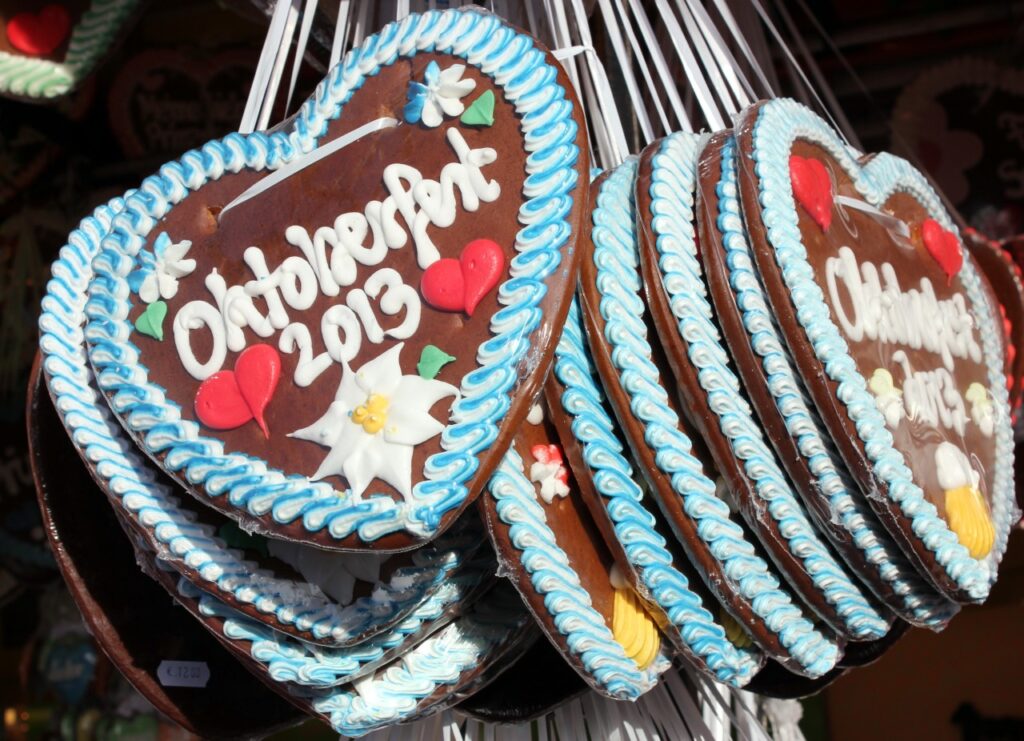
Pepparkakor are thin Swedish ginger cookies known for their crisp snap and intense spice. Historically, these cookies were believed to aid digestion, thanks to their heavy use of ginger and other warming spices. The dough is rolled extremely thin, which allows the cookies to bake quickly and dry out completely. This dryness was intentional, as it extended shelf life during long winters. Pepparkakor often includes black pepper along with ginger, cloves, and cinnamon, giving them a sharper edge than other ginger cookies. Their firm texture makes them ideal for hanging on trees or building simple cookie structures.
7. Lebkuchen
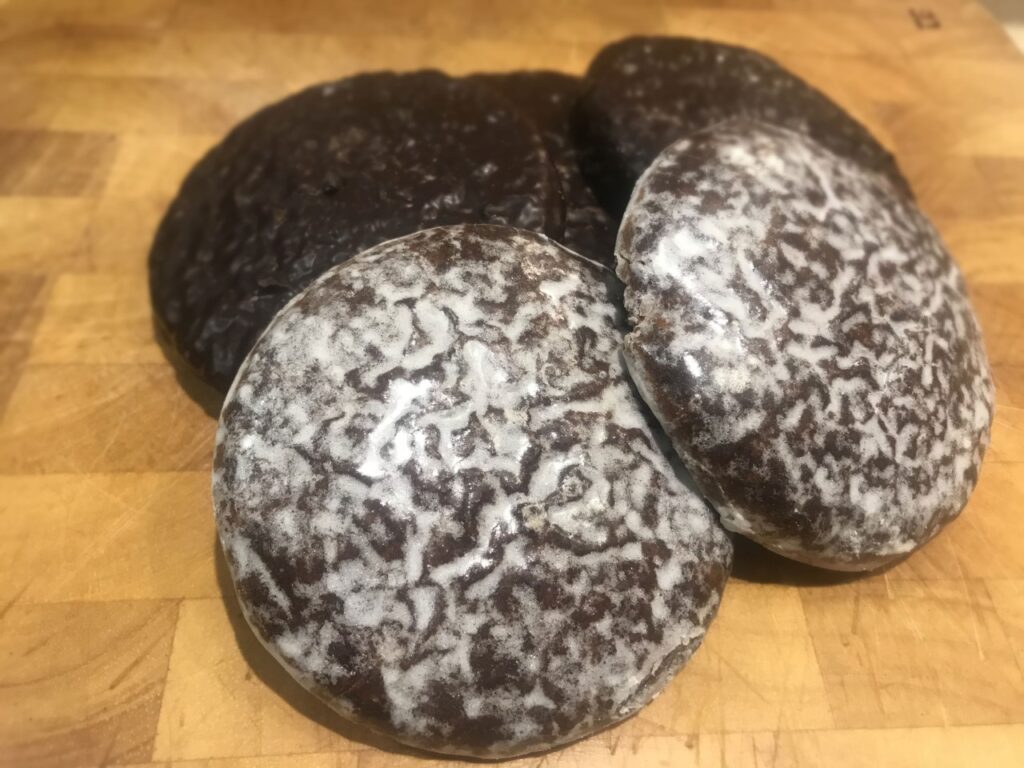
Lebkuchen is one of the oldest Christmas cookies still baked today, with roots in medieval Germany. These honey-sweetened cookies were often made in monasteries, where access to spices and preserved ingredients was more common. Lebkuchen relies on honey instead of sugar, along with ground nuts and minimal flour. This combination creates a moist, cake like texture that improves with age. Spices such as anise, cardamom, cloves, and cinnamon give the cookie its deep, layered flavor. Traditionally, lebkuchen was baked weeks before Christmas and stored to mature. That patience allowed flavors to meld and soften, turning simple ingredients into something complex and festive.
8. Pizzelle
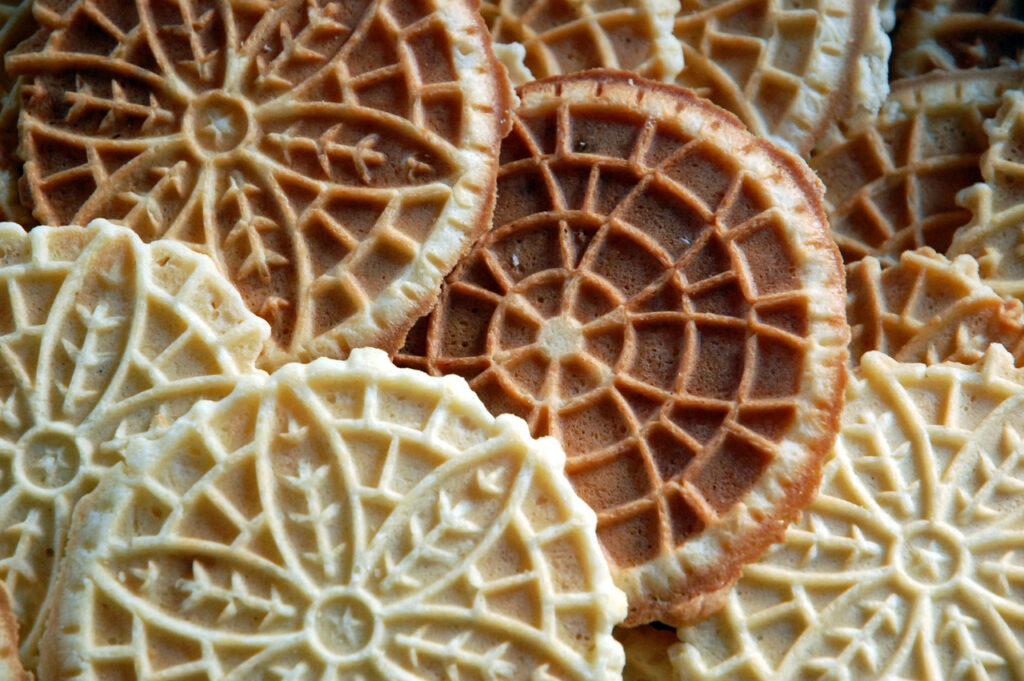
Pizzelle are among the oldest known cookies, originating in Italy and dating back to ancient times. These thin waffle cookies are cooked between iron plates, which imprint intricate designs. Early versions were likely created for festivals and religious celebrations, featuring ingredients such as eggs, flour, and honey. Anise is the traditional flavor, though vanilla and citrus became common later. Pizzelle cool into a crisp texture that stays light despite their richness. Their durability made them ideal for gifting and sharing, and their decorative patterns turned simple ingredients into something celebratory.
9. Pfeffernüsse
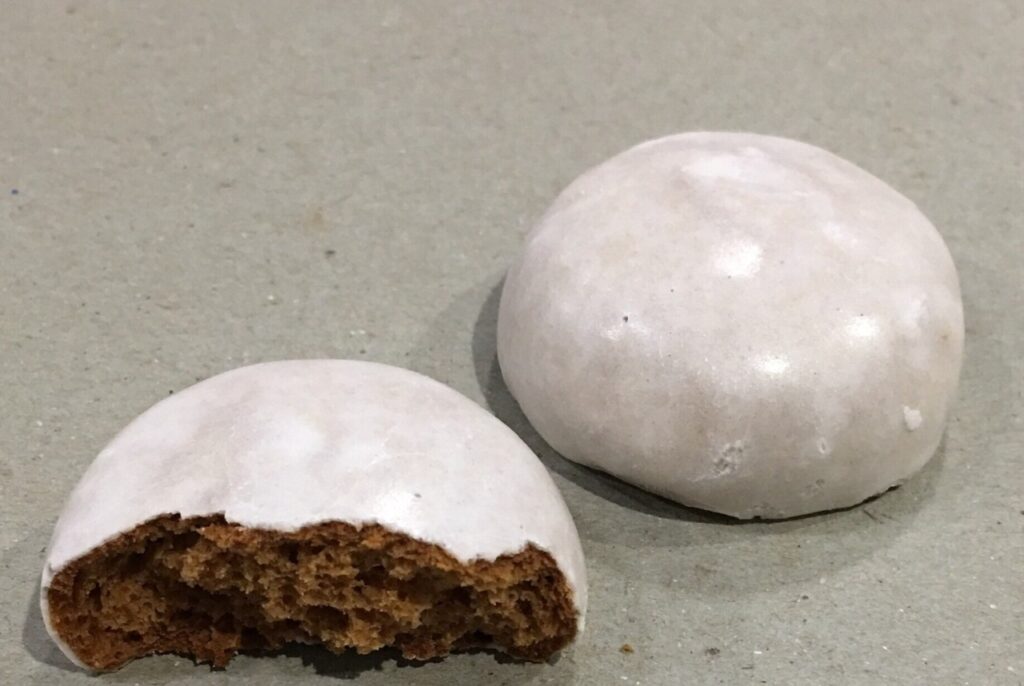
Pfeffernüsse are traditional German spice cookies whose name translates to “pepper nuts,” a nod to their bold seasoning rather than their size. These small, round cookies are packed with warming spices such as cinnamon, cloves, allspice, and sometimes black pepper, which was once a prized and expensive ingredient. Honey or molasses provides sweetness while helping the cookies age well. Pfeffernüsse were often baked weeks before Christmas and stored in tins to soften over time. Their dense texture and intense flavor made them ideal for winter, when rich spices offered both warmth and preservation. Today, they remain a symbol of patience and planning in holiday baking.
10. Vanillekipferl
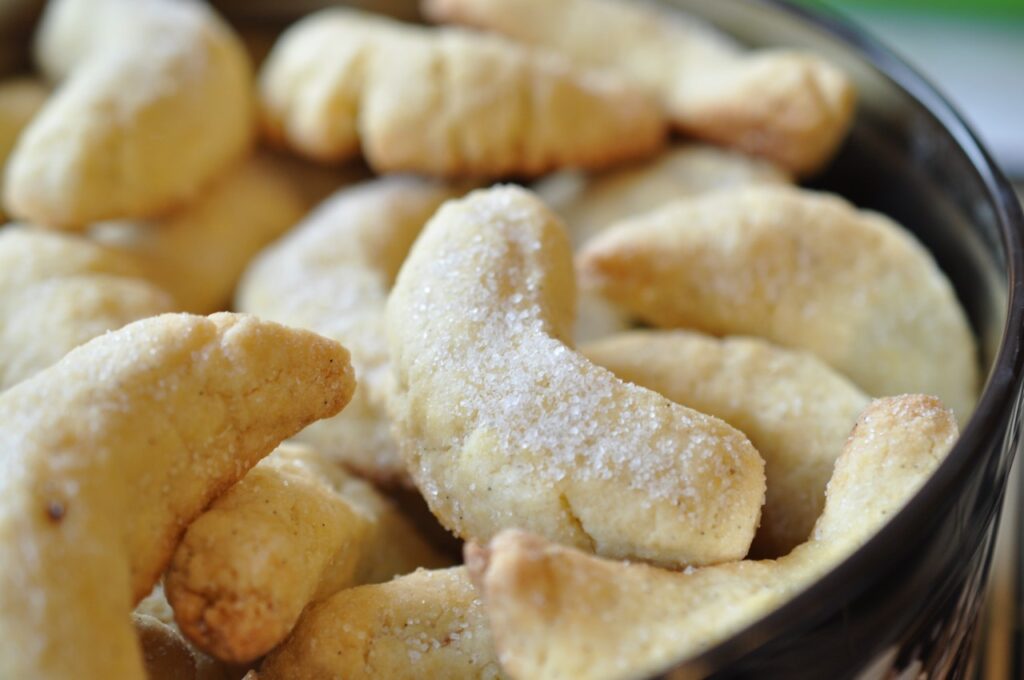
Vanillekipferl are delicate crescent-shaped cookies that originated in Austria and surrounding regions. Made with finely ground nuts, usually almonds or walnuts, these cookies are tender and crumbly by design. They are baked pale, then coated in vanilla-scented sugar while still warm. This technique allows the sugar to cling and infuse the cookie with aroma. The crescent shape is thought to symbolize prosperity and good fortune. Historically, these cookies were baked carefully, as overbaking would dry them out. Their melt-in-the-mouth texture and gentle sweetness make them a quiet but essential part of many Christmas cookie trays.
11. Springerle
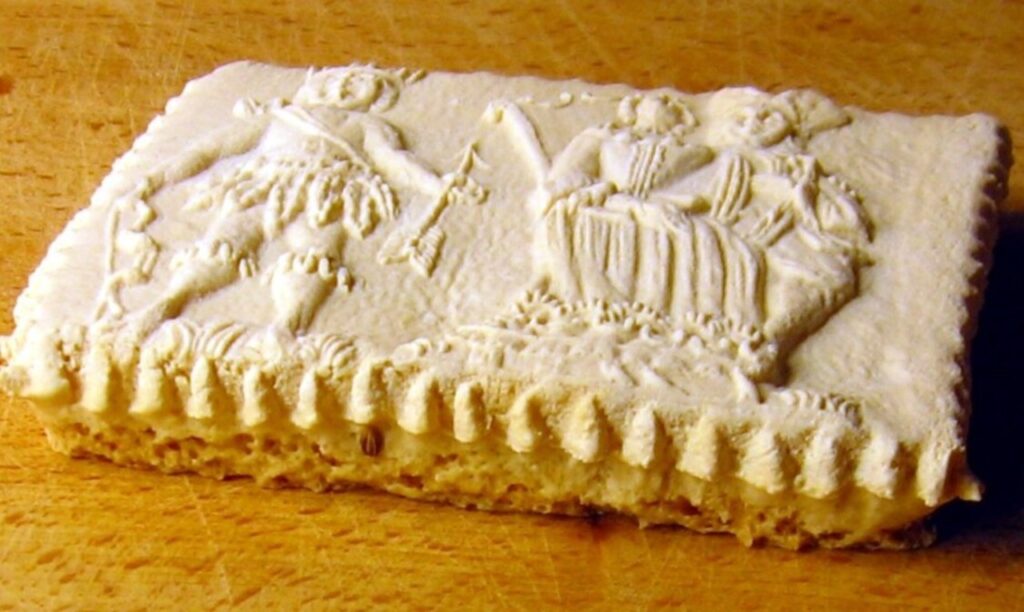
Springerle are instantly recognizable for their embossed designs, created using carved wooden molds. These German cookies date back centuries and were often used to tell stories through images pressed into the dough. Anise provides its distinctive flavor, while eggs give structure. After shaping, the cookies are traditionally left to dry before baking, which helps preserve the design. They bake slowly at low temperatures, keeping the surface pale and detailed. Springerle are firm and dry, meant to be stored for long periods. Their durability and artistry made them ideal for gifting and decoration during the holidays.
12. Thumbprint Cookies
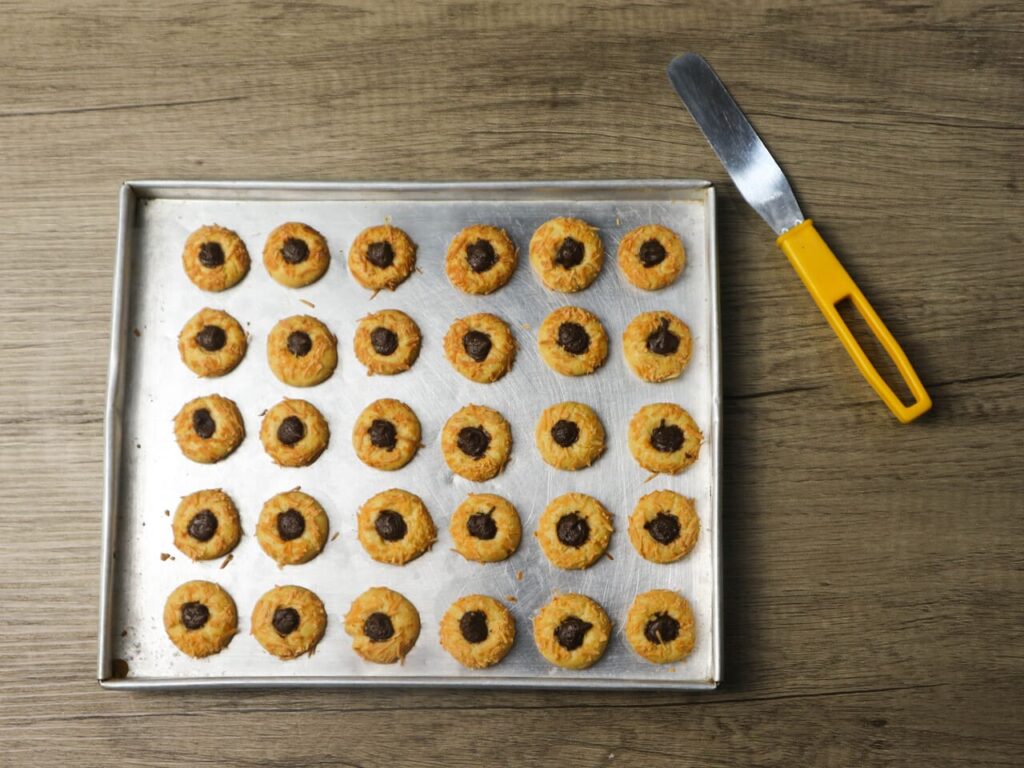
Thumbprint cookies represent a practical approach to festive baking. A simple butter dough forms the base, with an indentation filled with jam or preserves. This design allowed bakers to use small amounts of preserved fruit to add color and flavor. The cookies bake evenly, with the filling protected in the center. Historically, thumbprint cookies were popular because they required no special tools and could be adapted based on available ingredients. The contrast between buttery dough and bright fruit filling makes them visually appealing without added decoration. Their simplicity is exactly why they have endured across generations.
13. Rugelach
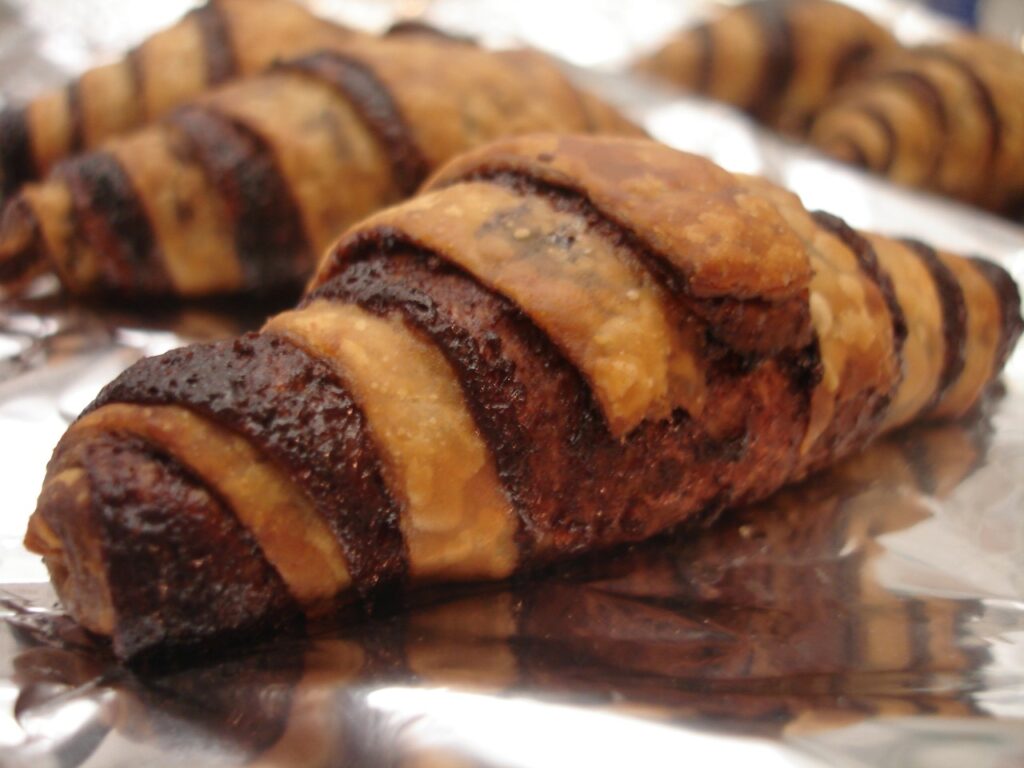
Rugelach comes from Jewish baking traditions, especially in Eastern Europe. These cookies use a rich dough often made with butter and cream cheese, which creates tenderness and slight tang. The dough is rolled and filled with nuts, dried fruit, sugar, and spices, then shaped into crescents. These ingredients were chosen for their availability and long keeping qualities. Rugelach bakes into a layered, flaky cookie that feels indulgent without being heavy. While enjoyed year-round, they became closely associated with holiday celebrations due to their richness and ability to be prepared ahead. Their enduring appeal lies in how thoughtfully they combine texture, flavor, and tradition.