10 Hot Honey Menu Gimmicks Chains Use to Justify Higher Prices


Hot honey has quickly moved from niche condiment to fast-food trend, appearing across sandwiches, wings, and specialty meals. While the flavor combination feels exciting, many chains use it less as a culinary breakthrough and more as a pricing strategy. By adding a simple, sweet, and spicy sauce to existing items, restaurants create the illusion of innovation and exclusivity. Looking closer reveals how branding, urgency, and trend culture help justify higher prices for meals that are otherwise largely unchanged.
1. Limited-Time Hot Honey Releases Create Urgency

Chains frequently launch hot honey items as limited-time offers rather than permanent menu additions. This strategy encourages customers to act quickly, creating a fear of missing out that pushes faster buying decisions. When diners believe an item will disappear soon, willingness to pay extra often increases.
Restaurants use these short windows to test demand without long-term commitment. Marketing emphasizes exclusivity and novelty, making familiar foods feel special.
The result is a higher perceived value built around timing instead of ingredients. Customers often pay premium prices not for complexity or costly components, but for the feeling that the item is rare and worth trying immediately.
2. Simple Sauce Becomes a Premium Upgrade
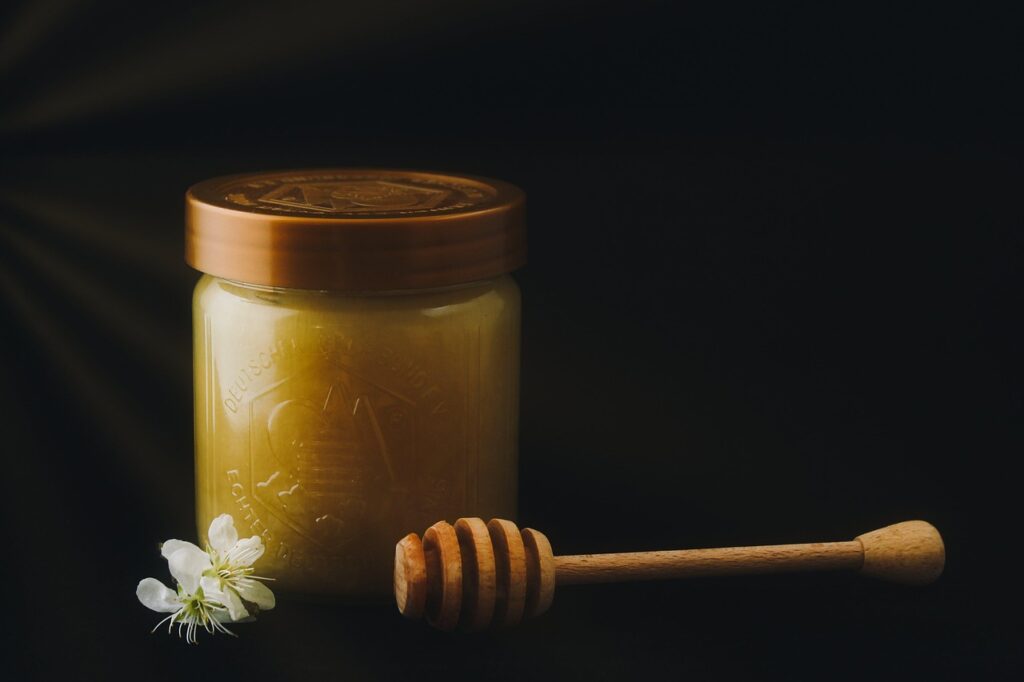
Hot honey typically combines basic honey with chili or pepper heat, creating a flavor profile that is simple to produce at scale. Despite modest ingredient costs, chains position the sauce as an elevated addition that transforms ordinary menu items into something special.
Marketing language often highlights bold flavor fusion and culinary creativity, even when preparation involves little more than drizzling sauce onto existing food. The upgrade feels gourmet because of presentation rather than production complexity.
Customers perceive added value through flavor naming and trendiness. A simple condiment suddenly justifies a higher price, even though the underlying item often remains unchanged aside from the sauce.
3. Existing Menu Items Get Repriced With Hot Honey

One common strategy involves adding hot honey to existing sandwiches, wraps, or chicken items and selling them as new menu launches. The food itself frequently stays nearly identical, with the sauce serving as the primary difference.
Chains benefit because development costs remain low while pricing can rise under the appearance of innovation. Diners often view the item as entirely new despite minimal changes behind the scenes.
Many customers later realize the base item remains the same with only a flavor add-on. Still, novelty branding successfully supports price increases by reframing familiar menu components as fresh experiences.
4. “Swicy” Trend Language Justifies Higher Prices
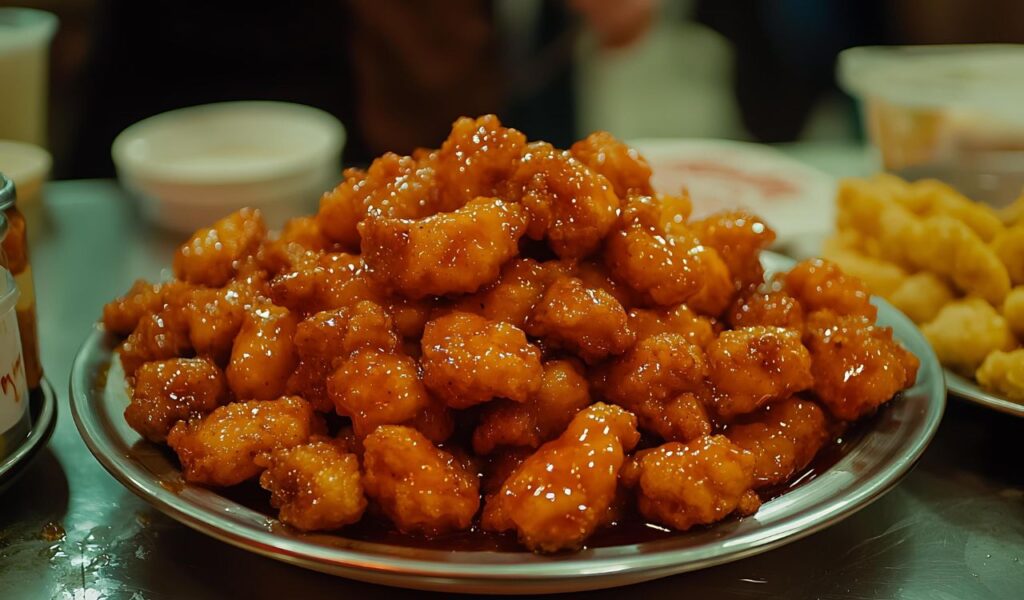
The sweet and spicy combination often labeled “swicy” helps chains connect products to broader flavor trends. Trend-driven language signals modern taste experimentation, allowing menus to feel current and exciting.
Consumers drawn to trending flavors often expect premium pricing because the item appears fashionable or innovative. Restaurants use buzzwords to frame ordinary ingredients as part of a larger culinary movement.
Trend alignment increases perceived relevance and excitement. By associating hot honey with a wider flavor wave, chains justify price increases that might feel unreasonable for standard versions of the same food.
5. Premium Marketing Language Elevates Simple Ingredients

Menu descriptions surrounding hot honey frequently include terms like bold, handcrafted, or signature flavor. These phrases shape expectations even when the actual ingredients remain inexpensive and simple.
Customers often equate elevated wording with elevated value, assuming additional effort or specialized preparation exists. In reality, branding language often carries more weight than actual production complexity.
Marketing transforms a sauce into a story. The narrative around flavor innovation encourages customers to accept higher prices, even when preparation methods remain straightforward and consistent.
6. Upscaled Ingredient Positioning Signals Luxury

Chains often present hot honey as an upscale ingredient, positioning it as something culinary and refined rather than casual. This framing helps shift customer perception of what should count as a premium menu item.
When a flavor feels associated with gourmet trends, diners become more open to paying extra. Language and presentation influence expectations long before the food reaches the table.
Even quick-service restaurants benefit from this positioning strategy. Thus, a simple sauce gains premium status through storytelling, helping justify price increases without major changes to ingredients.
7. Social Media Buzz Increases Perceived Value
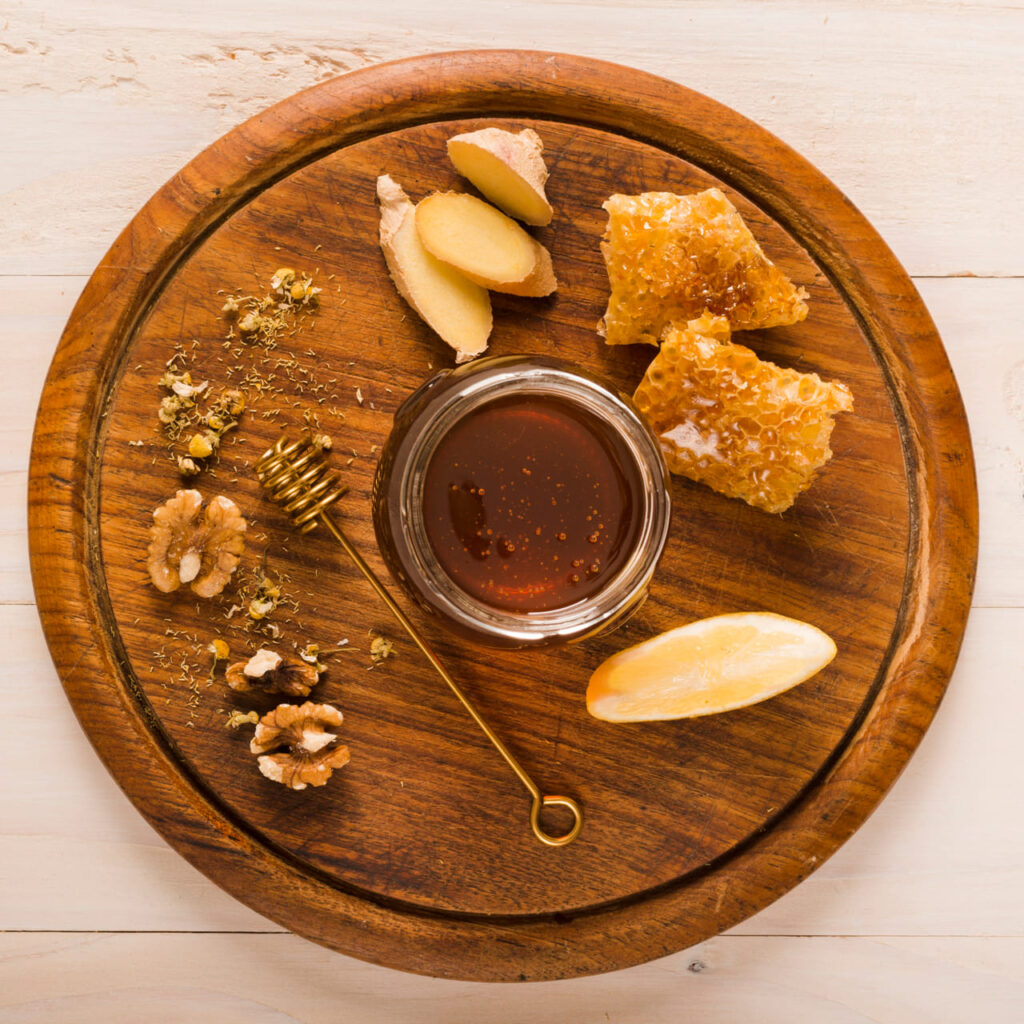
Hot honey gained popularity through online food trends, and chains actively tap into that momentum. Social media exposure creates familiarity and excitement that makes new menu launches feel culturally relevant.
When diners see the same flavor repeatedly online, curiosity grows. Purchasing becomes part of participating in a wider food trend rather than simply ordering a meal. Social media repetition creates familiarity, making the flavor feel culturally relevant and worth trying.
This visibility encourages spending because customers want to try what feels popular. Chains benefit from trend momentum, turning online buzz into higher perceived value and pricing power.
8. Condiment Innovation Gets Framed as Menu Innovation
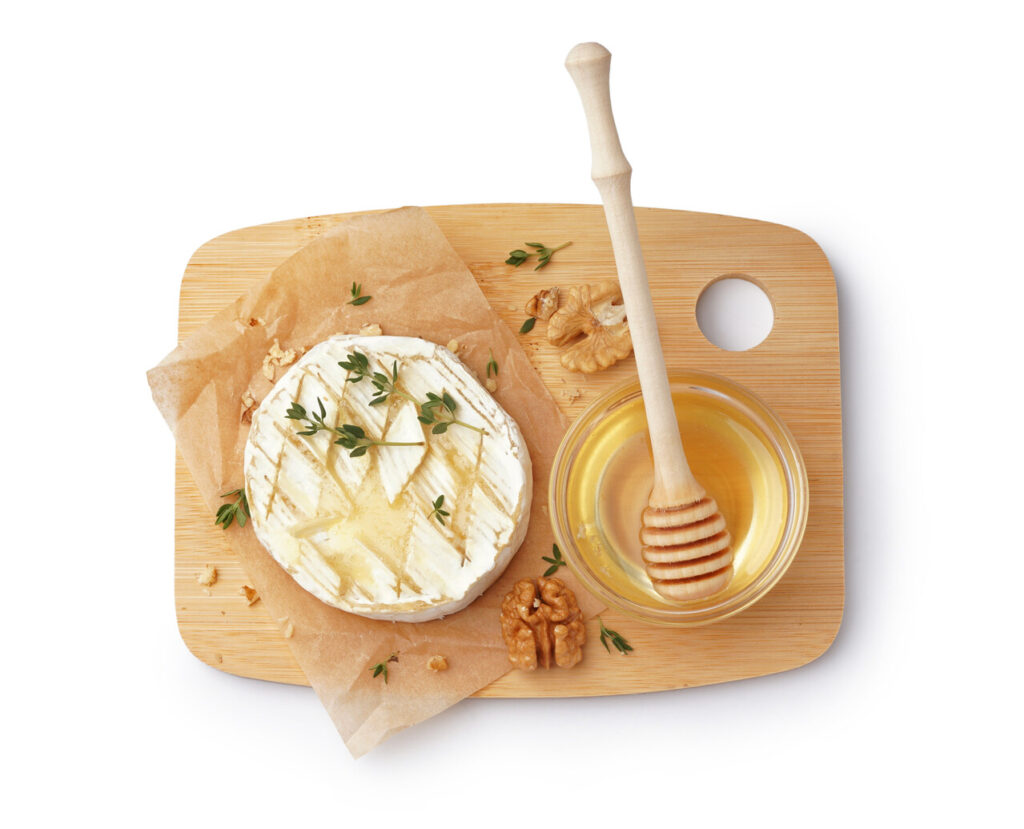
Instead of developing entirely new dishes, many chains focus on sauce-driven updates that allow existing menus to feel refreshed. Adding hot honey becomes a quick way to advertise innovation without redesigning kitchens or processes.
From an operational perspective, condiment updates are efficient and cost-effective. Staff continues preparing familiar items while marketing frames the result as something new and exciting.
Customers often respond positively to the idea of innovation, even when structural changes are minimal. This approach allows chains to raise prices while keeping preparation largely unchanged.
9. Special Combo Bundles Make Prices Look Bigger
Hot honey items often appear inside combo meals or specialty bundles that include sides and drinks. Bundling increases total spending while making individual item pricing less obvious.
Customers focus on the overall meal experience rather than comparing standalone item costs. The flavored upgrade feels like part of a premium meal rather than a simple add-on. Bundling flavors into a complete offering reduces price sensitivity because diners evaluate value emotionally rather than item by item.
Bundles, therefore, help chains raise perceived value while encouraging higher total orders. Pricing becomes easier to increase when sauce-driven items appear as complete meal experiences rather than individual products.
10. Flavor Trends Test Customer Price Tolerance
Chains frequently use trending flavors like hot honey to experiment with how much customers are willing to pay for small variations. Limited releases allow brands to test higher pricing without long-term menu commitments.
If sales perform strongly, restaurants gain insight into price flexibility for future offerings. If demand weakens, the trend can quietly fade without affecting core menu structure.
This strategy turns flavor launches into both marketing events and pricing experiments. Trend-based items help chains measure customer willingness to accept higher prices while maintaining excitement around new releases.