10 Fruits and Vegetables That Stay Fresh the Longest

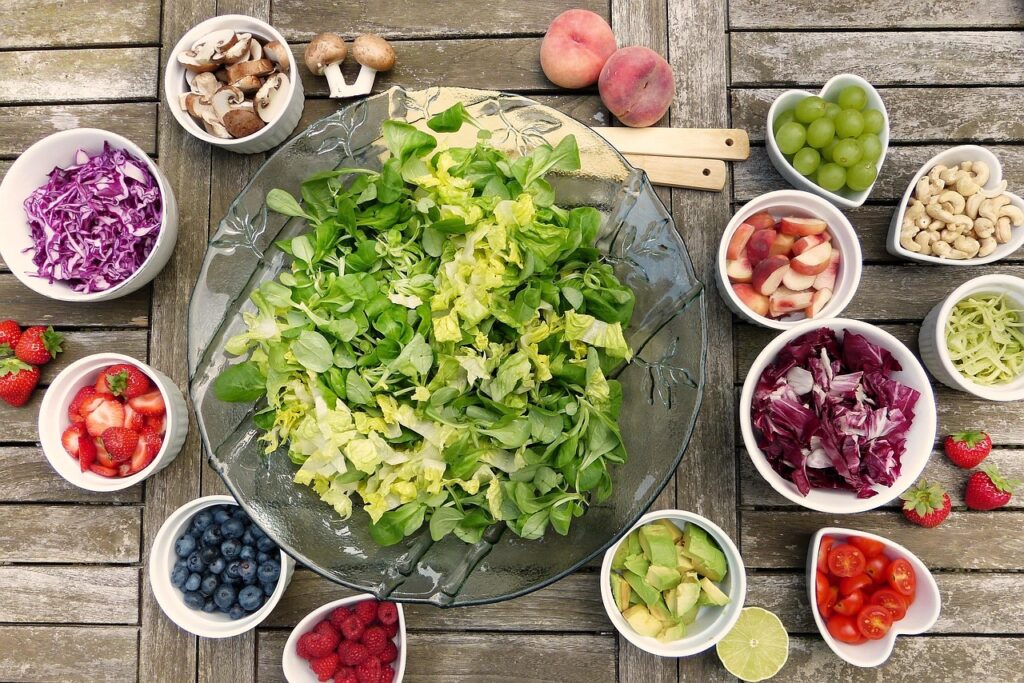
Not all produce spoils at the same pace. Some fruits and vegetables are naturally built to last thanks to dense structures, protective skins, and low surface moisture. For better purchases and cooking, one must be aware of such food items. Knowing which items stay fresh the longest can change how you shop, store food, and plan meals. These long-lasting staples reduce waste, save money, and make grocery trips more flexible. When stored correctly, they hold texture and flavor for weeks, giving you reliable options even when fresh shopping is delayed.
1. Carrots
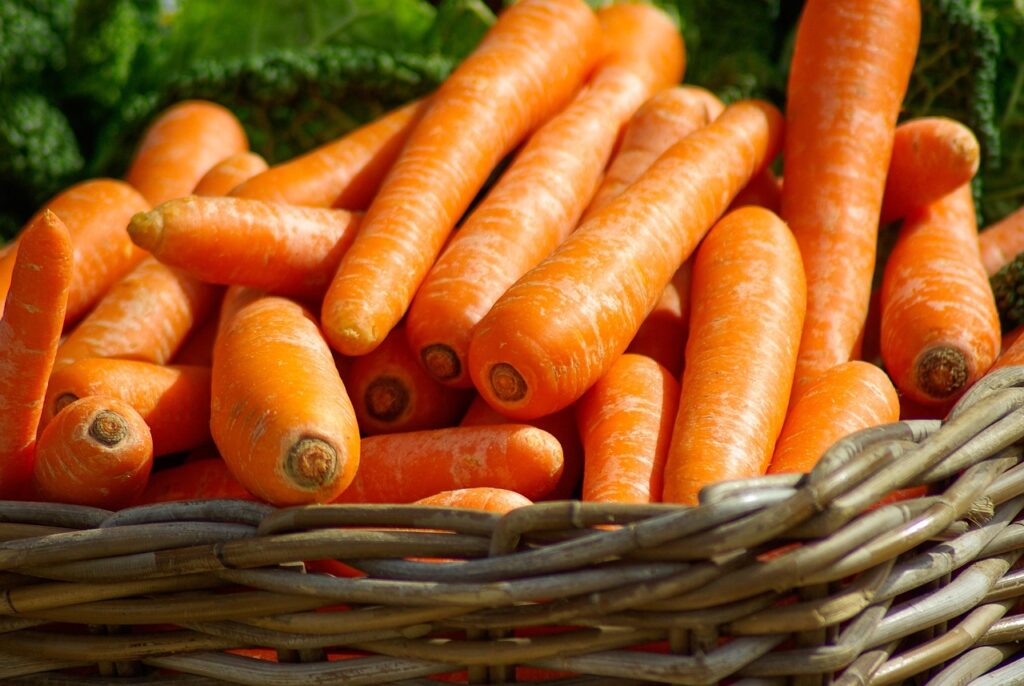
Carrots are one of the most reliable vegetables when it comes to long storage because their structure naturally slows spoilage. As a dense root vegetable with low moisture on the surface, carrots resist mold and bacterial growth better than many greens. When stored properly, ideally unwashed in the refrigerator crisper or submerged in water, they retain firmness and sweetness for weeks. Their thick skin protects the interior from dehydration. Even as carrots age, they usually soften before they become unsafe, giving a clear quality signal. This makes them dependable for households that shop less frequently.
2. Apples
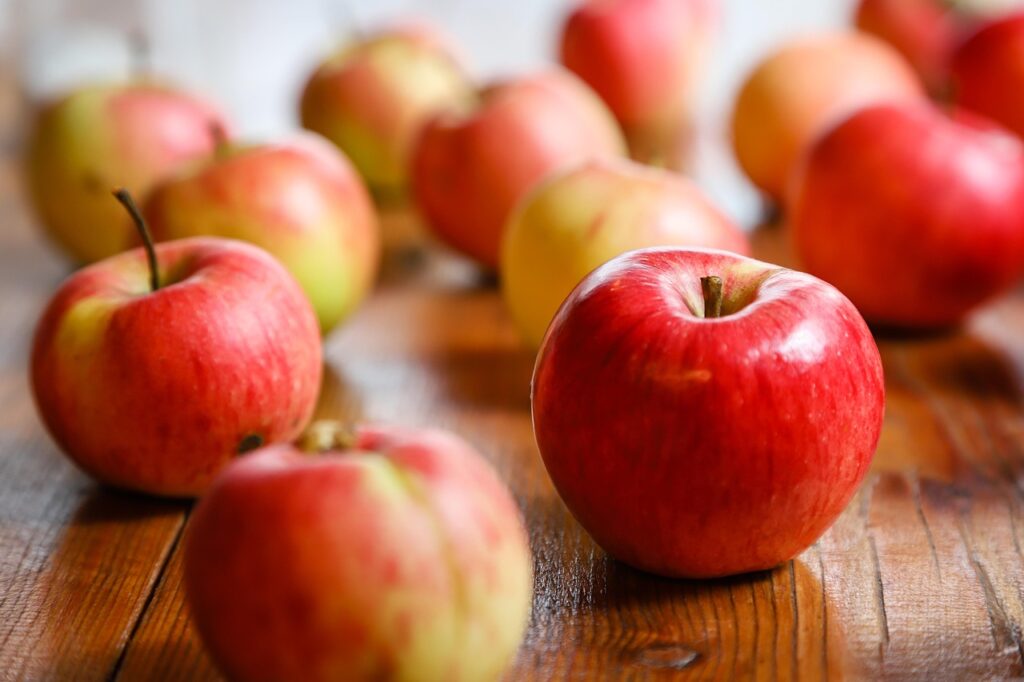
Apples are uniquely built for storage, which is why they have been kept in cellars for centuries. Their thick skin acts as a natural barrier that slows moisture loss and protects against bruising. Apples also release ethylene gas at a slower rate compared to many fruits, which helps delay overripening. When kept cool, especially in the refrigerator, apples can stay crisp and edible for several weeks. Apples tend to show quality decline gradually through wrinkling or softness rather than sudden spoilage, making them easy to monitor. This aging process makes apples one of the safest fruits to buy in bulk without worrying about rapid waste.
3. Potatoes
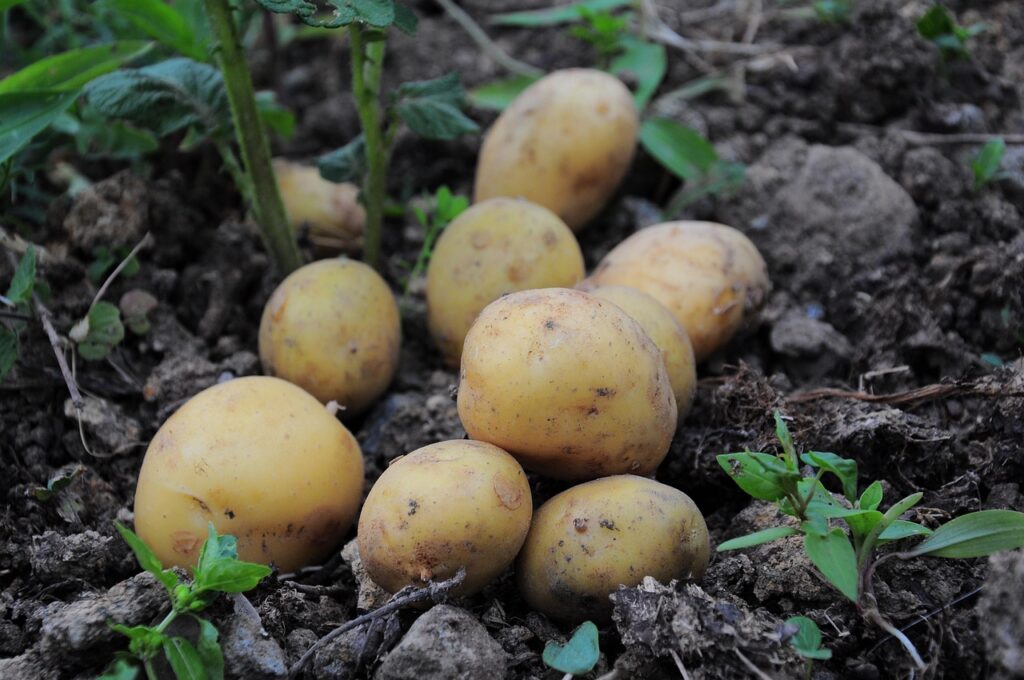
Potatoes are valued for their long shelf life because of their low moisture content and protective skin. When stored in a cool, dark, and dry environment, potatoes can remain usable for weeks without refrigeration. Light and heat are the main enemies, as they trigger sprouting and greening, not immediate spoilage. Even when potatoes begin to sprout, the flesh often remains usable once sprouts are removed. Their starchy composition slows microbial growth compared to watery vegetables. Because spoilage develops slowly and visibly, potatoes provide clear signs when they are no longer suitable, and thereby they can be avoided.
4. Cabbage
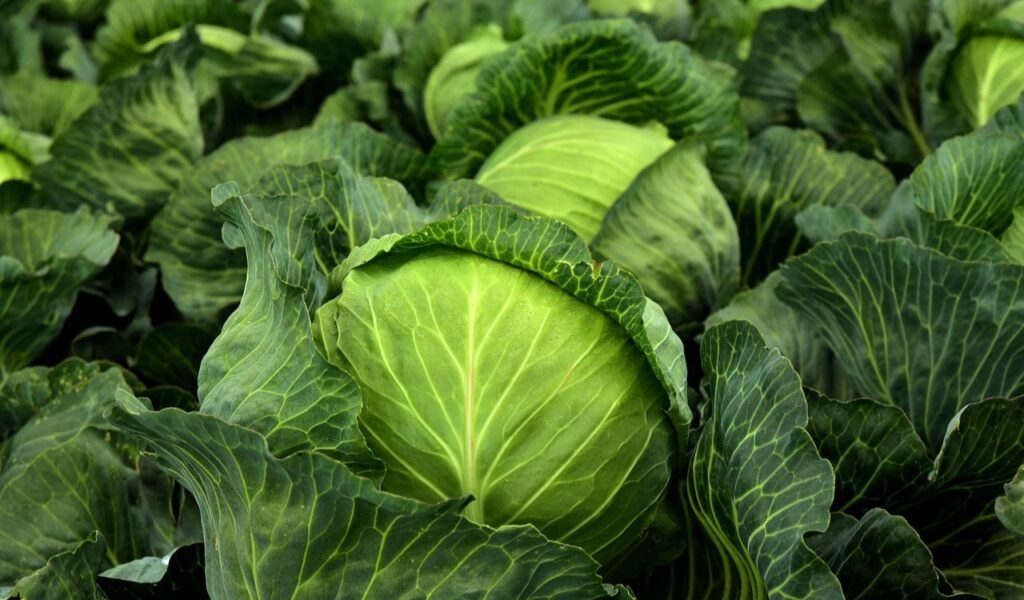
Cabbage stands out among leafy vegetables because of its dense, layered structure. Unlike delicate greens that wilt quickly, cabbage leaves protect each other by trapping moisture inside while shielding the inner layers from air exposure. When stored whole and uncut in the refrigerator, cabbage can remain crisp for weeks. Even if the outer leaves begin to dry, the inner core usually stays fresh and usable. Cabbage also tolerates temperature fluctuations better than softer produce. Its longevity, combined with versatility in raw, cooked, and fermented dishes, makes it one of the longest lasting vegetables available.
5. Citrus Fruits
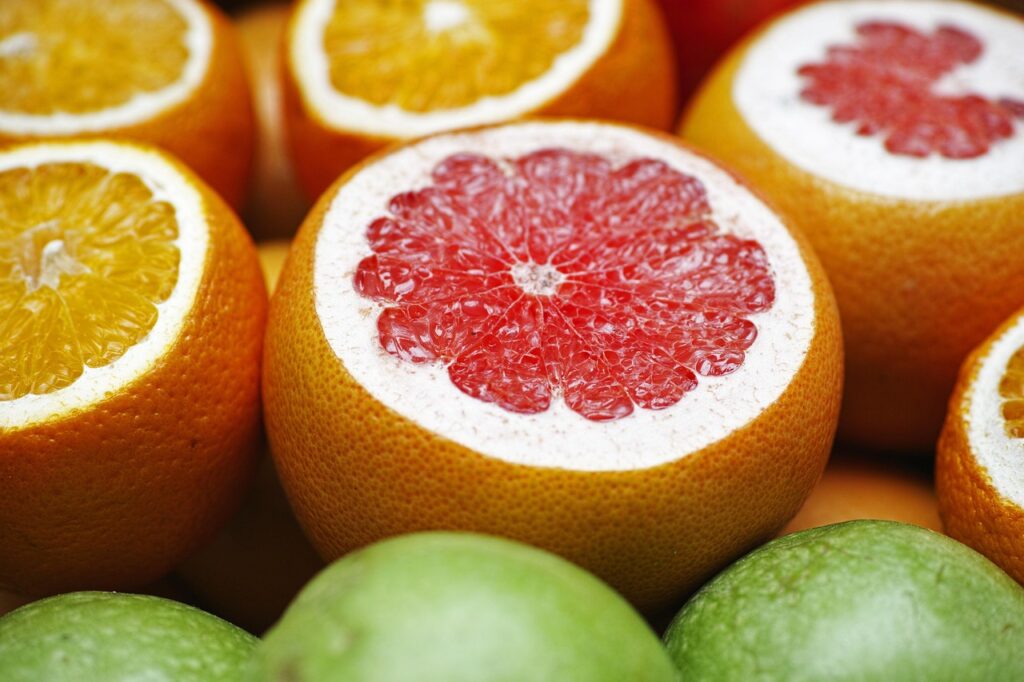
Citrus fruits last longer than many fruits because their thick rinds serve as built-in protection. The peel limits moisture loss and shields the fruit from physical damage and microbial exposure. Citrus also contains natural acids that slow spoilage. When stored in cool conditions, oranges, lemons, and grapefruits can remain fresh for weeks. Even at room temperature, they age more slowly than soft fruits like berries. Citrus fruits tend to dry out gradually rather than rot suddenly, providing clear quality cues. This slow decline makes them reliable pantry or refrigerator staples and reduces the risk of unexpected waste.
6. Onions
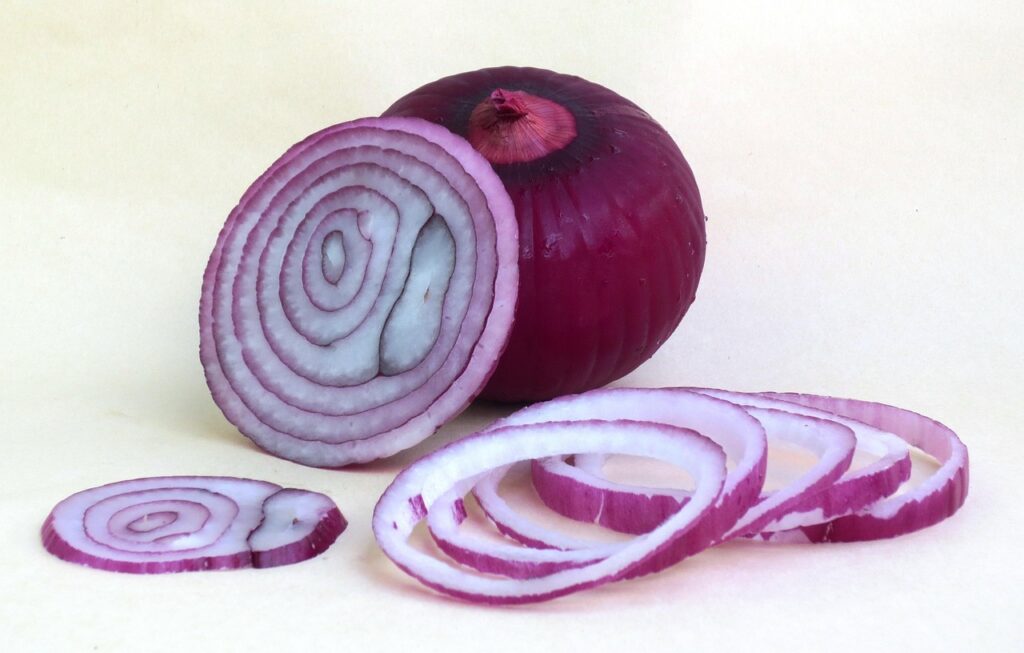
Onions are designed for storage, which is why they have been preserved for long periods throughout history. Their dry outer layers protect the moist interior from air and bacteria. When kept in a cool, dry, and well ventilated space, onions can last for weeks or even months. Moisture is the main cause of onion spoilage, so proper airflow is essential. Onions usually show spoilage through soft spots or mold, which are easy to identify. Their low water activity and protective skin explain why they remain fresh far longer than most vegetables. This makes them ideal pantry staples for households that do not shop frequently.
7. Garlic
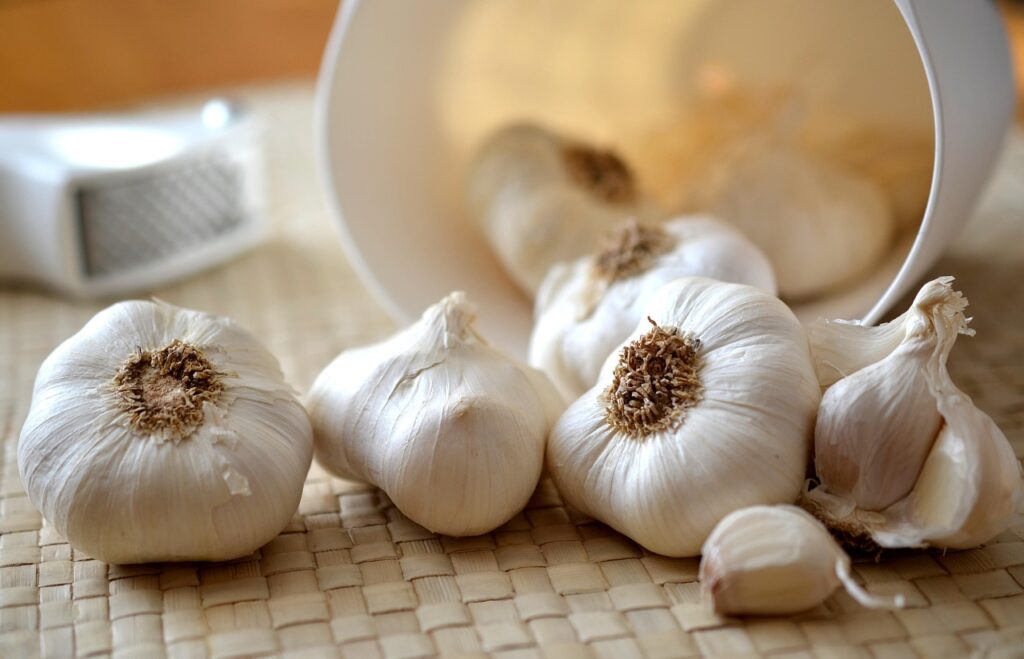
Garlic earns its reputation as a long-lasting staple because it is naturally built to resist spoilage. Each bulb is protected by dry, papery skins that shield the cloves from moisture and bacteria, which are the main causes of decay. When stored whole in a cool, dry, and well-ventilated place, garlic can stay usable for several months. Unlike many vegetables, it does not require refrigeration and actually keeps better when air can circulate freely around it. This slow, predictable aging makes garlic one of the most reliable produce items to keep on hand, especially for cooks who want ingredients that last without constant monitoring.
8. Sweet Potatoes
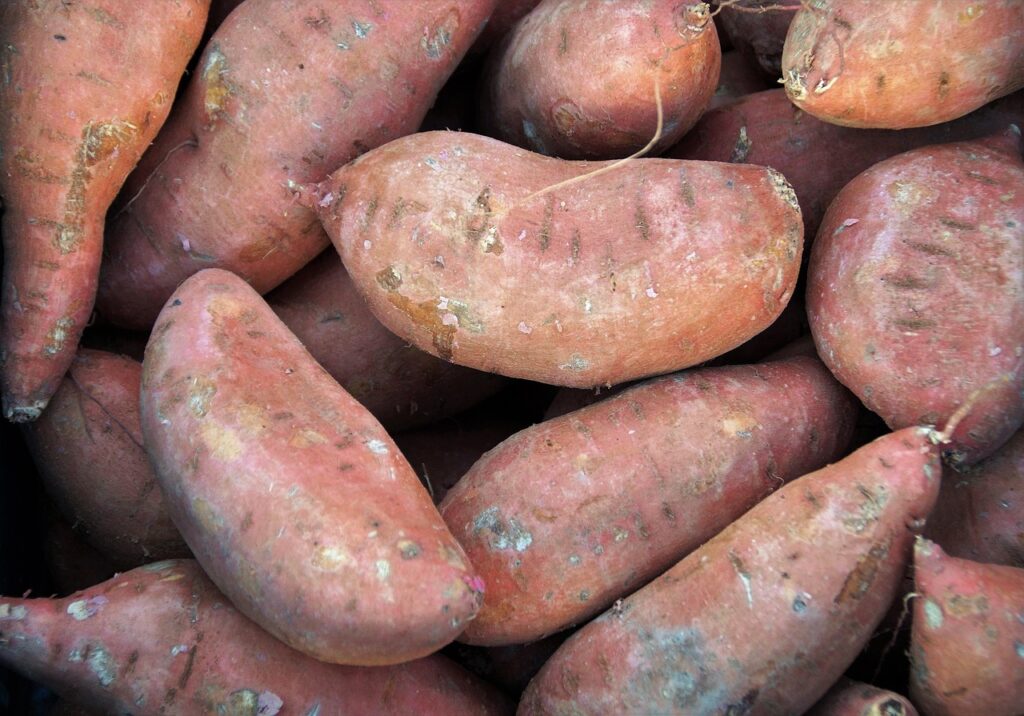
Sweet potatoes store well because of their firm flesh and relatively low surface moisture. When cured and kept in a cool, dark place, they resist spoilage and dehydration. Unlike regular potatoes, they prefer slightly warmer storage, but still age slowly when conditions are stable. Sweet potatoes usually show signs of aging through shriveling or soft spots rather than sudden rot. Their sugar content does not significantly increase spoilage risk when stored correctly. This predictable aging pattern makes them a reliable choice for longer storage and bulk buying. Proper ventilation helps prevent moisture buildup that can shorten shelf life.
9. Beets
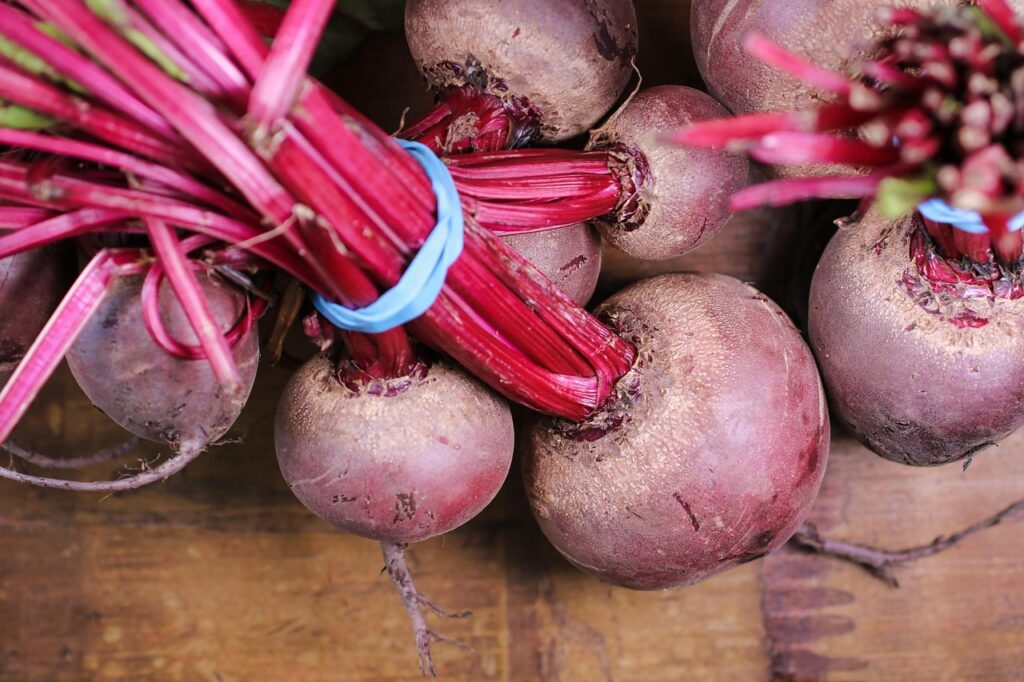
Beets are another root vegetable that excels in long-term freshness. Their dense structure and smooth skin slow moisture loss and bacterial growth. When stored with the greens removed, beets can last several weeks in the refrigerator. Even as they age, beets often remain firm and usable long after purchase. Their natural sugars do not accelerate spoilage when kept cold. Beets tend to spoil gradually rather than abruptly, giving ample warning before they need to be discarded. Keeping them unwashed until use further extends freshness. This slow decline makes beets a dependable produce option for planned meals.
10. Pears
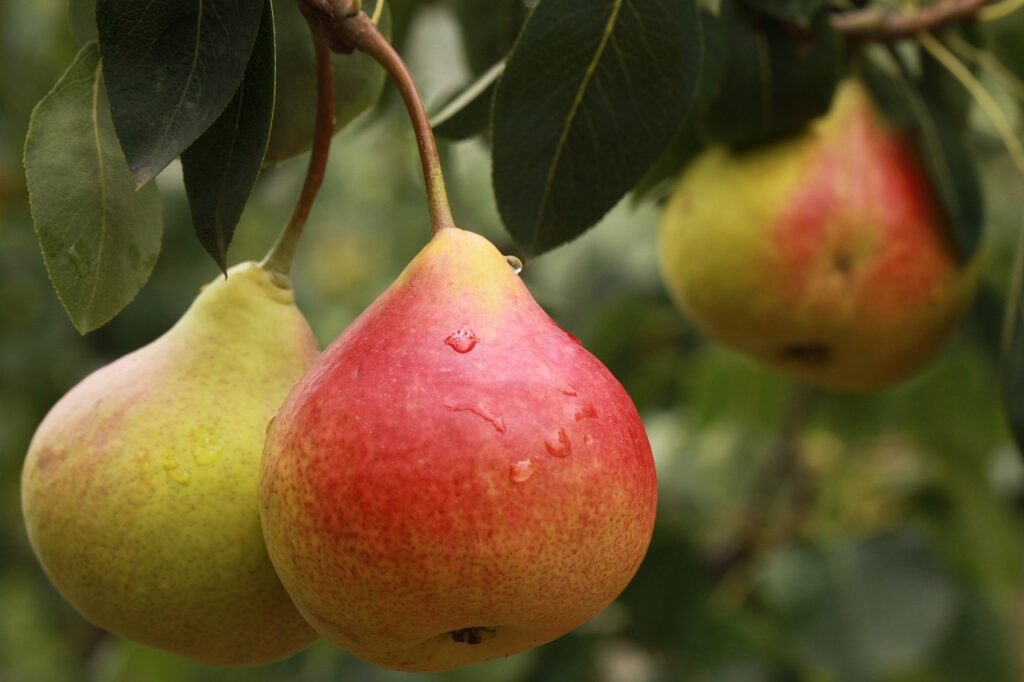
Pears age differently from many fruits, which contributes to their storage potential. They are typically harvested underripe and continue ripening slowly after purchase. When kept cold, this process slows significantly, allowing pears to remain fresh for extended periods. Firmer varieties last longer due to their dense flesh and lower moisture loss. Pears usually soften before they rot, making quality changes easy to spot. This controlled ripening and predictable aging allow pears to stay usable longer than many other fruits when stored properly. Separating ripe pears from underripe ones helps manage ripening more effectively.