9 No-Bake Flops Turning Into Total Messes

No-bake desserts promise ease and elegance without using the oven. They photograph well and sound foolproof, making them popular for busy kitchens and last-minute plans. Fewer steps and no heat give the impression these sweets are simpler and more dependable than baked desserts.
What often gets overlooked is what baking provides. Heat sets structure, removes excess moisture, and binds ingredients into something stable. Without it, no-bake recipes rely on chilled fats and sugars that soften quickly outside the fridge.
This list looks at familiar no-bake desserts that fall apart in real conditions. It is not about bad ideas, but about why skipping the oven so often leads to slumps, smears, and messy results.
1. No-Bake Cheesecake
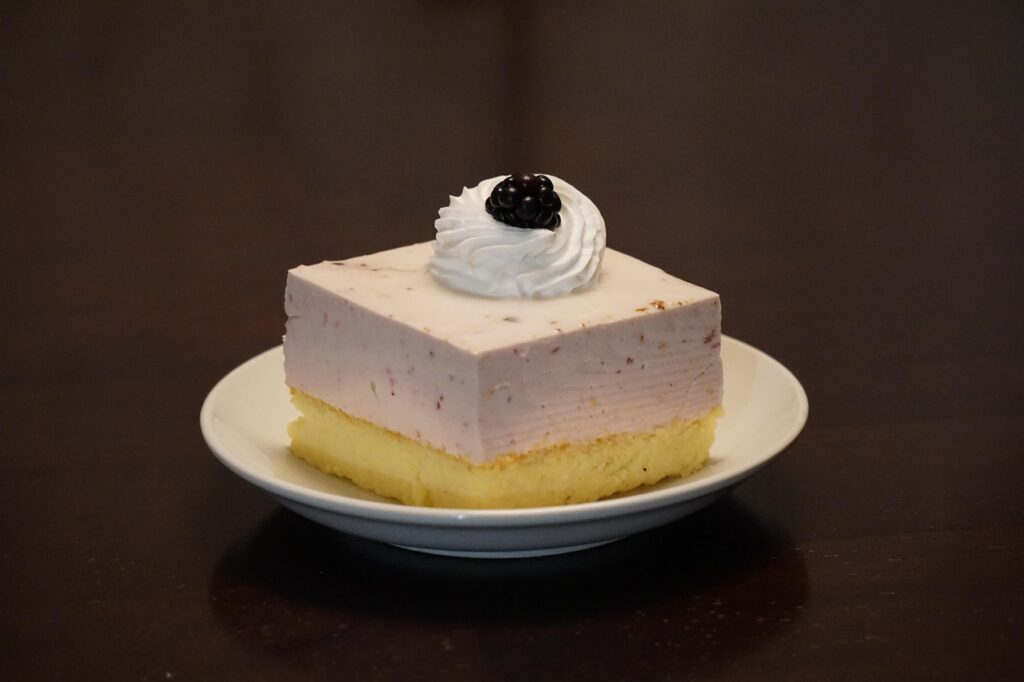
No-bake cheesecake gives the impression of structure because it firms up when cold. Baked cheesecakes, however, rely on eggs and heat to set proteins and create real stability. No-bake versions skip this, depending only on refrigeration to thicken fats and dairy.
The problem is temperature sensitivity. Cream cheese, cream, and butter soften quickly outside the fridge. As the cake warms, the fat structure relaxes and the filling loses shape. Gelatin can help, but many recipes use too little or none.
Once sliced, the filling spreads and edges slump. The flavor may be good, but the lack of true structure makes no-bake cheesecake unreliable beyond a narrow temperature range.
2. No-Bake Cookies
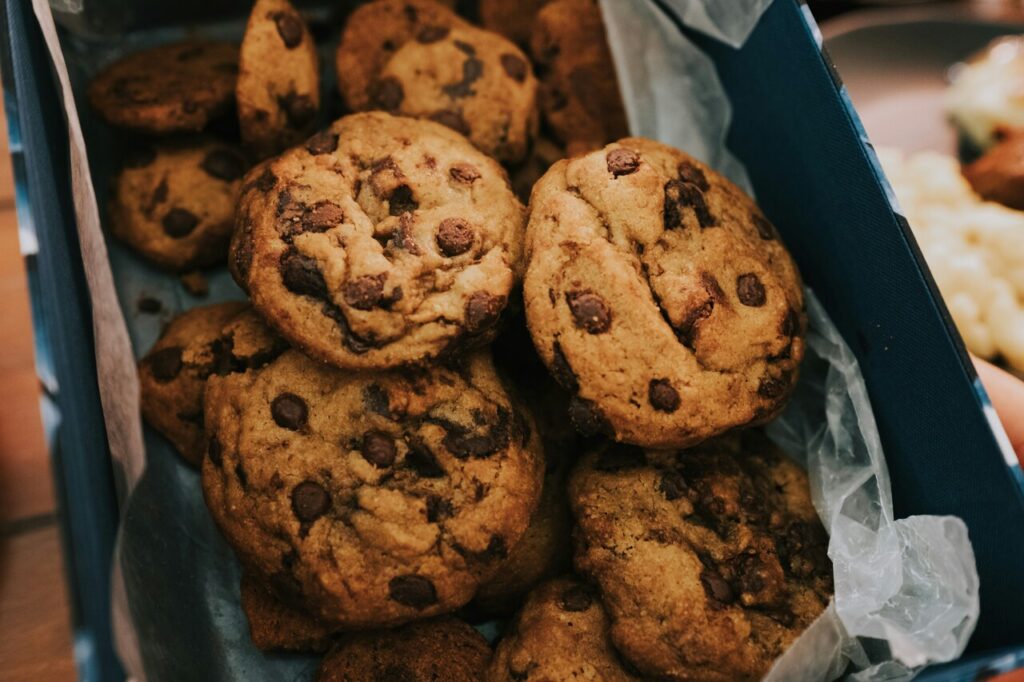
No-bake cookies rely on timing more than most people realise. Sugar, butter, milk, and cocoa are usually boiled briefly, then mixed with oats to set as they cool. That short boil controls how sugar crystallises, which determines whether the cookies firm up or fall apart.
The cookies stay sticky and never fully hold their shape. If it boils too long, sugar crystallises too aggressively, creating dry, crumbly cookies that fall apart at the edges. Even small timing errors swing the result dramatically.
Oats add another complication. They absorb moisture unevenly, especially if different cuts or brands are used. The end result is often inconsistent, with cookies that look set on top but collapse or weep underneath.
3. No-Bake Chocolate Bars
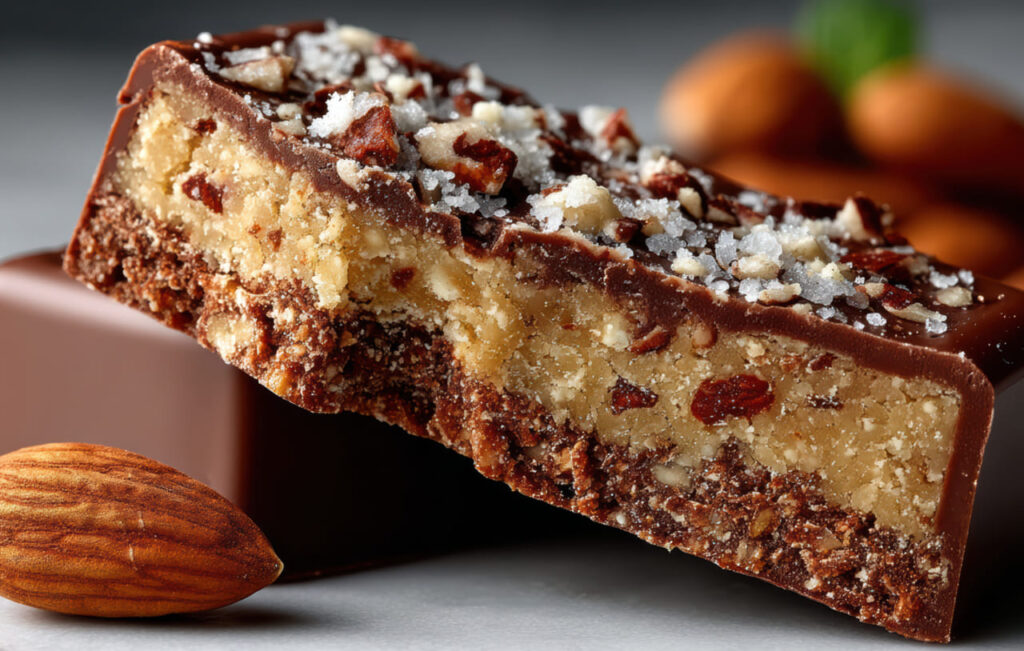
No-bake chocolate bars depend on fat to bind layers together. Melted chocolate, butter, coconut oil, or nut butters solidify when chilled, creating the illusion of a firm bar. The problem is that these fats soften quickly at room temperature.
As the bars warm, layers begin to slide. Fillings shift under pressure, and clean cuts turn into smears. Without baking, there is no starch or protein network to lock the structure in place.
Humidity and handling make it worse. Warm hands, a slightly warm room, or extended time on a counter can undo hours of chilling. What starts as a neat layered dessert often turns into a soft, slippery mess within minutes.
4. No-Bake Peanut Butter Balls
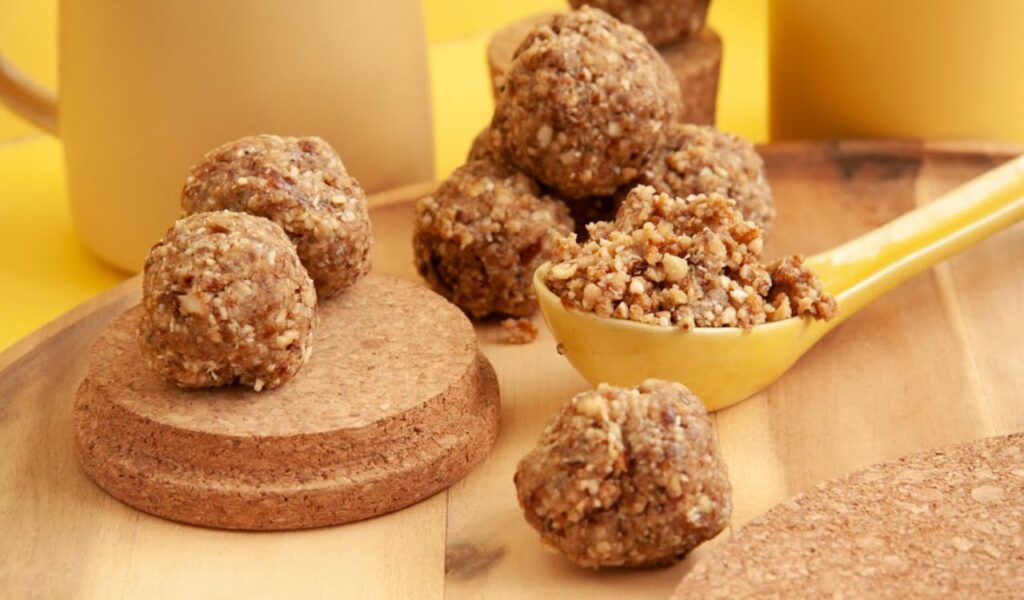
No-bake peanut butter balls feel sturdy straight from the fridge, which makes their failure surprising. Peanut butter contains a high percentage of oil, which firms when cold but loosens quickly as the temperature rises.
As the balls warm, oil migrates outward. The surface becomes greasy, and the interior softens, losing its shape. Powdered sugar and crumbs help absorb some oil, but they cannot stop it completely.
Chocolate coatings add false confidence. Once the shell cracks or thins, the soft center spreads under pressure. Instead of clean bites, the balls flatten and smear, leaving oily residue and uneven texture.
5. No-Bake Dessert Cups
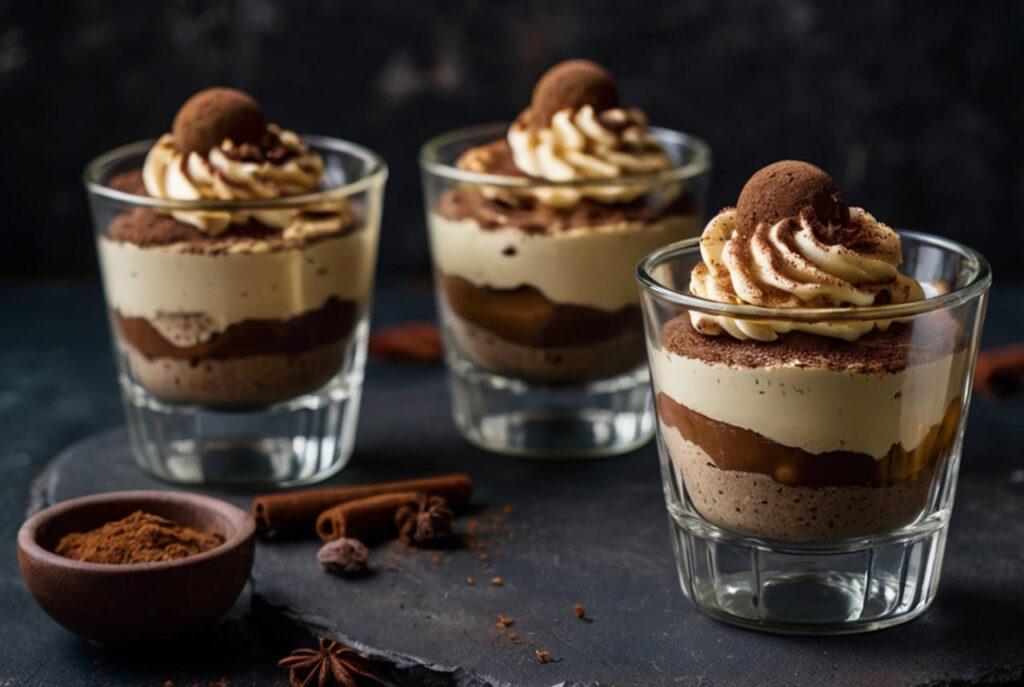
No-bake dessert cups look controlled because they are assembled in layers. Each layer appears stable on its own, but moisture migration starts immediately after assembly. Creams soften crumbs, sauces seep into bases, and gravity pulls everything downward.
Without baking, there is no setting phase to lock layers in place. Over time, textures blur together. Crunch disappears first, followed by clear visual separation.
Temperature changes accelerate the problem. As chilled components warm, they loosen and shift. What looked precise in the fridge turns into a blended, spoon-only dessert that no longer resembles its original design.
6. No-Bake Graham Cracker Crusts
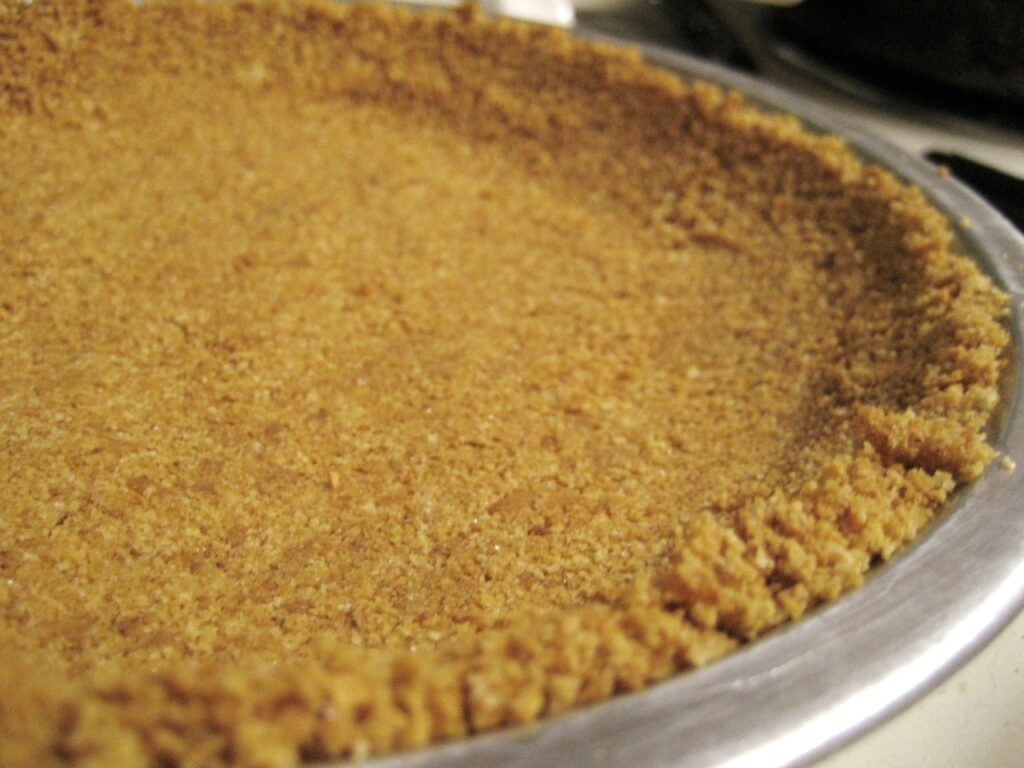
No-bake graham cracker crusts rely on melted butter to hold crumbs together. Chilling firms the butter, creating temporary strength, but this stability is misleading. Butter does not truly bind the crumbs, so the structure depends on staying cold.
When pressure is applied, the weakness shows. Slicing often leads to cracking and crumbling, especially at the edges. As the crust warms, the butter softens and releases its hold, causing crumbs to separate.
Baked crusts are stronger because heat melts and caramelises sugars, forming solid bonds. No-bake crusts skip this step, leaving a fragile base that struggles to support fillings during normal handling.
7. No-Bake Fudge
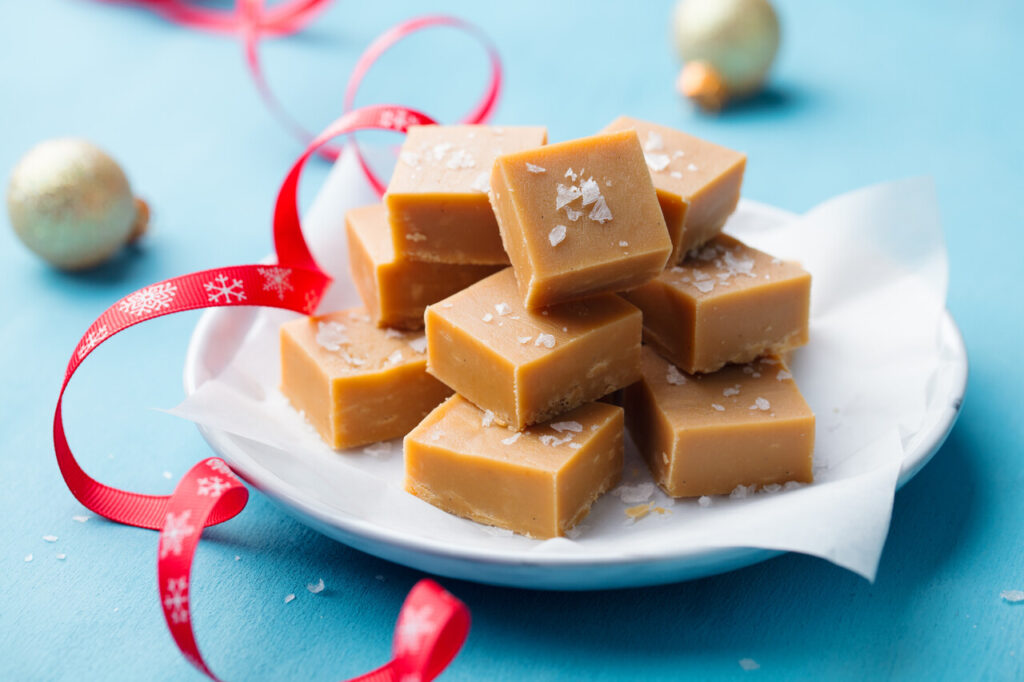
No-bake fudge often appears perfectly set after chilling. The surface firms quickly, creating the illusion of a smooth, stable block. Beneath that outer layer, however, the internal structure is far less reliable and often poorly formed.
Without controlled heating, sugar crystals develop unevenly throughout the mixture. The exterior cools and tightens while the center remains dense, soft, and slightly pasty. When cut, the fudge clings to the knife instead of snapping cleanly.
Fat separation makes the problem worse. As the fudge warms, oils loosen and migrate to the surface, creating a greasy texture. Instead of a smooth, creamy bite, the fudge becomes sticky and heavy, coating the mouth rather than breaking cleanly.
8. No-Bake Oat Bars
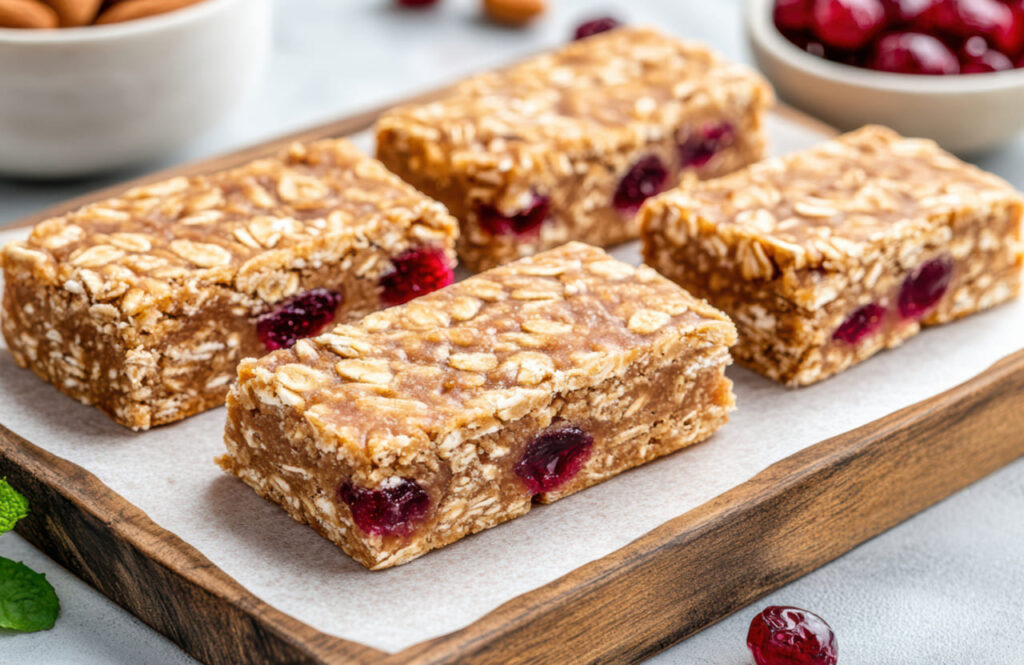
No-bake oat bars depend on syrups, nut butters, or melted fats to hold dry ingredients together. These binders work only when cold and tightly compressed. Once the bars warm, the structure begins to relax and lose strength.
Over time, oats release absorbed moisture, especially when mixed with syrups. This gradual release weakens the bars from the inside, causing them to soften unevenly. Bars that seem firm at first slowly begin to sag and crack.
Without baking to evaporate moisture and set a rigid framework, the bars rely on constant refrigeration. Outside that environment, they fall apart into loose clusters instead of holding together as clean, sturdy slices.
9. No-Bake Truffles
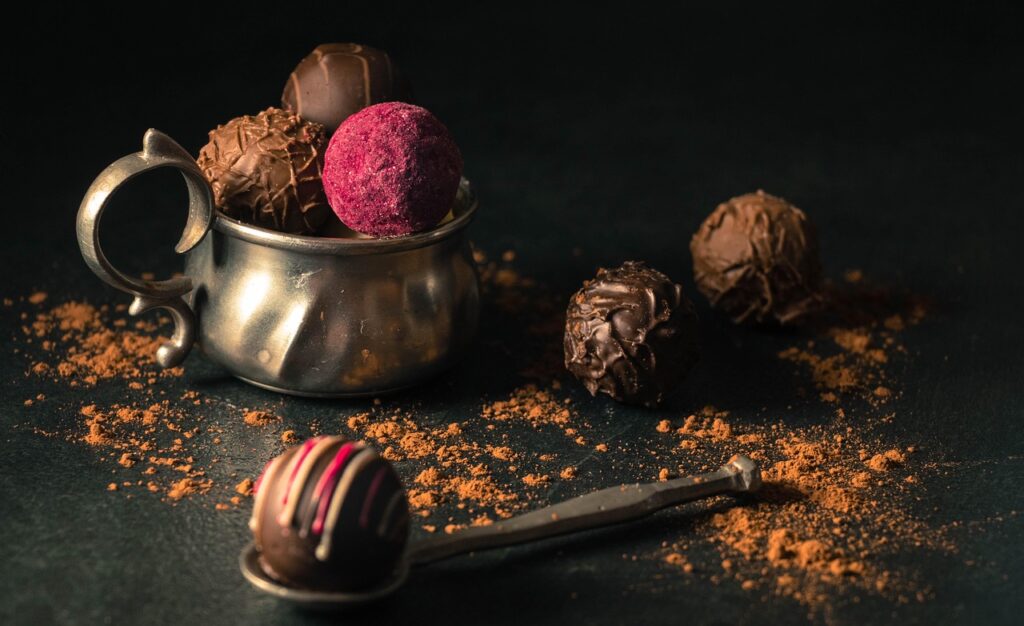
No-bake truffles rely on chilled ganache or nut-based fillings for structure. These centres feel rich and smooth when cold, but lack internal support. Even slight warming causes a rapid change in texture and stability.
Ganache softens quickly, especially when made with high cream ratios. Nut-based fillings release oils that loosen their structure. Rolling and handling transfer heat rapidly, making misshaping almost unavoidable during preparation.
Chocolate coatings offer only temporary support. Once the shell thins or cracks, the softened centre begins to spread. What starts as a neat truffle quickly turns into a flattened, uneven smear that refuses to hold its form.