10 Premium Burger Trends That Do Not Justify the Price

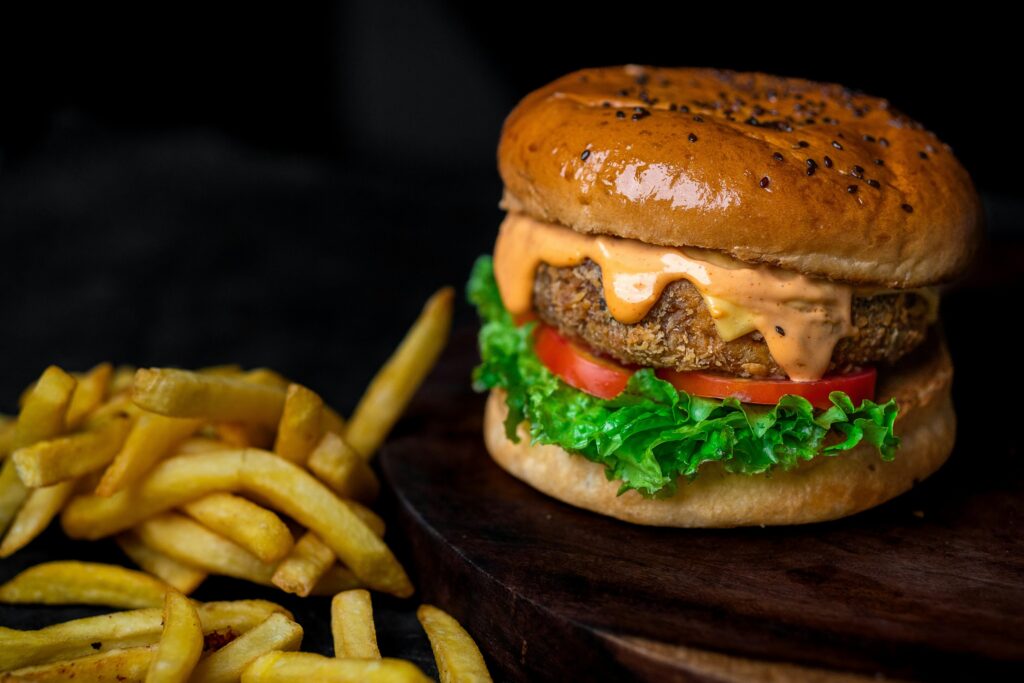
Burgers have shifted from simple comfort food to premium menu showpieces packed with luxury toppings, creative buns, and trend-driven flavors. Restaurants often market these upgrades as innovation, encouraging diners to pay higher prices for what feels like a new experience. Yet many of these premium trends rely more on presentation and novelty than real improvements in ingredients or value. Looking closely reveals how small tweaks and clever marketing can transform an everyday burger into a surprisingly expensive order.
1. Gourmet Ingredient Burgers
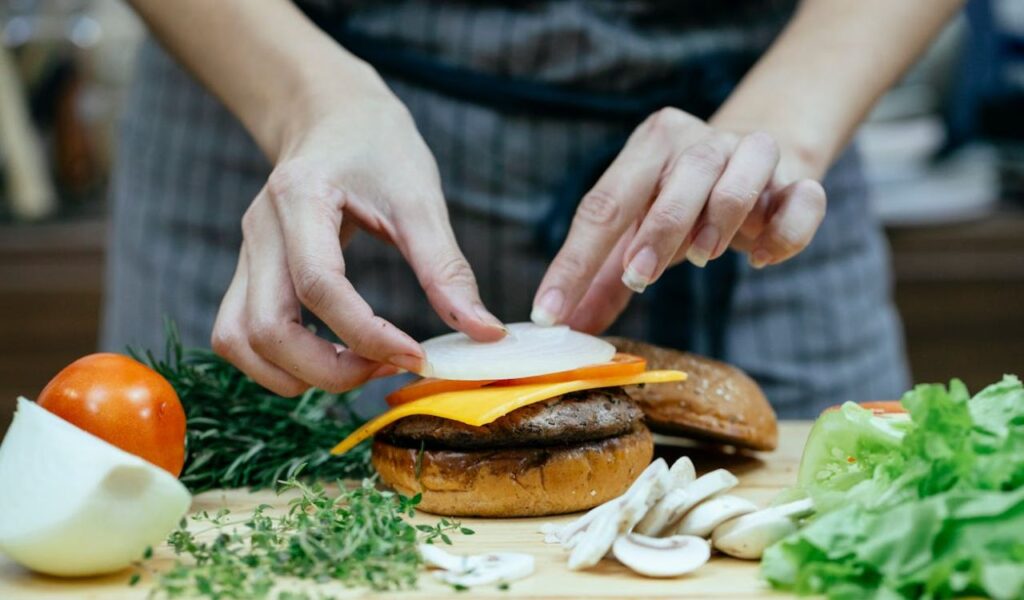
Premium burgers often rely on luxury ingredients such as truffle oil, aged cheeses, or specialty sauces to justify higher menu prices. These additions create an impression of sophistication and restaurant quality, turning a familiar comfort food into something that appears upscale.
However, the actual quantity of luxury components used in most burgers remains small. A drizzle or small topping can significantly increase perceived value without dramatically changing the overall flavor or ingredient cost of the meal.
Many diners enjoy trying these elevated versions, yet the price increase often reflects branding more than substance. The core burger remains largely unchanged, showing how a few premium labels can reshape expectations without fundamentally altering the dish.
2. Overloaded Topping Burgers
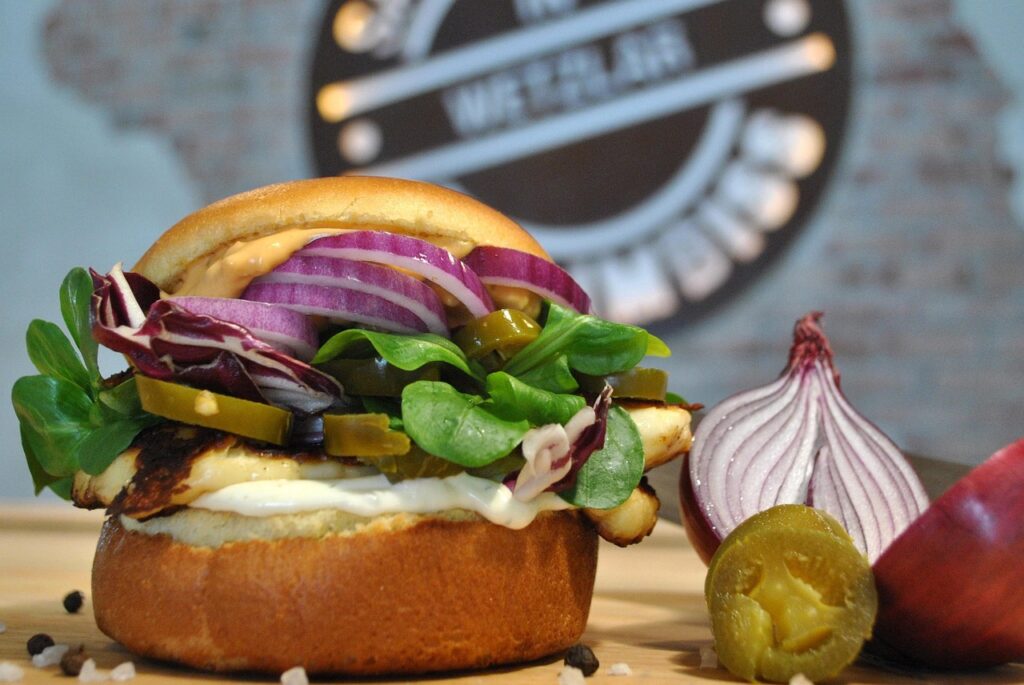
Stacked burgers filled with multiple toppings such as eggs, macaroni, or fried extras attract attention for their bold appearance. These builds aim to feel indulgent and unique, encouraging customers to view them as special menu experiences.
While the visual impact is strong, excessive toppings can overwhelm the flavor of the actual burger. Instead of enhancing taste, layers often make the meal messier and harder to enjoy, shifting focus away from quality meat or balance.
The higher price typically comes from novelty rather than improved ingredients. Diners sometimes realize they are paying more for spectacle, even though the underlying burger remains similar to simpler, cheaper options.
3. Visual or Instagram Focused Burgers
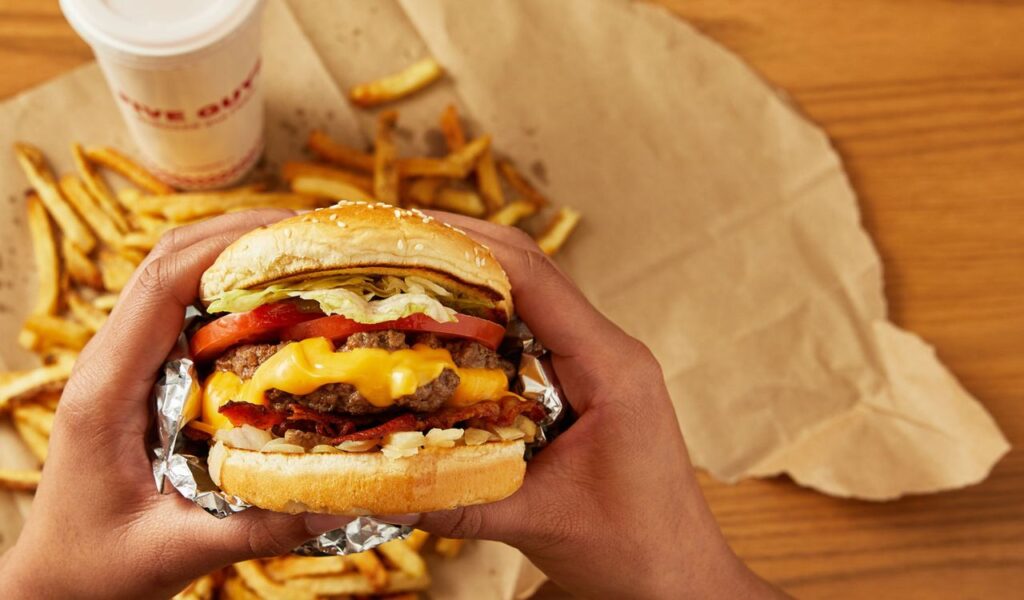
Colorful buns, dramatic stacking, and unusual presentation styles have become popular because they perform well on social media. Restaurants design these burgers to catch the eye instantly and encourage sharing online.
The emphasis on appearance often drives up pricing through specialty buns or decorative elements. Yet these visual choices rarely change flavor or nutrition, serving mainly as marketing tools rather than culinary improvements.
Customers may feel drawn to the trend initially, but the excitement fades once the photo moment passes. The premium price often reflects visual impact instead of meaningful upgrades to taste or ingredients.
4. Global Fusion Burgers
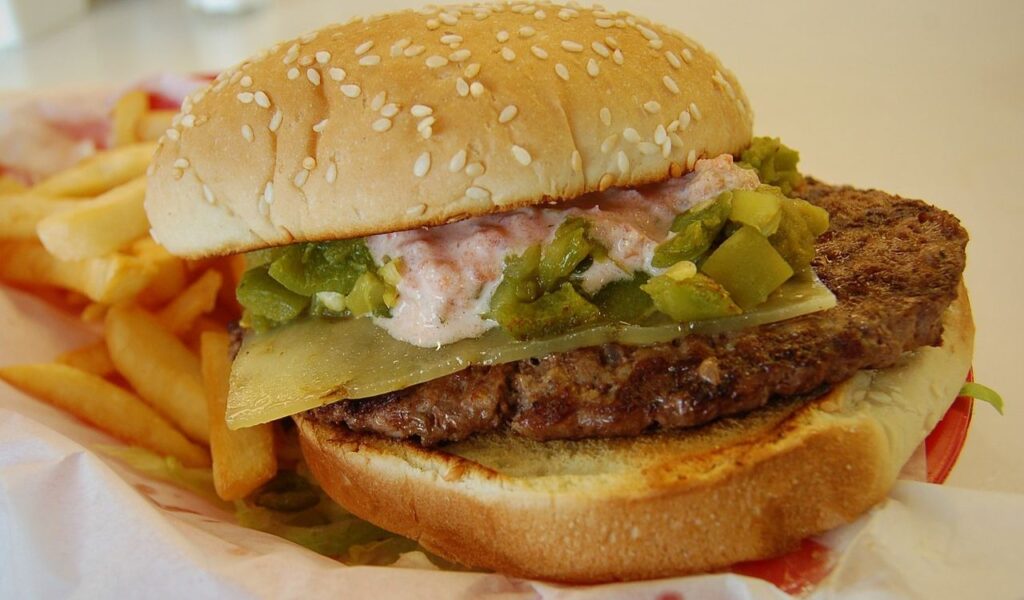
Fusion burgers combine international flavors such as spicy sauces or regional toppings to create menu variety. These ideas help restaurants introduce novelty while keeping burger formats familiar and approachable.
Despite interesting flavor combinations, many fusion burgers rely on small tweaks rather than major ingredient changes. A new sauce or seasoning blend can be enough to reposition the same base burger at a higher price point.
While creativity appeals to adventurous diners, value can feel questionable when changes remain mostly cosmetic. The experience highlights how global themes often elevate marketing more than the actual cost of preparation.
5. Plant-Based Premium Burger Pricing
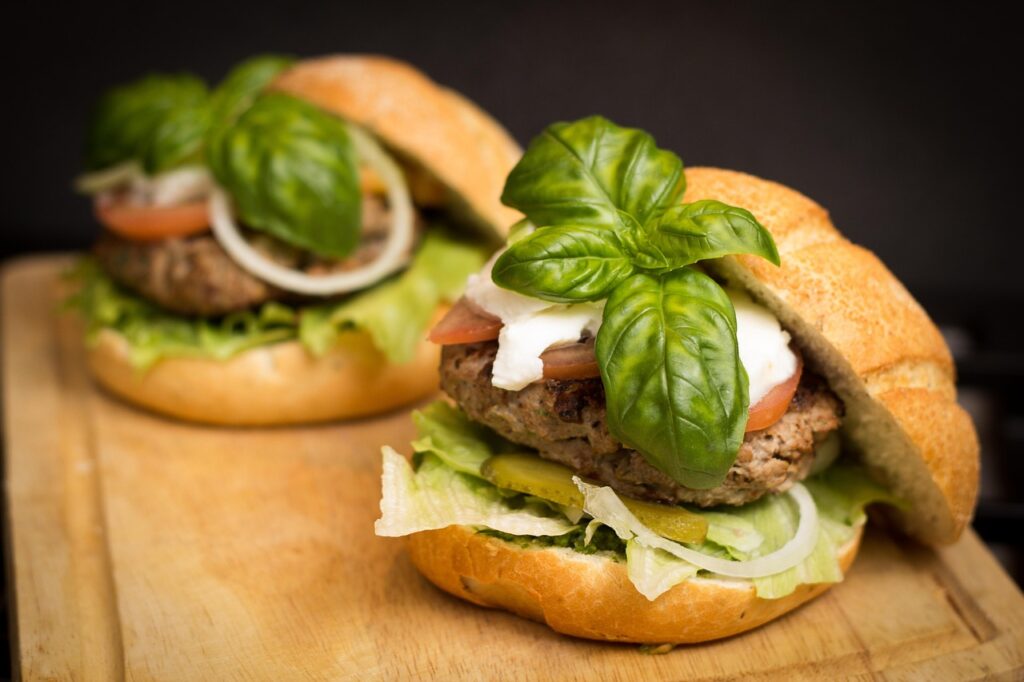
Plant-based burgers have gained popularity as alternatives to traditional beef, often marketed with strong health or sustainability messages. Restaurants position them as modern and forward-thinking options within premium menu categories.
Even though ingredient costs vary, pricing frequently matches or exceeds that of beef burgers. Customers often expect higher value due to innovation, yet flavor and texture still differ from traditional meat for many diners.
The premium pricing reflects demand and branding as much as production cost. While some customers appreciate the option, others question why alternatives sometimes cost more despite using non-meat ingredients.
6. Slider and Mini Burger Premium Pricing
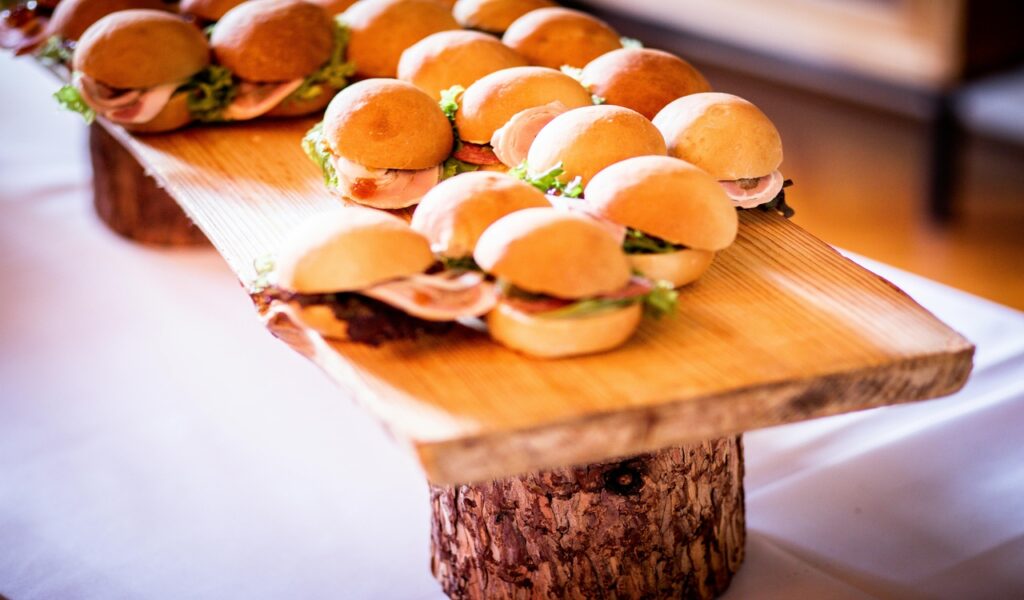
Sliders offer smaller portions that encourage sampling multiple flavors, often presented as shareable plates or upscale appetizers. Their compact size creates a playful dining experience that feels modern and flexible.
However, when multiple sliders are combined to equal a full meal, prices often exceed those of a single traditional burger. Smaller portions can create the illusion of value while quietly increasing total spending.
Many diners enjoy variety, yet the price per bite tends to rise significantly. The trend demonstrates how portion size reduction can coexist with premium pricing through clever presentation.
7. Breakfast Style Burgers
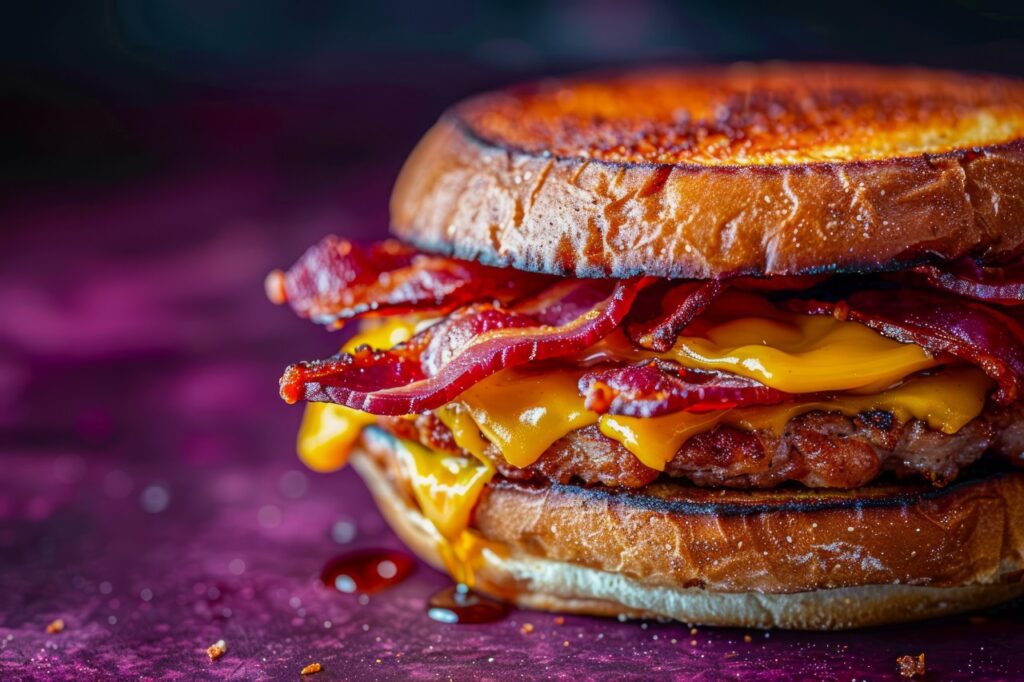
Adding breakfast items like eggs or bacon to burgers introduces familiarity and novelty at the same time. These combinations attract diners looking for comfort foods that blur traditional meal categories.
The additions themselves are usually inexpensive ingredients, yet they often justify noticeable price jumps. Restaurants frame the concept as innovative even though the base burger remains unchanged.
Customers may enjoy the flavor variation, but the premium often feels driven more by novelty than ingredient value. Breakfast styling shows how simple additions can transform pricing perception without major culinary change.
8. Specialty Bun Upcharges
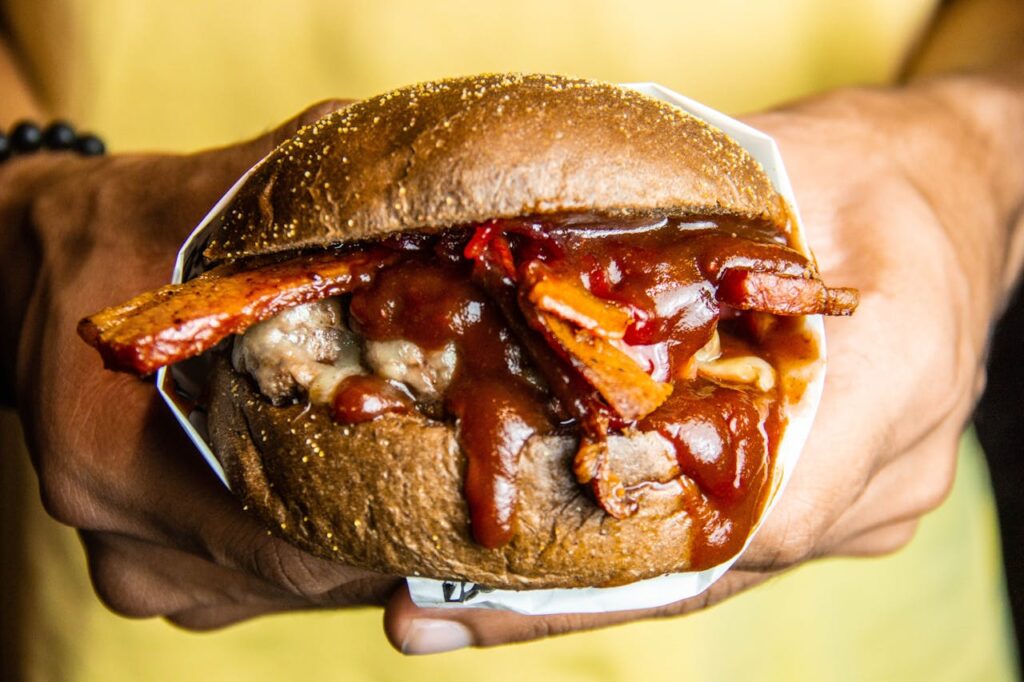
Specialty buns such as brioche, pretzel, or alternative grain options help restaurants differentiate burgers visually and texturally. Menus often highlight bun choices to signal craftsmanship or artisanal quality.
While these buns may improve appearance or softness, the cost difference in production is often modest compared with the price increase charged to diners. The bun becomes a branding tool rather than a major ingredient upgrade.
Many customers appreciate variety, yet the price jump can feel disproportionate to the change itself. The trend illustrates how small presentation shifts contribute to premium positioning.
9. Cheese Sauce or Pour Over Burgers
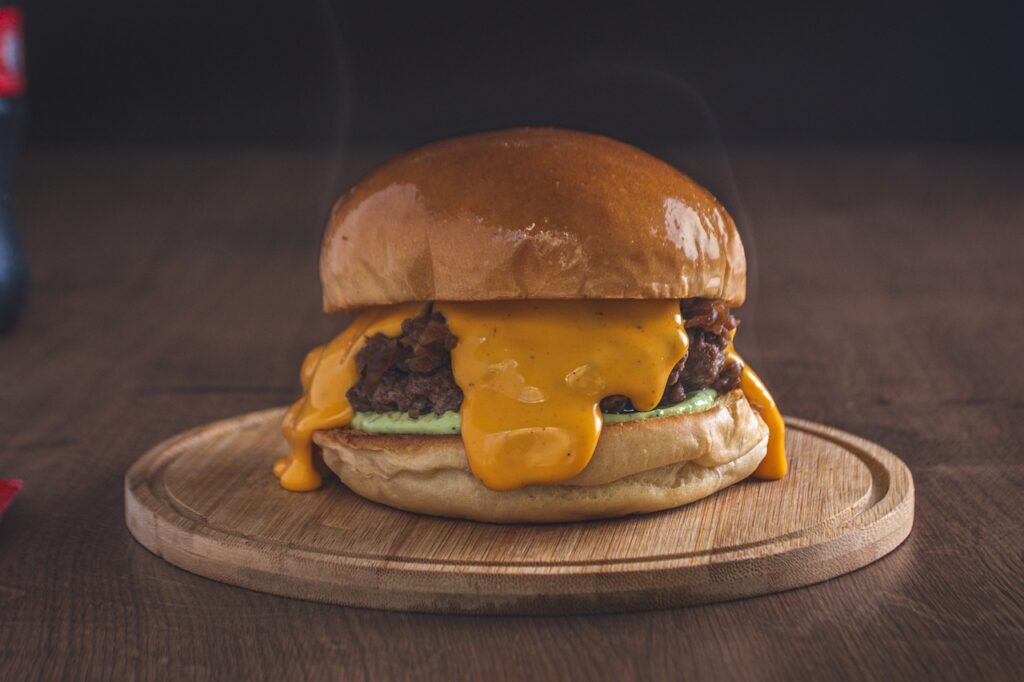
Burgers topped with melted or poured cheese sauces emphasize indulgence and visual appeal. The dramatic presentation encourages customers to view the meal as rich and satisfying.
Despite the effect, cheese sauces typically rely on inexpensive ingredients compared with the overall price increase. The added richness can sometimes overpower the burger rather than enhance its flavor balance. When used heavily, the sauce can mask the taste of the meat and other toppings, reducing contrast and complexity.
The concept thrives on theatrical presentation more than culinary complexity. Customers often pay more for the experience of the pour rather than substantial improvements to the core ingredients.
10. Limited Time Flavor Mashup Burgers
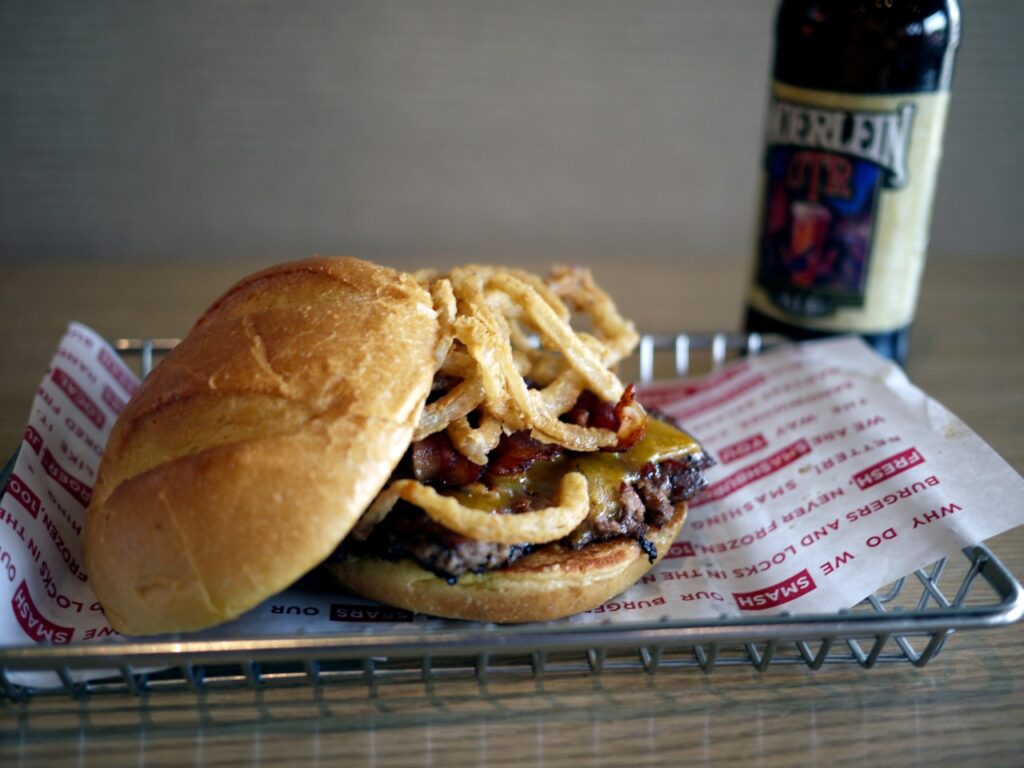
Limited-time burgers combining unusual flavors or regional twists generate excitement by creating urgency. Customers feel motivated to try these items before they disappear, which supports higher pricing strategies.
Many of these mashups involve small ingredient changes or themed sauces rather than entirely new recipes. The sense of exclusivity encourages spending even when the burger itself remains familiar.
While seasonal creativity keeps menus fresh, value can feel questionable once novelty fades. The trend shows how scarcity and branding often drive premium pricing more than meaningful ingredient differences.