Nobody Announced It: 10 American Classics That Quietly Changed Their Recipe


Some of the most familiar foods feel unchanged because they were never loudly reinvented. There was no big announcement, no dramatic relaunch, just small, steady adjustments that quietly reshaped what we taste today.
Behind the scenes, brands respond to shifting costs, ingredient sourcing, and changing consumer expectations. Cleaner labels, longer shelf life, and production efficiency all play a role in these gradual updates.
The result is subtle but real. The flavors you remember are still there, but not always in the same way. These quiet changes often go unnoticed at first, until something feels just a little different than you recall.
1. Kraft Mac & Cheese
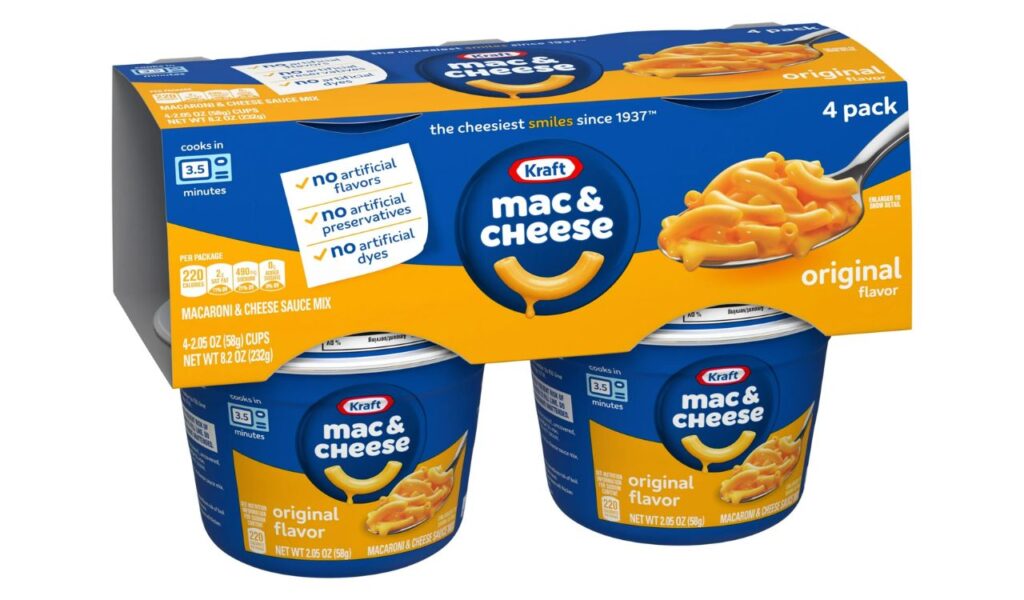
A familiar comfort food can change without ever announcing it, and Kraft Mac & Cheese is a clear example of how subtle ingredient updates reshape a classic over time. The shift was gradual but noticeable to regular buyers.
The company removed artificial flavors, preservatives, and synthetic dyes, replacing them with ingredients like paprika and turmeric for color. These changes were made to meet growing demand for cleaner labels and simpler formulations.
While the appearance stayed similar, the flavor and texture shifted slightly. Some describe it as less sharp and milder than before. The difference is not dramatic, but loyal consumers who grew up with the original version often recognize that it is not the same.
2. Coca-Cola

A drink known for consistency has still undergone quiet adjustments, and Coca-Cola is a strong example of how small formula shifts can affect perception without a major relaunch.
The company has modified sweeteners, sourcing, and regional formulations over time. In some markets, high fructose corn syrup replaced cane sugar, while other regions continue to use different blends depending on availability and cost.
These variations create subtle differences in taste and mouthfeel. Even without a single global change, long-time drinkers often notice that it does not taste exactly like it once did, showing how small adjustments can add up over time.
3. Oreo Cookies
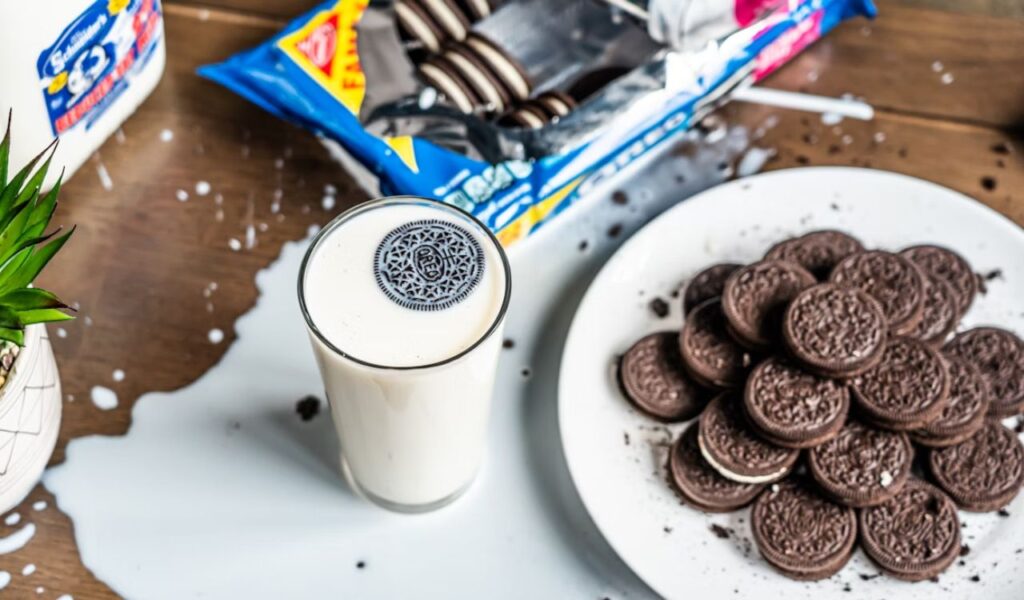
A cookie that seems unchanged on the outside has quietly evolved in its details, and Oreo reflects how brands adjust products to meet production and shelf life needs.
Over time, the cream filling has been reformulated for stability and consistency, while the cookie itself has seen small changes in texture. These updates help maintain freshness during transport and storage.
The result is a slightly sweeter filling and a softer bite compared to earlier versions. While the overall experience remains familiar, those who have eaten Oreos for years often notice a difference in balance and texture.
4. Campbell’s Tomato Soup

A pantry staple like Campbell’s Tomato Soup has not stayed completely static, even though its identity appears unchanged. Small recipe updates have reshaped its flavor over time.
The company reduced sodium and adjusted ingredient lists to align with changing health expectations. This included refining seasoning levels and simplifying components without altering the core concept.
These changes resulted in a lighter taste that some describe as less rich than older versions. While the soup remains recognizable, regular consumers often notice that the depth of flavor is not quite as strong as it once was.
5. Subway Bread
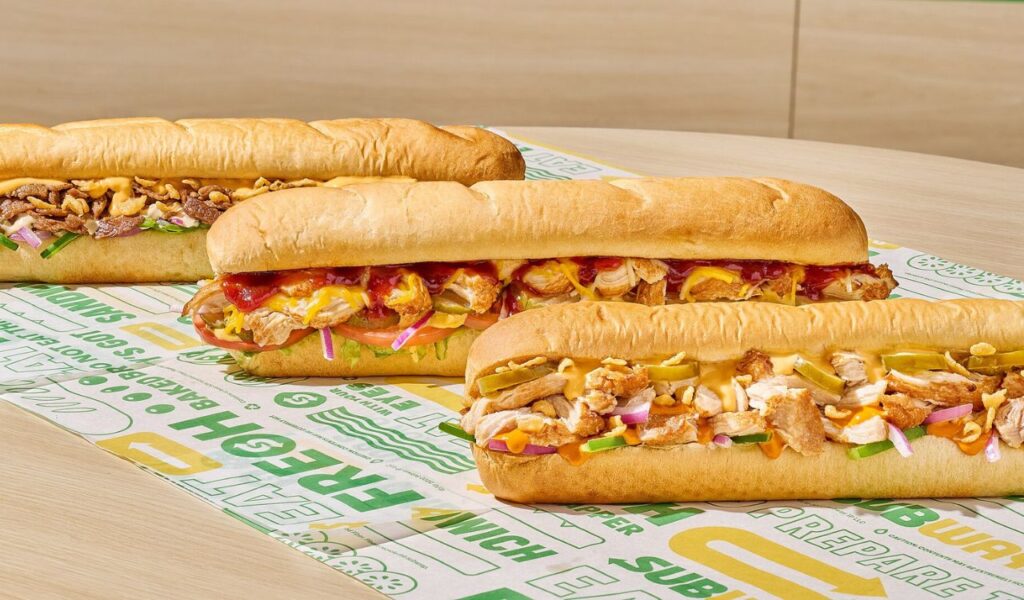
A sandwich can feel identical at first glance, yet its foundation may have changed more than expected. Subway’s bread has gone through multiple quiet adjustments that affect both taste and texture over time.
The company has modified sugar levels, dough conditioners, and baking processes to meet evolving regulations and consumer expectations. These changes were also influenced by cost control and consistency across global locations.
As a result, the bread’s softness, sweetness, and structure have shifted slightly. While it still looks familiar, many regular customers notice a difference in how it tastes and holds fillings. The changes are subtle, but they reflect ongoing efforts to balance quality, compliance, and efficiency.
6. Pringles
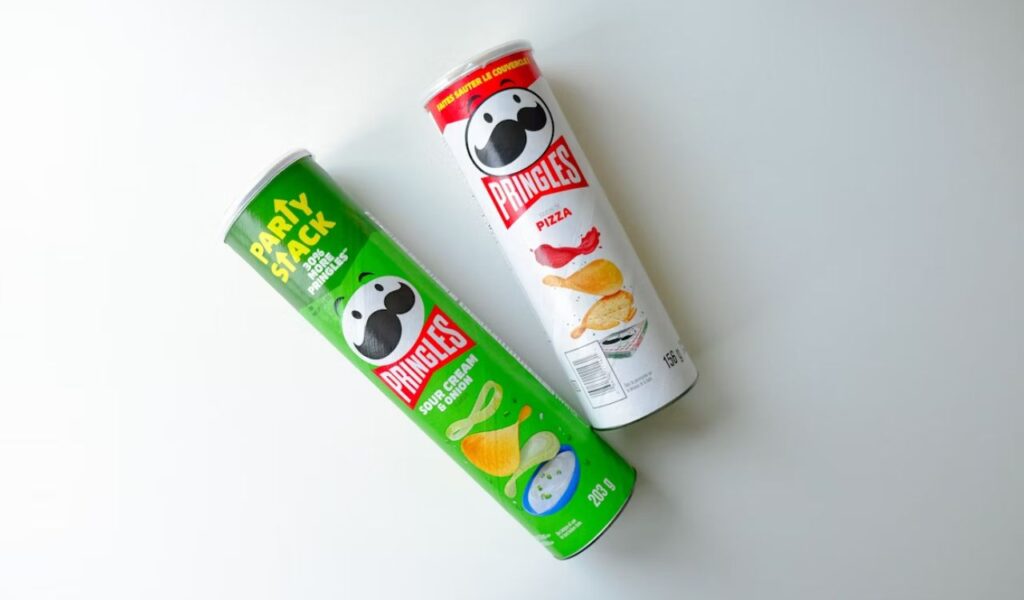
A chip known for its uniform shape has not remained entirely uniform in flavor. Pringles has undergone ingredient and production changes that have slightly altered its signature taste.
Adjustments in oil composition, seasoning blends, and manufacturing locations have all contributed to these shifts. Even small tweaks in processing can affect how flavor coats each chip.
Some consumers describe the modern version as less bold or slightly different in intensity compared to earlier batches. The change is not dramatic, but noticeable enough for long-time fans who are familiar with its original flavor profile.
7. McDonald’s French Fries

Few menu items carry as much nostalgia as McDonald’s fries, and their recipe has changed in ways that many still remember. The most significant shift came with the move away from beef tallow.
The company transitioned to vegetable oil to address health concerns and dietary preferences. Later updates refined the oil blend and preparation methods to maintain consistency and meet evolving standards.
While the fries remain widely popular, many people believe the earlier version had a richer and deeper flavor. The current version is lighter, reflecting a balance between taste, health considerations, and large-scale production needs.
8. Heinz Ketchup

A condiment known for consistency has still seen quiet adjustments over time. Heinz ketchup has evolved through changes in ingredients and sourcing that subtly influence its flavor and texture.
Variations in tomato sourcing, sugar types, and processing methods can all affect sweetness and thickness. These changes are often made to maintain supply stability and meet shifting ingredient standards.
Even with strict quality control, small differences can be noticed by frequent users. The ketchup still delivers its familiar balance, but long-time consumers sometimes detect slight shifts in how sweet or dense it feels.
9. Hostess Twinkies

A snack that disappeared and returned did not come back the same. Hostess Twinkies were reformulated after their relaunch, bringing subtle but noticeable changes.
To extend shelf life and improve distribution, adjustments were made to ingredients and production methods. These updates focused on maintaining stability without altering the product’s core identity.
The result is a texture that some describe as slightly different, along with a shift in sweetness. While the iconic look and concept remain, those familiar with the earlier version often sense that the experience is not quite identical.
10. Gatorade

A sports drink built on performance has evolved alongside changing ideas about hydration and nutrition. Gatorade has been reformulated multiple times to reflect these shifts.
Adjustments in sugar content, electrolyte balance, and flavor profiles were introduced to align with updated health research and consumer preferences. These changes aim to improve functionality while keeping the drink appealing.
Over time, these refinements have altered the taste in subtle ways. Long-time drinkers often notice differences in sweetness or intensity, showing how even small formula updates can reshape a familiar product without a major announcement.