Run the Numbers on These 9 Value Menu Items and You’ll Never Order the Same Way Again

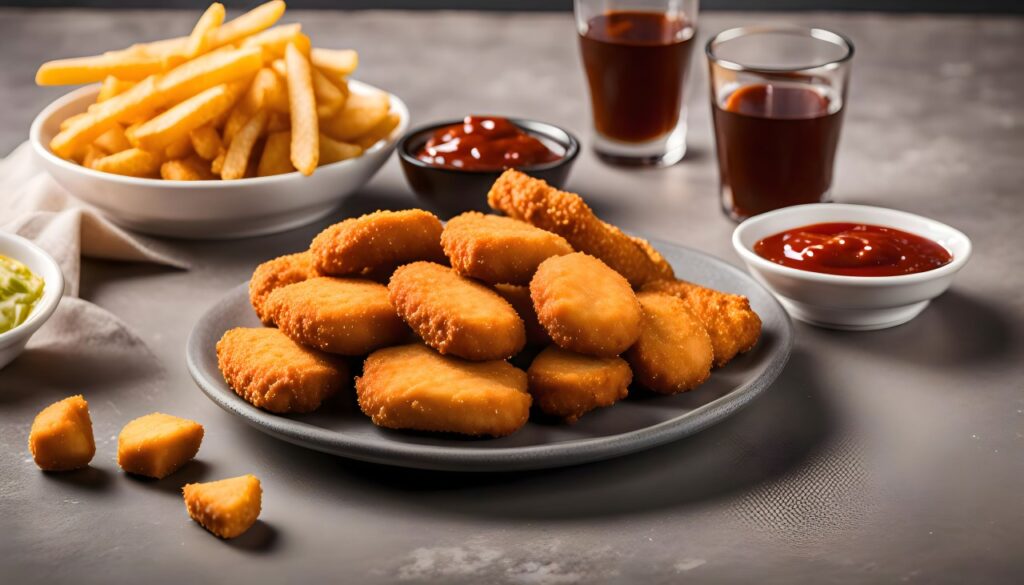
Value menus are designed to feel simple, affordable, and easy to trust. At a glance, the lowest price often looks like the smartest choice, especially when everything is grouped to seem equally budget-friendly.
But once you look a little closer, the numbers start to tell a different story. Portion sizes, bundle pricing, and add-ons quietly shift the real value, often making slightly higher-priced options the better deal.
Understanding how these small pricing strategies work can completely change the way you order. With just a bit of awareness, you can get more food, better portions, and smarter value without spending much more.
1. Small Fries vs Medium Fries
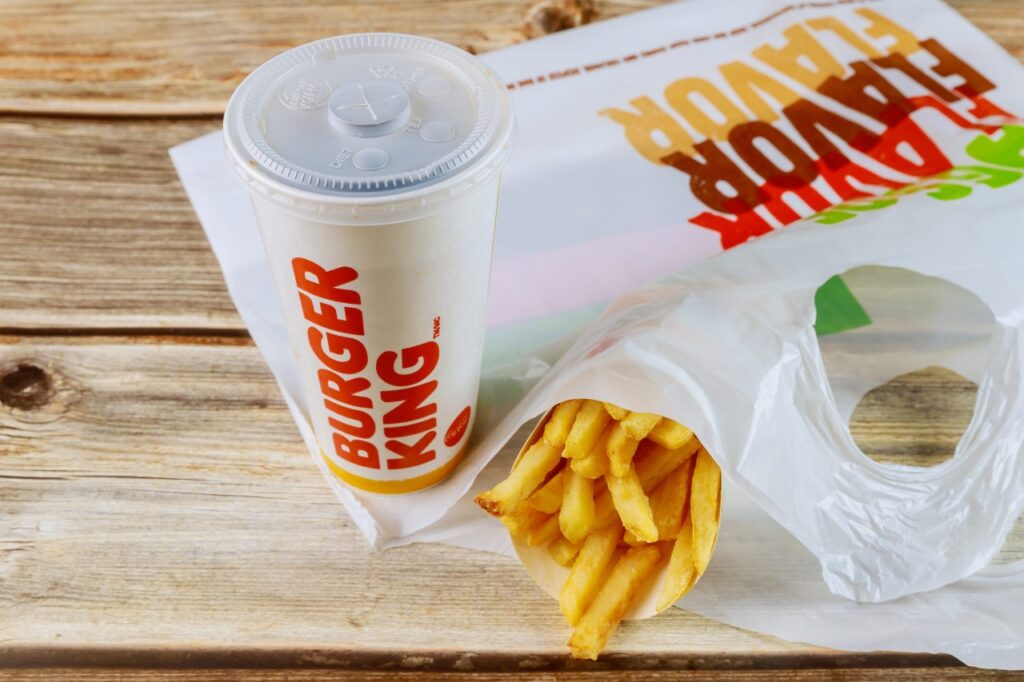
The smallest portion often looks like the safest choice, but it rarely holds up when you look at the numbers more closely. What feels like saving money can quietly cost more per bite.
Fast food pricing is structured so that the jump from small to medium is minimal compared to the increase in quantity. Packaging, labor, and fixed costs are already covered, so adding more fries costs the restaurant very little.
This is why medium sizes usually offer a better cost per gram. The small portion carries a higher relative markup, making it the least efficient option. Spending a little more upfront often gives noticeably more food for the price.
2. Value Burger vs Combo Upgrade
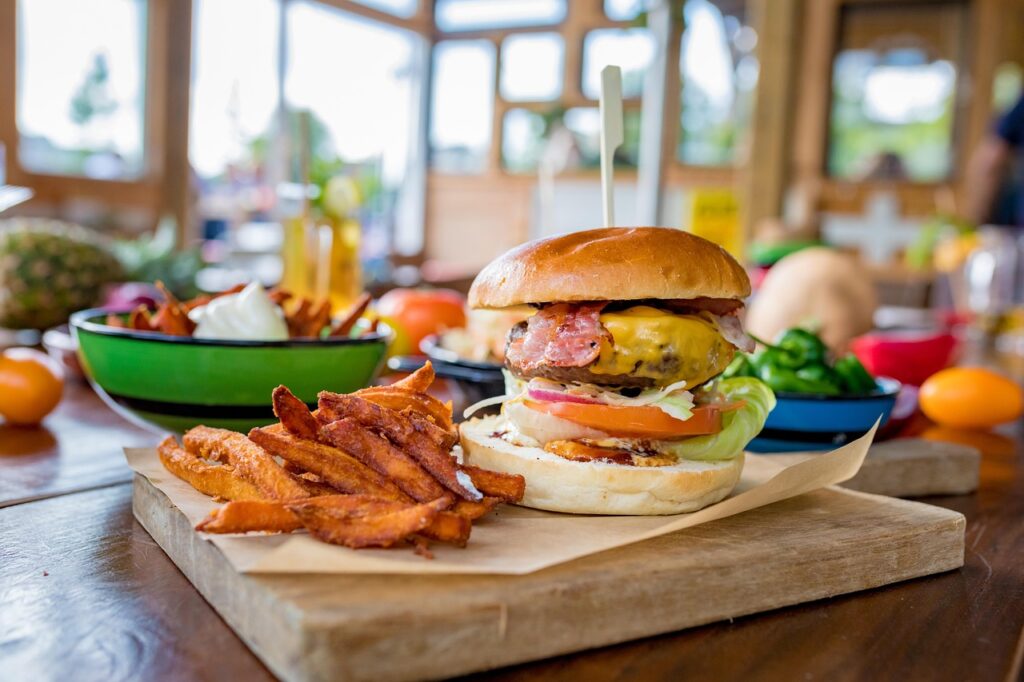
A single-value burger looks like the cheapest option on the board, but the numbers shift quickly once you start building a full meal around it. The real cost shows up in what you add next.
When fries and a drink are purchased separately, each item carries its own markup. That means you are paying full price for every component instead of benefiting from bundled pricing that spreads costs more efficiently.
Combo meals are designed to reduce the average price per item while increasing total spend. This makes them feel like an upsell, but in many cases, they actually offer better overall value when you plan to order more than just the burger.
3. Soft Drinks by Size

At first glance, drink sizes seem like simple upgrades, but they reveal one of the clearest pricing strategies on any menu. The difference between sizes is rarely proportional to the amount you get.
Fountain drinks are extremely low-cost to produce, with syrup and carbonation adding only a small expense per serving. This allows restaurants to offer larger sizes at minimal additional cost while maintaining high margins.
As the size increases, the cost per milliliter drops significantly. The smallest size ends up carrying the highest relative markup, while larger options deliver more volume for slightly more money, making them the better value choice overall.
4. Add-On Cheese or Extras
A small add-on can feel like an easy upgrade, but the price behind it often tells a very different story once you look beyond the surface. What seems minor can quickly shift the total cost.
Extras like cheese or bacon are priced individually and usually carry high margins. The actual ingredient cost is low, yet the added charge is set high enough to significantly increase the final bill.
When compared to menu items that already include these ingredients, the difference becomes clear. Repeated add-ons can push the price beyond a more complete option, making these small upgrades less cost-efficient than they appear at first glance.
5. Chicken Nuggets (6 vs 10 Piece)
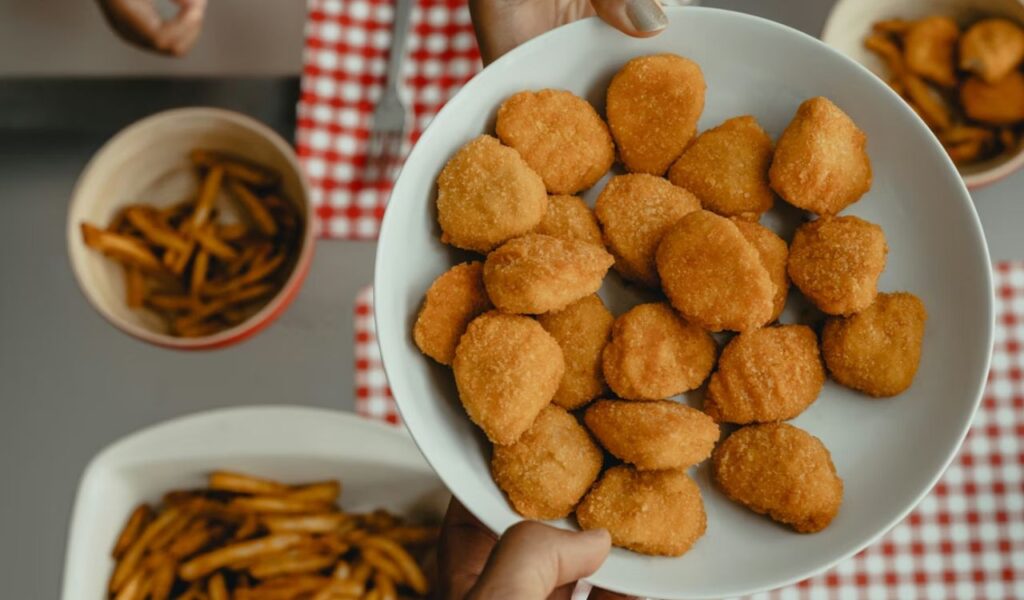
A smaller box of nuggets feels like the safer choice, but the numbers behind it often tell a different story once you compare the cost per piece. What looks cheaper upfront is not always the better deal.
The price gap between 6 and 10 pieces is usually small because preparation and packaging costs remain nearly the same. This allows restaurants to price larger portions more efficiently without raising the total too much.
As a result, the cost per nugget drops as the portion increases. Paying slightly more upfront often means getting significantly more food for the price, making the larger option the smarter value in most cases.
6. Value Wraps vs Full Sandwiches
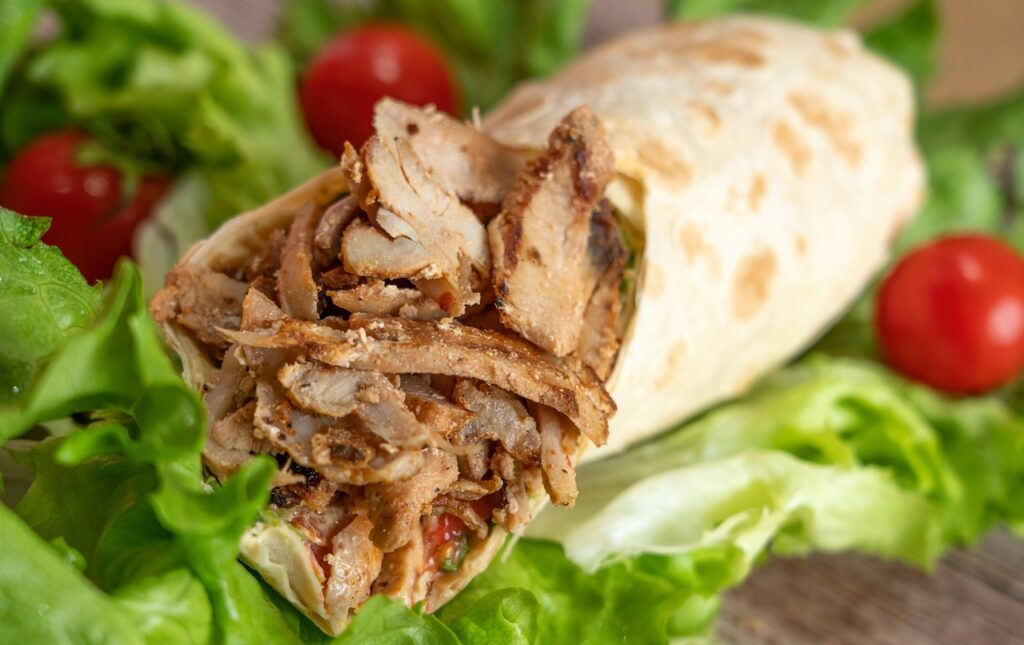
Value wraps are designed to appear lighter and more affordable, but they do not always deliver the best value when you look beyond the initial price. The difference becomes clear when you compare portion size.
Wraps typically contain less protein and fewer fillings, which reduces their overall weight. While they cost less, the reduction in quantity is often greater than the savings in price.
Full sandwiches usually offer more substance for a slightly higher cost. When measured by fullness and ingredient volume, they tend to provide better value, especially for anyone looking for a more satisfying and complete meal.
7. Breakfast Combos vs Individual Items
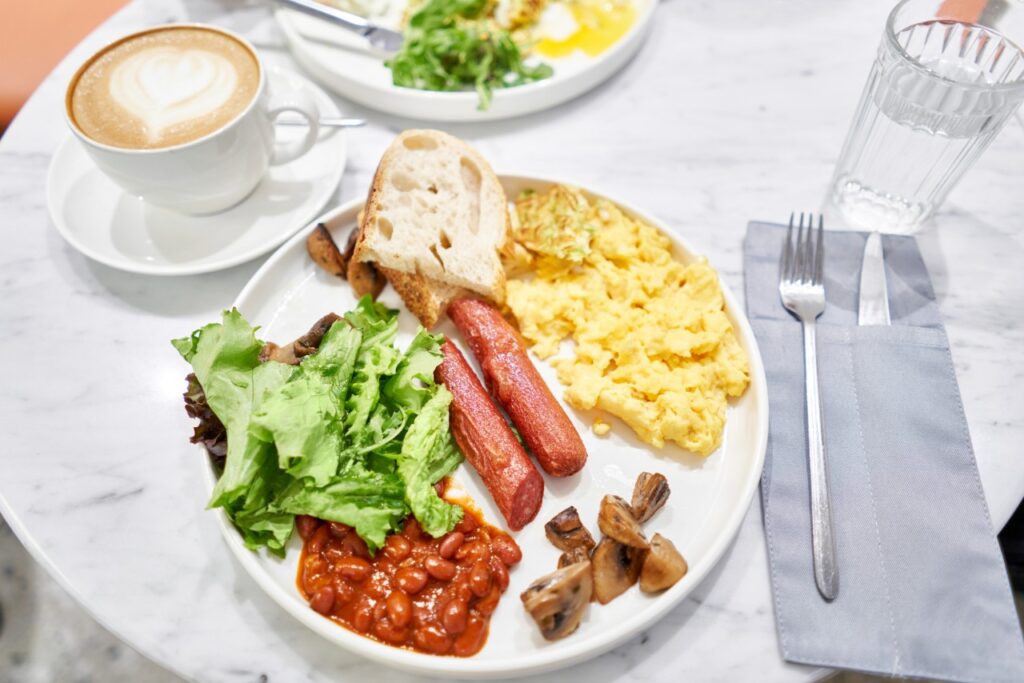
Ordering breakfast items separately can feel flexible, but the total often adds up faster than expected once each component is priced on its own. What seems like control can quietly reduce overall value.
Combo meals are structured to bundle common items like eggs, bread, and drinks at a lower combined price. This pricing approach spreads costs across the meal, making the total more appealing than buying items individually.
When purchased separately, each item carries its own markup, increasing the final bill. Choosing a combo reduces the average cost per item, making it the more economical option for anyone planning to order multiple breakfast elements together.
8. Ice Cream Cone vs Sundae

A plain cone appears to be the most affordable dessert, but the value becomes less clear when you compare it to options that include more volume and added elements.
Sundaes typically offer a larger portion of ice cream along with toppings like sauces or nuts, often for a small increase in price. The base ingredient is inexpensive, allowing for better value scaling.
Because of this, the cost increase is not proportional to the added quantity and extras. When measured by portion size and variety, sundaes often provide more for the price, making them a smarter choice despite the higher upfront cost.
9. Kids’ Meal vs Individual Items
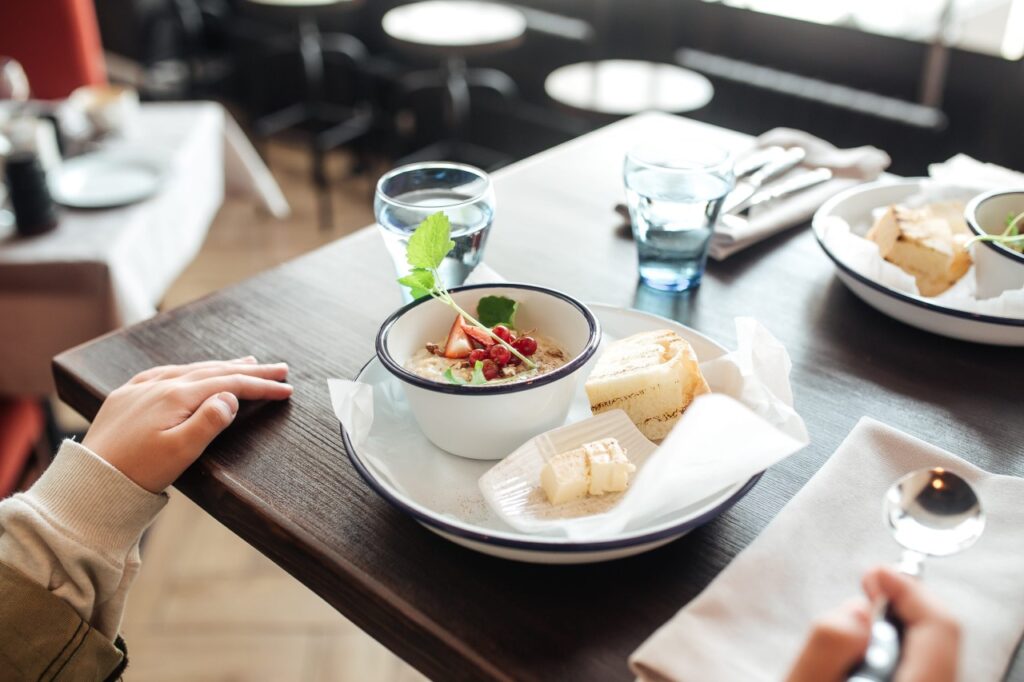
Kids’ meals often look like a smaller, less flexible option, but the pricing behind them is far more strategic than it appears at first glance. What seems limited can actually be one of the most efficient choices on the menu.
These meals combine a main item, side, and drink into a single price that is usually lower than ordering each part separately. This bundled structure allows restaurants to balance costs while still presenting the meal as a strong value option.
When you break it down, the cost per item is often lower than standard menu pricing. Even without considering extras, the overall value remains high, making kids’ meals a practical choice for those who want a complete meal at a better price point.