10 Foods Nutritionists Want Americans To Eat Less Of in 2026


Nutrition experts continue to highlight dietary patterns that contribute to rising rates of obesity, heart disease and metabolic disorders in the United States. Many of the foods they recommend reducing are not harmful in isolation but become problematic due to frequent consumption, high portion sizes or hidden additives. The following foods are consistently identified by registered dietitians and metabolic health researchers as items Americans should limit in 2026 to support better long term health.
Sugary Breakfast Cereals

Nutritionists cite sugary cereals as a leading source of added sugar in children’s diets. Many varieties contain more than 10 grams of added sugar per serving and offer minimal fiber, contributing to blood sugar spikes and poor satiety. Dietitians recommend shifting toward cereals with at least 4 to 5 grams of fiber and less than 6 grams of added sugar to support stable energy levels.
Processed Meats

Processed meats such as bacon, sausage and deli cuts are linked by major health organizations to a higher risk of colorectal cancer and heart disease. These products often contain nitrates, sodium and saturated fat at levels that exceed recommended daily limits. Nutrition professionals suggest reducing intake and replacing them with lean poultry, fish or plant based proteins.
Sugary Coffee Drinks
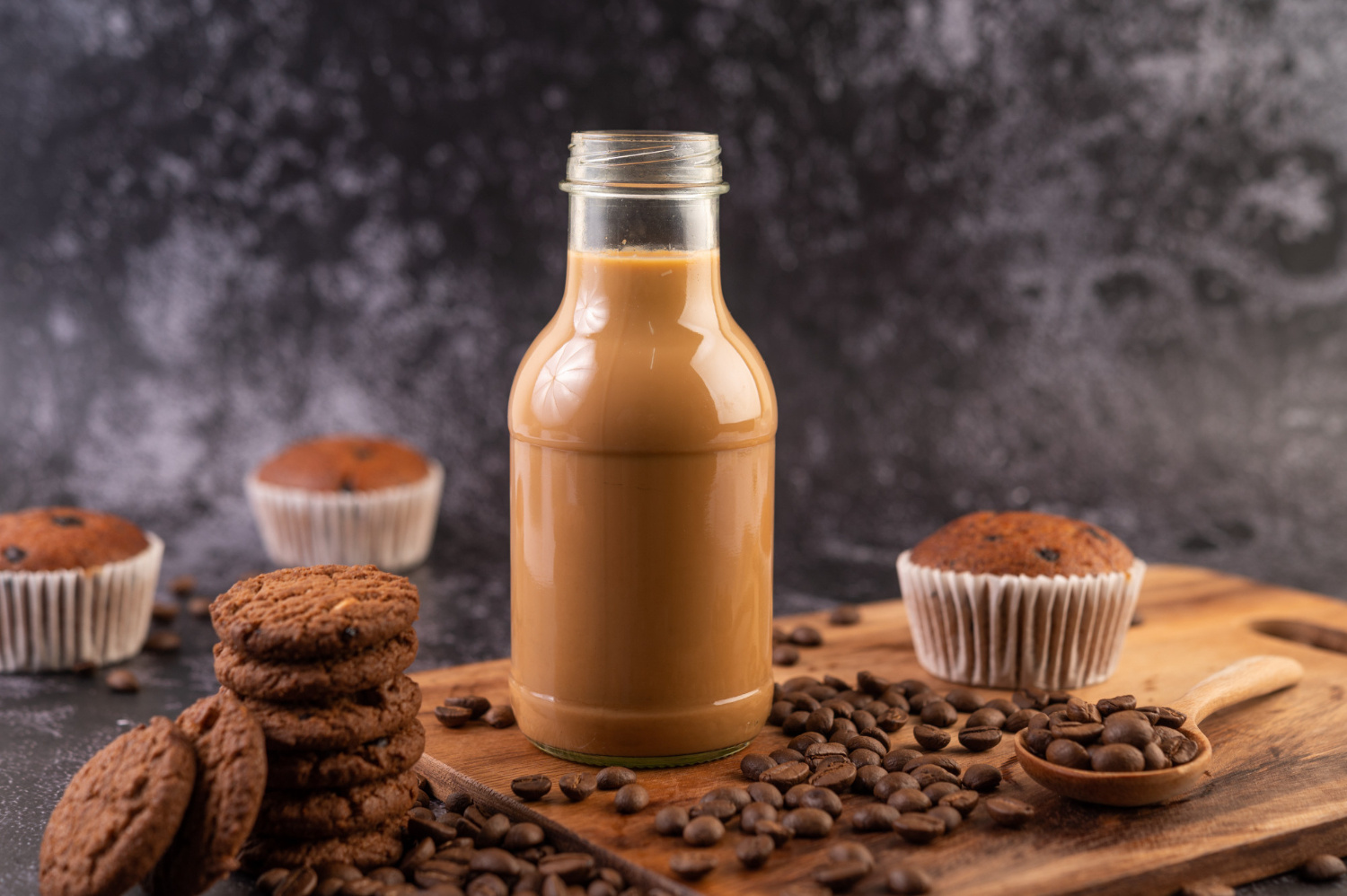
Many specialty coffee beverages contain as much sugar as a dessert, sometimes exceeding 40 grams per drink. Dietitians note that these beverages significantly contribute to excess calorie intake without providing meaningful nutrients. Choosing smaller portions, reduced sugar options or plain coffee with milk can help reduce overall sugar consumption.
Ultra Processed Snack Foods
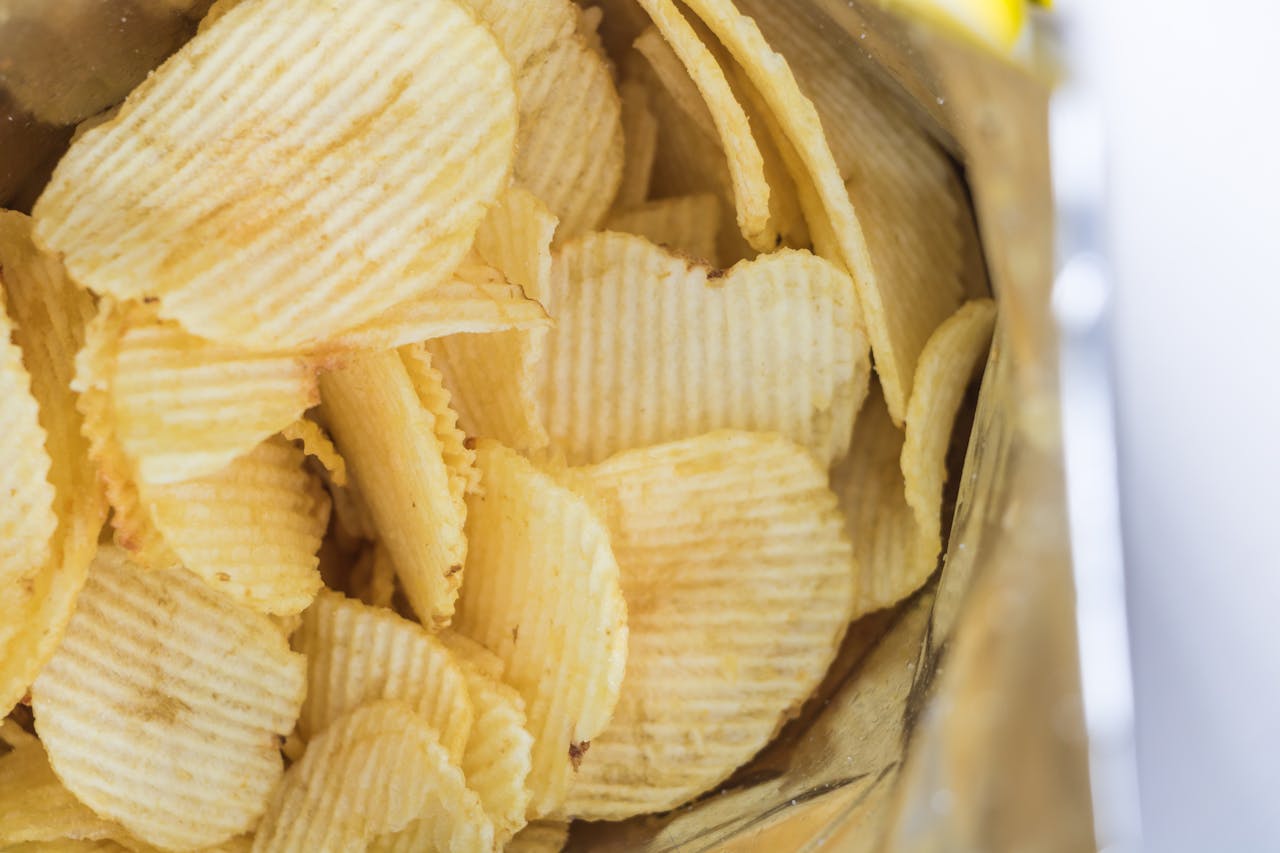
Chips, cheese puffs and similar snacks are engineered for high palatability, making it easy to overconsume them. Research shows that diets high in ultra processed foods are associated with weight gain, inflammation and metabolic risk. Nutritionists recommend limiting these snacks and replacing them with options containing whole ingredients and higher fiber content.
Sweetened Yogurts
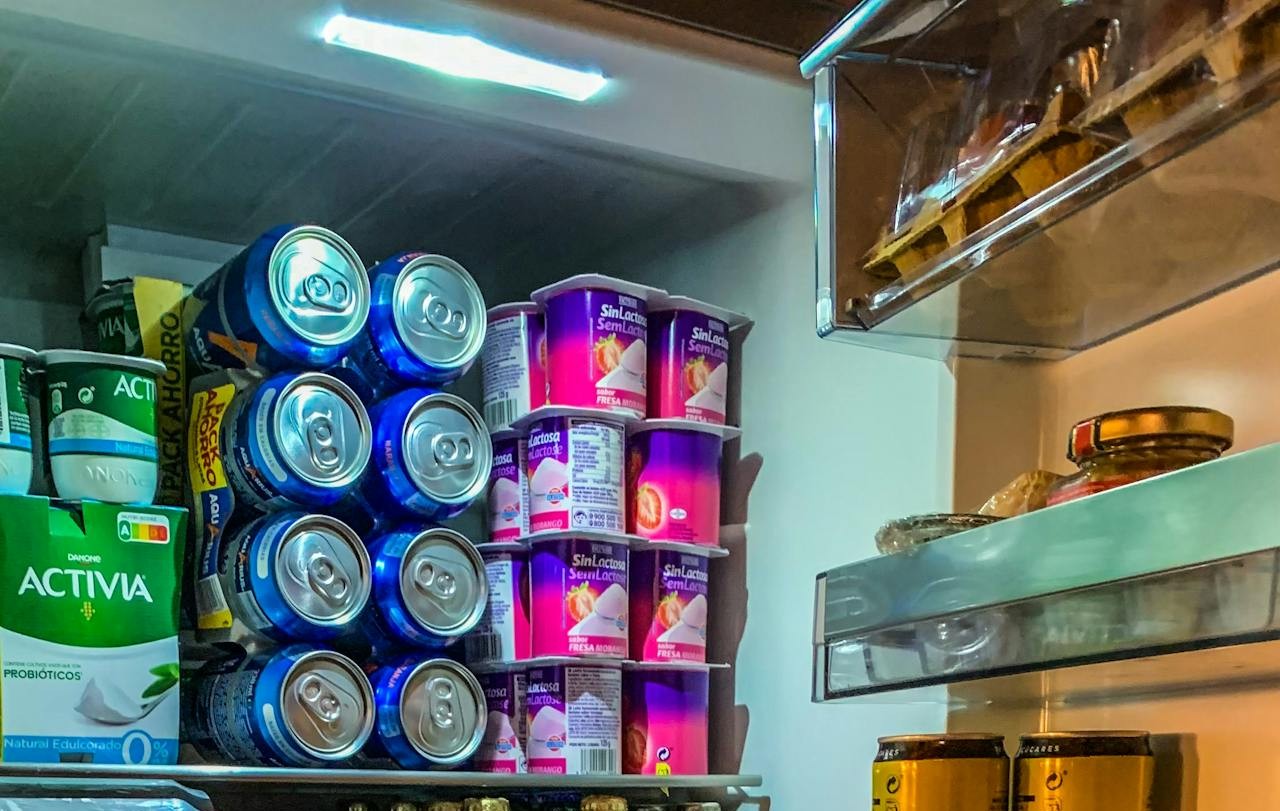
Flavored yogurts marketed as healthy often contain 15 to 20 grams of added sugar per serving. These added sugars can outweigh the benefits of probiotics. Dietitians encourage choosing plain yogurt with fresh fruit or varieties that contain no more than 8 grams of added sugar for balanced nutrition.
Fast Food Burgers
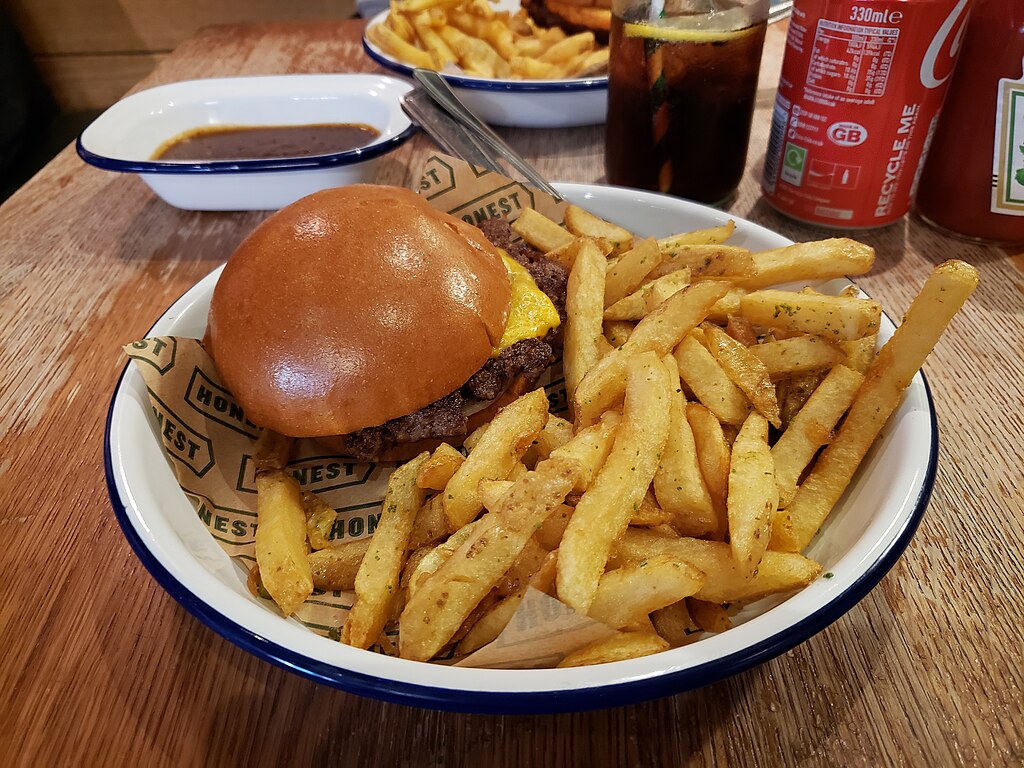
Fast food burgers tend to be high in saturated fat, sodium and calories, especially when combined with fries and sugary beverages. Nutrition experts point out that frequent consumption increases cardiovascular risk. They recommend viewing fast food burgers as an occasional treat rather than a routine meal and opting for smaller sizes when possible.
Frozen Pizzas

Frozen pizzas contain high amounts of sodium and refined carbohydrates, and many include processed meats. Registered dietitians highlight these as factors linked to elevated blood pressure and poor metabolic health. Healthier alternatives include thin crust varieties with vegetable toppings or homemade versions with whole grain crusts.
Sweet Baked Goods

Pastries, muffins and donuts deliver large amounts of added sugar and refined flour, contributing to blood sugar spikes and reduced nutrient density. Nutritionists suggest limiting these foods to special occasions and choosing options made with whole grains or reduced sugar when available.
Flavored Instant Oatmeal
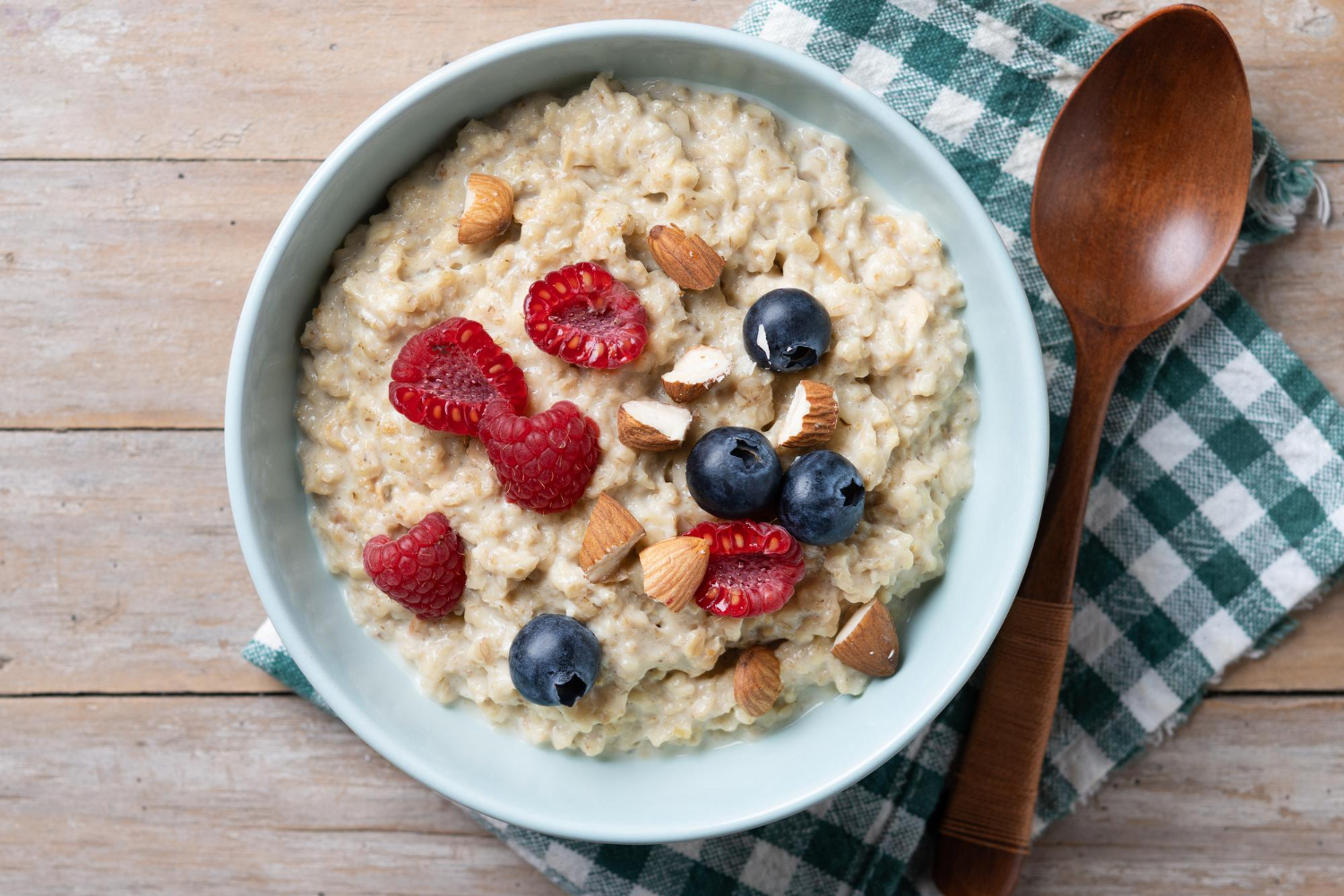
Pre flavored instant oatmeal packets often contain as much sugar as a breakfast pastry. Although oats are beneficial, the added sugars reduce their health value. Nutritionists recommend plain instant oats or minimally sweetened versions, allowing individuals to control the amount of sugar added.
Soda and Sweetened Beverages

Sugary drinks remain one of the top contributors to excess sugar intake in the United States. These beverages provide calories without satiety and are strongly associated with weight gain and type 2 diabetes. Dietitians advise replacing them with water, unsweetened tea or sparkling water to reduce daily sugar consumption.