10 Creamy Recipes That Help You Use Up Heavy Cream

Heavy cream has a way of lingering in the fridge, too rich to waste and too versatile to ignore. These creamy recipes are designed to turn that leftover cream into something comforting, intentional, and deeply satisfying. From silky sauces to hearty mains and smooth desserts, each dish uses cream where it truly shines, adding body, balance, and depth. Instead of letting it expire, these recipes help you transform heavy cream into meals that feel indulgent yet practical, proving that richness can be both purposeful and delicious. They make it easy to use every drop wisely while elevating everyday cooking.
1. Creamy Garlic Parmesan Pasta
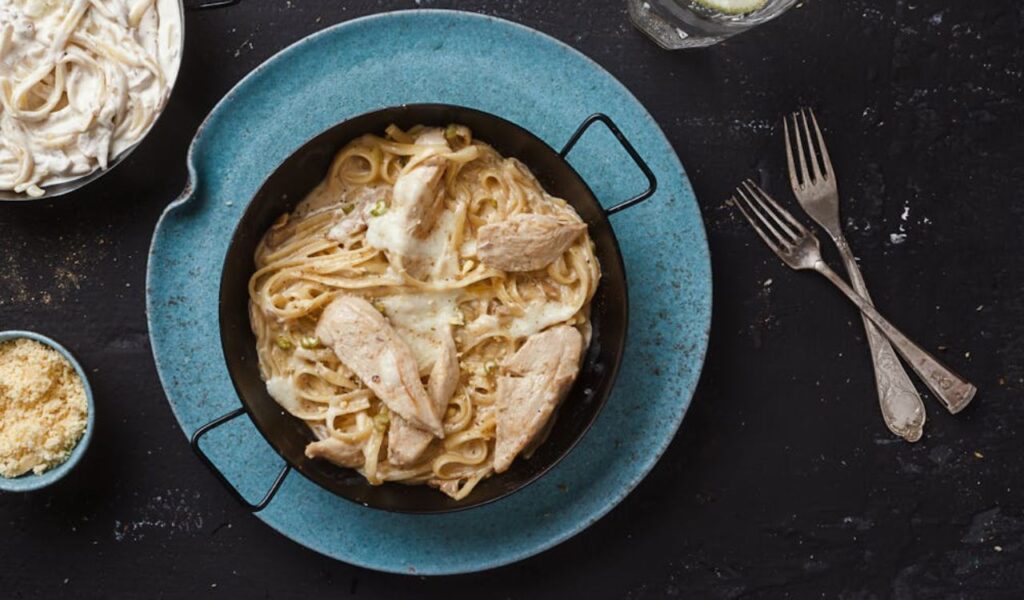
This dish exists for moments when heavy cream needs a purpose beyond the carton. Creamy garlic Parmesan pasta relies on slow, gentle heat to build flavor without scorching the dairy. Garlic is softened in butter or oil first, releasing aroma without browning, which keeps bitterness out of the sauce. Heavy cream is then added and simmered lightly so it thickens naturally rather than breaking. Parmesan plays a critical role, adding salt and umami while also helping the sauce cling to pasta. The starch released from cooked pasta tightens the sauce further, creating a smooth, cohesive coating. This recipe works especially well because it uses a generous amount of cream while remaining balanced.
2. Classic Alfredo Sauce
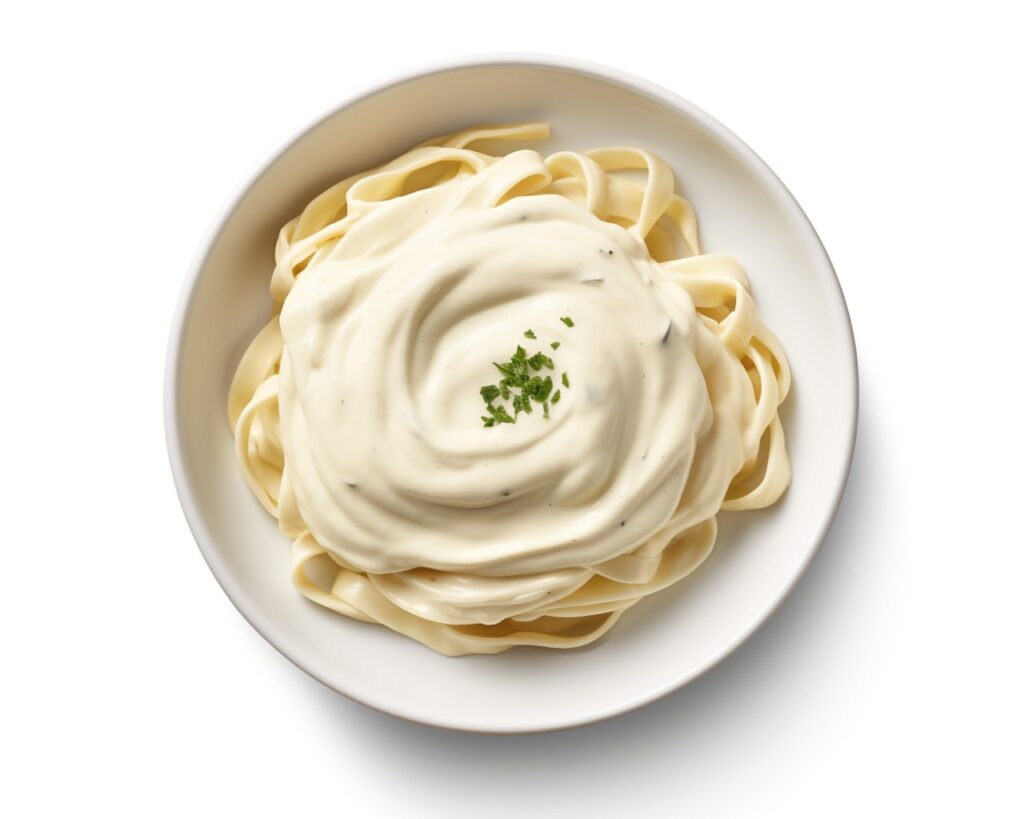
Classic Alfredo sauce is one of the most efficient ways to use heavy cream, but success depends on restraint and technique. The sauce starts with butter and cream warmed slowly to avoid separation. Unlike rushed versions, proper Alfredo never boils aggressively, which keeps the fat and liquid from splitting. Parmesan is added off heat or at very low heat so it melts smoothly. Heavy cream provides the body and silkiness that milk cannot replicate. As the sauce rests, it thickens naturally, coating pasta evenly instead of pooling at the bottom. Alfredo is ideal for using up cream because it calls for a large volume and transforms it into something stable, reheatable, and deeply satisfying.
3. Creamy Mushroom Soup
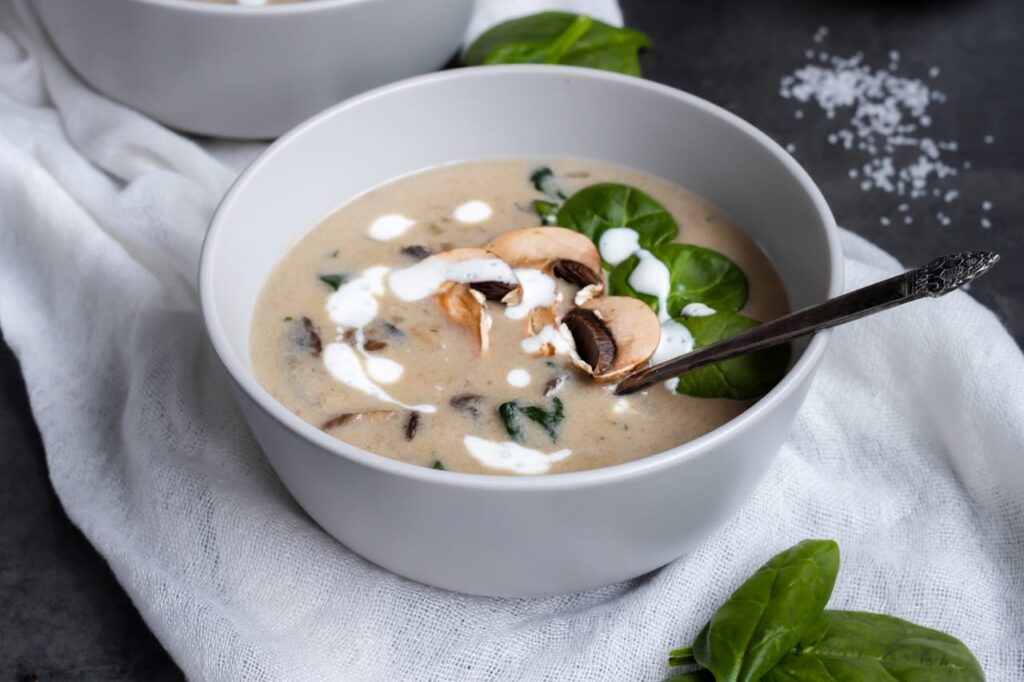
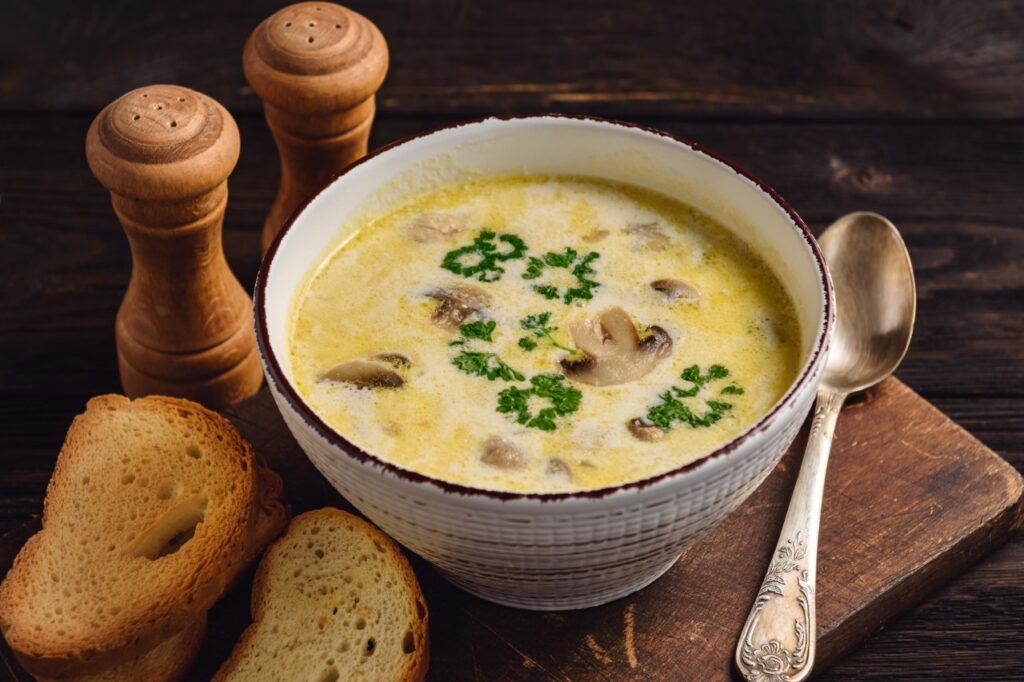
Creamy mushroom soup uses heavy cream to round out earthy flavors rather than dominate them. Mushrooms release moisture as they cook, which concentrates their savory character. Heavy cream balances this intensity by softening sharp edges and adding body. The key is cooking mushrooms long enough before adding cream so their flavor is fully developed. Once cream is added, gentle simmering allows the soup to thicken without dulling the taste. Blending part or all of the soup creates a smooth texture that holds heat well. This recipe uses a significant amount of cream but feels restrained because the mushrooms carry most of the flavor.
4. Rich Mashed Potatoes
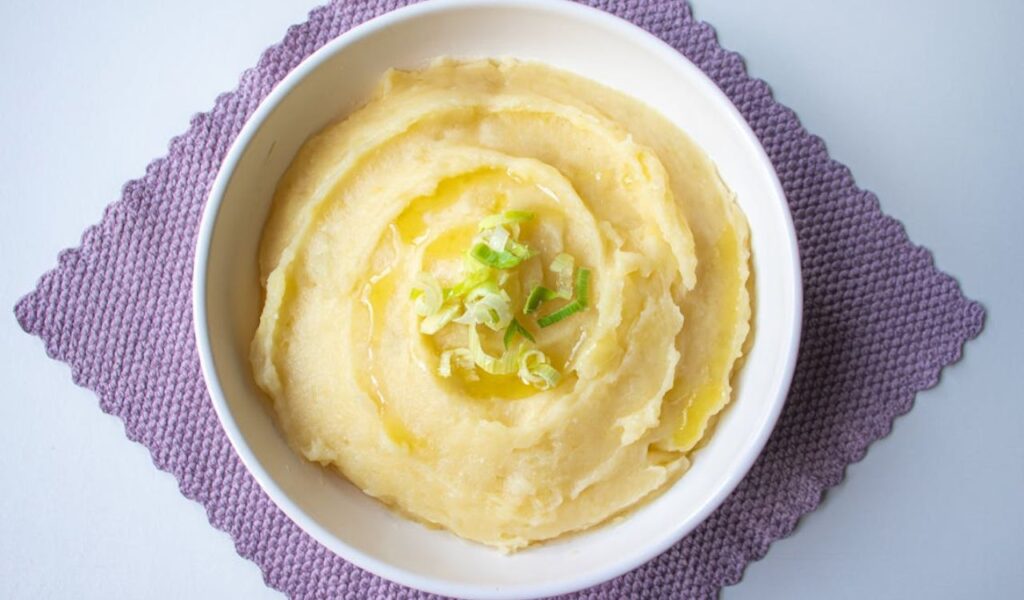
Mashed potatoes are one of the most forgiving and efficient uses for heavy cream. Potatoes absorb fat easily, which allows cream to distribute evenly without overwhelming flavor. When added warm, heavy cream keeps the mash smooth and elastic rather than stiff. Butter and cream work together to coat starch granules, preventing gumminess when handled properly. Using cream instead of milk produces a richer mouthfeel and better reheating performance. Mashed potatoes made with cream stay soft longer and resist drying out. This dish allows you to use up cream quickly while creating something that pairs with many meals.
5. Chicken in Creamy Dijon Sauce
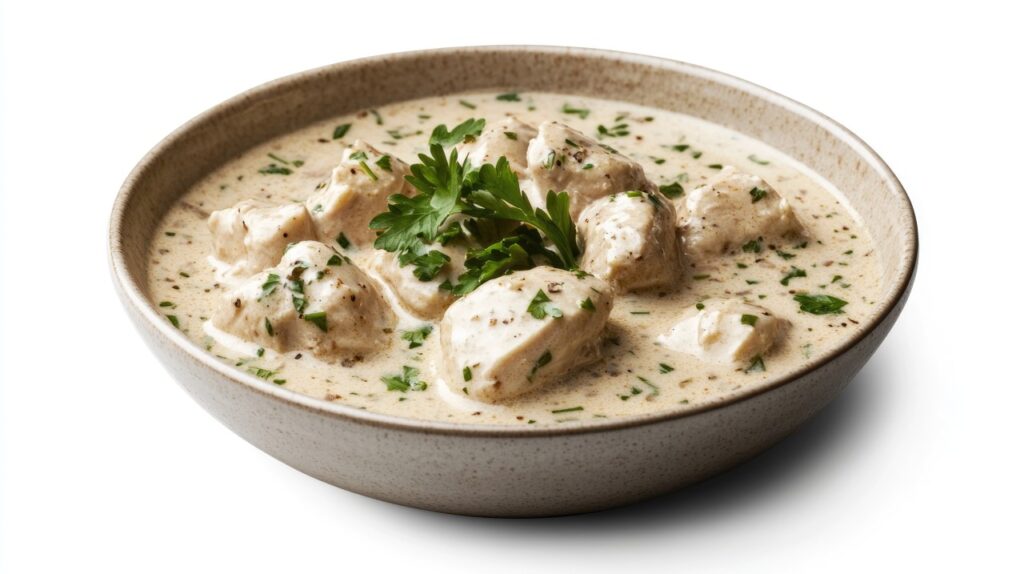
This recipe uses heavy cream as a stabilizer for bold flavors. Dijon mustard provides acidity and sharpness that would overpower lighter dairy. Heavy cream absorbs that bite and turns it into a smooth, cohesive sauce. Chicken is browned first to build fond, which adds depth once cream is introduced. Simmering gently allows the sauce to thicken while coating the chicken evenly. The cream prevents curdling that might occur with milk when mustard and heat are combined. This dish is especially useful for using leftover cream because the sauce reheats well and does not split. The result feels rich, savory, and balanced, making it practical for both weeknight dinners and planned leftovers.
6. Creamy Tomato Vodka Sauce
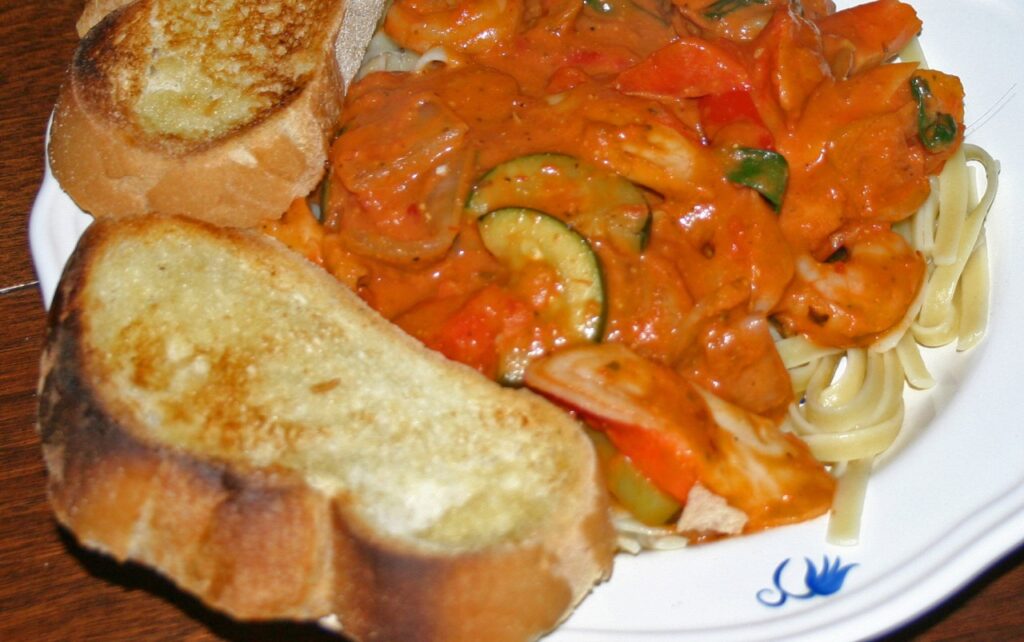
Heavy cream is essential in vodka sauce because it moderates tomato acidity while enhancing texture. Tomatoes alone can taste sharp or thin, especially when reduced quickly. Cream smooths that sharpness and creates a sauce that clings to pasta. Vodka helps release fat-soluble flavors from tomatoes, while cream binds everything together. The sauce thickens as it simmers, using cream as both flavor and structure. This recipe works well for using excess cream because it requires a noticeable amount without tasting overly dairy-forward. The finished sauce feels velvety and balanced, with brightness from tomatoes and depth from cream working together.
7. Baked Creamy Mac and Cheese

Mac and cheese is a direct answer to leftover heavy cream. Cream is used to build a stable cheese sauce that stays smooth during baking. Unlike milk-based sauces, cream resists separation under heat. It helps emulsify cheese and starch into a cohesive base. Pasta absorbs some of the cream, which improves texture and prevents dryness. Baking further thickens the sauce while allowing flavors to settle. This dish uses a substantial amount of cream and stores well, making it ideal for using cream efficiently. Reheated portions remain creamy rather than grainy, which makes it practical beyond the first meal.
8. Creamy Spinach and Artichoke Dip
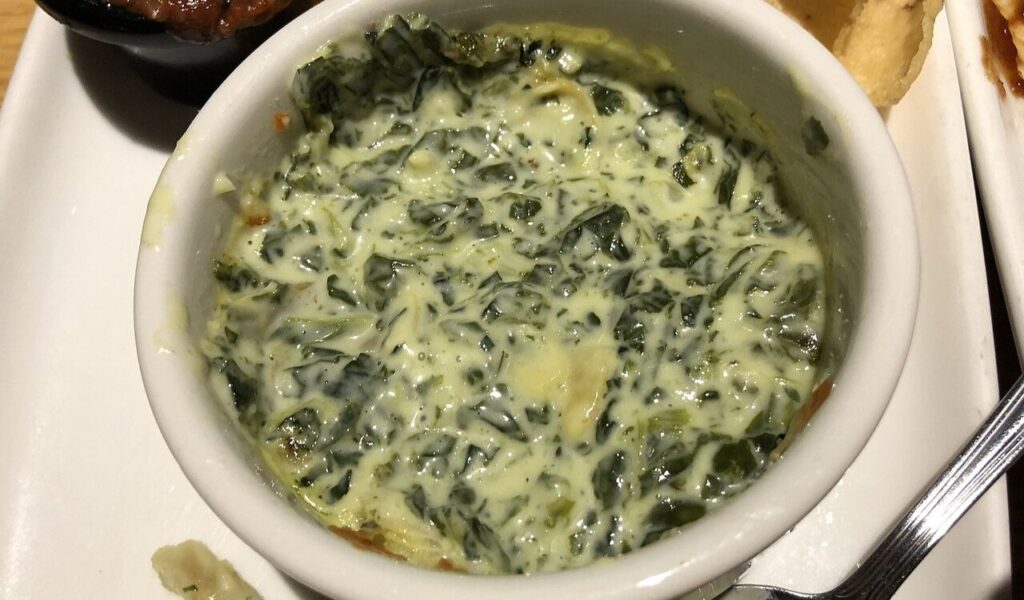
This dip relies on heavy cream to carry strong flavors without overwhelming the palate. Spinach and artichokes bring bitterness and tang that need fat to soften them. Cream creates a smooth base that blends cheeses and vegetables evenly. When heated gently, the dip thickens without breaking, something lighter dairy struggles to achieve. Heavy cream also helps the dip stay creamy as it cools, which is important for serving over time. This recipe uses cream efficiently and turns it into a crowd-friendly dish that holds texture and flavor well. It is especially useful when cream needs to be used quickly and visibly.
9. Creamy Chicken Pot Pie Filling
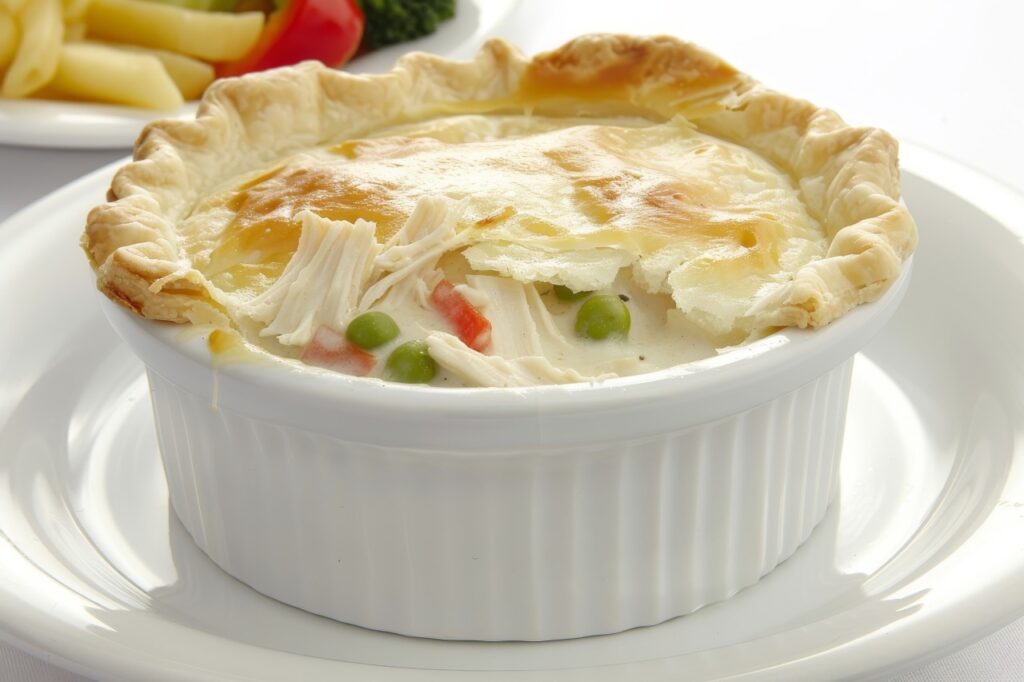
Pot pie filling depends on heavy cream for both structure and richness. Cream thickens the sauce without relying heavily on flour, which keeps the texture smooth rather than pasty. Chicken, vegetables, and aromatics release moisture as they cook, and cream binds that liquid into a cohesive filling. The result is rich but balanced, with enough body to support a crust without becoming heavy. This filling reheats well and freezes successfully, making it an excellent way to use up cream in a form that extends its usefulness. The cream ensures consistency and comfort in every bite. It also prevents the filling from drying out during baking or reheating.
10. Vanilla Bean Cream Custard
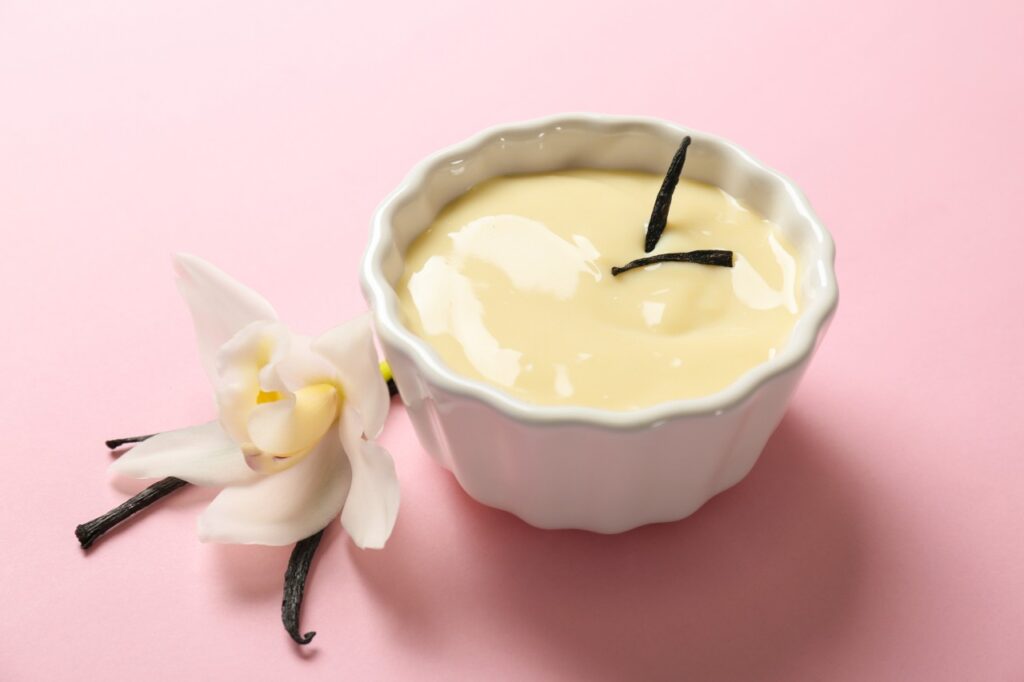
Custard is one of the purest uses of heavy cream, turning it into structure rather than just richness. Eggs and cream work together to create a stable set when heated gently. Heavy cream provides fat that gives custard its signature smoothness and prevents curdling. Vanilla enhances aroma without adding sweetness or complexity. Proper temperature control is essential, since overheating causes separation. This recipe uses a large quantity of cream while transforming it into a dessert that feels intentional rather than leftover-driven. Custard also stores well when chilled, making it a thoughtful and efficient way to finish off heavy cream before it expires.