11 Grandma Approved Christmas Dinners That Don’t Always Live Up to the Hype

Holiday dinners often come with a sense of obligation, especially when recipes have been passed down for decades. Many of these dishes are beloved by grandmas for the memories they carry, the effort they represent, and the comfort they once provided. But tradition does not always translate to excitement. Some Christmas mains and sides look impressive on paper yet fail to deliver flavor, balance, or texture when it matters most. These dinners reveal how nostalgia can keep dishes alive long after their appeal to modern guests has quietly faded.
1. Grandma’s Pot Roast Tradition Rarely Excites a Holiday Crowd
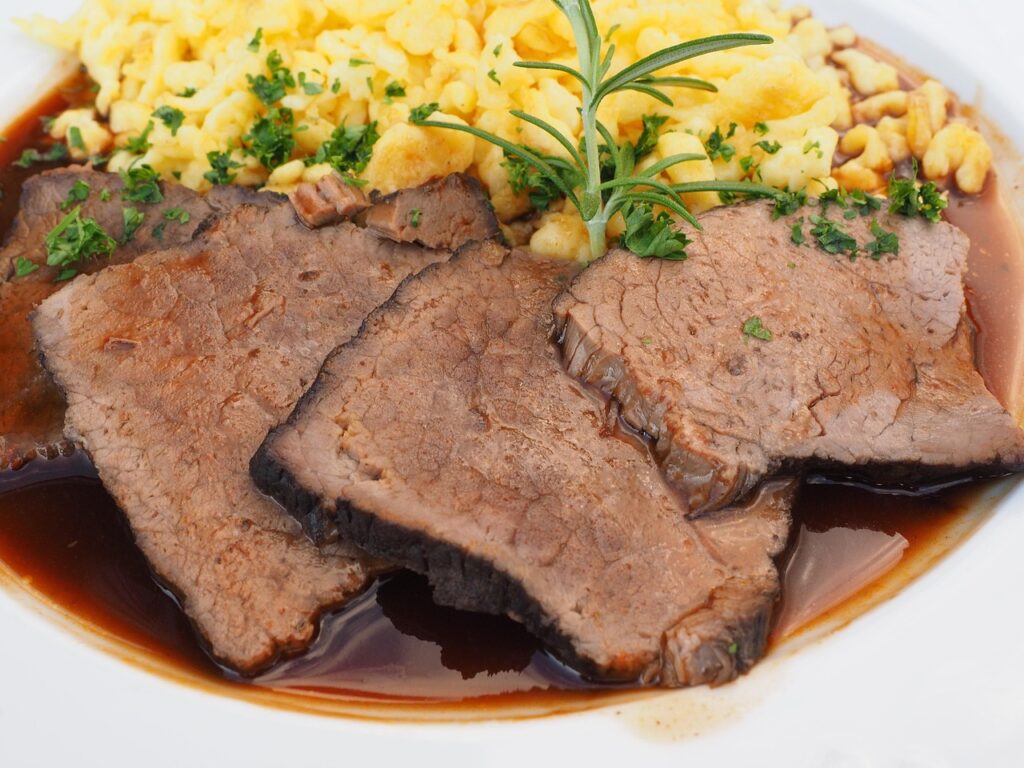
Pot roast earns its place at Christmas tables because it symbolizes patience and reliability. Grandma trusts it because slow cooking feels caring and dependable, especially when feeding a crowd. The challenge is that holiday dinners are often built around contrast, brightness, and layered flavor, while pot roast tends to blend into the background. Long cooking can mute seasoning if not adjusted carefully, and the soft texture often lacks variation from bite to bite. Guests usually take a serving out of respect, but rarely return for more. Its strength is familiarity rather than impact, which explains why it feels essential but rarely memorable.
2. Cornbread Dressing Divides the Table Quietly
Cornbread dressing is rooted deeply in tradition, especially in households where recipes are passed down without change. Grandma approves because it represents history and family identity. Texture becomes the main issue. Cornbread dressing can be crumbly, dense, or dry if moisture is not perfectly balanced. Even when well prepared, the flavor profile stays mild. On a plate crowded with rich meats and bold sides, it can feel subdued. Guests often serve themselves a small scoop, then move on. The dish honors tradition more than appetite, which is why it often lingers untouched after the first round.
3. Overcooked Turkey Breast Struggles to Shine
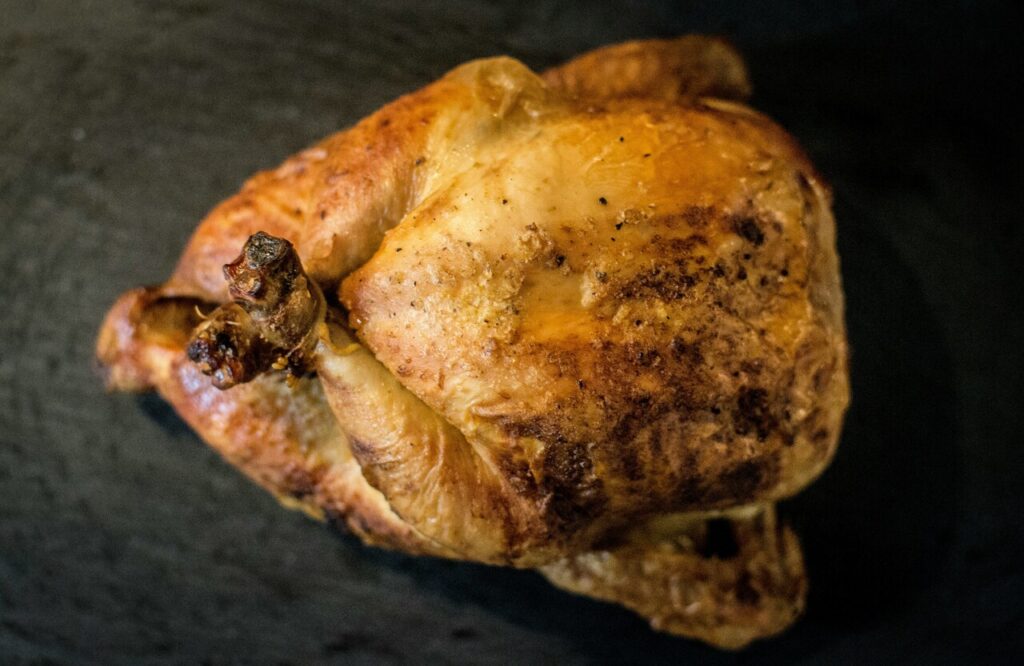
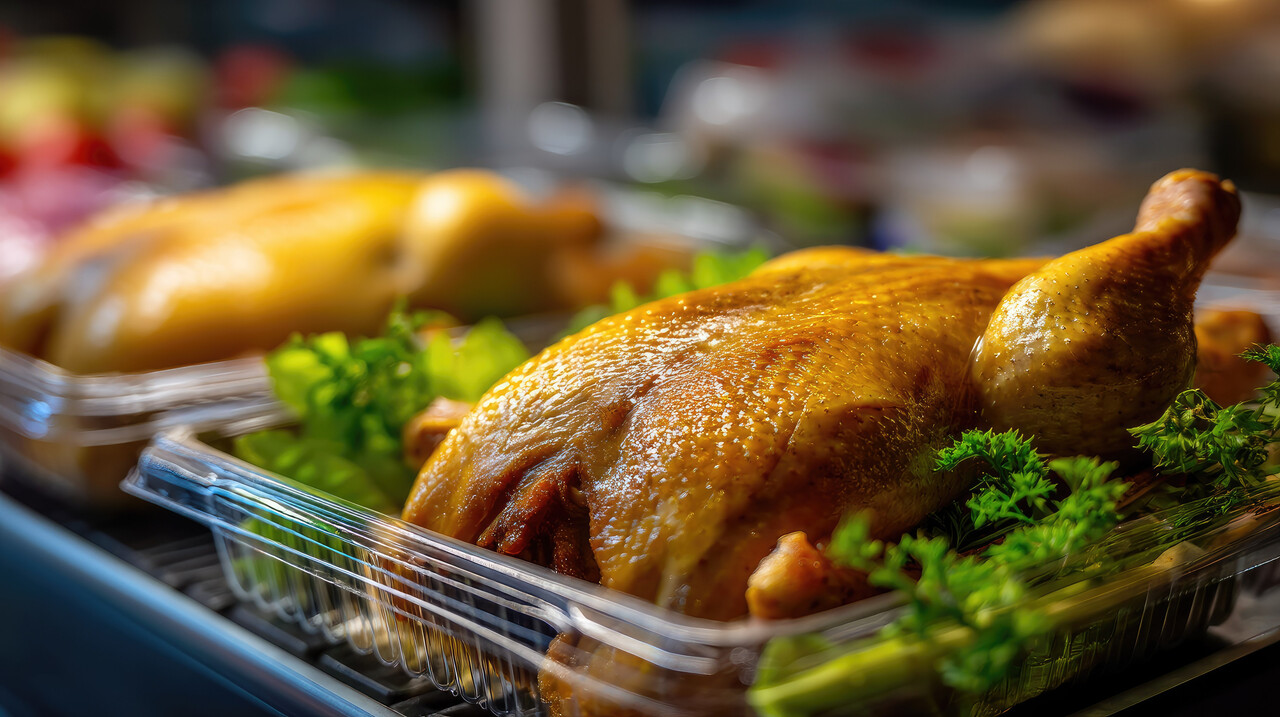
Turkey breast remains a trusted holiday centerpiece, especially for grandmas who value familiarity over experimentation. The problem is moisture. Lean turkey breast dries out quickly, especially when cooked to be overly safe. Once dry, it relies heavily on gravy for rescue. Flavor becomes secondary to texture management, and guests notice. While turkey symbolizes Christmas for many families, poorly executed versions disappoint quietly. Guests may eat it politely but rarely seek seconds. The dish holds emotional importance, but without careful preparation, it fails to deliver the satisfaction expected of a holiday main.
4. Cranberry Orange Gelatin Salad Shows Its Age
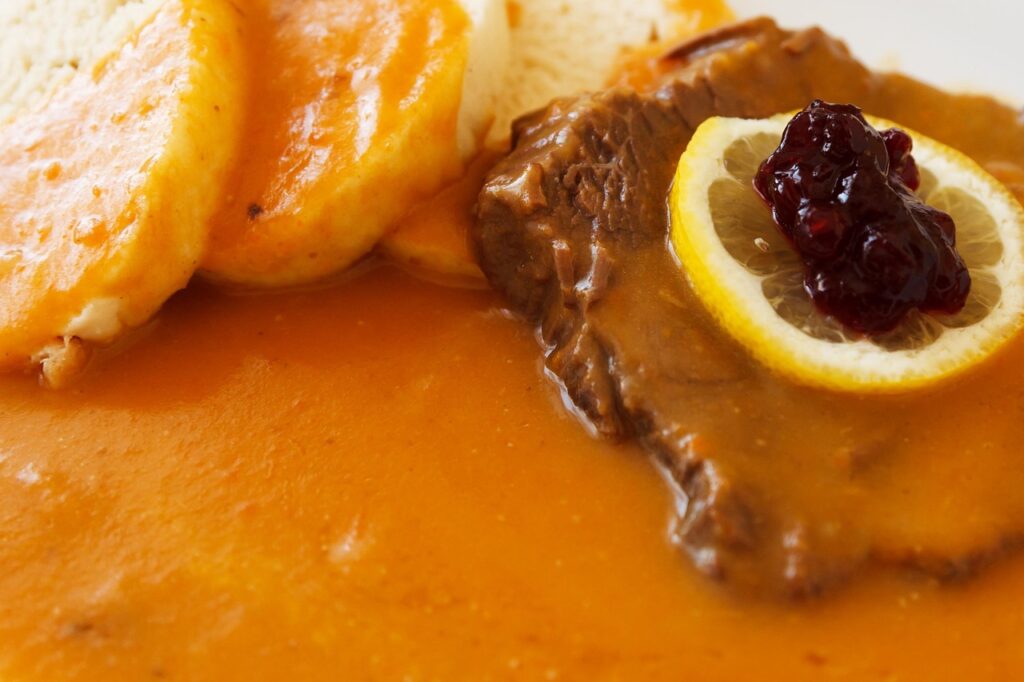
This gelatin salad remains popular with grandmas because it represents festive presentation and holiday color. Bright hues and molded shapes once felt exciting. Today, texture works against it. The soft, jiggly consistency contrasts sharply with modern expectations for side dishes. Sweetness dominates, while acidity and balance remain minimal. Guests often approach cautiously, take a spoonful, and stop there. The dish feels decorative rather than satisfying. It endures because of memory and tradition, not because guests crave it. That gap between sentiment and enjoyment is why it often goes unfinished.
5. Corn Pudding Comforts Without Impressing
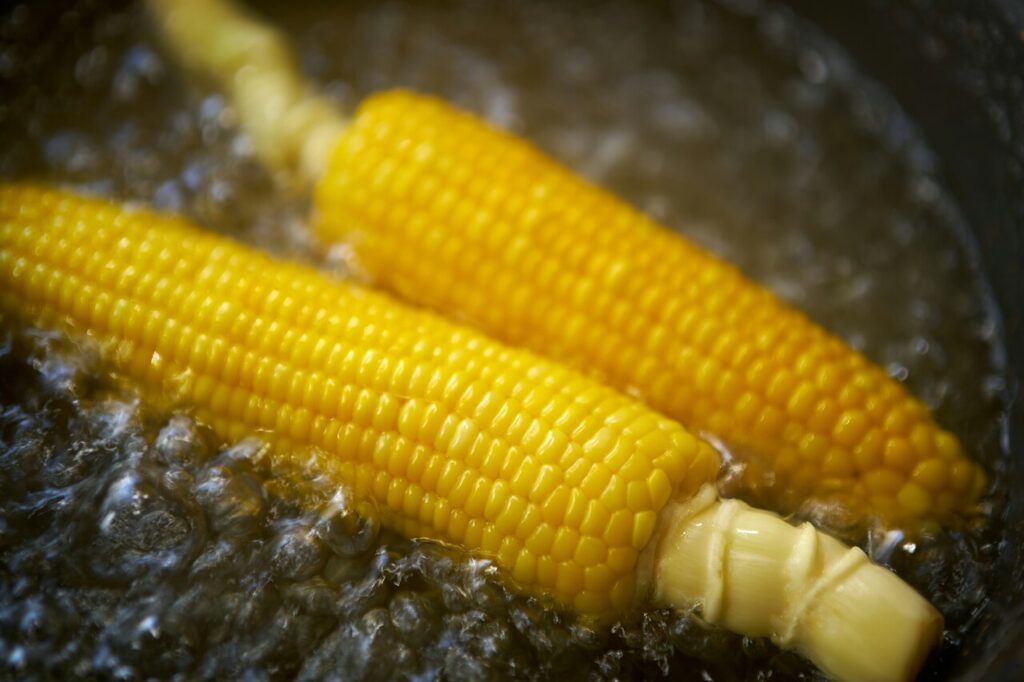
Corn pudding stays on holiday tables because it feels warm and familiar. Its soft texture and gentle sweetness appeal to those who enjoy subtle flavors. At Christmas, however, it competes with richer, bolder dishes. The lack of sharpness or texture contrast makes it fade quickly on the plate. Grandma values it for its ease and crowd-friendly nature, but guests often stop after a few bites. The dish fills space without commanding attention. It satisfies hunger briefly but leaves little impression, which limits its appeal beyond the first serving. Its uniform texture offers no progression from bite to bite.
6. Southern Mac and Cheese Overwhelms Before It Delights
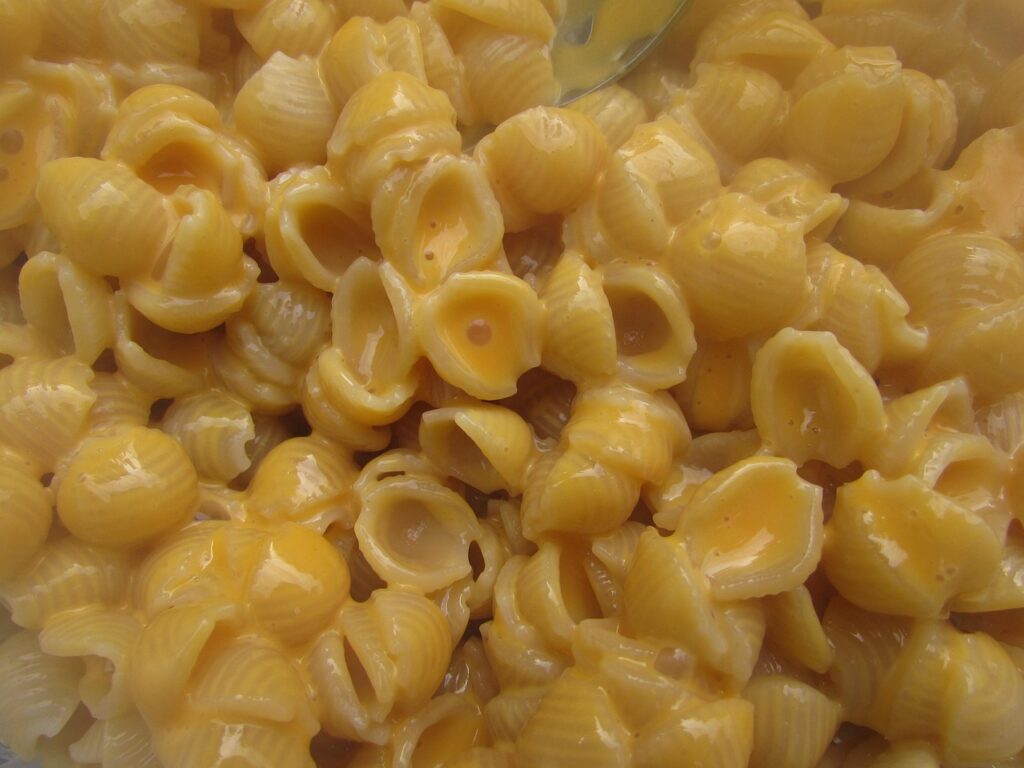
Southern mac and cheese arrives with high expectations. Rich cheese, baked texture, and deep comfort make it beloved. During holiday dinners, however, its heaviness becomes a drawback. Surrounded by rich meats and creamy sides, mac and cheese fills guests quickly. The first bite is enjoyable, but the dish becomes tiring fast. Grandma approves because it feels indulgent and generous. Guests appreciate it, yet rarely return for seconds. Its richness overshadows nuance, making it more admired than actively desired. The dish competes for attention rather than supporting the meal. That dominance limits how much guests actually want.
7. Cranberry Gelatin Molds Confuse More Than They Charm
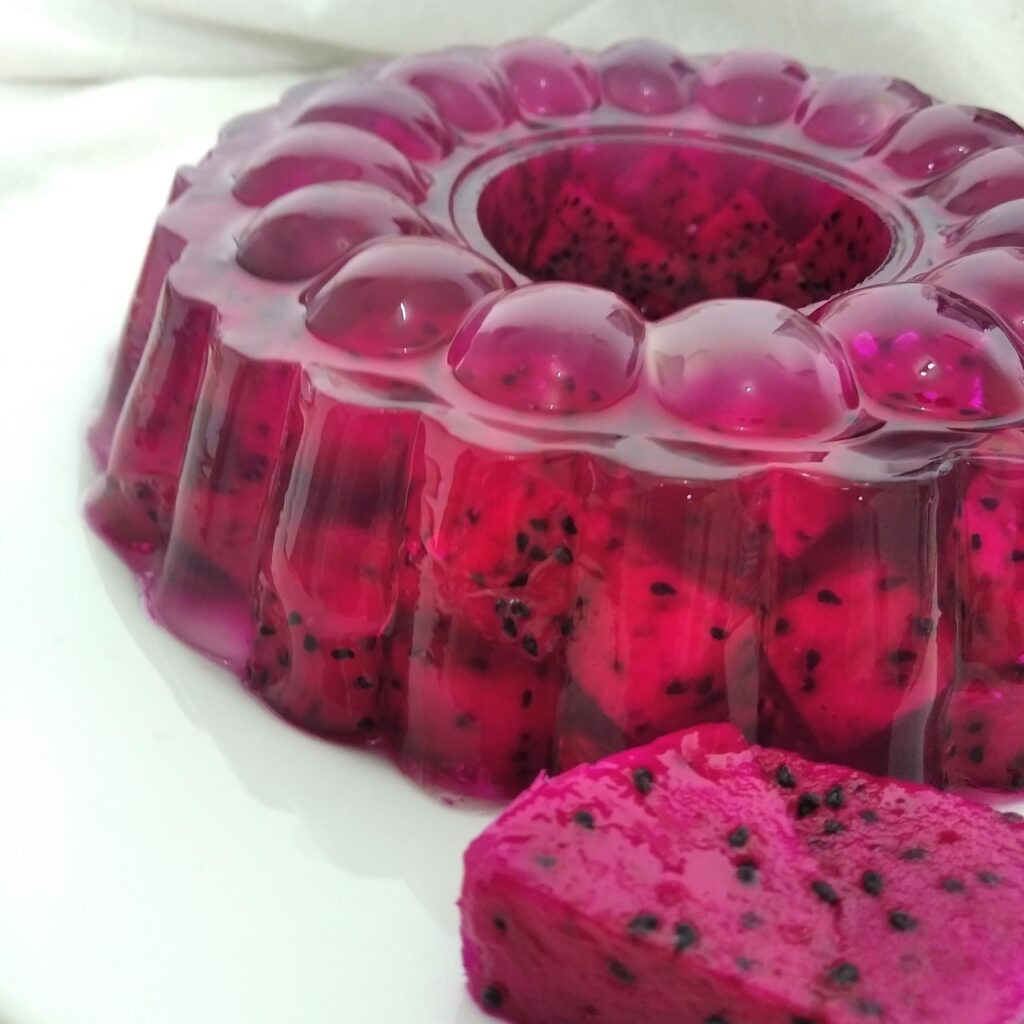
Gelatin molds once symbolized effort and celebration. Today, they often puzzle guests. The texture feels unfamiliar, and the sweetness does not always fit alongside savory mains. Grandma includes it because it feels festive and traditional. Guests may sample it out of curiosity rather than appetite. The mold often looks more appealing than it would taste. It survives through sentiment and presentation, not demand. This disconnect explains why it frequently remains untouched once the novelty wears off. Modern diners expect clearer flavor intent. This dish often fails to meet that expectation of the customers.
8. Stuffing Balls Feel Dense and Repetitive
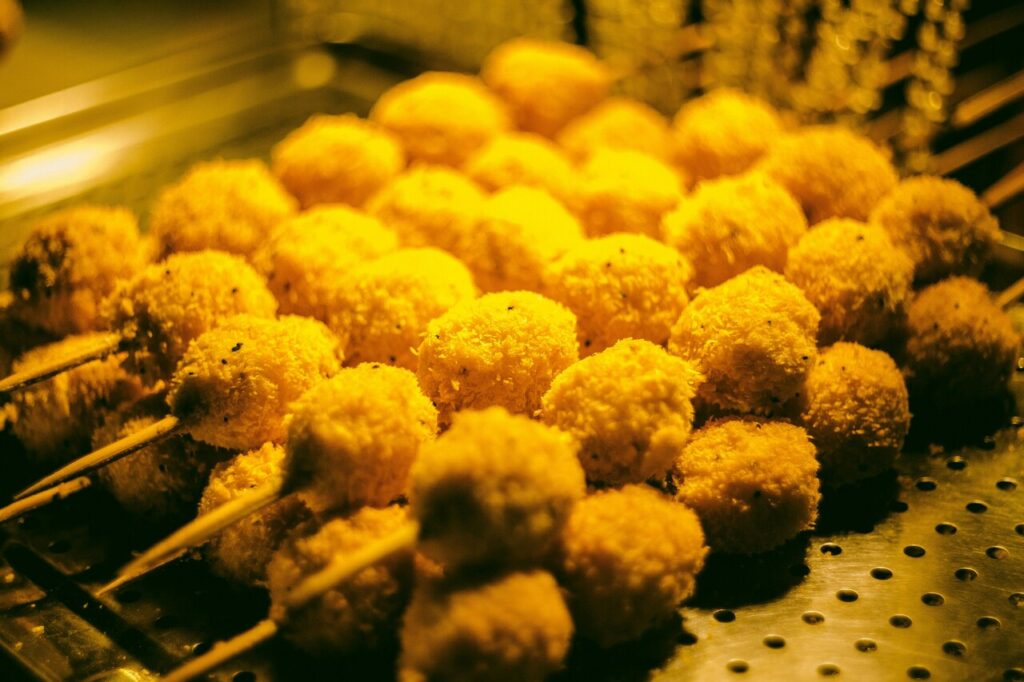
Stuffing balls attempt to make a classic more convenient, but their compact shape often emphasizes heaviness. Bread-based ingredients packed tightly create a dense texture that fills quickly. Flavor stays consistent from start to finish, offering little contrast. Grandma likes them because they are easy to serve and familiar. Guests may enjoy one, but rarely reach for another. The dish delivers comfort without excitement, which limits its appeal during a meal already heavy with starches and rich sides. Their uniform shape reinforces the lack of variation. That repetition discourages second servings.
9. Candied Sweet Potatoes Lean Too Sweet
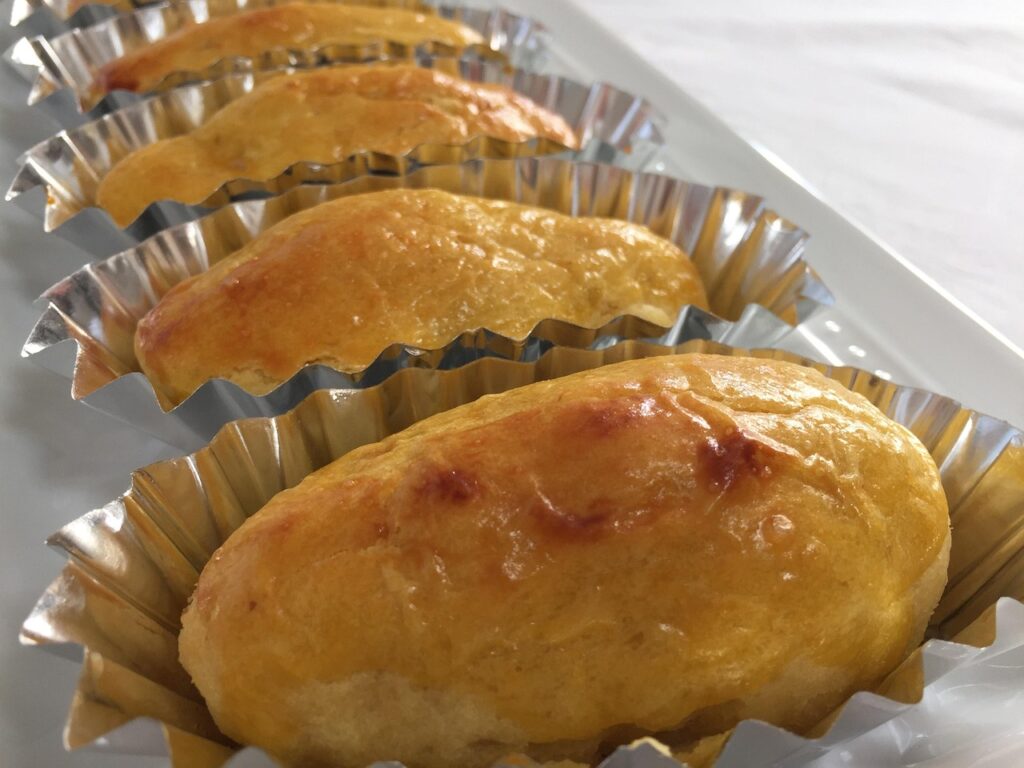
Candied sweet potatoes remain firmly rooted in Christmas tradition because they feel indulgent and celebratory. Butter, brown sugar, and warm spices turn a humble vegetable into something closer to dessert, which many grandmas see as a treat worth repeating every year. The problem is proportion and balance. When sweetness dominates without enough salt, acidity, or texture, the dish becomes tiring quickly. Guests often enjoy the first few bites but hesitate to return for more. On a plate already filled with savory meats and rich sides, the sugar-heavy profile can clash rather than complement.
10. Buttermilk Cornbread Completes the Table Without Standing Out
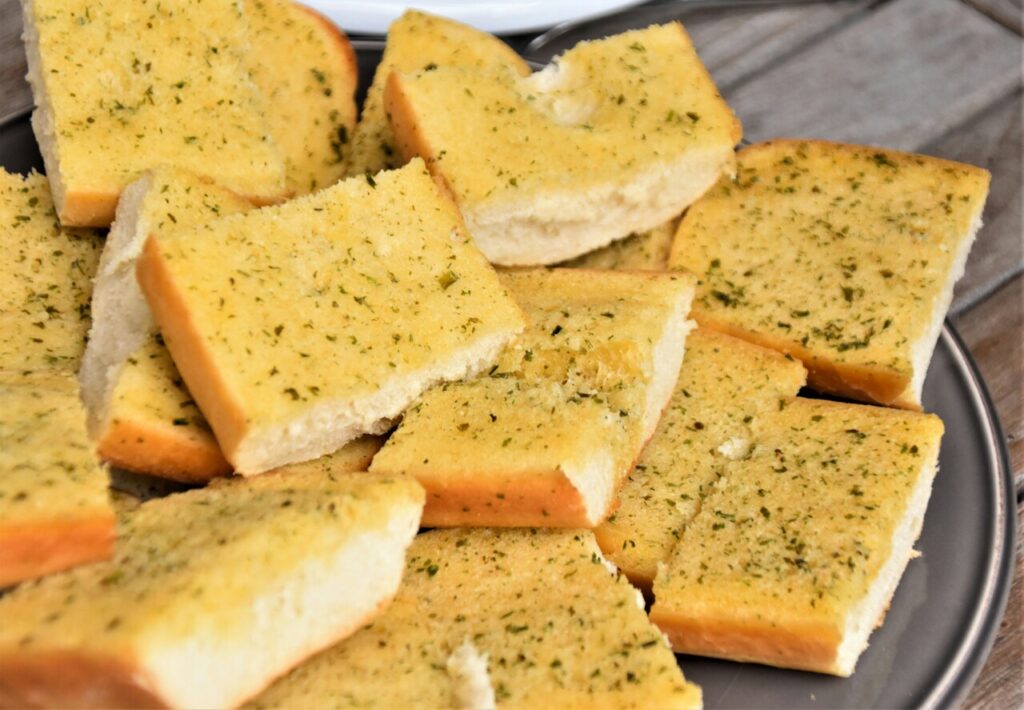
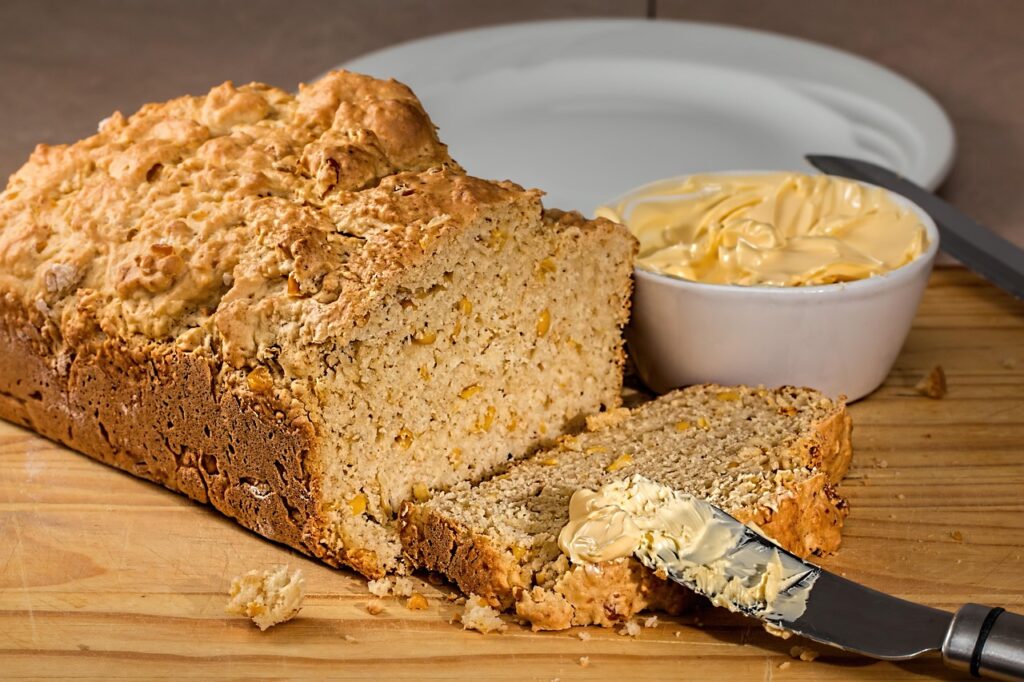
Buttermilk cornbread earns its spot at Christmas dinners because it represents comfort and completeness. Grandma includes it because a holiday table feels unfinished without some form of bread. The flavor itself is mild, offering gentle tang and a crumbly texture that pairs well with many foods. At large holiday meals, however, that subtlety becomes a weakness. Surrounded by rich mains and bold sides, cornbread struggles to justify its presence. It adds bulk rather than contrast and fills guests quickly without delivering standout flavor. Many guests skip it entirely or leave pieces untouched on the plate.
11. Boiled Cabbage With Butter Feels Stuck in Another Era
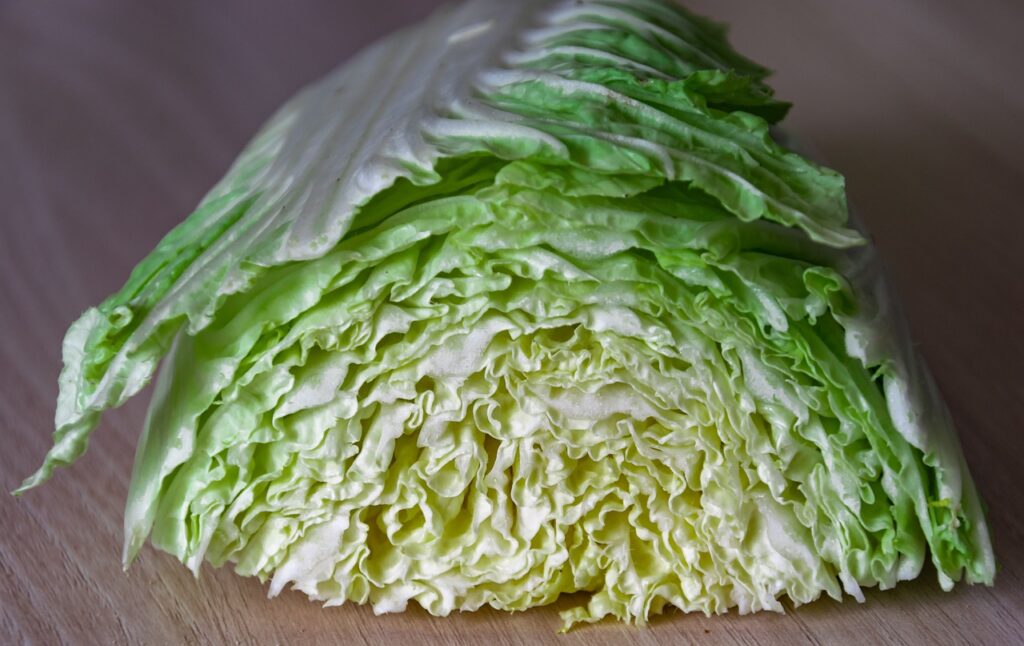
Boiled cabbage appears on Christmas tables because it reflects an older idea of hearty, practical cooking. Grandma approves because it feels wholesome, inexpensive, and familiar. Unfortunately, the preparation often strips cabbage of texture and complexity. Long boiling softens it into a uniform mass, while butter alone rarely provides enough flavor to compensate. The result is a dish that smells stronger than it tastes and offers little contrast on a holiday plate. Guests may take a small serving out of politeness, but rarely return for seconds. Compared to roasted or seasoned vegetable sides, boiled cabbage feels outdated.