Why Some Frozen Foods Cost More Despite Smaller Portions

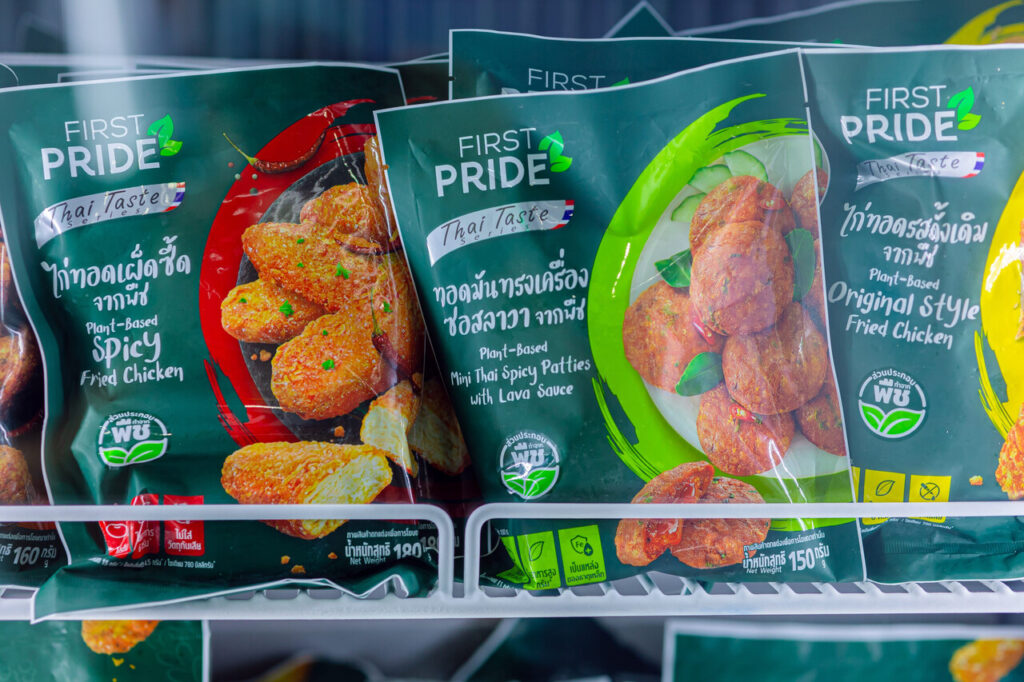
At first glance, the frozen food aisle can feel confusing. A bag of vegetables or a ready meal may look almost identical to the one you bought last year, yet the portion inside seems smaller, or the price feels slightly higher. Many shoppers are noticing this shift and wondering why frozen foods sometimes cost more, even when the package holds less. The answer lies in a mix of factors that stretch far beyond the grocery store shelf. Rising production costs, energy-intensive freezing processes, transportation expenses, and a growing trend known as shrinkflation are all quietly reshaping how frozen foods are packaged and priced. Understanding these changes helps explain why the numbers on the label do not always tell the whole story.
The Price Puzzle Behind Frozen Foods
Shoppers are noticing something strange in the frozen aisle. In many cases, the package looks familiar, and the price tag seems similar, yet the amount of food inside is smaller than it used to be. This shift often leads consumers to feel as though frozen foods are becoming more expensive, even when prices appear stable. The reason usually lies in a combination of portion reductions and subtle price adjustments. Manufacturers sometimes shrink the size of a product while keeping the price close to the same level. This strategy, widely known as shrinkflation, allows companies to manage rising production costs without alarming customers with a dramatic price jump.
The change can be difficult for shoppers to notice at first because packaging often looks nearly identical. Companies may redesign containers slightly or adjust the shape of packages while reducing the actual weight or volume inside. Over time, these smaller reductions add up, leaving consumers paying more per ounce even if the shelf price appears unchanged. This practice has become more common across many grocery categories, including frozen foods, as companies attempt to balance rising costs with the reality that customers are sensitive to visible price increases.
The Rise of Shrinkflation in Grocery Aisles
One of the biggest drivers behind the perception that frozen foods cost more is shrinkflation. Instead of raising prices directly, manufacturers reduce the amount of product in each package. This allows companies to maintain the same retail price while adjusting for higher expenses in ingredients, labor, packaging, and transportation. The concept is not new, but it has become more noticeable during periods of economic pressure when costs rise across the entire food supply chain.
Shrinkflation affects a wide range of grocery items, from snacks and cereals to frozen vegetables and ready meals. Consumers may notice packages that look slightly thinner or containers that hold less food than before. While the change may seem small in isolation, the cumulative effect across many purchases can noticeably increase a household’s grocery bill. Economists often explain that companies choose this approach because sudden price increases can lead to lower sales, while portion changes are less likely to trigger immediate consumer backlash.
The Hidden Costs of Frozen Food Production
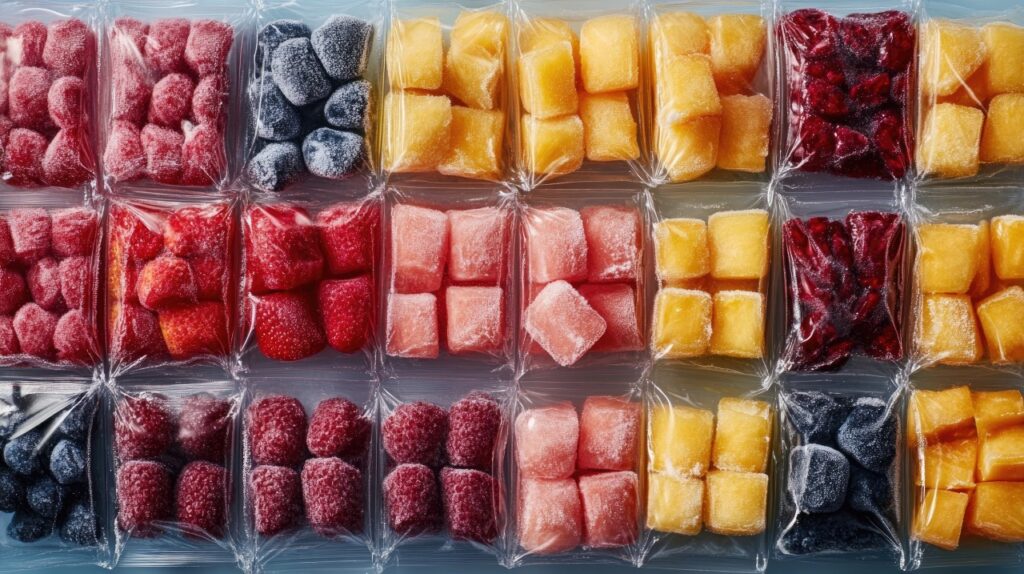
Another important factor behind frozen food pricing is the complex production process required to prepare and preserve these products. Freezing vegetables or prepared meals involves specialized equipment and controlled temperatures that lock in freshness shortly after harvest. While this process helps preserve quality, it also adds extra costs compared with simply selling fresh produce. Processing, blanching, packaging, and rapid freezing all require energy, labor, and advanced technology.
Packaging also plays a significant role in overall cost. Frozen foods must be sealed in materials that prevent freezer burn and protect quality during transport and storage. These packaging materials have become more expensive in recent years, especially as global supply chains experienced disruptions. Manufacturers must also account for strict temperature control during distribution, which requires refrigerated trucks and specialized storage facilities. All of these factors contribute to the final price consumers see in the grocery store.
Supply Chains and Global Pressures

Frozen food prices are also influenced by global economic pressures that extend far beyond the grocery store. Rising fuel costs, transportation disruptions, and increases in raw material prices have all affected the cost of producing and delivering frozen goods. Even when agricultural production remains stable, higher expenses for packaging, freight, and labor can push overall costs upward. For example, industry reports have noted that frozen vegetable prices have increased due to rising input costs and transportation expenses linked to global supply chain disruptions.
Energy costs are another major factor. Maintaining frozen temperatures requires continuous refrigeration from the moment food is processed until it reaches store shelves. This “cold chain” logistics system is energy-intensive and sensitive to changes in electricity and fuel prices. When those costs increase, companies often pass some of the burden along through smaller package sizes, slightly higher prices, or both. These global pressures mean that frozen foods are affected not only by farming conditions but also by broader economic forces that shape the entire food industry.
Why Frozen Foods Still Appeal to Shoppers
Despite these price challenges, frozen foods remain popular for several practical reasons. One of the biggest advantages is shelf life. Frozen vegetables and meals can last months without spoiling, which reduces food waste in households. Fresh produce, by contrast, often spoils quickly if not used right away. This longer storage time allows shoppers to buy in bulk and keep ingredients on hand without worrying about them going bad within a few days.
Frozen foods also offer convenience and consistent quality. Many vegetables are frozen soon after harvest, which helps preserve nutrients and flavor. In some cases, frozen produce can even be cheaper than fresh options depending on the season, since it is harvested at peak availability and stored for later distribution. For many households, the combination of convenience, reduced waste, and reliable availability keeps frozen foods an attractive choice even when prices fluctuate.