8 Bread Machine Recipes Every Beginner Should Try First

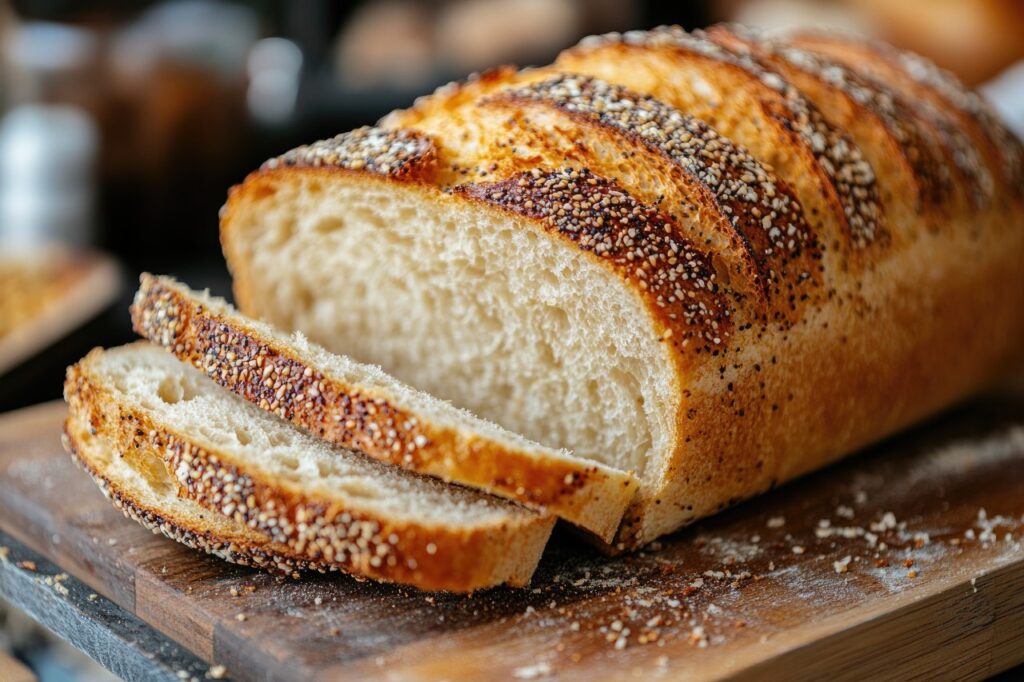
Bread machines remove much of the mystery from baking, but the first recipes you choose still matter. Starting with the right loaves helps you understand how dough behaves, how ingredients interact, and how your machine handles mixing, rising, and baking. Beginner-friendly recipes focus on balance and predictability rather than speed or shortcuts. They allow you to see how flour absorbs liquid, how yeast responds to warmth, and how small changes in ratios affect texture and rise. These breads are designed to build confidence gradually, moving from simple structures to richer, more complex doughs without overwhelming you.
1. Classic White Bread
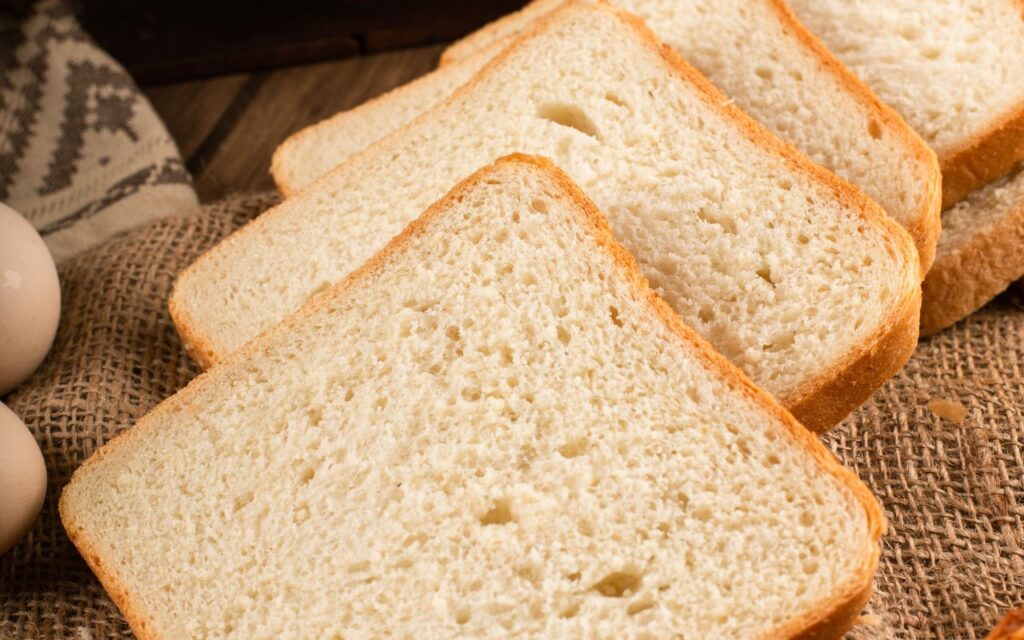
This is the recipe that teaches you how a bread machine really works. White bread relies on a simple balance of flour, water, yeast, fat, and salt, which makes it ideal for understanding mixing, kneading, rising, and baking cycles. Bread machines excel here because consistent temperature and timing help gluten develop evenly without guesswork. All-purpose or bread flour provides enough protein to create structure while still producing a soft crumb. Sugar feeds the yeast and adds mild sweetness, while oil or butter tenderizes the loaf. The dough should form a smooth, elastic ball during kneading. Too wet means collapse, too dry leads to a dense loaf.
2. Whole Wheat Bread
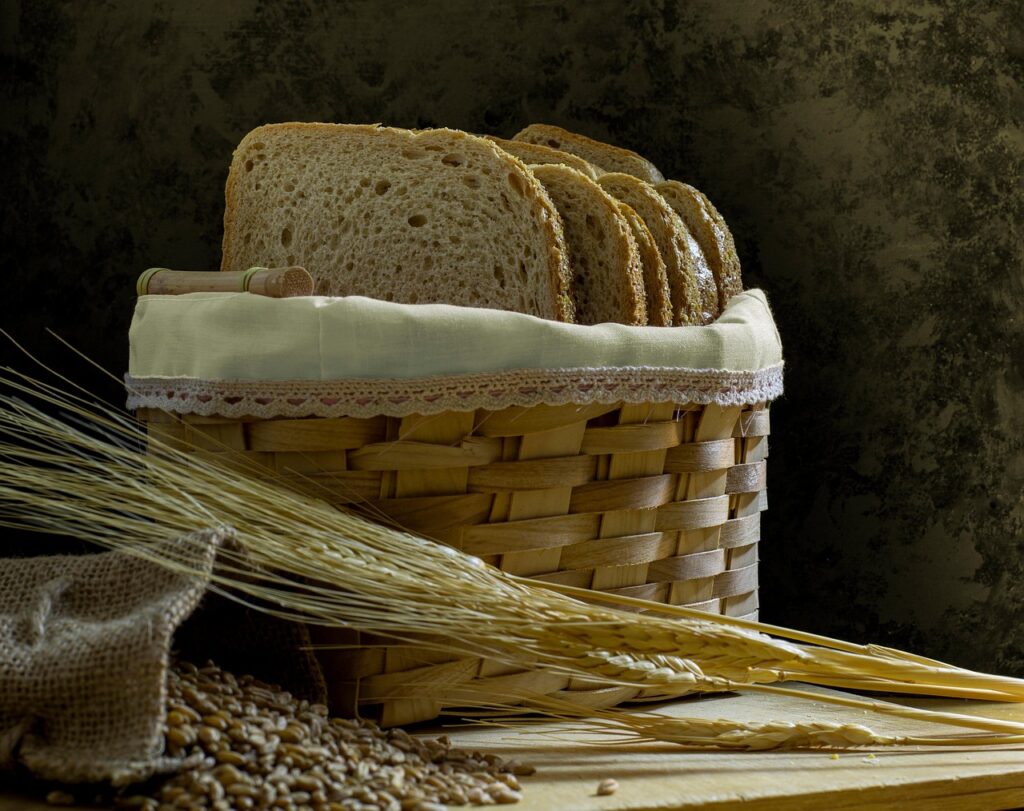
Whole wheat bread introduces complexity without being overwhelming. Unlike white flour, whole wheat contains bran and germ, which absorb more liquid and interfere slightly with gluten formation. This is why hydration matters more here. Bread machines handle this well by allowing longer kneading and steady fermentation. Many successful recipes blend whole wheat flour with a portion of bread flour to improve structure while retaining nutrition. Honey or molasses is often added to balance the natural bitterness of bran and support yeast activity. Expect a denser crumb than white bread, but not heaviness when done correctly.
3. Honey Oat Bread
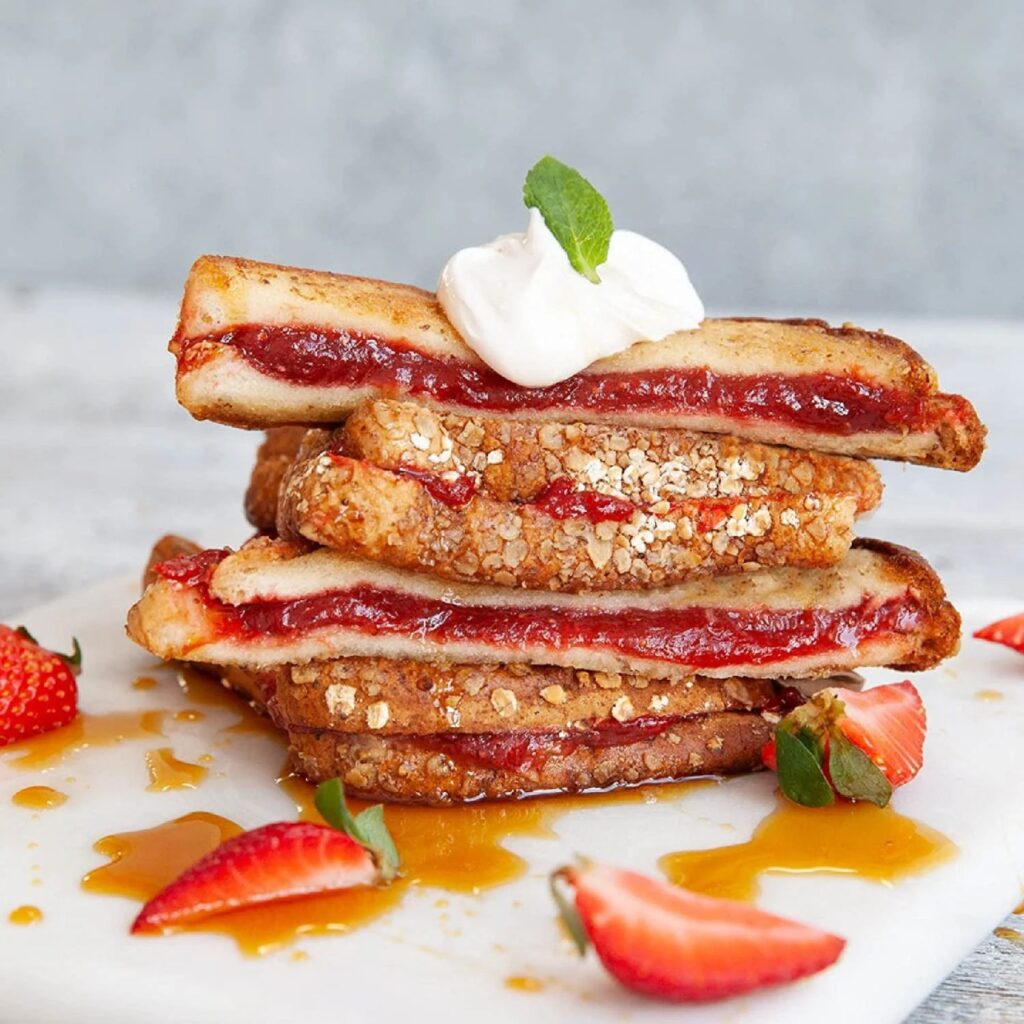
Honey oat bread is forgiving and beginner-friendly because oats soften during mixing and baking. Rolled oats absorb water slowly, which helps regulate moisture and prevent dryness. Honey contributes sweetness while also retaining moisture due to its hygroscopic nature. This combination produces a tender crumb that stays soft for days. Bread machines distribute oats evenly without overworking the dough, which is important since excess kneading can make oats gummy. This bread highlights how mix-ins behave differently than flour and why timing matters. It also teaches flavor balance, showing how mild sweetness enhances grain-based breads without overpowering them.
4. Cinnamon Raisin Bread

This bread introduces controlled sweetness and add-ins. Cinnamon adds warmth and aroma, but can inhibit yeast if added too early or in excess. Bread machines solve this by using delayed ingredient dispensers or by folding spices in after initial kneading. Raisins add natural sugar and moisture but must be evenly distributed to avoid sinking. The dough itself remains similar to white bread, which keeps the process approachable. Cinnamon raisin bread teaches beginners how sugar, spice, and inclusions affect fermentation and texture. The result is a soft, aromatic loaf that builds confidence with flavored breads.
5. Garlic Herb Bread
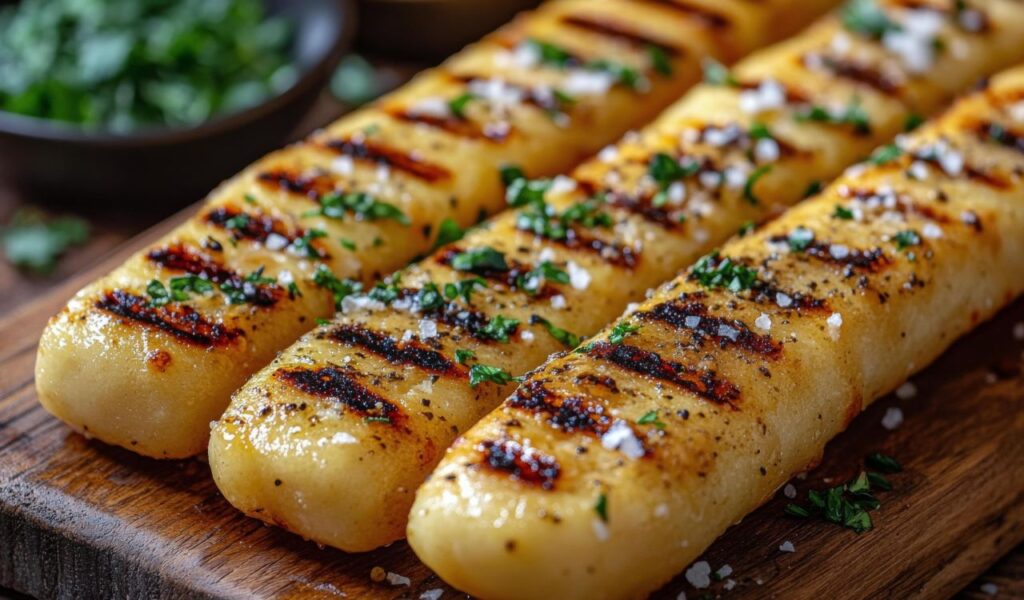
Savory breads require restraint rather than extra skill. Garlic and herbs add strong flavor, but too much can overwhelm the dough and slow yeast activity. Bread machines ensure even mixing so aromatics are dispersed rather than concentrated. Using dried herbs is often more reliable because they do not add excess moisture. Oil enhances flavor release and keeps the crumb tender. Garlic herb bread shows how seasoning interacts with yeast and why balance matters more than intensity. This recipe helps beginners move beyond sweet loaves into everyday table breads. Letting the loaf cool fully before slicing allows the herb oils to settle and the crumb to finish setting.
6. Banana Bread
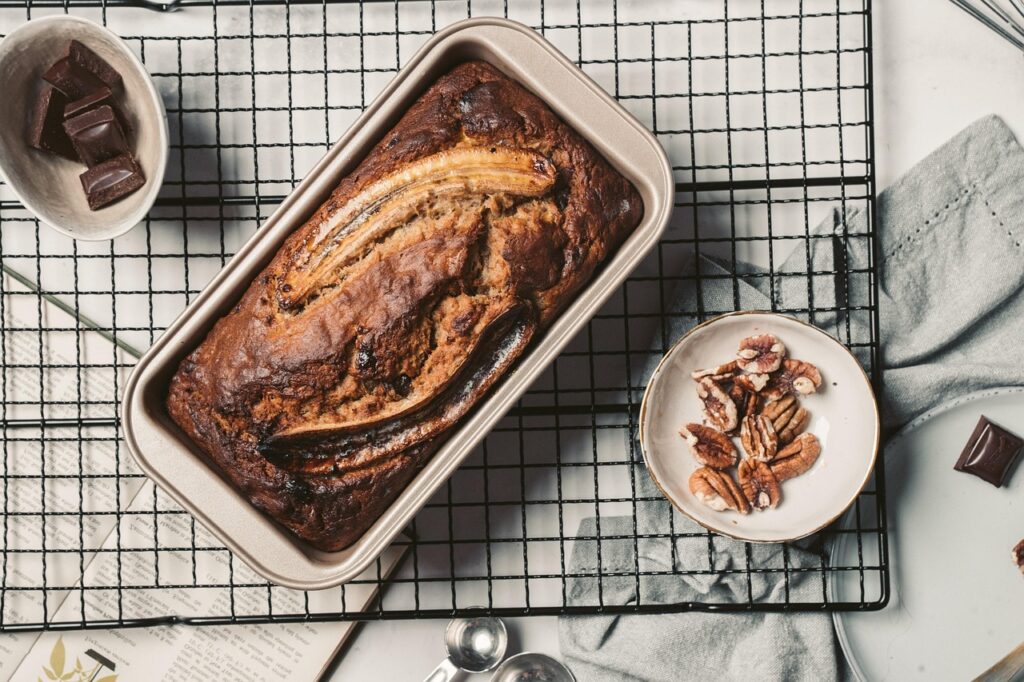
Banana bread in a bread machine demonstrates how quick bread principles adapt to automated baking. Unlike yeast breads, this recipe relies on baking soda or powder for the rise. Overripe bananas provide sweetness, moisture, and structure through natural sugars and starches. Bread machines mix the batter evenly without overworking it, which is important because gluten development is not desired here. The result is a moist loaf with a uniform crumb. This recipe teaches beginners the difference between yeast fermentation and chemical leavening while still using familiar equipment. Using very ripe bananas improves sweetness and texture without needing extra sugar or fat.
7. Pizza Dough
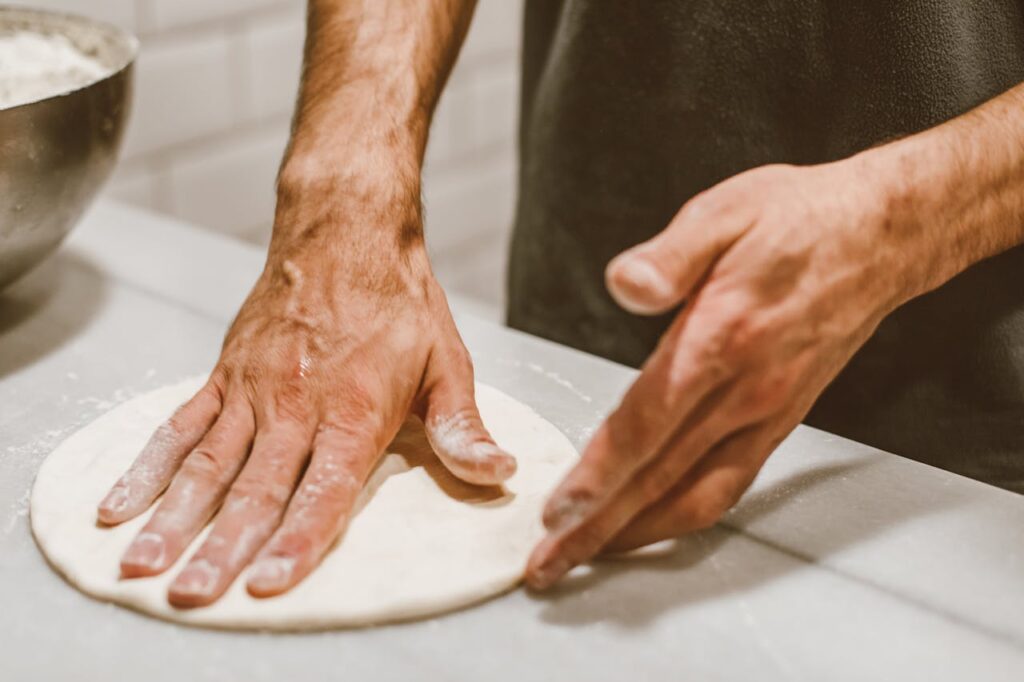
Pizza dough focuses on elasticity rather than baking. Bread machines shine here by kneading dough to the proper gluten strength without overheating it. Flour choice matters, as higher protein flour creates chew and structure. Water temperature influences yeast activity, while oil improves extensibility. After mixing and rising, the dough should stretch easily without tearing. This recipe teaches beginners how dough feels when properly developed and why resting improves handling. Pizza dough builds confidence for shaping, stretching, and adapting dough beyond the machine. A short rest after kneading relaxes the gluten further, making shaping noticeably easier.
8. Brioche
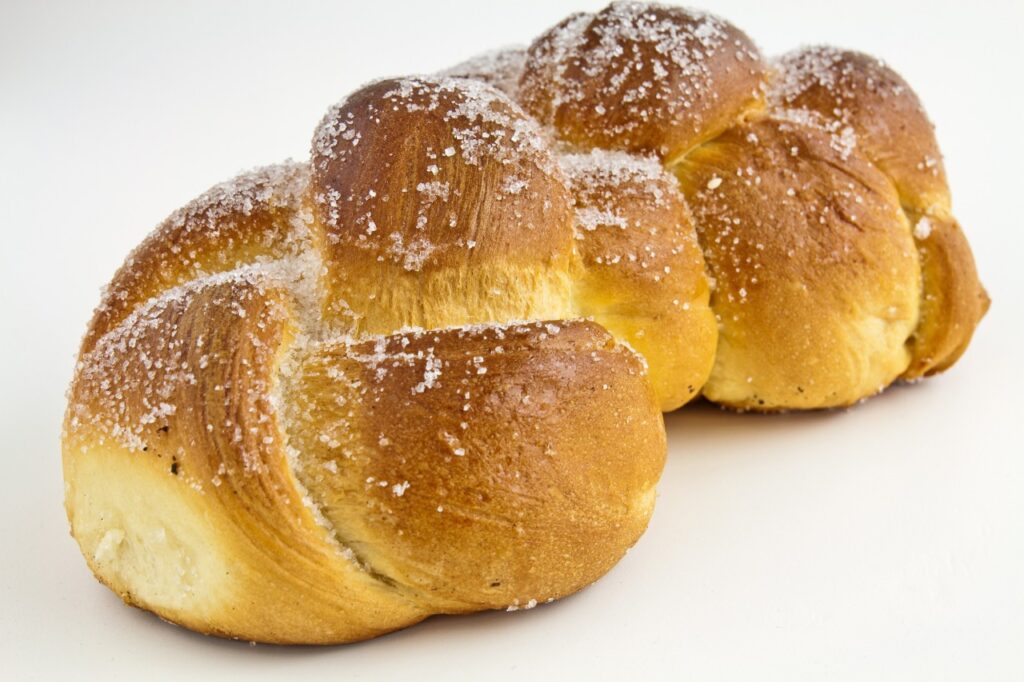
Brioche introduces enriched dough in a controlled way. Eggs, butter, and milk add richness but slow gluten formation and yeast activity. Bread machines handle this by maintaining steady warmth and extended kneading. Butter should be softened so it incorporates gradually rather than coating the flour too early. The dough will appear sticky at first, but becomes smooth as gluten develops. Brioche teaches patience and ingredient sequencing, two skills essential for advanced baking. The finished loaf is soft, rich, and structured, proving that beginners can handle complex doughs with the right method. Allowing the dough to rise fully is key, as enriched doughs need more time to develop proper volume.