8 Reasons Sous Vide Is Just Boiling Meat in a Plastic Bag

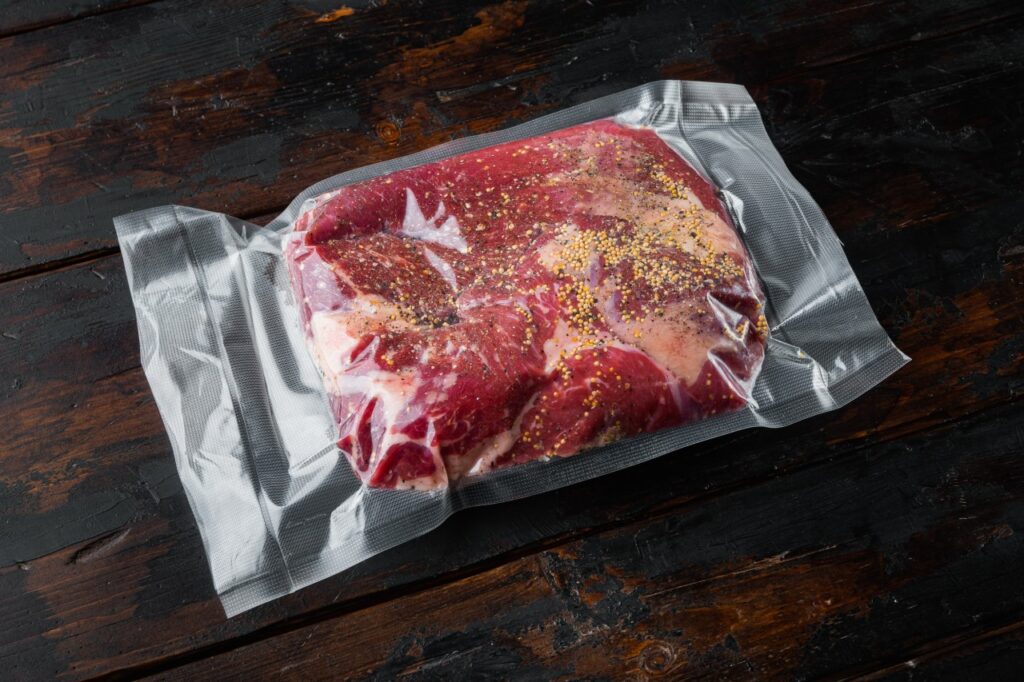
Few modern cooking methods spark as much debate as sous vide. To some, it represents precision and control. To others, it looks suspiciously simple, almost like meat resting quietly in warm water.
The sight can be confusing at first. A vacuum-sealed bag floats in a temperature-controlled bath, with no flames, no smoke, and no dramatic sizzle. Without the usual sensory cues, it is easy to question what is really happening.
But appearance and reality are not always the same. Understanding how heat moves, how proteins respond, and how flavor develops reveals a method that is more deliberate than it first appears. The criticism may sound sharp, yet the science tells a more nuanced story.
1. It Cooks in Water
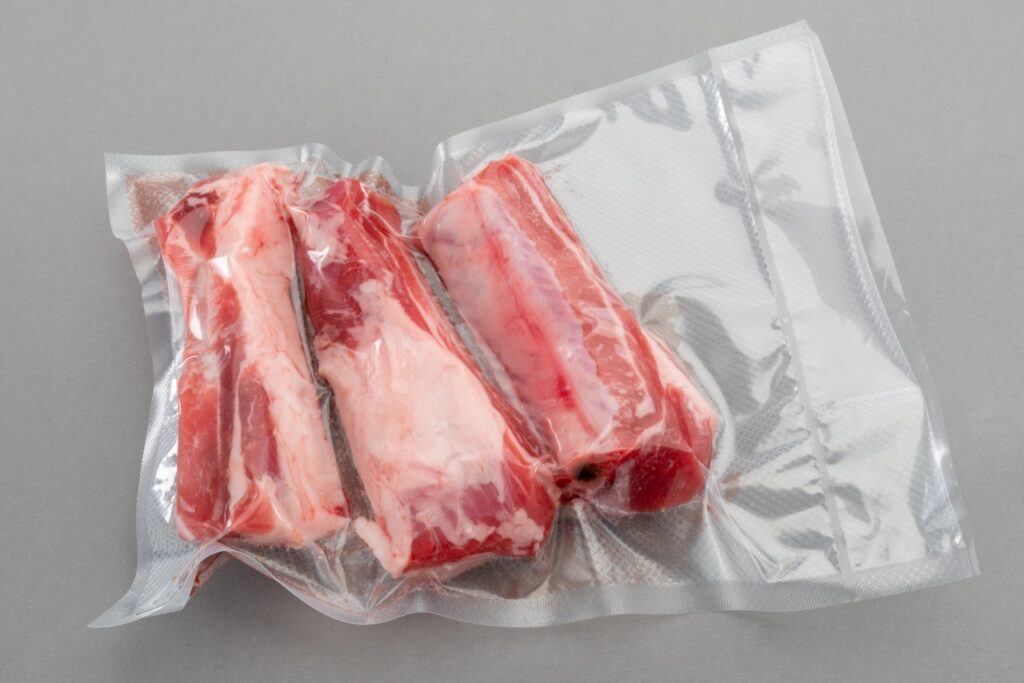
At first glance, sous vide looks like boiling. The food is submerged in water, and water is the medium transferring heat. For many cooks, that visual alone defines the technique. If it sits in water, it must be boiling, or at least very close to it.
In reality, sous vide water is usually held far below the boiling point. Steak might cook at 54 to 60°C, chicken around 60 to 65°C. Boiling requires 100°C at sea level. The method relies on precise temperature control, not aggressive bubbling heat.
Still, critics focus on the medium itself. Because water surrounds the bag completely, heat moves efficiently and evenly. The distinction lies in control and temperature range, but visually, the presence of water makes the comparison easy to draw.
2. The Food Is Sealed in Plastic
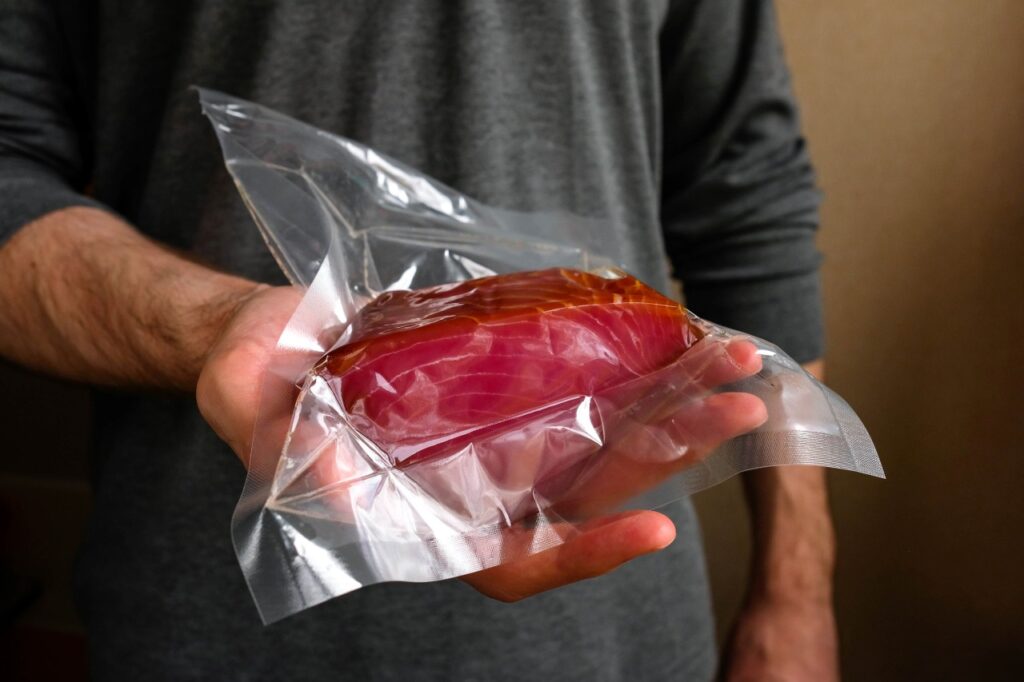
One of the strongest reactions to sous vide has little to do with taste. It is about appearance. Meat sealed in a plastic pouch feels more like packaging than cooking, especially to those used to open flames and cast iron pans.
The bags are food grade and designed to withstand steady heat at sous vide temperatures. They are typically free from harmful plasticizers and remain stable within the method’s range. Still, heating food inside plastic creates discomfort for some cooks.
Because the bag is airtight, juices stay trapped inside. There is no contact with air or direct heat. To critics, this sealed setting reinforces the idea that the food is gently warmed in water rather than actively cooked.
3. There’s No Direct Flame or Sear
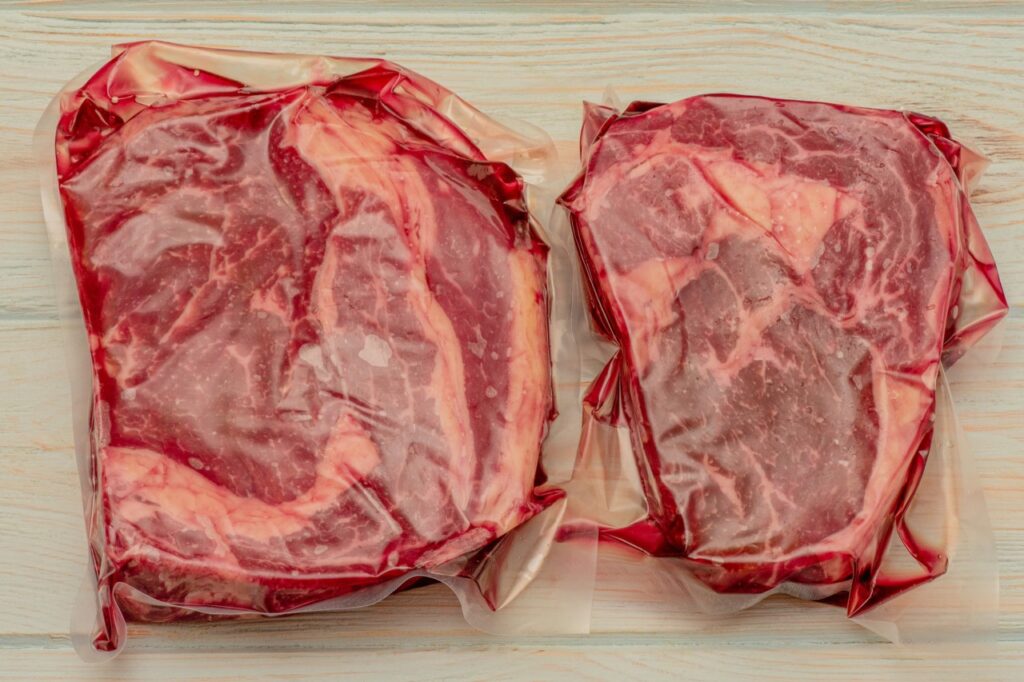
Traditional cooking often comes with sound and spectacle. Flames lick the surface of meat, pans hiss, and fat crackles. Sous vide removes that theater. During the water bath phase, there is no browning and no visible transformation on the surface.
Without direct flame or radiant heat, the meat cooks purely through conduction from the surrounding water. That quiet, controlled environment lacks the sensory cues people associate with cooking, such as aroma from browning or the visual darkening of a crust.
Although most proteins are seared afterward, critics argue that the primary cooking stage lacks intensity. To them, the absence of fire or hot metal makes the process feel passive, more like controlled heating than traditional culinary technique.
4. The Texture Can Be Uniform
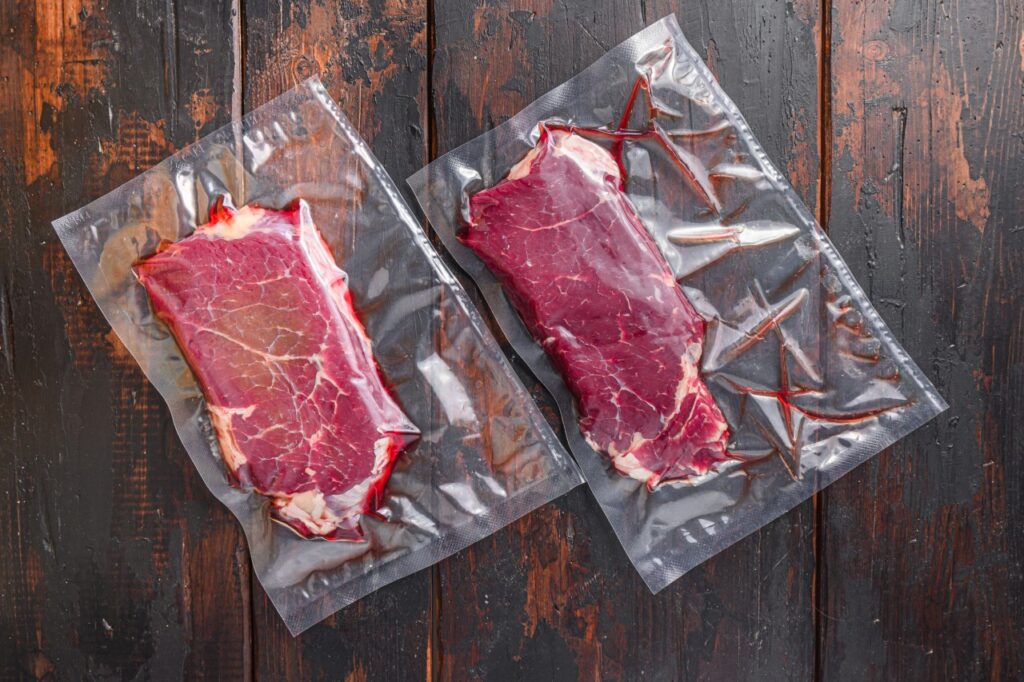
Sous vide is known for edge to edge doneness. A steak cooked to medium rare in a water bath will be medium rare from surface to center. There is no gradient of doneness, no outer band of gray around a pink core.
For some diners, this uniformity feels unfamiliar. Grilling and roasting naturally create layers of texture, with firmer edges and softer interiors. That variation is part of what many people expect from cooked meat.
When texture is consistent throughout, it can resemble gently poached food. The softness is not from boiling but from controlled temperature. Still, the absence of contrasting layers leads some to compare it to meat that has been simply heated in water.
5. It Relies on Precise Temperature Like Pasteurization
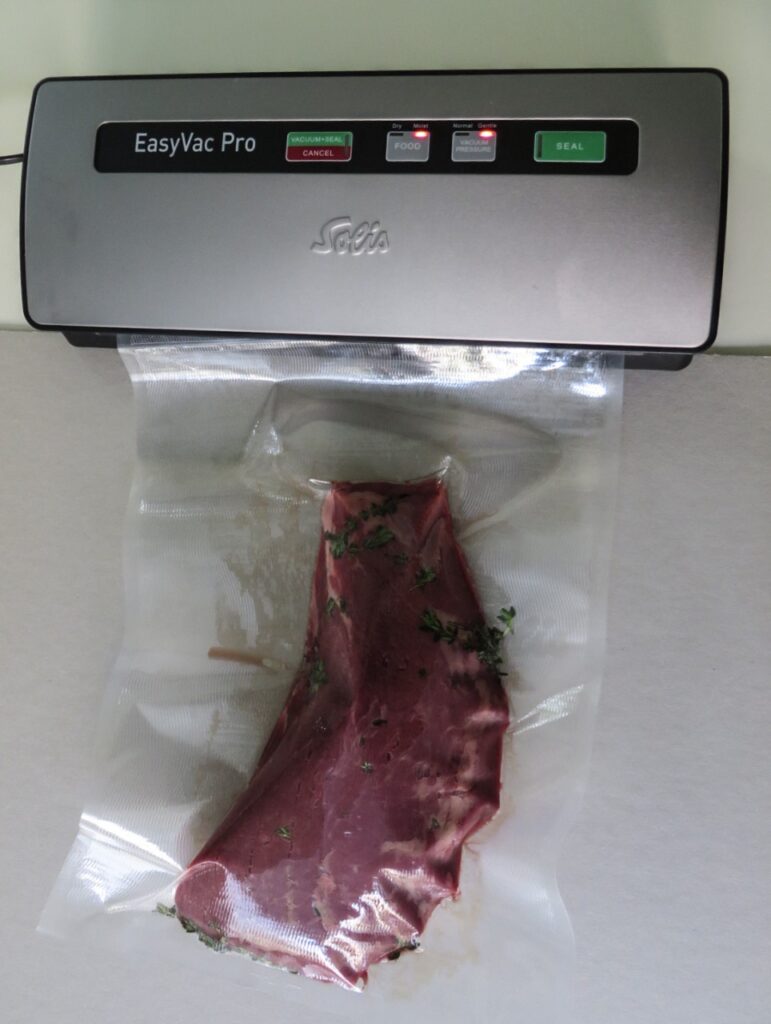
Sous vide depends on exact temperature control, often within a fraction of a degree. Immersion circulators constantly monitor and adjust the water bath to maintain stability. This level of precision feels technical and laboratory like to some observers.
The method also uses time and temperature combinations similar to pasteurization guidelines. Holding food at specific temperatures for extended periods can reduce harmful bacteria, which reinforces the scientific image of the technique.
Because it resembles controlled food processing, critics sometimes see it as mechanical rather than culinary. The reliance on equipment and charts gives the impression that it is more about calibration than craft.
6. Flavor Development Happens Separately
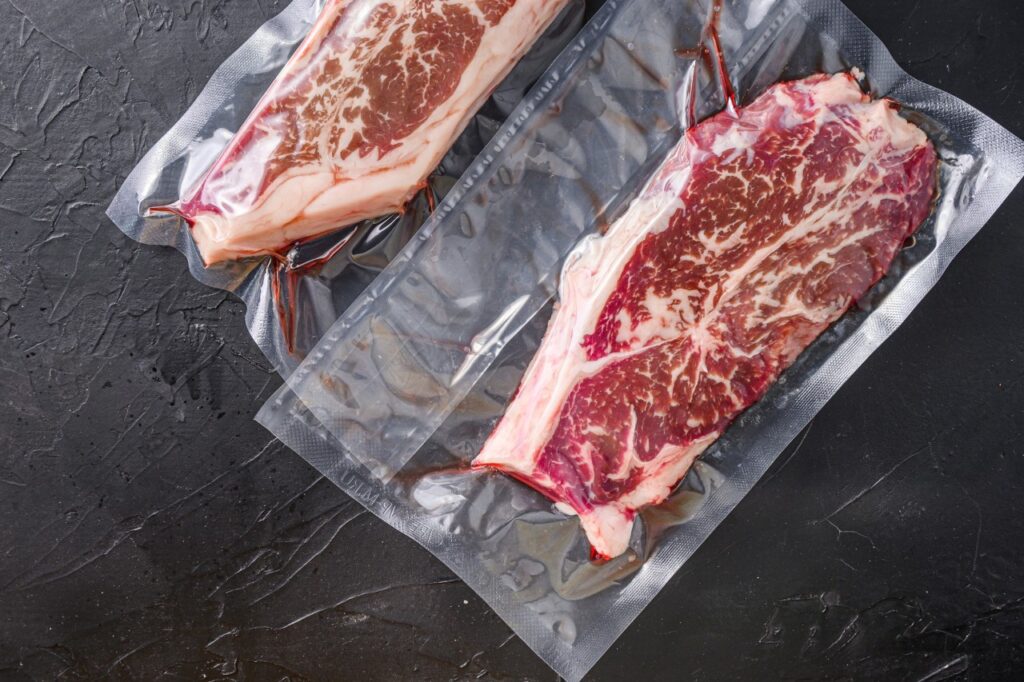
In sous vide cooking, browning does not occur during the water bath stage. The environment is moist and temperature controlled, which prevents the Maillard reaction from taking place. As a result, most meats are seared quickly after they are removed from the bag.
This separation of cooking and browning leads some to question the method. If flavor building happens later in a hot pan, they argue that the water bath is simply preparing the meat rather than truly cooking it.
Technically, the water bath fully cooks the interior to the desired doneness. The final sear adds aroma, color, and surface texture. Still, because these steps are divided, critics view the first stage as little more than controlled warming.
7. It Minimizes Evaporation
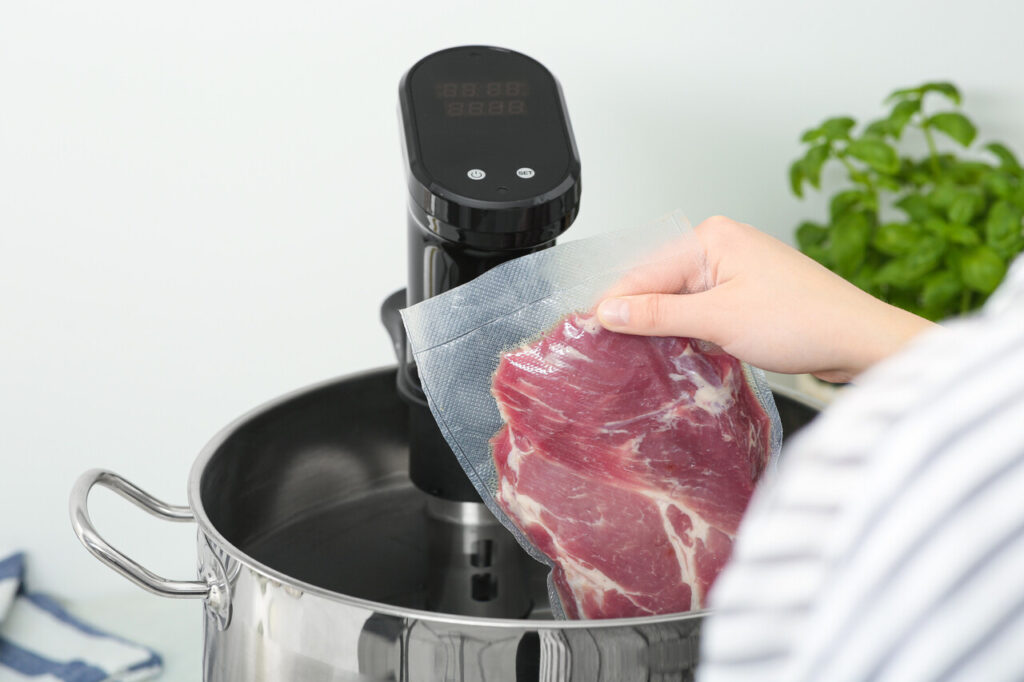
Open-air cooking methods allow moisture to escape as steam. Roasting and grilling encourage evaporation, which concentrates flavor but can also dry the surface. Sous vide prevents this by sealing food inside an airtight pouch.
With no direct exposure to air, evaporation is minimal. The moisture released from the meat remains in the bag. This creates a consistently humid environment around the food.
To skeptics, this sealed and moist setting resembles gentle boiling. Even though temperatures are lower and carefully managed, the lack of evaporation contributes to the perception that the food is simply sitting in warm water.
8. The Process Looks Unconventional
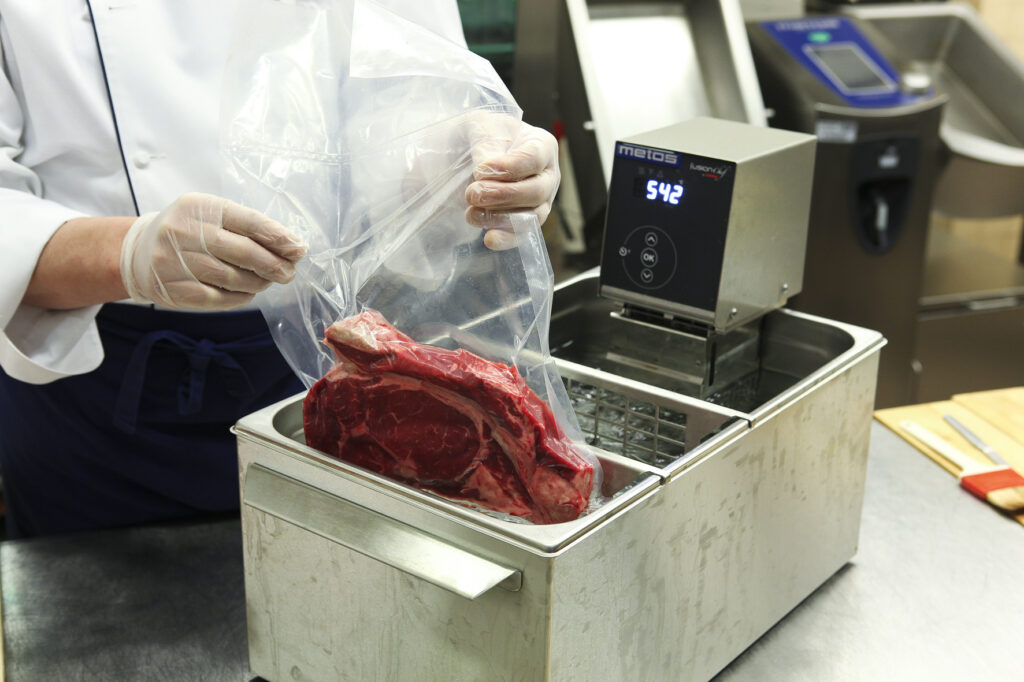
Few cooking methods look as unusual as sous vide. Instead of smoke, flames, or oven racks, there is a container of circulating water with vacuum sealed food submerged inside. The visual breaks from centuries of culinary tradition.
There are no visible grill marks forming and no browning during the main cooking phase. The transformation is internal and invisible, which can make the process seem inactive or incomplete.
For those unfamiliar with the science, the sight of meat floating quietly in water invites comparison to boiling. The technique may be precise and deliberate, but its appearance challenges expectations, making the criticism easy to understand.