9 Classic Martini Recipes from Dry to Dirty and Savory


The martini is a study in simplicity, yet its variations reveal just how flexible that simplicity can be. By adjusting ratios, spirits, garnishes, and technique, a martini can shift from bone dry and sharp to rich, savory, and indulgent. These classic styles have endured because they emphasize balance, temperature, and ingredient quality rather than excess. Understanding how each version works deepens appreciation for the craft behind the drink. It explains why the martini remains one of the most respected and enduring cocktails in the world today.
1. Classic Dry Martini

The dry martini is often described as the purest expression of the drink, and that reputation comes from its restraint. At its core, it is about chilled gin and a measured touch of dry vermouth, stirred until silky and served without distraction. The word dry refers to the reduced amount of vermouth, which allows the botanicals in the gin to take center stage. Balance is critical here. Too much vermouth softens the drink, while too little can make it feel sharp. The dry martini rewards careful technique, cold temperature, and quality spirits, which is why it remains a benchmark for bartenders and cocktail lovers alike.
2. Extra Dry Martini

An extra dry martini pushes minimalism even further by reducing vermouth to a whisper. In some versions, vermouth is rinsed from the glass and discarded, leaving gin as the dominant force. This style appeals to those who prefer a crisp, spirit-forward drink with little softness. Because there is nowhere to hide, the quality of the gin matters enormously. Poor balance or harsh alcohol becomes immediately noticeable. Served very cold, the extra dry martini highlights texture and clarity rather than complexity. It is often garnished with a lemon twist to add aromatic lift without altering the structure.
3. 50 50 Martini

The 50 50 martini takes a very different approach by giving vermouth equal footing with gin. This creates a lighter, more aromatic drink that feels softer and more rounded on the palate. The higher vermouth content introduces herbal, floral, and slightly bitter notes that change how the cocktail evolves as it warms. This style is often preferred as an early evening drink because it is lower in alcohol and more forgiving. Fresh vermouth is essential, since its flavor plays a starring role. When made well, the 50 50 martini feels balanced and elegant rather than diluted, offering complexity without intensity.
4. Wet Martini

A wet martini increases the proportion of vermouth beyond standard ratios, resulting in a smoother and more expressive cocktail. This version emphasizes the wine-like qualities of vermouth, allowing its botanicals to mingle more openly with the base spirit. Wet martinis tend to feel more rounded and less austere than dry versions. They are often favored by drinkers who appreciate herbal depth and a slightly softer mouthfeel. Because vermouth is more perishable than spirits, freshness again becomes critical. A wet martini rewards careful storage and proper chilling, delivering a drink that feels deliberate rather than heavy.
5. Gibson Martini

The Gibson martini stands apart not because of its structure, but because of its garnish. Instead of an olive or lemon twist, it uses a pickled pearl onion. That single choice transforms the drink’s personality. The onion adds a mild sweetness and savory edge that shifts the martini into more umami territory. Traditionally made with gin and dry vermouth, the Gibson benefits from balance, since too much onion brine can overwhelm the drink. When done correctly, the garnish complements rather than dominates. The Gibson is often chosen by drinkers who enjoy subtle savory notes without committing to a fully dirty martini.
6. Dirty Martini

The dirty martini introduces olive brine into the mix, adding saltiness and richness that dramatically change the drink’s profile. This version appeals to those who enjoy savory flavors and a fuller mouthfeel. The amount of brine determines how dirty the martini becomes, ranging from lightly seasoned to boldly briny. Vodka is often used, but gin remains a popular choice for added complexity. Because salt amplifies flavor, balance is essential to prevent the drink from tasting flat or overly sharp. When properly chilled and proportioned, the dirty martini feels indulgent and satisfying rather than harsh.
7. Vesper Martini

The Vesper martini is stronger and more assertive than most classic variations. It combines gin and vodka with a fortified wine, traditionally shaken and served with a lemon twist. This structure creates a powerful drink with both botanical depth and clean alcohol presence. The choice of fortified wine influences sweetness and texture, making balance especially important. Unlike traditional martinis, the Vesper is designed to be bold rather than restrained. Its popularity comes from its distinctive character and historical association, but it also demands careful execution. When made thoughtfully, it delivers intensity without chaos.
8. Reverse Martini
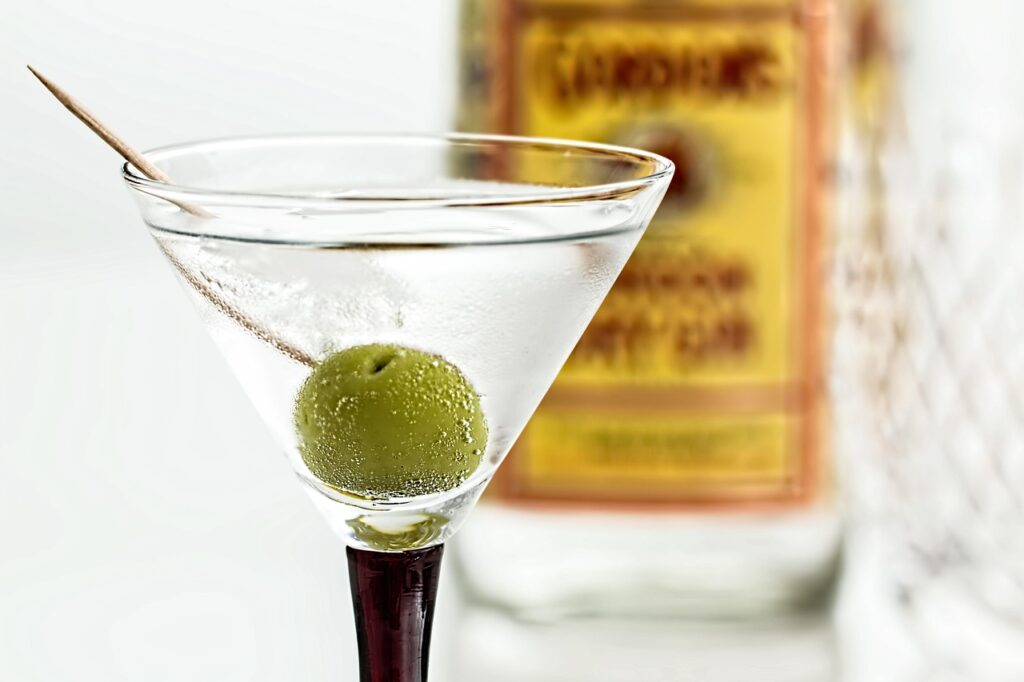
The reverse martini flips the traditional ratio by making vermouth the primary ingredient and spirit the secondary one. This creates a lighter, more aromatic drink that highlights vermouth’s complexity. Reverse martinis are often enjoyed as aperitifs because they stimulate the palate without overwhelming it. The reduced alcohol content makes them versatile and approachable, especially for longer evenings, as with other vermouth-forward styles, freshness and quality are non-negotiable. A well-made reverse martini feels intentional and nuanced, proving that less alcohol does not mean less flavor.
9. Freezer Martini

The freezer martini is less about recipe and more about preparation. By batching spirits and vermouth and storing them in the freezer, the drink is served extremely cold without dilution from ice. This method creates a silky texture and consistent result every time. Because dilution is controlled in advance, precise measurements are essential. The freezer martini is popular for entertaining because it simplifies service while maintaining quality. It also emphasizes the importance of temperature in martini enjoyment. When properly balanced, this version feels clean, polished, and effortlessly refined.