How the Drive-Thru Quietly Became the Most Profitable Real Estate in American Food

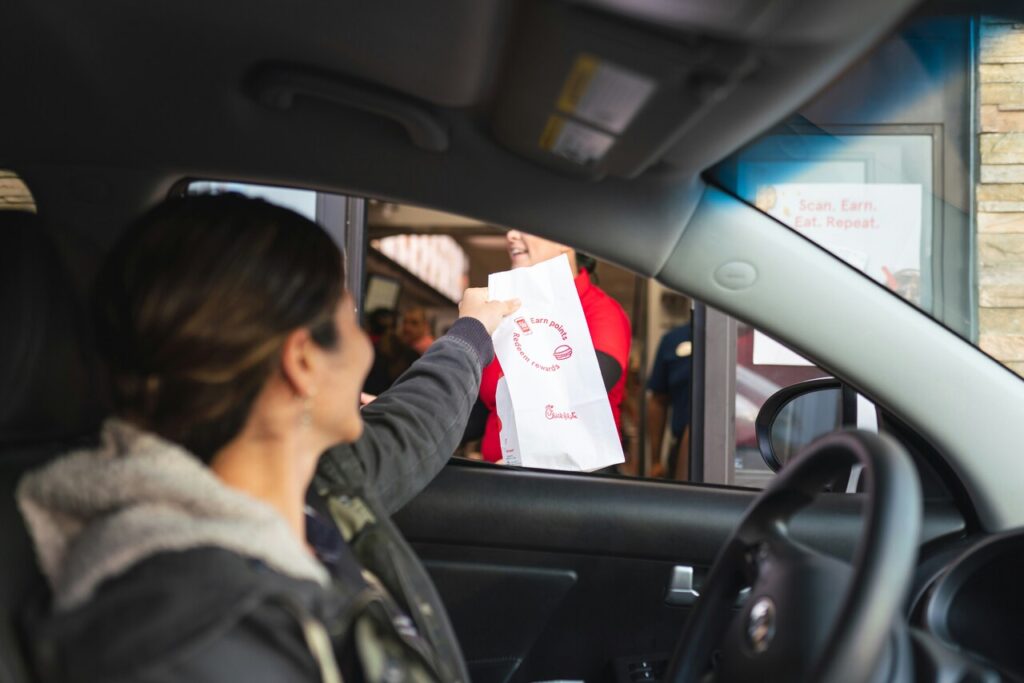
What appears to be a simple lane for quick orders has quietly evolved into one of the most valuable assets in the fast food industry, because drive-thrus combine speed, efficiency, and strategic location advantages to generate higher margins than traditional dining formats, while also aligning with changing consumer habits that prioritize convenience, minimal wait times, and seamless service, turning each outlet into a high-performing space where real estate, operations, and demand intersect to drive consistent and scalable profitability.
The Real Estate Secret
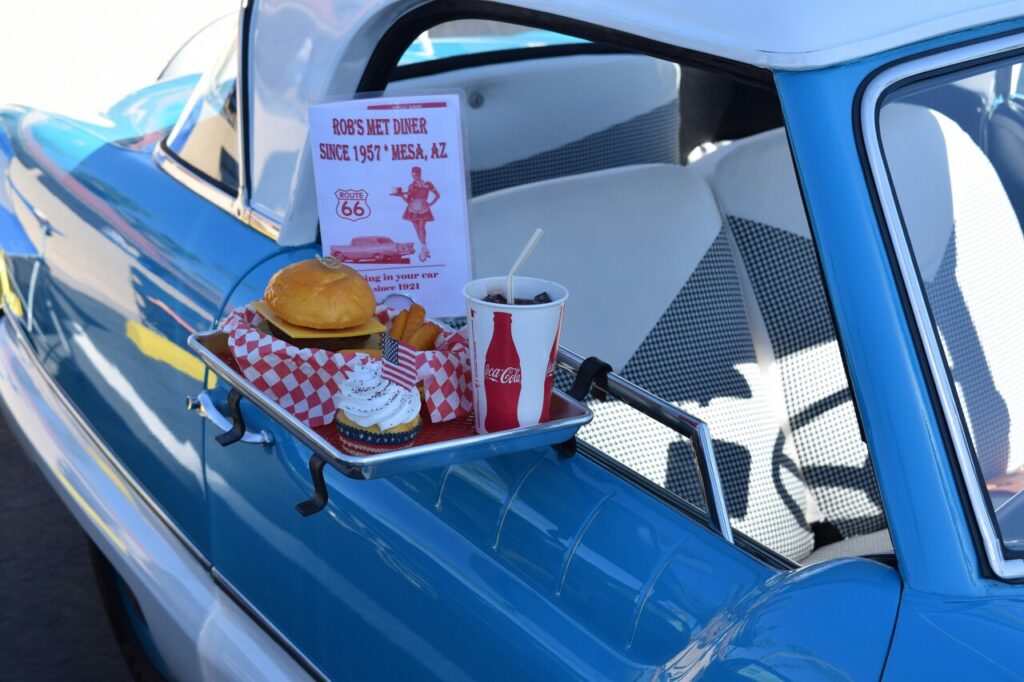
What looks like a food business on the surface is often built on a far more stable foundation, because major fast food chains generate a significant portion of their profits not from selling meals but from owning and leasing the land beneath their restaurants. This model allows companies to secure long-term control over prime locations while creating predictable income streams that are less sensitive to daily fluctuations in food sales. The land itself becomes a long-term appreciating asset. This shifts the business from purely operational to asset-driven. It also provides financial security during slower sales periods.
Ownership of land and buildings gives these companies leverage over franchise operators, as they can charge rent in addition to collecting royalties, creating multiple layers of revenue from a single location. This structure ensures that even if a specific outlet underperforms in sales, the company continues to earn through its real estate agreements. The model distributes operational risk to franchisees. It allows the parent company to maintain steady returns. Over time, this approach strengthens overall profitability. It also creates a consistent financial relationship between franchisor and operator.
This approach transforms restaurant chains into real estate powerhouses, where location selection and property control become as important as menu design. The consistency of rental income, combined with brand expansion, creates a system that scales efficiently. As more outlets open, the real estate portfolio grows alongside the brand. This dual growth model reinforces long-term value. It also makes expansion more strategic and calculated. The result is a business that thrives on both property and product. Over time, this balance strengthens market dominance. It also allows companies to withstand industry fluctuations.
The Franchise Machine
At the heart of fast food expansion lies a system designed to grow rapidly while limiting direct operational burden, because franchising allows companies to scale across regions without managing every individual outlet. This model enables brands to expand quickly while relying on local operators to handle daily operations. It reduces the need for centralized management. It also encourages entrepreneurial investment at the local level. This combination accelerates growth across diverse markets. It creates a network of motivated business owners. This strengthens the brand’s presence in different regions.
Franchise agreements typically require operators to pay both royalties on sales and rent for the property, creating a layered revenue structure that benefits the parent company regardless of individual store performance. These payments ensure that the brand earns from both the business activity and the physical location. This dual income stream increases financial resilience. It also creates predictable revenue patterns. Even during slower periods, income remains relatively stable. This consistency supports long-term planning. It also allows companies to forecast earnings with greater accuracy.
By transferring operational risks such as labor costs, supply management, and local competition to franchisees, companies can focus on brand development, real estate strategy, and system optimization. This division of responsibility allows the core business to remain lean and focused. It also enables faster adaptation to market trends. Franchisees handle the variability of operations. The parent company concentrates on scaling the system. This balance drives sustained expansion. It also encourages innovation at both levels. Franchisees experiment with local strategies. The central brand refines the overall model.
The Rise of the Drive-Thru
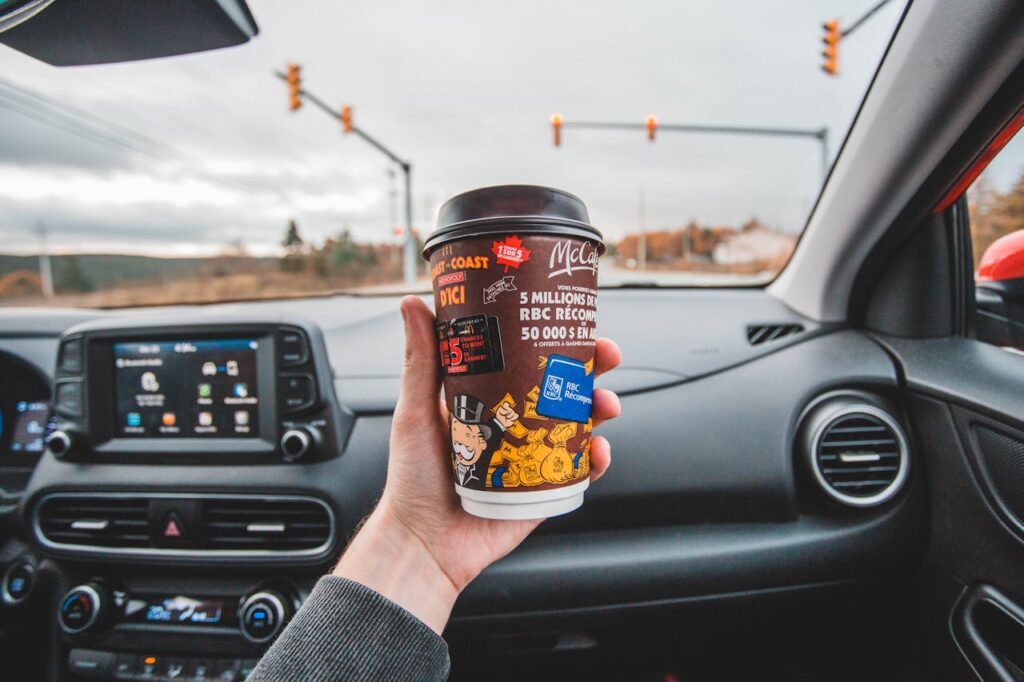
A quiet shift in consumer habits has reshaped the fast food industry, as convenience has become a primary driver of where and how people choose to eat. The drive-thru emerged as a response to this demand, offering speed and accessibility without requiring customers to leave their vehicles. This format aligns with increasingly busy lifestyles. It reduces friction in the purchasing process. It also appeals to a wide range of customers seeking quick service. Over time, it has become a central feature of fast food operations. Consumers increasingly value time savings over dining experience. This trend continues to influence design and service models.
The growth of car-dependent infrastructure in many regions has further supported the expansion of drive-thru services, making them a natural fit for modern urban and suburban environments. As commuting patterns evolved, so did expectations around food access. Consumers began to prioritize convenience over traditional dining experiences. This shift encouraged brands to invest more heavily in drive-thru capabilities. It also changed how locations were designed and selected. Roadside visibility became more important than interior ambiance. Accessibility for vehicles became a key consideration. The built environment itself supported this transformation.
What began as an added feature has now become a dominant sales channel, with many locations generating the majority of their revenue through drive-thru orders. This transition reflects broader changes in consumer behavior. It highlights the importance of speed and efficiency in food service. Businesses that adapted early gained a competitive advantage. Those that followed had to quickly redesign their operations. The drive-thru has since become a defining element of the industry. It now shapes staffing, layout, and workflow decisions. It also influences menu design and pricing strategies. The entire business model aligns around this channel.
Location Defines Value
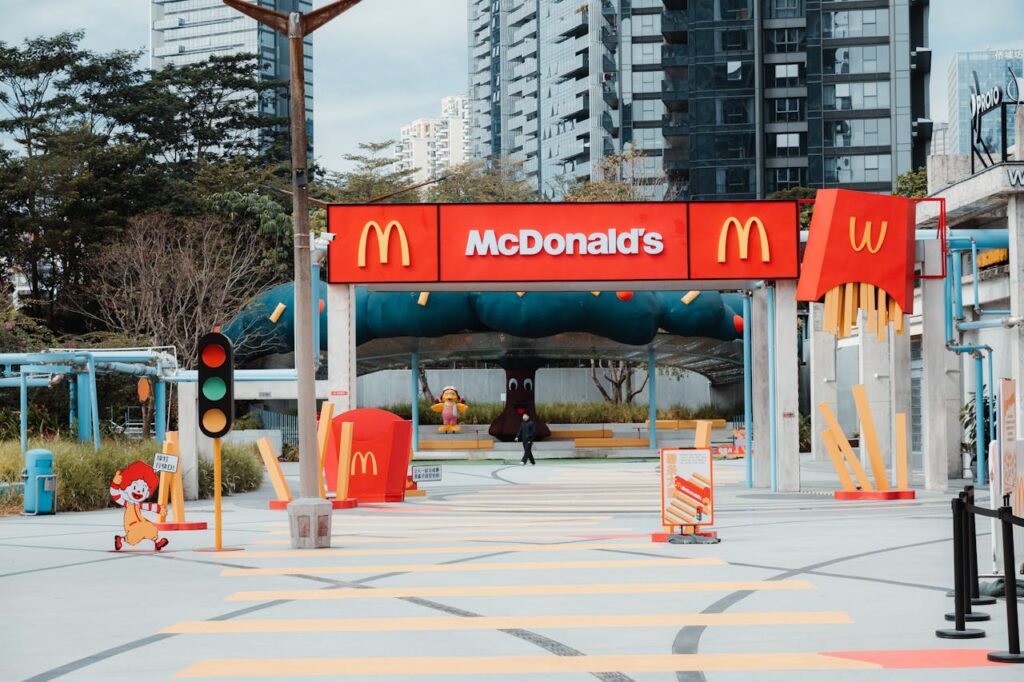
Success in fast food often starts with where a restaurant is placed, because high visibility and easy access can significantly influence customer volume and overall performance. Locations near busy intersections, highways, and commercial zones attract consistent traffic throughout the day. These areas provide a steady flow of potential customers. They also increase brand exposure. The right location can drive both impulse visits and repeat business. This makes site selection a critical strategic decision. High traffic areas ensure constant visibility. Accessibility directly impacts daily sales volume.
Careful analysis goes into choosing these sites, as companies consider factors such as traffic patterns, population density, and surrounding businesses to maximize potential returns. Data plays a key role in identifying optimal locations. It helps predict customer behavior and demand. Companies invest heavily in understanding these variables. This reduces the risk of underperforming outlets. It also ensures that each new location contributes effectively to the network. Advanced analytics guide these decisions. Historical data support accurate forecasting. Site selection becomes a data-driven process. This increases the likelihood of success.
Owning or controlling these prime locations further enhances value, as the land itself appreciates while continuing to generate income through operations and leasing. This creates a dual benefit of immediate revenue and long-term asset growth. The property becomes a strategic advantage. It strengthens the company’s market position. Over time, this approach builds a valuable portfolio. The importance of location extends beyond the restaurant itself. It influences long-term financial stability. Real estate ownership adds to the overall company valuation. The asset grows alongside the brand. This reinforces the importance of strategic placement.
The Economics of the Lane
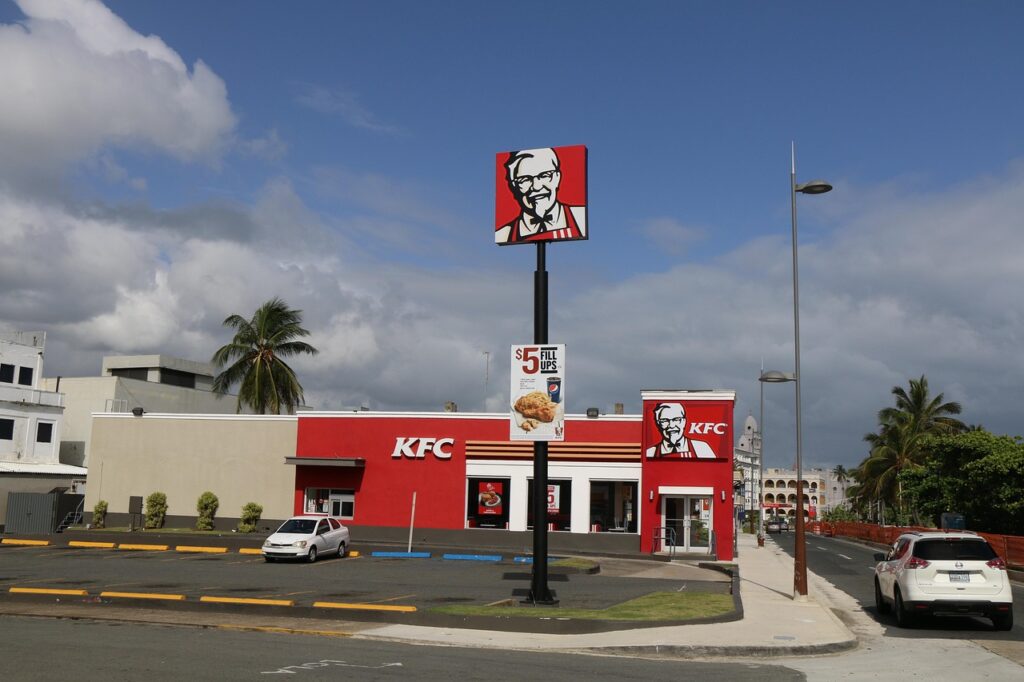
The drive-thru lane is more than a convenience feature because it often delivers higher profit margins compared to traditional dine-in service by increasing order volume while reducing operational complexity. Customers tend to make quicker decisions when ordering from their cars. This leads to faster transaction times. It also allows more orders to be processed within a given period. Higher throughput directly contributes to increased revenue. Shorter interactions reduce service delays. This improves overall efficiency. It maximizes output during peak hours. This consistent flow helps maintain steady revenue throughout the day.
Operating a drive-thru typically requires less dining space and fewer front-of-house staff, which helps lower overhead costs while maintaining high sales levels. Smaller dining areas reduce real estate and maintenance expenses. Staffing needs are also more streamlined. This improves overall efficiency. Businesses can allocate resources more effectively. The result is a cost structure that supports stronger margins. Reduced indoor space lowers utility costs. Cleaning and upkeep become simpler. Labor can be focused on order fulfillment. This lean structure allows businesses to operate more efficiently even during slower periods.
The combination of speed, efficiency, and reduced costs makes the drive-thru one of the most profitable components of modern fast food operations. It allows businesses to serve more customers with fewer resources. This efficiency translates into higher returns per location. The model also supports scalability across different markets. As demand for convenience continues to grow, the value of the drive-thru lane increases. Profitability improves with optimized systems. Consistent performance strengthens financial outcomes. Businesses can replicate this model easily. This scalability makes it a reliable model for long term growth.
The Pandemic Acceleration
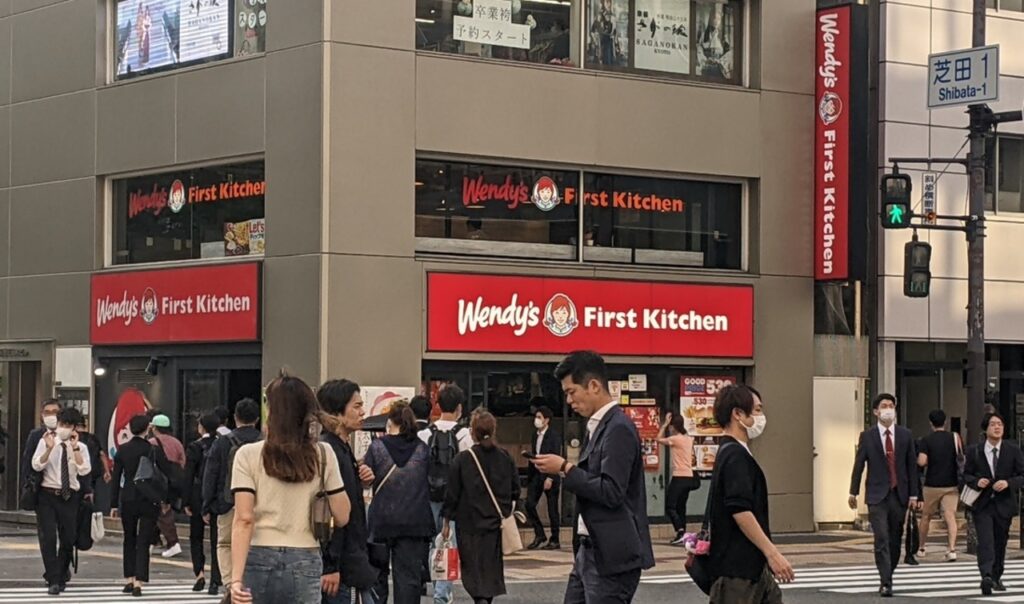
The global pandemic acted as a turning point for the fast food industry, as restrictions on indoor dining pushed both businesses and consumers toward alternatives that minimized physical contact. Drive-thru services quickly became a primary channel for maintaining operations during this period. They allowed restaurants to continue serving customers safely. This ensured continuity of revenue streams. It also reinforced the importance of flexible service models. Businesses adapted rapidly to changing conditions. Safety became a key priority in operations. The experience reshaped expectations around convenience and safety.
Consumer behavior shifted rapidly, with many people becoming accustomed to ordering food without leaving their vehicles or entering a restaurant. This change was driven by both necessity and convenience. Over time, it evolved into a preference rather than a temporary adjustment. Businesses responded by enhancing their drive-thru capabilities. This included improving speed and integrating digital ordering systems. Customers began to expect faster service. Digital tools became more widely adopted. Convenience turned into a standard expectation. This shift reinforced the importance of efficiency in service design.
Even after restrictions eased, the habits formed during this period persisted, leading to sustained demand for drive-thru services and influencing long-term business strategies. Companies began to redesign locations with a stronger focus on drive-thru efficiency. This shift reflected a broader change in how people interact with food service. The pandemic accelerated trends that were already emerging. It solidified the drive-thru as a central part of the industry. Long-term investments followed this shift. Businesses prioritized adaptable infrastructure. This lasting impact continues to shape future expansion plans.
The New Store Blueprint
Modern fast food restaurants are being redesigned with a clear priority in mind, as the drive-thru now shapes the entire layout and functionality of new locations. Dining areas are becoming smaller while drive-thru lanes are expanded to handle higher volumes of traffic. This reflects a shift in how space is utilized. It prioritizes efficiency over traditional seating. The design supports faster service and increased throughput. Space allocation focuses on operational flow. Interior seating becomes secondary. Layouts are optimized for movement and speed. The physical structure now reflects changing customer behavior.
Technology plays a crucial role in this transformation, with digital ordering systems, menu boards, and automated processes streamlining the customer experience from entry to pickup. These tools reduce wait times and improve accuracy. They also allow for better management of order flow. Integration with mobile apps further enhances convenience. This creates a seamless experience for customers. Automation reduces human error. Real-time data improves decision-making. Systems adapt to demand fluctuations. Technology becomes central to operations. These advancements enable faster and more consistent service delivery.
The result is a new type of restaurant that functions more like a distribution hub than a traditional dining space, optimized for speed, efficiency, and high volume service. This model aligns with changing consumer expectations. It supports continued growth in drive-thru usage. Businesses can serve more customers without expanding their physical footprint significantly. The future of fast food is increasingly shaped by this evolving blueprint. Operational efficiency becomes the main focus. Space is used with clear intent. The model supports rapid service delivery. It defines the next phase of industry growth.