11 Foods Americans Waste the Most Without Even Realizing It

Food waste rarely looks dramatic. It happens quietly, a loaf going stale on the counter, vegetables wilting in the crisper, leftovers pushed to the back of the fridge and forgotten. Most households don’t feel reckless when they toss these items because each decision seems small and reasonable on its own. But added together, these habits explain why American homes waste more food than most people realize. From staples that feel replaceable to fresh items bought with good intentions, the problem is less about carelessness and more about routines that don’t quite work. Understanding which foods disappear most often is the first step toward changing how we shop, store, and actually eat what we bring home.
1. Bread Disappears Faster Than Any Other Staple

Bread feels harmless to waste because it is inexpensive, familiar, and always replaceable. That mindset is exactly why it tops the list of quietly wasted foods. Loaves are often bought with good intentions, used for a few sandwiches, then forgotten as slices dry out on the counter or grow stale in the back of the pantry. Refrigeration can extend life slightly, but many people store bread incorrectly, speeding up staleness. Freezing works well, yet few households portion and freeze bread early enough. Another issue is variety buying. Shoppers grab sourdough, sandwich bread, rolls, and bagels at once, assuming they will all get eaten. In reality, only one or two are used regularly. Bread waste adds up because it feels small in the moment, but over weeks and months, it becomes one of the most consistently discarded foods in American homes.
2. Fruit Goes Bad Before Anyone Notices
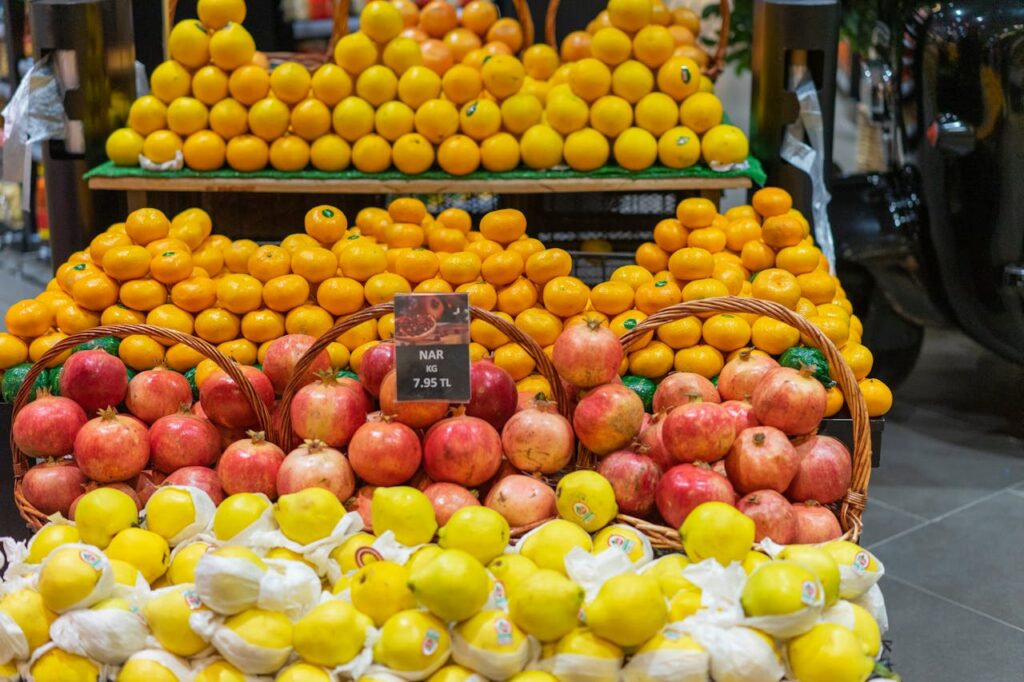
Fresh fruit is purchased with optimism and good intentions, but reality often intervenes. Bananas ripen faster than expected, berries mold quickly, and apples develop soft spots when stored improperly. Fruit waste happens quietly because spoilage feels natural and unavoidable. Many people do not plan fruit consumption the way they plan meals, so bowls become decorative instead of functional. Refrigeration mistakes also play a role. Some fruits ripen faster when stored together, while others should never be refrigerated at all. Portion size matters too. Family packs look economical, but smaller households struggle to eat fruit before it turns. Once fruit crosses the line from ripe to overripe, most people discard it rather than repurpose it into baking, smoothies, or sauces. Over time, fruit becomes one of the most routinely wasted foods despite being one of the healthiest.
3. Vegetables Get Lost in the Crisper Drawer
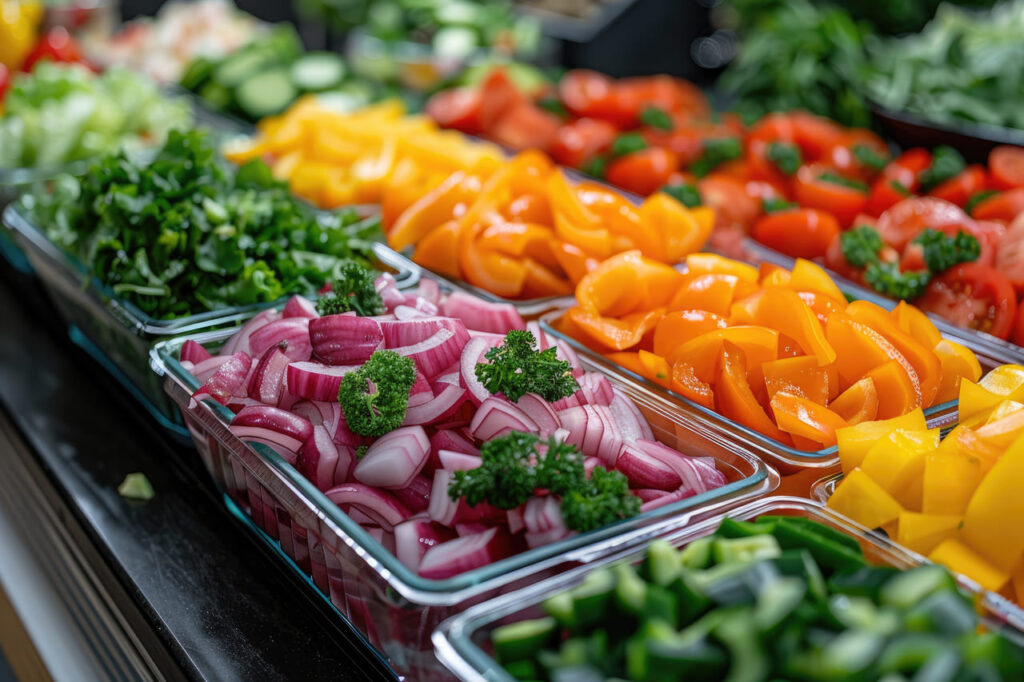
Vegetables often die quietly in the crisper drawer, hidden under good intentions and grocery optimism. Leafy greens wilt within days if not washed, dried, and stored properly. Bell peppers wrinkle, cucumbers soften, and carrots lose crunch long before anyone remembers they exist. One major issue is overbuying for recipes that never get cooked. Another is poor visibility. When vegetables are buried in drawers, they become invisible, and invisible food rarely gets eaten. Many households also lack a plan for using partial vegetables, such as half an onion or unused celery stalks. Without quick secondary uses, those pieces slowly degrade until they are thrown out. Vegetable waste feels unavoidable, but it is often the result of storage habits and unrealistic expectations about how many meals will actually be cooked at home.
4. Cooked Rice and Pasta Rarely Get a Second Chance
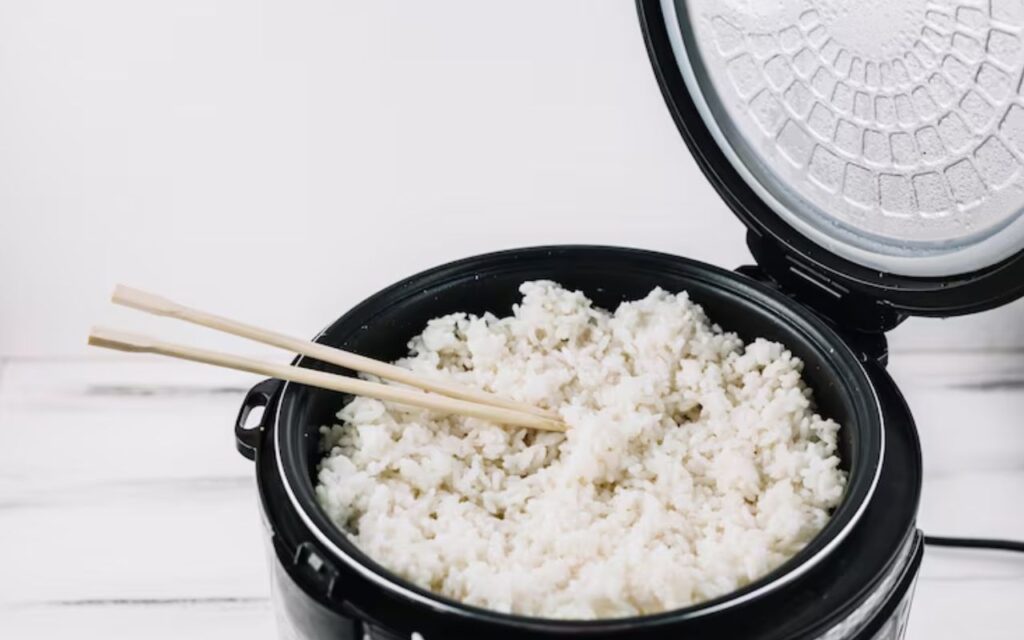
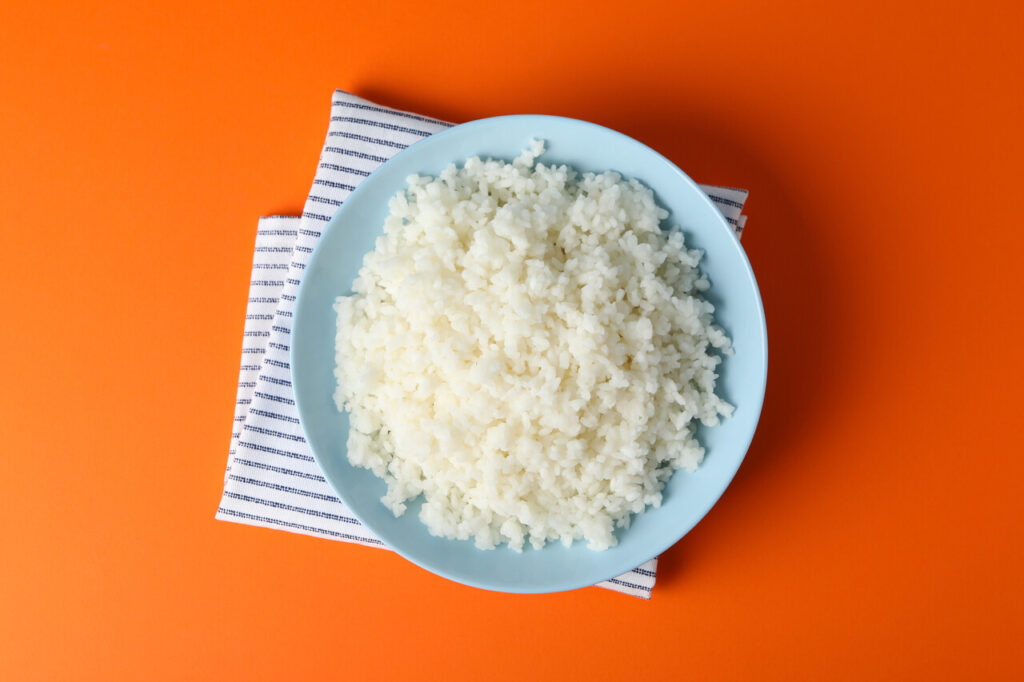
Rice and pasta are filling, affordable, and easy to cook in large batches, which is exactly why they are wasted so often. Leftovers are packed away with vague plans to eat them later, then forgotten as days pass. Texture changes make reheated rice dry and pasta mushy, which discourages reuse. Food safety concerns also cause people to discard rice quickly, even when it is still safe. Portion control is another factor. Many cooks prepare far more than needed because dry grains expand unpredictably. Without a clear plan for transforming leftovers into new meals, such as fried rice or pasta bakes, these foods lose appeal fast. Because rice and pasta are inexpensive, tossing them does not feel like a loss, but over time, this casual waste becomes significant.
5. Potatoes Seem Durable Until They Suddenly Are Not
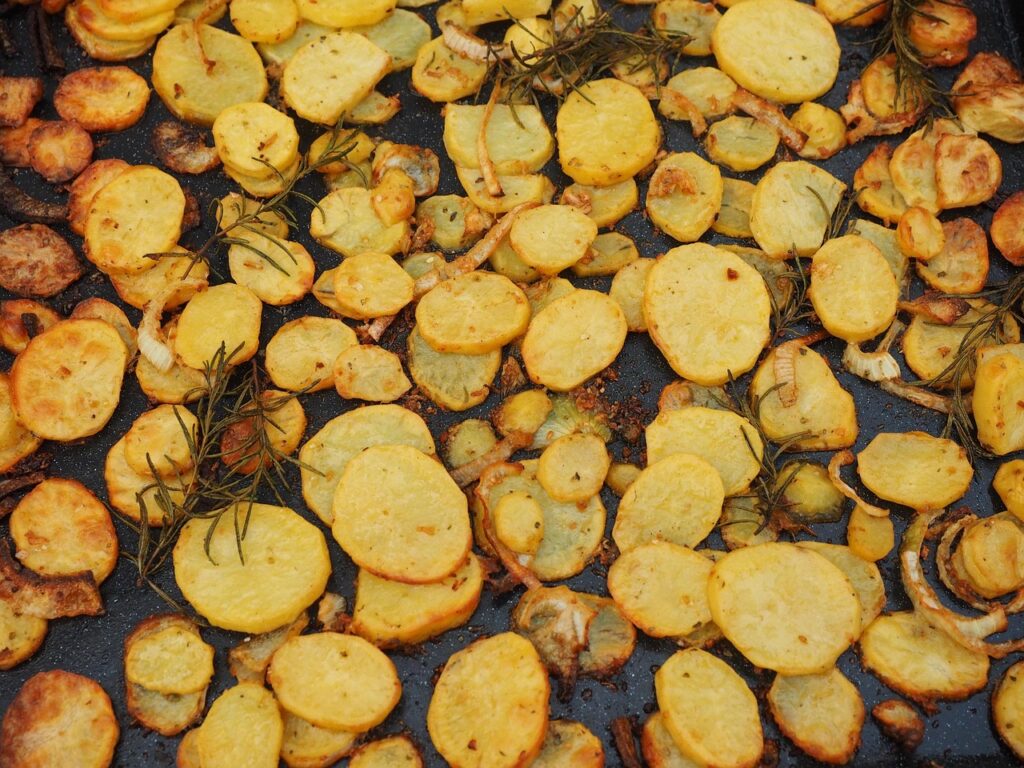
Potatoes feel like one of the safest foods to buy in bulk, yet they are wasted more than most people realize. Improper storage causes sprouting, greening, or soft spots that lead to disposal. Many households store potatoes near onions, which speeds up spoilage. Large bags are purchased for value, but only part of the bag is used before the quality declines. Another issue is meal repetition fatigue. Potatoes require preparation, and when schedules get busy, they are skipped in favor of faster options. Once potatoes look imperfect, many people throw them away instead of trimming usable portions. Their long shelf life creates a false sense of security, which often leads to neglect rather than thoughtful use.
6. Milk and Dairy Expire in Plain Sight
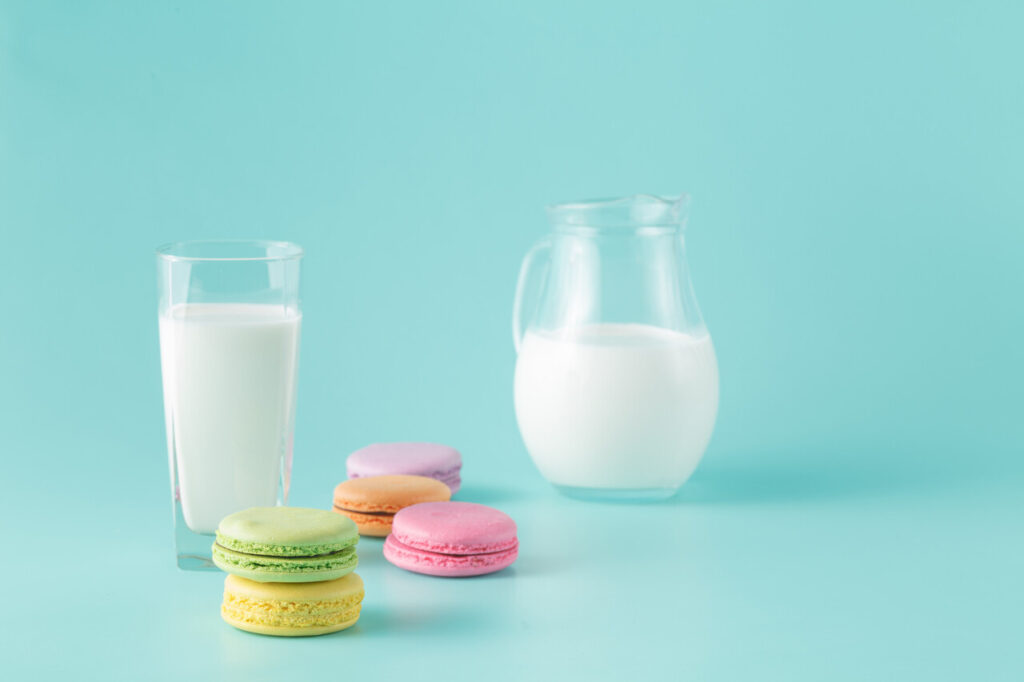
Milk is one of the most commonly wasted foods because it is used gradually rather than all at once. A carton is opened for coffee or cereal, then sits until it reaches its expiration date. Many people treat date labels as absolute spoilage markers rather than guidelines, discarding milk that is still usable. Dairy waste also increases when households change routines, such as children returning to school or adults switching diets. Cheese and yogurt face similar issues. Partial containers linger in refrigerators until mold appears or dates pass. Because dairy spoilage can be unpleasant, people err on the side of disposal rather than evaluation. This cautious approach, while understandable, leads to consistent waste.
7. Eggs Are Thrown Away Long Before They Need To Be
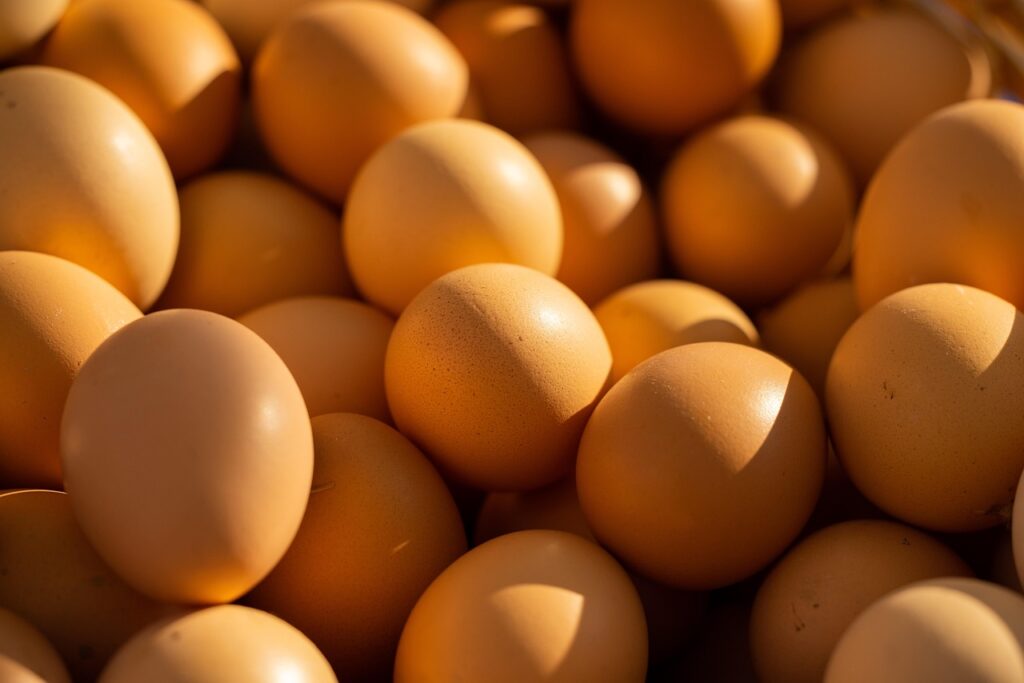
Eggs are wasted largely due to a misunderstanding. Many people assume eggs spoil quickly, when in reality they last weeks beyond printed dates if stored properly. Confusion over expiration labels leads to premature disposal. Another issue is buying large cartons for savings without consistent usage plans. Eggs are often associated with breakfast, so when routines change, consumption drops. Left unused, cartons sit untouched until someone decides they are no longer safe. Simple tests exist to check egg freshness, but few people use them. Because eggs feel replaceable and inexpensive, tossing them rarely triggers concern, even though the waste adds up significantly over time.
8. Meat and Poultry Spoil Under Good Intentions
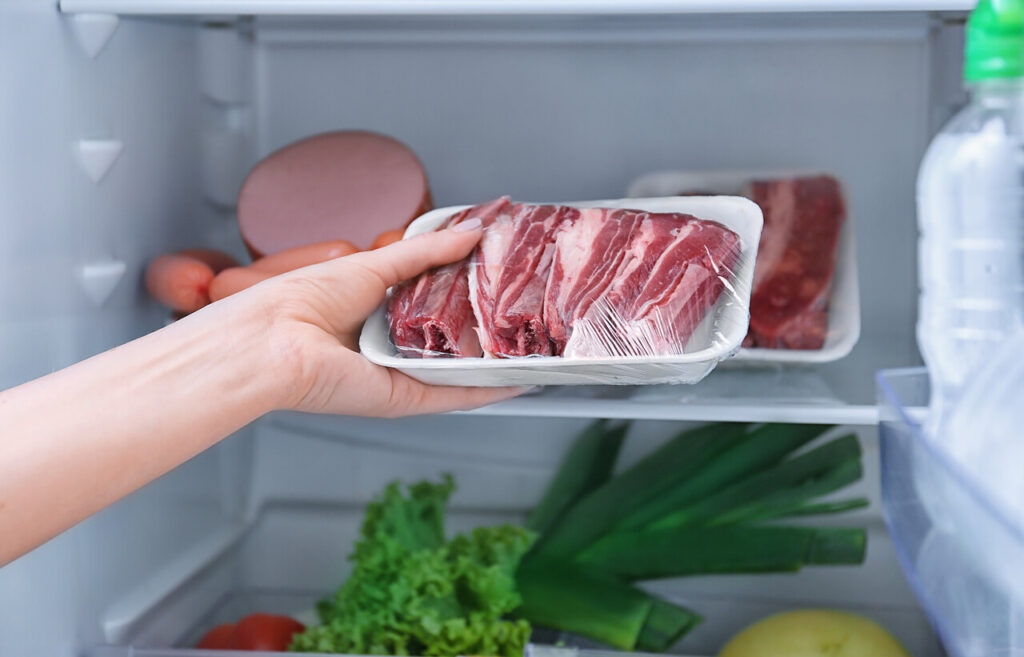
Fresh meat is often purchased with planned meals in mind, but busy schedules disrupt those plans. When cooking is delayed, meat approaches spoilage faster than expected. Many people fail to freeze meat early enough, assuming they will cook it soon. Packaging also plays a role. Once opened, the shelf life shortens dramatically. Fear of foodborne illness leads people to discard meat at the first sign of uncertainty. While caution is important, it also contributes to high waste. Because meat is expensive, this waste is often unintentional rather than careless, driven by timing mismatches between shopping and cooking habits.
9. Leftovers Fade Into the Refrigerator Background

Leftovers represent one of the most overlooked sources of food waste. Meals are packed away with optimism, but without clear plans for reuse, they become forgotten. Containers stack up, unlabeled and untracked, until they feel unsafe or unappealing. Texture changes, repetition fatigue, and lack of variety all reduce motivation to eat leftovers. Many households cook new meals before finishing old ones, pushing leftovers further back in the refrigerator. Without a system for rotating and repurposing cooked food, leftovers quietly become trash. This waste is especially frustrating because the food was already prepared and paid for.
10. Fish and Seafood Leave No Room for Delay
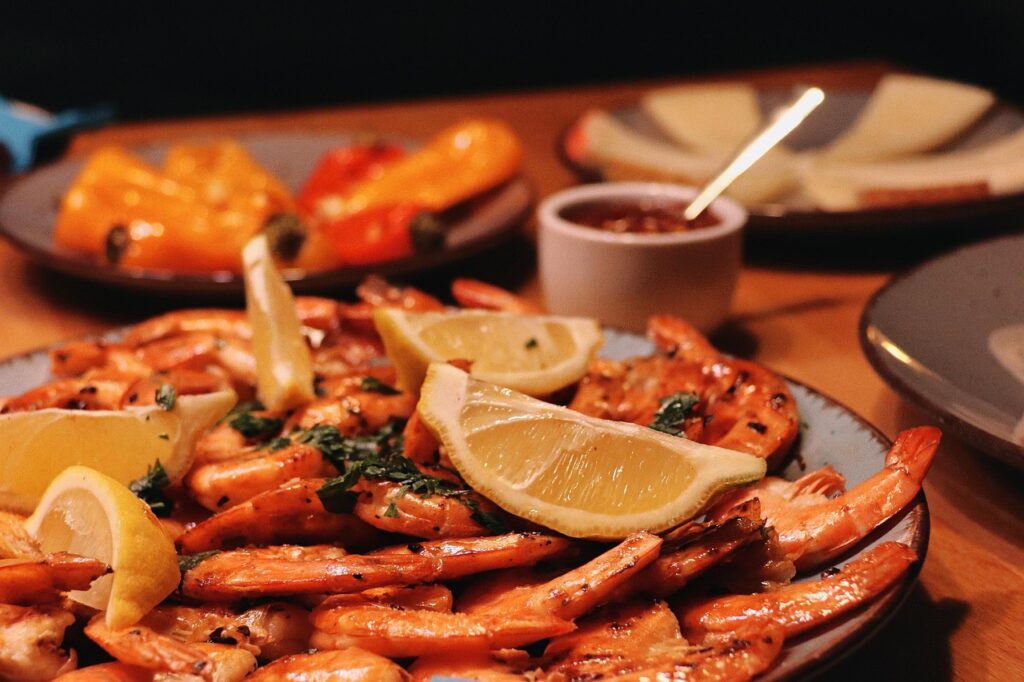
Seafood is highly perishable, yet many people buy it without immediate cooking plans. A delay of even one day can lead to strong odors or texture changes that prompt disposal. Fear plays a major role here. When fish smells slightly off, most people throw it away rather than risk illness. Improper refrigeration and packaging also accelerate spoilage. Unlike meat, seafood rarely gets frozen by home cooks unless it was purchased frozen. The result is frequent waste driven by timing and caution rather than neglect.
11. Fresh Herbs Wilt Before They Ever Shine

Herbs are often bought for one recipe, leaving the rest of the bunch unused. Cilantro, parsley, basil, and green onions deteriorate quickly when stored improperly. Many people treat herbs like vegetables, placing them loose in the refrigerator where they wilt within days. Because herbs are used in small quantities, it is easy to forget them entirely. Once limp or slimy, they are discarded without hesitation. Despite their small size, herb waste is constant and avoidable. Better storage methods exist, but few households adopt them consistently.