9 Popular Irish Beer Brands Ranked

Irish beer carries a charm that goes far beyond the pub walls, blending centuries of tradition with a new wave of craft creativity. Whether it is the creamy pour of a classic stout, the bright crispness of a lager, or the aromatic kick of a pale ale, each beer tells a story about the people and places that shaped it. This ranking brings together Ireland’s most popular and most defining brews, offering a closer look at what makes them stand out and why they remain favorites at home and abroad. For anyone curious about the flavors that define Irish drinking culture, this list is an easy and inviting way to explore the country’s best-known pints.
1. Harp Lager
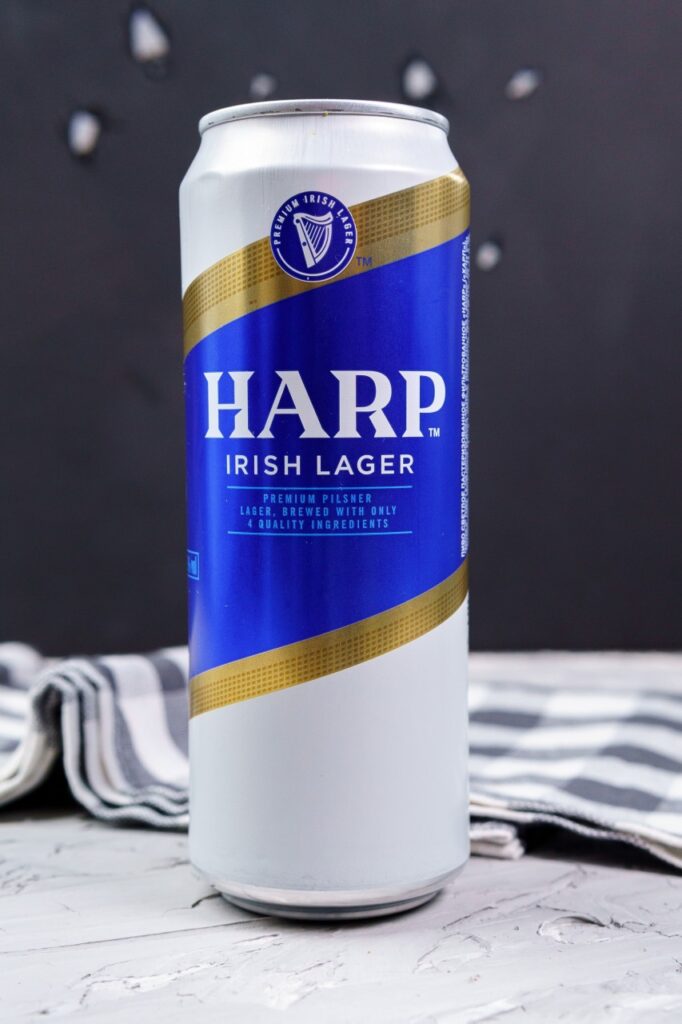
Harp lager presents an entirely different side of Irish beer, one built on refreshment and broad appeal. Pale, clear, and carbonated, Harp leans into bright malt sweetness and a clean, dry finish that makes it an excellent session companion and a safe choice in mixed-company settings. The flavor profile favors mild biscuity malt and a restrained hop character that keeps bitterness low and drinkability high. Historically launched as a continental-style lager to complement heavier stouts on the market, it found a niche among drinkers who wanted something lighter but still flavorful. Harp’s versatility makes it pair well with seafood, fried foods, and lighter pub fare.
2. Smithwick’s Red Ale
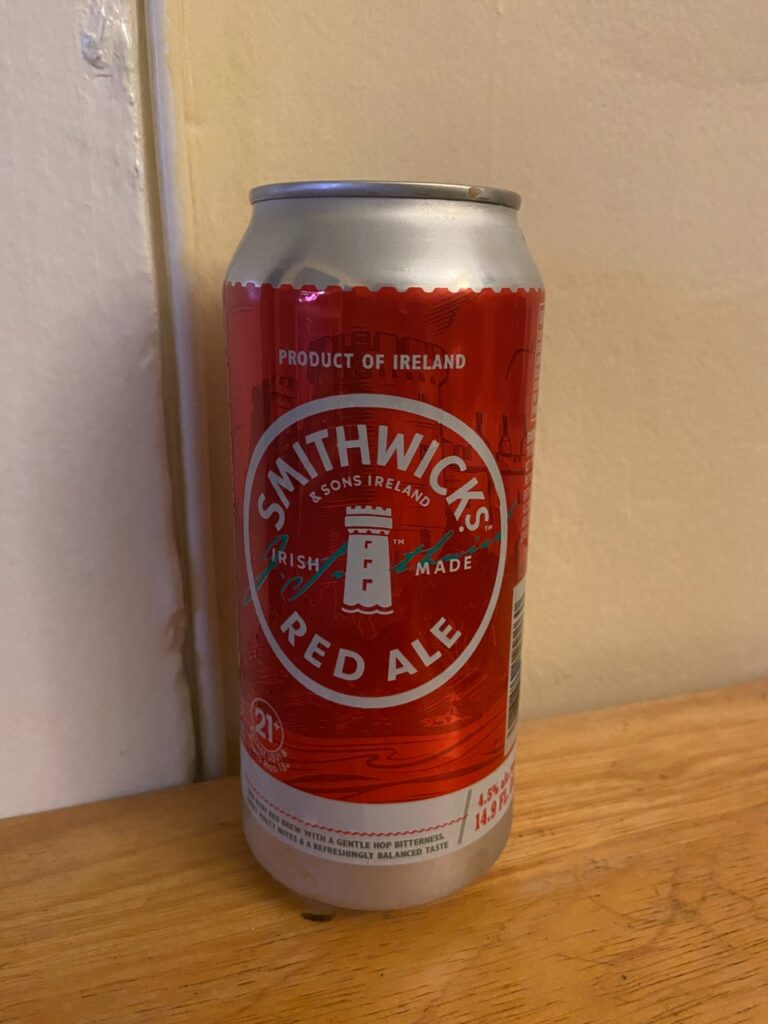
Smithwick’s is often the first name that comes to mind for Irish red ale, the kind of beer that feels like a conversation you return to. It showcases a balanced malt backbone, gentle caramel notes, and a mild hop bitterness that supports rather than dominates. The aroma can be subtly toasty or biscuity with light fruity esters, and the mouthfeel is medium-bodied and smooth. Smithwick’s roots in Kilkenny give it a traditional cast, and its appeal comes from that comforting middle ground: not as heavy as a stout, not as light as a lager, but rich enough to stand beside stews, smoked meats, and hearty cheeses.
3. Murphy’s Stout
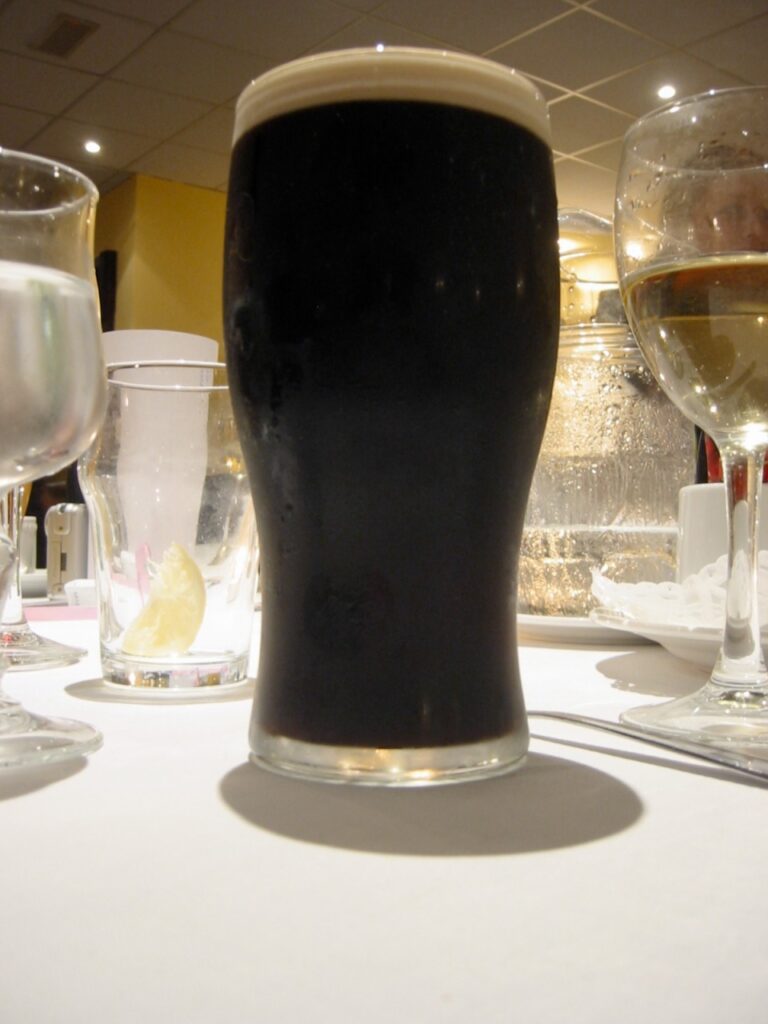
Murphy’s offers a softer, velvety take on Irish stout that emphasizes chocolate and malt sweetness over aggressive roast. Hailing from Cork, it tends to feel a touch lighter on the palate and slightly fruitier in aroma compared with more austere stouts. The texture is creamy, often driven by the same nitro technique that smooths carbonation and produces a plush mouthfeel. Murphy’s strength is subtlety: it invites sips rather than demanding attention, and it pairs elegantly with lamb, oysters, and richer desserts. For many drinkers, it is the gentler alternative to Guinness, showing that Irish stouts can offer a spectrum of roasted flavors without sacrificing drinkability or depth.
4. Guinness
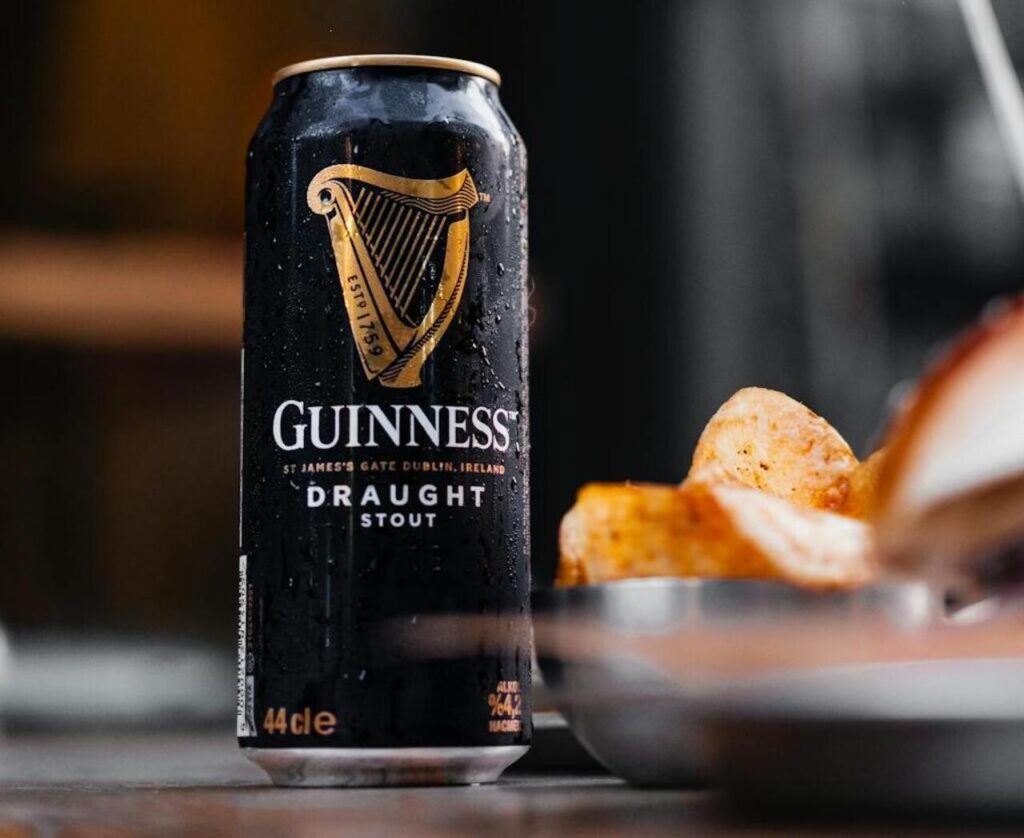
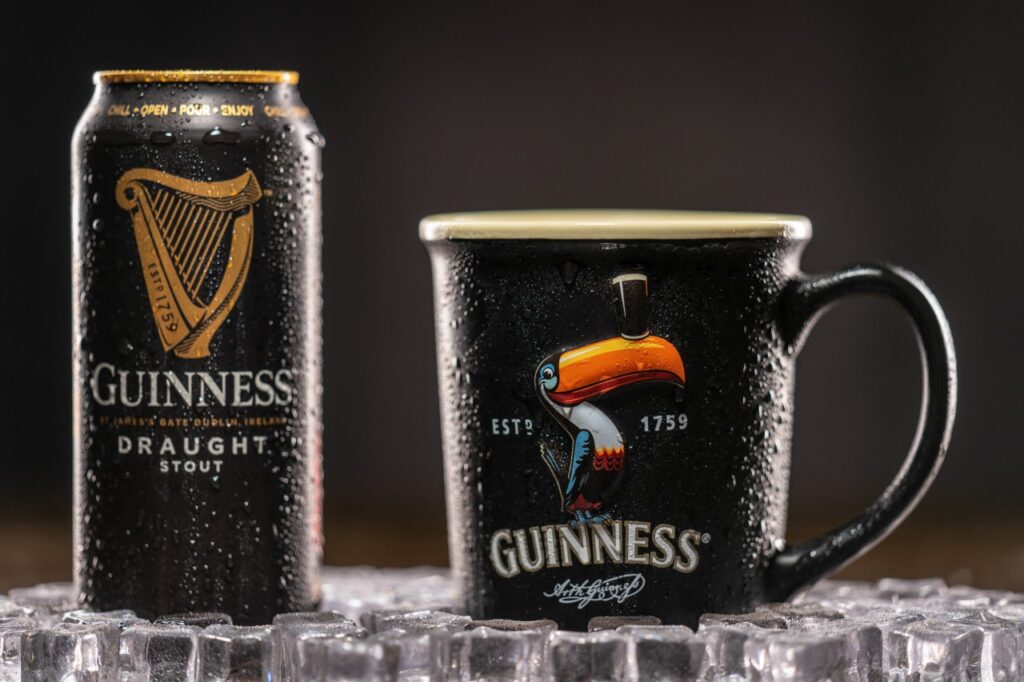
Guinness is more than a beer, it is a cultural emblem whose presence shaped how the world imagines Irish stout. Born in Dublin in the 18th century, it made its name by combining roasted barley, a velvety nitrogen-driven head, and a surprisingly smooth drinkability that belies its dark color. The aroma leans toward coffee and cocoa, while the palate delivers roasted malt, gentle bitterness, and a creamy finish that lingers without cloying. Guinness’s strength is consistency, its ability to pair with food, and its deep ties to pub culture, where a well-poured pint is treated with ritual and care.
5. Beamish Stout

Beamish is rooted in an older school of stout, with a flavor profile that honors bittersweet roast and earthy complexity. It offers pronounced roasted barley notes, a firm bitterness, and a texture that is robust rather than softened by sweetness. The beer preserves tastes that recall slower, less industrial brewing traditions, and fans prize its straightforward character and honest balance. Beamish pairs well with stews, potatoes, and strong cheeses, standing up to hearty fare rather than fading into the background. In pubs that value regional tradition, it remains an authentic choice for drinkers who enjoy a forthright, more assertive stout with the hallmark steadiness of Irish brewing.
6. O’Hara’s Irish Red
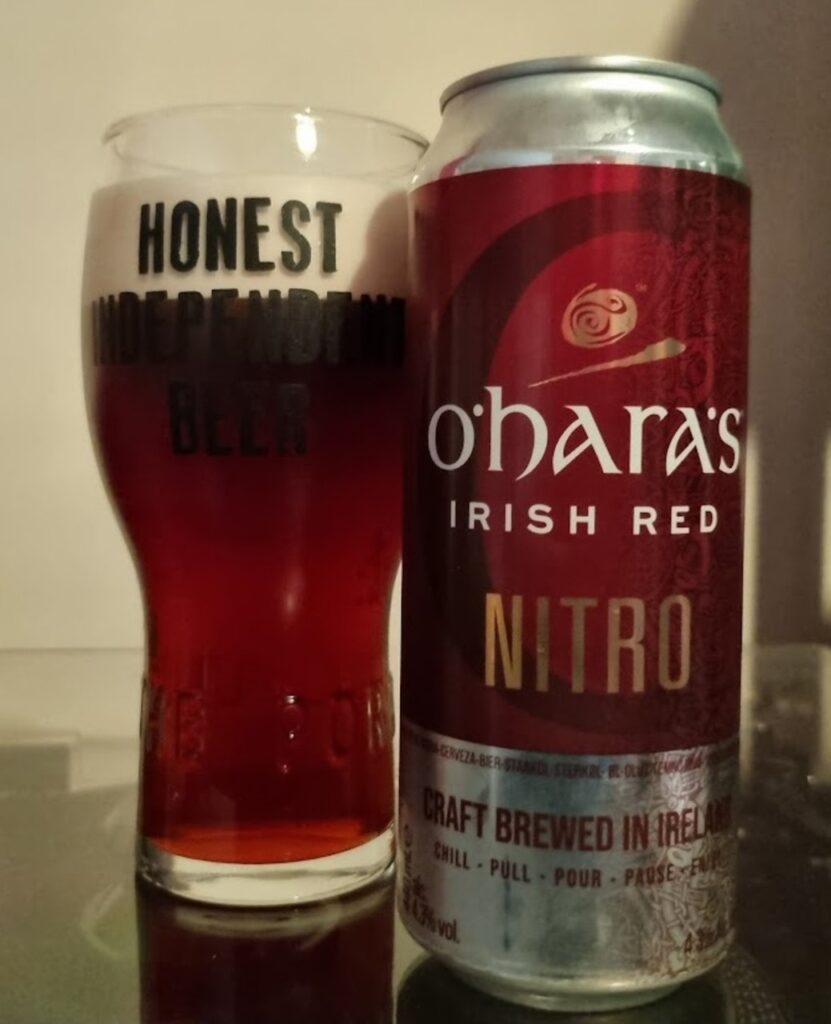
O’Hara’s Irish Red bridges craft sensibility and classic Irish ale personality, presenting a malt-forward beer with caramel sweetness, light toffee notes, and a balanced hop bite that keeps it lively. Brewed by a modern independent brewery, it honors old-style recipes while using contemporary techniques to sharpen clarity and consistency. The mouthfeel is rounded, and the finish is slightly dry, making it food-friendly and approachable. It showcases how Ireland’s craft movement reinterprets heritage styles, offering authenticity without rigidity and inviting drinkers who appreciate both flavor and story.
7. Kilkenny Cream Ale
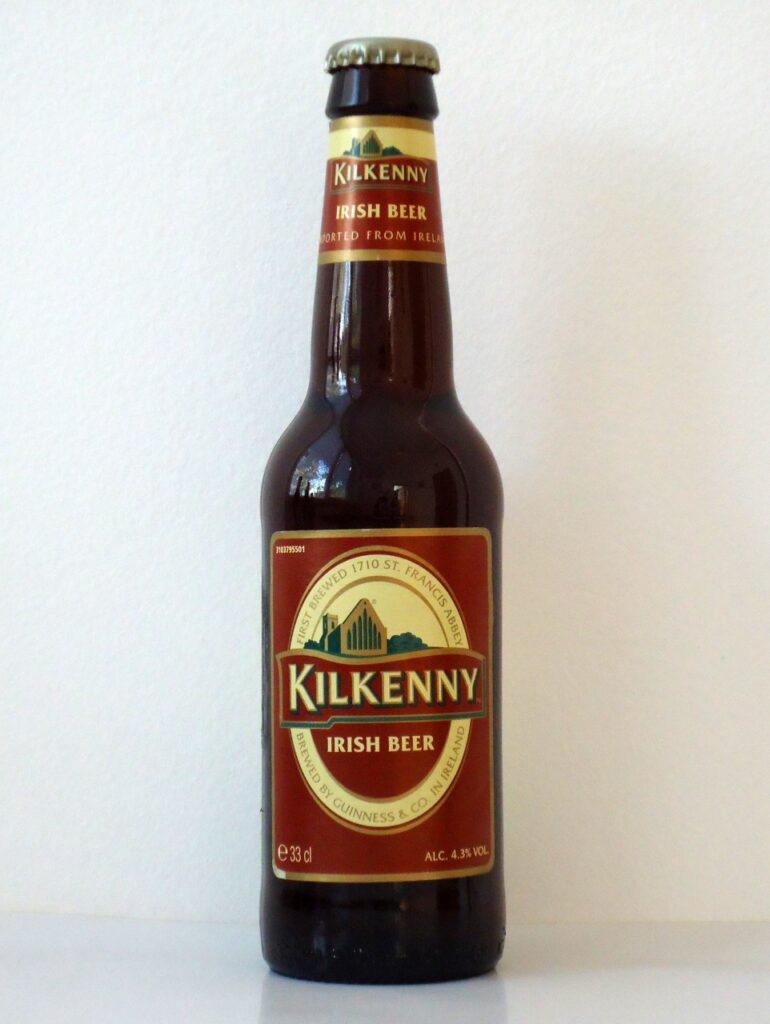
Kilkenny occupies a comforting middle lane: an ale with a creamy pour and a soft malt profile designed to be easygoing and familiar. It is commonly described as a cream ale because of its smooth texture, and it often shows mild caramel and biscuit notes up front, with low bitterness and a clean finish. The beer’s appeal is broad because it does not demand specific pairing or attention; it supports conversation and convivial settings. Kilkenny’s consistency and approachable nature make it a popular choice in bars where patrons want something fuller than a pale lager without the weight of a full stout.
8. Galway Hooker Irish Pale Ale
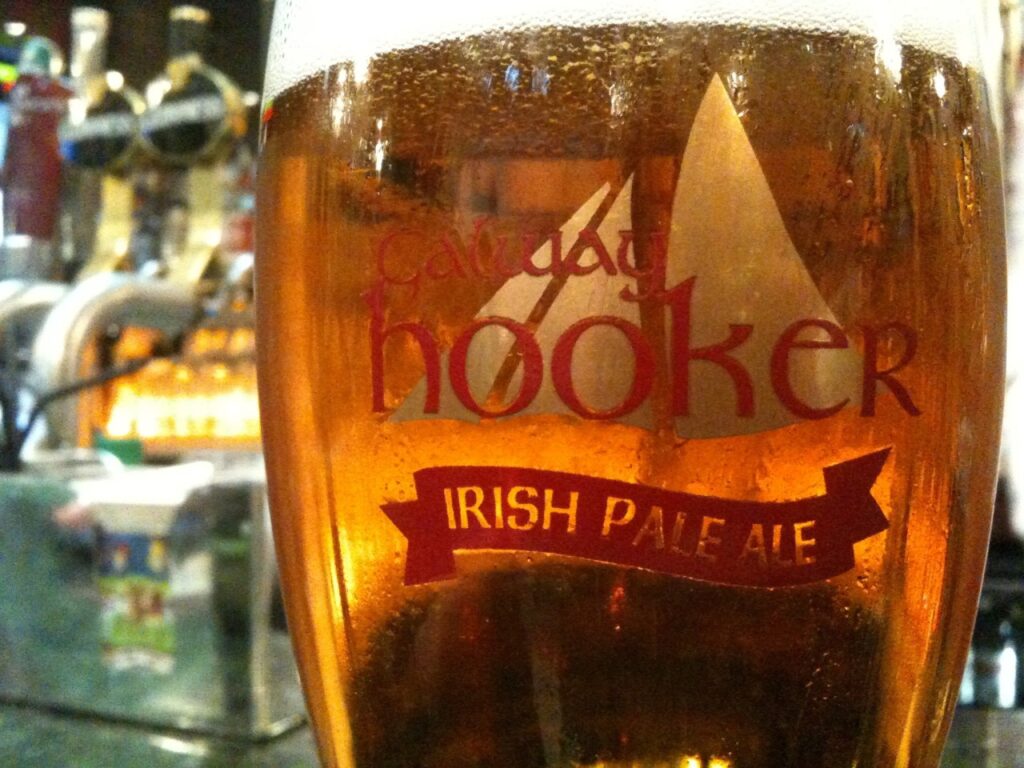
Galway Hooker represents Ireland’s growing craft and pale ale scene, bringing more hop character, citrus and floral notes, and a brighter bitterness profile compared with traditional Irish beers. It is part of a new generation of breweries that have embraced international hop varieties while retaining a distinctly Irish sense of balance and restraint. The result is a beer that can be lively and aromatic, with a cleaner fermentation profile and a bitterness that complements rather than overwhelms. Galway Hooker’s beers pair especially well with grilled fish, sharp cheeses, and spiced foods where an assertive hop presence refreshes the palate.
9. Porterhouse Oyster Stout
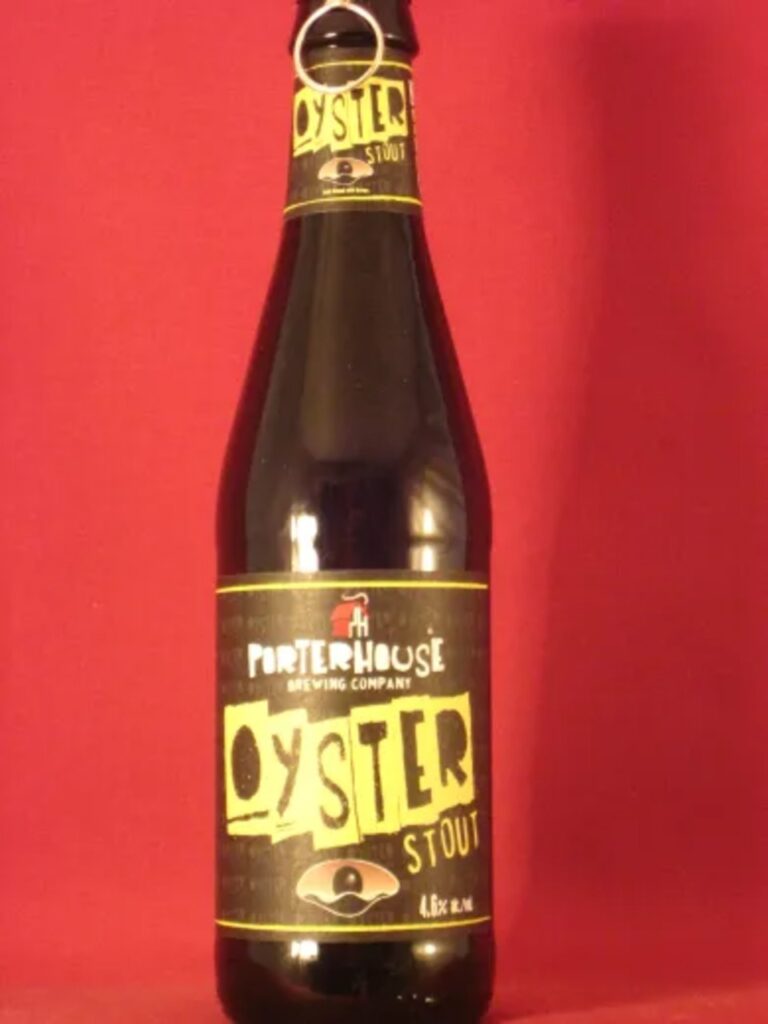
Porterhouse’s Oyster Stout is an example of how Irish brewers combine local ingredients, experimentation, and showmanship. This stout often carries a saline nuance and a fuller roasted profile that plays against smooth malt sweetness, producing a complex sip that pairs well with oysters or rich, savory dishes. Known for innovation, the brewery uses this beer to show a willingness to push boundaries while maintaining craft integrity. It is fuller-bodied and more assertive than mainstream stouts, with layers of coffee, dark chocolate, and a subtle mineral edge. Drinkers who enjoy stouts that make a statement often find Porterhouse offerings rewarding.