10 Viral Food Hacks That Are More Hype Than Help

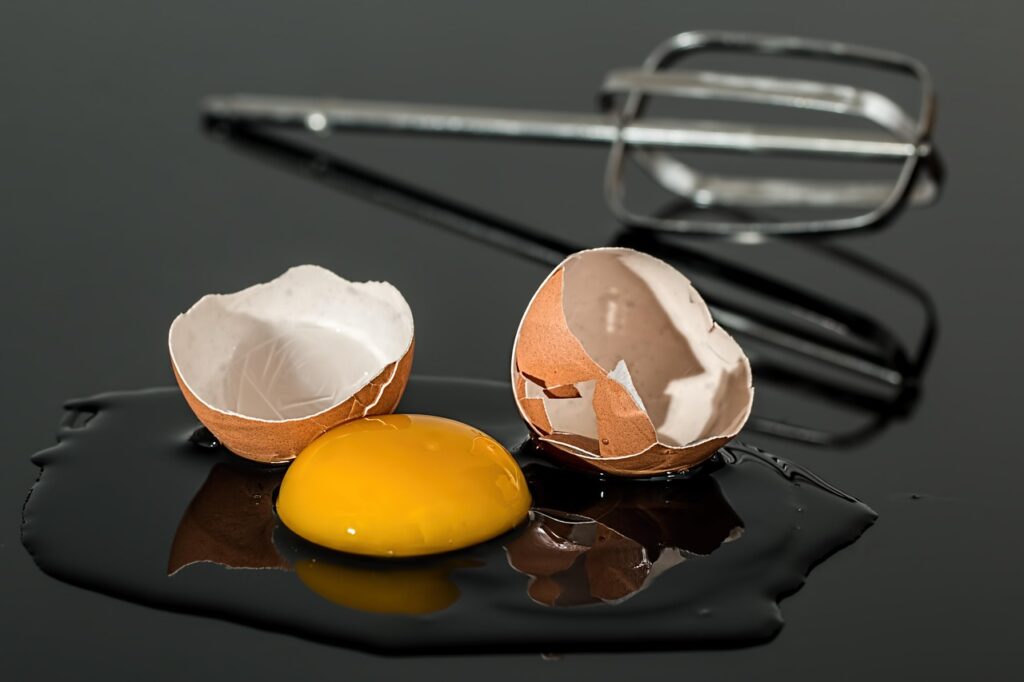
Social media has turned cooking into a performance, where quick visuals often matter more than real results. Viral food hacks spread fast because they look surprising, efficient, or oddly satisfying on camera. But once tested in everyday kitchens, many of these tricks fail to save time, improve flavor, or simplify cooking. Some rely on poor science, others exaggerate health benefits, and many ignore basic culinary principles. What works for views does not always work for dinner. These overhyped food hacks reveal the growing gap between internet cleverness and practical cooking reality.
1. Cucumber Pan Grease Hack
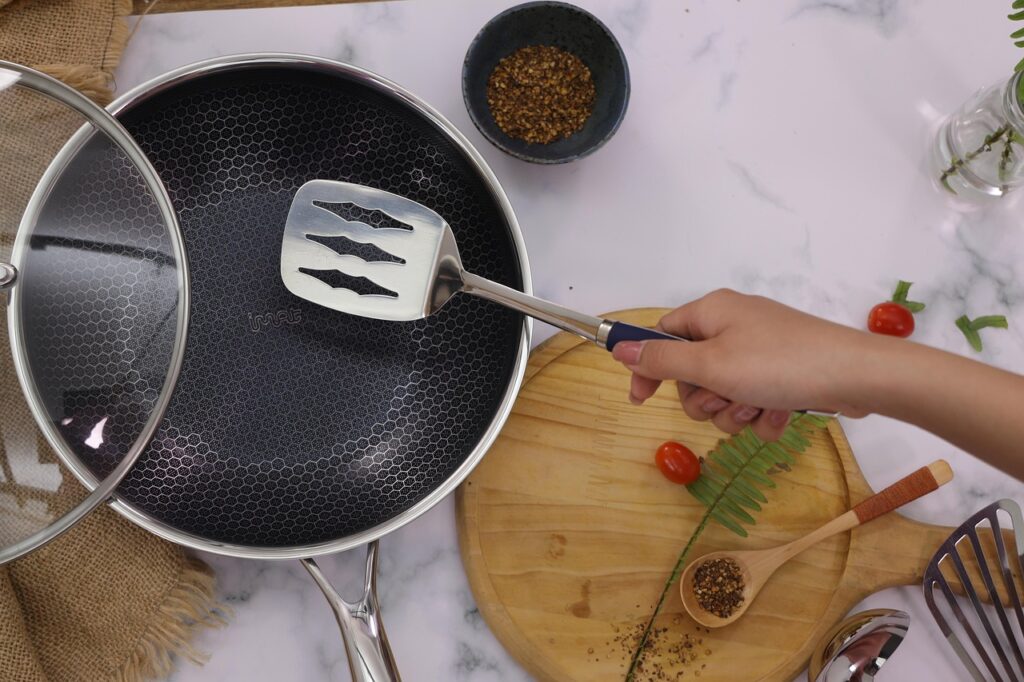
At first glance, rubbing a slice of cucumber on a hot pan looks like a clever, natural shortcut to avoid using oil. In reality, the science does not support the promise. Cucumbers are mostly water, with only trace amounts of compounds that could reduce sticking. When applied to a hot surface, that water evaporates almost instantly, leaving little behind to actually create a nonstick barrier. Unlike fats, which coat metal and fill microscopic pores, cucumber does not form a protective layer. In many cases, it can even cause uneven heating or steam, causing food to stick more. Traditional oils work as they tolerate heat and physically separate food from the pan.
2. Frozen Bottle Slushie Trick
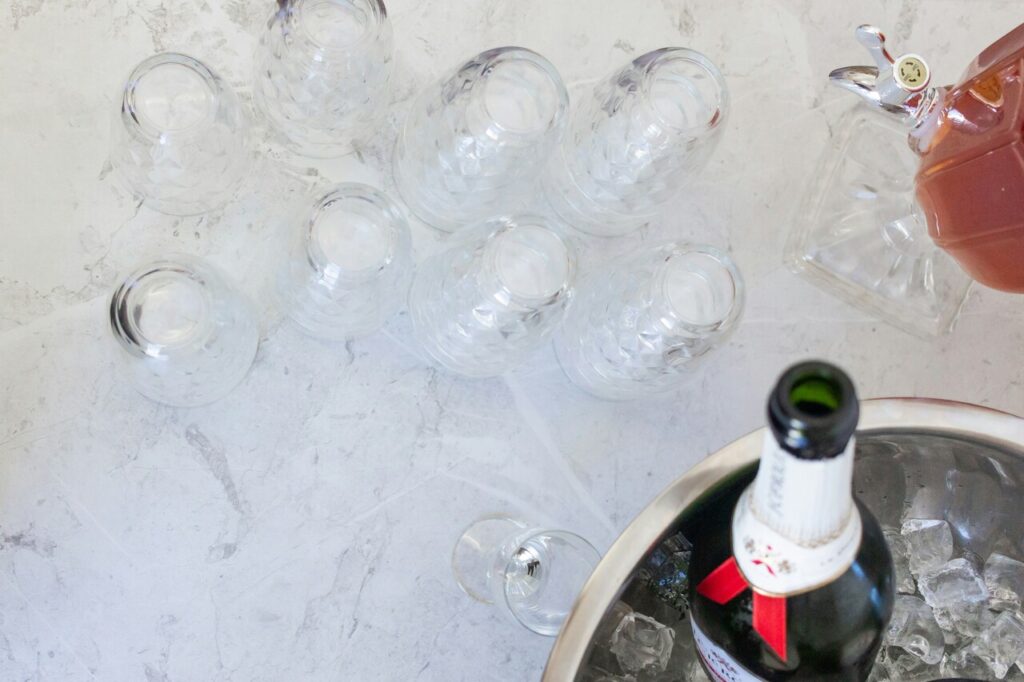
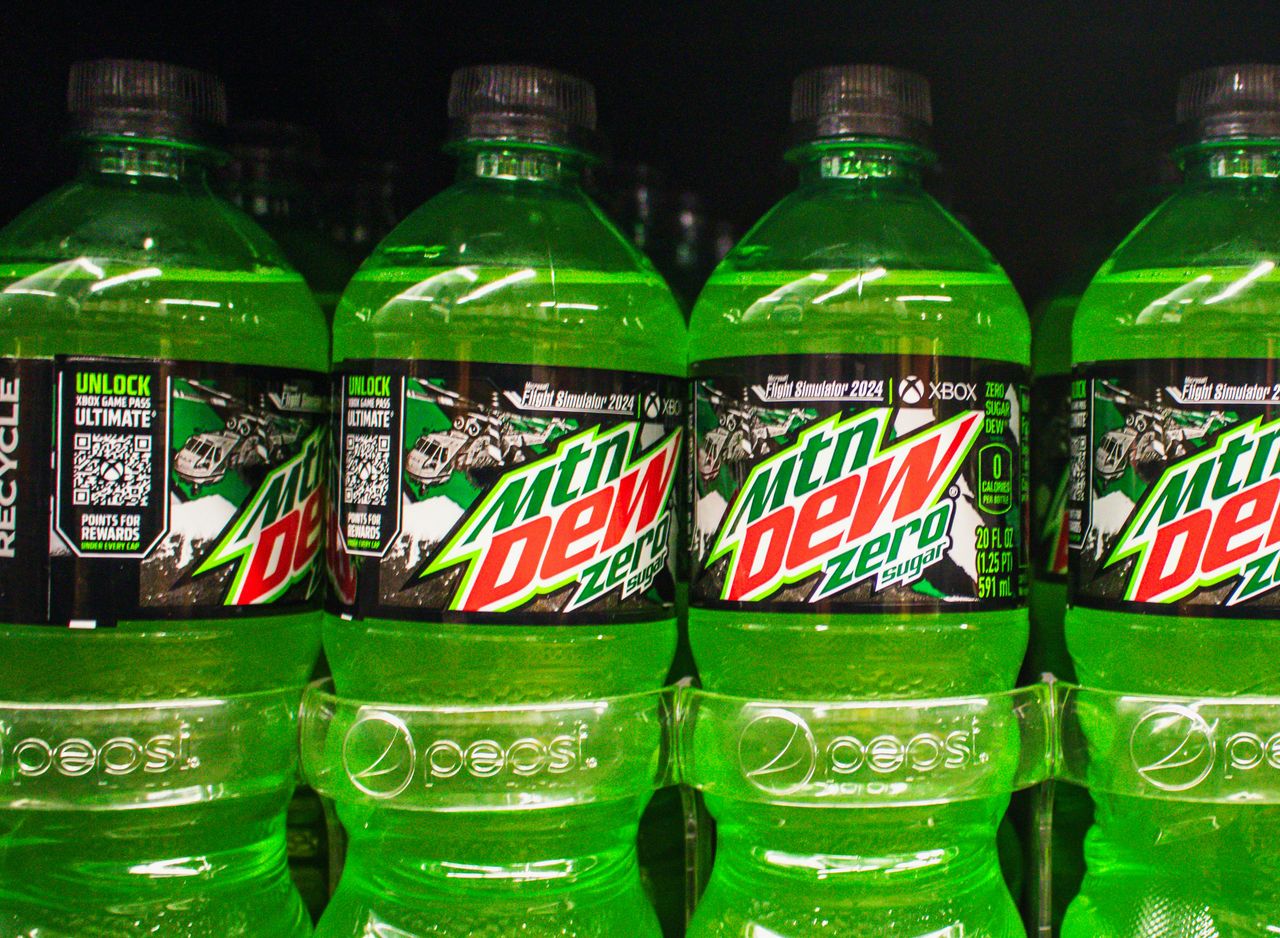
Freezing bottled drinks and squeezing them into instant slushies appears effortless online, but real kitchens tell a different story. Liquids freeze unevenly depending on sugar content, bottle shape, and freezer temperature. This often results in hard ice blocks rather than smooth slush. Pressure buildup can cause bottles to crack or leak, creating a mess and waste. Even when it works, the texture is inconsistent, with icy chunks instead of fine crystals. Purpose-made slush relies on controlled agitation and temperature, not static freezing. The hack survives because the rare success clips are visually satisfying.
3. Wine Glass Egg Peeling Method

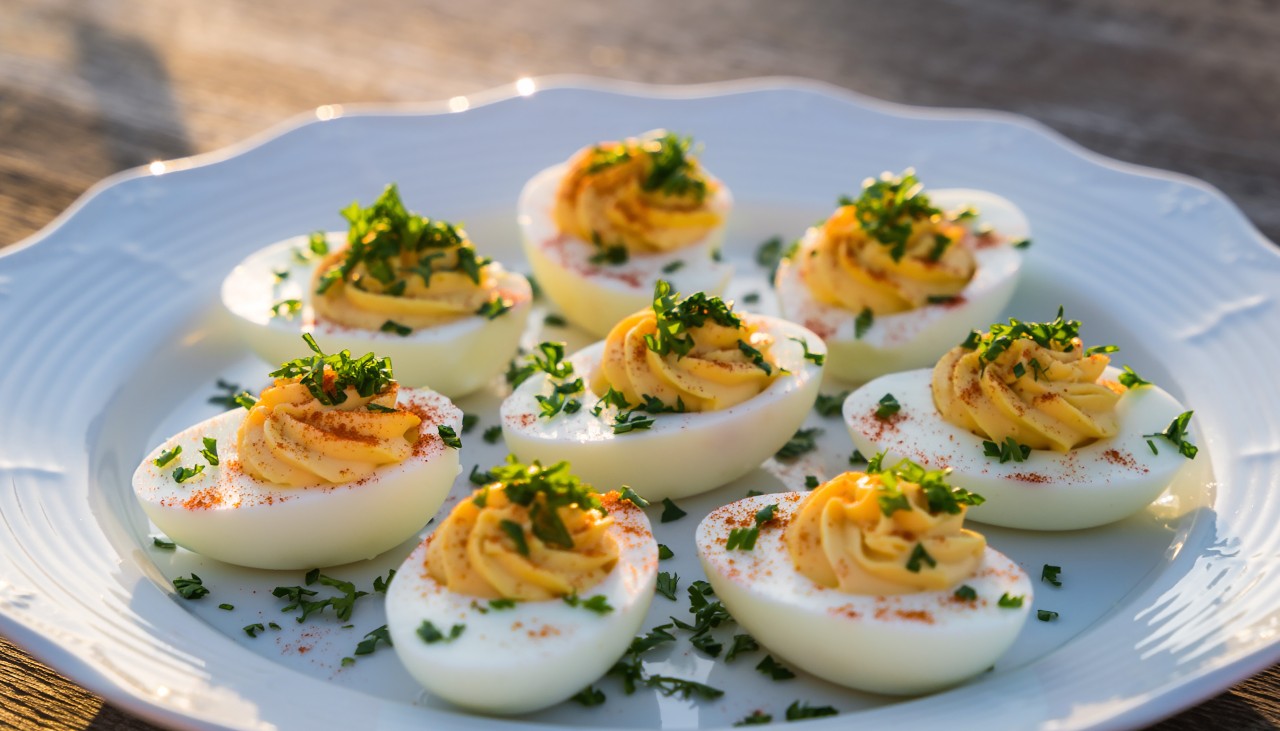
Using a wine glass to peel hard boiled eggs looks elegant and efficient in short videos. In practice, it introduces more variables than it solves. Egg shells crack unpredictably, and the glass opening rarely fits the egg perfectly. This leads to uneven peeling and increased breakage of the egg white. Water sloshing inside the glass can also create a mess without improving shell release. Traditional peeling methods work because they target the membrane beneath the shell, which is the real barrier. The wine glass hack focuses on motion rather than structure, making it unreliable despite its visual appeal.
4. Blowing Eggs Out of Their Shells
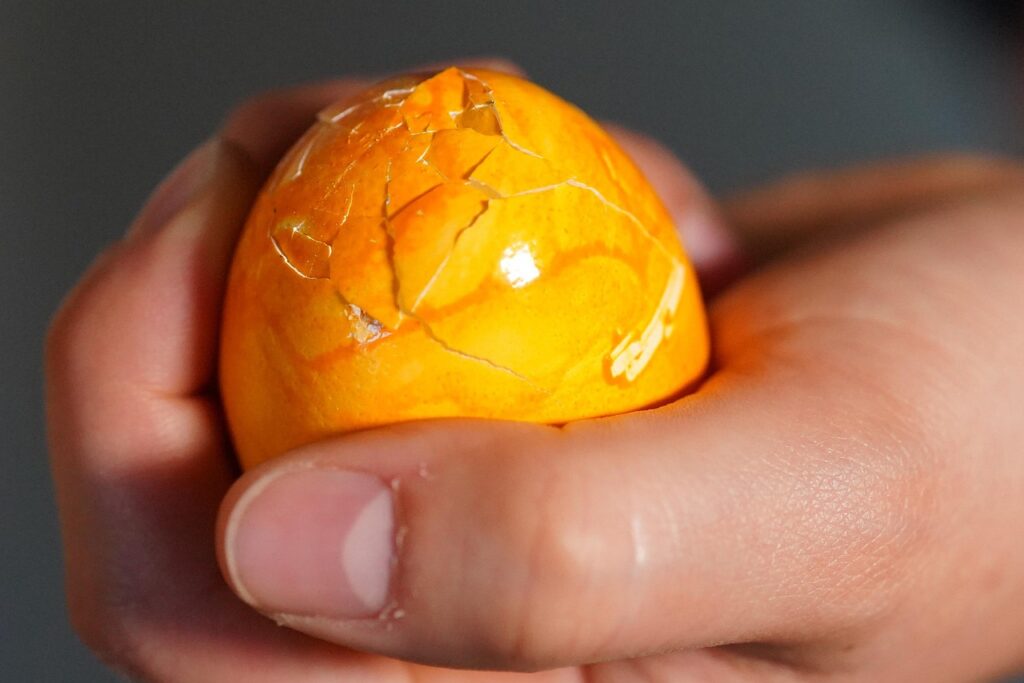
The idea of blowing eggs out of their shells to separate contents feels inventive, but it quickly proves impractical. It requires significant force, often leading to splatter rather than clean separation. Hygiene is another concern, as the method introduces breath directly into raw egg. Compared to cracking eggs into a bowl or using standard separators, this approach adds effort without improving accuracy. It also wastes time and increases cleanup. The hack persists because it looks playful and surprising, not because it offers a real advantage in cooking.
5. Pink Sauce as a Universal Condiment
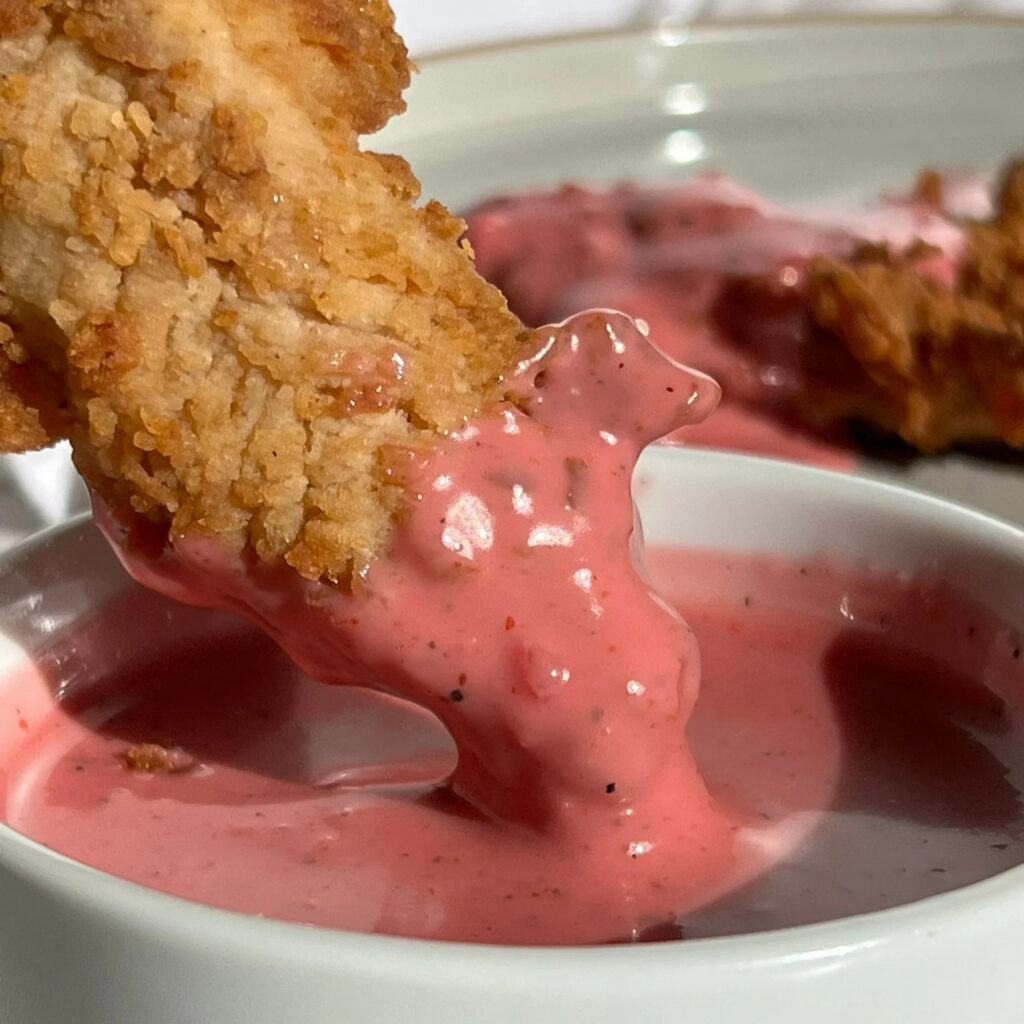
Pink sauce became viral because of its color and mystery, not its culinary usefulness. Claims that it pairs well with nearly everything overlook how flavor balance actually works. Most dishes require specific levels of acidity, salt, and fat. A one-size-fits-all sauce cannot adapt to those needs. Inconsistent texture and seasoning further limit its usefulness. Even visually striking condiments must earn their place through reliability and taste. Pink sauce thrives as a novelty, but its lack of clarity in flavor profile keeps it from being genuinely helpful in everyday cooking. Viral appeal fades quickly once practical limitations become clear.
6. Watermelon Peel Juice Hacks
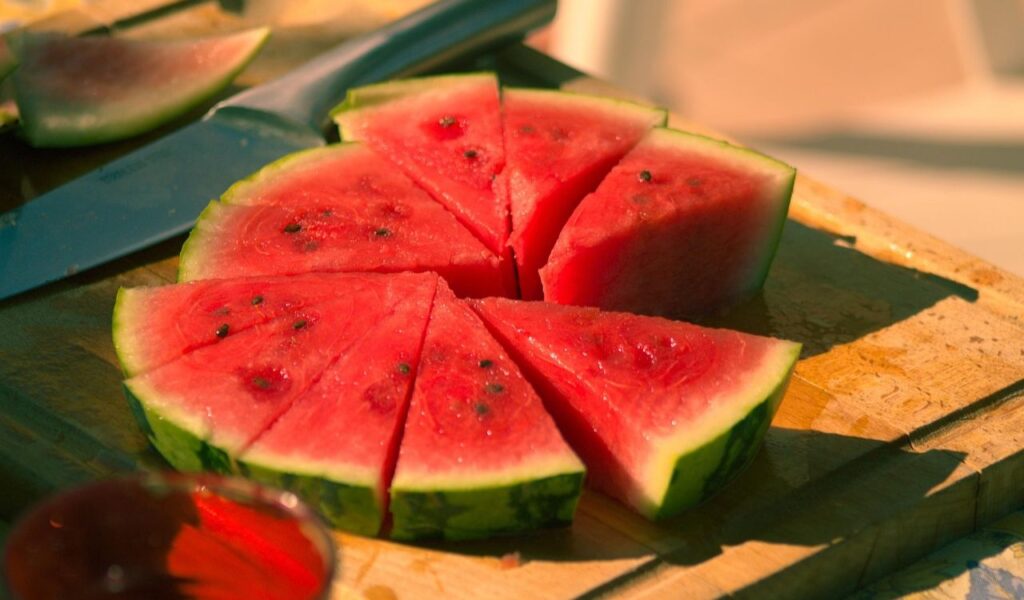
Turning watermelon rinds into juice or edible drinks is often framed as a zero-waste miracle. In reality, the rind contains far less natural sugar and aroma than the flesh. This results in a bland liquid that requires heavy flavoring to become drinkable. Texture can also be fibrous and unpleasant without extensive processing. While reducing waste is valuable, forcing underperforming ingredients into roles they are not suited for rarely improves outcomes. Blending the fruit itself delivers better flavor with less effort. The hack survives on a sustainability appeal more than a culinary payoff. Efficiency matters as much as intention in everyday kitchens.
7. Nature’s Cereal Trend
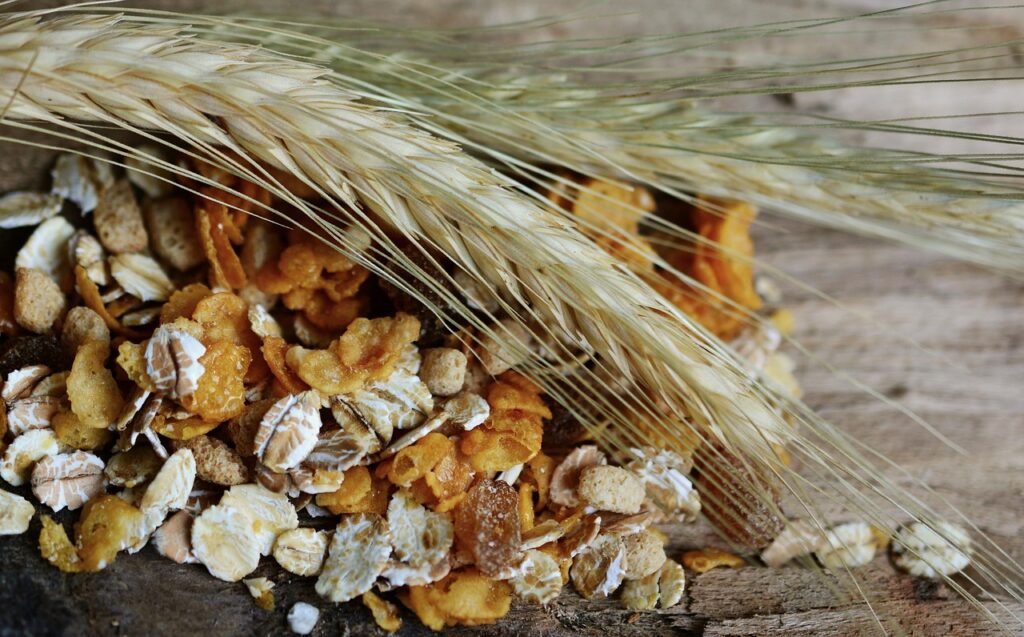
Mixing berries and coconut water into a bowl labeled as cereal sounds wholesome, but it does not replace what cereal actually provides. Traditional cereals offer structure, chew, and sustained satiety through grains or protein. Nature’s cereal functions more like a hydrated fruit snack. It can be refreshing, but it does not perform the same role in a meal. Claims of digestive or energy benefits are overstated and largely tied to hydration rather than the combination itself. The trend works visually and aligns with wellness aesthetics, but it does not deliver practical advantages over simply eating fruit.
8. Chlorophyll Water Craze
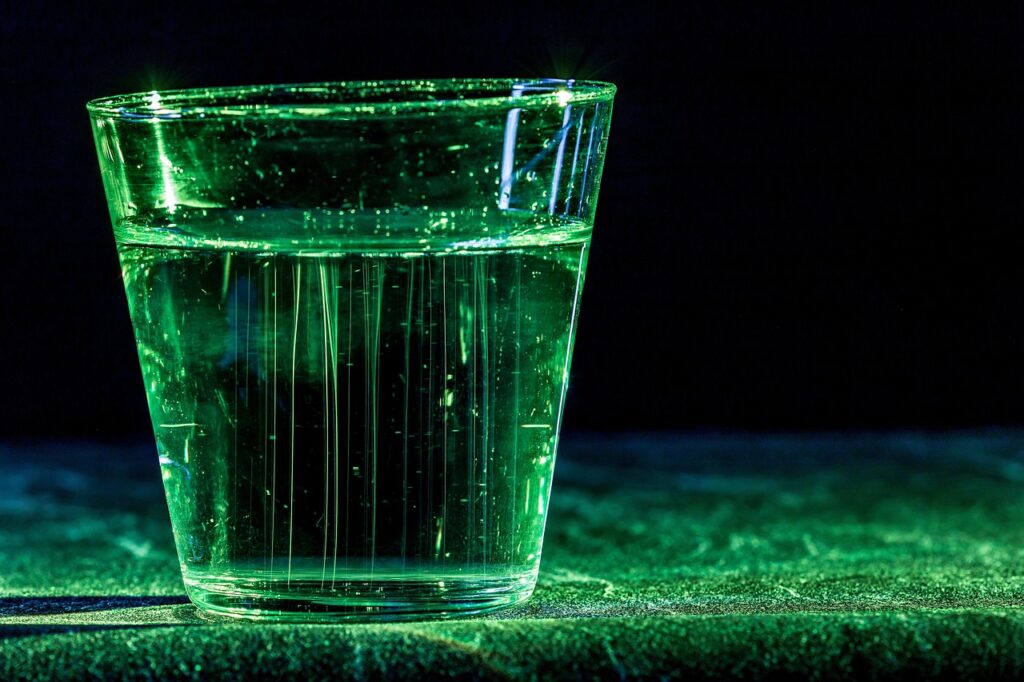
Chlorophyll water is marketed as a wellness shortcut, promising clearer skin, detoxification, and energy boosts. These claims are not supported by strong evidence. Chlorophyll in water is often a derivative, not the compound found naturally in plants. Any perceived benefits usually stem from increased water intake rather than the additive itself. Drinking more fluids can improve skin appearance temporarily, which fuels belief in the product. The hack persists because it packages hydration as a transformation, even though plain water offers the same functional result. Over time, most users report no noticeable difference beyond basic hydration.
9. Celery Juice Health Claims
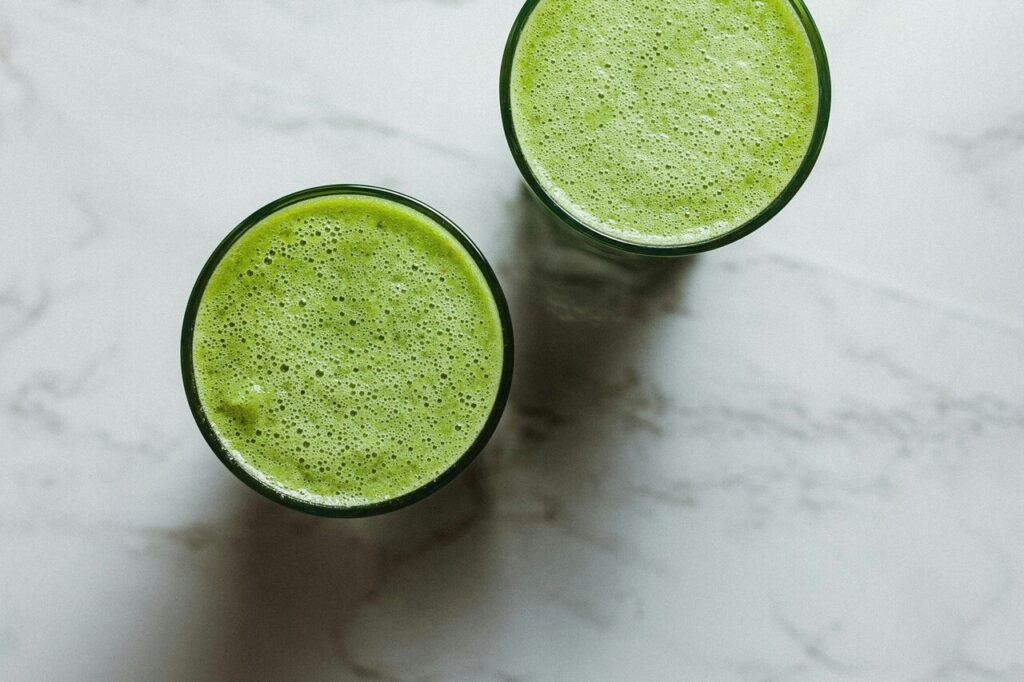
Celery juice gained popularity as a cure-all, but its nutritional profile does not justify the hype. Celery is mostly water, with modest amounts of vitamins and fiber. Juicing removes much of the fiber, reducing its digestive benefits. While drinking it can support hydration, claims about inflammation reduction or metabolic change are exaggerated. Balanced diets achieve these outcomes more effectively. The trend continues because of anecdotal success stories and simplicity, not because celery juice offers unique health advantages. Consistency and overall diet quality matter far more than a single ingredient.
10. Water Bottle Egg Yolk Separator
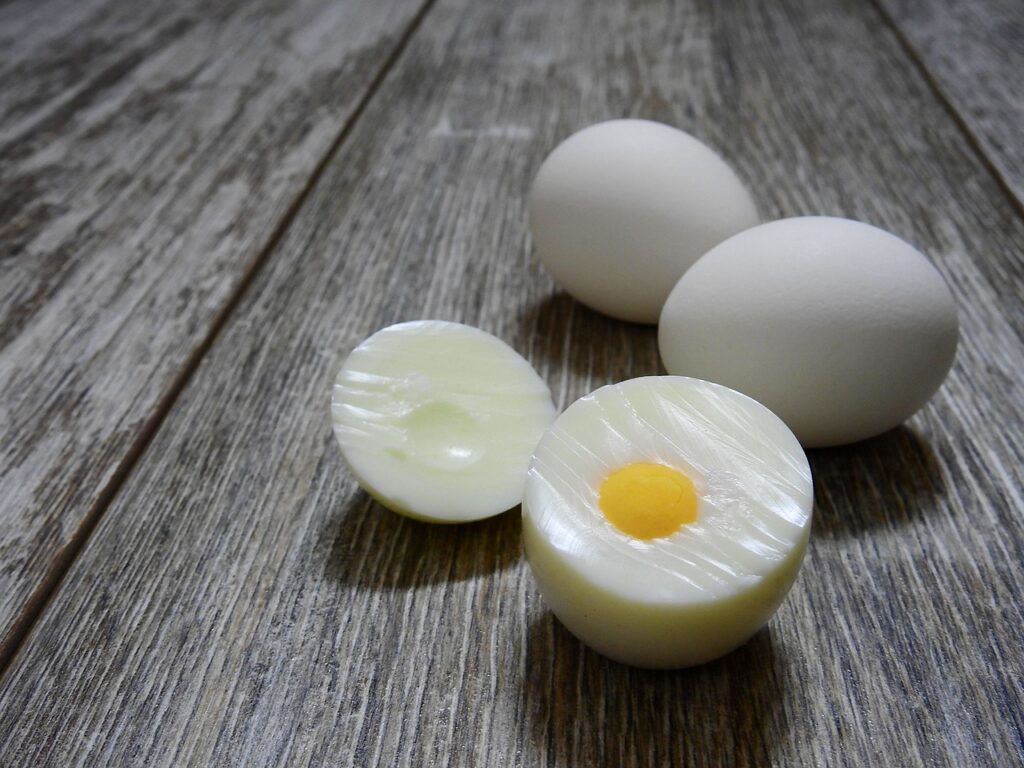
Using a plastic bottle to separate egg yolks looks efficient, but it introduces unnecessary complications. Suction strength varies, often pulling in egg whites along with the yolk. Plastic edges can also rupture yolks, defeating the purpose. Traditional methods using hands or spoons provide better control and less waste. The bottle hack gained traction because it feels clever and uses common objects. In everyday cooking, however, it slows the process rather than simplifying it. Cleanup is also more involved than advertised. What looks fast on video often proves awkward in real use. Experienced cooks tend to abandon it after a few tries.