12 Grocery Aisle Tricks Stores Use to Influence What You Buy

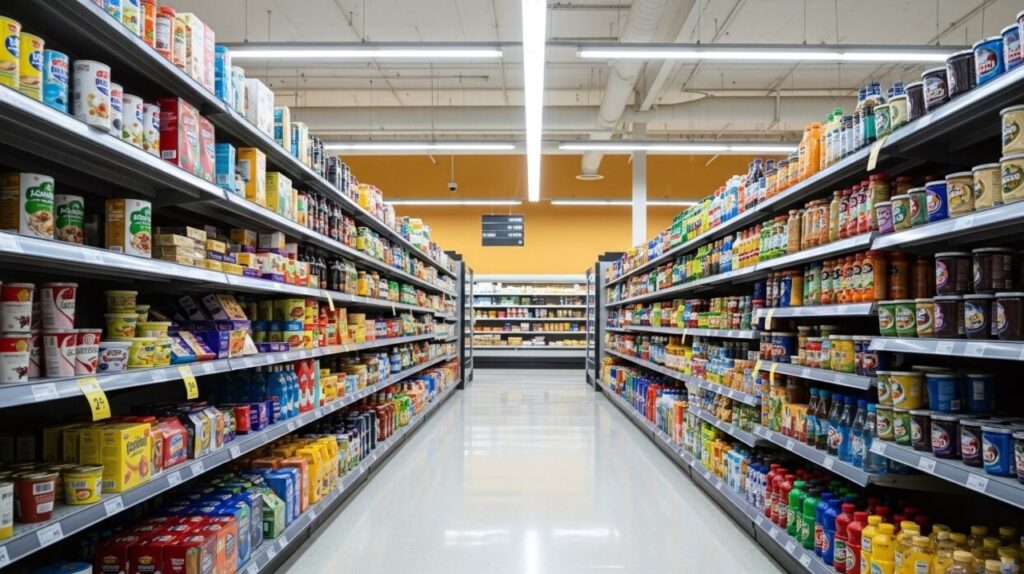
A grocery store may feel familiar, even routine, but every aisle is carefully designed to guide decisions before you realize one is being made. From where products are placed to how they are lit, scented, and grouped, modern supermarkets rely on psychology, habit, and subtle cues to influence what ends up in your cart. These strategies are not accidental, and they are not new. They are refined through years of consumer research, sales data, and behavioral studies that reveal how people shop when they are rushed, hungry, distracted, or simply tired. Understanding these tactics does not mean avoiding stores altogether.
1. Eye-Level Shelf Placement
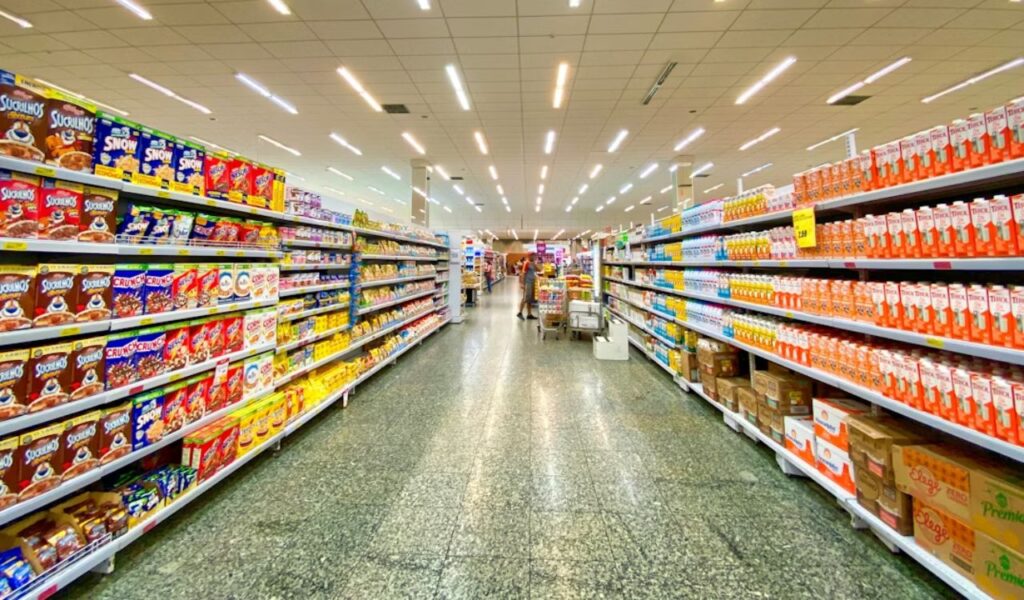
The most valuable space in any grocery store is not the front of the aisle but the area directly in your natural line of sight. Products placed at eye level consistently sell more because they require the least effort to notice or reach. Stores often reserve this space for higher-margin brands or items they are incentivized to promote, not necessarily the best value. Budget options are usually placed lower, while premium or heavily advertised products sit where your eyes land first. This works because shoppers make many decisions quickly and subconsciously. Eye-level placement shortens comparison time and nudges fast choices, especially when shoppers feel rushed or mentally overloaded.
2. End-Cap Displays
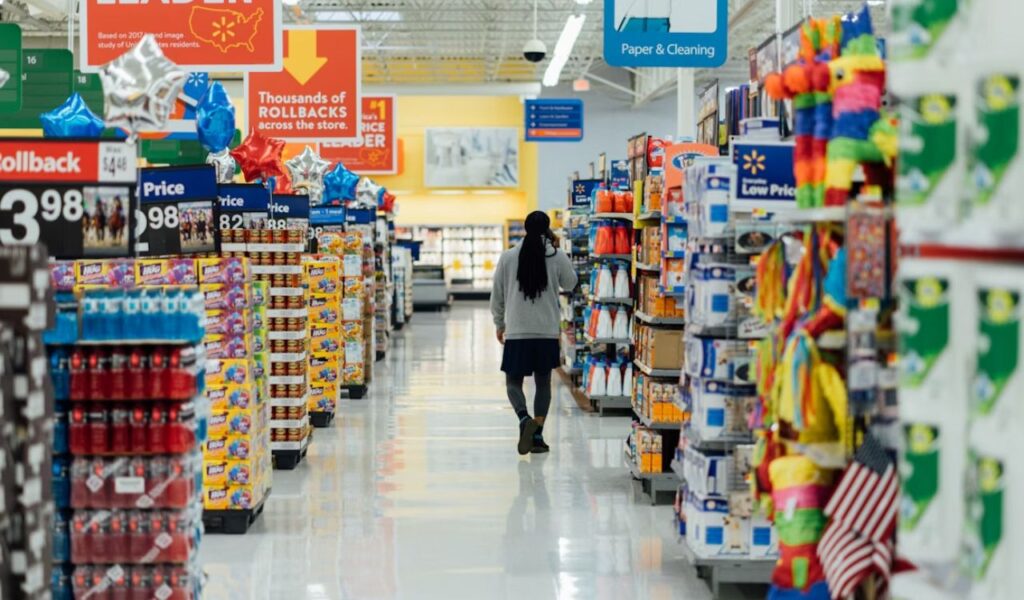
End caps feel important because they interrupt the visual flow of an aisle. Items placed here appear special, seasonal, or discounted, even when prices remain unchanged. Stores use end caps to spotlight promoted brands, test new products, or clear excess inventory. Many shoppers assume these items are deals without checking labels. The separation from regular shelving gives products urgency and status. Since people naturally pause at aisle ends to orient themselves, end caps capture attention effortlessly and drive impulse purchases without the shopper actively seeking them out. Brands often pay for these placements, which explains their frequent rotation.
3. Strategic Product Lighting
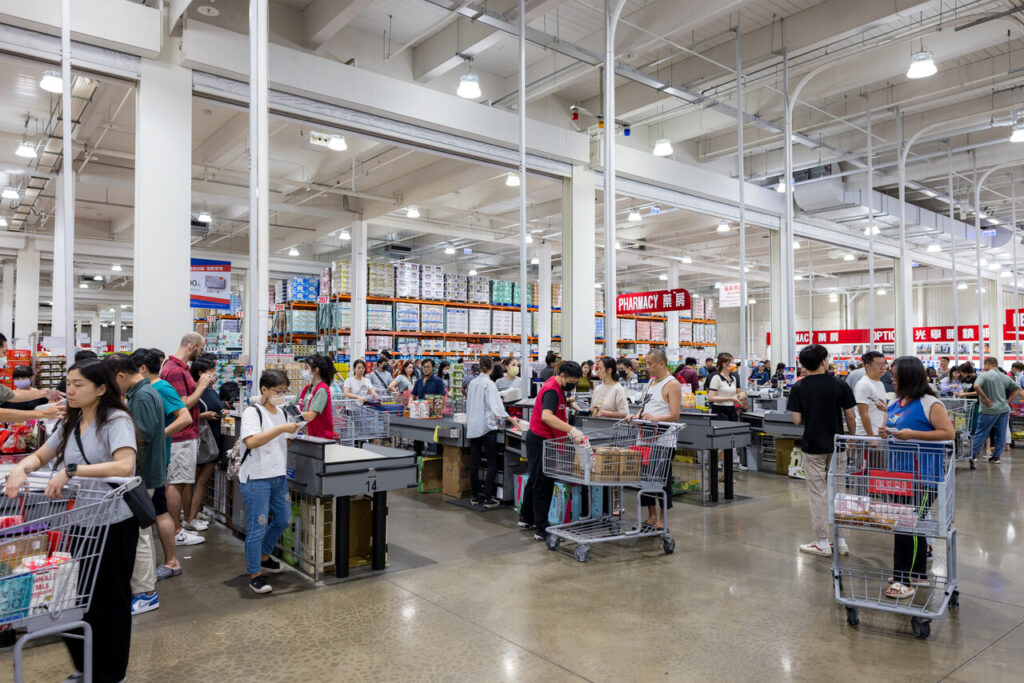
Lighting subtly reshapes how food is perceived. Bright, warm lighting makes produce appear fresher, baked goods look golden, and packaged foods seem cleaner. Grocery stores adjust lighting tone and intensity by department to influence mood and appetite. Well-lit sections invite browsing and slow movement, while dimmer aisles encourage faster decisions. This technique enhances appeal without altering the product itself. Shoppers tend to trust what looks fresh, even when lighting is doing much of the work behind the scenes. Cooler lighting is often used in frozen sections to signal freshness. Softer lighting can mask imperfections.
4. Bakery Smells Near Entrances
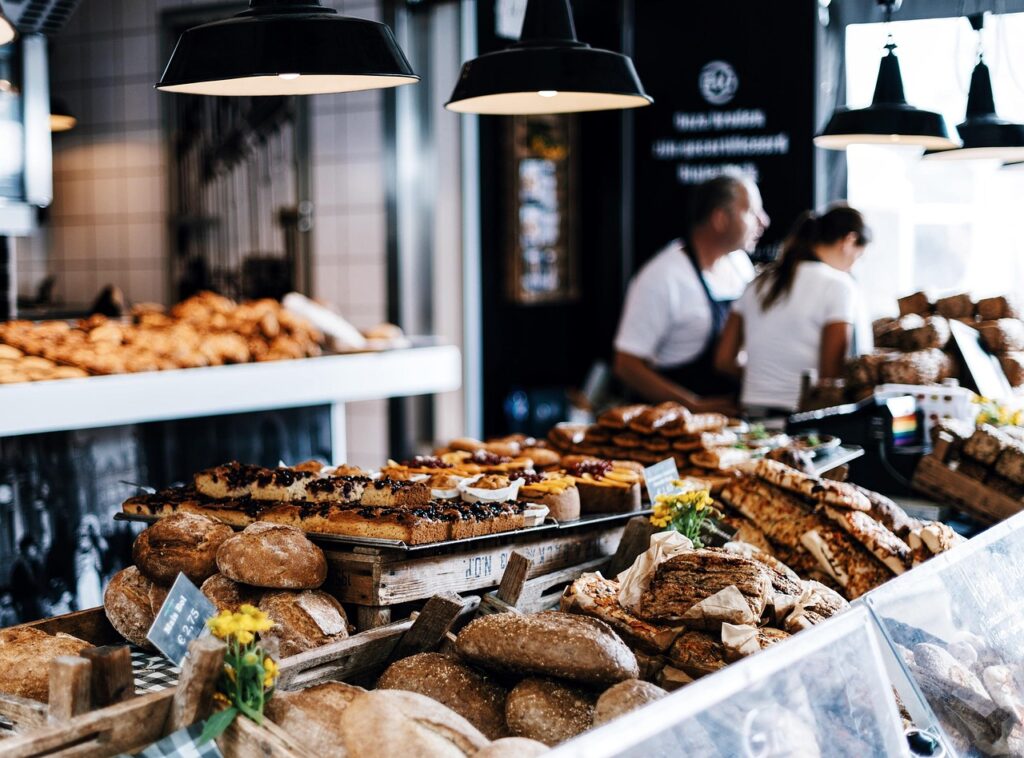
Smell is one of the strongest triggers of appetite and memory. Many stores place bakeries near entrances so shoppers encounter warm bread aromas immediately. This increases hunger early in the trip, leading to more impulse buying later. Even customers with strict lists may add unplanned items after smelling baked goods. The effect lingers as shoppers move through the store, lowering resistance to treats. Decisions made while hungry are typically faster, less analytical, and more emotionally driven. Some stores vent bakery air intentionally toward entrances. The scent primes shoppers before any prices are seen. Hunger makes carts fill faster.
5. Bigger Shopping Carts
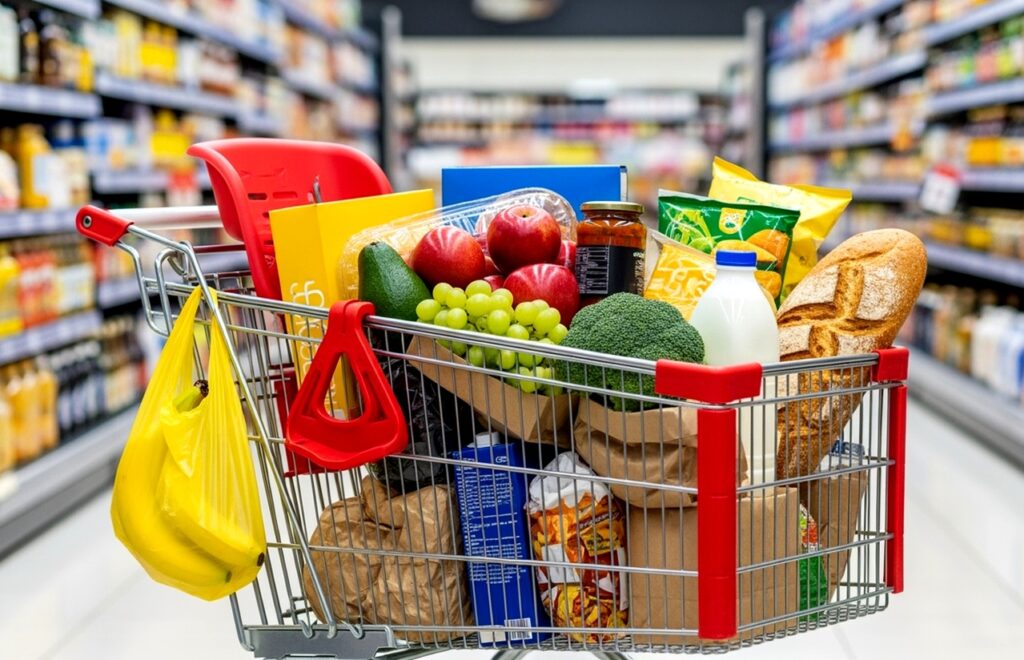
Cart size quietly influences buying behavior. Larger carts make early purchases look insignificant, encouraging shoppers to keep adding items. When a cart feels empty, the brain interprets the trip as incomplete. Stores have gradually increased cart sizes over time, knowing most customers would not notice. Even shoppers with short lists tend to buy more when unused space remains. This tactic works silently, relying on visual perception rather than signs or messaging. Bigger carts also reduce the visual impact of spending. Shoppers feel less restrained when space remains. Hand baskets limit this effect, which is why they are less prominent.
6. Checkout Aisle Temptations
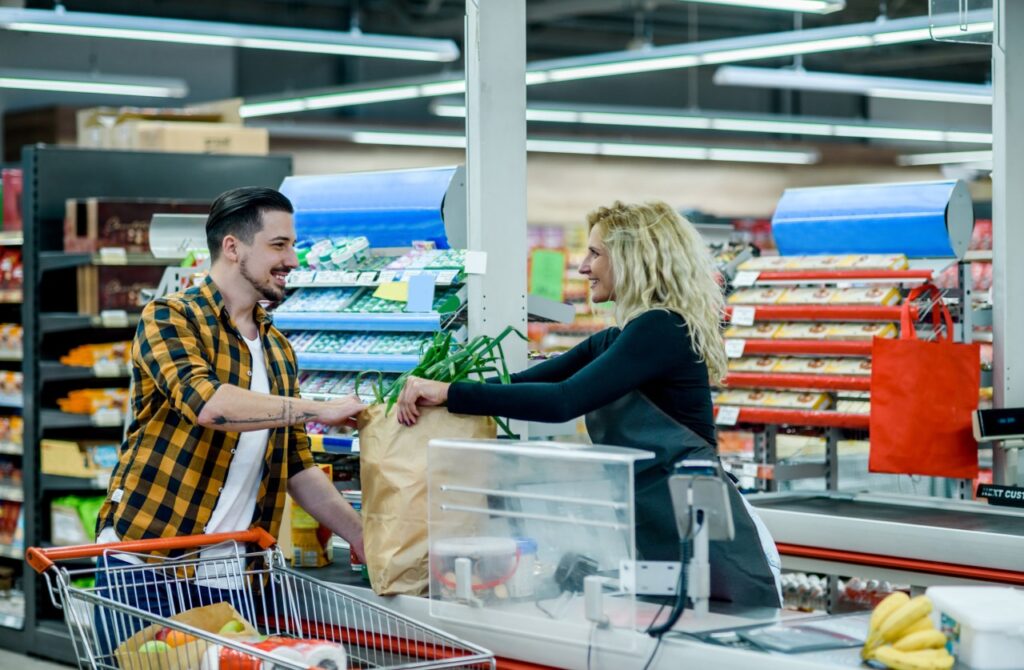
Checkout zones are engineered for impulse decisions. Shoppers are tired, waiting, and mentally done with planning. Small, low-cost items like candy and snacks are placed within easy reach because self-control is weakest at this moment. These items are emotionally driven and require little thought. Parents face added pressure from children during checkout, increasing unplanned purchases. This strategy converts idle waiting time into profit by targeting reduced decision resistance. Items here are rarely discounted. They rely on convenience, not value. The goal is speed, not consideration. Even shoppers with strict budgets are more likely to make exceptions at this final stage.
7. Price Tags Without Unit Comparison
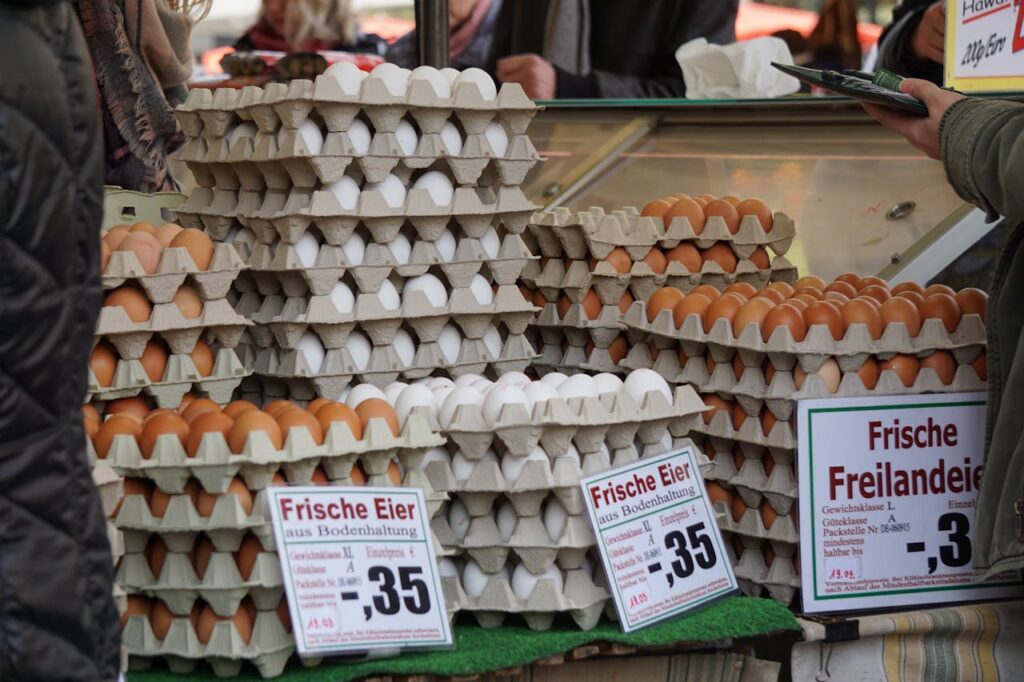
Large price tags emphasize total cost while downplaying unit pricing. Shoppers often compare prices quickly without calculating cost per ounce or item. Stores know small unit-price text discourages deeper evaluation. This allows similar products to appear competitively priced even when they are not. Shoppers relying on surface cues are more likely to choose higher-priced items unknowingly. The tactic favors speed and convenience over clarity, especially during busy trips. Multi-pack pricing often hides higher unit costs. Larger packages feel economical at a glance. Unit pricing requires deliberate attention to uncover true value.
8. Private Labels Beside Name Brands
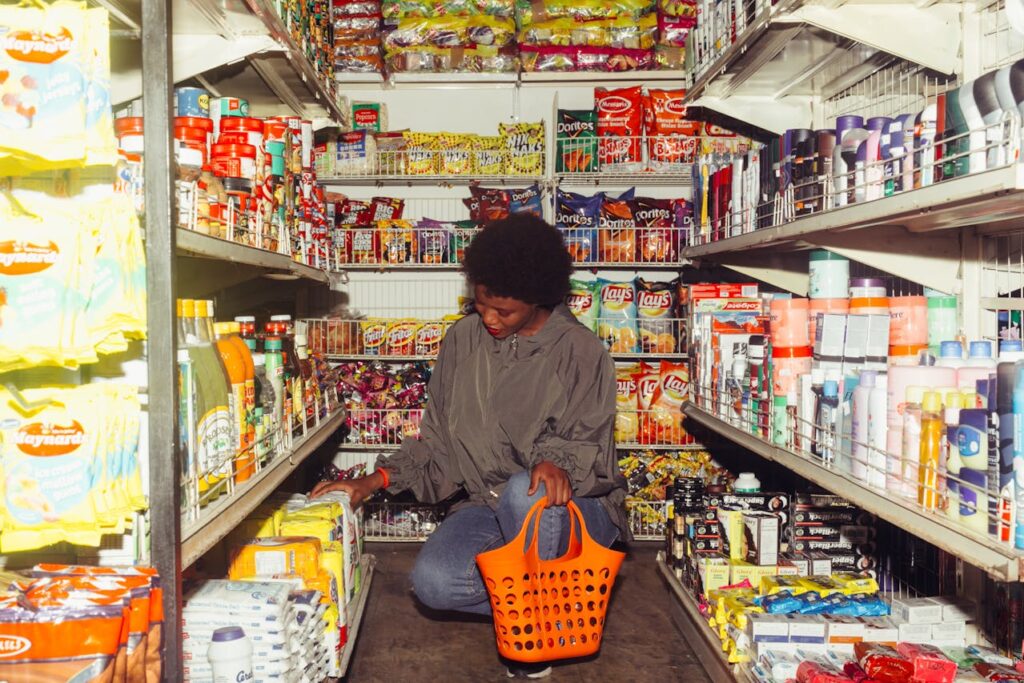
Store brands are often placed directly next to national brands to invite comparison. The goal is to make private labels feel like a smarter choice through proximity alone. Familiar brand placement boosts trust in the store brand beside it. Packaging often mimics color schemes or layouts of popular brands to reinforce similarity. This placement increases confidence and boosts store-brand sales, which typically deliver higher margins for retailers. Many store brands are produced by the same manufacturers as name brands. The visual comparison nudges trial without explanation. Familiarity drives acceptance.
9. Sale Signs Without Meaningful Discounts
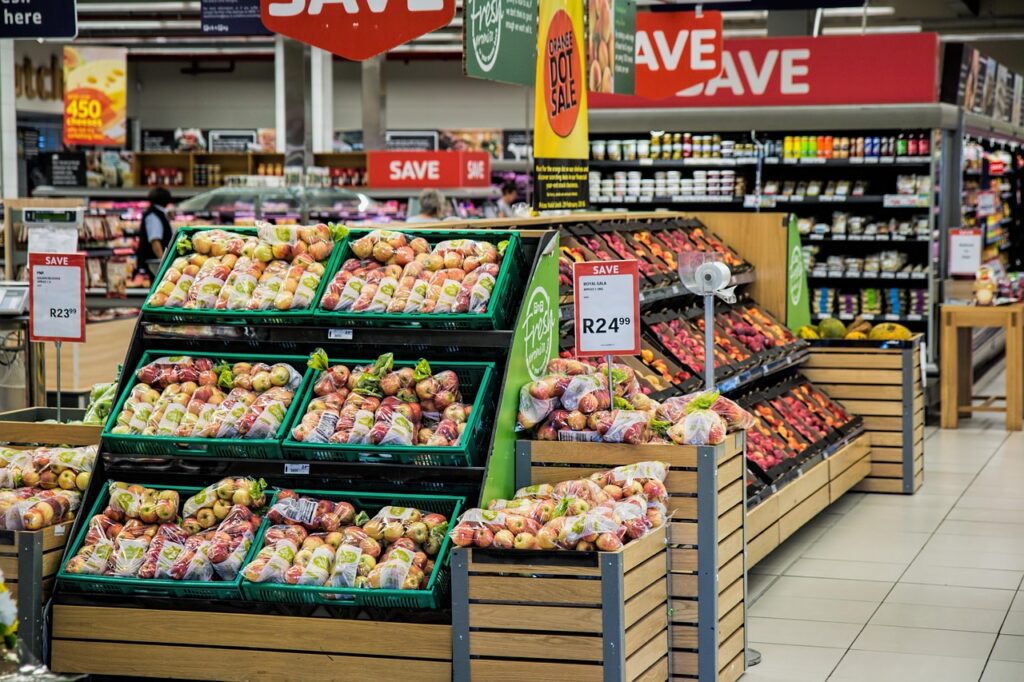
Bold sale signage attracts attention even when discounts are minimal. Words like “special” or “limited” create urgency without significant savings. Many shoppers do not track previous prices, assuming the sign indicates value. Stores rotate signage frequently to maintain excitement, even if prices barely change. This tactic relies on visual stimulation rather than true cost reduction, pushing quick decisions before comparison can happen. Bright colors increase perceived urgency. The word “sale” often matters more than the number. Shoppers rarely verify the actual savings. Once the sign grabs attention, logic often takes a back seat to impulse.
10. Grouping Complementary Products

Placing related items together increases total spending. Chips near salsa or pasta near sauce encourage shoppers to buy more than planned. This setup removes effort and subtly suggests combinations. Shoppers often interpret proximity as a recommendation rather than a sales tactic. It works especially well during meal planning or entertaining, when convenience matters most. The increase in spending feels helpful rather than manipulative. This strategy targets convenience-driven decisions. It shortens planning time. The cart fills faster with fewer conscious choices. Because the decision feels logical and effortless, shoppers rarely notice how much more they are adding.
11. Limited-Stock Messaging
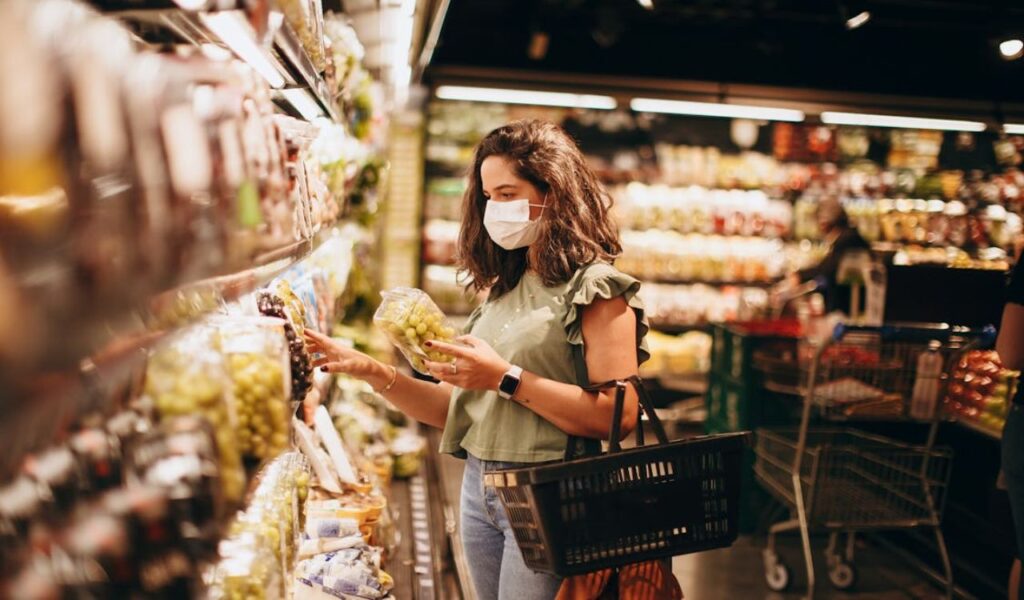
Scarcity messaging creates urgency even when supply is stable. Phrases like “while supplies last” trigger fear of missing out. Shoppers are more likely to buy immediately instead of delaying or comparing. This tactic speeds decisions and reduces price checking. People associate limited availability with popularity and value, making the message especially persuasive. Scarcity language works even without proof. It shifts focus from need to urgency. Shoppers act to avoid regret. The pressure feels internal rather than imposed, which makes it harder to resist. Even experienced shoppers can be swayed when scarcity taps into emotion instead of logic.
12. Aisle Layout That Extends Your Path
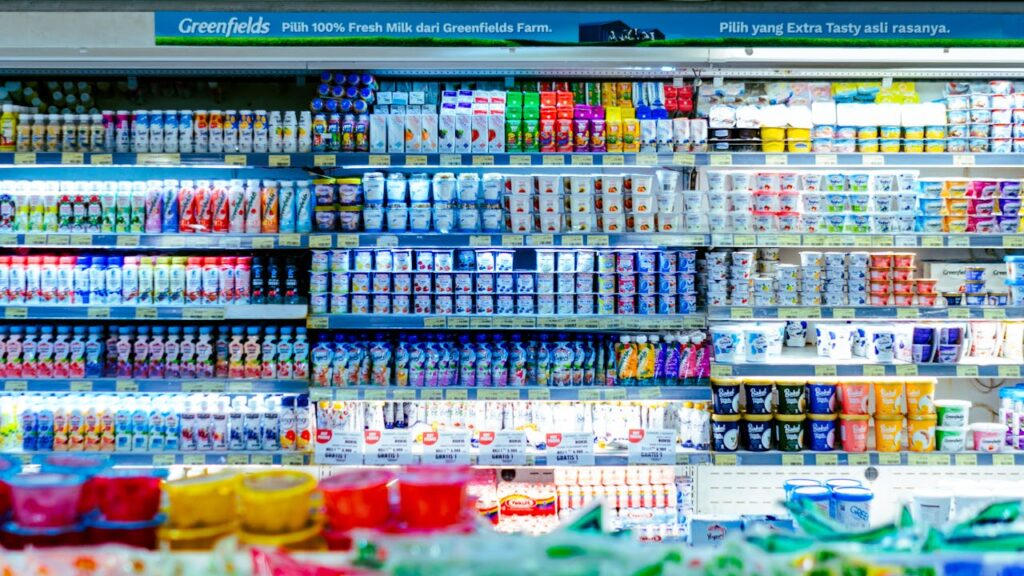
Staple items like milk and eggs are intentionally placed far apart. This forces shoppers to travel through more aisles, increasing exposure to additional products. The longer the path, the more opportunities for impulse purchases. Store layouts are designed to guide movement, not convenience. Most shoppers accept this design without questioning it, making it one of the most effective influence tools in grocery retail. Frequent purchases are used as anchors to control traffic flow. The layout maximizes visual exposure. More exposure leads directly to higher spending. By the time shoppers reach essentials, their carts often already contain items they never planned to buy.