13 Kitchen Habits That Make Home Cooks Feel Michelin Level

There is a quiet confidence that comes from cooking with intention rather than rushing to the finish line. Michelin-level cooking is not about rare ingredients or complex techniques, but about habits that bring calm, control, and awareness into the kitchen. These small, repeatable practices help home cooks move with purpose, trust their instincts, and understand food as it changes in real time. When cooking feels organized, sensory, and deliberate, even simple dishes begin to feel refined. These habits do not chase perfection, but they build consistency, which is what truly separates confident cooks from recipe followers.
1. Practicing Mise en Place

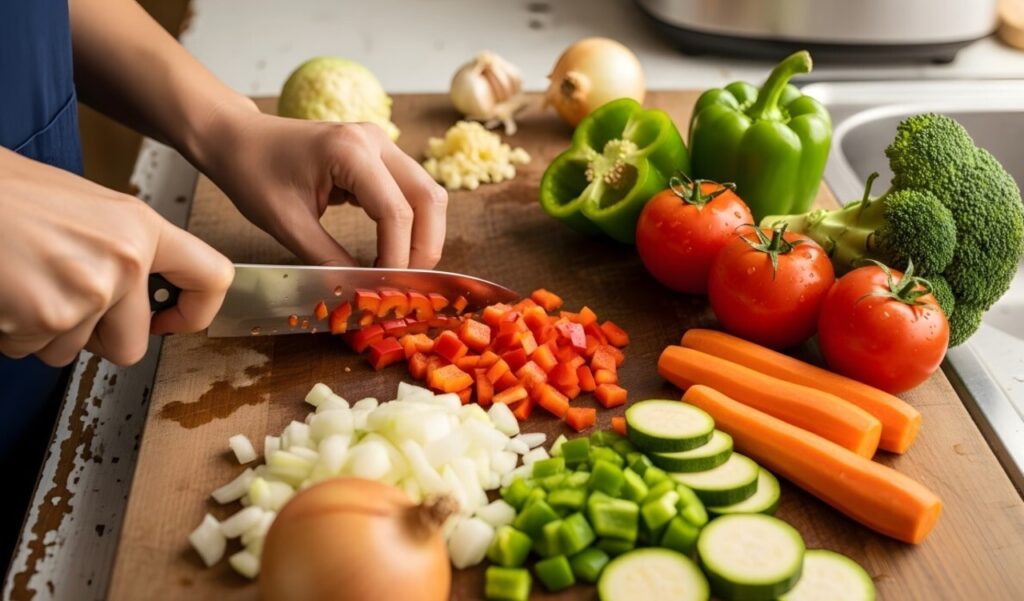
Professional kitchens run on preparation, not speed, and mise en place is the habit that makes everything else feel easier. When ingredients are washed, chopped, measured, and arranged before cooking begins, the actual cooking becomes calmer and more controlled. This approach reduces mistakes, prevents forgotten ingredients, and allows better timing, especially when heat is involved. It also helps you notice quality issues early, such as dull knives or uneven cuts. Home cooks who adopt mise en place feel more confident because they are reacting less and executing more. The habit mirrors how chefs manage pressure, turning cooking into a focused process instead of a scramble.
2. Tasting at Every Stage
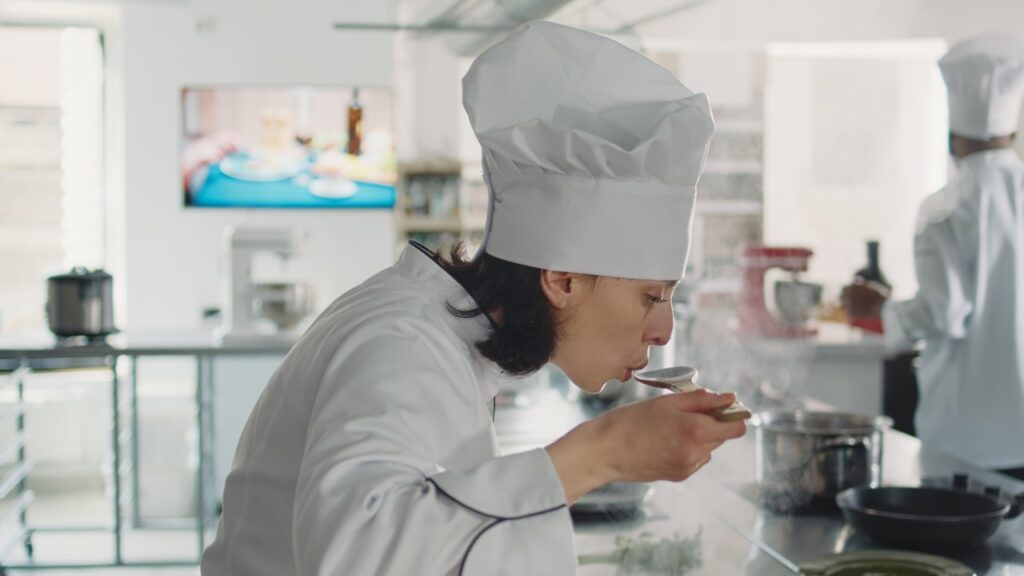
Great cooking depends on constant feedback, and tasting provides it. Professionals taste not just at the end, but throughout the cooking process to adjust seasoning, texture, and balance. Ingredients change as they heat, reduce, or combine, and flavors can intensify or fade. By tasting early and often, home cooks learn how salt behaves, how acidity sharpens, and how sweetness develops. This habit builds intuition and reduces reliance on exact measurements. Over time, tasting becomes second nature, making dishes feel intentional rather than accidental. It is one of the fastest ways to move from following recipes to truly understanding them.
3. Seasoning in Layers

Seasoning once at the end often results in flat flavor. Chefs season gradually, building depth as ingredients cook. Salt added early penetrates proteins and vegetables, while later seasoning sharpens the final taste. Layering seasoning also allows correction before it is too late. This habit encourages attention and patience, two traits that define professional cooking. Home cooks who season in layers gain better control over flavor and avoid over-salting. The result is food that tastes balanced from the first bite to the last, rather than salty on the surface and bland underneath. With practice, this approach teaches cooks to taste with intention instead of reacting at the final moment.
4. Using Sharp Knives Only
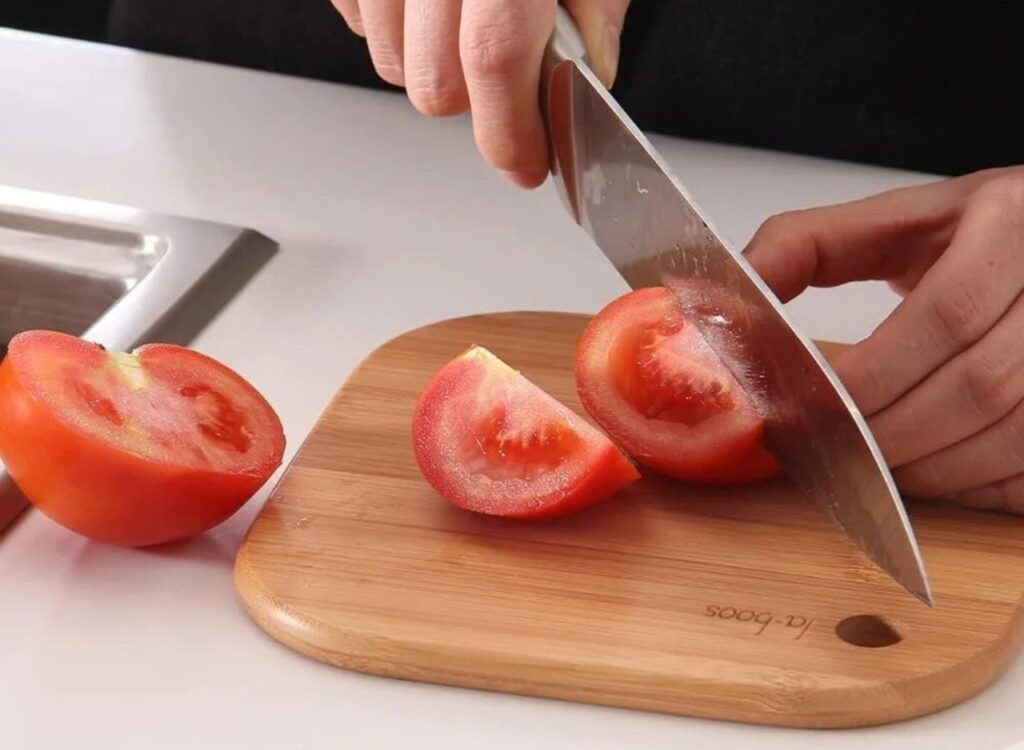
Sharp knives are not about skill level, they are about control. A sharp blade cuts cleanly, preserving ingredient structure and improving texture. Dull knives crush herbs, bruise vegetables, and require more force, increasing the risk of injury. Professionals maintain sharp knives because consistency matters in both cooking time and appearance. Home cooks who switch to sharp knives immediately feel more capable and efficient. Prep becomes faster and less tiring, and cuts look intentional. This single habit quietly elevates everything that follows, from even cooking to cleaner plating. Consistent knife maintenance also builds respect for tools and improves overall kitchen confidence.
5. Cleaning as You Cook

A clean workspace is a functional one. Professional kitchens clean continuously to maintain safety, efficiency, and focus. When clutter builds up, mistakes increase, and timing suffers. Cleaning as you cook means washing tools while food simmers, wiping surfaces between steps, and keeping only what you need within reach. This habit reduces stress and makes the final cleanup far easier. Home cooks who adopt it feel more organized and confident, even during complex meals. A tidy kitchen supports clear thinking, which directly improves cooking quality. This rhythm also helps cooks stay present, preventing rushed decisions late in the process.
6. Letting Ingredients Come to Room Temperature

Cold ingredients behave differently under heat. Proteins straight from the refrigerator cook unevenly, leading to tough exteriors and undercooked centers. Butter and eggs incorporate better when not ice-cold, improving sauces and batters. Professional kitchens account for temperature because consistency matters. Home cooks who allow ingredients to rest briefly before cooking gain better texture and control. This habit requires patience but pays off in more predictable results. It also encourages planning, which is a hallmark of confident cooking. Over time, this awareness reduces surprises and improves timing across an entire meal.
7. Respecting Proper Heat Control
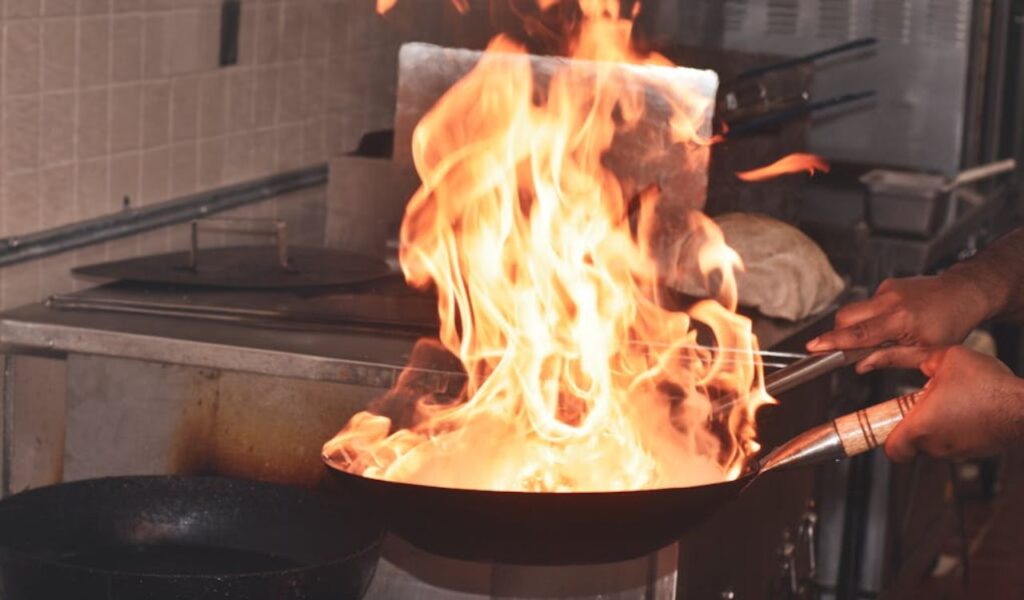
Heat is the most powerful tool in the kitchen, and misusing it causes more failures than any ingredient mistake. Chefs understand when to sear, when to simmer, and when to remove a pan entirely. High heat builds flavor through browning, while low heat protects delicate textures. Constant attention to heat prevents burning, curdling, and drying out. Home cooks who learn to adjust heat instead of leaving it fixed feel more in command. This habit turns cooking from guesswork into deliberate action. Learning how different pans hold and distribute heat improves control and consistency. Over time, managing heat becomes instinctive, allowing cooks to react smoothly instead of correcting mistakes.
8. Finishing with Acid

Many dishes taste heavy or dull because they lack acidity. Chefs often finish plates with lemon juice, vinegar, or fermented elements to brighten flavors. Acid cuts through fat, sharpens seasoning, and adds freshness without extra salt. This final adjustment can transform a dish seconds before serving. Home cooks who embrace this habit develop a stronger sense of balance. It also teaches restraint, since a small amount makes a big difference. Acid is one of the simplest ways to achieve restaurant-level polish. Different acids create different effects, from sharp citrus to mellow vinegars. Understanding when and how to use them helps prevent dishes from tasting flat or overly rich.
9. Resting Meat Before Cutting
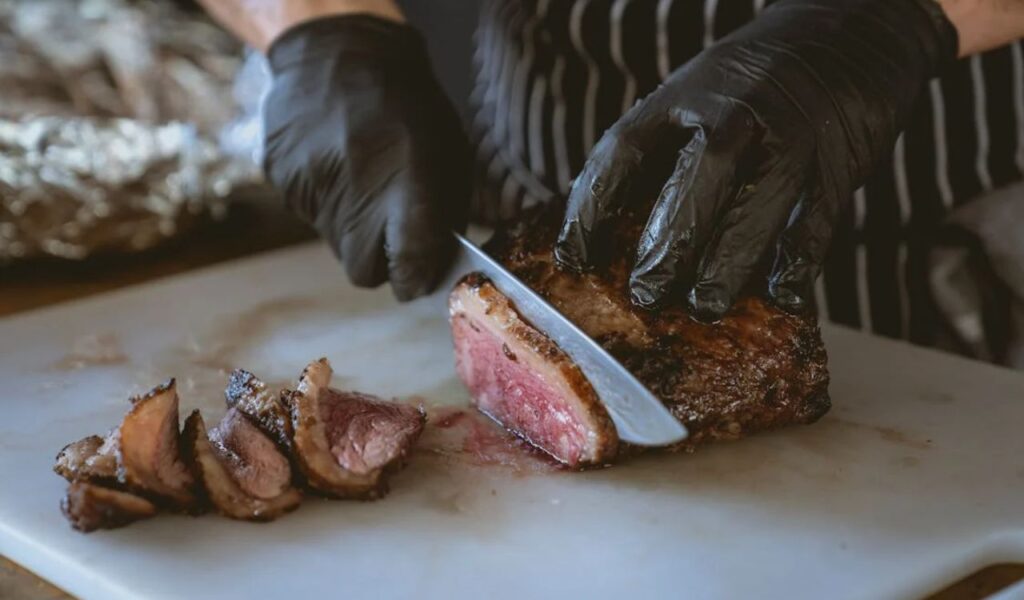
Cutting meat too soon releases juices that should stay inside. Resting allows fibers to relax and redistribute moisture, improving tenderness and flavor. Professionals rest meat as a rule, not a suggestion. The length of rest depends on size and cut, but the principle remains the same. Home cooks who practice this habit notice immediate improvement in texture. It also reinforces patience and timing, skills that define confident cooking. Waiting a few minutes often makes the difference between dry and satisfying. Resting stabilizes internal temperature, making doneness predictable. This habit improves presentation as well, since sliced meat holds its shape and juices better on the plate.
10. Plating with Intention

Plating is not about decoration; it is about clarity. Chefs plate to guide the eye and make food easier to eat. Leaving space on the plate, grouping elements thoughtfully, and wiping edges creates a sense of care. Home cooks who slow down and plate intentionally feel a shift in how their food is perceived. Even simple meals feel elevated when presented neatly. This habit builds pride and reinforces the connection between effort and experience. Consistent plating also helps cooks evaluate portion size and balance. Over time, this awareness improves both presentation and how satisfying the meal feels.
11. Using Quality Salt Consciously
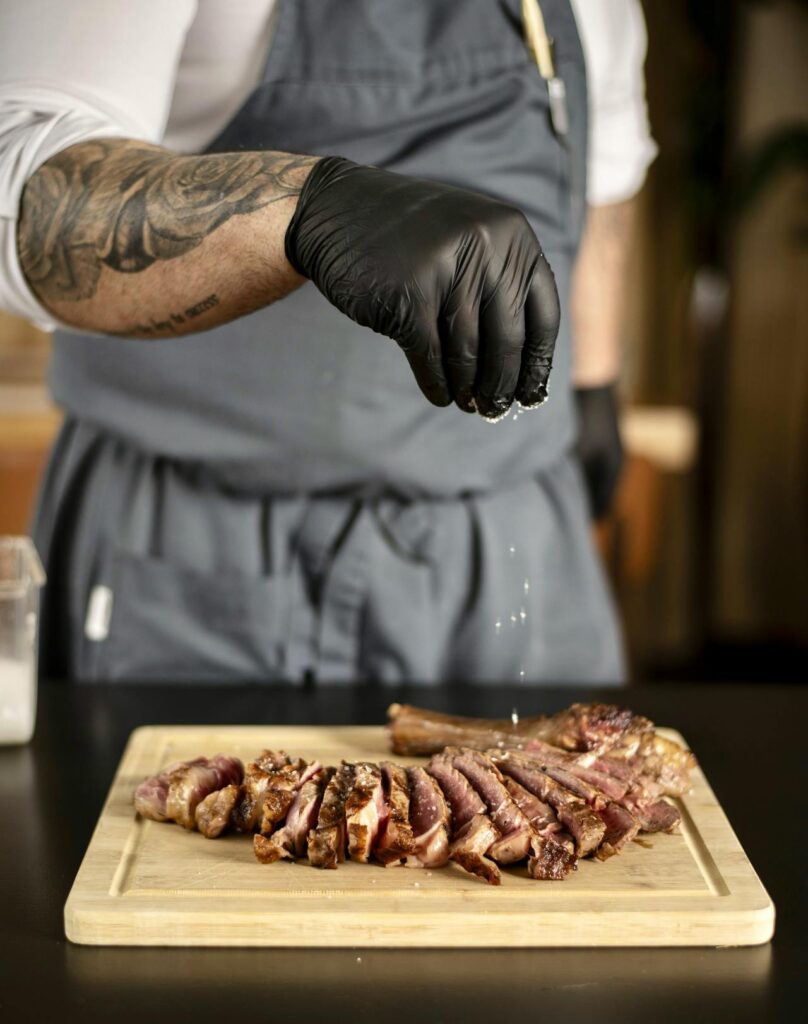
Salt is not just salt. Different salts serve different purposes in professional kitchens. Kosher salt offers control during cooking, while flaky salts add texture at the end. Using salt intentionally improves seasoning accuracy and mouthfeel. Home cooks who learn this habit gain confidence and consistency. It also reduces over-seasoning, since better salt requires less. Understanding salt is a quiet but powerful step toward refined cooking. Knowing when to season early or late prevents harsh or uneven flavor. This awareness leads to food that tastes seasoned throughout, not just on the surface.
12. Trusting Senses Over Timers
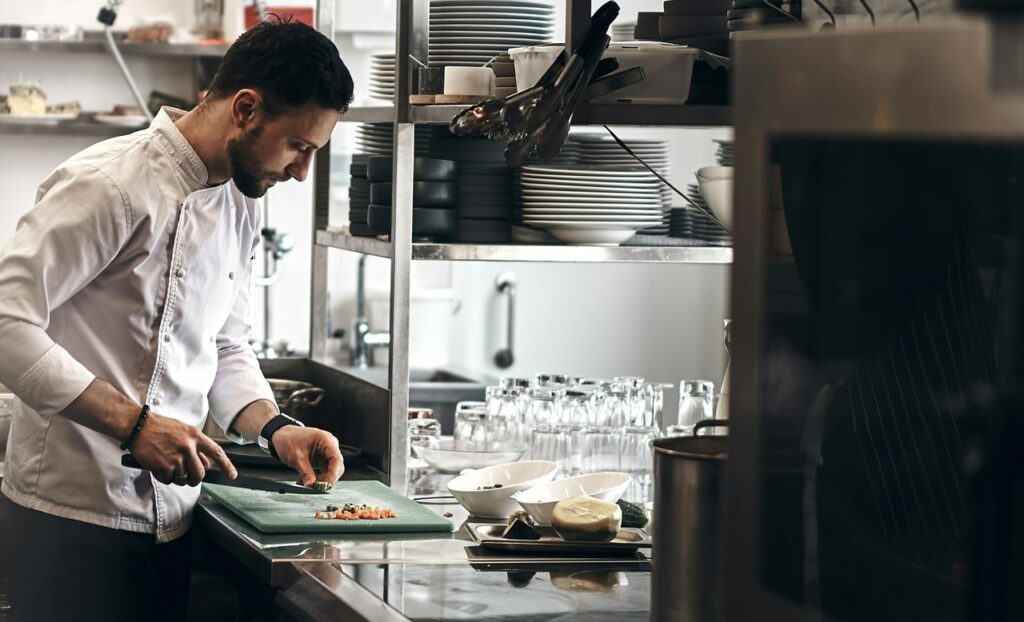
Timers are helpful, but they cannot account for variations in equipment, ingredients, or environment. Chefs rely on sight, sound, smell, and touch to judge doneness. Listening for a sizzle, watching color change, or feeling resistance builds intuition. Home cooks who trust their senses cook more accurately and adapt more easily. This habit develops over time and rewards attention. It shifts cooking from mechanical to responsive. Relying on sensory cues also reduces panic when things move faster or slower than expected. It encourages flexibility, which is essential in cooking. Over time, this awareness helps cooks recognize cues that signal when food is at its best rather than merely done.
13. Repeating Dishes to Master Them
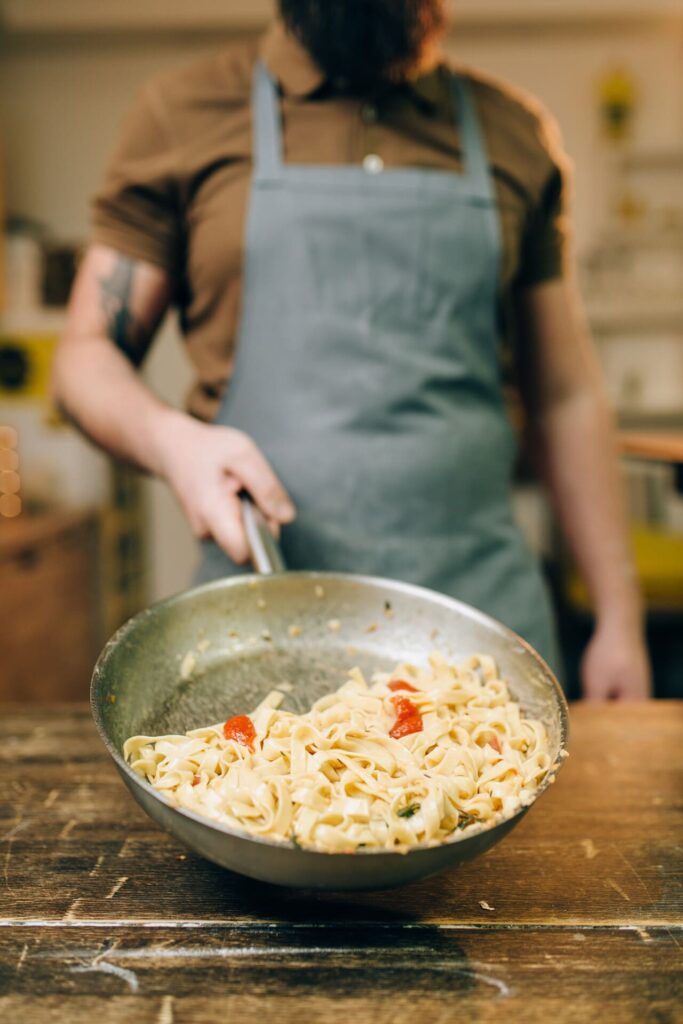
Professionals repeat dishes until movements and decisions become automatic. Mastery comes from repetition, not variety. Cooking the same recipe multiple times reveals patterns and builds efficiency. Home cooks who revisit dishes gain confidence and consistency. Each attempt improves timing, seasoning, and workflow. This habit replaces pressure with familiarity and turns cooking into a skill rather than a performance. Repetition also makes it easier to spot small improvements or mistakes. Over time, cooks develop their own rhythm, allowing them to refine dishes instead of starting from scratch each time.