
10 Grocery Store Smells Designed to Trigger Hunger and Impulse Buying

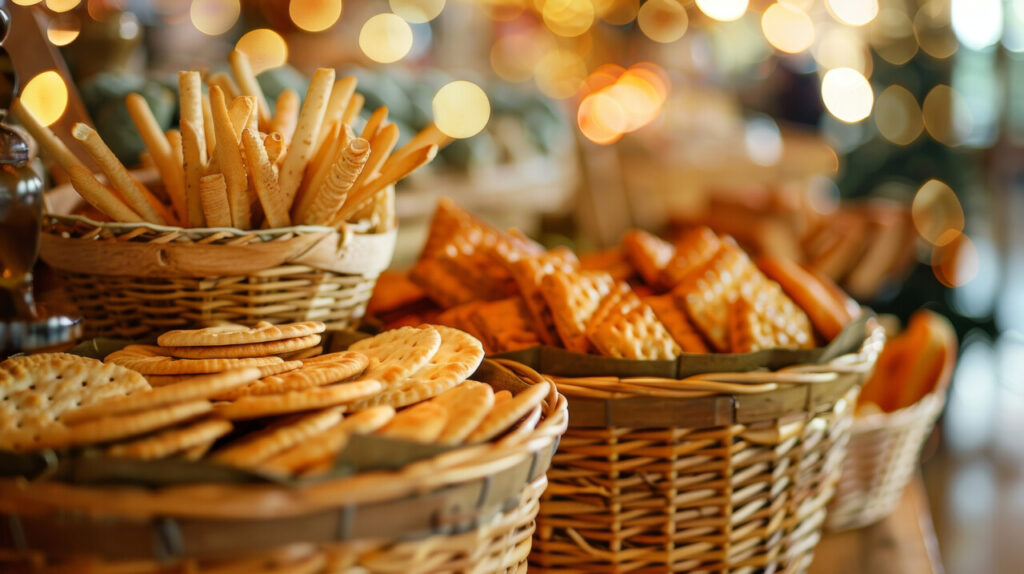
Here’s the thing. Grocery stores are not just stocked with food. They are staged like theaters for your senses. Long before you reach for your cart, the air is already doing quiet work on you. Warm bread near the entrance, cookies baking in the back, coffee drifting from a grinder, citrus in the produce aisle. None of it is random. Retailers know that scent is directly tied to memory, mood, and appetite, which means a single smell can slow you down, make you hungry, and nudge you to buy things you never planned on. Once you notice it, you start to see how powerful it is. These everyday aromas are subtle, but they shape how long you stay, what you crave, and how full your cart gets.
1. Fresh Bread That Smells Like It Just Came Out of Your Oven

Step into most supermarkets and the first thing that hits you is that unmistakable warm bread smell. It is not accidental. Fresh bread releases hundreds of aromatic compounds as it cools, especially toasty and slightly sweet notes that our brains associate with comfort and home cooking. Retailers often bake small batches throughout the day or use timed ovens near entrances so the scent drifts across the store. Research in scent marketing shows that warm, food-based aromas increase dwell time and make shoppers more likely to buy on impulse. Bread also pairs naturally with butter, cheese, soup, and deli items, so one loaf often turns into several extra purchases. What this really means is that a simple smell can quietly build an entire basket.
2. Cookies That Trigger Pure Childhood Nostalgia
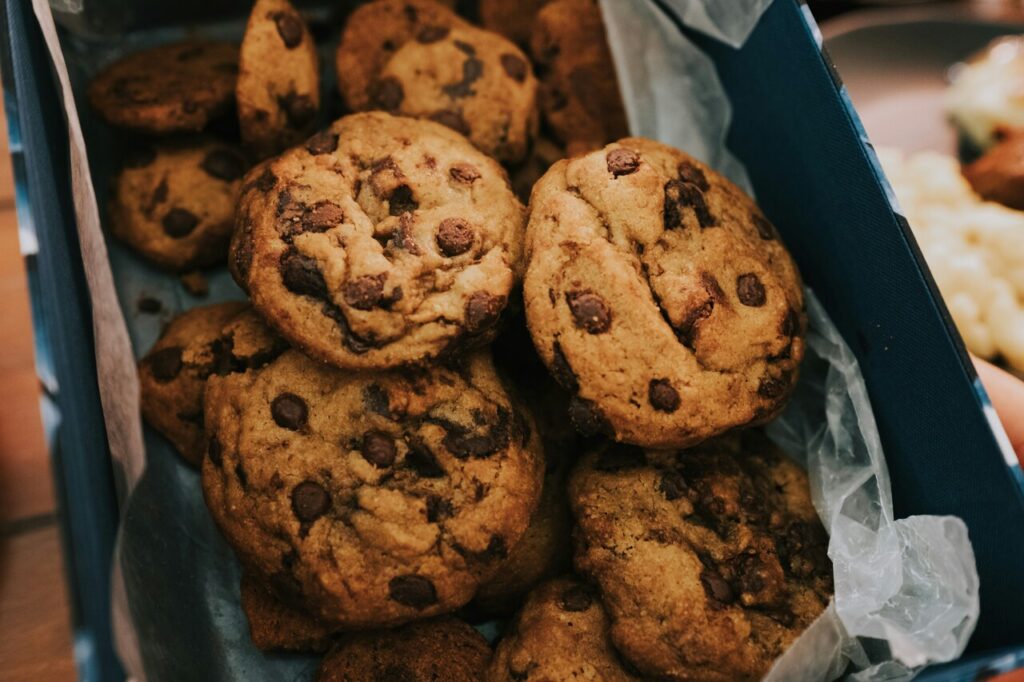
Few aromas hit as emotionally as cookies baking. The mix of butter, sugar, and vanilla produces a sweet, caramelized scent that people link to childhood treats and celebrations. Stores lean into this psychology by baking cookies near high-traffic zones or using scent diffusers that mimic that fresh-from-the-oven smell. Sweet smells are known to stimulate appetite even if you were not planning to buy dessert. Once you feel that craving, you are more open to grabbing brownies, cakes, or packaged snacks nearby. Cookies are also low effort for stores to bake and high margin to sell, so the return is strong. A tiny tray of warm samples or the simple scent of sugar browning can turn a quick milk run into an unplanned dessert haul.
3. Roasting Coffee That Pulls You Toward the Aisle
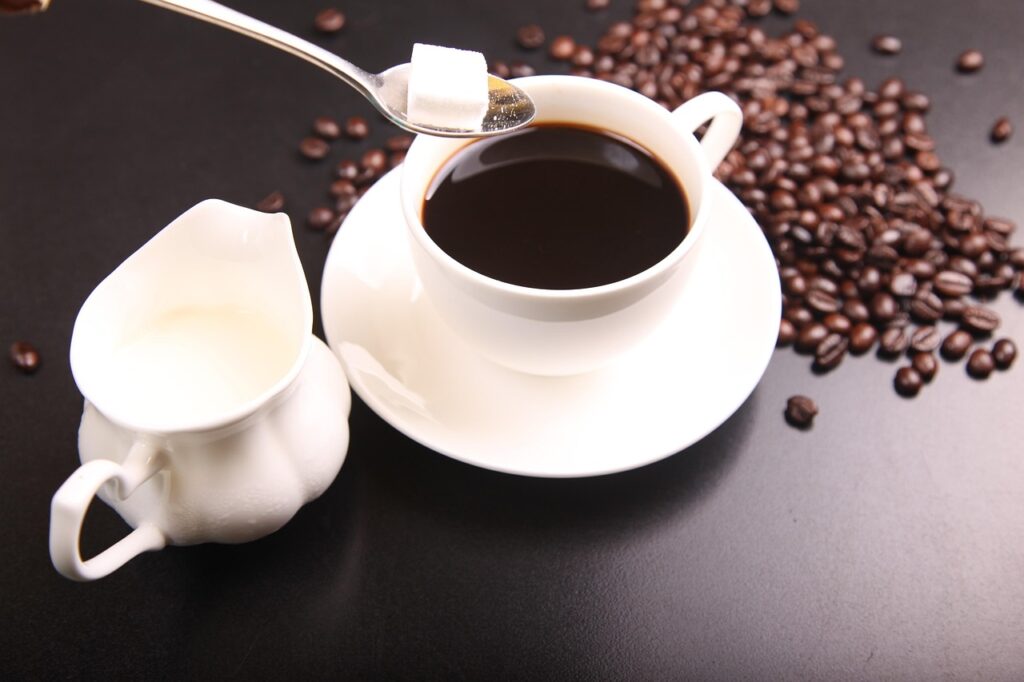
The smell of coffee is sharp, bitter, and deeply comforting all at once. It signals freshness and energy. Many stores grind beans on site or position small cafés near the entrance because the aroma travels far and cuts through other scents. Studies show that coffee smells can boost mood and alertness, which keeps shoppers browsing longer and feeling positive about their environment. When you feel good, you spend more freely. Coffee also encourages companion buys like pastries, creamers, and flavored syrups. Even people who do not drink coffee often find the smell pleasant. That wide appeal makes it one of the most effective tools for drawing people deeper into the store without a single sign or announcement.
4. Citrus That Makes Everything Feel Cleaner and Fresher

Citrus scents like lemon and orange do something subtle but powerful. They do not make you hungry in the same way bread or cookies do. Instead, they make a space feel clean and fresh. That perception matters in produce departments where shoppers judge quality with their senses. A light citrus aroma can make fruits and vegetables seem crisper and fresher, even before you touch them. Retail designers often use citrus notes near entrances or cleaning zones because people associate the smell with hygiene and trust. When the environment feels clean, customers are more comfortable spending time and money. In short, citrus lowers mental resistance and raises confidence in what you are about to buy.
5. Creamy Cheese and Dairy Notes That Spark Savory Cravings
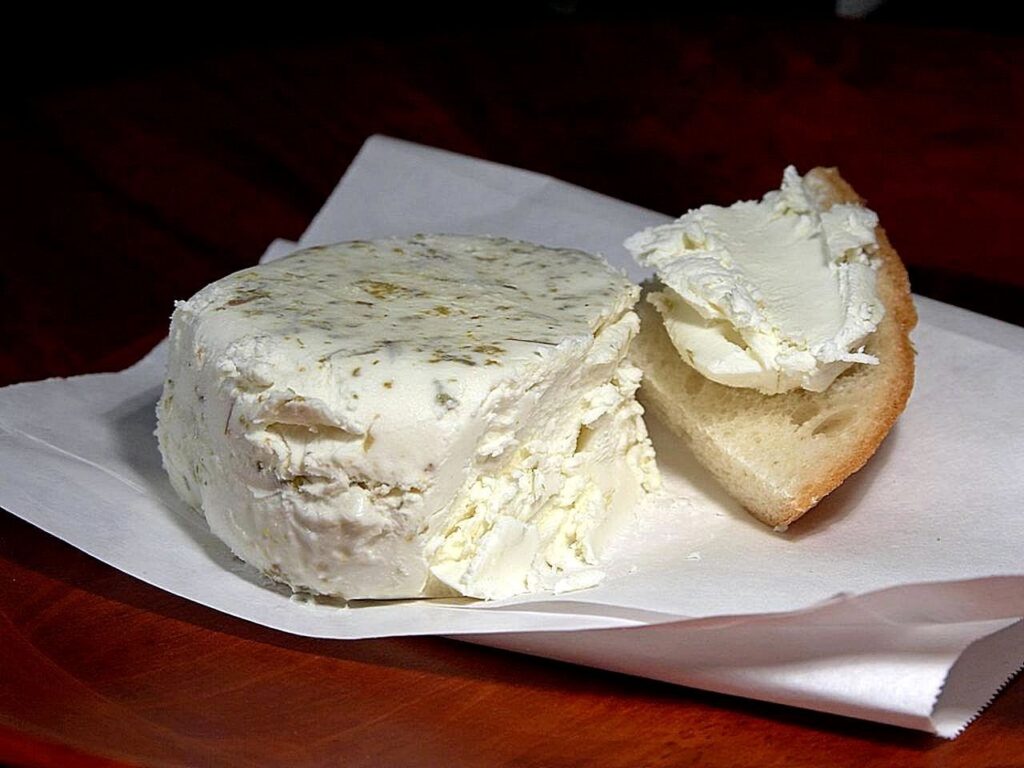
Savory dairy aromas are less obvious but just as strategic. The mild tang of cheese or the buttery smell of warm dairy dishes can quietly stimulate appetite for richer foods. Many stores position open deli cases or sampling stations where these scents naturally escape into nearby aisles. Fat carries flavor molecules well, so even a small amount of melted cheese or hot dip can perfume the area. That smell suggests indulgence and satiety, nudging shoppers toward comfort foods like pizza kits, crackers, or ready-to-eat meals. Because dairy products often anchor a meal, they lead to cross-category purchases. One block of cheese turns into bread, wine, and snacks without much thought.
6. Rotisserie Chicken That Feels Like Dinner Is Already Cooking
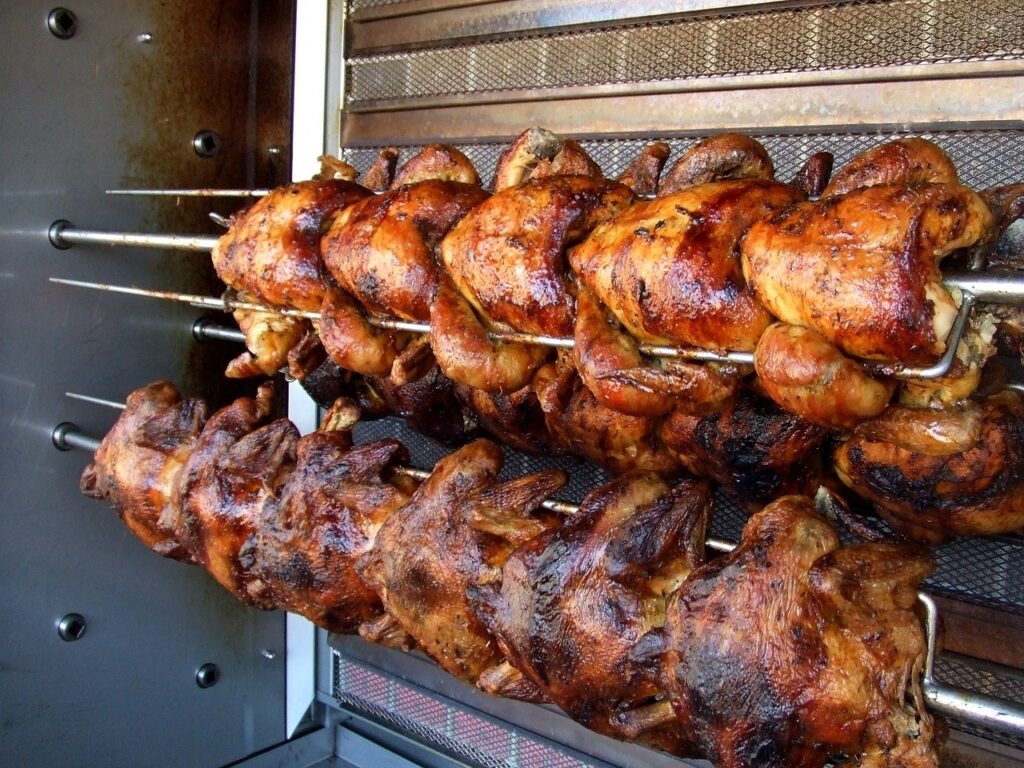
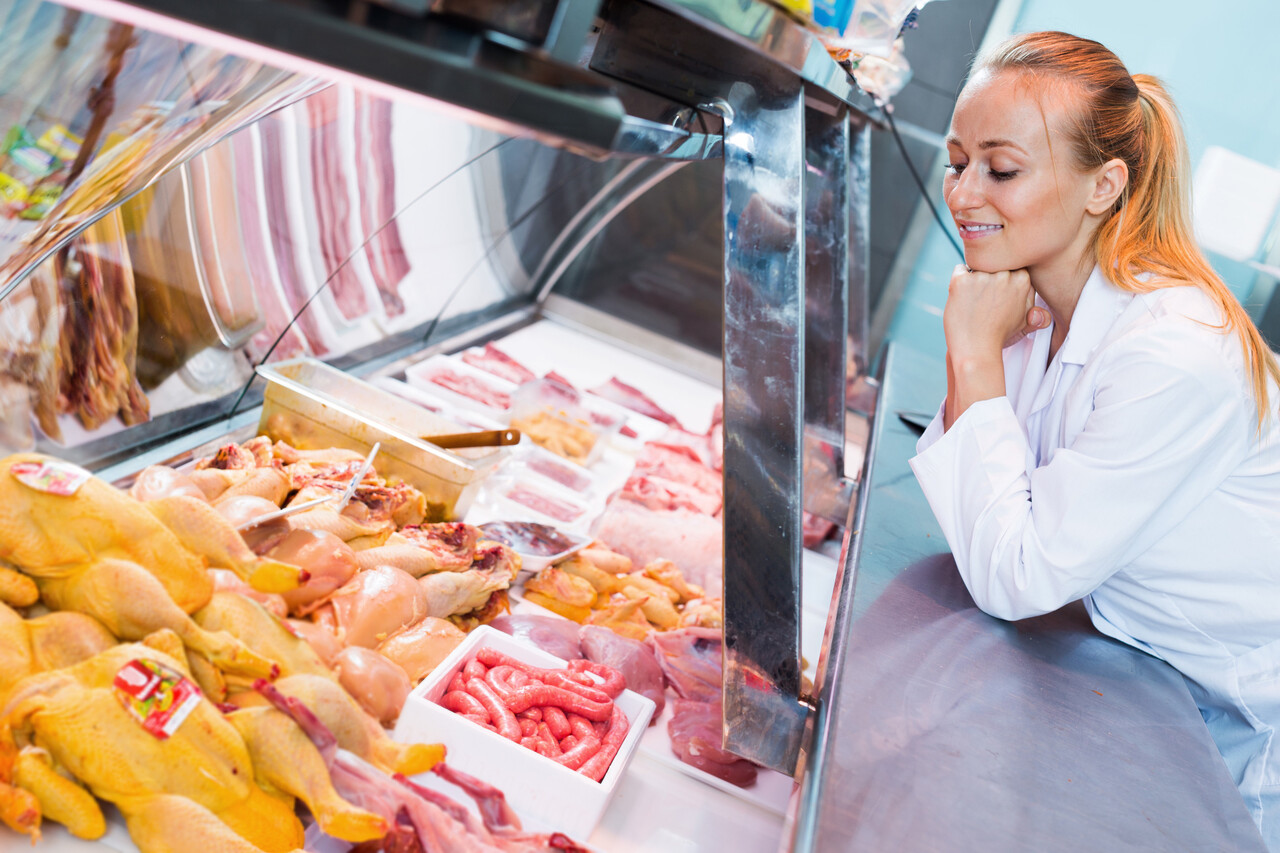
The smell of roasted meat is direct and primal. It signals protein, warmth, and a ready meal. Grocery stores often place rotisserie ovens where the aroma can travel down multiple aisles, especially during late afternoon when shoppers are tired and thinking about dinner. The scent reduces the mental effort of cooking. Instead of planning a recipe, you can grab something that already smells finished. That convenience factor boosts impulse buying of sides like salads, rolls, and drinks. It also increases the perceived value of prepared foods. When dinner smells this good, it feels easier to justify paying a bit more for ready-made options.
7. Fresh Herbs That Suggest Real Cooking Is About to Happen

Herb aromas are bright, green, and slightly peppery. They signal freshness and skillful cooking. When shoppers smell basil or rosemary near the produce section, they start imagining actual dishes like pasta sauce or roast vegetables. That mental image matters. It shifts the trip from basic shopping to meal planning. Stores sometimes mist or bunch herbs so their scent is stronger, which makes the entire area feel farm-fresh. Herbs themselves are inexpensive, but they trigger the purchase of more expensive ingredients to complete a recipe. A few sprigs of thyme can lead to chicken, potatoes, and wine. The scent sets the stage for a bigger spend.
8. Popcorn That Turns Snacking Into an Impulse
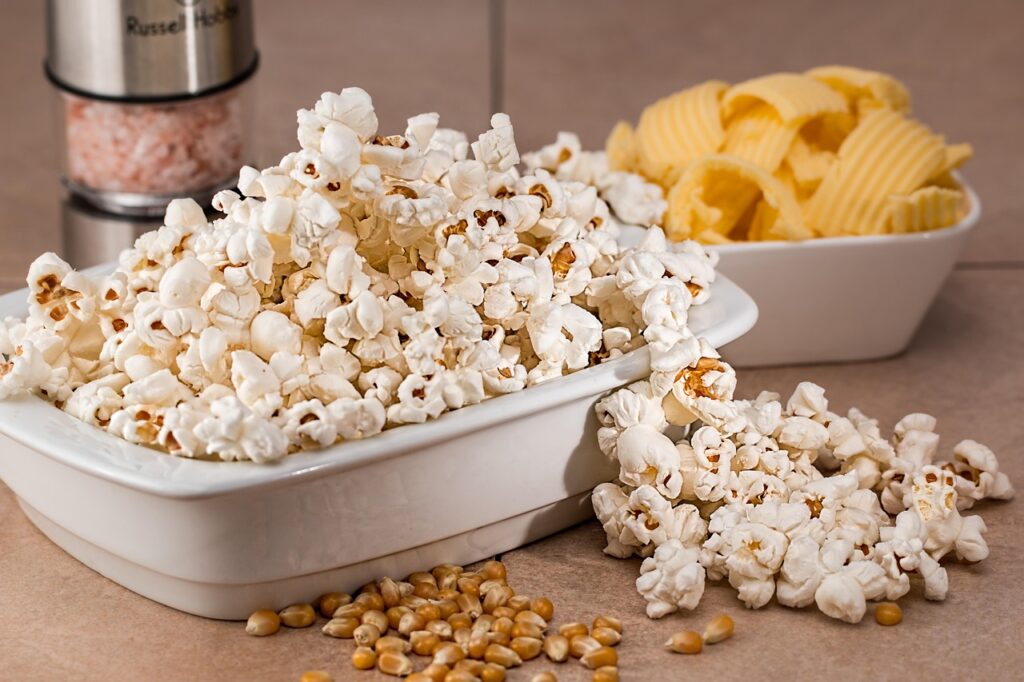
Popcorn smells buttery, salty, and instantly snackable. It carries well through open spaces, which is why cinemas use it and some grocery stores do too. Even a small popcorn machine near the front can create a steady stream of aroma that sparks cravings. Unlike full meals, snacks feel like low-commitment purchases. You toss them into the cart without overthinking. That makes popcorn scents perfect for encouraging impulse buys of chips, nuts, or candy nearby. The smell also creates a casual, fun atmosphere that keeps shoppers relaxed. Relaxed shoppers tend to browse more and buy more.
9. Chocolate and Vanilla That Whisper Indulgence
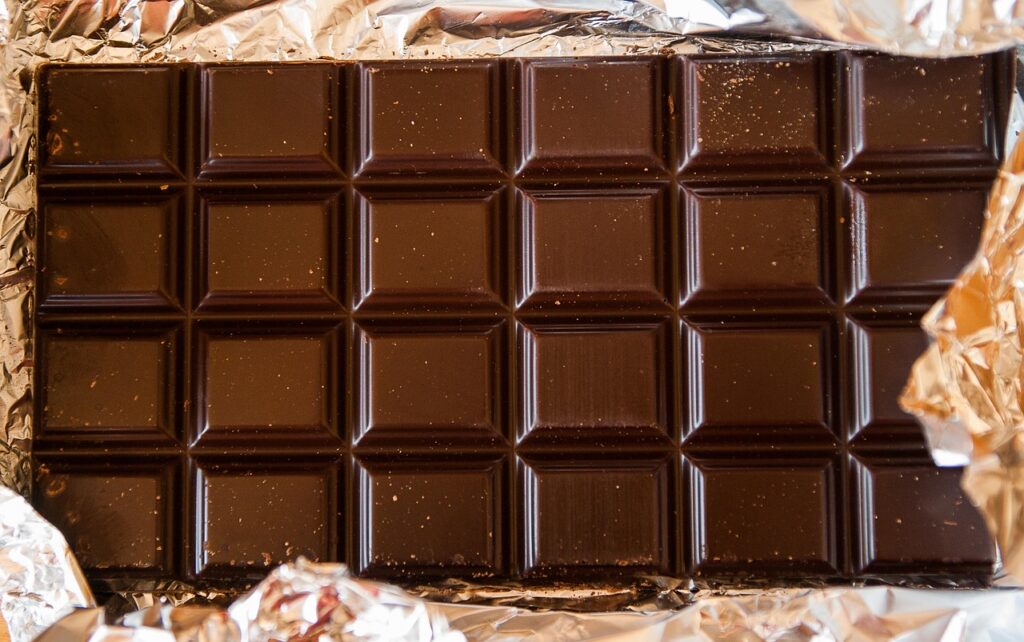
Chocolate and vanilla are classic comfort aromas. They are sweet but not sharp, which makes them universally appealing. Vanilla in particular is often used in scent marketing because it reduces stress and creates a cozy atmosphere. When people feel calm and content, they are more likely to treat themselves. That emotional shift shows up in higher sales of sweets, baking supplies, and specialty treats. Chocolate scents also pair well with seasonal promotions like holidays, when shoppers are already primed to buy gifts and desserts. The result is simple. A soft, dessert-like smell makes indulgence feel reasonable instead of extravagant.
10. Cinnamon and Spices That Signal Warmth and Seasonality

Warm spices like cinnamon, nutmeg, and clove create a sense of coziness almost instantly. These scents are strongly tied to holidays, baking, and family gatherings. Stores use them heavily in fall and winter to make the environment feel inviting and nostalgic. That emotional connection often loosens spending habits. People start thinking about hosting, gifting, and special meals, which increases the basket size. Spices also hint at baked goods and hot drinks, pushing shoppers toward mixes, pastries, and seasonal items. Even if you walked in for basics, a wave of cinnamon can make you crave something extra. It turns an ordinary trip into a comfort-food mission.