The Fresh Fish Counter Myth and What Grocery Stores Are Really Selling


The seafood counter has a way of drawing you in the moment you pass by. Fillets are arranged neatly over crushed ice, lightly misted to keep them glistening beneath bright overhead lights. Handwritten placards promise “fresh catch,” and the entire display evokes the feeling of a bustling harbor market, even if you are hundreds of miles from the shoreline. The presentation is carefully curated to suggest speed and proximity, as though the fish traveled straight from the boat to the store without interruption. Every visual cue reinforces the idea of immediacy, creating confidence before you even consider the journey that brought it there.
But behind that chilled glass lies a far more intricate supply chain than most shoppers realize. Modern seafood frequently moves through a tightly managed system of flash freezing, cold storage, transportation, and controlled thawing long before it appears on display. Freezing is often done within hours of harvest to preserve texture, flavor, and safety, especially for fish caught in distant waters. By the time it reaches inland supermarkets, that frozen step has already protected its quality. The real issue is not whether the fish was ever frozen, but whether it was consistently handled, stored, and thawed under proper temperature controls from sea to counter.
The Illusion of the Fresh Fish Counter
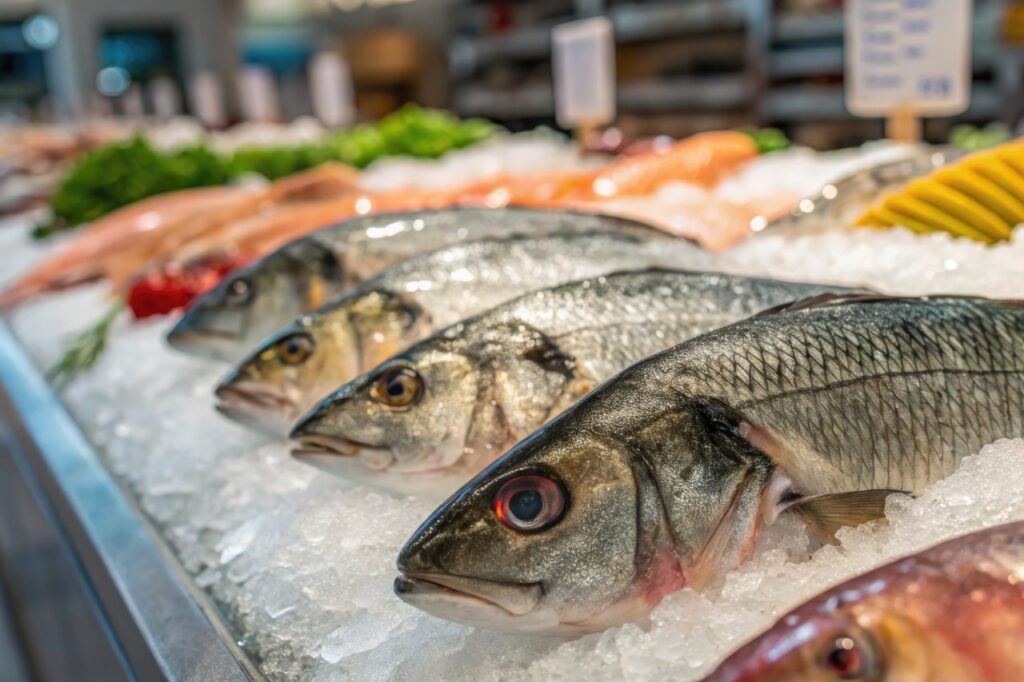
The bright display of fillets resting on crushed ice creates a powerful impression of immediacy the moment shoppers approach the counter. Shiny skin, neatly trimmed portions, and fine sprays of water catching the light all suggest the fish was pulled from the ocean just hours earlier. Handwritten price cards and phrases like “fresh catch” reinforce that feeling of proximity to the source. Yet the reality of modern seafood distribution tells a different story. Most fish sold in grocery stores has been frozen at some stage, often within hours of harvest, to preserve texture and slow bacterial growth during long transport from distant waters.
That carefully staged presentation can easily blur the details of how seafood actually moves through the supply chain. Ice beds are used primarily to maintain safe surface temperatures and to create an appealing visual display, not necessarily to signal that the fish has never been frozen. In many cases, products labeled as fresh have simply been thawed under refrigeration before being arranged on ice for sale. This practice is common and often protects quality, but it challenges the assumption that fresh automatically means never frozen. Recognizing this distinction allows shoppers to evaluate seafood based on handling and storage rather than surface appearance alone.
What Fresh Really Means in Seafood Retail
The word “fresh” carries powerful appeal, yet in seafood retail it has a narrower meaning than many shoppers assume. In the United States, fresh typically indicates that a product has not been previously frozen before sale, but compliance depends largely on accurate reporting throughout the supply chain. At the same time, food safety regulations require certain species, especially those intended for raw consumption, to be frozen first to destroy parasites. This freezing step is a preventive health measure, not a downgrade in quality. As a result, some fish labeled for sushi or raw dishes may have been frozen by design to meet safety standards.
Logistics further complicate the definition. Much of the seafood sold in supermarkets is harvested far from where it is ultimately purchased, sometimes crossing oceans before reaching inland stores. Freezing stabilizes texture and slows spoilage during transport, while relying only on chilled storage would significantly shorten shelf life and increase waste. When thawed gradually under controlled refrigeration, previously frozen fish can maintain firmness and flavor comparable to never-frozen product. The true marker of quality lies less in the label and more in consistent temperature control, careful handling, and proper storage from catch to display.
How Freezing Became the Industry Standard

Speed defines seafood quality from the instant a fish leaves the water. Once harvested, natural enzymes and bacteria begin breaking down muscle tissue, gradually affecting texture, flavor, and safety. To slow that process, many commercial vessels rely on flash freezing within hours of capture. By rapidly dropping temperatures to well below freezing, they halt microbial growth and stabilize the flesh before deterioration accelerates. Modern blast freezers are designed to freeze fish quickly enough to limit large ice crystal formation, which helps preserve cellular structure and reduces moisture loss when the product is later thawed under controlled conditions.
For today’s global seafood market, freezing is less a choice and more a structural necessity. Large volumes of fish are transported across continents by ship, truck, and air before arriving at distribution centers and retail stores. Maintaining a continuous frozen chain allows suppliers to manage inventory efficiently and reduce spoilage during long transit times. Without freezing, inland cities would have limited access to species caught thousands of miles away. While some consumers equate frozen with inferior quality, industry data consistently show that properly flash-frozen fish can retain freshness more effectively than fish held chilled for several days in transit.
The Labeling Loopholes Shoppers Miss
Seafood labeling often appears straightforward at first glance, yet the details can be surprisingly inconsistent from store to store. Some retailers clearly identify products as “previously frozen,” while others list only the species name, price per pound, and country of origin. Disclosure rules can vary depending on local regulations and internal company policies, which leaves room for uneven communication. As a result, shoppers may reasonably assume they are purchasing never-frozen fish when, in reality, the product was thawed under refrigeration before being arranged on ice. The absence of standardized wording makes it difficult to interpret what “fresh” truly reflects in each case.
Marketing language adds another layer of ambiguity that can cloud purchasing decisions. Phrases such as “chef’s selection,” “market fresh,” or “premium catch” sound authoritative but carry no regulatory definition. Country-of-origin labels, while informative, do not reveal how many processing steps occurred between harvest and display, including freezing or extended storage. Imported seafood may pass through multiple facilities before reaching a supermarket counter. Without clear explanation, shoppers often rely on visual cues like color, firmness, or moisture. Recognizing how labeling practices differ encourages consumers to ask direct questions instead of relying only on signage.
How to Buy Better Seafood with Confidence
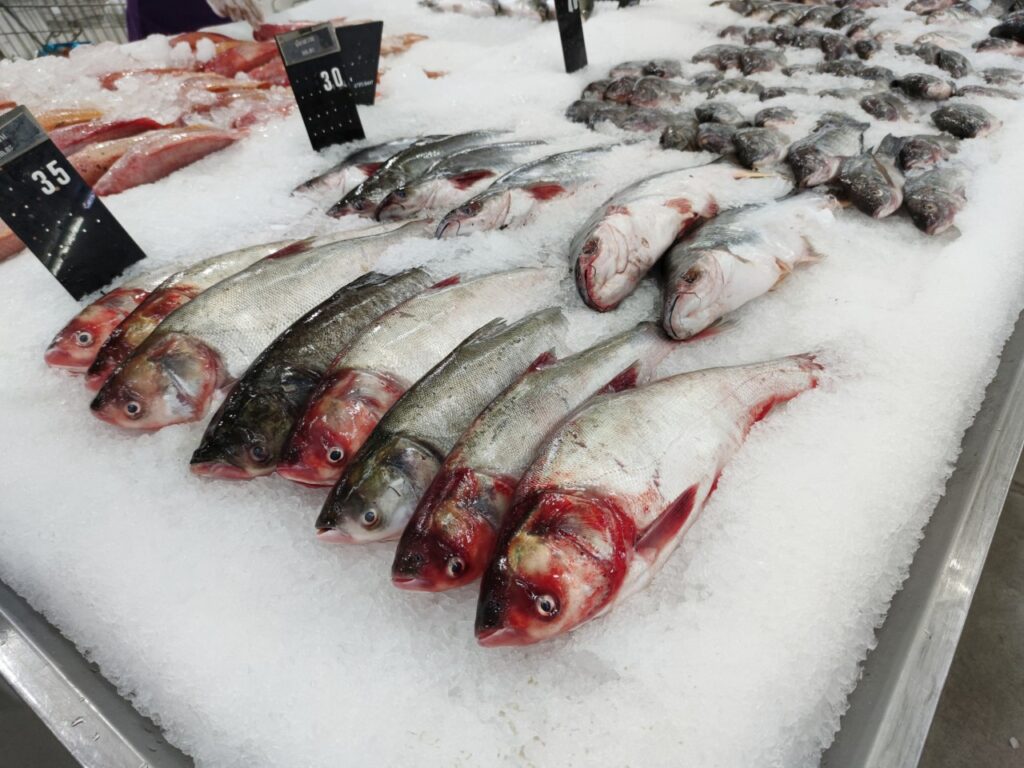
Confidence at the seafood counter begins with careful observation rather than trusting the ice display alone. Truly fresh fish, whether previously frozen or not, should carry a clean, mild scent reminiscent of the ocean, never a sharp or sour odor. The flesh should look moist but not slimy, with a firm texture that springs back gently when pressed. Edges should not appear dry or browned, which can signal age or improper storage. For whole fish, clear eyes, bright red gills, and intact scales are reliable indicators of proper handling. These sensory details often provide more honest guidance than promotional signage.
Conversation can be just as valuable as inspection. Speaking directly with the fishmonger allows shoppers to ask when the product arrived, how it has been stored, and whether it was previously frozen. Clear answers reflect transparency and good management practices. In some situations, buying fish directly from the freezer case offers greater control, allowing you to thaw it slowly at home under refrigeration to maintain texture. Instead of focusing solely on whether fish was ever frozen, informed shoppers prioritize consistent temperature control, careful handling, and clear communication, all of which play a central role in flavor, safety, and overall quality.