Tabasco Reveals the Only Way to Store Hot Sauce

Hot sauce seems simple, but storage changes it more than many people expect. Tabasco’s advice cuts through the confusion with one clear rule.
Tabasco’s answer is straightforward
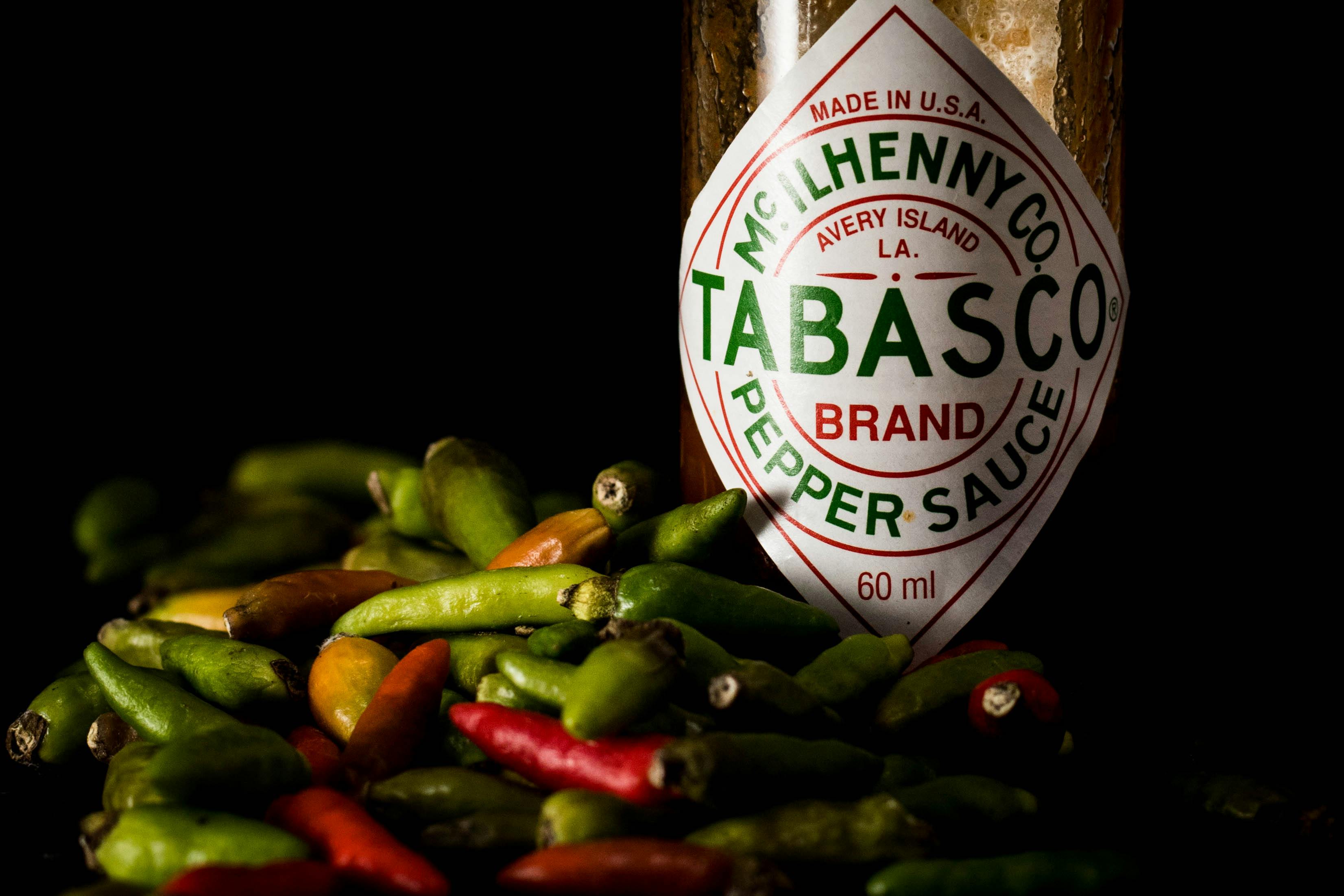
Tabasco’s guidance is unusually direct: unopened or opened hot sauce is best stored in a cool, dry place, away from direct sunlight and heat. The company has long indicated that pantry storage is appropriate for its original pepper sauce, and that refrigeration is optional rather than required. That stands out in a market where many consumers automatically move every sauce into the fridge after opening.
The reason this works comes down to formulation. Tabasco Original Red Sauce is made with just three core ingredients: distilled vinegar, red pepper, and salt. That combination creates a highly acidic environment, which is naturally hostile to many spoilage organisms. Acidity and salt have preserved foods for centuries, and hot sauce is one of the clearest modern examples of that principle.
Tabasco also notes that quality, not just safety, is the real issue over time. A sauce stored improperly may darken, lose brightness, or develop a flatter taste. That does not always mean it is dangerous, but it does mean it is no longer delivering the sharp, clean profile people expect.
For most households, the practical takeaway is simple. Keep the bottle tightly closed, store it in a cabinet, and avoid spots near the stove, dishwasher, or a sunny windowsill. In other words, the best storage method is not exotic. It is stable, dry, room-temperature storage.
Why pantry storage works for some hot sauces
Not every hot sauce behaves the same way, but pantry-friendly sauces usually share a few traits. They tend to be high in vinegar, relatively salty, and low in ingredients that spoil quickly, such as fresh fruit purees, dairy, or unpreserved garlic mash. Tabasco is a classic example because its recipe is minimalist and acid-driven, which gives it impressive shelf stability.
Food safety experts often point to pH as a major factor. Many shelf-stable hot sauces are acidic enough to resist bacterial growth, especially when commercially produced under controlled conditions. That is why bottles can sit safely on grocery shelves before purchase. The same logic often continues after opening, provided the cap is clean and the sauce is not contaminated by contact with food or dirty utensils.
There is also a difference between microbiological safety and sensory quality. A pantry-stored vinegar-based sauce may remain safe for a long time, yet gradually lose some of its vivid color and aromatic sharpness. Oxidation, repeated exposure to warm air, and light all push flavor downward, even when the sauce is still usable.
That nuance helps explain why refrigeration remains common advice in many kitchens. Cold temperatures can slow quality loss, but they are not always necessary for a sauce like Tabasco. The company’s position reflects confidence in the product’s formulation, not a blanket rule for every bottle with peppers on the label.
When refrigeration actually makes sense
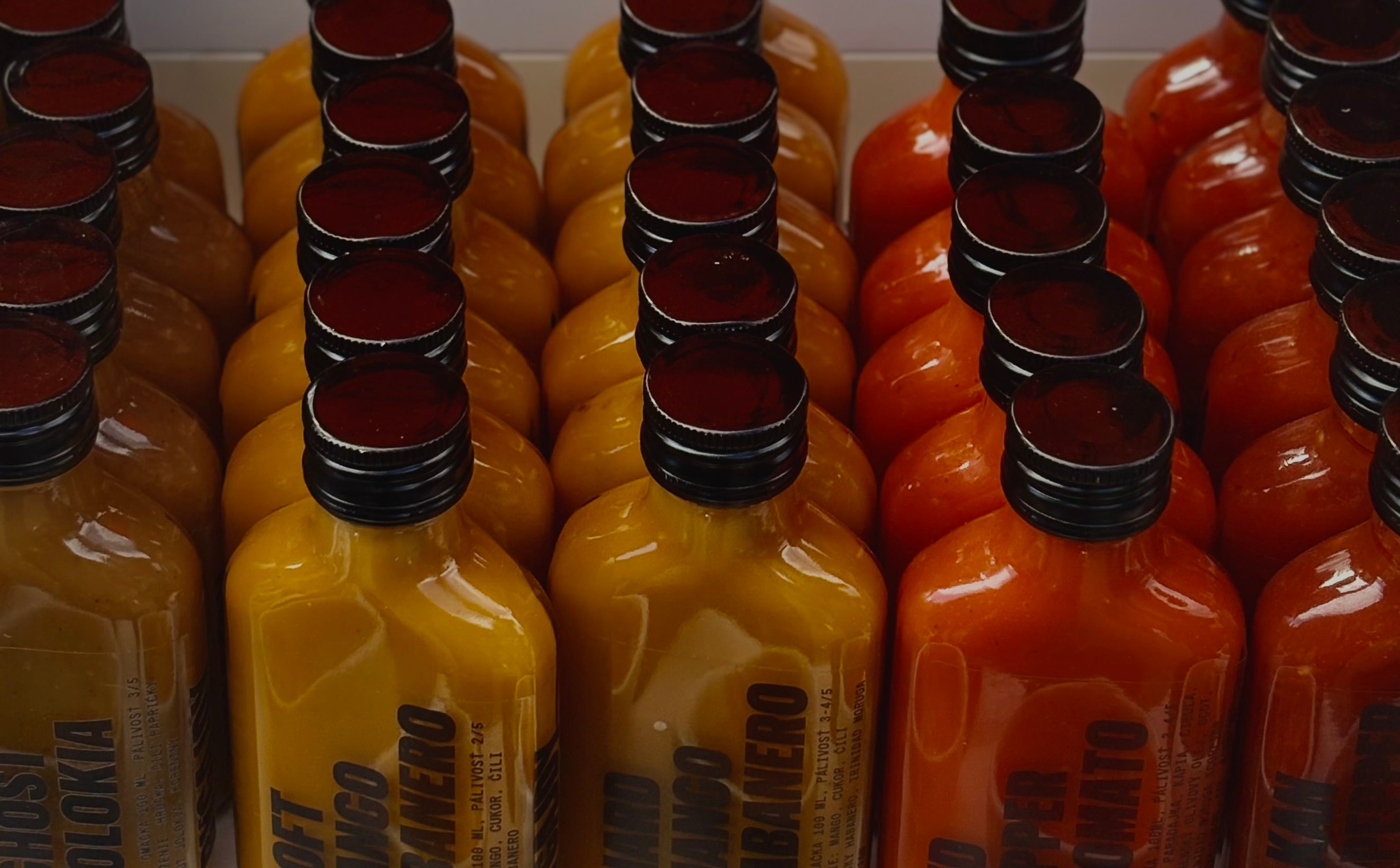
Refrigeration becomes more important when a hot sauce includes ingredients that are less stable than vinegar and peppers alone. Sauces made with mango, pineapple, roasted vegetables, fresh herbs, miso, butter, or lower-acid pepper blends can change faster once opened. In those cases, a label that says “refrigerate after opening” should be treated as a firm instruction, not a suggestion.
Small-batch craft sauces often fall into this category. Many are less acidic and focus on fresh flavor rather than long shelf life. They may contain sediment, pulp, or ferment-derived complexity that continues to evolve in the bottle. Refrigeration slows those changes and helps preserve the maker’s intended taste profile.
Usage patterns matter too. If a bottle takes a year to finish, refrigeration may help maintain flavor even if the sauce is technically shelf-stable. If it is a daily-use sauce emptied in a month or two, pantry storage is less likely to create noticeable decline. Frequency of use, kitchen temperature, and how carefully the bottle is handled all play a role.
Climate is another factor people overlook. A cool pantry in a climate-controlled home is very different from a hot apartment kitchen in midsummer. If room temperature regularly climbs high, the practical definition of “store in a cool, dry place” changes, and the refrigerator becomes a better option for preserving quality.
The biggest storage mistakes people make
The most common mistake is storing hot sauce next to heat. A cabinet above the stove may seem convenient, but repeated temperature swings accelerate flavor loss and color change. Direct light causes similar problems. A decorative bottle left on a sunny counter can degrade faster than one tucked into a dark pantry.
Another issue is contamination. People sometimes tap the bottle directly onto food, then let the nozzle touch cooked meat, eggs, or leftovers. That can introduce bacteria or food particles into the bottle, especially around the cap. Over time, dried residue also affects the seal and can make the bottle sticky, messy, and less reliable.
Poor sealing is an underrated problem. If the cap is not tightened properly, extra oxygen enters the bottle and pushes the sauce toward staleness. The result may be a duller aroma, darker color, or separation that looks alarming even when the sauce remains usable. Good storage starts with closing the bottle securely every single time.
Ignoring the label is the final mistake. Tabasco may clearly support pantry storage for its core sauce, but many other brands state the opposite. Consumers often assume all hot sauces follow the same rule, and that is where confusion starts. The safest approach is to follow the manufacturer’s instructions first, then use ingredient knowledge and common sense.
How to tell whether your hot sauce is still good
Start with appearance, but do not judge by color alone. Vinegar-based sauces can darken naturally over time, especially if exposed to light or air. That shift may signal quality loss, not spoilage. Separation can also be normal, since many sauces need only a shake to return to their usual consistency.
Next, check the smell. A familiar sharp, vinegary aroma is normal for Tabasco-style sauces. What should raise concern is anything musty, rotten, or unusually fermented in a way the sauce did not smell before. Off odors are often more informative than slight visual changes, because they suggest the product has moved beyond normal aging.
Taste is the final checkpoint, but only if the bottle passes the first two. If the flavor is simply less vibrant, it may still be safe though no longer ideal. If it tastes sour in an unexpected way, metallic, or otherwise unpleasant, it is time to discard it. A dramatic change in flavor usually means storage conditions were not kind to it.
For Tabasco specifically, the company’s message remains clear and useful: store it in a cool, dry place and keep it away from heat and sunlight. That is the “only way” in the sense that it is the recommended baseline that protects the sauce’s intended character. Refrigeration is optional for many classic vinegar-forward hot sauces, but proper pantry storage is the rule that matters most.