They Launched With Major Fanfare: These 10 Plant-Based Meats Are Already Gone From Shelves

The rise of plant-based meat alternatives has been one of the most talked-about food trends of the past decade. Companies promised burgers that looked like beef, chicken made from plants, and snacks that could replace traditional meat products. Many of these items launched with enormous publicity and strong marketing campaigns that suggested they would change how people eat. Yet the reality of the market has been more complicated. Some products struggled to meet expectations around taste, texture, or demand, and quietly disappeared after their debut.
1. McPlant Burger
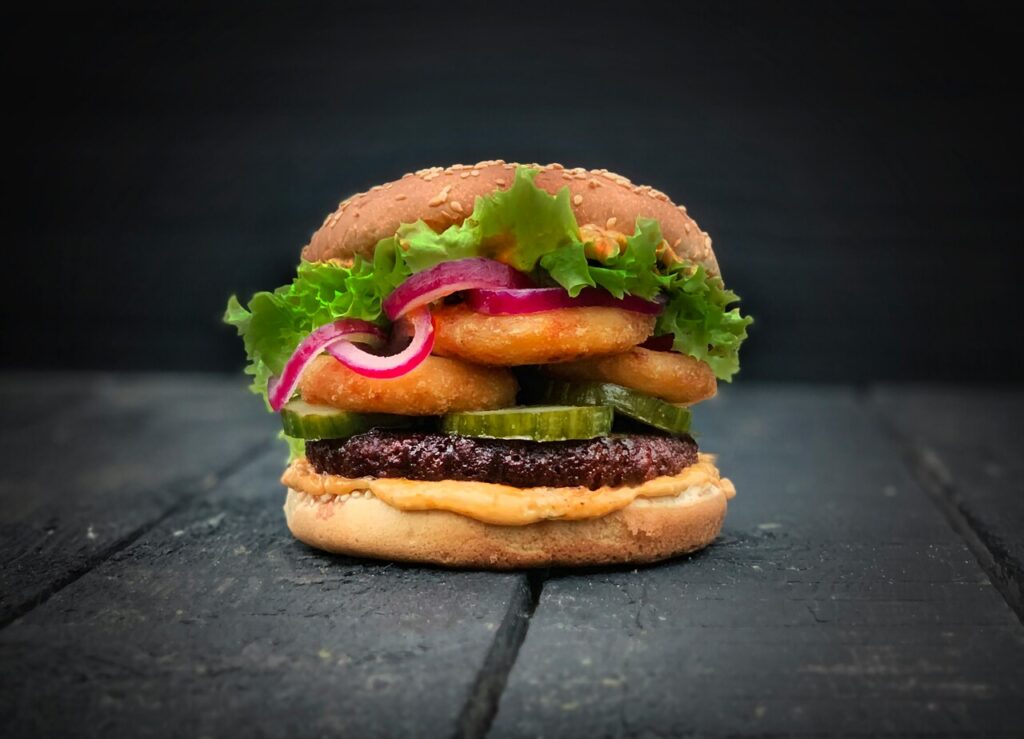
Few fast food launches received as much attention as the McPlant burger. Introduced by a major global chain with the support of a leading plant-based meat company, the burger was designed to look and taste like a traditional beef sandwich while using a meat-free patty.
The excitement around the product was strong during its test phase, but sales did not always match expectations. Many locations reported that customers were curious enough to try the burger once but did not return for repeat purchases.
One major reason was the challenge of balancing familiarity with novelty. The burger needed to taste close enough to beef to satisfy regular customers while still appealing to people who avoid meat.
2. Plant, Lettuce, Tomato (PLT) Burger
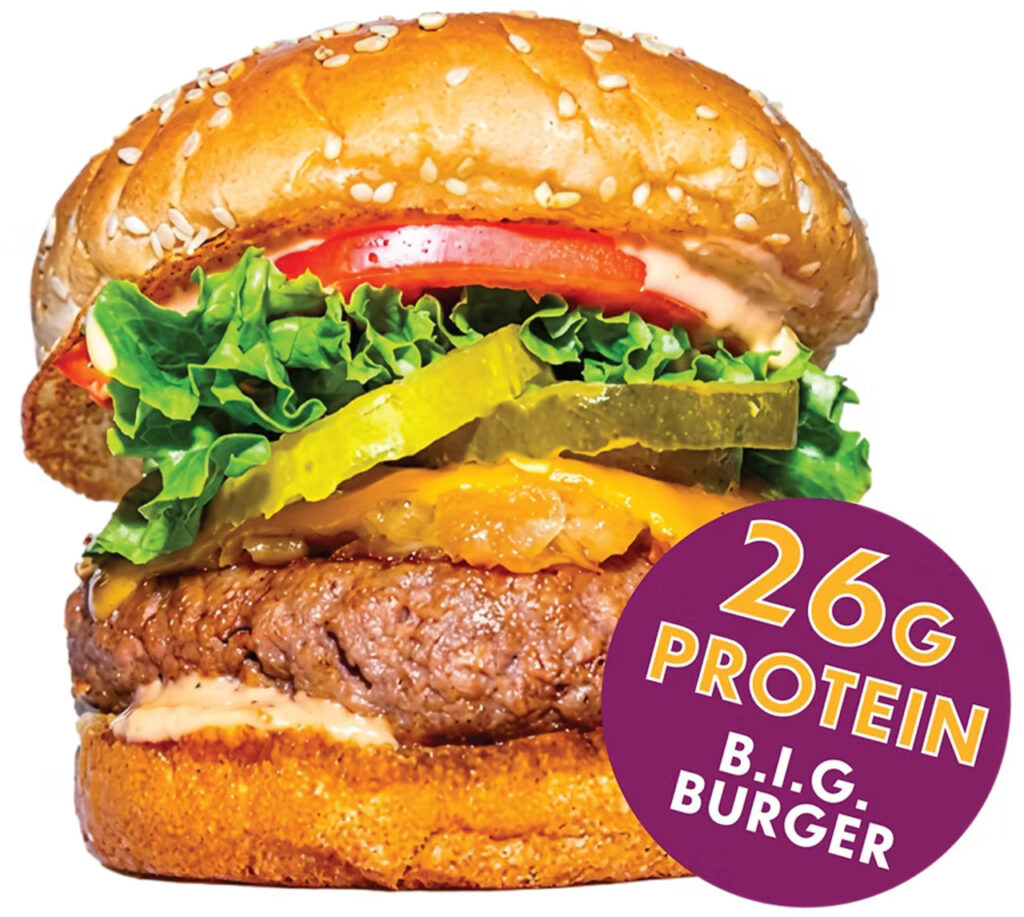
The PLT burger was another attempt by a major restaurant chain to introduce a plant-based version of its classic sandwich. Built with a meat-free patty and familiar toppings like lettuce and tomato, the product was marketed as a modern twist on a traditional fast food favorite.
Although the idea attracted initial curiosity, the sandwich struggled to maintain long-term demand in many test markets. Customers who were committed to plant-based diets had limited interest in fast food chains.
A plant-based burger positioned inside a menu dominated by beef options can struggle to find a clear audience. Without consistent demand, restaurants often remove test items quickly to keep menus efficient and focused on higher-selling products.
3. Beyond Meat Jerky
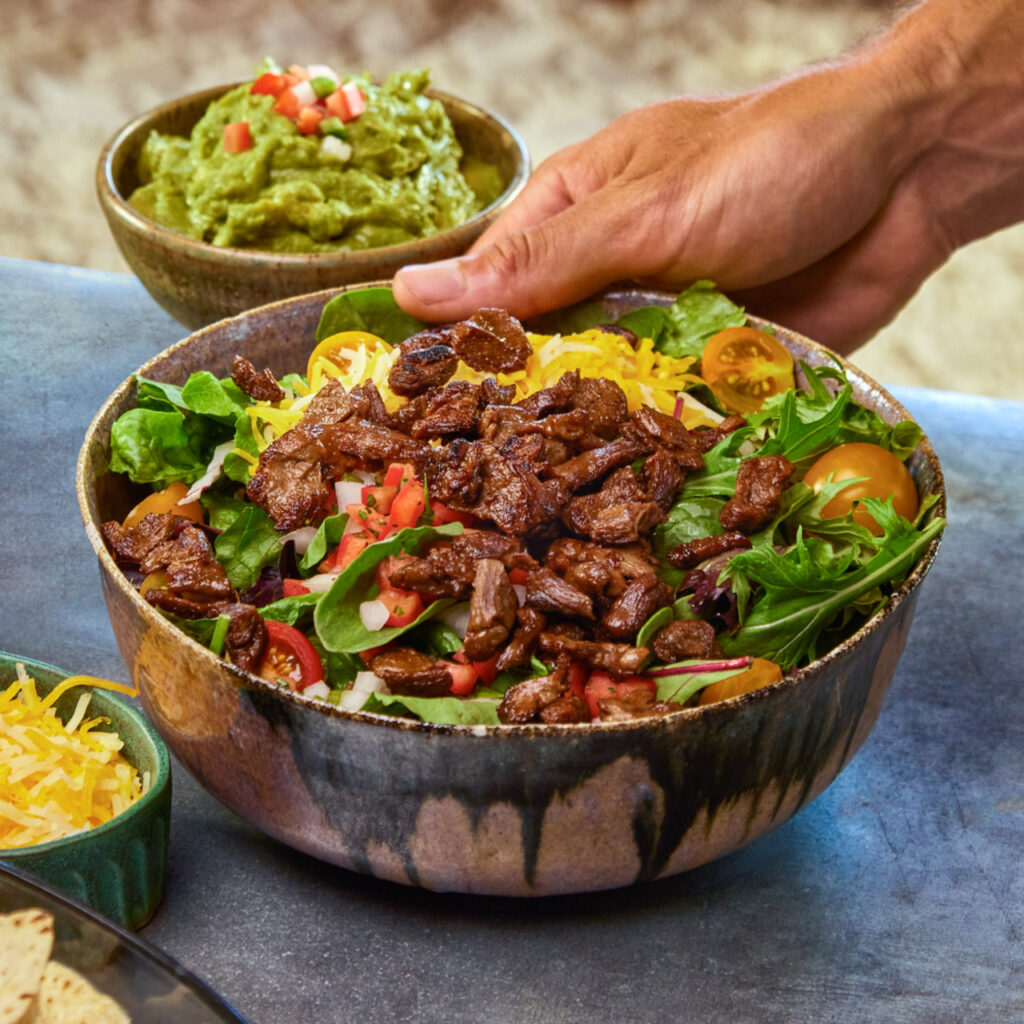
Plant-based jerky seemed like a natural extension of the meat alternative trend. One company partnered with a major snack brand to create a jerky-style product made from plant proteins.
Despite strong marketing and wide distribution at launch, the product faced mixed reactions from consumers. Many people found the texture noticeably different from the dense chew of real dried meat.
Jerky is a snack that depends heavily on texture as well as taste. The drying process that gives meat jerky its firmness is difficult to replicate with plant-based ingredients. When the product failed to recreate that familiar experience, repeat purchases slowed, and the item gradually disappeared from many shelves.
4. Beyond Meat Chicken Strips

Plant-based chicken substitutes became popular as companies tried to recreate the taste and texture of poultry using pea protein and other plant ingredients. One of the early products in this category was a line of meat-free chicken strips designed for quick cooking and easy use in everyday meals.
At first, the product attracted attention from consumers interested in reducing meat consumption. However, the strips faced challenges once they reached a wider audience.
Chicken is known for its mild taste and fibrous texture, which can be difficult to imitate with plant proteins. When the structure of the substitute does not replicate the natural grain of poultry, the difference becomes noticeable.
5. Beyond Fried Chicken
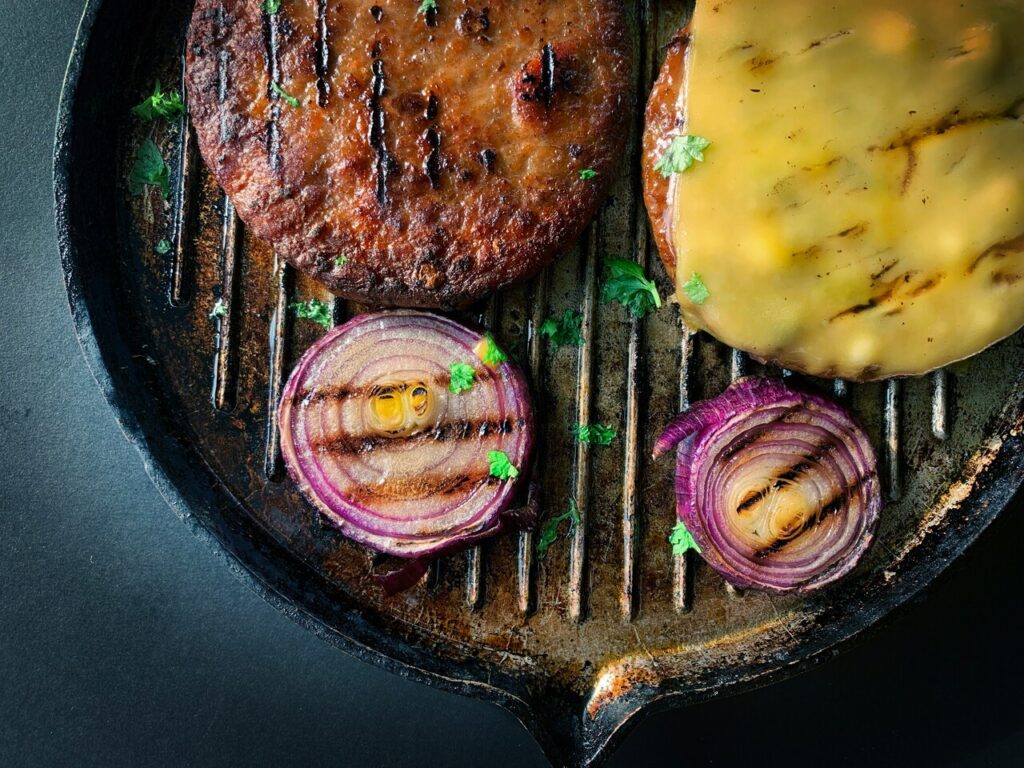
Fried chicken has a strong following in fast food restaurants, which made a plant-based version an appealing concept. A collaboration between a major chicken chain and a plant-based meat company led to the introduction of meat-free fried chicken pieces during limited test runs.
The product generated long lines and social media attention when it first appeared. Many customers were curious about how a plant-based item could mimic the crispy coating and tender interior of traditional fried chicken.
Even with the initial excitement, the item did not always stay on menus permanently. When demand does not remain steady after the launch period, companies usually remove the item while they explore new versions or different menu ideas.
6. Beanfeast Soy Mince
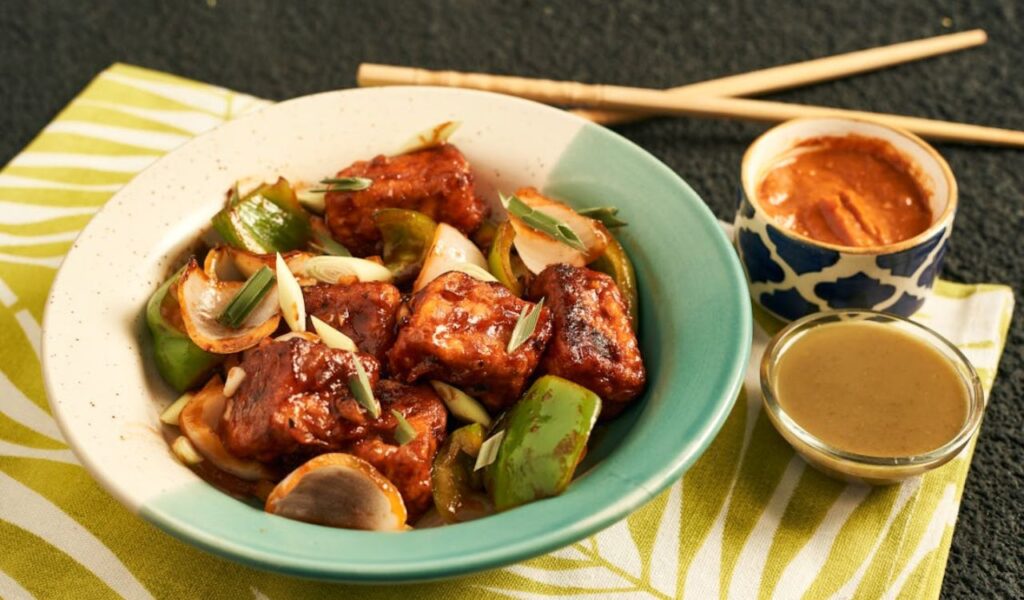
Long before the recent boom in plant-based meats, soy-based meat substitutes were already on grocery shelves. One of the most well-known examples was a dried soy mince product that could be rehydrated and used in dishes like chili, pasta sauces, and casseroles.
The product attracted attention during a time when vegetarian cooking was gaining popularity. However, it never fully crossed into mainstream use outside dedicated vegetarian households.
Soy mince products often require soaking, seasoning, and additional cooking steps to achieve a satisfying flavor. Without strong marketing or simple preparation methods, these early meat substitutes struggled to compete with the convenience.
7. Yves Veggie Cuisine Meat Alternatives

Yves Veggie Cuisine was among the early brands that helped bring plant-based meat alternatives to supermarkets. Its lineup included veggie burgers, deli slices, and meat-free ground products designed for sandwiches and home cooking.
While the brand built a loyal following among vegetarian shoppers, some individual products struggled to maintain shelf space as newer competitors entered the market. Advances in plant protein technology created substitutes that more closely resembled the taste and texture of real meat.
As consumer expectations increased, earlier products that relied on simple soy blends began to feel outdated. Retailers often rotate products to make room for newer options that generate more interest.
8. Early Soy-Based Veggie Burgers
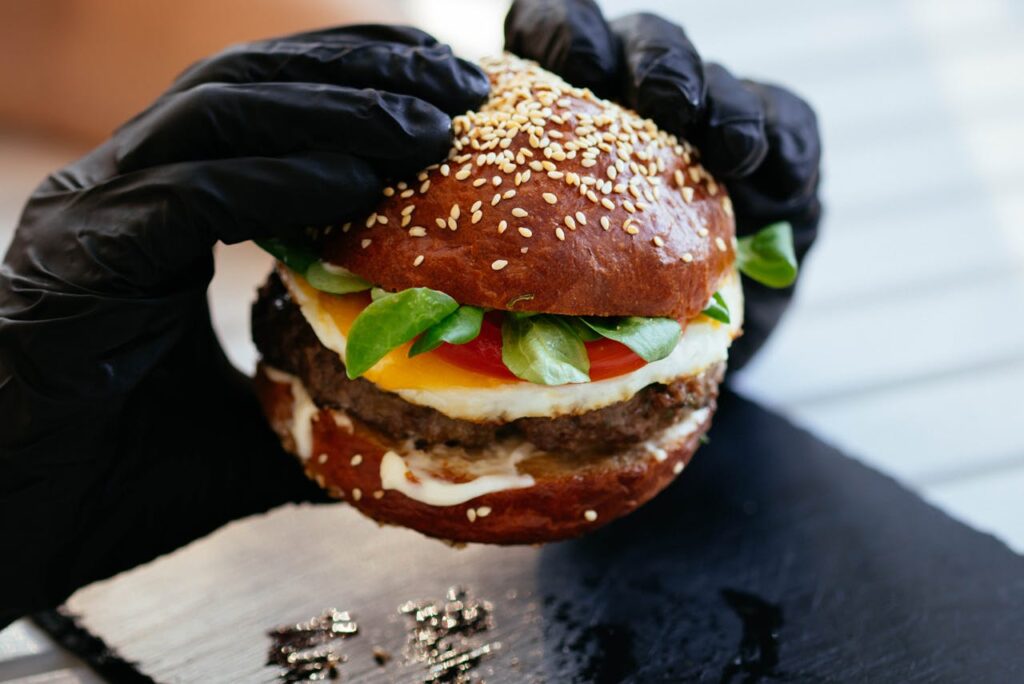
The first generation of veggie burgers was built primarily from soy protein, grains, and vegetables. These patties were designed to offer a meat-free alternative for people who avoid animal products but still want a burger-style meal.
While they served an important role in introducing plant-based eating to a wider audience, these early burgers often tasted very different from beef. Their texture was softer and more crumbly, and the flavor leaned toward vegetables and seasonings rather than the savory richness associated with grilled meat.
As newer plant-based technologies emerged, companies began creating burgers that aimed to replicate the experience of real beef more closely.
9. Fast-Food Test Market Vegan Chicken Products

Fast food chains frequently experiment with limited-time items to see how customers respond to new ideas. Vegan chicken alternatives have been part of several of these test programs, appearing briefly in select locations before being evaluated for wider release.
The products often generate attention because they represent a major shift for restaurants traditionally focused on meat-based menus. Customers interested in plant-based eating may visit specifically to try these new offerings during the test period.
However, not every test item becomes a permanent menu addition. Fast food companies measure success through consistent sales and operational efficiency.
10. First-Generation Plant-Based Meat Imitations

The earliest wave of plant-based meat alternatives focused on simple ingredients such as soy protein, wheat gluten, and vegetable blends. These products were developed at a time when the goal was mainly to provide a meat-free option rather than to replicate the exact experience of eating meat.
While they helped establish the category, many of these first-generation products had noticeable differences in taste and texture. Some were softer, others had strong seasoning, and many lacked the juicy quality that people associate with cooked meat.
When these newer items reached grocery stores, older versions gradually disappeared from shelves as retailers made space for products that better matched modern expectations.