10 Historical Foods Americans Are Shocked Were Once Illegal


Food laws in the U.S. have always tracked whatever people happened to fear most at the time. Sometimes that meant germs or poison, sometimes it meant economic rivals or changing morals. Along the way, lawmakers took aim at things that now look completely ordinary: fake butter, sliced bread, berry bushes, and even chocolate eggs. Looking back at what was taxed, banned, or chased from shelves turns the pantry into a history lesson about power, panic, and what people choose to protect.
Margarine Dyed To Look Like Butter
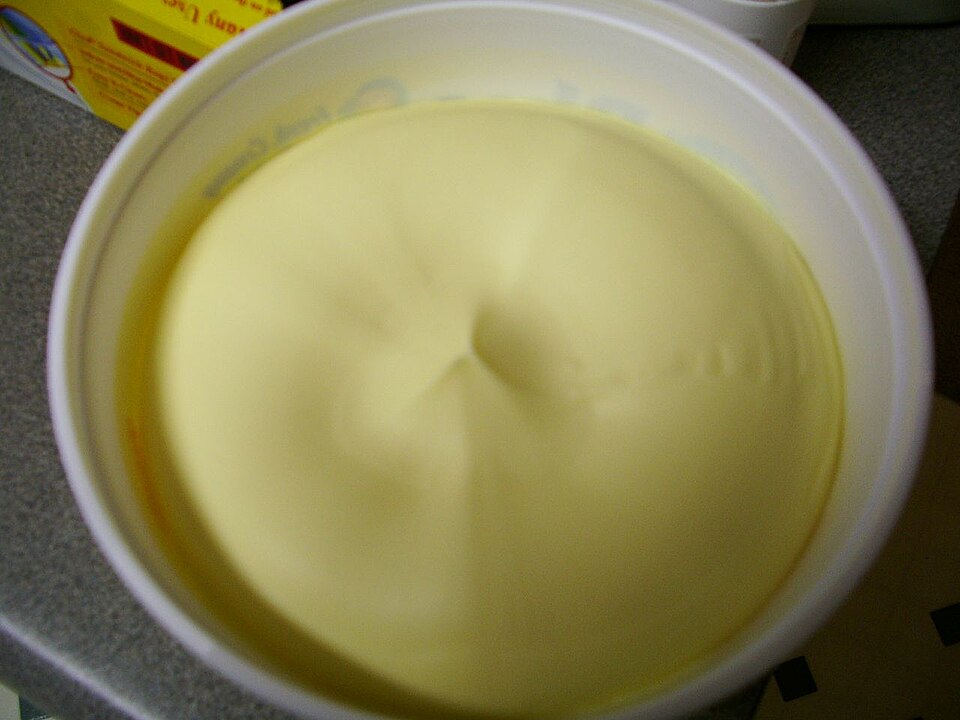
By the late 1800s, margarine threatened dairy profits, so butter producers fought back in legislatures instead of kitchens. Congress piled federal taxes on oleomargarine, and states like Wisconsin and Minnesota banned yellow coloring so it could not pass as butter. Some even forced margarine to be sold in off-putting colors. What looks like a simple spread war now was really a battle over who controlled the American breakfast table and the loyalty of working families.
Sliced Bread During Wartime Rationing
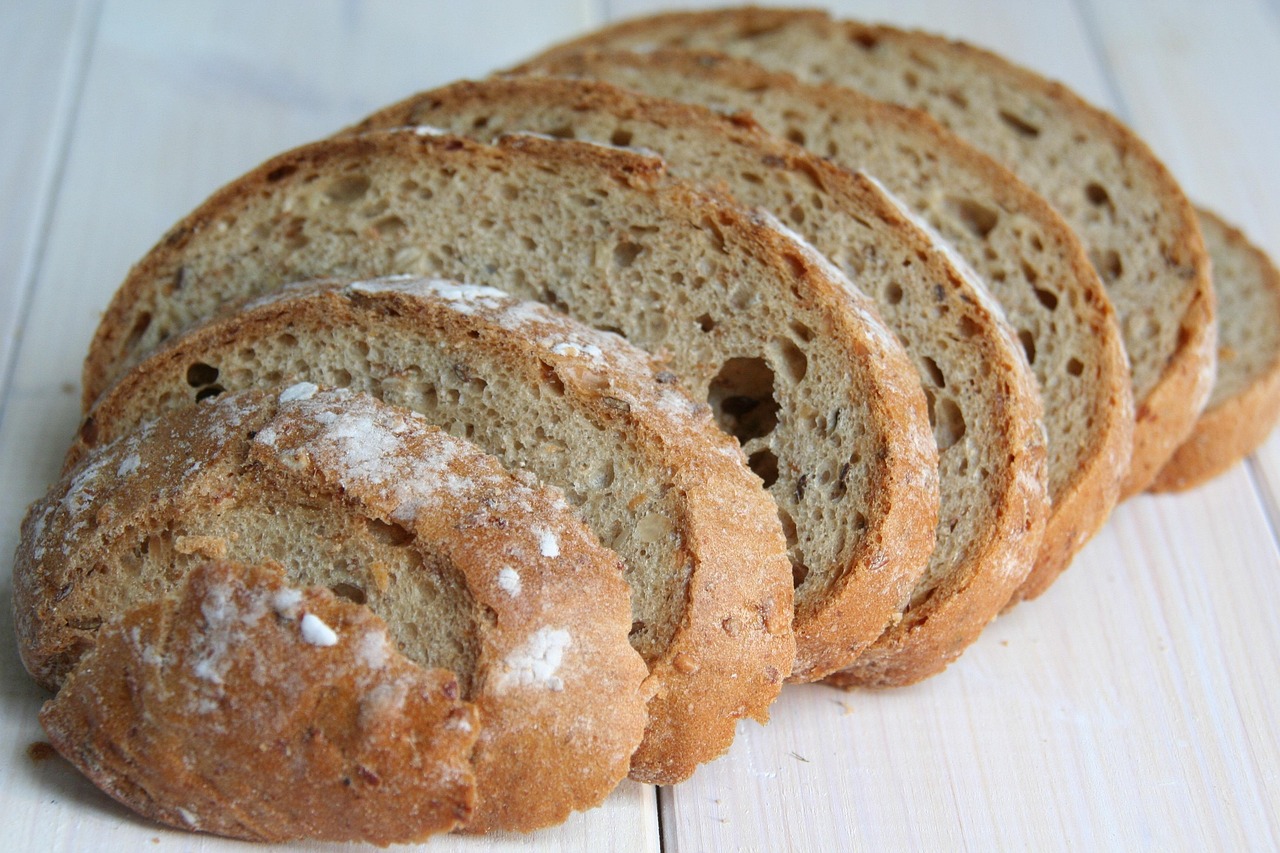
For a few strange weeks in 1943, Americans technically could not buy packaged sliced bread. Wartime officials argued that pre-slicing loaves wasted waxed paper and relied on steel-heavy machines needed for the military. Bakeries were told to sell whole loaves only. The public outcry was immediate and loud, with letters pouring in from frustrated households that had grown used to the convenience. The ban collapsed almost as quickly as it appeared, leaving behind a legendary policy misfire.
Absinthe And Its “Madness” Reputation
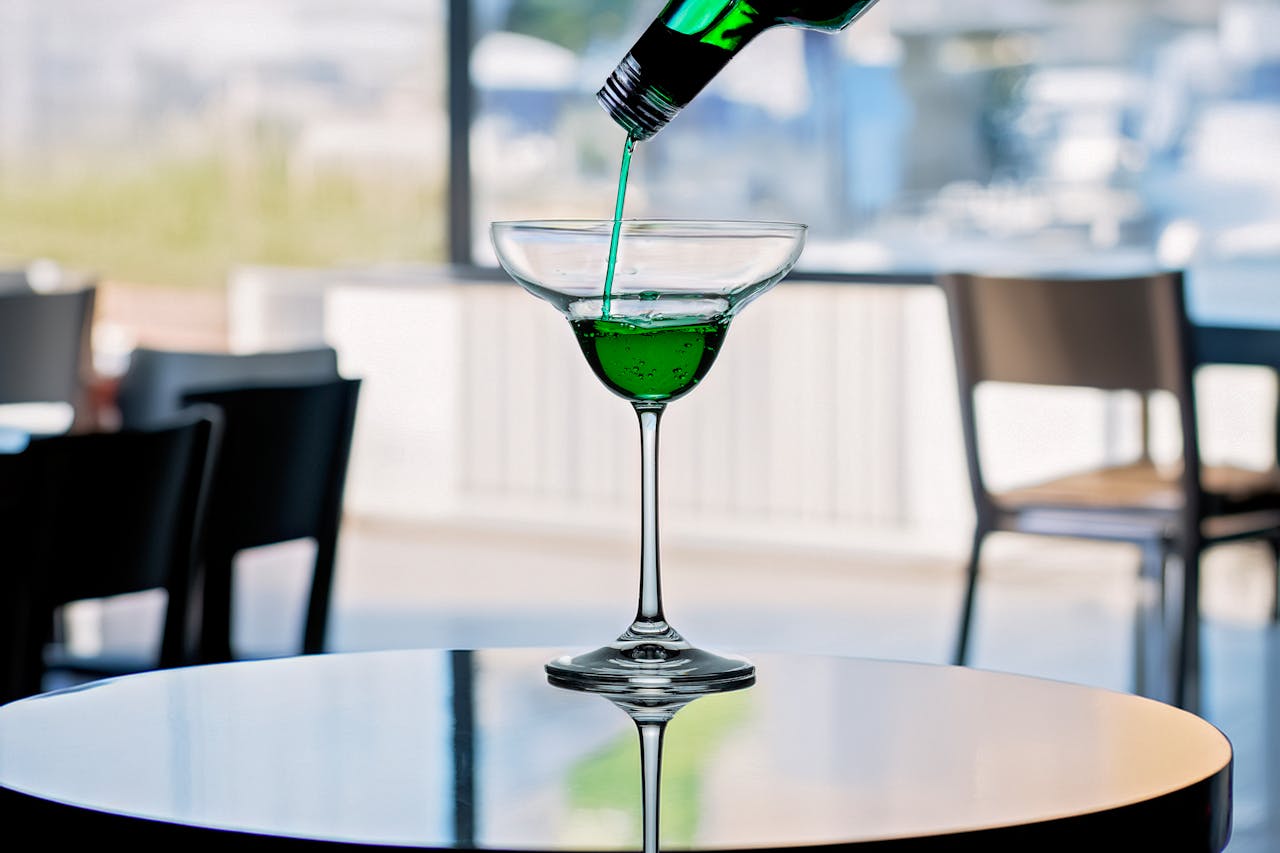
Absinthe, the emerald green spirit flavored with wormwood and anise, picked up a heavy load of myth in the early 1900s. Doctors and moral crusaders blamed it for hallucinations, violence, and social decay, even though most problems likely came from strong, cheap alcohol in general. Regulators eventually banned it outright, targeting the plant compound thujone as the villain. Decades later, new testing and tighter formulas brought absinthe back, with strict limits that turned a boogeyman into a quirky cocktail ingredient.
Old-Fashioned Sassafras Root Beer
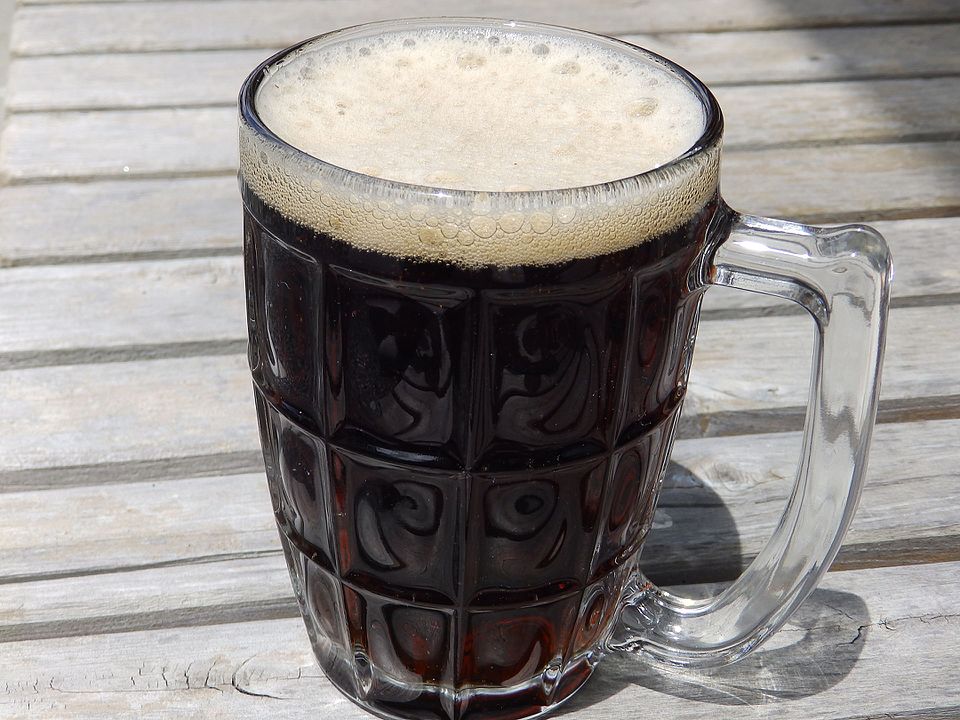
Early root beer recipes leaned on sassafras root for that deep, woodsy aroma. Once researchers linked a sassafras compound to cancer in lab animals, regulators banned safrole as a food additive and the classic ingredient disappeared from legal soda formulas. Big brands shifted to artificial flavorings and processed extracts, while traditional recipes slipped into the shadows. What had been a common taste of American childhood quietly turned into something only found through specialty makers and careful workarounds.
Kinder Surprise Chocolate Eggs
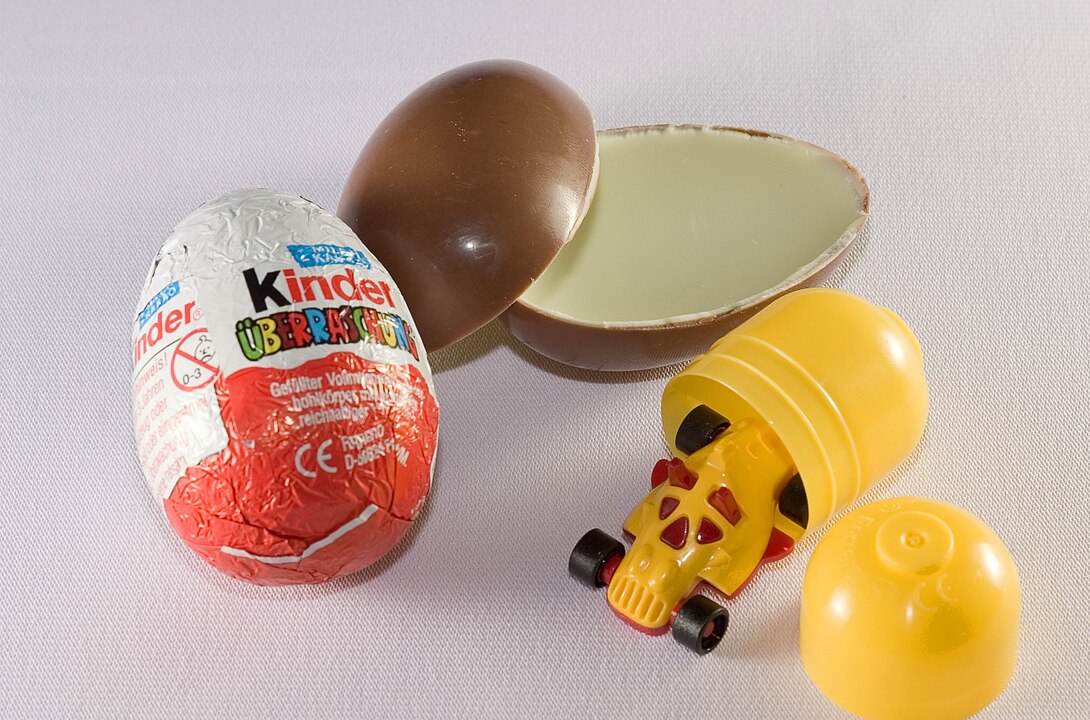
Plenty of Americans are stunned to learn a hollow chocolate egg with a toy inside still cannot be sold legally. The problem is not the chocolate; it is the solid plastic capsule buried in the middle. U.S. law bars food with non-nutritive objects fully embedded because of choking concerns. Customs officials have even confiscated Kinder Surprise eggs at the border. A redesigned version, Kinder Joy, dodges the rule by packaging toy and treat separately, but the original stays off shelves.
Blackcurrants And The Vanishing Berry
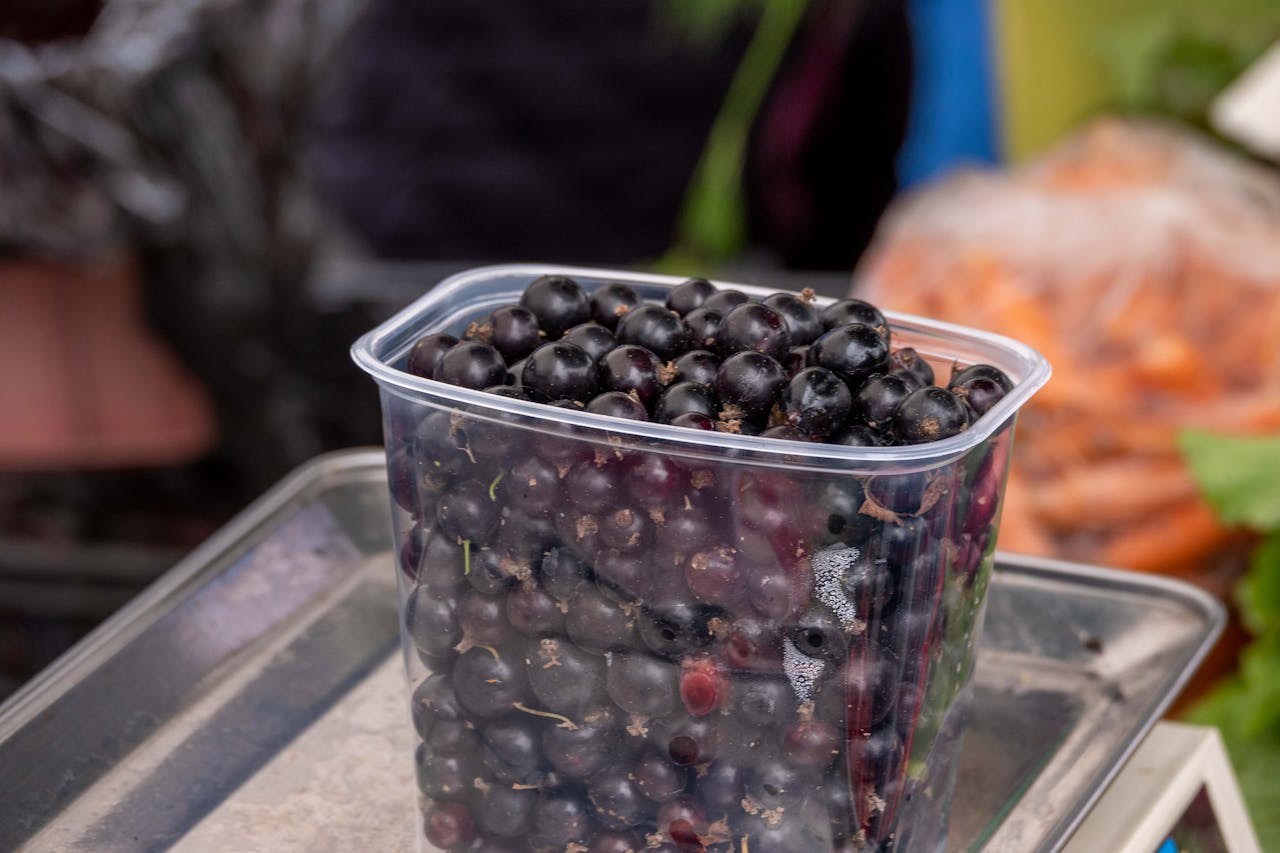
Blackcurrants were once grown in the U.S., then suddenly vanished for most of the 20th century. The shrub helped spread a tree disease that threatened the lumber industry, so federal and state bans wiped out plantings and blocked commercial cultivation. For generations, Americans grew up with grape and cherry flavors instead, while Europeans kept blackcurrants in jams, syrups, and candies. Only in recent decades have some states relaxed rules, letting the berry slowly creep back into niche markets.
Raw Milk Crossing State Lines
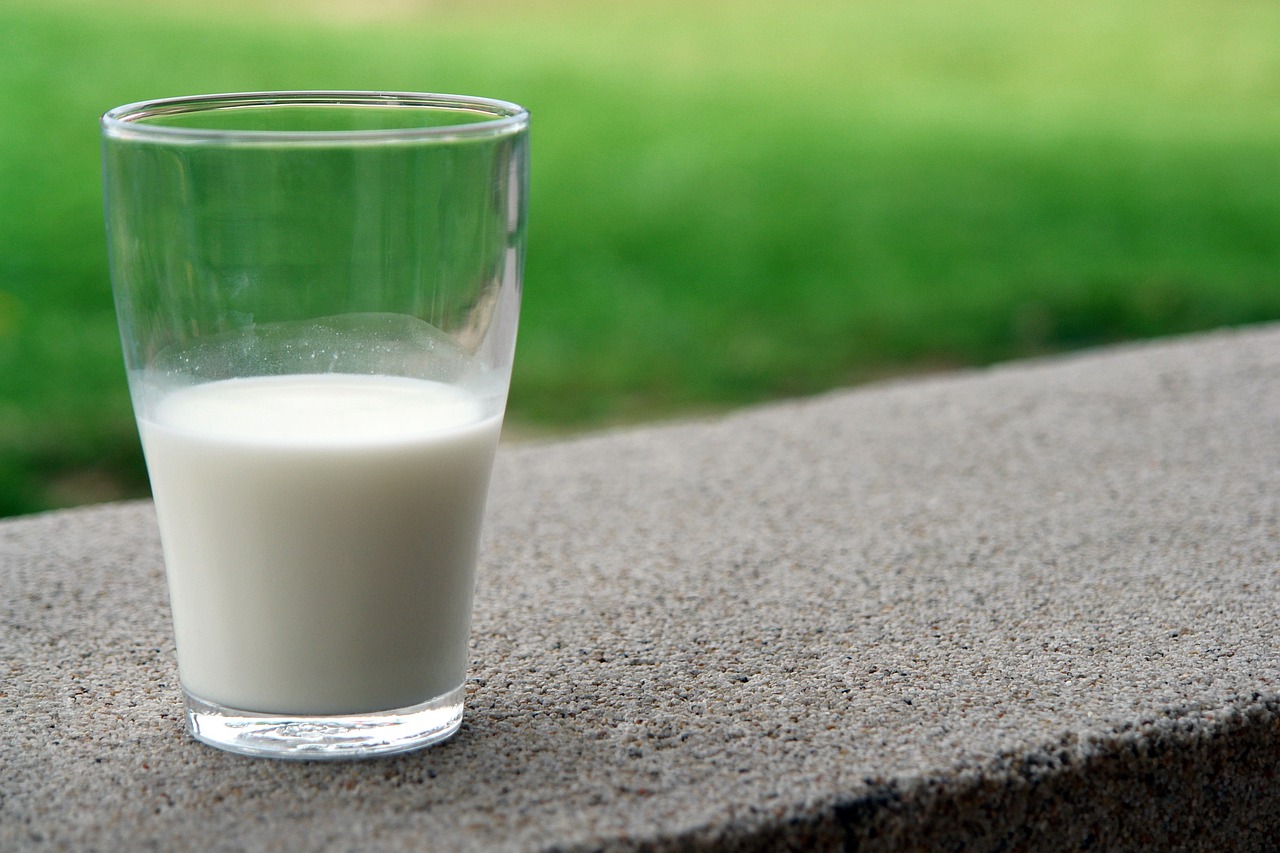
Raw milk feels old-fashioned and wholesome to some, but public health officials see a long track record of outbreaks. After repeated illnesses linked to unpasteurized dairy, federal rules shut down interstate sales for direct human consumption. Inside state borders, the picture is patchy: farm sales are allowed in some places, tightly restricted or banned in others. Supporters talk about tradition and taste, while doctors point to bacteria that do not care about nostalgia or marketing.
Artificial Trans Fat In Everyday Snacks

For years, partially hydrogenated oils sat quietly in cookies, pie crusts, frosting, and fast-food fryers, giving snacks a crisp texture and long shelf life. As evidence mounted that artificial trans fat raised heart disease risk, regulators stepped in. Food companies were pushed to reformulate, then barred from adding these oils at all, aside from a few narrow exceptions. In practical terms, a whole category of ingredients went from industry standard to almost completely illegal in a single generation.
Foie Gras On Certain City Menus
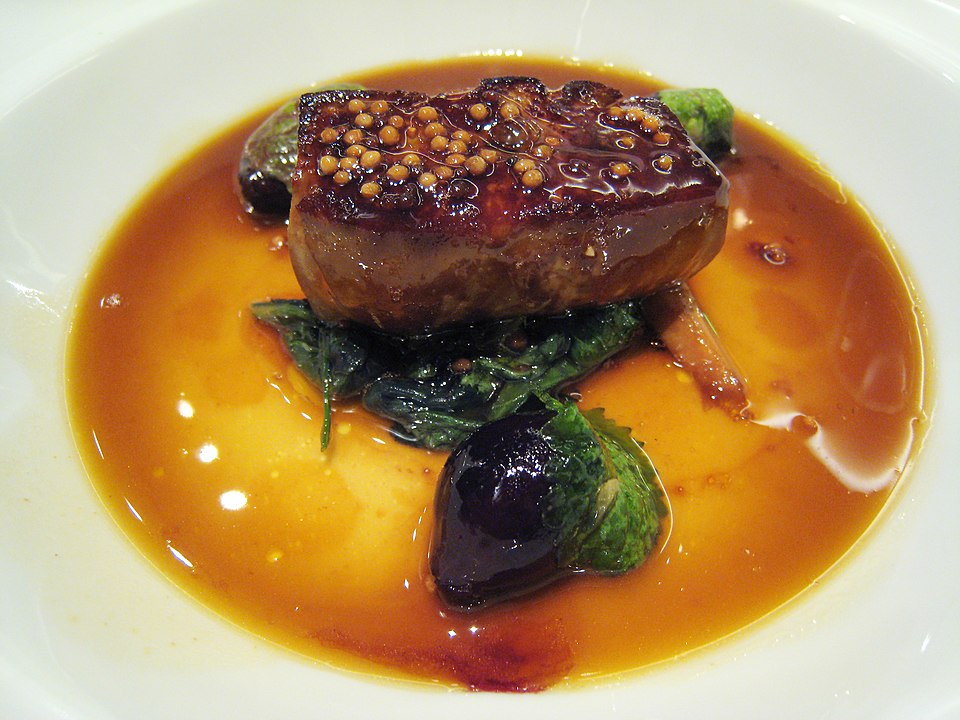
Foie gras turned into a symbol in debates over what humane eating should look like. Critics focused on the force-feeding practices used to enlarge duck and goose livers, while supporters defended tradition and culinary freedom. Some U.S. cities and states responded by banning its sale or production within their borders. Even where those rules were later relaxed, the controversy never fully faded. A luxury appetizer ended up carrying far more moral weight than its size on the plate.
Shark Fin Soup And The Missing Fins
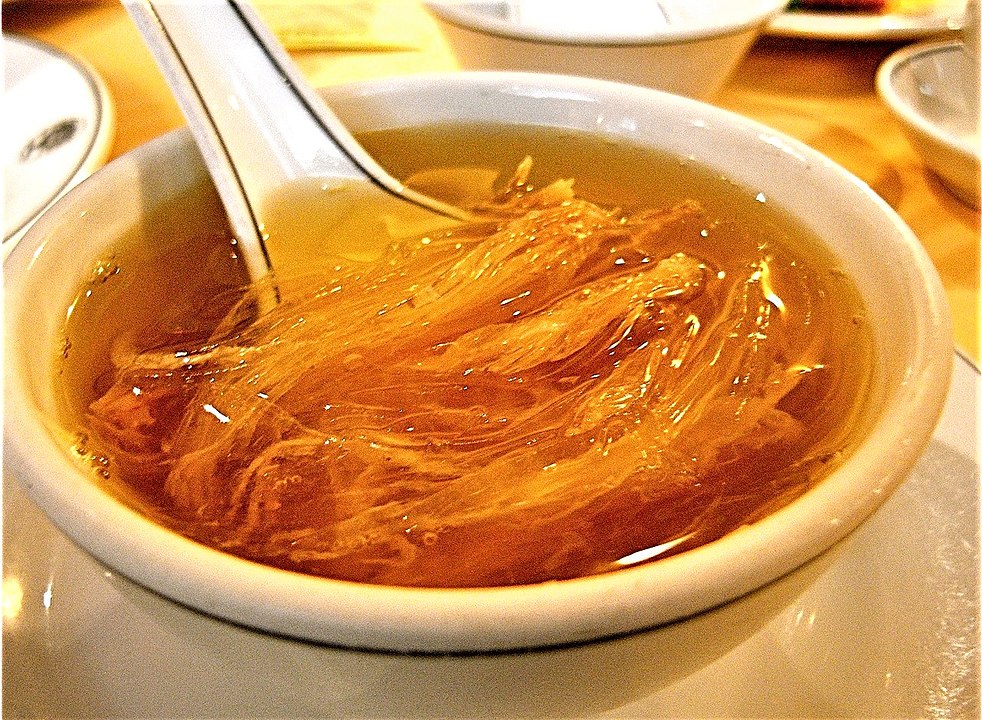
Shark fin soup once signaled status at banquet tables, but global concern over shark finning changed the mood. As images of finned sharks and collapsing populations spread, many U.S. states outlawed the trade and possession of shark fins. Diners can still order soup flavored with substitutes, yet authentic fins are pushed out of legal markets. What used to be celebrated as a sign of honor became a shorthand for waste and disregard for marine ecosystems.