7 Common Cucumber Types and the Best Ways to Use Each

Cucumbers may look similar at first glance, but each variety has distinct traits that affect texture, flavor, and performance in the kitchen. Differences in skin thickness, seed size, and moisture content determine whether a cucumber works best for salads, pickling, snacking, or light cooking. Choosing the right type helps dishes stay crisp, balanced, and flavorful rather than watery or bitter. Understanding these common cucumber varieties allows cooks to match preparation methods to the strengths of each type and get better results with minimal effort.
1. English (Seedless) Cucumber
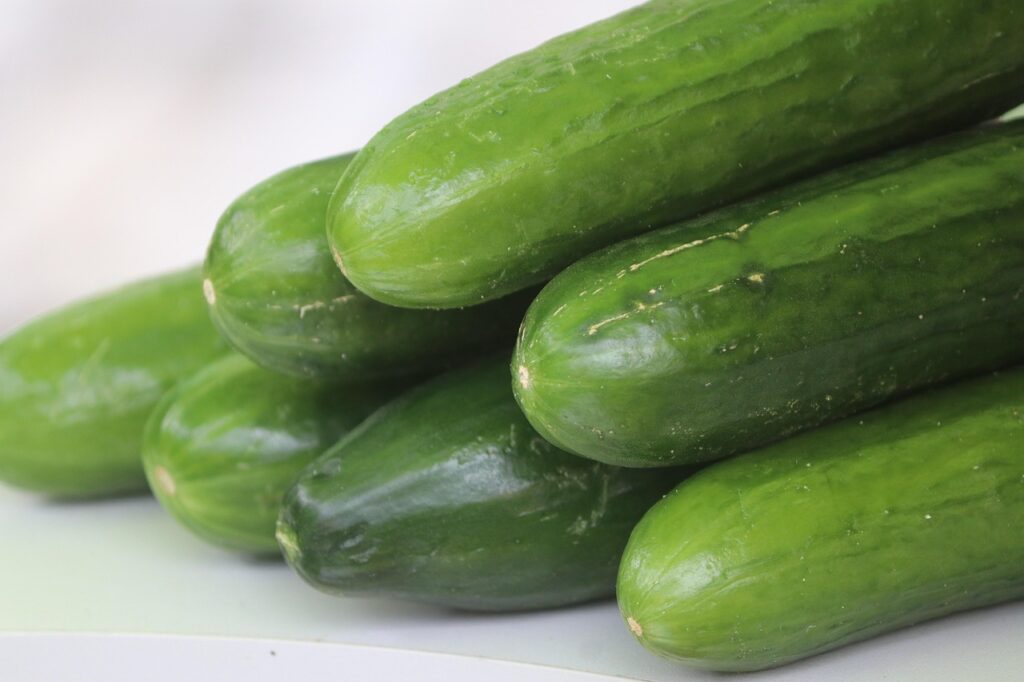
English cucumbers are prized for their thin skin, minimal seeds, and clean, mild flavor, which makes them especially versatile in raw preparations. Because the skin is tender, peeling is unnecessary, preserving both texture and nutrients. The low seed content means less bitterness and excess moisture, allowing slices to stay crisp in salads rather than watering down dressings. These cucumbers are ideal for finely sliced applications such as tea sandwiches, grain bowls, and layered salads where uniform texture matters. Their length also makes them easy to cut into ribbons or long slices for presentation-focused dishes.
2. Persian Cucumber
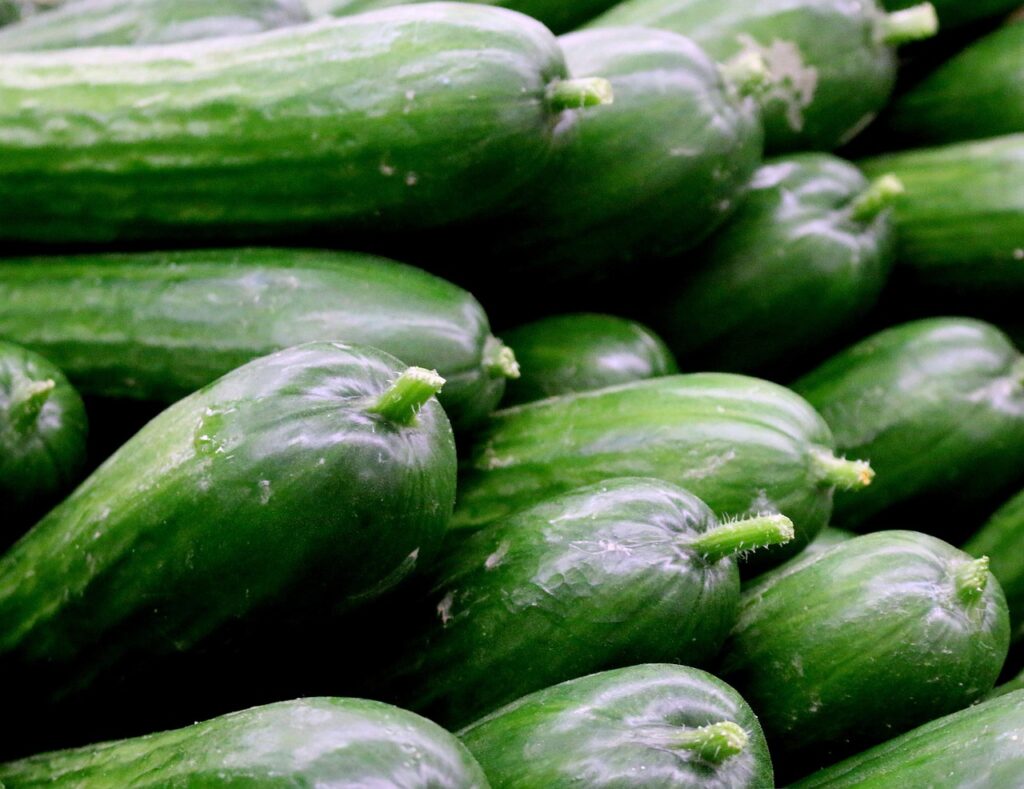
Persian cucumbers are smaller, firmer, and crunchier than wide common varieties, which makes them excellent for snacking and quick preparations. Their thin skin and nearly seedless interior mean they require little prep before eating. The flesh is dense and less watery, helping them maintain texture even when dressed or lightly marinated. Persian cucumbers are well-suited for chopped salads, yogurt-based dishes, and simple side plates where bite-sized pieces are preferred. Their compact size also makes portioning easy, reducing waste. These qualities make Persian cucumbers dependable for both casual and composed dishes.
3. Garden (Slicing) Cucumber
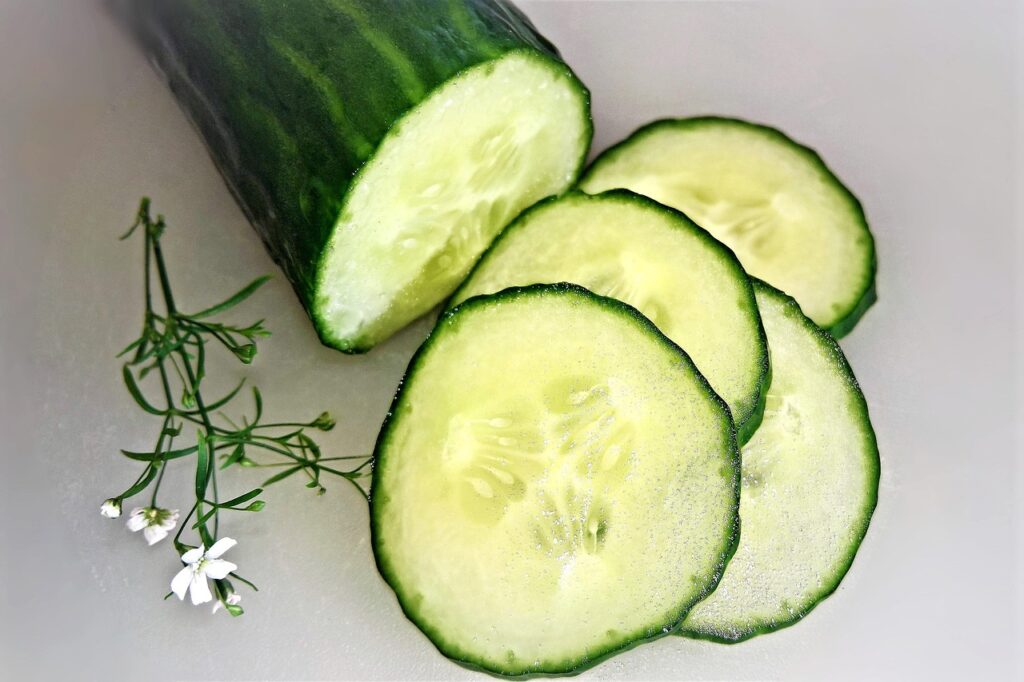
Garden cucumbers are the most familiar variety found in grocery stores and home gardens. They have thicker skin and larger seeds, which can introduce bitterness and excess moisture if not addressed. Peeling and deseeding improves texture and flavor, especially for raw dishes. Once prepped properly, garden cucumbers work well in salads, relishes, and chilled soups. Their size makes them suitable for recipes that require volume, such as cucumber salads served family style. Garden cucumbers also hold up reasonably well to light cooking. Their availability makes them a practical choice for basic preparation techniques.
4. Kirby Cucumber
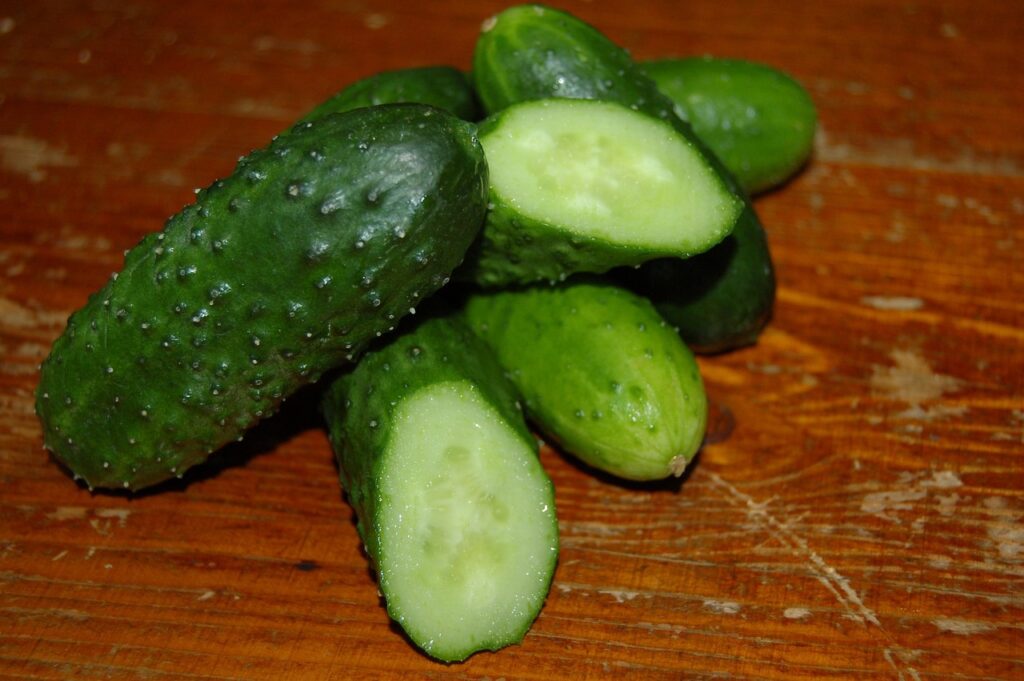
Kirby cucumbers are defined by their firm flesh, bumpy skin, and low moisture content, qualities that make them ideal for pickling. Their structure allows them to absorb brine while maintaining crunch, which is essential for good pickles. Even when eaten raw, Kirby cucumbers offer a satisfying snap and concentrated cucumber flavor. They are commonly used for refrigerator pickles, fermented pickles, and quick vinegar-based preparations. Because they are smaller and sturdier, they resist becoming soft over time. Kirby cucumbers are less suited for delicate salads but excel in applications where texture and durability matter most.
5. Armenian (Snake) Cucumber
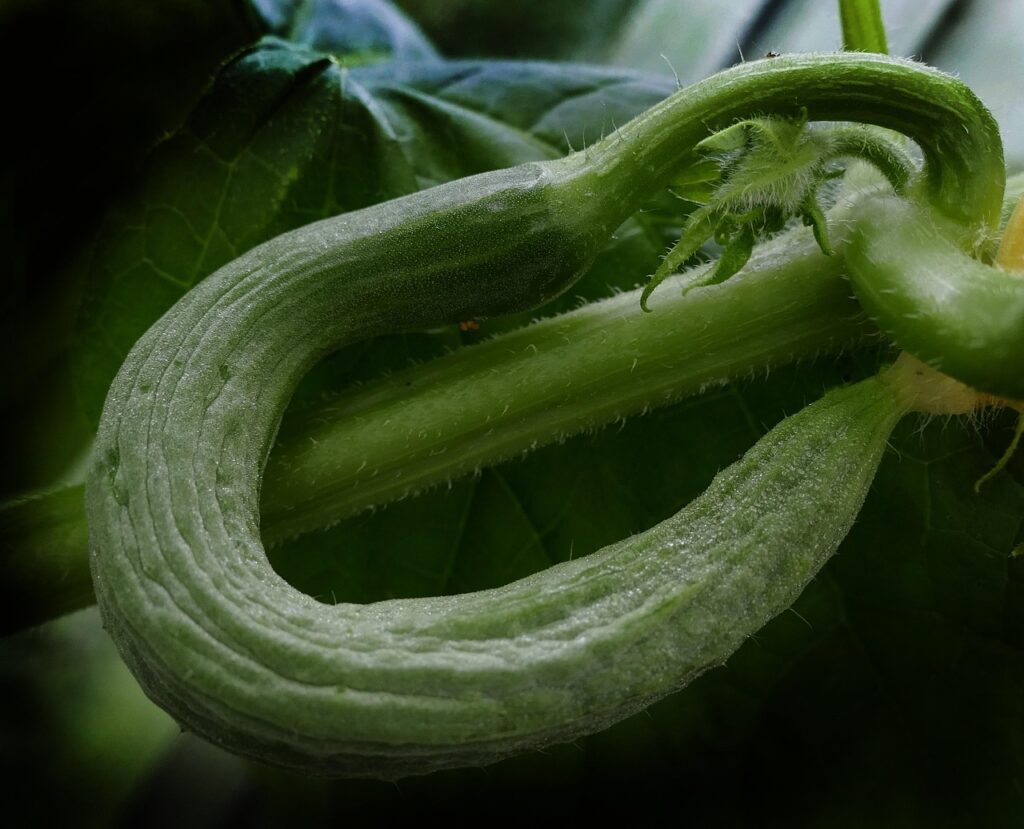
Armenian cucumbers are long and curved with a ridged exterior and a flavor closer to mild melon than traditional cucumber. Despite the name, they are technically a type of melon. The skin is thin and edible, while the flesh is crisp and lightly sweet. Armenian cucumbers perform well in raw preparations such as salads, dips, and mezze plates. Their low bitterness and balanced moisture make them especially pleasant when sliced thick or chopped. They also handle light marination without breaking down. Because of their size and appearance, they add visual interest to dishes while remaining easy to work with.
6. Japanese Cucumber
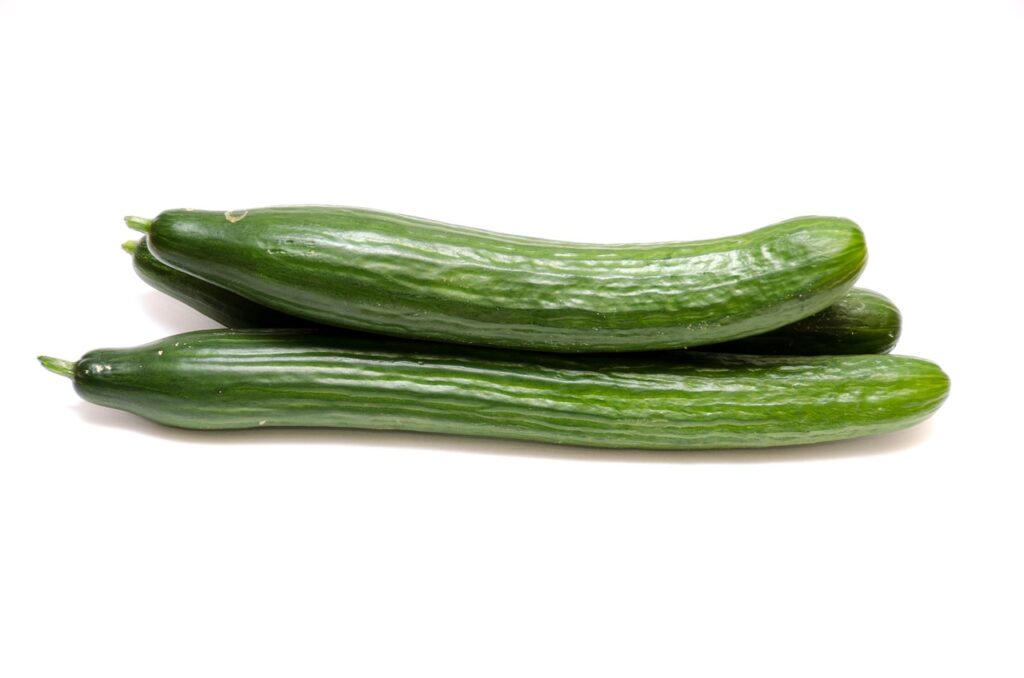
Japanese cucumbers are slender, dark skinned, and known for their clean, refreshing crunch. The skin is thin but slightly firmer than English cucumbers, offering structure without bitterness. Seeds are small and unobtrusive, which helps the cucumber retain texture when sliced thin. Japanese cucumbers are commonly used in simple salads, sunomono-style dishes, and quick pickles. Their ability to absorb seasoning while staying crisp makes them ideal for lightly dressed preparations. They are also well-suited for slicing techniques that emphasize precision. This variety shines in dishes where balance and restraint are important.
7. Lemon Cucumber
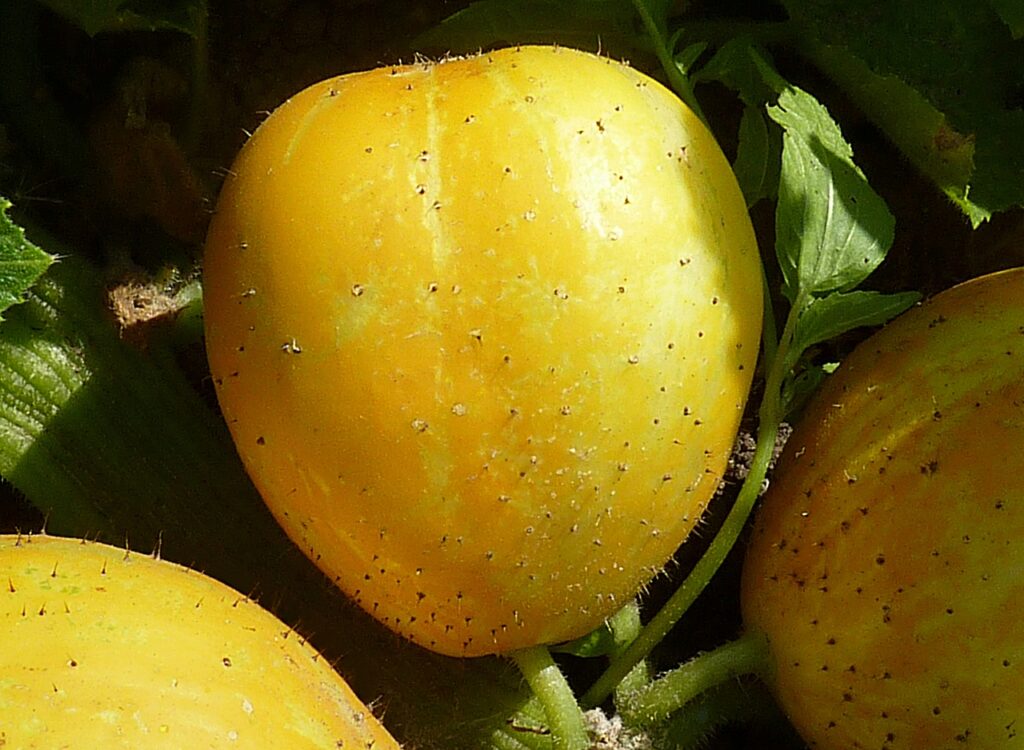
Lemon cucumbers are round, yellow, and mildly sweet, offering a different sensory experience from green varieties. The skin is tender, and the flesh is less bitter than that of many standard cucumbers. Their subtle sweetness makes them suitable for raw applications such as salads and garnishes. Lemon cucumbers also work well in lightly sweetened pickles or infused waters. Because they are visually distinctive, they add novelty to dishes without requiring complicated preparation. Their softer texture is best used fresh rather than cooked. Lemon cucumbers are for cooks looking to add variety and flavor without overpowering other ingredients.