10 Reasons Aldi Groceries Cost Less Than Most Stores

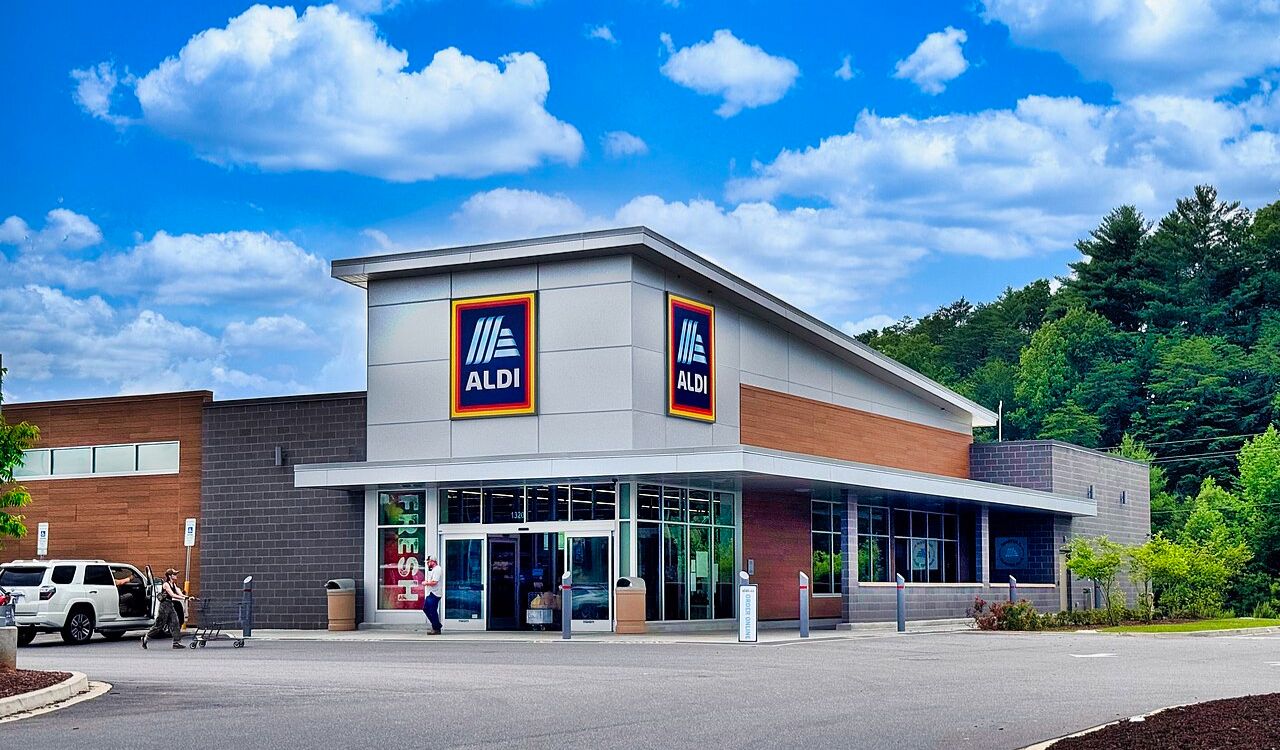
Aldi feels like a magic trick at checkout: a cart full of basics, a receipt that does not sting, and a shopper already planning the next trip. That lower total is not random or temporary. It is the result of a business model built around doing fewer things, doing them faster, and cutting costs shoppers rarely miss. From the way products are selected to how stores are staffed and stocked, Aldi designs the whole experience to keep overhead low. Here are ten practical reasons Aldi groceries often cost less than at traditional supermarkets, starting with the biggest drivers you can see the moment you walk in.
1. Most of the store is private label
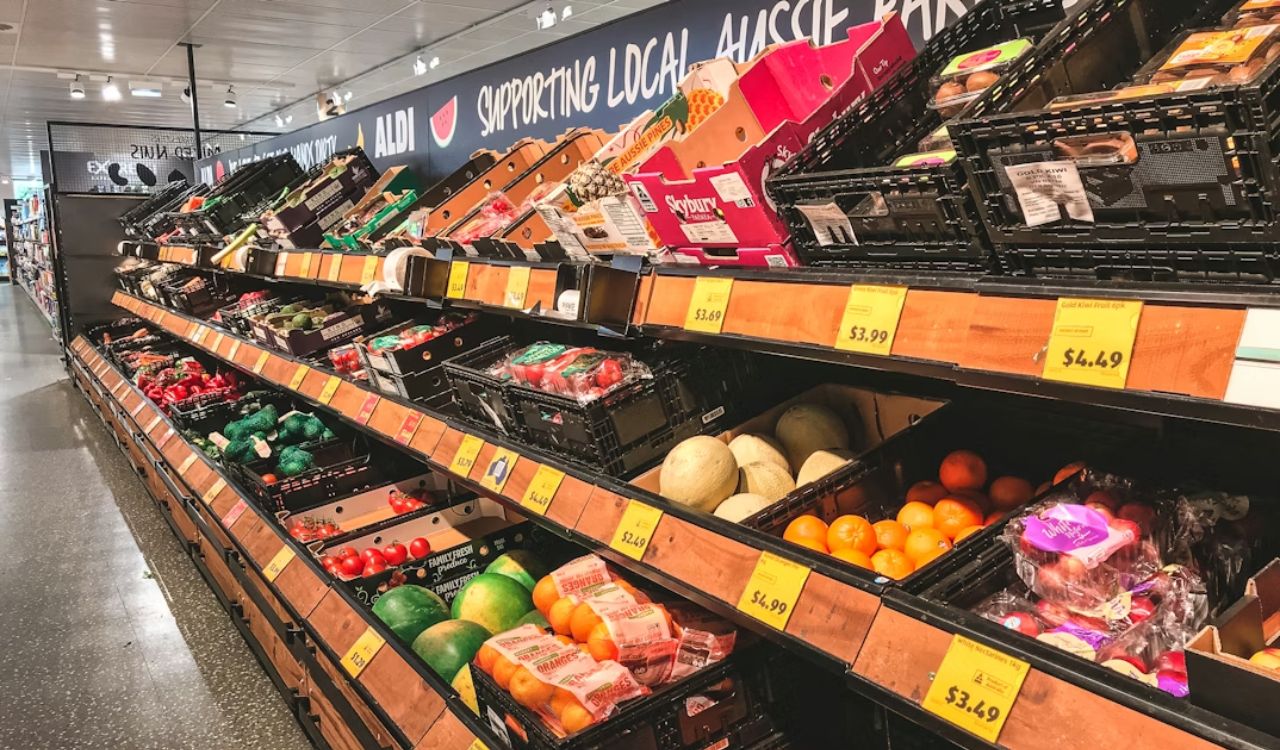
Aldi sells mostly its own brands, with more than 90% of products labeled as Aldi-exclusive. That matters because store brands cut out layers of marketing and brand premiums, and Aldi can negotiate manufacturing and packaging at scale for a tight set of items. With fewer national brands to manage, the company can focus on consistent quality targets and price points that fit its value promise. For shoppers, it often means staples like pasta, canned goods, dairy, and snacks come in a comparable option that is priced below big-name equivalents, without needing coupons or loyalty points at all, week after week.
2. A limited assortment keeps everything moving faster
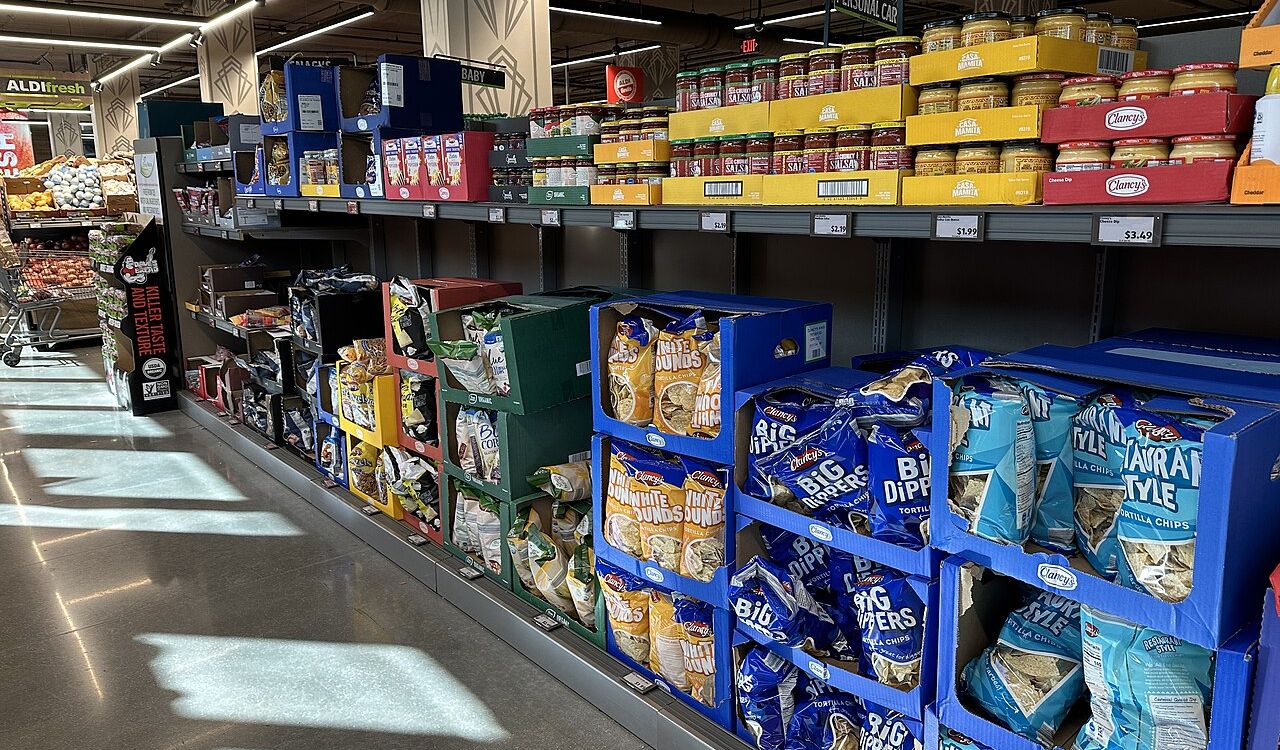
Walk into Aldi and you will notice what is not there: endless brand choices and aisles of duplicate products. Aldi is built around a limited assortment, carrying far fewer items than a conventional supermarket, so each product moves faster. That speed reduces waste, simplifies ordering, and lowers the labor required to stock and manage inventory. It also lets Aldi buy bigger volumes of the same item, which can improve supplier pricing and keep shelves consistently full. For shoppers, the tradeoff is fewer options, but the payoff is a store designed to run lean while keeping everyday prices down.
3. The no-frills setup cuts labor and overhead
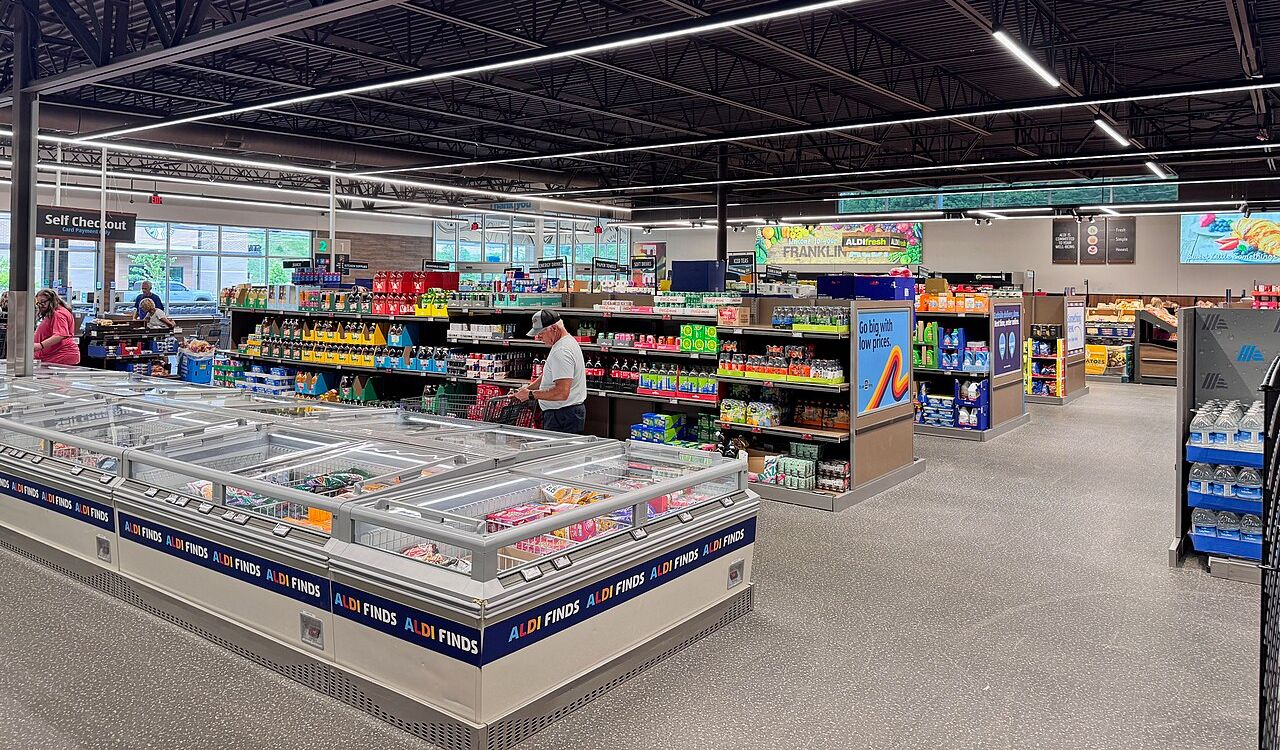
Aldi keeps overhead low by stripping out extras that raise costs in many grocery stores. Shoppers bag their own groceries, stores often display items in the shipping case, and the quarter deposit for carts encourages returns with less staff time spent collecting them. Locations are typically smaller and designed for quick trips, which can reduce rent, utilities, and staffing needs. Cashiers scan fast and customers move to a separate counter to bag, keeping lines short with fewer employees on the floor. All those small efficiencies add up, helping Aldi protect low prices without constant promotions.
4. Smaller stores mean lower real estate costs
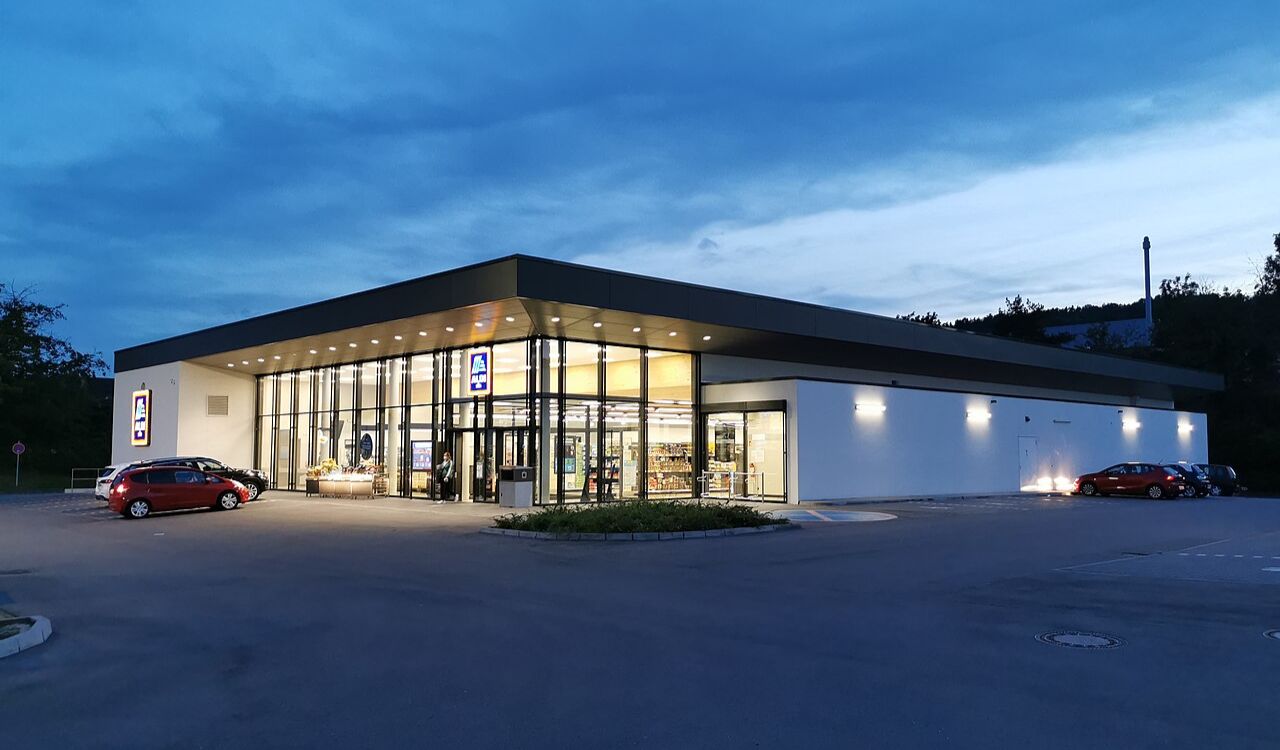
Aldi stores are intentionally smaller than most traditional supermarkets, and that size difference has a direct impact on pricing. Smaller footprints usually mean lower rent, reduced property taxes, and less money spent on heating, cooling, and lighting the space. With fewer aisles to maintain, Aldi also limits shelving, signage, and store fixtures that add long-term expenses elsewhere. These savings may not be obvious while shopping, but they significantly reduce operating costs behind the scenes. By keeping stores compact and efficient, Aldi frees up budget that can be redirected into lower shelf prices instead of higher overhead.
5. Faster checkout systems reduce staffing needs
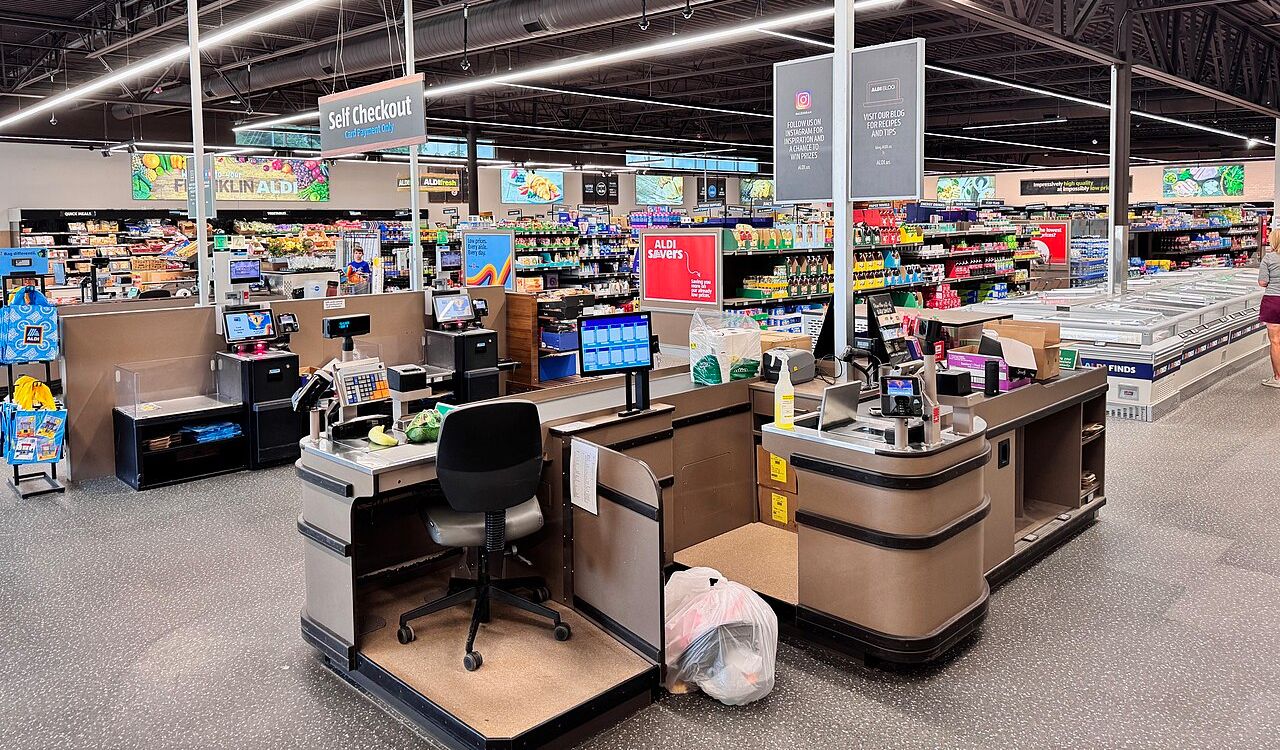
Aldi designs checkout to move customers through quickly with fewer employees. Cashiers remain seated and scan items rapidly, while shoppers bag groceries at a separate counter. This system allows one employee to handle more customers per hour than traditional checkout setups. Fewer staffed lanes are needed, and labor hours can be kept lean without slowing service. Over time, this efficiency reduces payroll costs, one of the biggest expenses in grocery retail. Those savings help Aldi maintain consistently lower prices rather than relying on short-term sales or complicated discount programs to compete.
6. Simple packaging lowers production costs
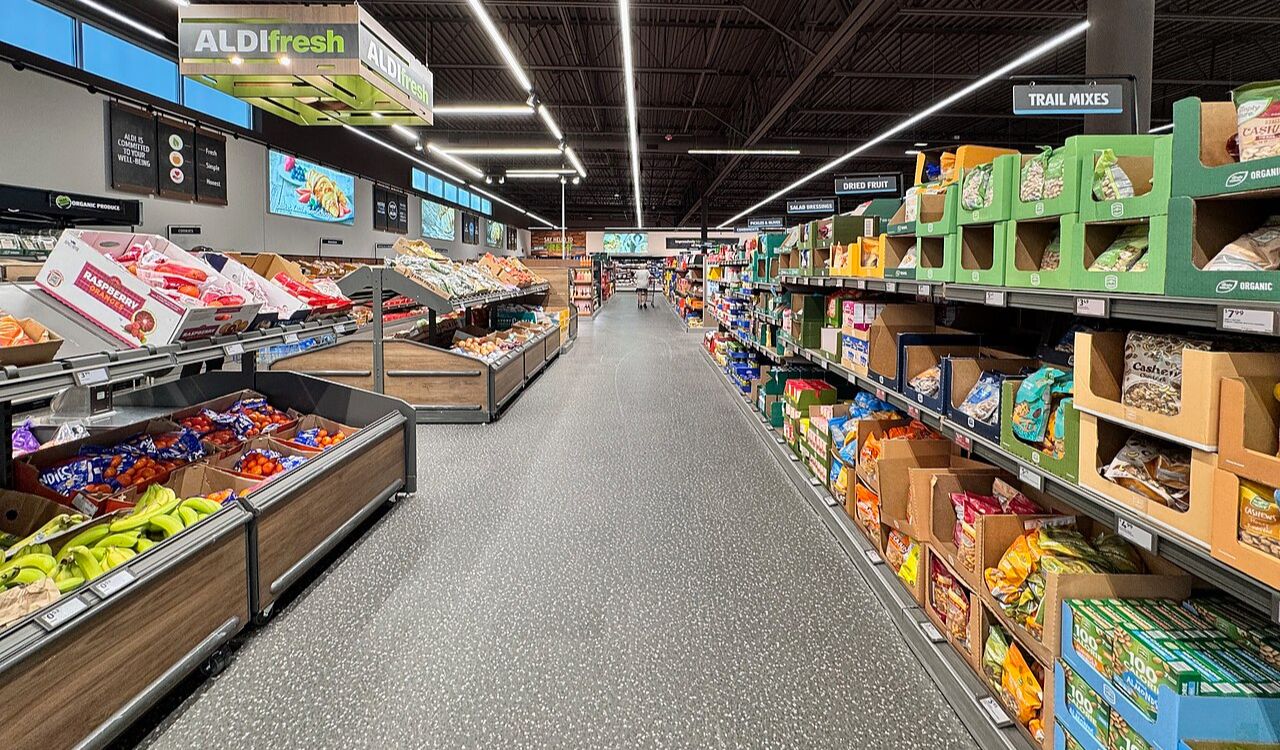
Many Aldi products use straightforward packaging that prioritizes function over visual flair. By avoiding elaborate designs, specialty materials, and frequent redesigns, packaging costs stay low for both Aldi and its suppliers. This simplicity also improves shipping efficiency, since standardized boxes stack more easily and waste less space during transport. Less packaging variation means smoother logistics and fewer delays. While packaging may look plain compared to national brands, the savings generated throughout production and distribution help keep prices down on everyday items without affecting the actual quality of the food inside.
7. Minimal advertising keeps prices stable
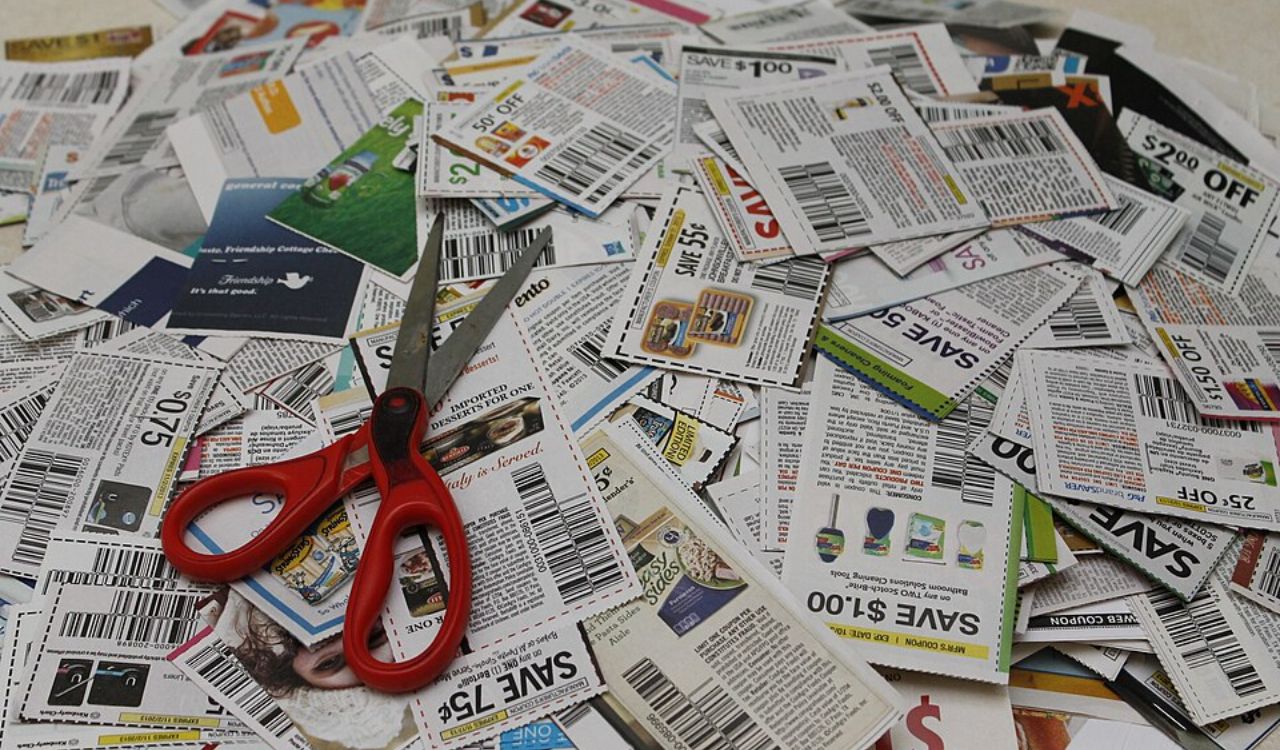
Aldi spends far less on traditional advertising than many other grocery chains. Instead of weekly printed circulars, constant TV ads, or heavy digital promotions, Aldi relies on word of mouth, store experience, and limited targeted marketing. This approach cuts major promotional expenses that other retailers build into their pricing. Without the need to recoup large advertising budgets, Aldi can focus on maintaining low everyday prices rather than cycling items through frequent discounts. For shoppers, this means fewer flashy sales but more consistent value on staples they buy week after week.
8. Faster inventory turnover reduces waste
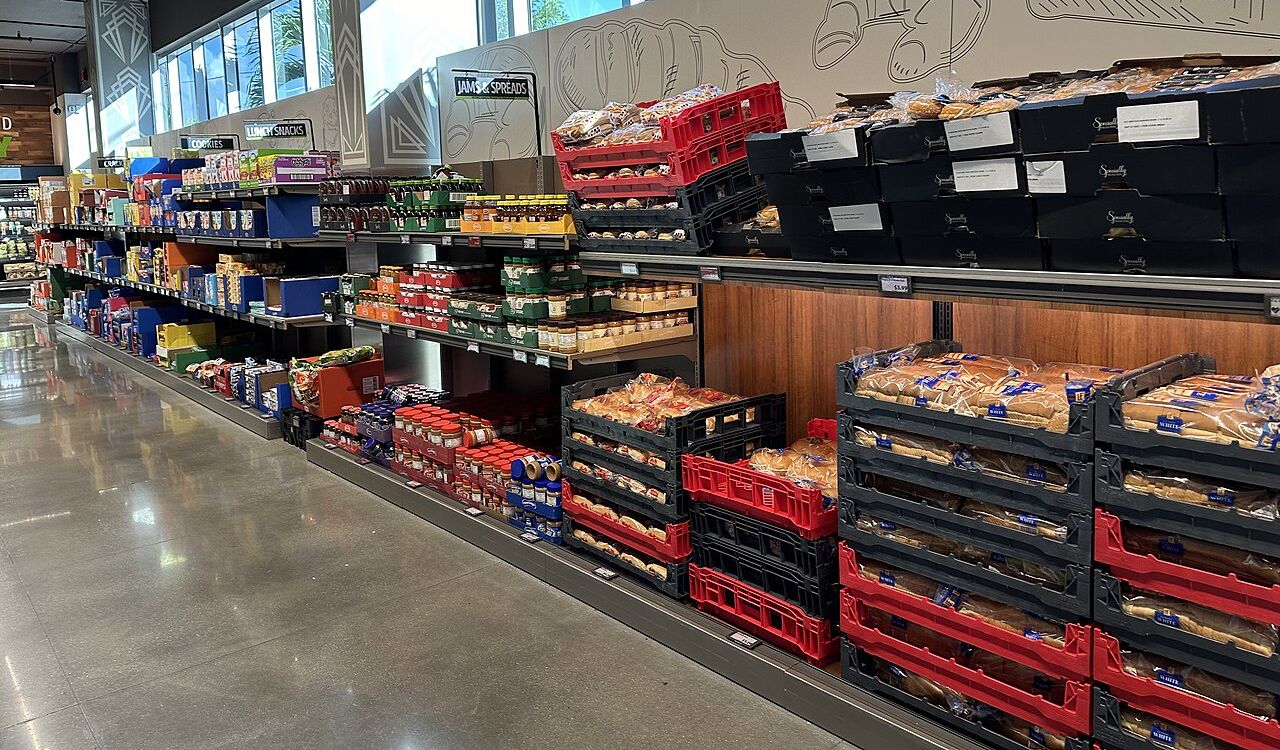
Aldi’s limited selection helps products move fast, which keeps losses low across the store. When items sell quickly, there is less spoilage, fewer markdown stickers, and fewer expired packages sent to the trash. That matters most in produce, dairy, and meat, where slow turnover can quietly raise costs for every shopper. Aldi orders tighter quantities and restocks often, so shelves stay fresh without overbuying. With less waste to absorb, the store does not need to pad prices to cover shrink, helping everyday shelf tags stay lower week after week. Fewer versions of the same item also make forecasting easier, so trucks arrive with what sells.
9. Fewer in-store services keep costs focused
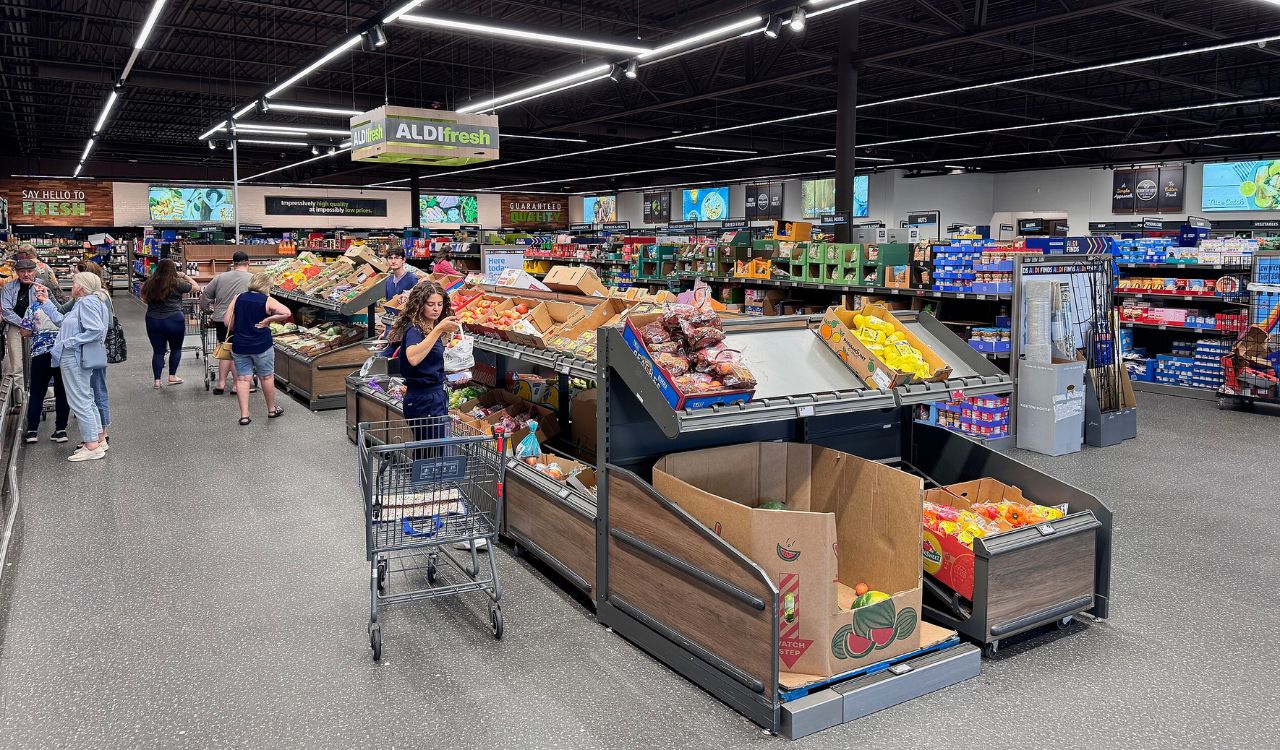
Most Aldi locations skip costly departments that traditional supermarkets run every day, such as full bakeries, deli counters, and butcher stations. Those services require extra staff, specialized equipment, strict food safety routines, and more backroom space. They also create more perishable inventory that can be wasted if traffic is slow. By focusing on core grocery essentials and a streamlined set of prepared items, Aldi can schedule fewer labor hours and keep training simple. Shoppers may miss custom slicing or made to order sandwiches, but they often pay less for staples because the store’s overhead stays lean.
10. Global scale strengthens supplier negotiations
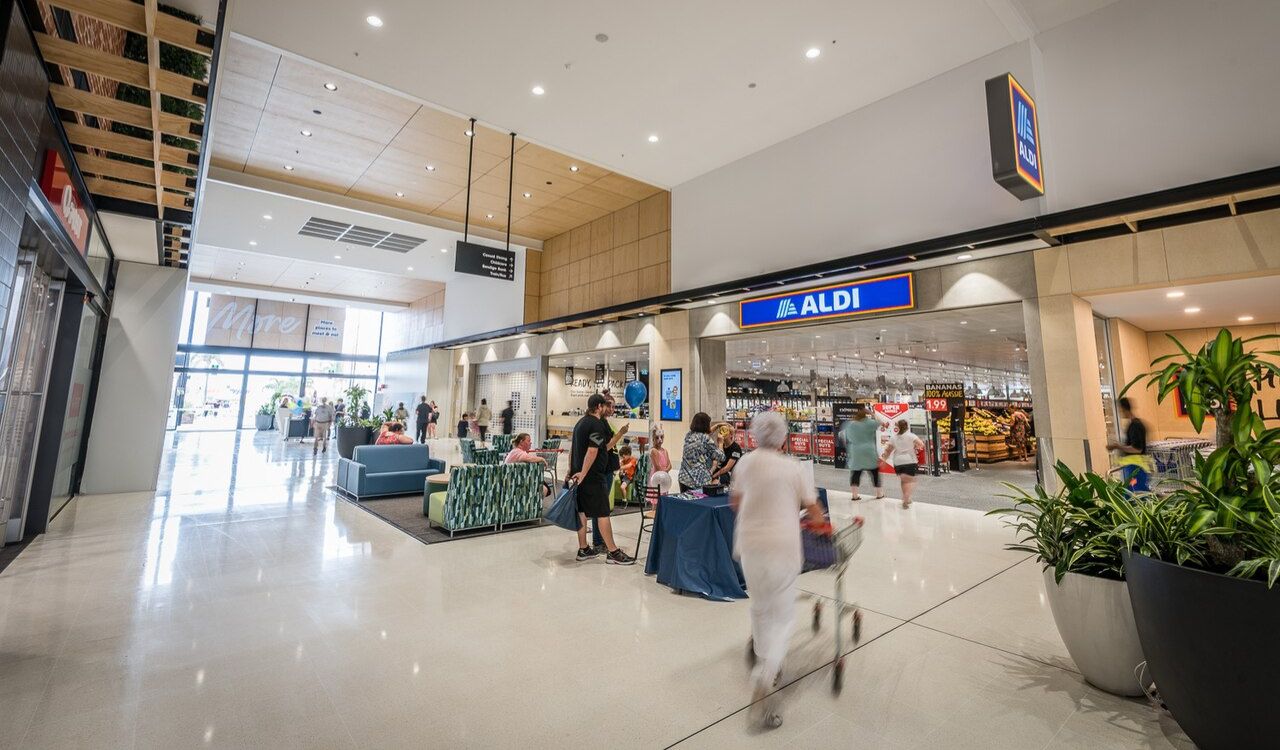
Even though an Aldi store feels small and local, the company operates thousands of locations across multiple countries, which strengthens its buying power. Large, repeat orders let suppliers plan production efficiently and lower per unit costs. Aldi can also negotiate tighter specs and simpler packaging because it sells fewer product lines in higher volume. Those savings flow through shipping and manufacturing, not just the checkout lane. Combined with private label focus, scale helps Aldi price everyday items aggressively while still keeping shelves stocked and quality consistent. It is global muscle in a compact box.