9 Hearty Eastern European Casseroles That Mean Business

Eastern European casseroles are built with purpose. These are not light, delicate dishes meant to impress with presentation. They are meals designed to sustain, warm, and satisfy deeply, especially in places where winters are long and ingredients are practical. Potatoes, cabbage, noodles, meat, dairy, and mushrooms come together in ways that favor density, richness, and staying power. Every layer has a role, whether it is absorbing fat, adding acidity, or creating structure that holds up to reheating. These casseroles reflect generations of cooking shaped by climate, tradition, and necessity. They are meant to be filling, shared generously, and remembered long after the table is cleared.
1. Moussaka (Eastern European Style)
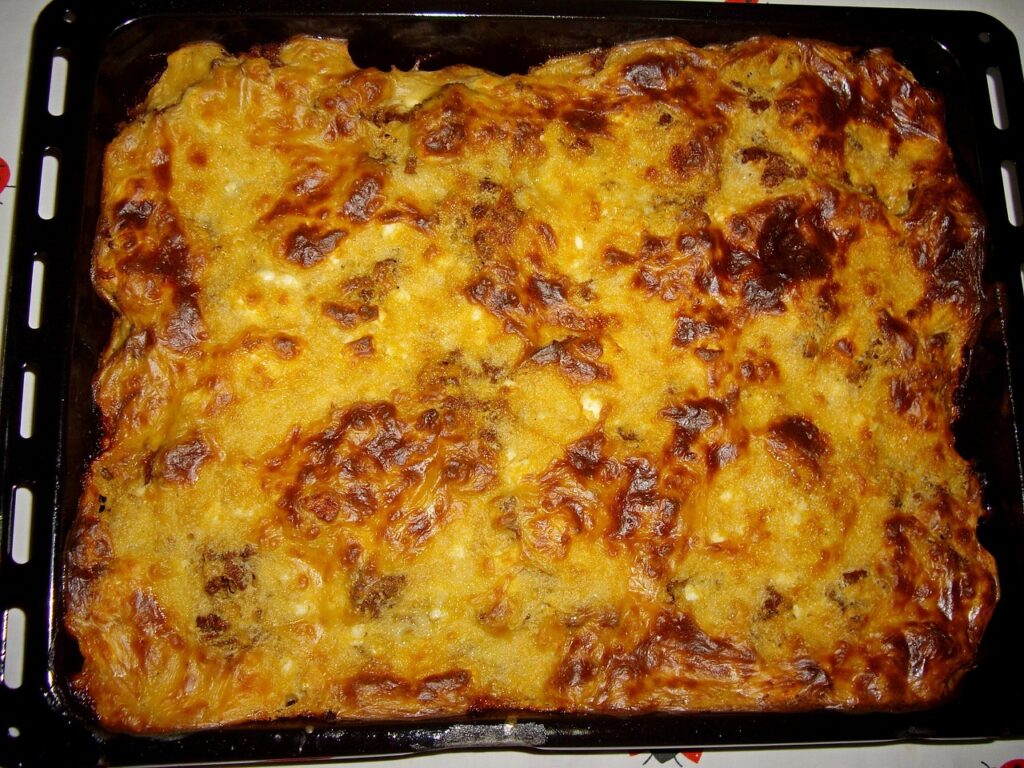
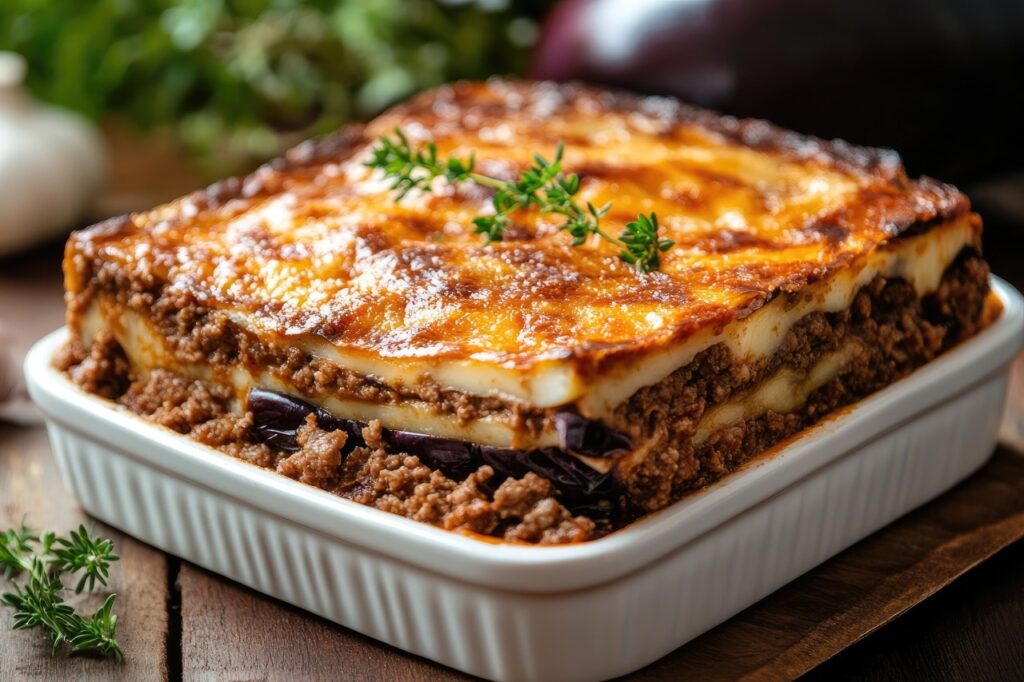
Eastern European moussaka is built to be filling rather than refined. Unlike lighter Mediterranean versions, this casserole leans heavily on potatoes as the base, which makes it dense and deeply satisfying. Layers of sliced potatoes absorb fat and seasoning as they bake, creating structure and richness. Ground meat is seasoned simply, often with onion, garlic, and paprika, focusing on savory depth rather than spice. A thick dairy topping, usually made with sour cream or a custard-like egg mixture, seals everything together and adds weight. Baking allows the flavors to merge slowly, turning individual ingredients into a unified dish.
2. Zapiekanka Ziemniaczana (Polish Potato Casserole)
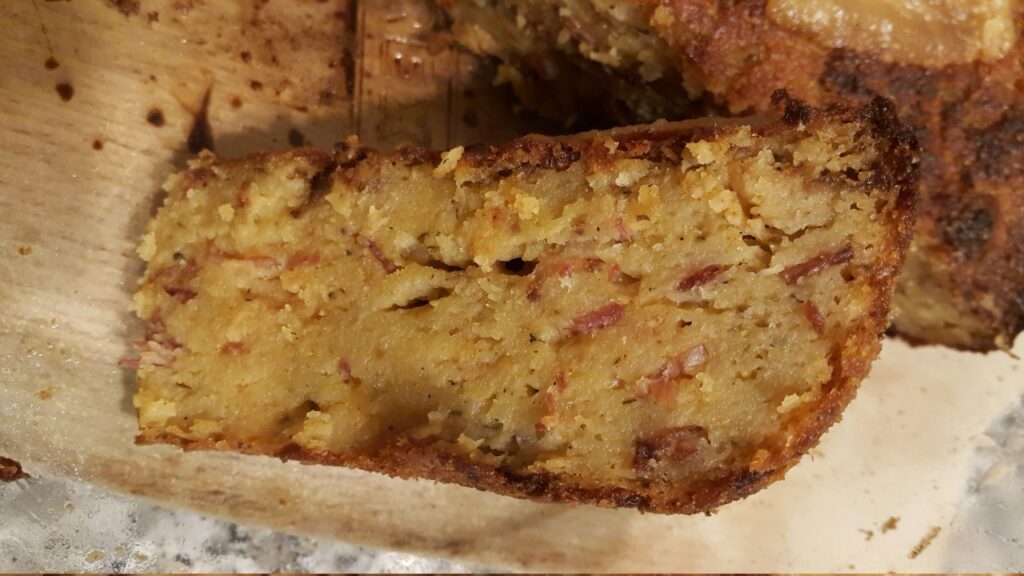
Polish potato casserole is a practical dish born from necessity and climate. Potatoes form the backbone, sliced or grated depending on region, and layered with smoked sausage, onions, and cream. The sausage brings salt and fat, which the potatoes readily absorb during baking. Onions soften and sweeten, adding balance to the heaviness of the dish. Cream or milk binds everything together, creating a soft but sturdy interior. This casserole is filling because it relies on slow-digesting starch and fat rather than sauces. It reheats well and holds its structure, making it ideal for families and large meals. The appeal lies in its honesty. There is nothing decorative about it.
3. Sarma Casserole
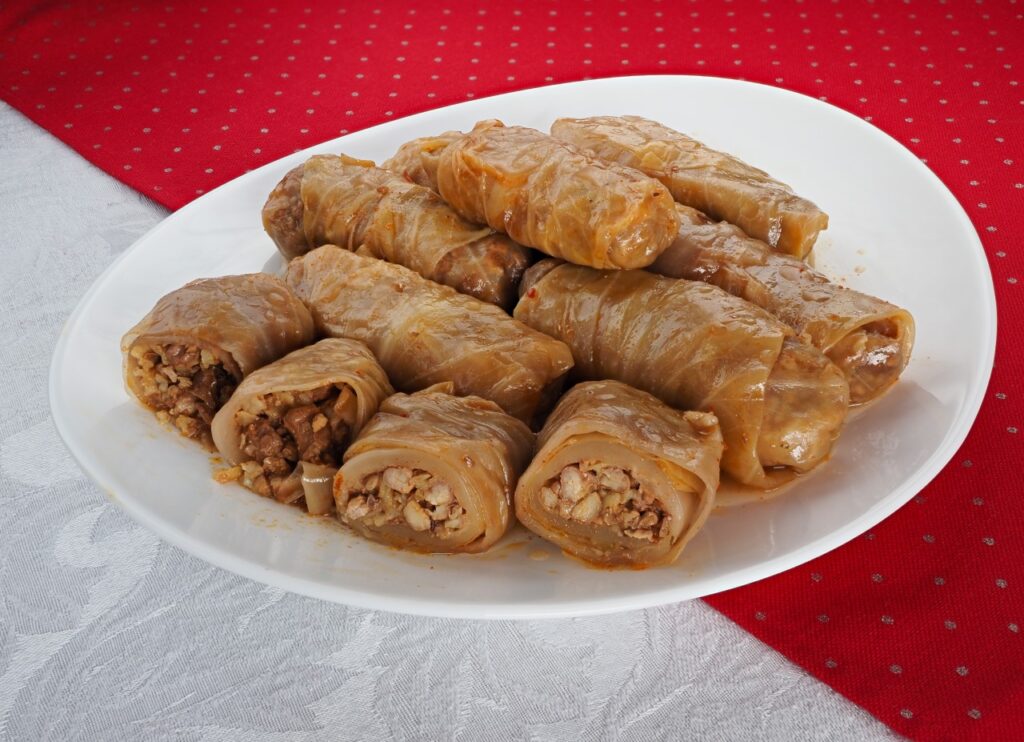
Sarma casserole takes the labor-intensive process of stuffed cabbage and simplifies it without losing impact. Instead of rolling individual cabbage leaves, the components are layered. Fermented or lightly pickled cabbage provides acidity and depth, while ground meat and rice supply bulk and richness. Tomato adds moisture and subtle sweetness, balancing the cabbage’s sharpness. Slow baking allows the cabbage to soften and the flavors to meld completely. Rice absorbs juices and fat, thickening the dish naturally. The result is hearty and deeply savory, with no wasted effort. This casserole reflects a tradition of maximizing flavor while minimizing complexity.
4. Rakott Krumpli (Hungarian Layered Potatoes)
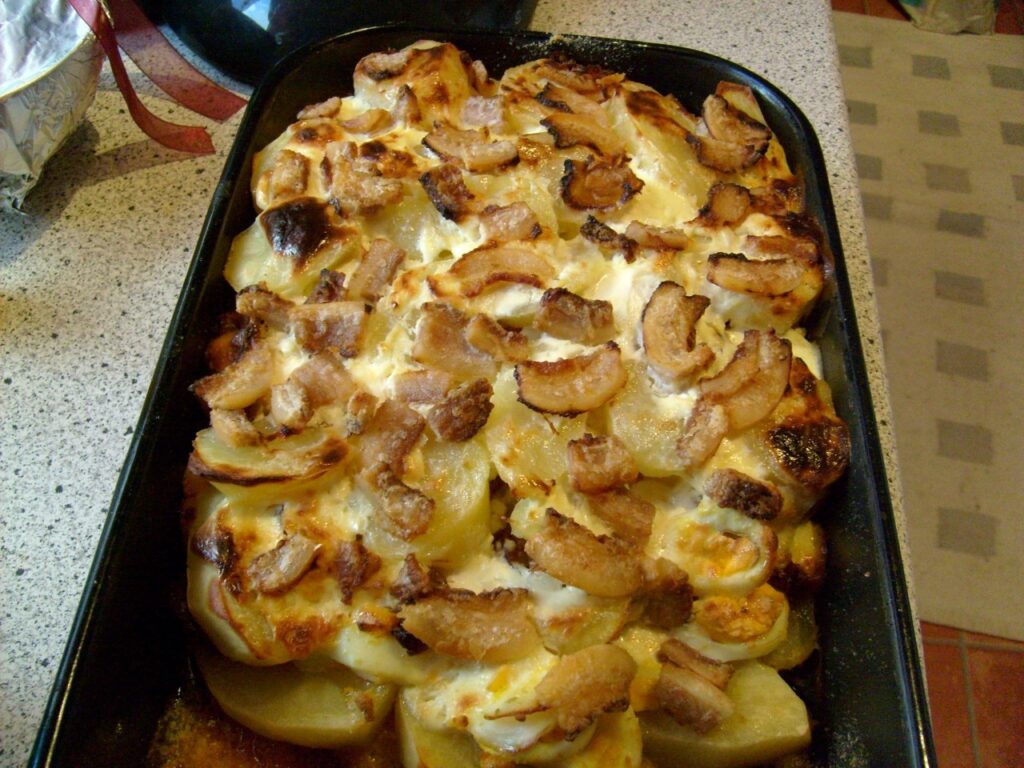
Rakott krumpli is unapologetically straightforward. Sliced potatoes are layered with hard-boiled eggs, smoked sausage, and sour cream. Each ingredient contributes a distinct texture and flavor. Potatoes provide bulk, eggs add richness, sausage brings salt and smoke, and sour cream offers tang. Baking transforms these simple layers into a cohesive, sliceable casserole. The dish is filling because it balances fat and protein with starch, slowing digestion and extending satiety. There is little seasoning beyond salt and paprika, allowing the ingredients to speak for themselves. Rakott krumpli is often served as a complete meal rather than a side.
5. Placki Ziemniaczane Bake
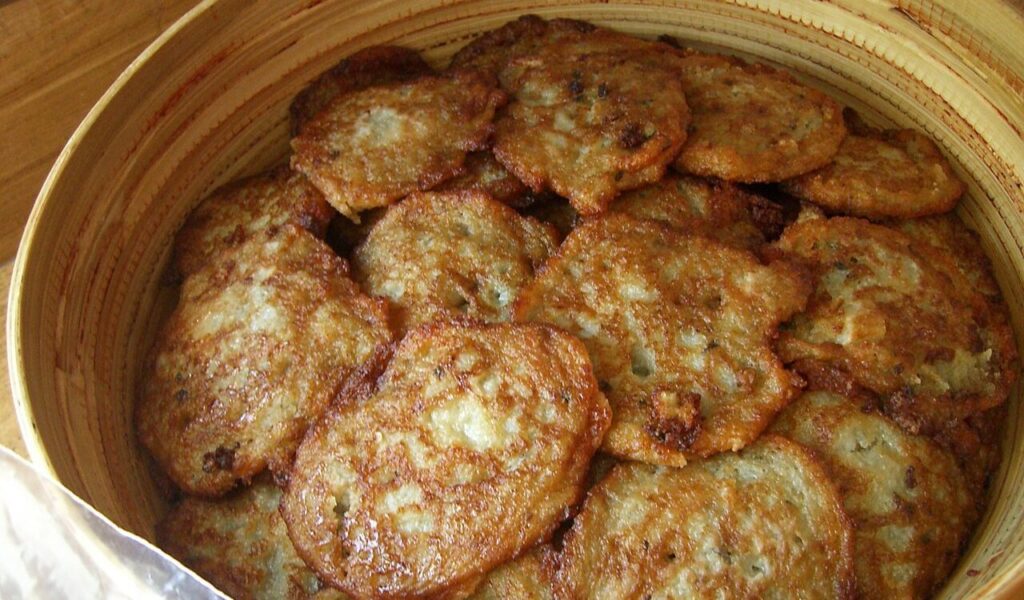
This casserole reimagines potato pancakes as a baked dish. Grated potatoes release starch, which helps bind the casserole without added thickeners. Onions add sweetness, while meat or mushrooms contribute savory depth. Baking eliminates the need for constant frying while preserving the comforting flavor profile. The texture becomes dense and cohesive rather than crisp, making it more substantial. Fat from meat or oil carries flavor through the dish, while slow heat ensures even cooking. This bake is designed to be filling and economical, using simple ingredients to create a meal that lasts. It is less about texture contrast and more about endurance and warmth.
6. Kugel (Savory Style)
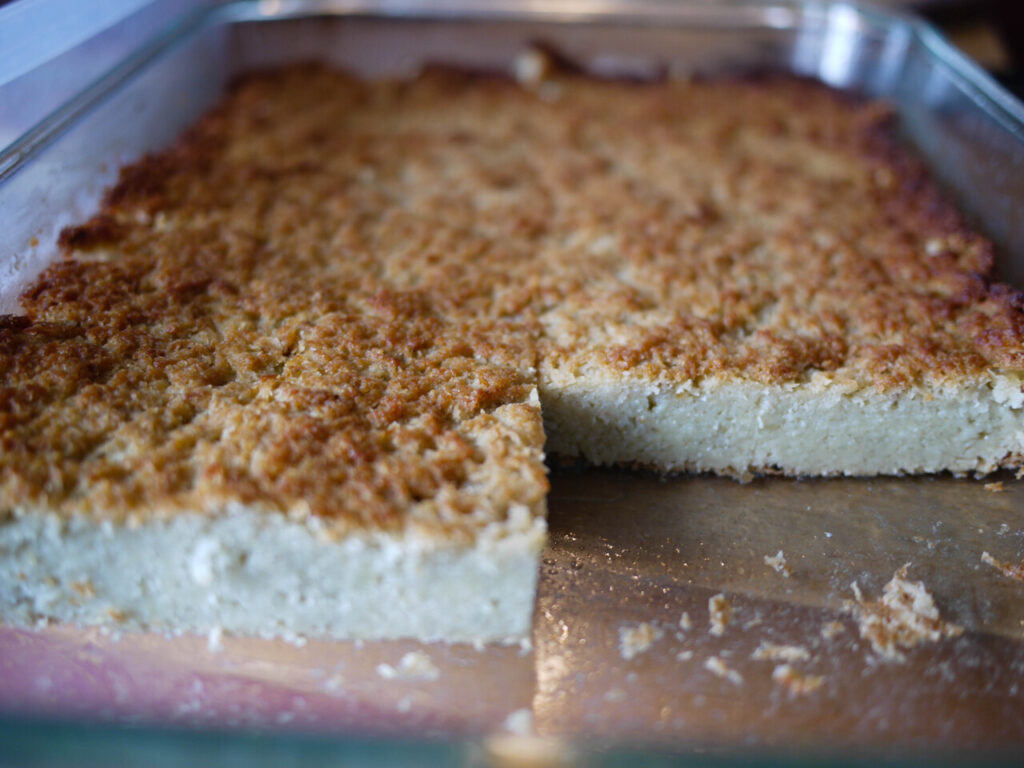
Savory kugel is built for structure and substance. Whether made with potatoes or noodles, eggs and fat bind the mixture into a firm casserole that slices cleanly. Baking transforms loose ingredients into something cohesive and filling. The lack of sauce keeps the focus on texture and density. Seasoning is restrained, often limited to salt, pepper, and onion, which reinforces the dish’s utilitarian nature. Kugel is meant to be eaten in solid portions, not spooned lightly. It pairs well with acidic or fresh sides because of its richness. This casserole reflects a tradition of cooking that values nourishment and practicality over variety or ornamentation.
7. Burek Casserole
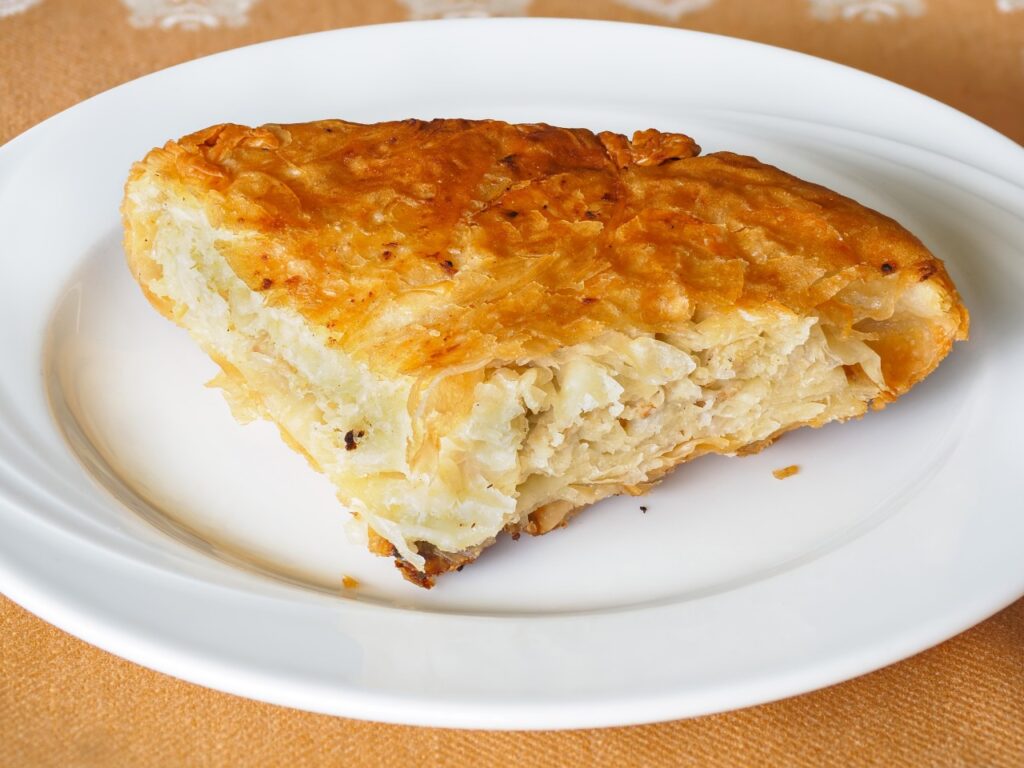
Burek casserole adapts the layered pastry concept into a baked dish that feeds many. Thin dough or phyllo alternates with meat or cheese fillings, absorbing fat and juices as it bakes. The edges crisp while the interior stays soft and rich. Meat versions rely on seasoning and rendered fat for flavor, while cheese versions emphasize salt and creaminess. Baking transforms fragile layers into a unified structure that can be sliced and served easily. This dish feels heavy because it combines refined carbohydrates with fat and protein. It is designed for sharing and sustenance, not restraint. The casserole format makes burek more accessible while preserving its deeply comforting character.
8. Golubtsi Bake
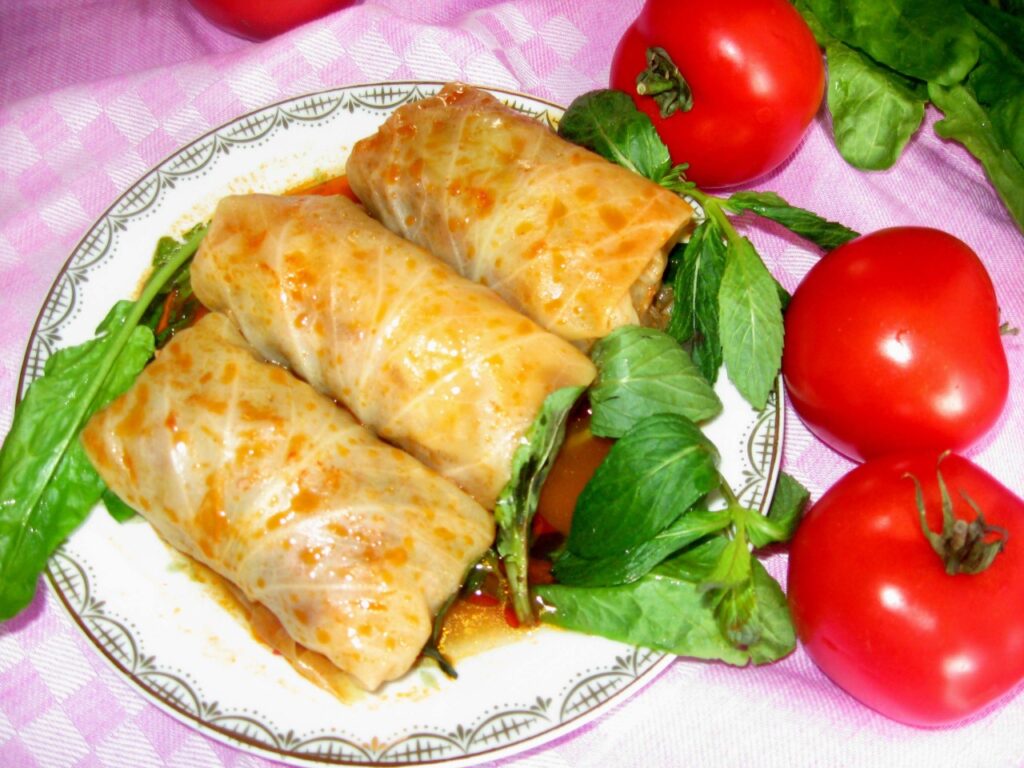
Golubtsi bake simplifies cabbage rolls into a layered format without losing their defining qualities. Cabbage leaves soften and release moisture, creating a tender base. Ground meat and rice form a filling that absorbs juices and fat during baking. Tomato sauce adds acidity and moisture, preventing dryness. The layered structure ensures even cooking and consistent flavor in every portion. This casserole is filling because it combines fiber-rich cabbage with protein and starch. It reflects a cooking style focused on feeding families efficiently. The bake format also allows flavors to deepen over time, making leftovers especially satisfying.
9. Cheese and Mushroom Zapekanka
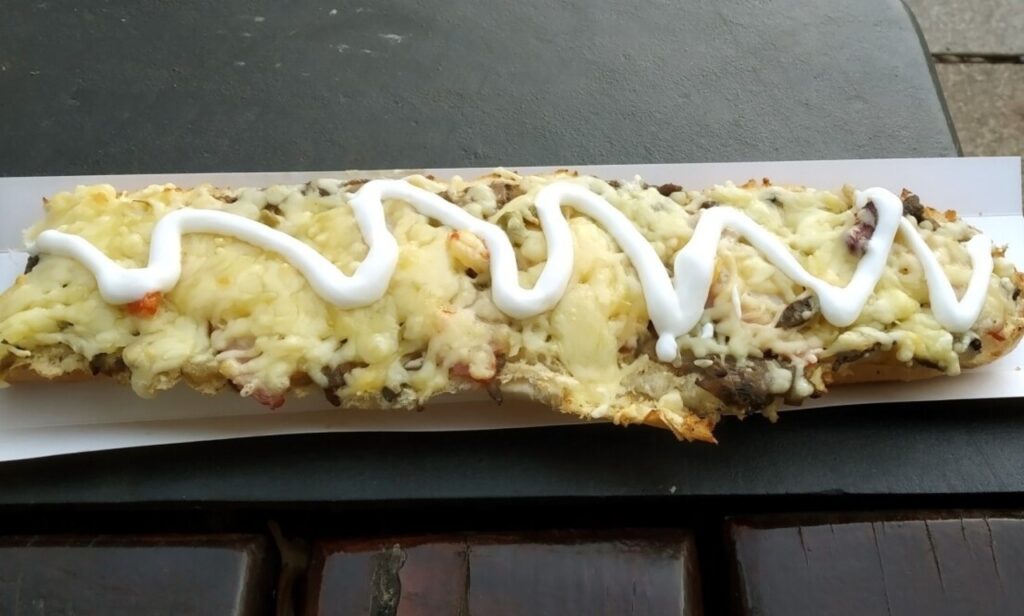
This casserole relies on mushrooms and cheese to deliver depth without meat. Mushrooms provide umami and moisture, while cheese adds fat and structure. Bread or potatoes serve as the base, absorbing juices as the dish bakes. Heat concentrates flavors, turning simple ingredients into something rich and sustaining. The lack of meat does not make the dish lighter. Instead, fat and starch create lasting fullness. This zapekanka is often served as a main dish rather than a side. It reflects Eastern European cooking’s ability to create hearty meals from modest ingredients, prioritizing nourishment and warmth over lightness or refinement.