7 Common Kitchen Problems and Easy Fixes Every Cook Should Know

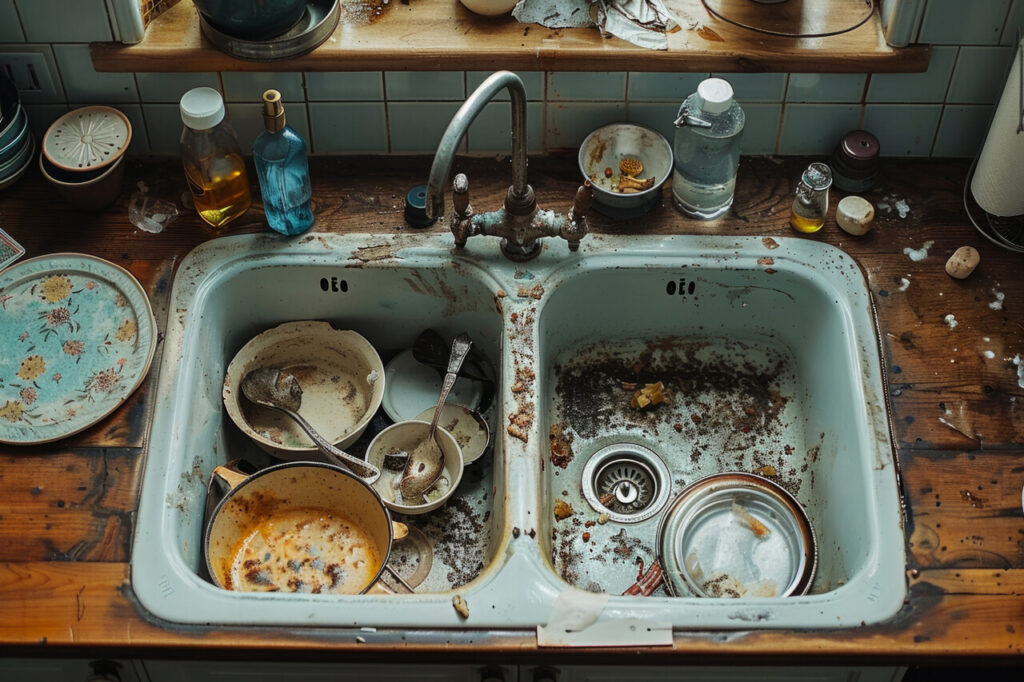
Every kitchen develops small problems over time, even the ones that look perfectly organized on the surface. Tight counters, lingering odors, dim lighting, and awkward layouts quietly slow down daily cooking and make simple tasks feel harder than they should. The good news is that most of these frustrations do not require major renovations or expensive upgrades. With a few smart adjustments and consistent habits, a kitchen can become cleaner, safer, and far more efficient. Understanding why these problems happen and how to fix them empowers any cook to work with more confidence and less stress.
1. Limited Counter Space That Makes Cooking Feel Chaotic

Small or overcrowded counters quickly turn cooking into a juggling act. When cutting boards, appliances, ingredients, and utensils all compete for space, efficiency drops and mistakes increase. Crowded surfaces also make cleaning harder because spills and crumbs collect in tight areas. The solution starts with vertical thinking. Wall-mounted shelves, magnetic knife strips, and hanging rails free up valuable workspace while keeping tools within reach. Pull-out cabinet organizers and drawer dividers prevent stacking items on counters simply because storage is inconvenient. Choosing multipurpose tools rather than single-use gadgets also reduces clutter. Even rearranging where small appliances live can reclaim usable prep space. When counters stay clear, food prep becomes safer, faster, and more enjoyable.
2. Grease Buildup That Makes Kitchens Feel Permanently Dirty
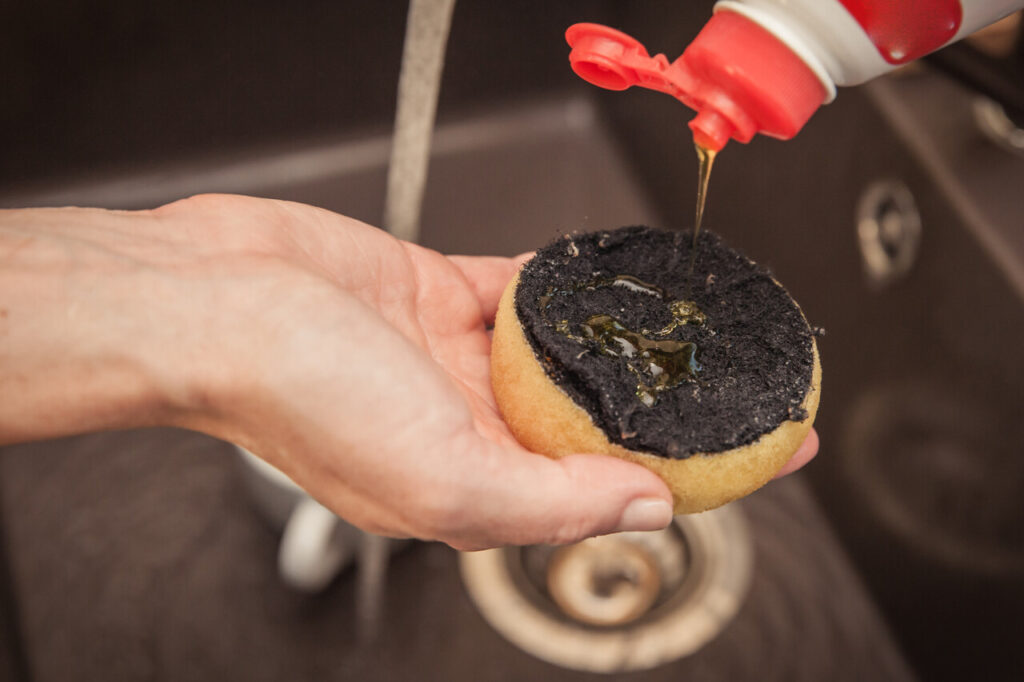
Cooking naturally releases oils into the air, and those particles settle onto cabinets, walls, light fixtures, and appliances. Over time, grease attracts dust and becomes sticky, dulling surfaces and creating unpleasant odors. If left unchecked, it can even damage finishes. Regular light cleaning prevents this buildup from becoming stubborn grime. Warm water mixed with dish soap cuts grease effectively when used consistently. Wiping down surfaces immediately after heavy cooking prevents residue from hardening.
3. Poor Ventilation That Traps Odors and Moisture
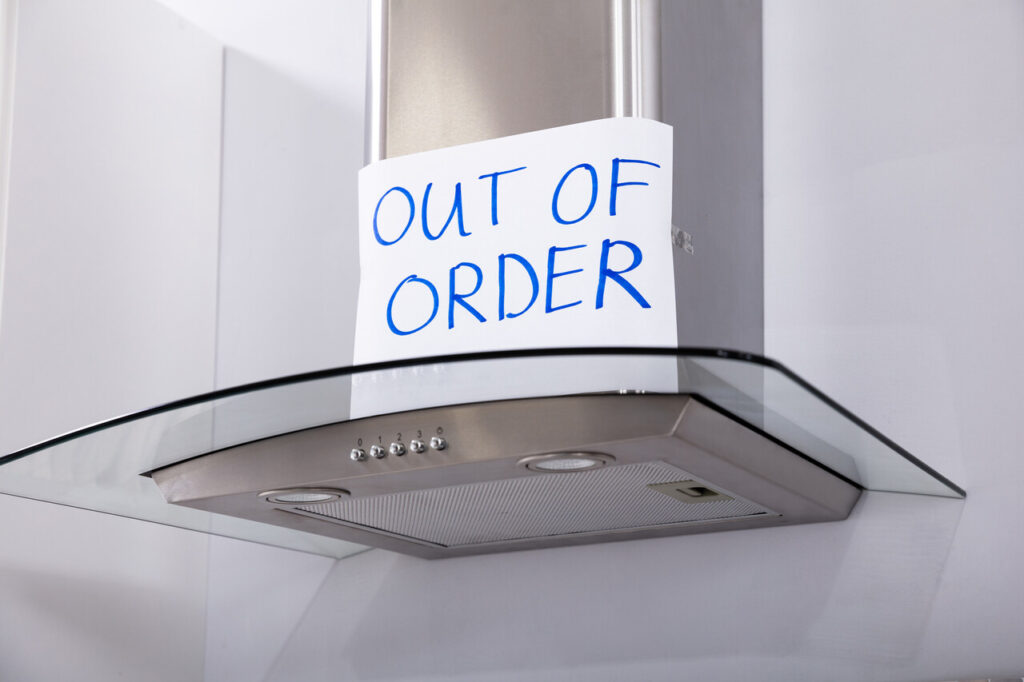
Without adequate airflow, cooking odors linger long after meals are finished, and moisture from boiling or steaming settles on walls and cabinets. This can encourage mold growth, damage finishes, and create stale indoor air. Effective ventilation pulls smoke, steam, and grease particles away from cooking surfaces. A properly sized range hood vented outdoors is ideal. If exterior venting is not possible, high-quality recirculating filters can still improve air quality. Opening windows during cooking helps refresh the air quickly. Good ventilation protects surfaces, improves comfort, and keeps the kitchen healthier overall.
4. Inadequate Lighting That Strains Eyes and Slows Tasks
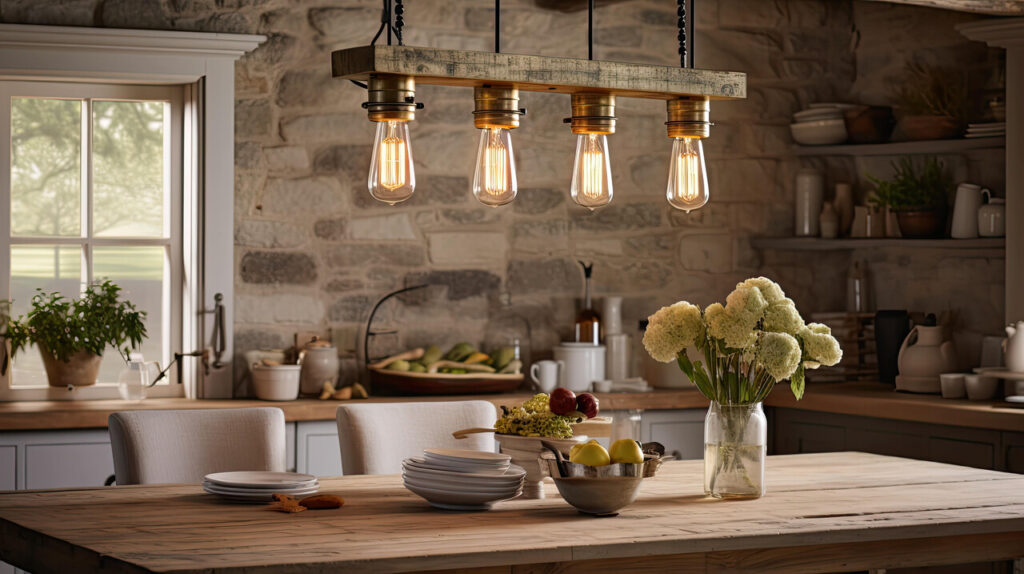
Dim lighting makes food prep harder and increases the risk of accidents. Shadows can hide spills, uneven cuts, or improperly cooked food. Kitchens benefit from layered lighting. Overhead lights provide general illumination, while under-cabinet lights focus directly on prep surfaces. Bright, neutral bulbs improve color accuracy when checking food doneness. Pendant lights over islands or sinks add both function and clarity. Well-lit kitchens feel more welcoming and reduce fatigue during longer cooking sessions. Improved lighting immediately upgrades safety and efficiency without major renovation.
5. Inefficient Layout That Breaks Cooking Flow

When the sink, stove, and refrigerator are placed far apart or blocked by obstacles, even simple meals take longer to prepare. Extra steps add frustration and reduce workflow efficiency. The classic kitchen work triangle keeps these three areas easily accessible. Reorganizing storage so frequently used items live near their point of use reduces unnecessary movement. Clearing walkways and adjusting furniture placement improves traffic flow. Even small changes like relocating spice racks or utensil holders can streamline movement. A well-organized layout saves time and energy while making cooking feel more intuitive.
6. Worn Cabinets and Drawers That Create Daily Frustration
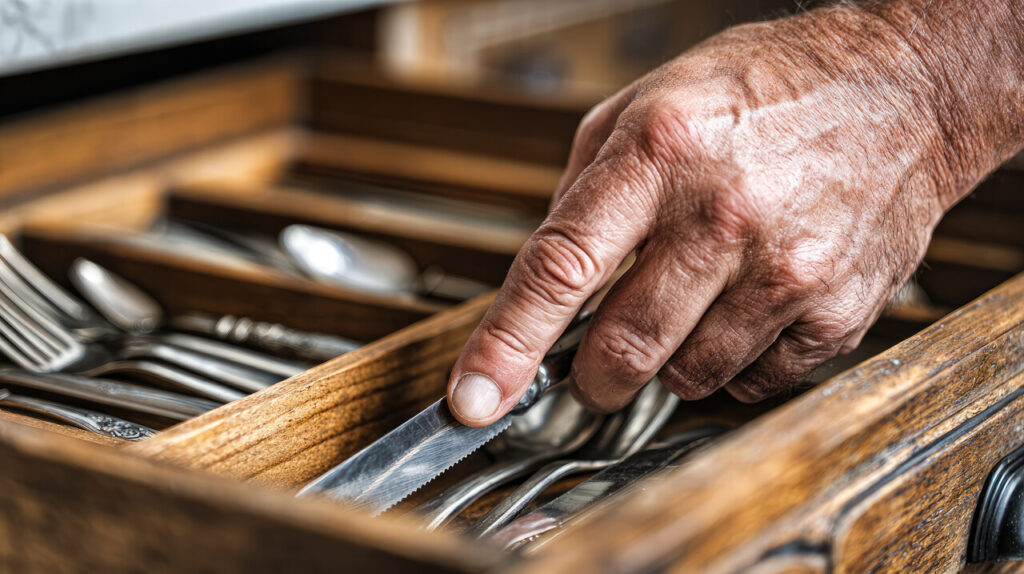
Loose hinges, sticky drawers, and sagging shelves make storage harder to use and contribute to clutter. Items fall over, doors swing unevenly, and access becomes inconvenient. Tightening screws and replacing worn hardware restores function quickly. Soft close mechanisms prevent slamming and extend cabinet life. Adding shelf risers or pull-out organizers improves accessibility and reduces wasted space. Maintaining cabinetry keeps storage reliable and prevents minor issues from turning into expensive repairs later.
7. Smelly or Clogged Drains That Affect Kitchen Comfort
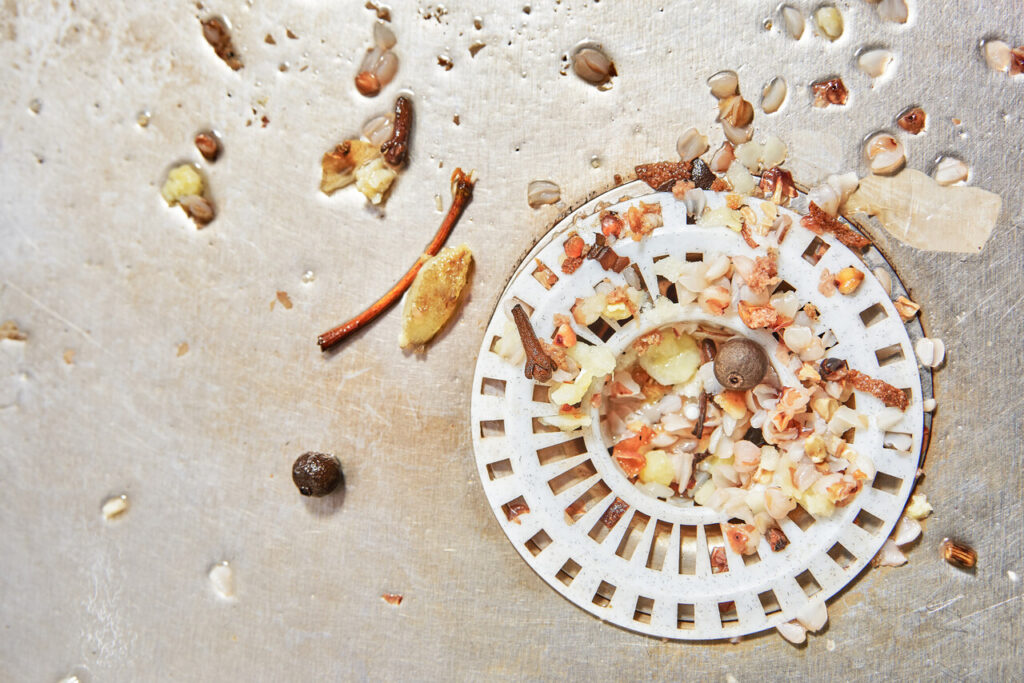
Food scraps, grease, and soap residue build up in drains and create slow drainage or unpleasant odors. Ignoring early signs often leads to stubborn clogs and plumbing issues. Simple prevention goes a long way. Sink strainers catch debris before it enters pipes. Regular flushing with hot water helps dissolve grease. Baking soda and citrus or vinegar naturally neutralize odors and break down buildup. Keeping drains clean maintains hygiene, prevents costly repairs, and keeps the kitchen smelling fresh.