Cancer Causing Foods You Should Stop Eating Immediately

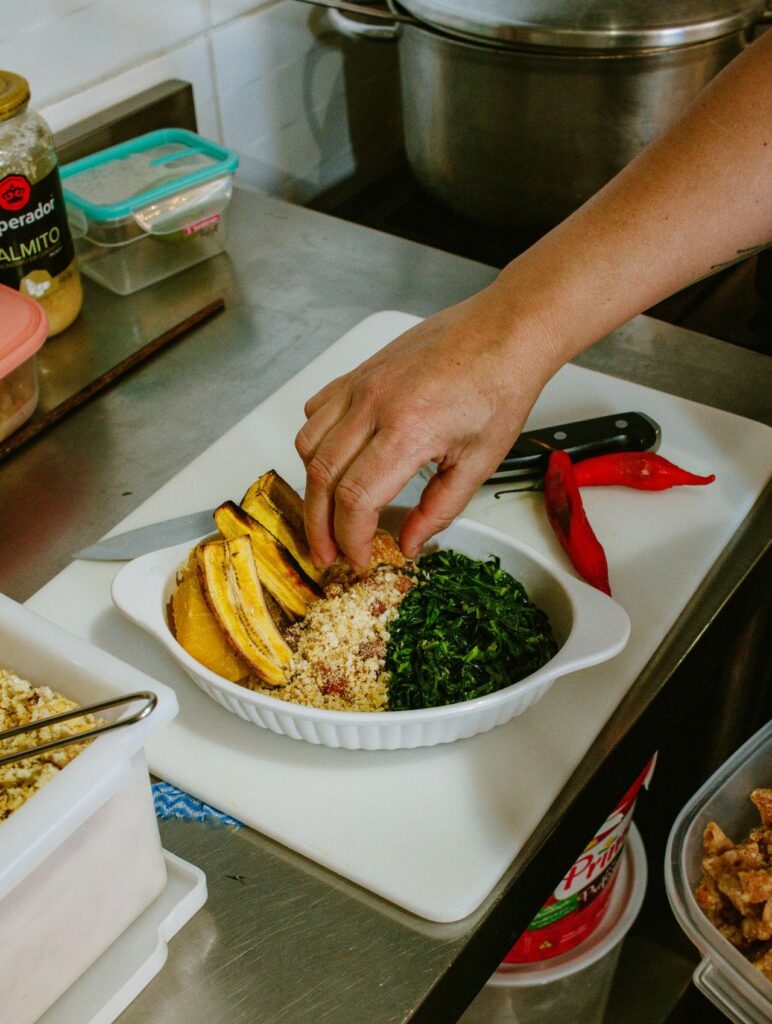
What you eat every day can shape your long-term health more than you might realize. While no single food guarantees cancer, research has linked several common items and cooking methods to a higher risk over time. This gallery breaks down the biggest offenders, why they raise concern, and how to make more protective choices without overhauling your entire diet.
Processed Meats

Bacon, sausage, hot dogs, deli turkey, ham, and salami are everyday staples for many households, but they come with a well-documented downside. Health authorities have linked processed meats to a higher risk of certain cancers, especially colorectal cancer, due to preservatives like nitrates and nitrites and compounds formed during processing.
The concern rises with frequency, not just portion size. If these foods show up in sandwiches, breakfasts, and quick dinners several times a week, it may be time to rethink the routine. Swapping in roasted chicken, beans, tuna, or minimally processed proteins can make a meaningful difference over time.
Charred and Burnt Meats

That blackened crust on grilled steak or chicken may taste smoky and satisfying, but it can signal the presence of chemicals formed at very high cooking temperatures. When meat is grilled, pan-seared, or broiled until heavily charred, compounds like HCAs and PAHs can develop, and researchers have raised concerns about their potential to damage cells.
This does not mean barbecue is off-limits forever. It means paying closer attention to how food is cooked. Turning meat frequently, avoiding flare-ups, marinating beforehand, and trimming burnt bits can help reduce exposure while keeping the flavor that makes grilled food so appealing.
Sugary Drinks
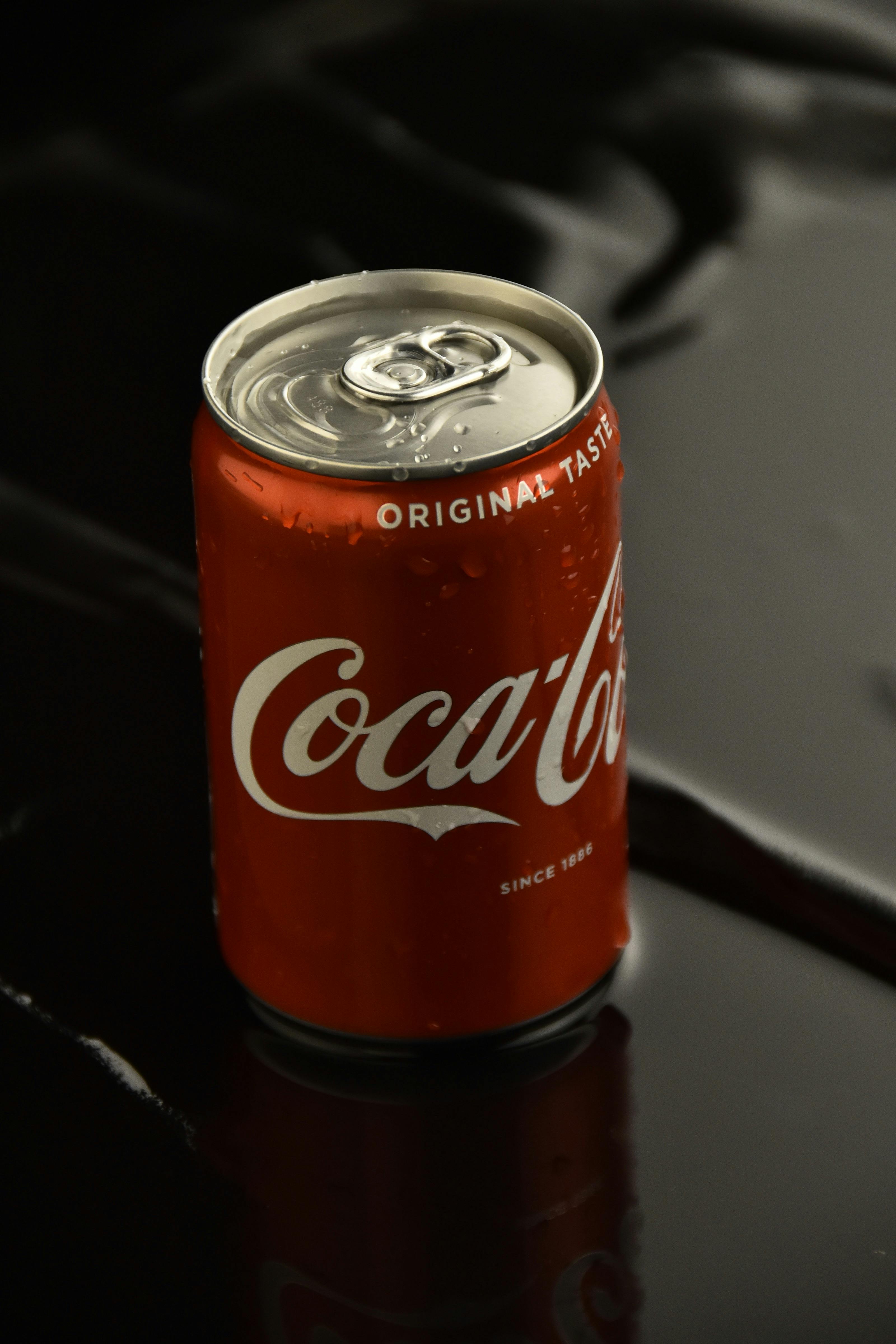
Soft drinks, energy drinks, sweet teas, and oversized coffee beverages are not usually labeled as cancer risks in everyday conversation, yet they can quietly contribute to weight gain and metabolic problems. Excess body fat is linked to several types of cancer, making sugar-heavy drinks a serious concern because they deliver a lot of calories without much fullness.
The danger is often in the habit, not just the occasional treat. A daily soda or sweetened bottled drink can become a steady source of excess sugar. Choosing water, sparkling water, or unsweetened tea more often can be one of the simplest changes with real long-term benefits.
Alcohol

Alcohol is one of the clearest diet-related cancer risks, even though it remains deeply normalized in social life. Research has connected drinking to cancers of the breast, liver, colon, mouth, throat, and esophagus, and the risk can rise with regular use. For many people, this is surprising because moderate drinking is often framed as harmless.
What matters most is consistency and amount over time. Even small daily habits can add up, especially when paired with smoking, poor sleep, or excess weight. Cutting back, keeping alcohol for occasional use, or skipping it altogether is a straightforward way to lower avoidable risk.
Highly Processed Snack Foods
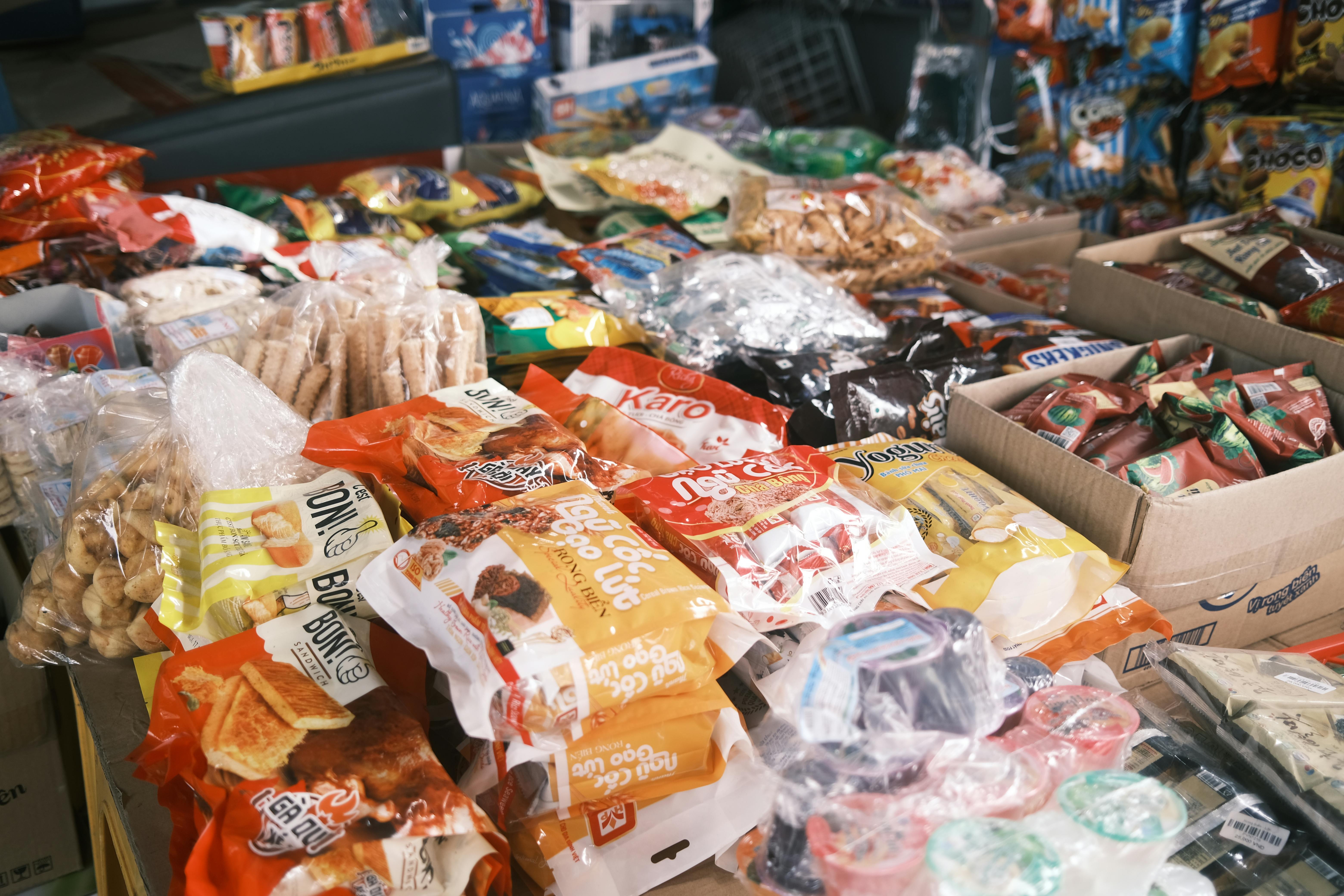
Packaged pastries, chips, instant noodles, candy bars, and shelf-stable snack foods are built for convenience, but they often come loaded with refined starches, added sugars, sodium, and industrial additives. On their own they may seem harmless, yet diets centered around ultra-processed foods have been associated in research with poorer health outcomes and greater disease risk.
These foods also tend to crowd out what the body needs most, including fiber, antioxidants, and minimally processed ingredients. The issue is less about one snack at a party and more about a pattern of eating. Replacing some packaged snacks with fruit, nuts, yogurt, or hummus can shift the balance fast.
Deep-Fried Foods
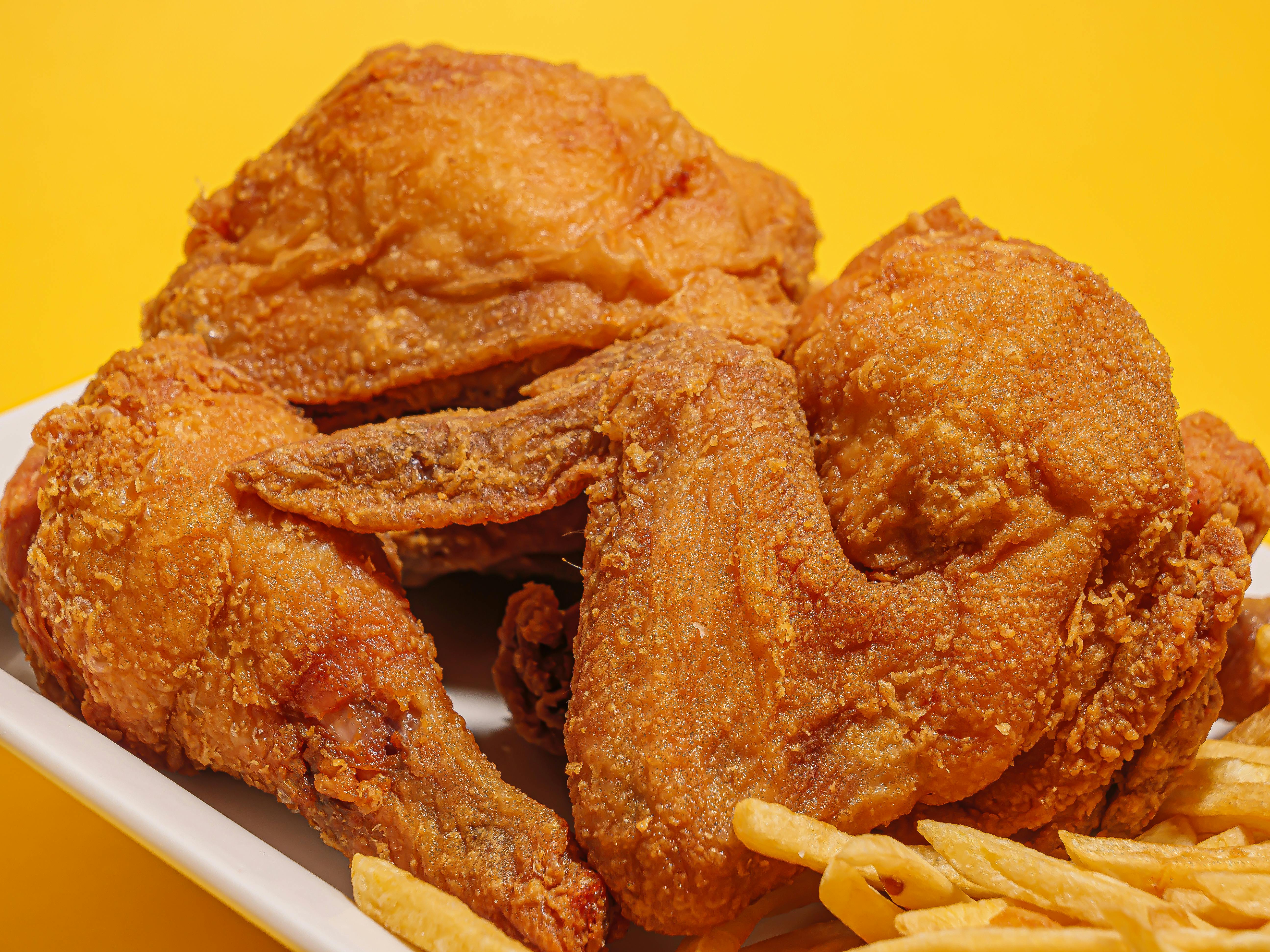
French fries, fried chicken, doughnuts, and other deep-fried favorites can become a problem for more than just waistlines. Frying at high temperatures may create compounds such as acrylamide in certain starchy foods, and repeatedly heated oils can break down into substances that are far from ideal for long-term health.
Then there is the bigger dietary picture. Fried foods are usually calorie-dense and easy to overeat, which can support weight gain, inflammation, and related cancer risk over time. Enjoying them occasionally is one thing, but making them a regular habit can quietly work against your health in several ways at once.
Moldy Grains and Nuts
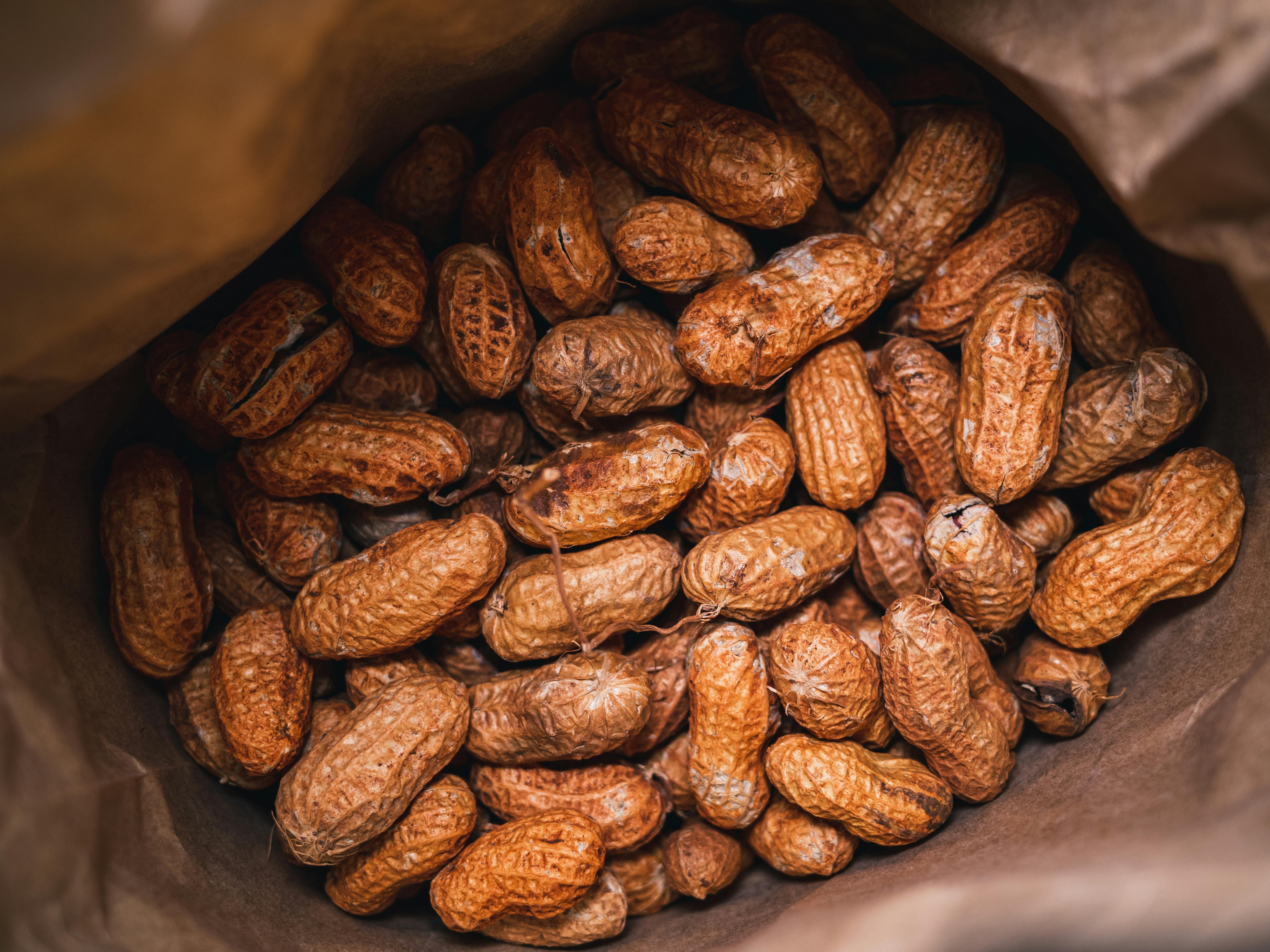
This one is less obvious, but it matters. Poorly stored grains, corn, peanuts, and some tree nuts can be contaminated by molds that produce aflatoxins, substances known to increase liver cancer risk in certain settings. The problem is more common where storage conditions are warm and humid, but it is a useful reminder that food safety matters as much as nutrition.
At home, the practical move is to inspect foods, store them properly, and toss anything that smells off, looks damaged, or shows visible mold. Buying from reliable sources and keeping pantry items cool and dry can help reduce exposure without making everyday eating feel complicated.
Excessively Salty Preserved Foods

Salted fish, heavily preserved pickled foods, instant ramen flavor packets, and other sodium-packed staples may not seem alarming at first glance. But diets very high in salt and certain preserved foods have been linked with stomach cancer risk, especially when these items are eaten often and crowd out fresher choices.
Salt can also damage the stomach lining and may make it easier for other harmful factors to do their work. This is especially worth noting if your meals rely heavily on packaged or preserved ingredients. Tasting food before salting, cooking more at home, and choosing fresh produce more often can help bring intake back into balance.