12 Foods That Taste Completely Different Across the US

Food culture in the United States is heavily shaped by regional traditions, local ingredients, and the migration of communities that brought their cooking styles with them. As a result, many dishes share a name but vary significantly depending on where you order them. The same food can taste sweet in one state, spicy in another, and totally transformed somewhere else because of how each region interprets flavor, texture, and preparation. These differences are part of what makes American cuisine so interesting. Here are 12 familiar dishes that taste completely different across the country.
1. Barbecue
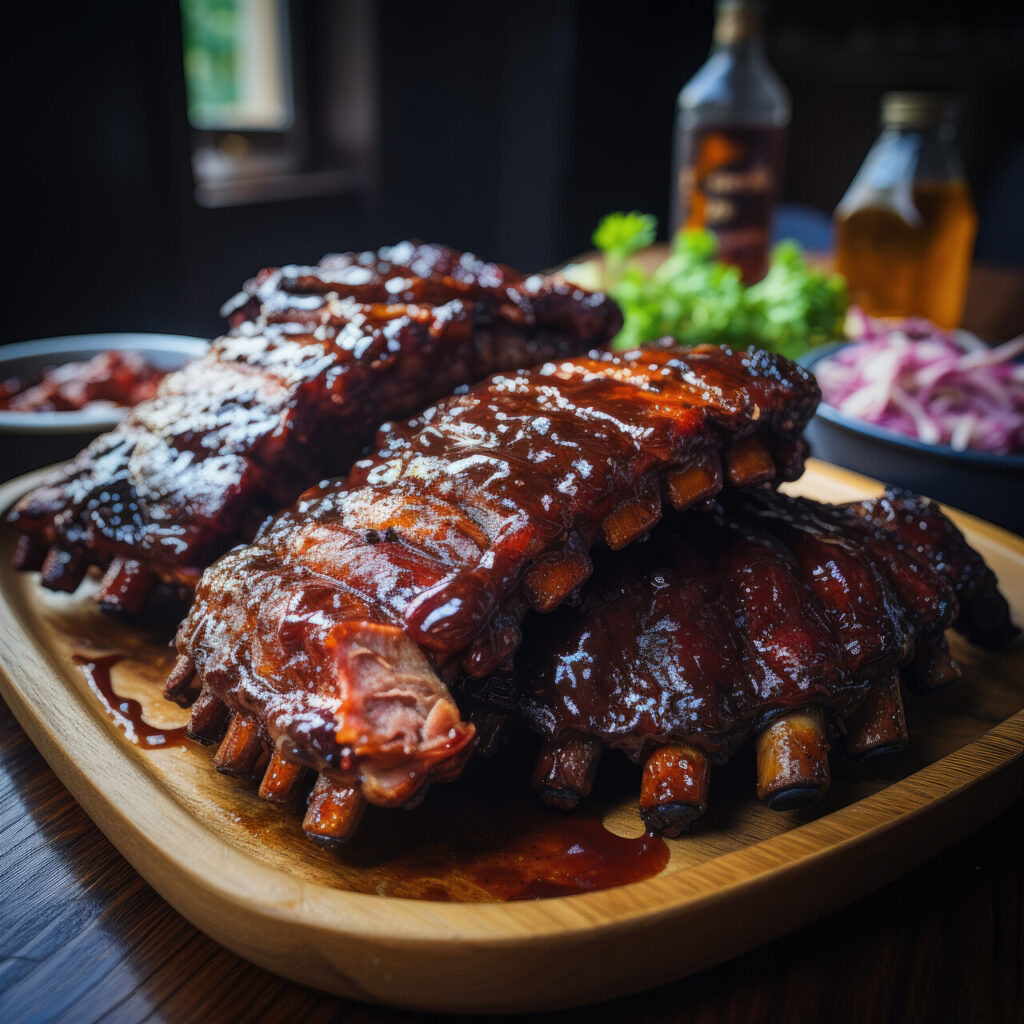
Barbecue is one of the most regionally distinct foods in the United States, with each area having its own prized approach. In Texas, brisket reigns supreme, often smoked low and slow with a simple seasoning of salt and pepper, creating a deep smoky flavor that highlights the meat itself. Central Texas barbecue is known for this minimalist approach, while East Texas tends to serve chopped beef with a sweeter, tomato-based sauce. North Carolina barbecue varies even within the state: the eastern region favors whole hog with a vinegar and pepper sauce, while the Lexington or Piedmont style uses a vinegar base blended with tomato.
2. Pizza
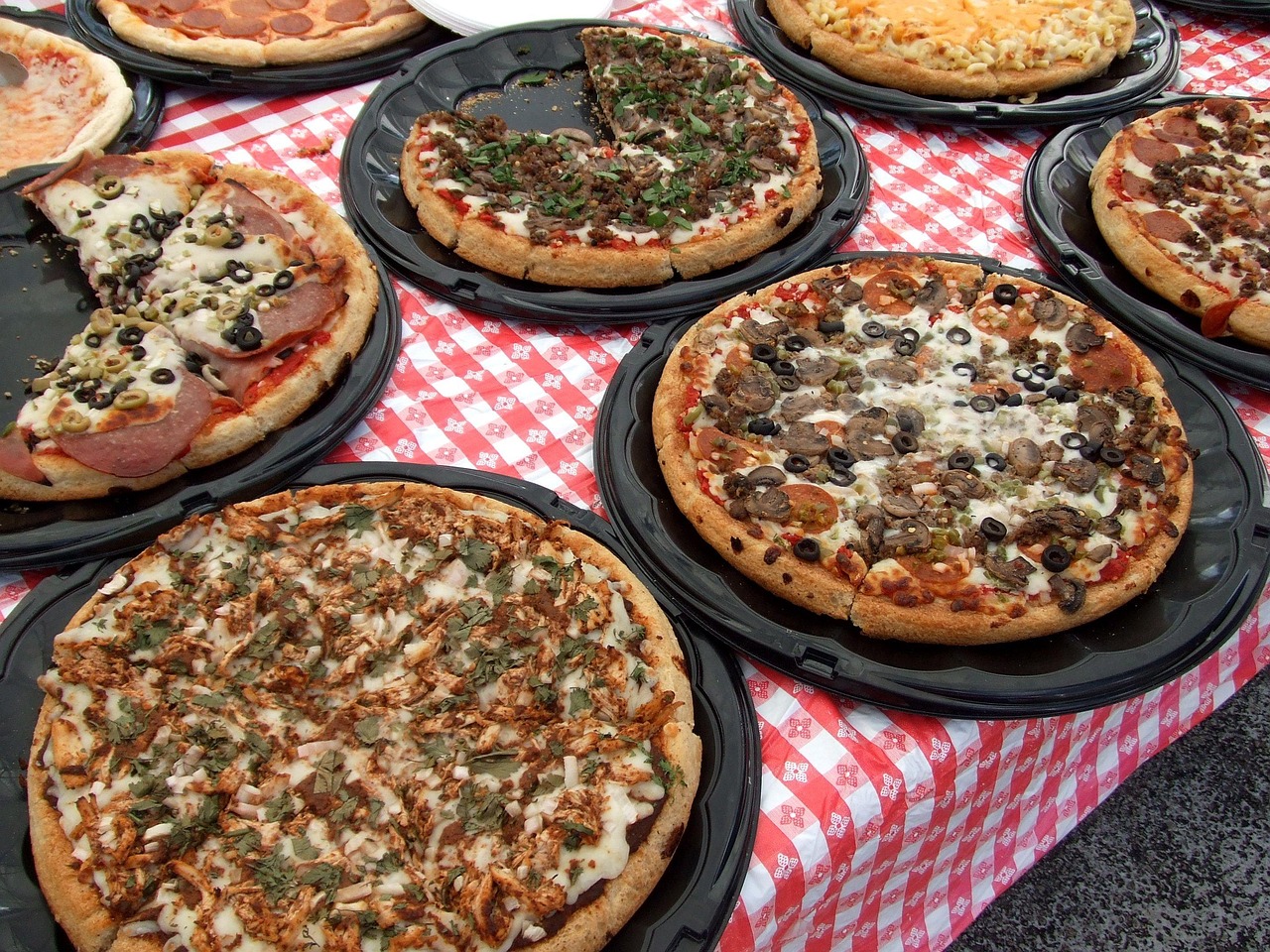
Pizza in the United States is a story of regional identity. New York’s classic slice is thin, foldable, and cooked in a deck oven to create a crisp bottom and light chew. Chicago’s famous deep dish is the opposite: a thick, buttery crust layered with cheese, fillings, and a chunky tomato sauce on top. Detroit-style pizza features a rectangular shape, airy dough, and caramelized cheese edges. St. Louis uses an ultra-thin cracker-like crust and Provel cheese, creating a flavor unlike any other region. New Haven pizza, known locally as apizza, offers a charred, coal-fired crust with a slightly chewy texture.
3. Chili
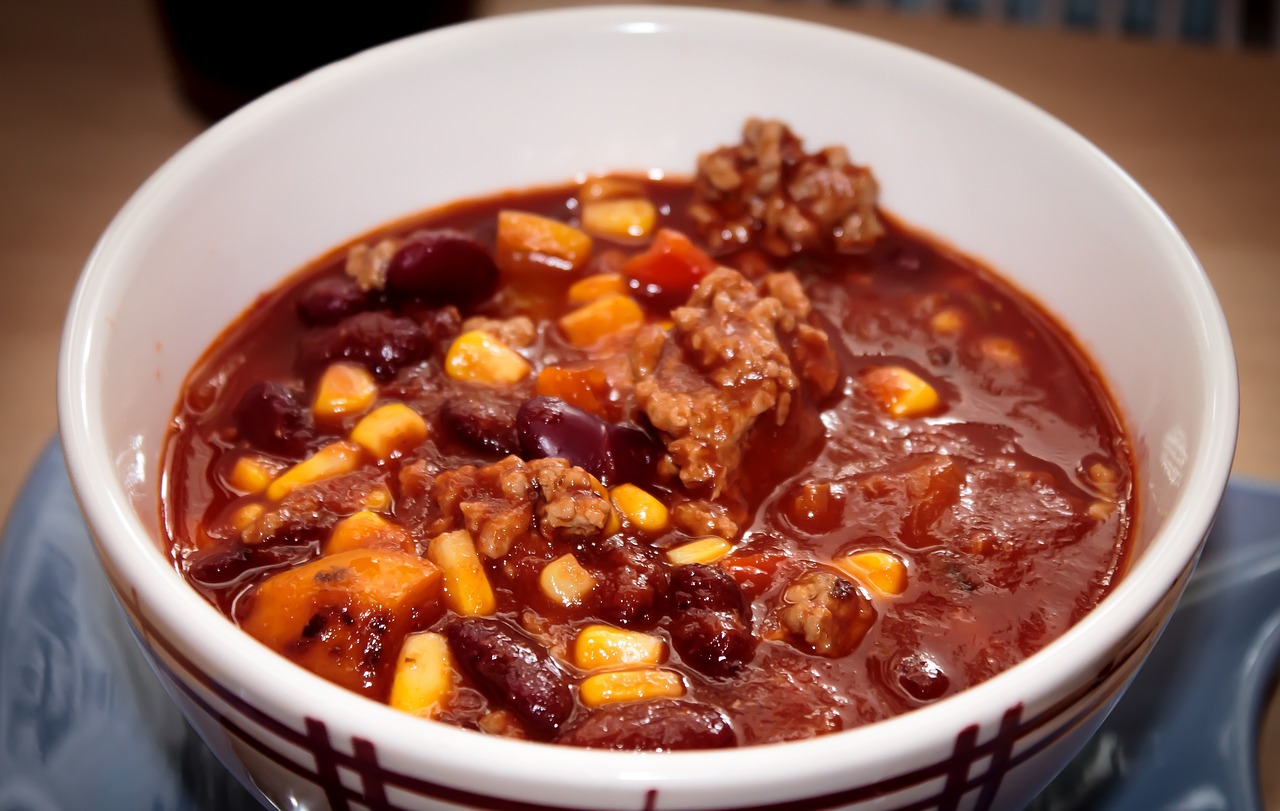
Chili is another dish with definitions that depend heavily on geography. In Texas, traditional chili is meat-forward and famously contains no beans, focusing instead on beef simmered with chili peppers and spices. In contrast, Midwestern chili commonly includes kidney beans and often features a milder flavor. Cincinnati chili stands out the most because it takes cues from Mediterranean spices like cinnamon and allspice, creating a sweeter profile. It is typically served over spaghetti and topped with shredded cheese, onions, or beans depending on the preferred “way.”
4. Sandwiches Called “Subs,” “Hoagies,” or “Grinders”
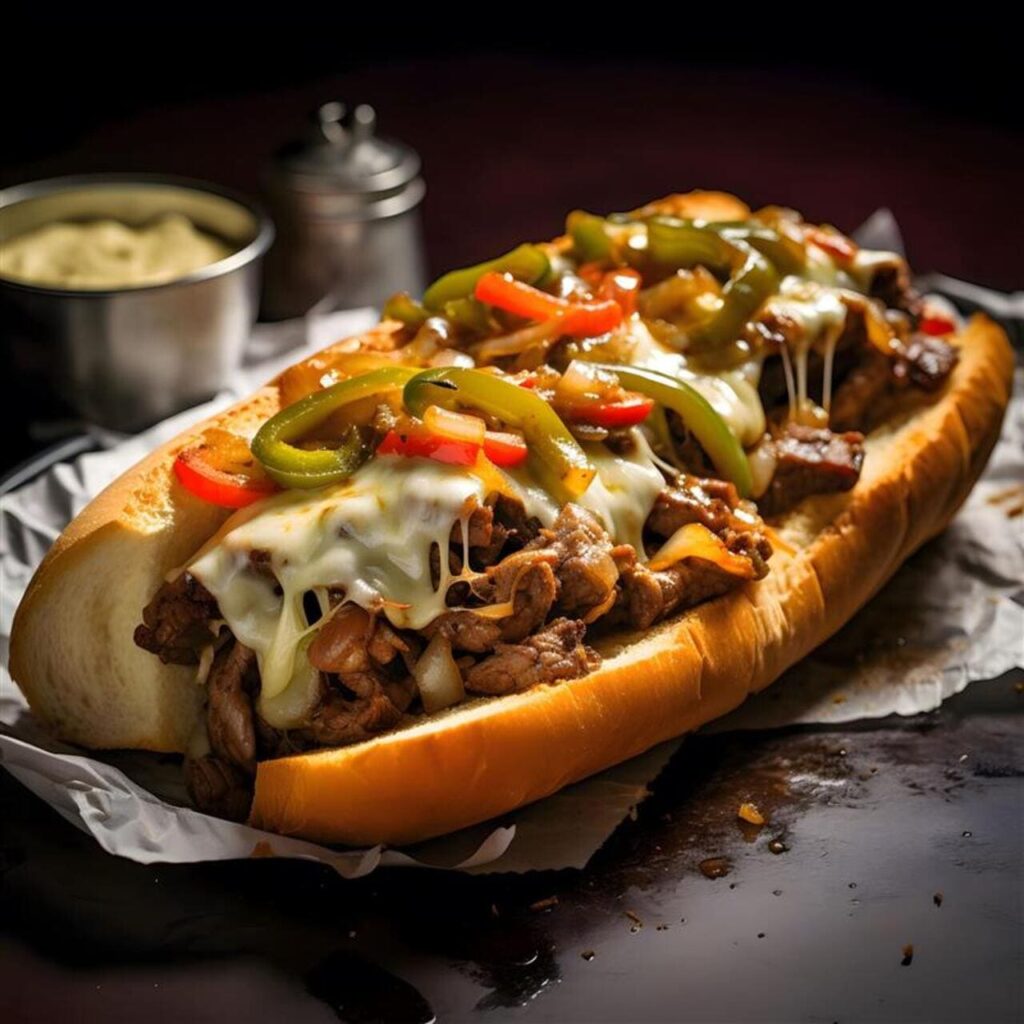
Across the United States, the classic long sandwich is known by different names and varies significantly in flavor. In Philadelphia, “hoagies” emphasize Italian deli meats, sharp provolone, fresh lettuce, tomato, onion, and a drizzle of oil and seasonings. In New England, “grinders” sometimes refer to toasted or baked versions, especially when cheese is melted over the top. Parts of the Midwest use “sub” as a general term, with chains and local shops focusing on balanced fillings and softer rolls. Meanwhile, New Jersey sub shops are known for generous portions and bread with a firmer crust.
5. Fried Chicken
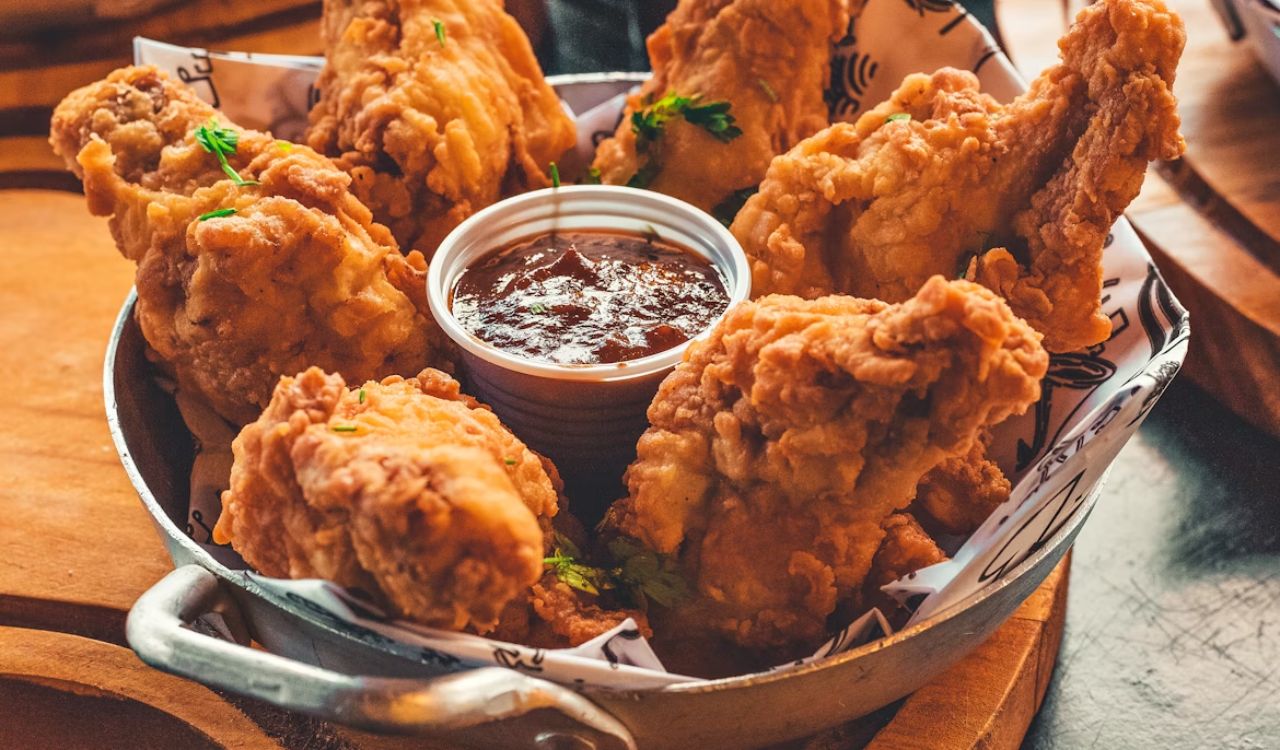
Fried chicken variations across the US reflect different culinary influences. Southern fried chicken often features a seasoned flour coating and is deep-fried to achieve a crispy exterior. Nashville hot chicken builds on this but takes the dish in a spicy direction by coating the cooked chicken in a cayenne-infused oil. Korean American fried chicken, popularized in cities like Los Angeles and New York, is double-fried for a lighter, crispier texture and often served with spicy or soy garlic sauces. In the Midwest, fried chicken dinners may be served with gravy or paired with regional sides like buttered corn or mashed potatoes.
6. Hot Dogs
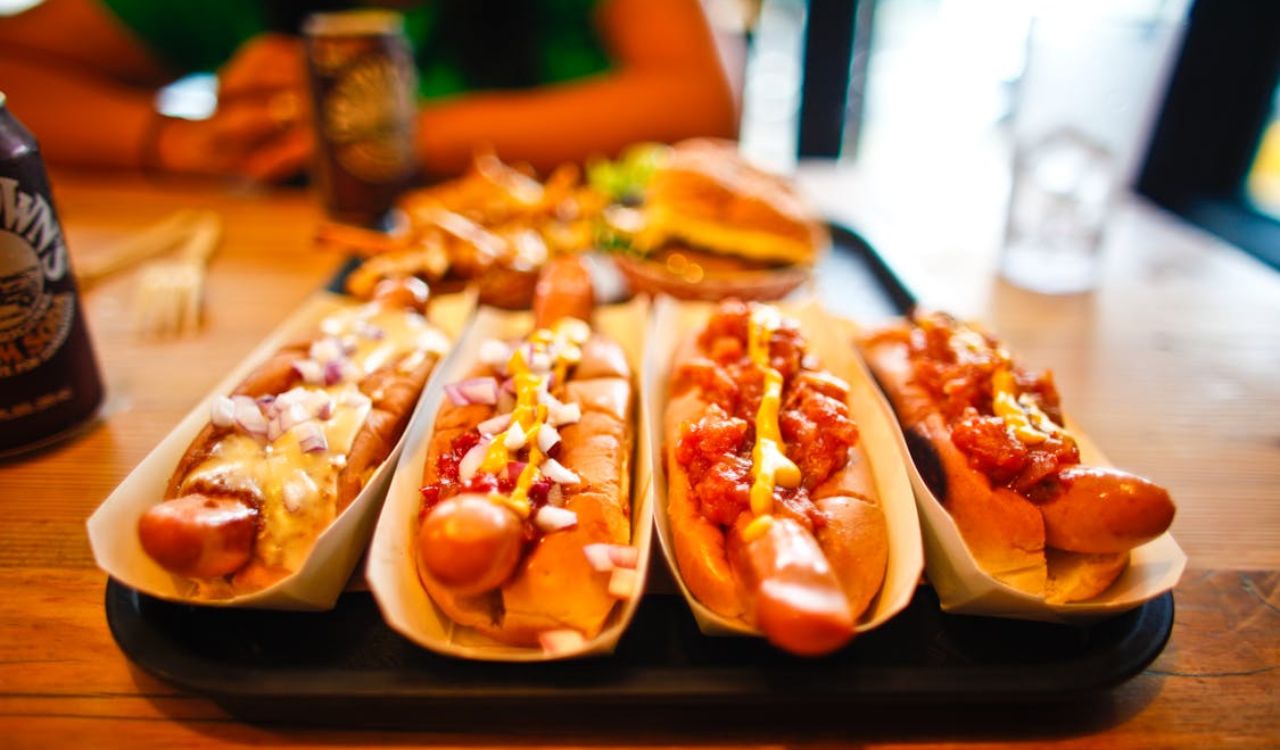
Hot dogs may seem simple, but regional versions across the country can taste surprisingly different. Chicago-style hot dogs feature a poppy-seed bun and an array of toppings, including mustard, relish, onions, tomatoes, sport peppers, pickles, and celery salt. New York-style hot dogs typically include mustard and sauerkraut or a tomato-onion sauce. In Detroit, coney dogs come with chili, onions, and mustard, while Cincinnati’s version uses its signature chili and shredded cheese. Seattle-style hot dogs are topped with cream cheese and grilled onions, a combination that surprises many visitors.
7. Gumbo
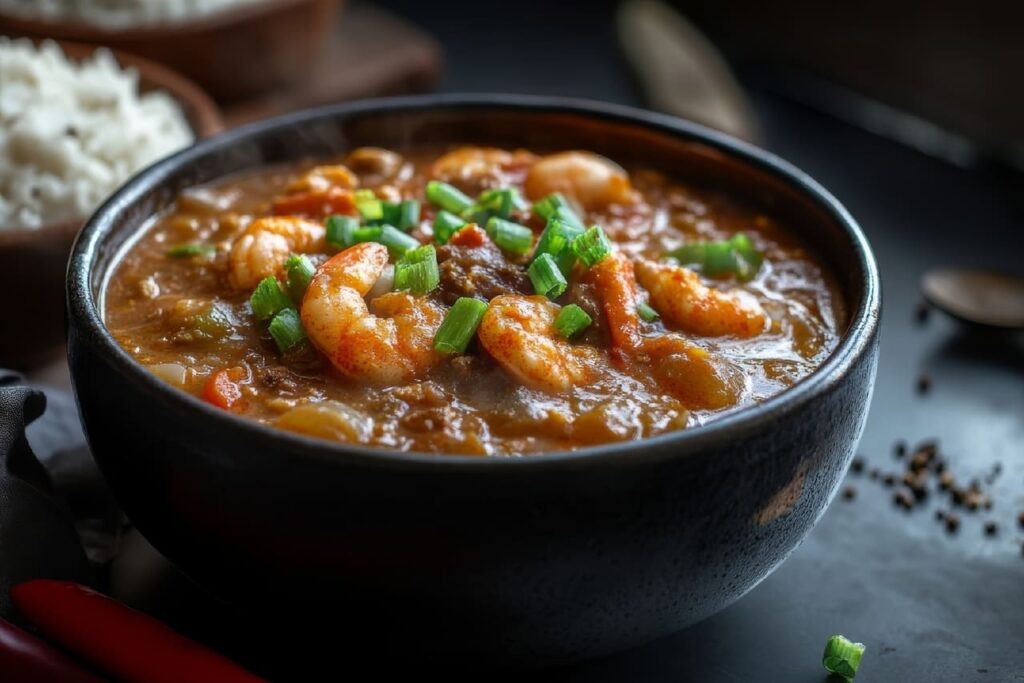
Gumbo changes dramatically depending on whether you are in Louisiana’s Cajun or Creole regions. Creole gumbo often incorporates tomatoes and has a more soup like consistency, reflecting French and Spanish influences. Cajun gumbo is typically darker, richer, and built around a deep roux made from flour and fat cooked slowly until nearly chocolate colored. Protein choices also vary. Seafood gumbo is common in coastal areas, while inland regions may feature chicken and andouille sausage. The spices, thickness, and even the type of rice served alongside it differ across Louisiana, making gumbo a prime example of a dish with many identities.
8. Bagels
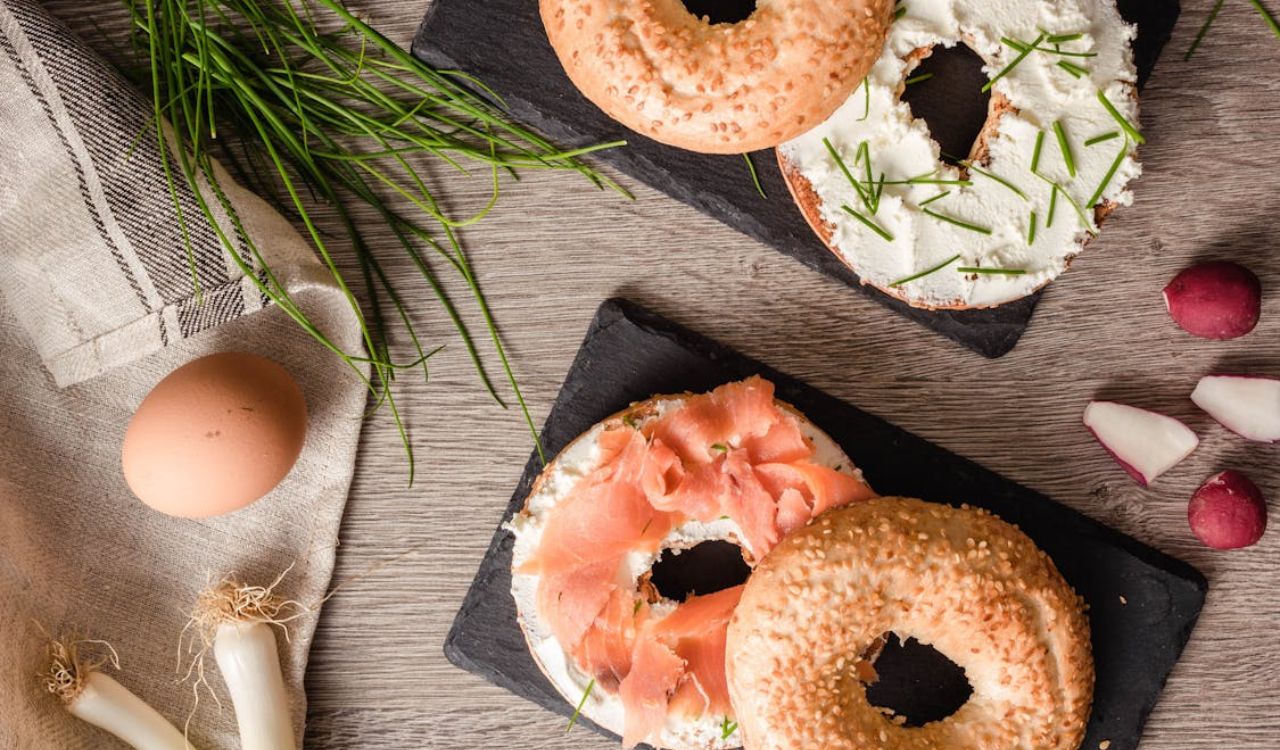
Bagels taste noticeably different depending on where you buy them. New York bagels are widely praised for their glossy crust and chewy interior, a texture influenced by boiling the dough before baking. Some attribute the flavor to New York’s water mineral content, though bakers emphasize technique and fermentation as key factors. In contrast, many bagels outside the region are softer and bread-like. Montreal-style bagels are smaller, sweeter, and baked in wood-fired ovens, giving them a distinct smoky flavor. West Coast bagel shops often experiment with flavors and toppings, reflecting a more modern and creative approach.
9. Burritos
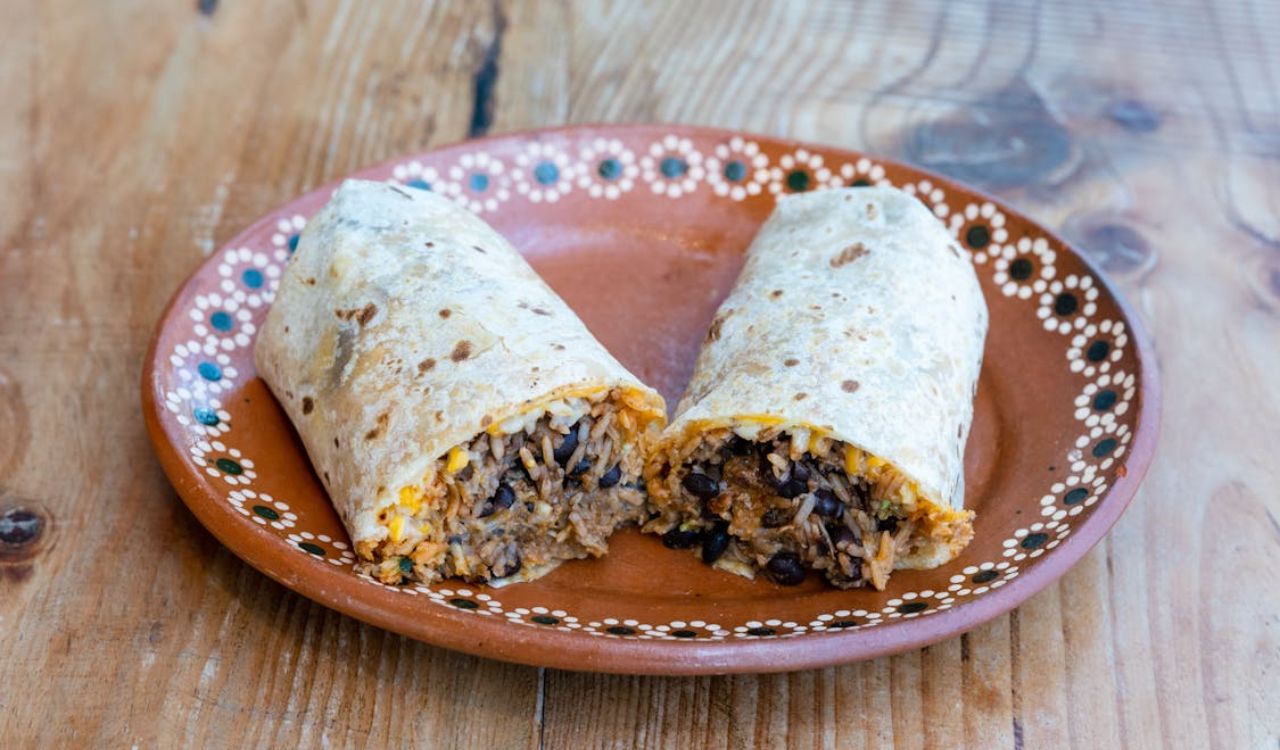
Burritos vary dramatically across the US. In San Francisco, the Mission-style burrito is large, tightly wrapped, and filled with rice, beans, salsa, meat, and sometimes sour cream and cheese. Southern California’s carne asada burritos are simpler and focus mainly on grilled beef, onions, and salsa without rice. In New Mexico, burritos often feature Hatch green chile, creating a smoky and spicy flavor distinct from other regions. Tex-Mex burritos may emphasize melted cheese and chili gravy, giving them a richer profile. These variations show how a single food can evolve based on local ingredients and community preferences.
10. Donuts
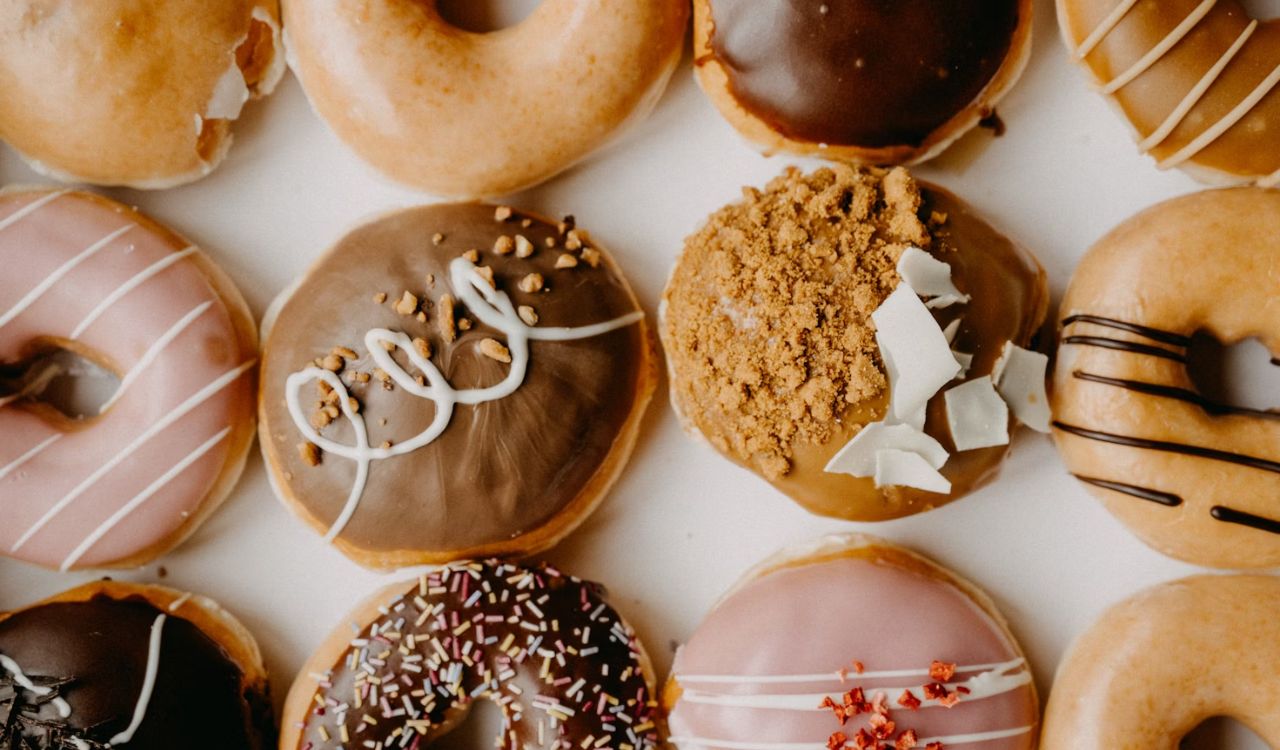
Donuts differ regionally due to styles introduced by local bakeries and cultural influences. New England is home to cider donuts, which feature a denser texture and warm spiced flavor. On the West Coast, donut shops influenced by Cambodian American bakers often offer a lighter, airy style. Southern states may emphasize glazed donuts with a softer crumb, while cities like Portland have become known for inventive flavors and unusual toppings. Even classic yeast and cake donuts vary based on frying technique and dough formulation. As a result, no two regions produce donuts that taste exactly alike.
11. Coleslaw
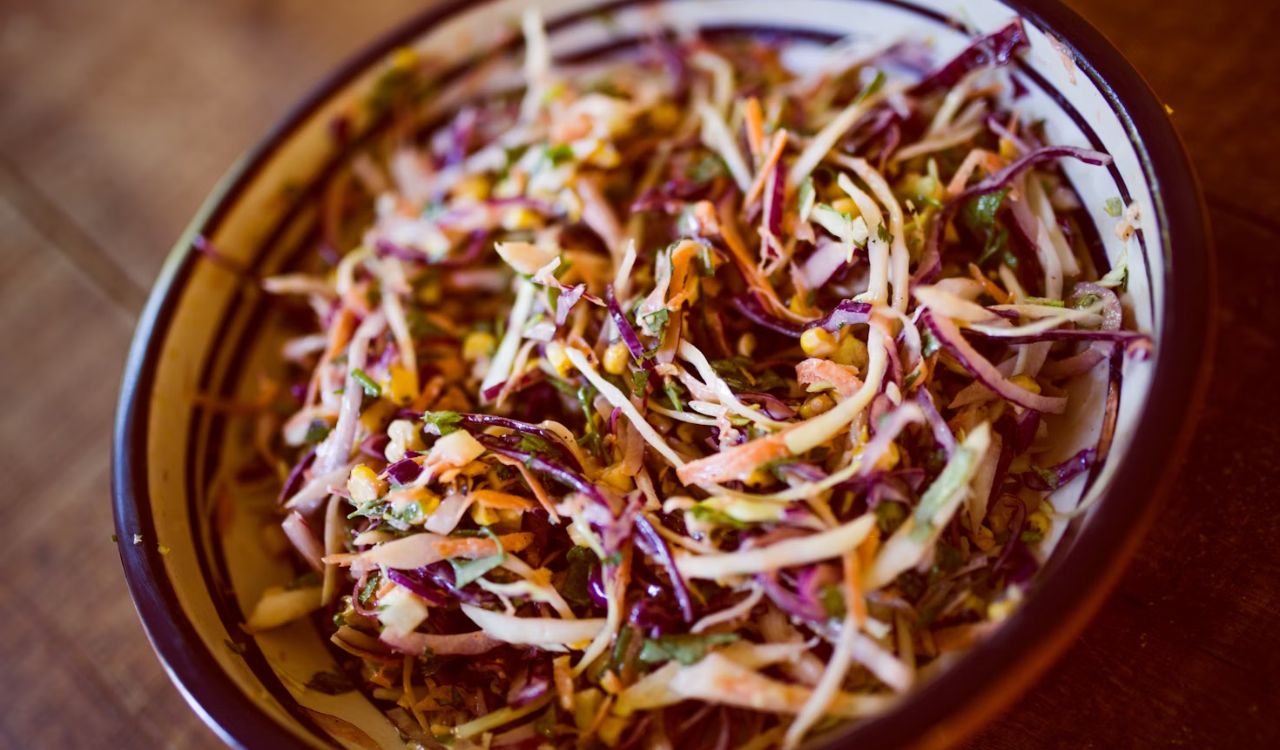
Coleslaw recipes across the US reflect varying preferences for sweetness, acidity, and texture. Southern coleslaw tends to be sweeter and creamier, often featuring mayonnaise-based dressings with a touch of sugar. Carolina slaw emphasizes tangy vinegar-based sauces, sometimes with mustard, giving it a sharp flavor suited for topping pulled pork sandwiches. Midwestern coleslaw can be milder and chunkier, while New England versions may include celery seed for a distinct flavor. These adjustments in ingredients and dressing styles mean that coleslaw can taste completely different depending on local traditions.
12. Iced Tea

Iced tea is a simple beverage with major regional variation. In the South, sweet tea is the dominant style, made by dissolving sugar into hot tea before cooling, resulting in a sweet, smooth drink. Northern regions often prefer unsweetened iced tea or lightly sweetened options. In parts of the Midwest, lemon-flavored iced tea is more common, while the Southwest sees strong influence from Mexican-style teas flavored with hibiscus or other herbs. Many West Coast cafes offer flavored teas with fruit infusions, reflecting a more modern take. These variations mean that ordering iced tea in different parts of the country can lead to very different flavors.