12 Fancy Pairing Menus That Push the Highest Margin Items

There’s a certain thrill in surrendering to a pairing menu. A chef’s tasting, a curated wine flight, a seamless progression of flavors that promises harmony in every course. It feels thoughtful, indulgent, and expertly designed.
Behind that elegance, however, lies careful strategy. Restaurants engineer pairing menus to balance creativity with profitability. Portion sizes, ingredient choices, and beverage pours are measured with precision, often spotlighting items that deliver the strongest margins.
This list explores how some of the most luxurious-sounding pairing experiences are structured. Not to spoil the magic, but to understand how presentation, psychology, and pricing quietly shape what lands on your plate and in your glass.
1. Wine Pairing Upgrades on Tasting Menus
Fine dining tasting menus often present wine pairings as an essential enhancement rather than an optional extra. The psychology is subtle. Once a guest commits to a multi-course experience, the incremental cost of a pairing feels smaller compared to the total bill.
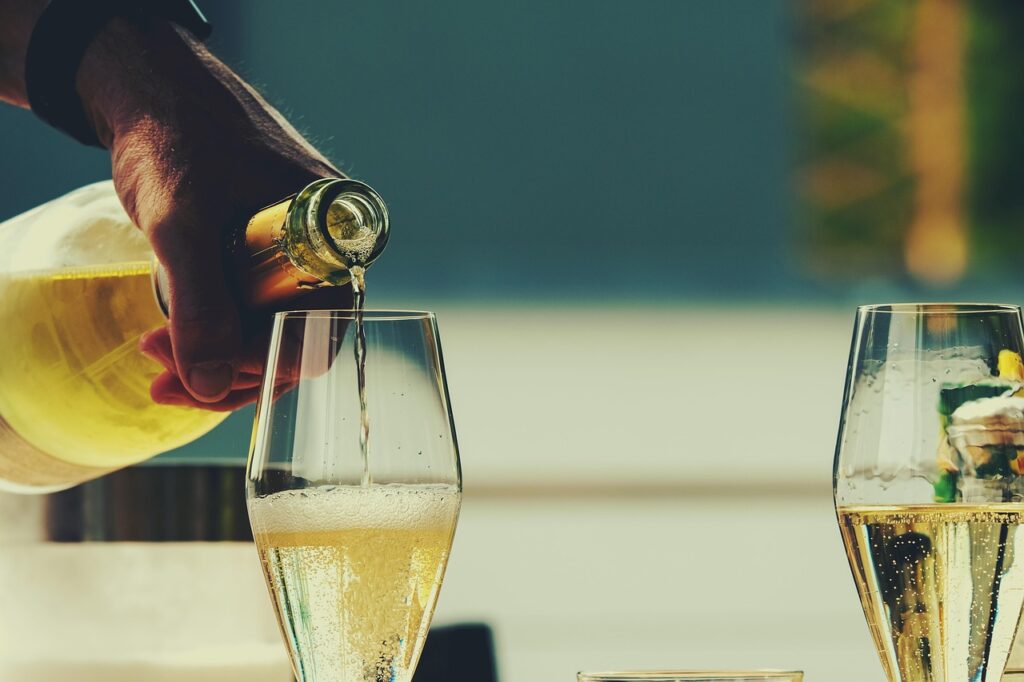
Restaurants frequently structure pairings around bottles purchased at strong wholesale margins. Mid-tier wines that retail modestly can be poured in controlled portions and priced at a premium per glass. Sparkling wine and dessert pours are especially profitable due to small serving sizes.
The result is a pairing that feels curated and indulgent, yet often centers on wines with favorable cost ratios. The storytelling adds value, while the margin quietly remains high.
2. Chef’s Tasting with Supplement Add-Ons
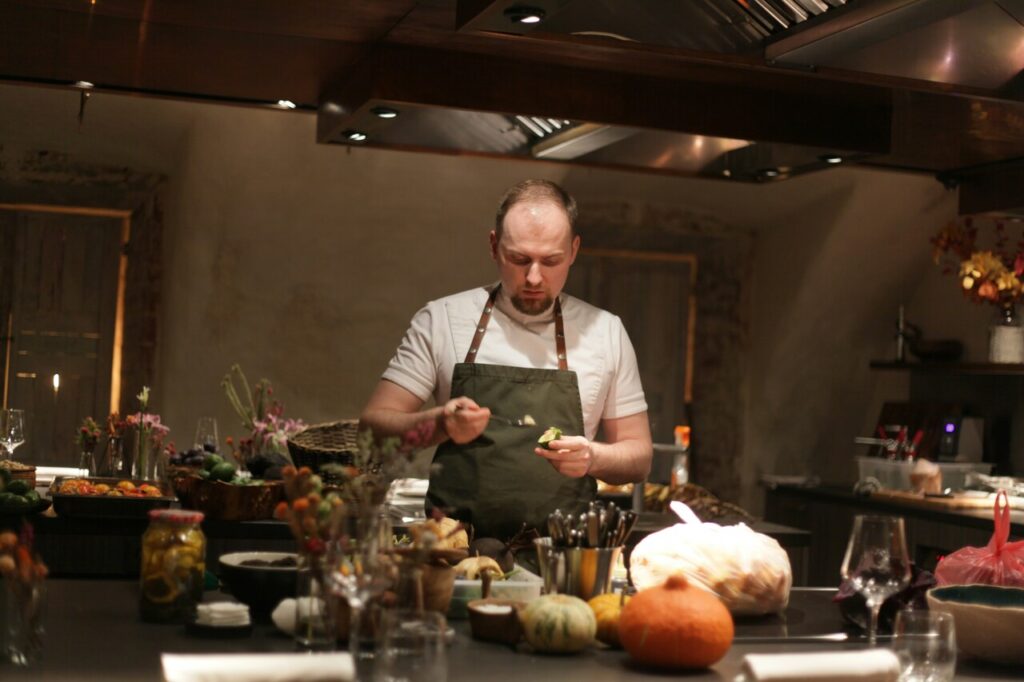
Many tasting menus begin at a fixed price, then introduce premium supplements. Truffle shavings, caviar bumps, or imported wagyu are offered as enhancements that elevate the experience.
These add-ons often carry some of the highest percentage margins in the restaurant. Small quantities dramatically increase the perceived luxury of a dish. Because the base menu is already a commitment, guests are more likely to accept the upgrade.
By framing supplements as rare or seasonal, restaurants justify the added cost. The upsell feels special, yet it is carefully designed to increase the average check with minimal added labor.
3. Caviar Service with Champagne Pairing
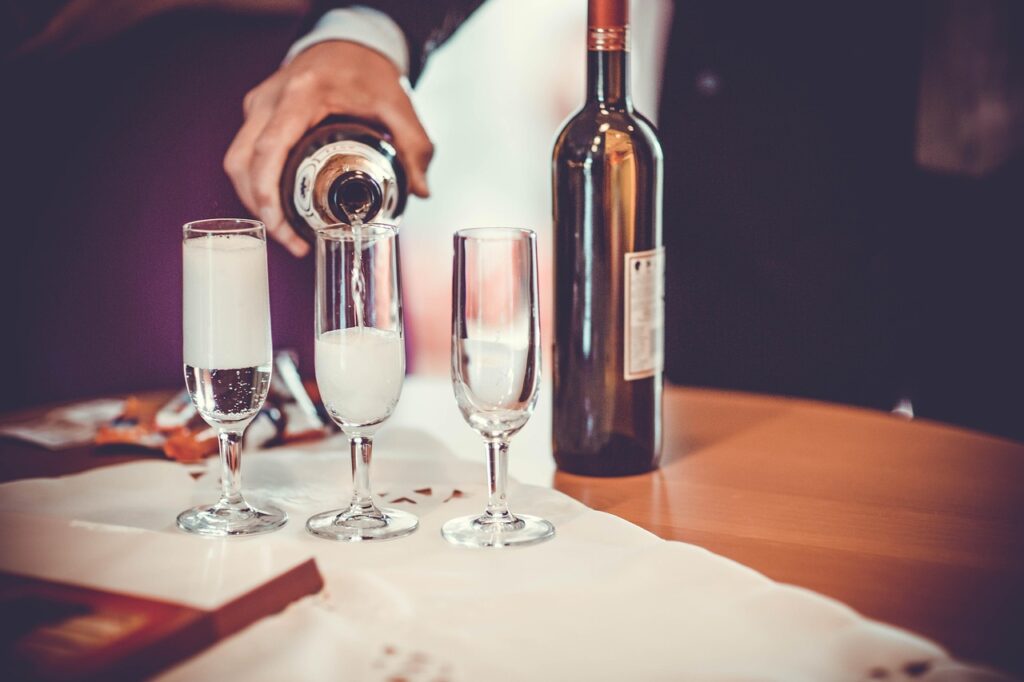
Caviar service signals exclusivity. Presented with traditional garnishes and paired with chilled champagne, it sets a tone of celebration and refinement.
High-end venues, including those within luxury groups like The Ritz-Carlton, often price caviar service well above ingredient cost. Portions are small, and accompaniments such as blinis and crème fraîche are inexpensive relative to the menu price.
Champagne pairings further raise margins. Sparkling wine pours are tightly measured, yet carry premium pricing. The ritual and presentation enhance perceived value, while the combined offering drives one of the strongest profit contributions on the menu.
4. Steakhouse Surf and Turf Pairings
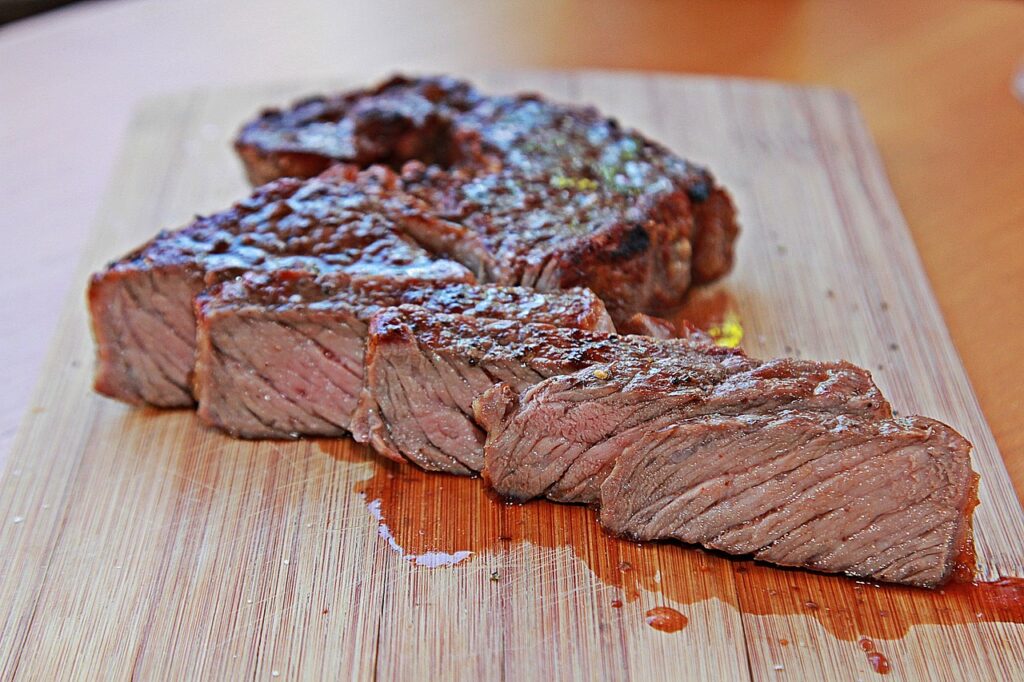
Surf and turf is marketed as the pinnacle of indulgence. A prime steak paired with lobster tail signals celebration and special occasion dining. The visual impact alone, a thick cut of beef beside shellfish, supports premium pricing before a bite is taken.
Operationally, steakhouses rely on high-margin beef cuts and carefully portioned lobster, often previously frozen for consistency and cost control. Portions are designed to feel generous without sharply increasing food cost percentages.
Bundling both proteins encourages guests to spend more than they might on a single entrée. The price feels justified by variety and luxury, yet the structure protects margins while still delivering a sense of extravagance.
5. Prix Fixe Holiday Menus
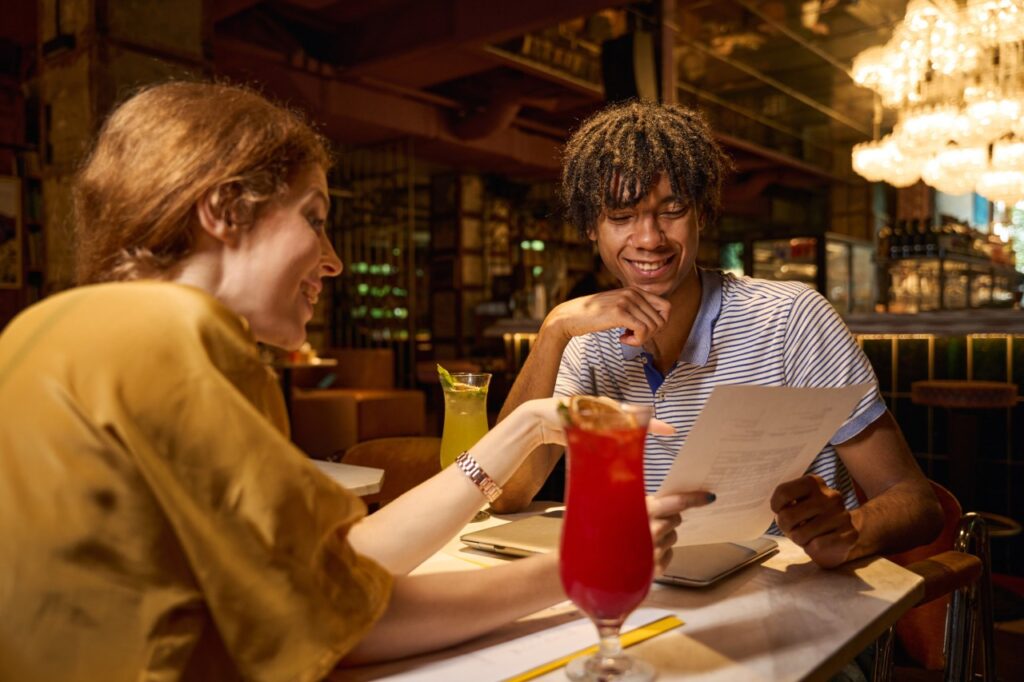
Holiday prix fixe menus capitalize on expectation. On evenings like New Year’s Eve or Valentine’s Day, diners anticipate higher prices and a more elaborate experience. The fixed format reinforces the idea of exclusivity and occasion.
Limited course options allow restaurants to purchase ingredients in bulk and streamline preparation. This reduces waste and labor variability, which in turn lowers overall cost ratios. Luxury cues such as premium proteins or specialty desserts are often portioned with precision.
Prepaid reservations and structured seating times increase predictability and revenue per table. Guests feel they are part of a curated celebration, while the controlled menu design quietly supports stronger margins.
6. Craft Cocktail Pairing Flights
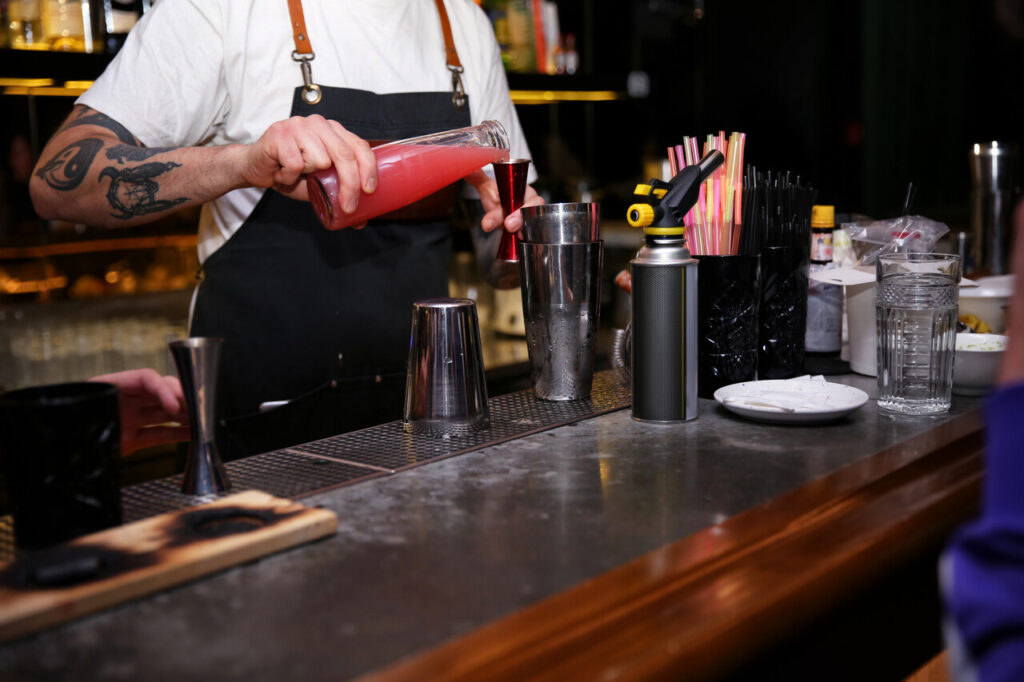
Cocktail pairing flights offer variety and storytelling. Each pour is introduced with details about the spirit, house infusions, or technique, creating the impression of craftsmanship and depth.
Behind the bar, many cocktails rely on base spirits bought in volume and syrups made in-house at low cost. Flight pours are smaller than full cocktails, yet the per-ounce pricing often matches or exceeds standard servings.
The format encourages exploration and keeps guests engaged across multiple courses. Sampling feels generous, but the tightly measured pours and efficient batching methods help maintain favorable beverage margins throughout the experience.
7. Charcuterie and Cheese Pairing Boards
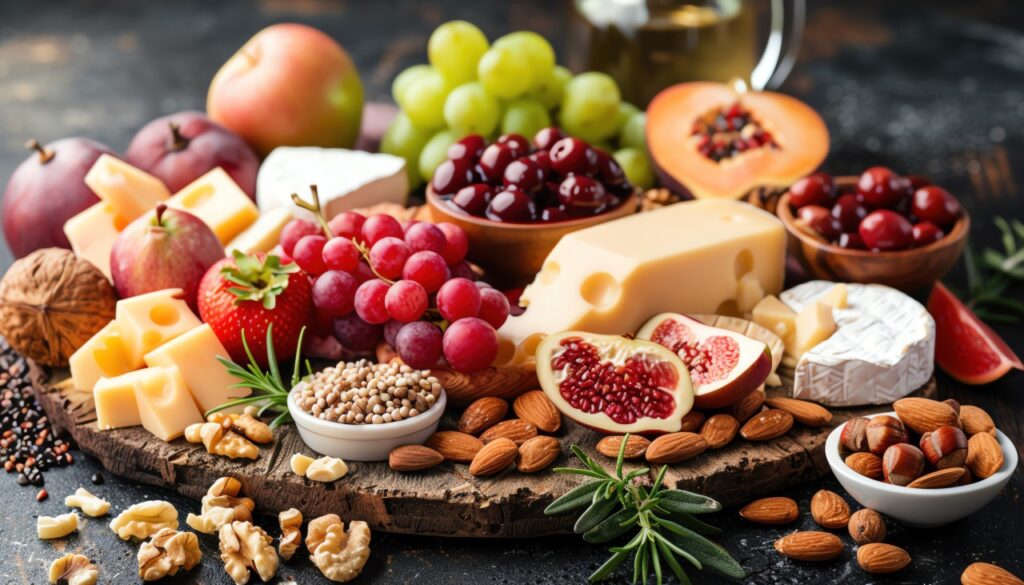
A well-built charcuterie board looks abundant and artisanal. Thin slices of cured meats, wedges of cheese, nuts, fruit, and small jars of preserves create the impression of variety and craftsmanship. The visual spread often suggests generosity before guests even take a bite.
Behind the scenes, portion control is exact. Meats are sliced thin to maximize yield, and cheeses are cut to consistent weights. Lower-cost items such as bread, crackers, dried fruit, and pickles help fill space while balancing richer elements.
When paired with wine, the board becomes even more profitable. Guests see a shareable centerpiece, yet the controlled quantities and complementary fillers keep food costs steady while maintaining a premium price point.
8. Wagyu Tasting Courses
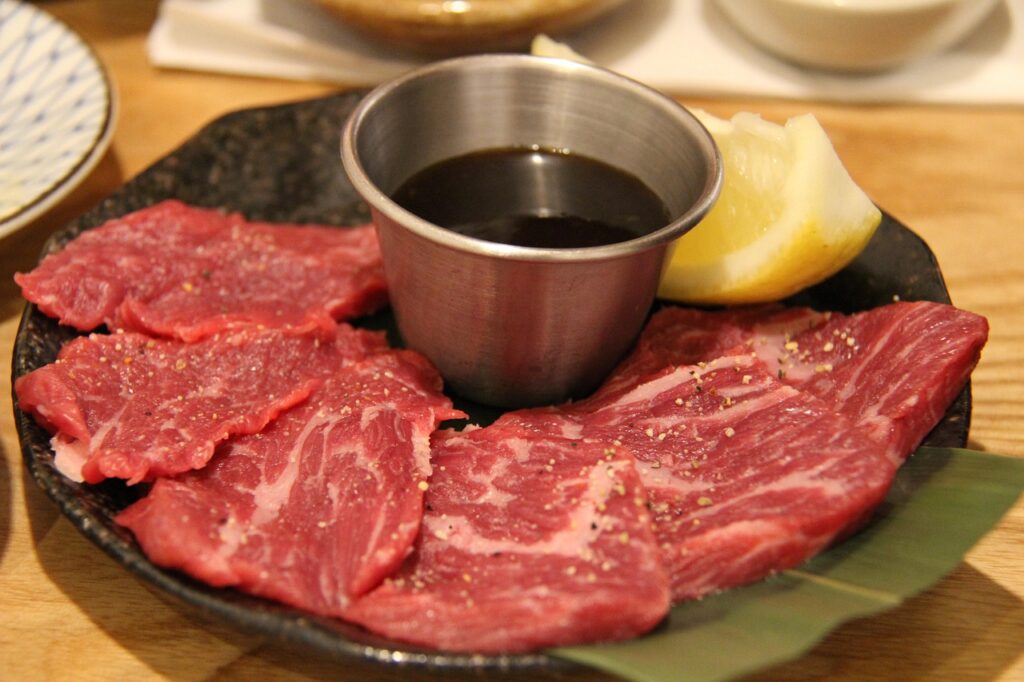
Wagyu carries a reputation for rarity and intense marbling. A tasting course built around it signals exclusivity and high culinary status. Even a small plated portion immediately communicates luxury.
Because wagyu is exceptionally rich, servings are intentionally modest. A few ounces are sufficient for flavor impact, allowing restaurants to charge premium prices without large quantities. The experience feels indulgent while remaining tightly measured.
The mystique around breed, origin, and grading supports strong markups. By designing a course that highlights limited portions, restaurants create a sense of privilege and scarcity while carefully protecting margin through portion control.
9. Dessert Wine Pairing Additions
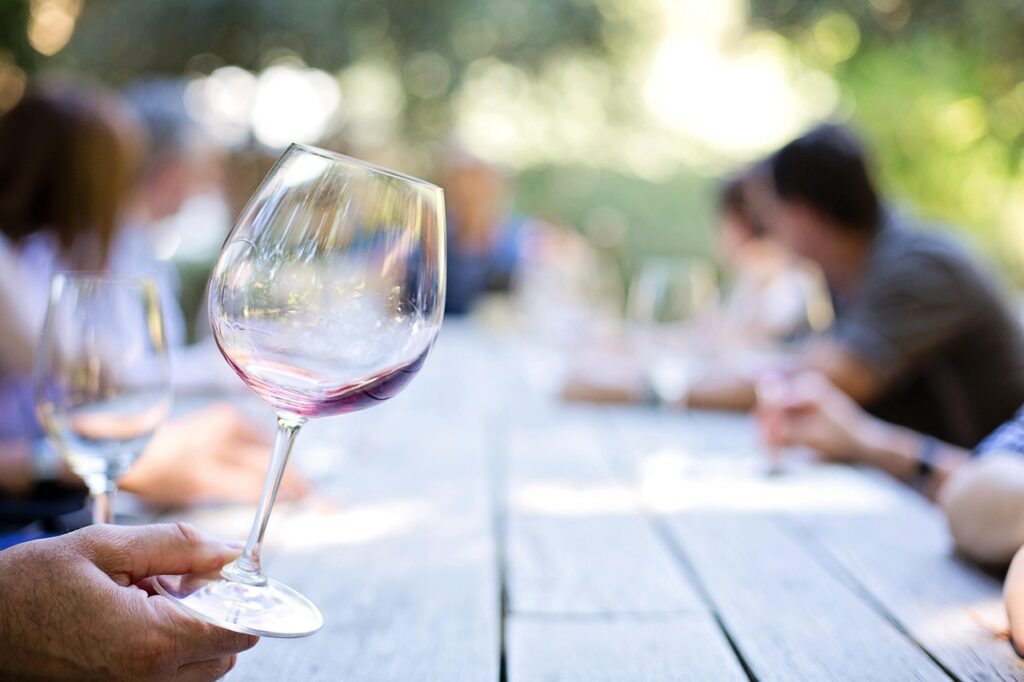
Dessert wine pairings appear near the end of a meal, when guests are relaxed and less focused on price. A small pour of Sauternes, port, or late-harvest wine accompanies a sweet course and feels like a thoughtful finish.
These wines are typically served in two to three-ounce pours. Even higher-end bottles yield many servings, allowing a strong return per bottle. The cost per glass remains relatively low compared to the menu price.
Because the addition seems modest and celebratory, acceptance rates are high. That final pairing may look like a small upgrade, yet it quietly boosts beverage revenue with minimal added labor.
10. Premium Water Pairing Programs
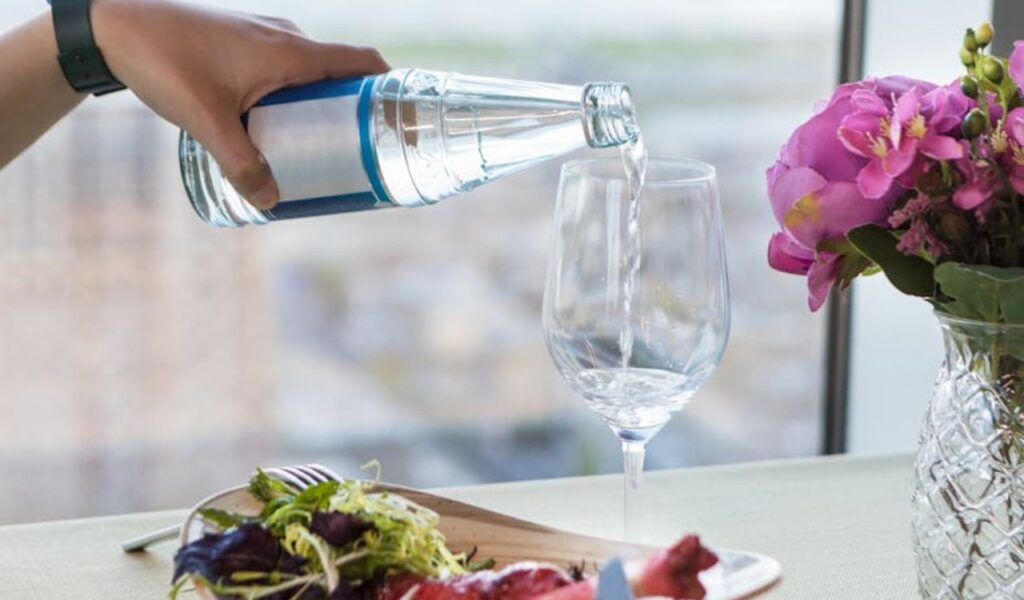
At first glance, a water pairing can seem refined. Still and sparkling waters are introduced with care, with notes on mineral composition and texture. The ritual elevates something ordinary into a curated experience that feels intentional.
From a business perspective, bottled water carries high markups in fine dining. Wholesale costs are low compared to the menu price, especially when positioned as rare or imported. Portioning is simple, storage is easy, and spoilage risk is minimal.
When included in a tasting menu, the program feels cohesive rather than optional. Guests often accept it as part of the experience. With minimal labor beyond chilling and pouring, water pairings generate strong margins while supporting an upscale setting.
11. Seasonal Truffle Pairing Menus
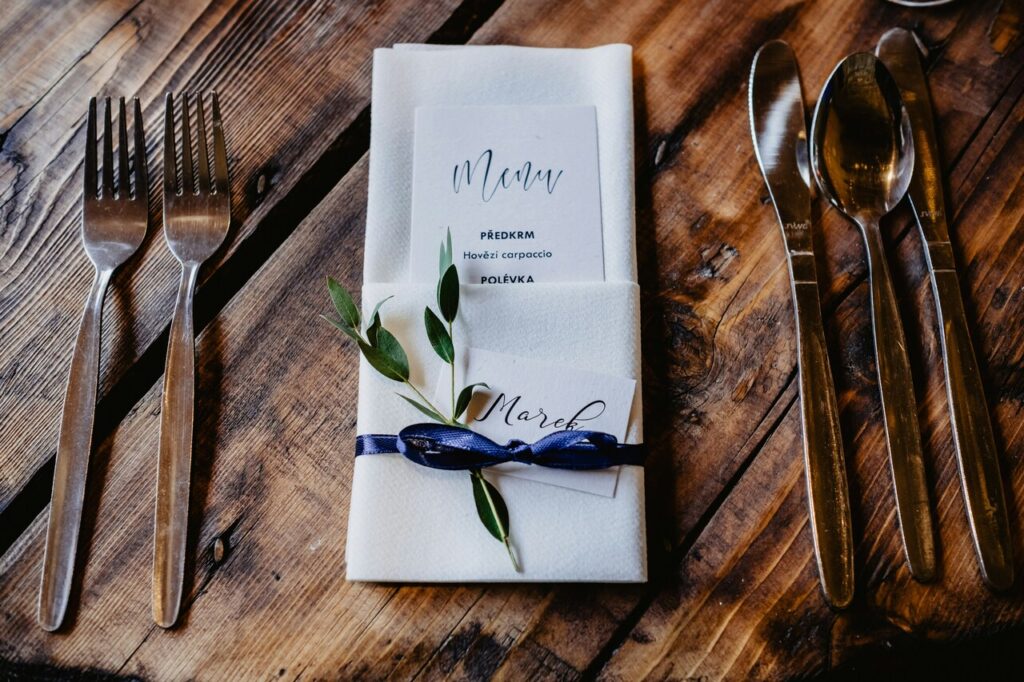
Truffle season creates anticipation. White or black truffles are introduced as limited treasures, often shaved tableside to heighten aroma and drama. The sensory impact supports premium pricing.
Although truffles are expensive, they are used sparingly. Thin shavings over pasta, eggs, or risotto transform perception without requiring large quantities. The base dishes are often built from comparatively modest ingredients.
By framing the menu around seasonality and scarcity, restaurants generate urgency. Guests feel they are participating in a fleeting experience, while carefully measured portions maintain cost control beneath the luxury narrative.
12. Luxury Brunch Pairing Experiences
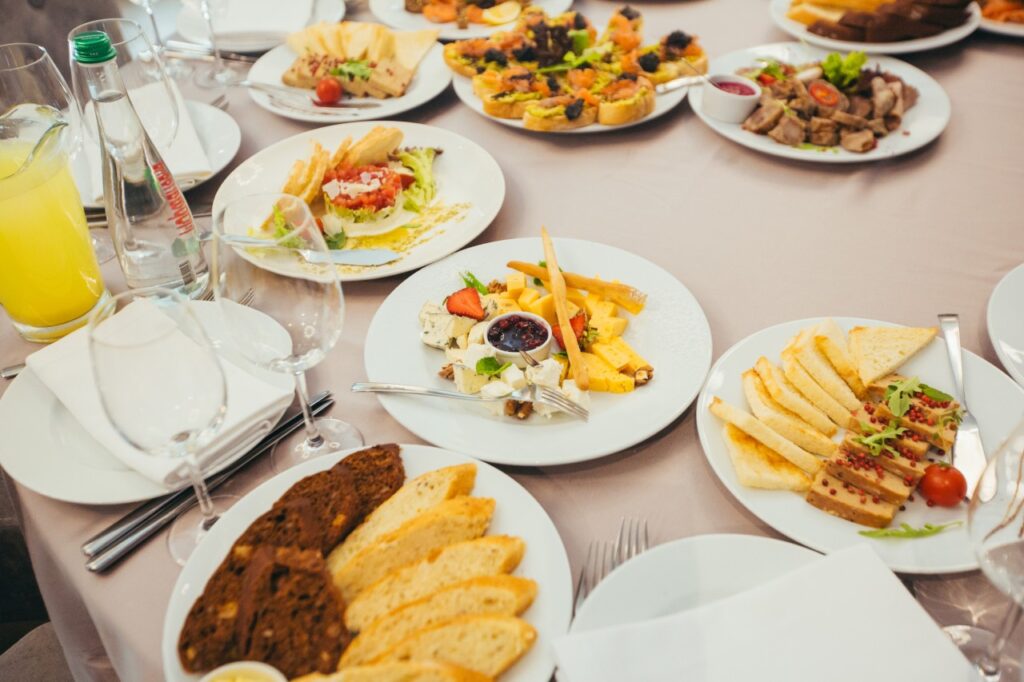
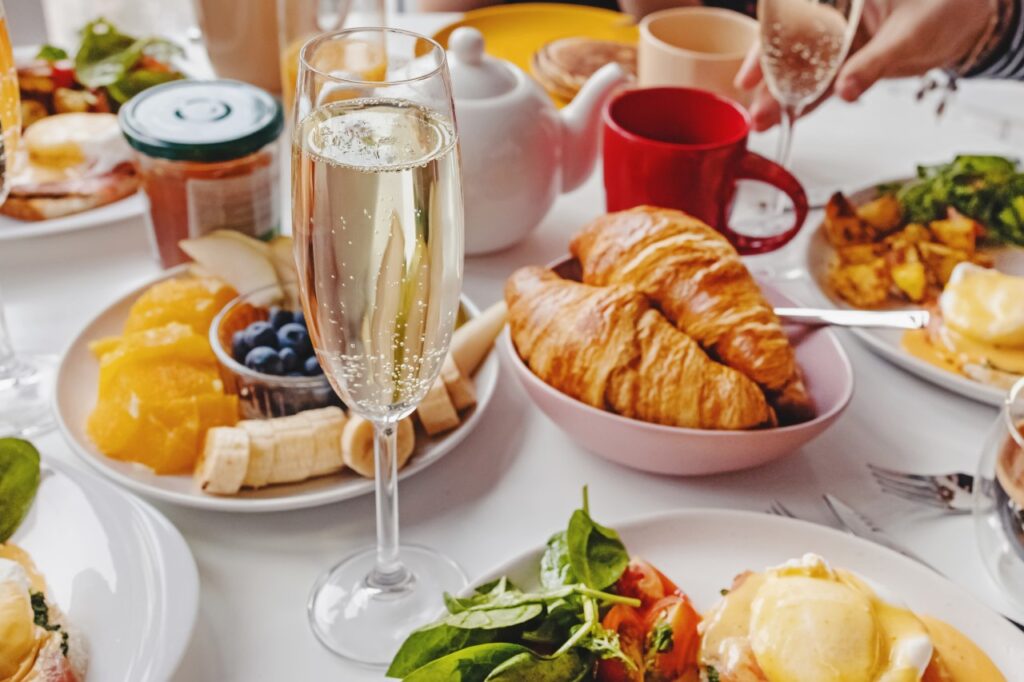
Upscale brunch pairings combine relaxed atmosphere with perceived indulgence. Bottomless mimosas or curated champagne flights feel generous and celebratory, especially in social settings.
Sparkling wine purchased in bulk can be poured efficiently, and juice mixers are inexpensive. Portion control and controlled refill pacing help manage consumption while preserving the appearance of abundance.
The pairing format encourages longer stays and higher overall spend. While the food may anchor the menu, beverage sales during brunch often deliver stronger margins, making the experience both festive and financially strategic.