Home Cooks Swear by These 10 Kitchen Rules

Cooking at home often looks simple from the outside, but the difference between an average meal and a memorable one comes down to small, consistent habits. These are the quiet rules that experienced home cooks follow without thinking, built through practice rather than perfection.
Over time, these habits shape how food turns out. They help you avoid mistakes, improve flavor, and make the process feel more controlled and less stressful. Instead of relying only on recipes, they teach you to cook with awareness and confidence.
This list brings together those trusted kitchen rules that home cooks swear by. They are practical, easy to follow, and powerful enough to transform everyday cooking into something more reliable and enjoyable.
1. Read the Entire Recipe Before You Start
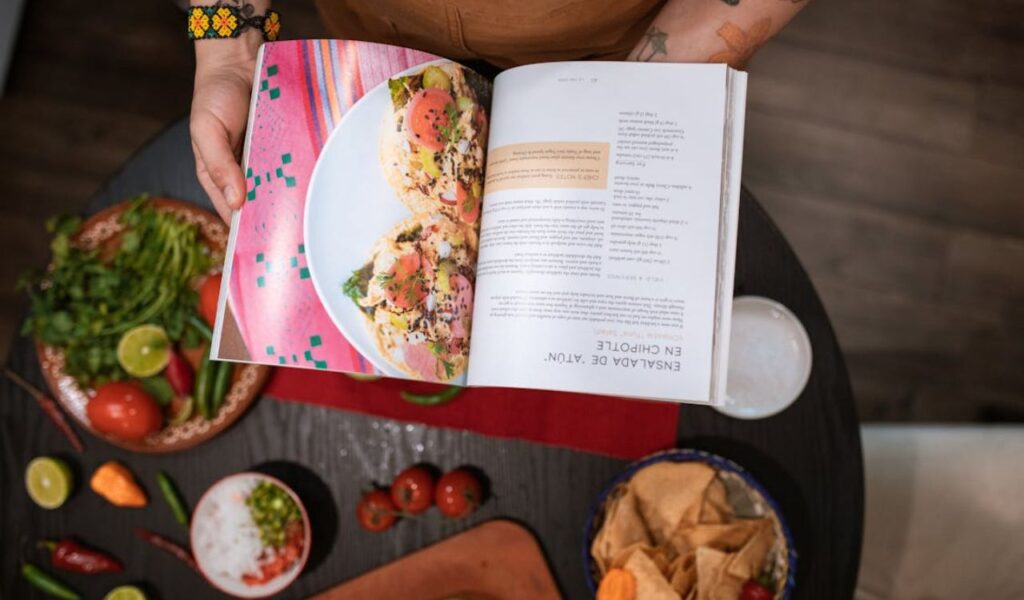
A recipe is more than a list of steps; it is a sequence that depends on timing and preparation. Reading it fully before starting helps you understand how each stage connects, preventing surprises halfway through cooking.
Many mistakes happen when a step is overlooked or misunderstood. Ingredients may need time to rest, marinate, or preheat, and missing these details can affect the final result. A quick read-through sets clear expectations.
This habit builds confidence in the kitchen. When you know what comes next, you move with purpose instead of reacting under pressure. It also helps you organize tools and ingredients, making the entire process smoother and more controlled.
2. Prep All Ingredients Before Cooking (Mise en Place)

Good cooking often begins before the heat is even turned on. Preparing and measuring ingredients in advance ensures everything is ready when you need it, reducing stress during active cooking.
Timing is critical in many recipes. Once heat is applied, there is little room for delay. Searching for ingredients or cutting vegetables mid-process can lead to overcooking or uneven results.
This method improves both speed and accuracy. With everything in place, you can focus on technique and flavor rather than rushing. It also keeps your workspace organized, making the experience more efficient and enjoyable.
3. Keep Your Knives Sharp
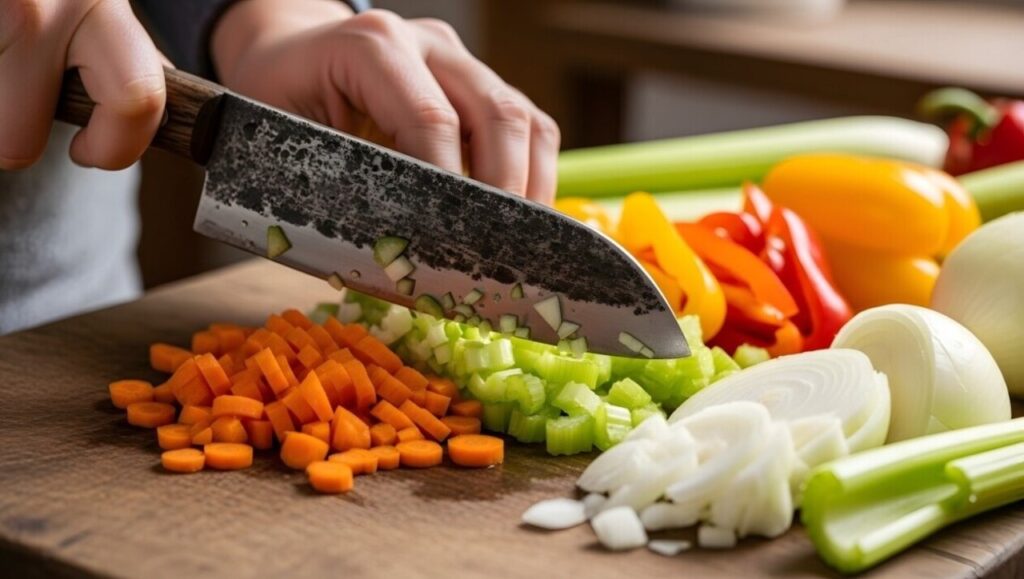
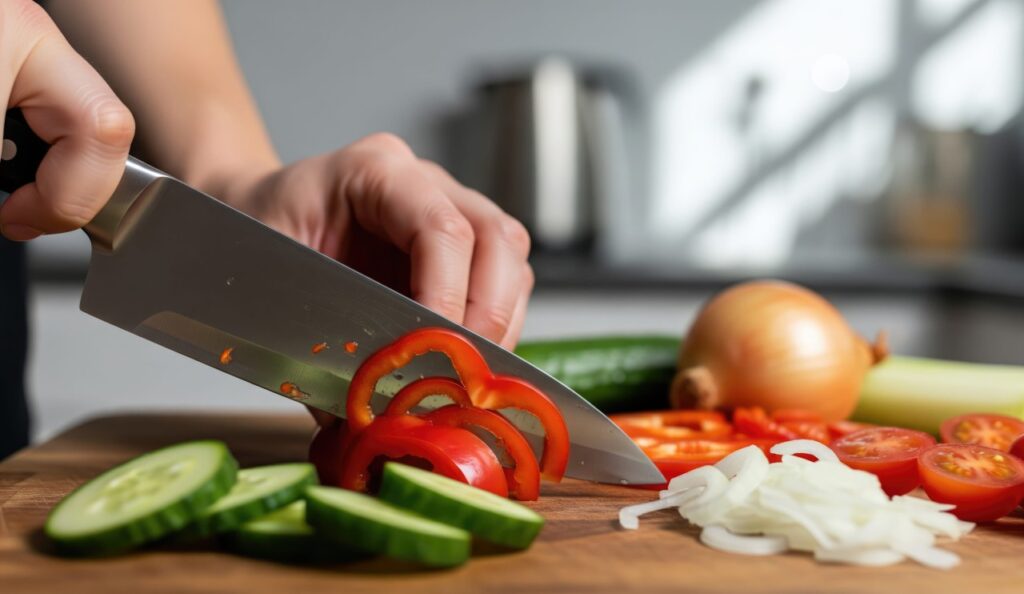
A sharp knife is one of the most important tools in any kitchen, yet it is often overlooked. Clean, precise cuts help ingredients cook evenly, improving both texture and presentation. It also makes preparation faster and more controlled from the start.
Dull knives create more problems than they solve. They require extra force, which increases the risk of slipping and injury. Instead of slicing cleanly, they crush ingredients, affecting both appearance and how they cook.
Keeping knives sharp improves safety and efficiency. Regular honing and proper sharpening maintain performance, while good storage protects the blade. A well-maintained knife makes every step in the kitchen easier and more reliable.
4. Taste as You Cook

Cooking is not a fixed process, and tasting along the way is what keeps it on track. Flavors develop gradually, and checking them as you go helps ensure the final dish is balanced and complete.
Ingredients can vary more than expected. Salt levels, spice intensity, and freshness all influence taste, which means adjustments are often necessary. Waiting until the end leaves little room to fix mistakes.
Tasting builds awareness and confidence. Over time, you learn how flavors come together and how small changes can improve a dish. It turns cooking into a responsive process rather than simply following instructions.
5. Clean as You Go

A well-run kitchen often looks calm, and that usually comes down to one simple habit. Cleaning as you cook keeps your space organized, allowing you to focus on the task instead of working around clutter. It creates a smoother rhythm from start to finish.
As tools and surfaces pile up, they begin to interfere with efficiency. Searching for a clean pan or clearing space mid-recipe slows progress and breaks concentration. This can lead to missed steps or uneven results.
Handling small cleanups throughout the process prevents a larger mess later. It reduces stress at the end of cooking and keeps everything manageable. A clean workspace supports better timing, clearer thinking, and a more enjoyable experience overall.
6. Don’t Crowd the Pan

How you place food in a pan directly affects the outcome. When too many ingredients are added at once, the temperature drops and moisture builds up, preventing proper browning and altering texture.
Browning is key to developing flavor. Without enough space, ingredients release steam instead of forming a crisp surface. This results in softer, less flavorful food that lacks depth.
Cooking in smaller batches improves results. It allows heat to circulate evenly and gives each piece room to cook properly. While it may take a bit more time, the difference in texture and taste is noticeable and worth the effort.
7. Let Meat Rest Before Cutting
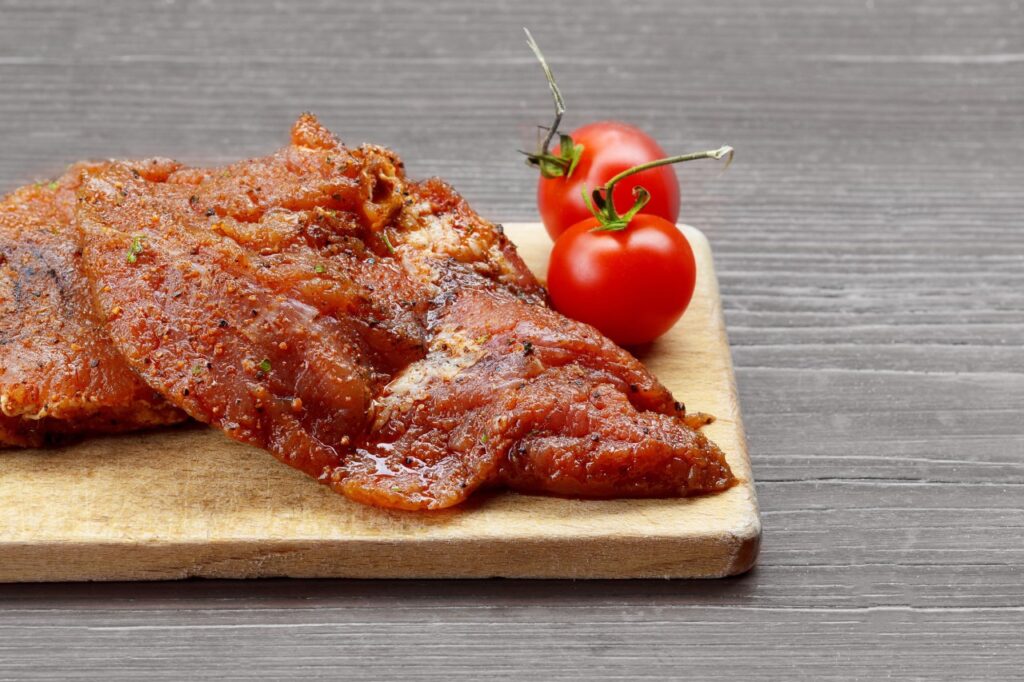
Cutting into meat right after cooking may seem like the natural next step, but it often leads to disappointing results. Letting it rest allows the juices to redistribute throughout the meat, keeping each bite moist and flavorful instead of dry.
As meat cooks, heat forces juices toward the surface. If sliced immediately, those juices spill out onto the plate rather than staying inside. Giving it a few minutes to rest helps retain that moisture where it belongs.
Resting also allows internal temperatures to settle, improving evenness in doneness. This simple pause makes a noticeable difference in texture and taste, turning a good dish into a much better one with very little extra effort.
8. Season in Layers, Not All at Once
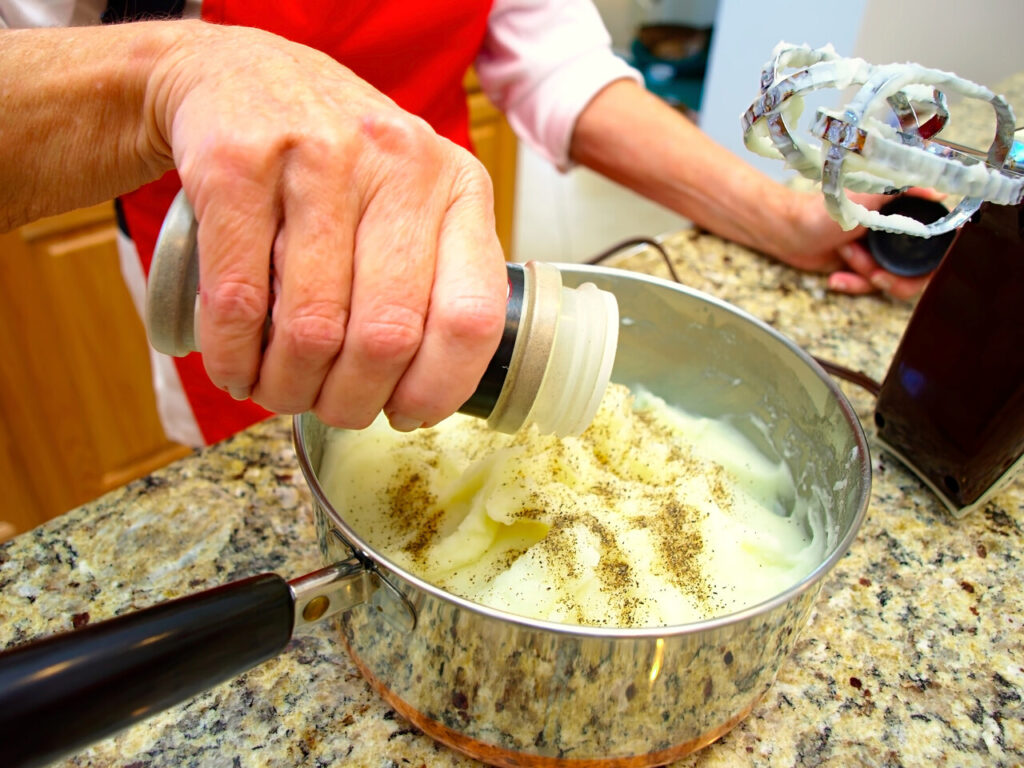
Flavor does not come together in a single moment; it develops step by step as a dish cooks. Adding seasoning in stages allows salt and spices to integrate at different points, building depth rather than sitting only on the surface.
When everything is added at once, it can create an imbalance. Some areas absorb more flavor while others remain bland, leading to an uneven taste across the dish. This makes it harder to correct later.
Layering seasoning gives you control throughout the process. You can taste, adjust, and refine as flavors develop. This approach results in a more balanced dish where every bite feels consistent and complete without relying on last-minute fixes.
9. Use High Heat When You Want a Sear
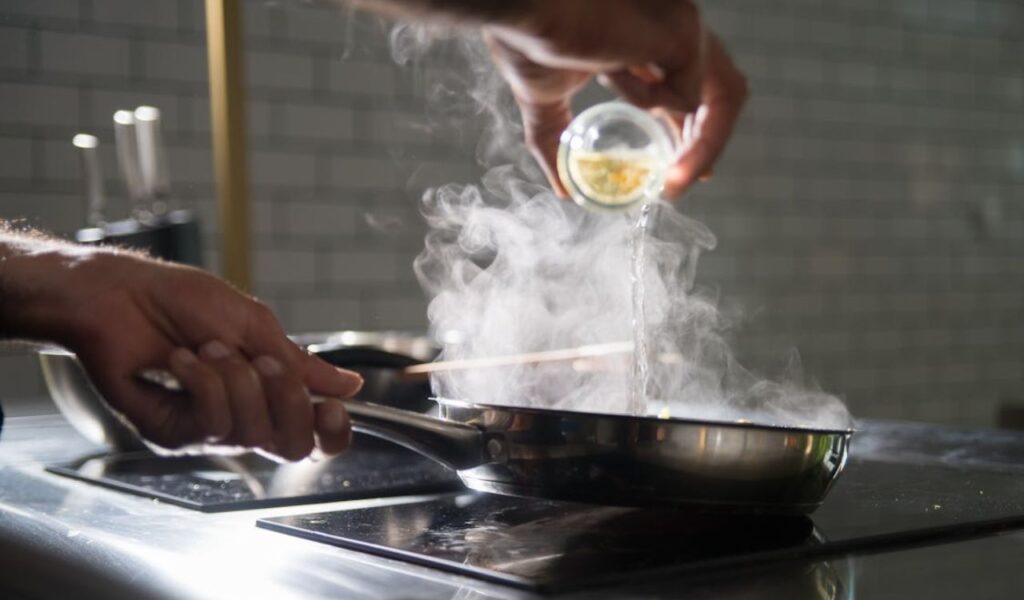
A proper sear begins with heat that is strong enough to transform the surface of the food. When the pan is hot, it creates a browned crust that enhances both flavor and texture, making dishes more appealing.
If the heat is too low, moisture collects instead of evaporating. This prevents browning and causes food to cook unevenly, resulting in a softer texture without the depth a sear provides.
Preheating the pan and ensuring ingredients are dry are essential steps. With the right heat level, you achieve a crisp exterior while keeping the inside properly cooked, improving both taste and presentation.
10. Trust Your Senses, Not Just the Timer
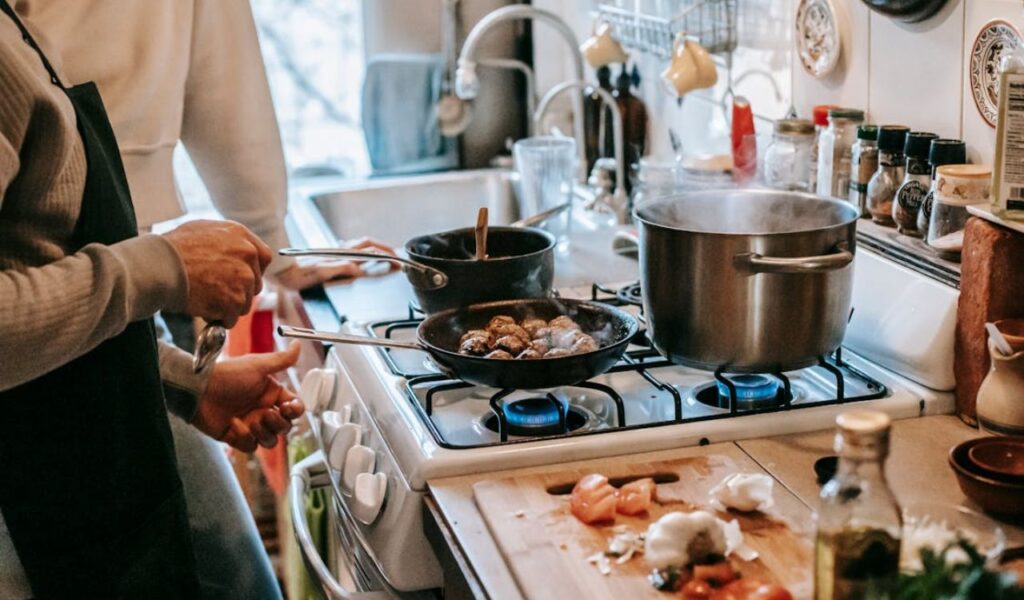
Cooking is not always precise, and time alone cannot account for every variable. Differences in heat, ingredients, and equipment mean that relying only on a timer can lead to inconsistent results.
Your senses offer more reliable guidance. Visual changes, aromas, textures, and even subtle sounds indicate how food is progressing and when it is ready. These cues often provide better accuracy than a set time.
Learning to trust these signals builds confidence and skill. It allows you to adjust as needed and produce consistent results, making cooking more adaptable and dependable in different situations.