8 Boomer Cooking Habits Younger Generations Don’t Quite Get


Boomer cooking habits grew out of postwar traditions, changing food science, and the rise of convenience products that shaped how many American households prepared meals. These habits include saving bacon grease for flavor, relying on canned vegetables, cooking large portions for the week, and following strict meat and potato dinner structures. Many practices were influenced by 1950s nutrition education, early food safety guidelines, and the expansion of processed foods. Understanding why these habits began helps explain why they feel unusual to younger generations who cook with different health information, appliances, and culinary influences.
1. Saving bacon grease

Boomers often kept jars of bacon grease near the stove because animal fat was a primary cooking medium in mid century kitchens. During the 1950s and 1960s the USDA promoted using rendered fats for frying due to affordability and accessibility. Younger cooks grew up with vegetable oils and nonstick pans, making the practice less common. Food safety experts note that storing grease at room temperature can increase bacterial growth, which also contributes to younger generations avoiding the habit.
2. Relying heavily on canned vegetables
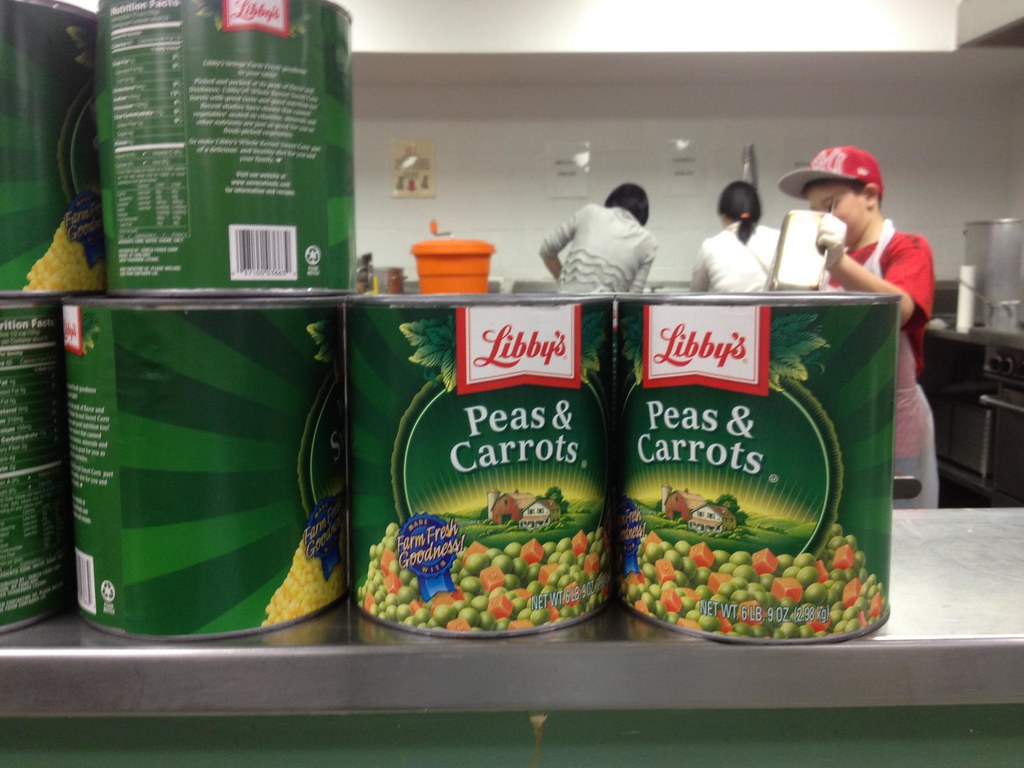
Canned vegetables were a staple for Boomers because home freezers were smaller and fresh produce was expensive outside harvest seasons. Between 1950 and 1970 canned goods dominated the American pantry based on USDA consumption data. Younger generations have more access to affordable fresh and frozen produce, which retains nutrients more effectively according to modern nutrition research. As a result the texture and taste of canned vegetables feel outdated to many younger cooks.
3. Making extremely large portions
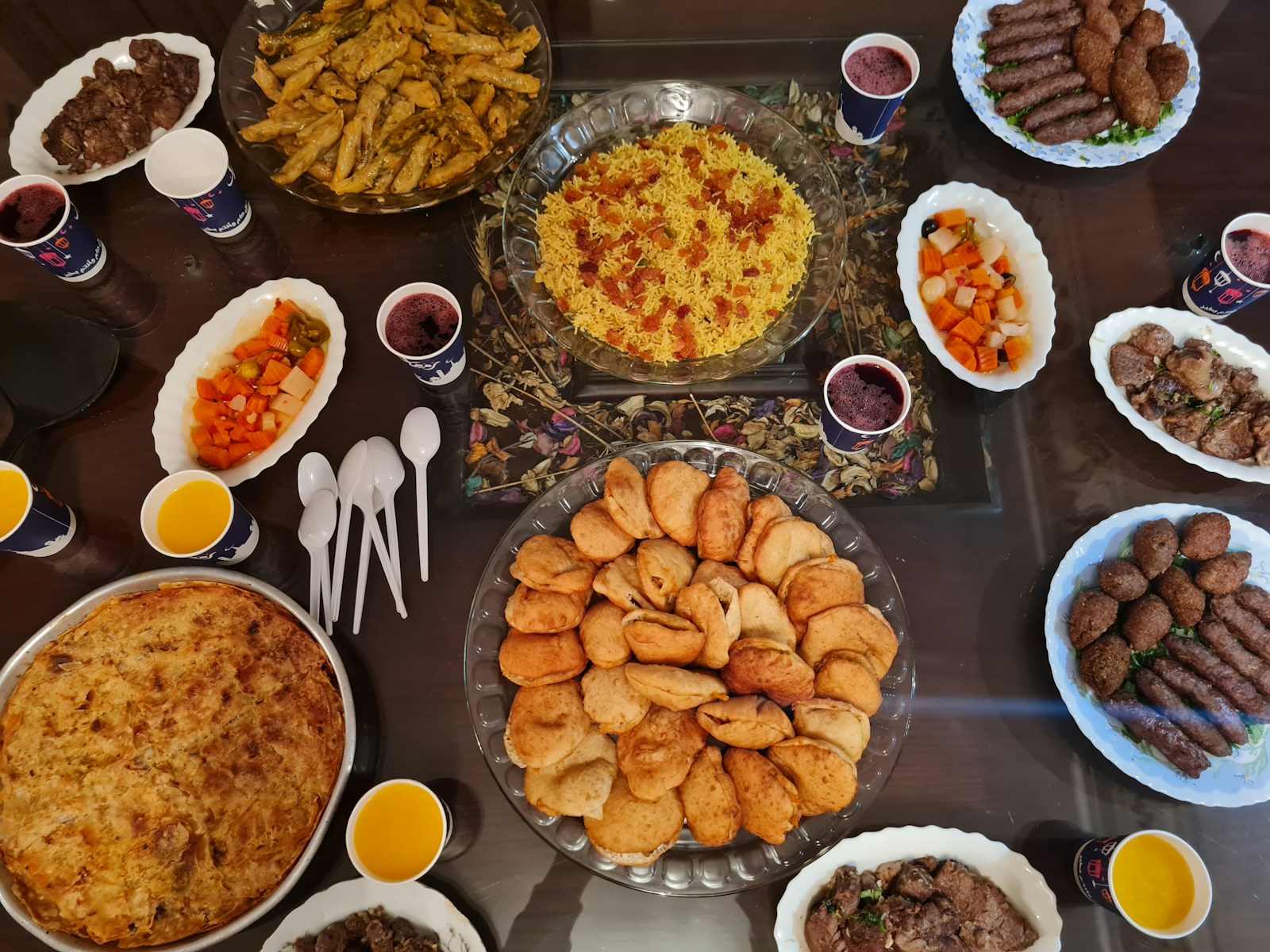
Boomer households often cooked large meals since families were typically bigger and batch cooking reduced grocery trips. In the 1960s the average American household size was significantly larger than it is today. Nutrition professionals highlight that modern lifestyles and smaller households make oversized portions less practical. Younger adults prefer quick fresh meals rather than reheating large casseroles that were designed to feed five or more people.
4. Following strict meat and potato dinners
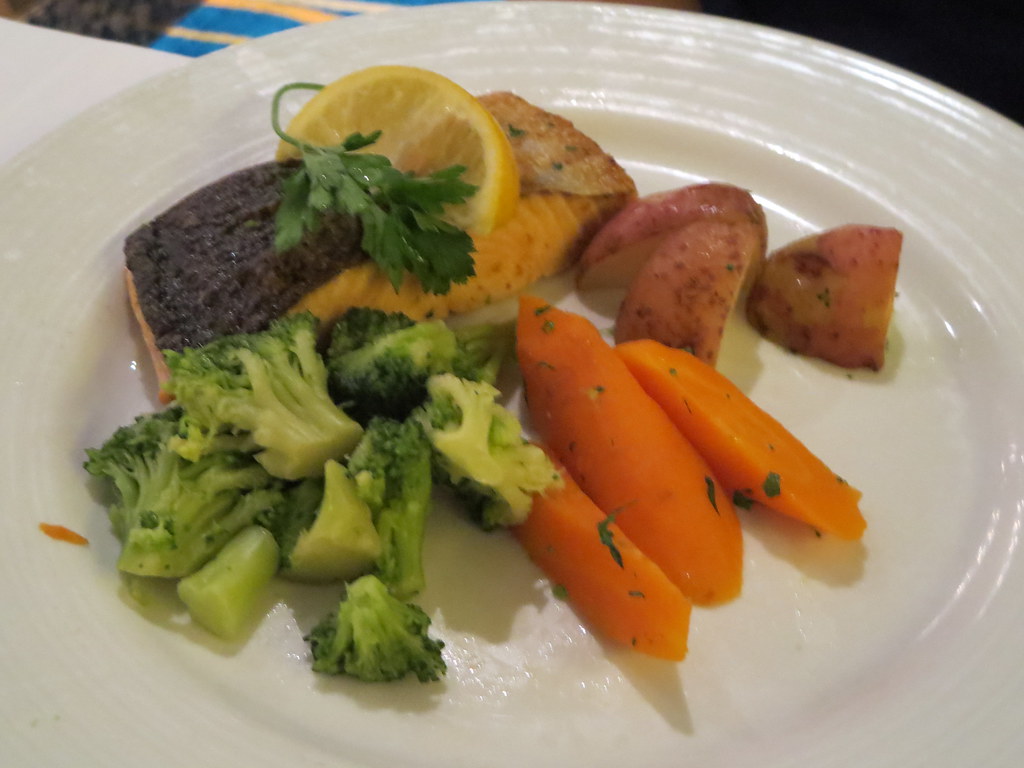
Boomers grew up with nutrition messaging that centered dinner around a meat serving accompanied by potatoes and a vegetable. This pattern reflected mid century dietary guidelines emphasizing protein and starch for energy. Younger generations have access to a broader range of global cuisines and plant-forward recipes. Registered dietitians note that modern balanced meals often include whole grains, legumes, and diverse vegetables rather than the classic three-item dinner structure.
5. Using margarine instead of butter

Margarine became popular among Boomers when early research linked saturated fat to heart disease. In the 1970s, cardiology organizations often recommended plant-based spreads. Later studies revealed that partially hydrogenated margarine contained trans fats, which were eventually recognized as harmful. Younger generations grew up during the decline of trans fats and the return of real butter as a more natural option. This shift makes the older preference for margarine seem outdated.
6. Overcooking vegetables
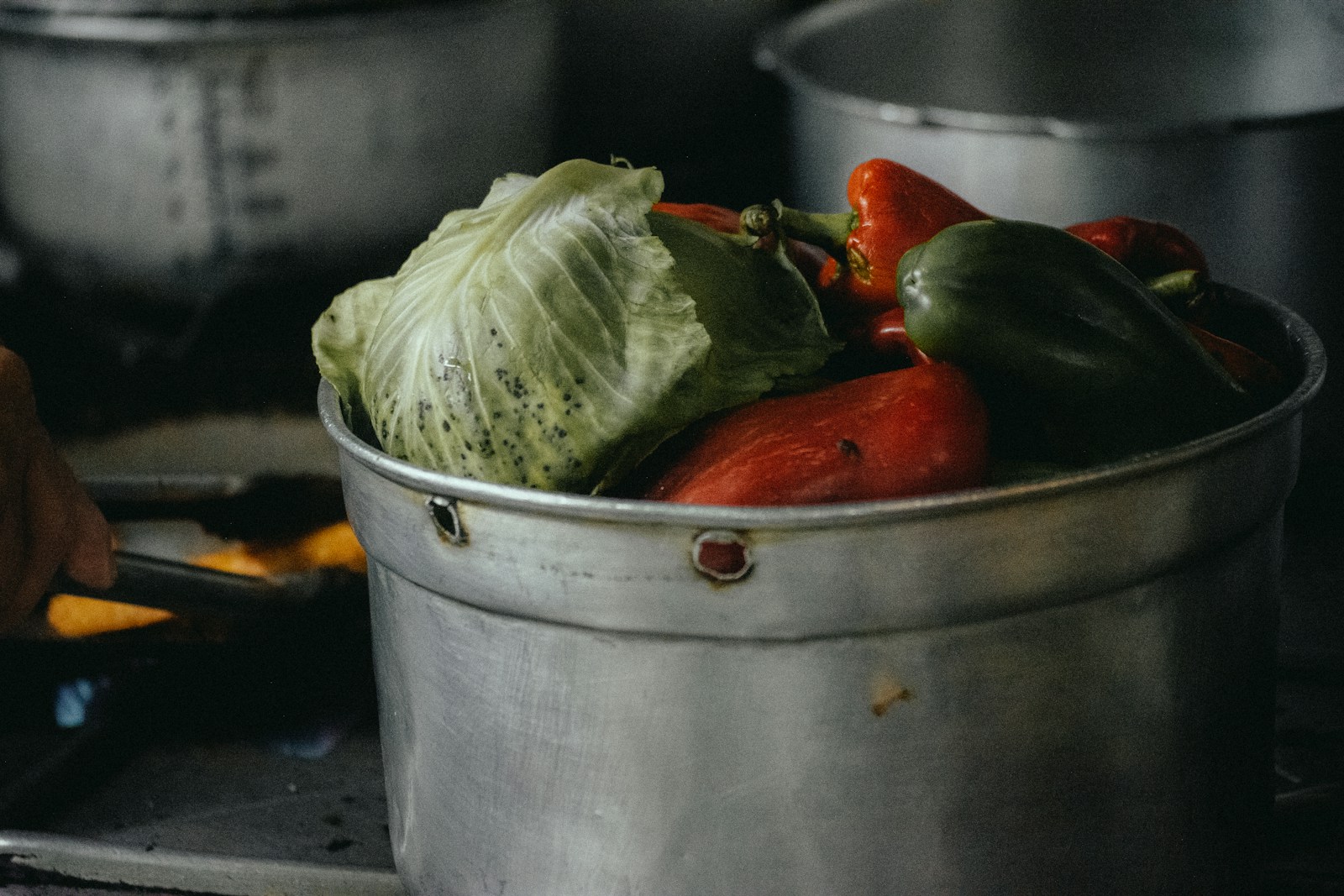
Boomer cooking often included boiling vegetables until very soft because early food safety advice encouraged thorough cooking. Pressure cooker accidents in the 1950s also led many households to stick to boiling as a safer method. Modern nutrition science shows that shorter cooking times help preserve vitamins and flavor. Younger cooks typically prefer roasting or steaming vegetables, which maintain texture and nutrients, making the older method feel excessive.
7. Preferring well-done meat
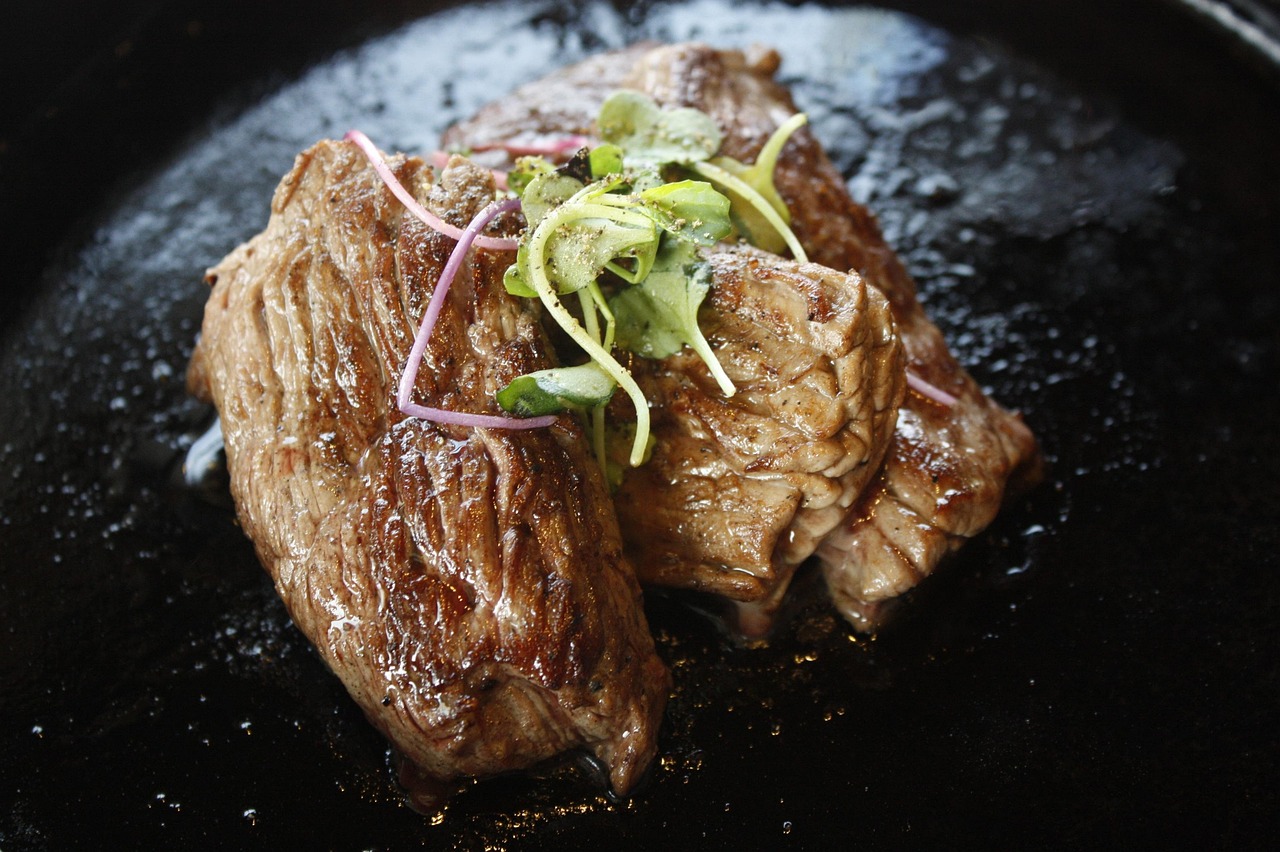
Boomers often cooked meat well done because early USDA temperature guidelines recommended higher internal temperatures to prevent foodborne illness. These advisories were conservative due to limited pathogen research at the time. Updated food safety standards allow lower safe temperatures for products like beef, which younger cooks follow. Culinary professionals also highlight that medium-cooked meat retains more moisture and flavor, leading younger generations to question the older preference.
8. Using processed boxed mixes
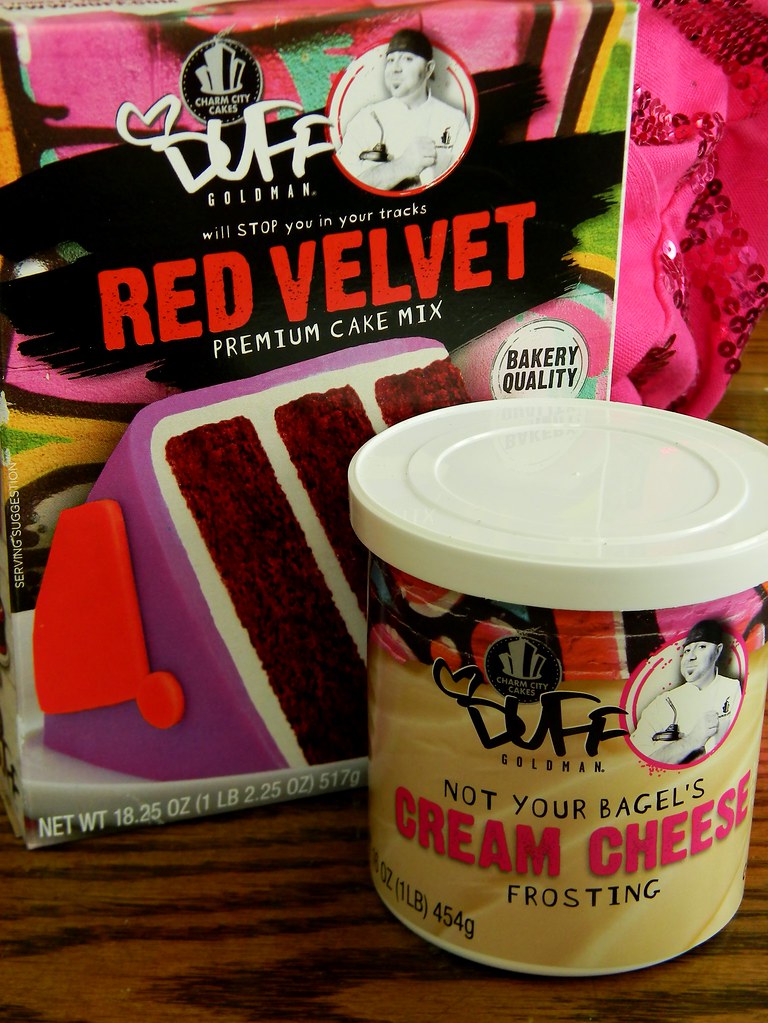
Boomers embraced boxed cake mixes, instant potatoes, and quick-fix meals because they were marketed as modern time savers during an era when many households relied on one primary cook. By the 1970,s processed mixes represented a significant portion of grocery sales. Younger generations have more interest in whole ingredients and home cooking, influenced by recipe platforms and healthier eating trends. This makes the reliance on boxed mixes appear less appealing today.