8 American Sandwiches That Spark Serious Regional Debate

Across the United States, sandwiches are more than quick meals. In many places, they reflect local traditions, long-standing recipes, and regional pride. From busy city delis to neighborhood diners, certain sandwiches have become symbols of the communities that created them.
What makes these classics especially interesting is the debate around them. Locals often argue over the right ingredients, preparation, or which shop makes the most authentic version. Even small changes in bread, toppings, or sauces can spark strong opinions.
These regional favorites show how closely food connects to culture and history. Each sandwich tells a story, and the debates around them help keep these iconic dishes alive.
1. Philly Cheesesteak
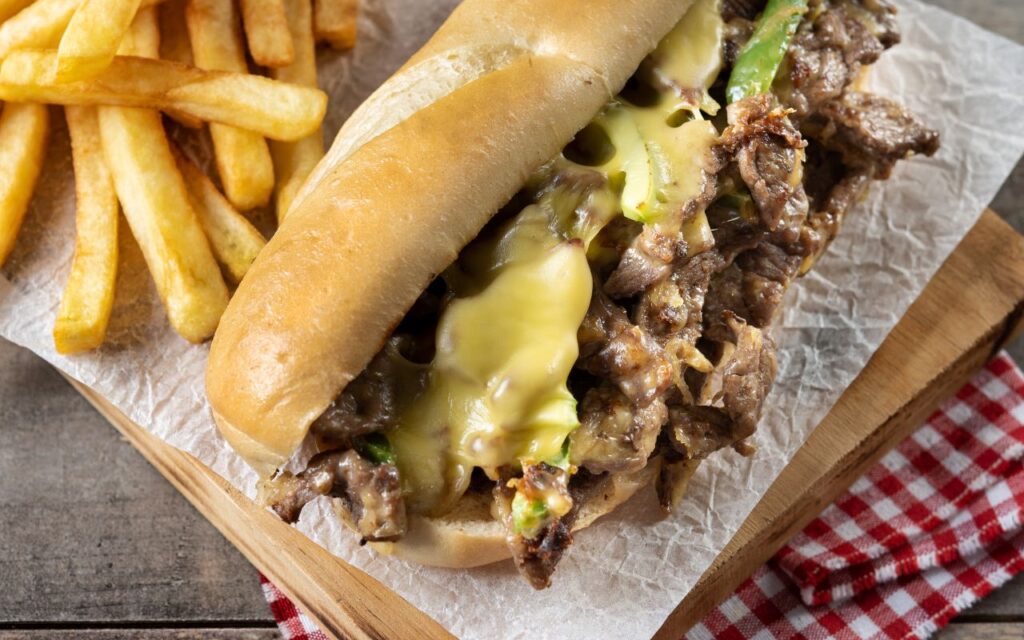
Few sandwiches inspire stronger opinions than the Philly cheesesteak. In Philadelphia, locals debate nearly every detail, from the bread and cheese to which shop makes the best version.
The classic sandwich uses thinly sliced beef cooked on a hot griddle. The meat is chopped as it cooks and piled onto a long roll that is crisp outside and soft inside. Melted cheese blends with the beef and creates the sandwich’s rich texture.
Cheese choice sparks constant debate. Some prefer provolone for its mild flavor, while others insist that Cheez Whiz delivers the classic taste many shops became famous for.
Another point of discussion is onions. Orders are often placed “wit” or “witout,” meaning with or without onions.
2. Chicago Italian Beef Sandwich
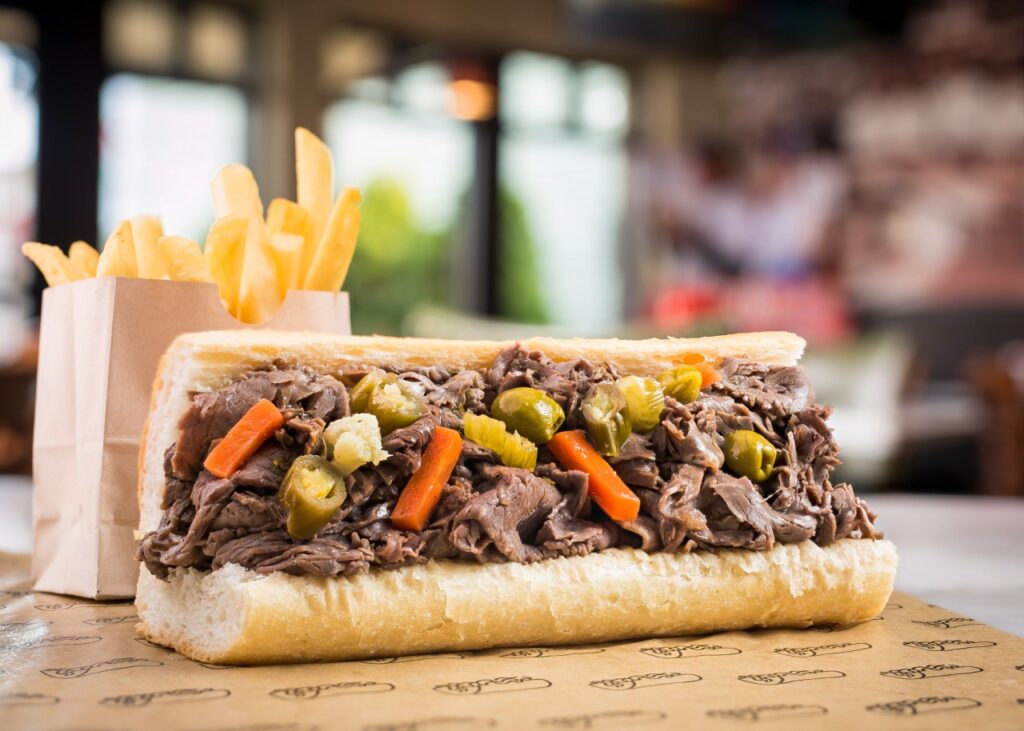
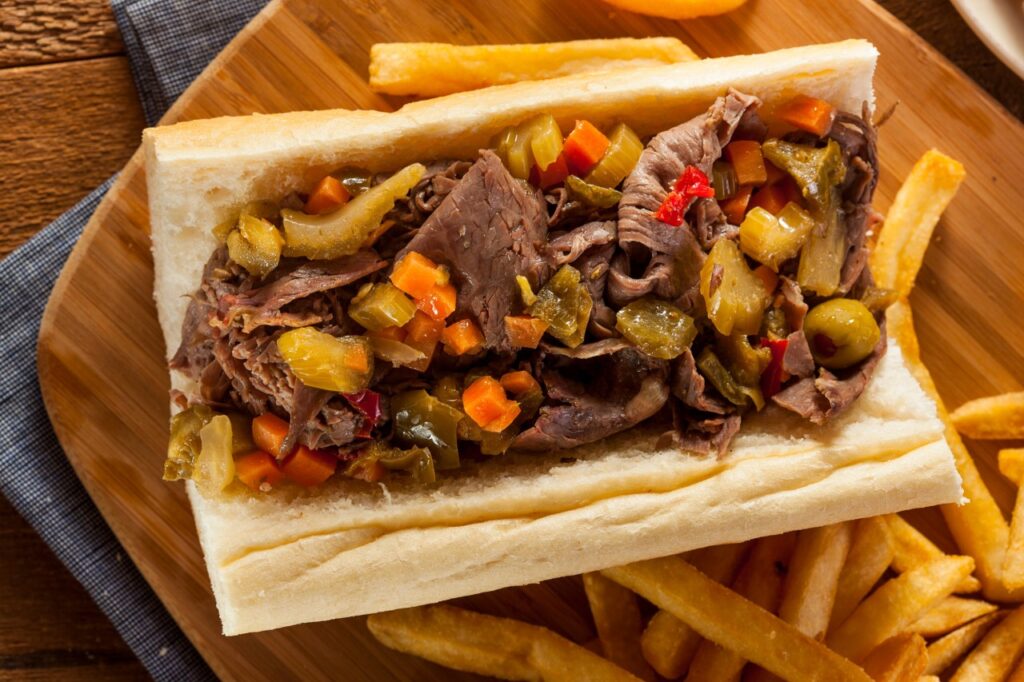
Chicago’s Italian beef sandwich is messy, flavorful, and deeply tied to the city’s food culture. While visitors may see roast beef on bread, locals know the preparation is more specific.
The beef is roasted and sliced very thin before being placed in seasoned cooking juices. These juices contain garlic, herbs, and spices that give the meat its bold flavor.
The sandwich is served on a sturdy Italian roll that can absorb the broth without falling apart. Peppers are another key element, with some people choosing sweet roasted peppers and others preferring spicy giardiniera.
Another debate involves dipping. The sandwich may be served dry, lightly dipped, or fully soaked in the juices.
3. New Orleans Muffuletta
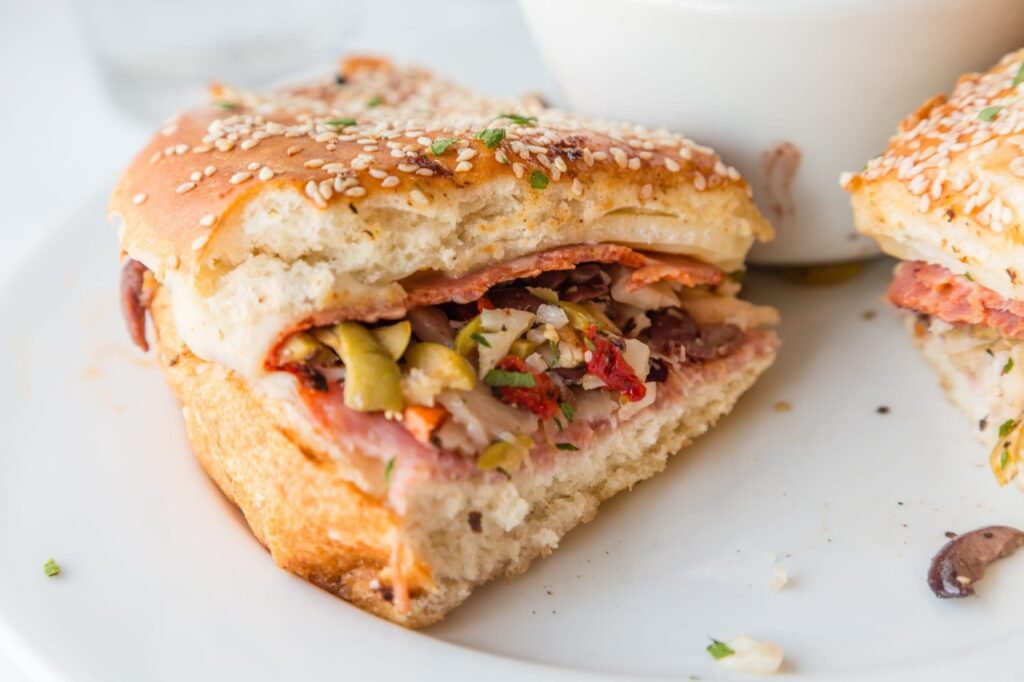
The muffuletta is one of the most famous sandwiches associated with New Orleans. Its large, round loaf and bold flavors have made it a lasting part of the city’s food tradition.
The sandwich begins with a wide Sicilian-style loaf sliced horizontally. Inside are layers of cured meats and cheeses such as salami, ham, mortadella, provolone, and mozzarella.
What truly defines the muffuletta is the olive salad. This mixture of olives, garlic, oil, and pickled vegetables brings a sharp, briny flavor that balances the richness of the meats and cheese.
Locals often debate where the best muffuletta can be found and how much olive salad should be added. The balance between bread, meat, and olive mixture remains central to the conversation.
4. New Jersey / New York Pork Roll (Taylor Ham) Sandwich
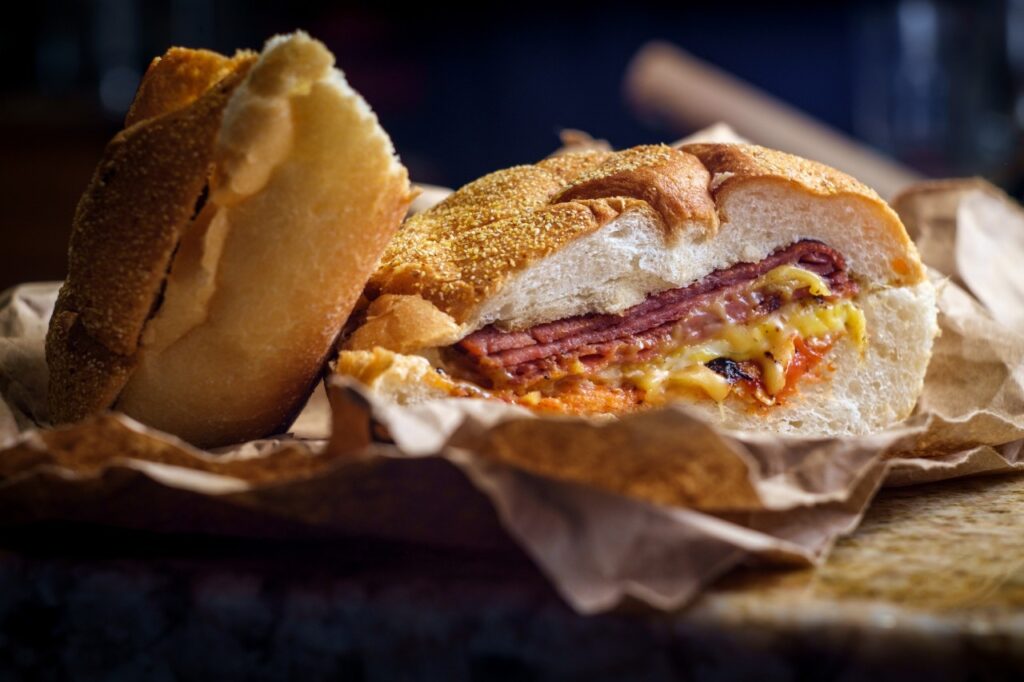
In New Jersey, even the name of this sandwich sparks debate. Northern residents often call it Taylor ham, while the southern parts of the state insist on the name pork roll.
The sandwich usually starts with slices of pork roll grilled until the edges crisp and curl slightly. The meat has a salty, smoky flavor that pairs well with eggs and melted cheese.
It is most commonly served on a hard roll or bagel. The combination of warm bread, savory meat, and soft egg makes it a popular breakfast choice across the region.
While the ingredients stay mostly consistent, the name argument has lasted for decades. The disagreement has become a cultural marker within New Jersey.
5. New England Lobster Roll
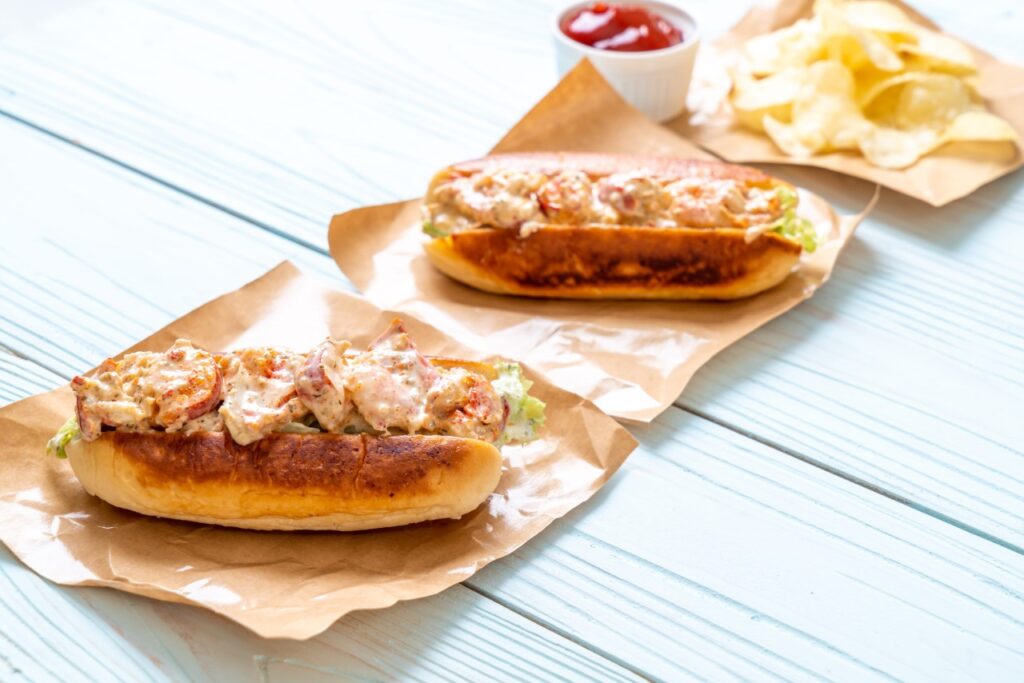
The lobster roll may look simple, but it has sparked a long-running debate across New England. The main argument centers on how the lobster meat should be prepared and served.
One version features chilled lobster mixed with mayonnaise. This style is especially common in Maine and emphasizes a creamy texture that coats the meat lightly.
Another version is served warm with melted butter. Connecticut is closely associated with this style, which highlights the natural sweetness of the lobster.
Both versions are typically served in a split-top bun that is lightly toasted. Because lobster is such a prized ingredient, many locals believe preparation should remain simple, allowing the seafood’s flavor to shine.
6. Nashville Hot Chicken Sandwich
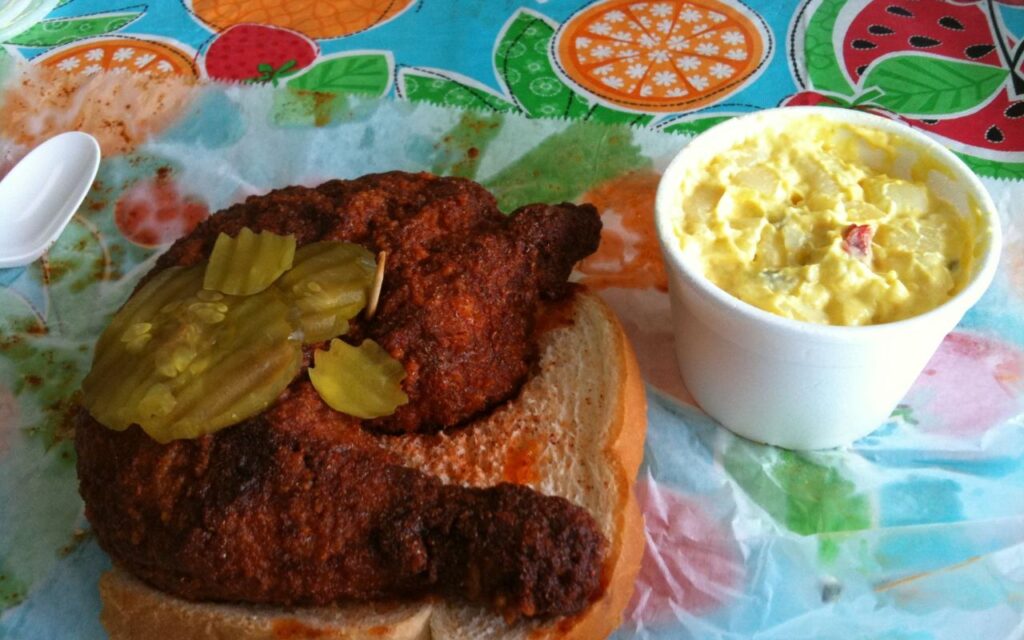
The Nashville hot chicken sandwich delivers intense heat and bold flavor. Originating in Tennessee, it has become one of the most recognizable spicy sandwiches in the country.
The chicken is usually marinated, breaded, and fried until crisp. After frying, it is brushed with a spicy oil mixture made with cayenne pepper and other seasonings.
The sandwich is typically served on white bread or a soft bun with pickles. The acidity of the pickles helps balance the powerful heat from the seasoning.
Debates often center on the spice level and authenticity. Some versions tone down the heat, while traditional preparations deliver a fiery kick that defines the dish.
7. Cuban Sandwich
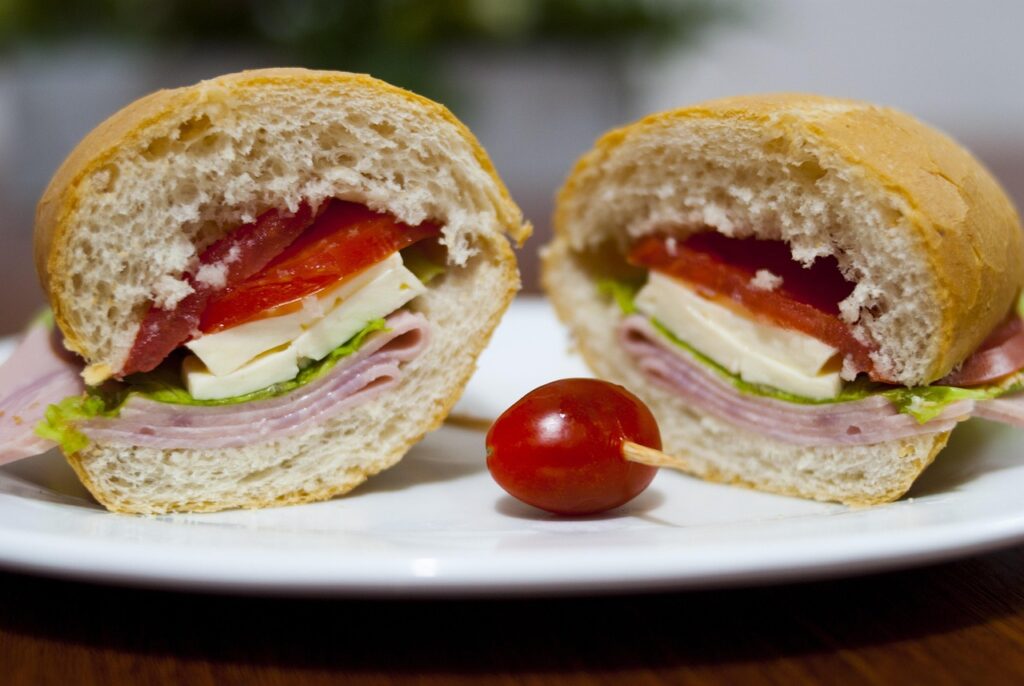
The Cuban sandwich has become a symbol of Florida’s food culture, yet even its origins are debated. Miami and Tampa each claim a version of the sandwich as the most authentic.
The traditional sandwich includes roasted pork, ham, Swiss cheese, pickles, and mustard. These ingredients are layered inside Cuban bread and pressed until the outside becomes crisp.
In Tampa, salami is often added to the sandwich. This ingredient reflects the influence of Italian immigrants who lived and worked in the city’s cigar factories.
In Miami, many insist the sandwich should stay closer to the pork and ham combination. These regional variations keep the debate active among fans of the sandwich.
8. Baltimore Pit Beef Sandwich
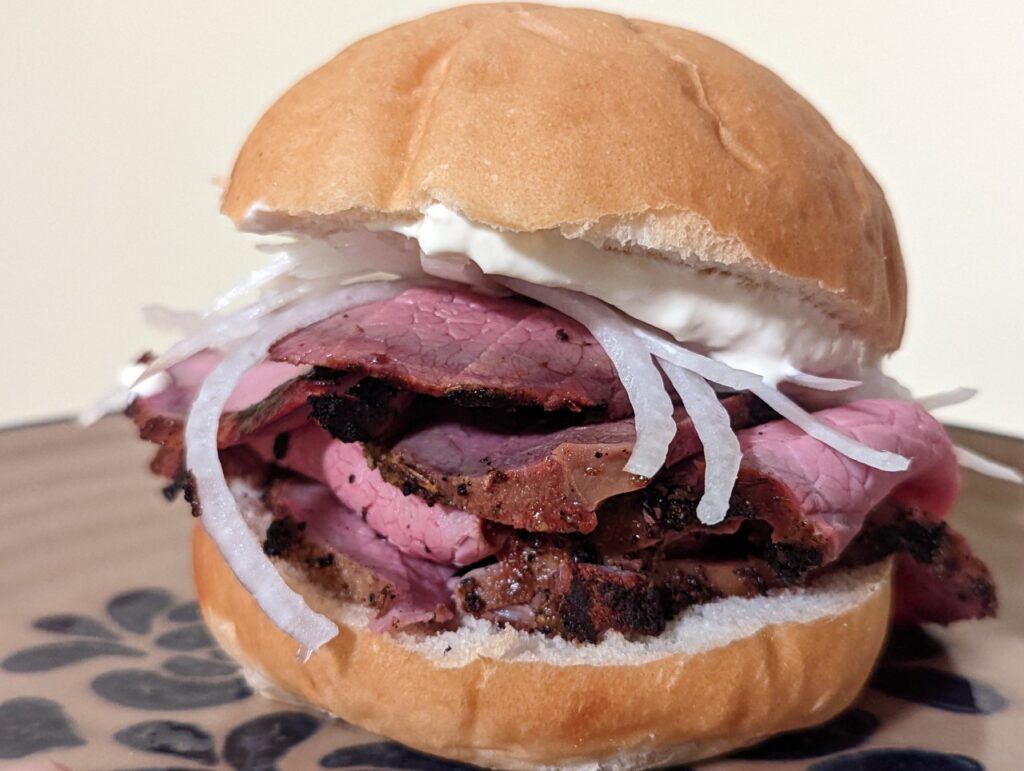
Baltimore’s pit beef sandwich highlights a distinct style of barbecue from Maryland. Unlike slow-smoked barbecue found in other regions, pit beef is cooked quickly over high heat.
Large cuts of beef are grilled over charcoal until the outside forms a charred crust. The meat is then sliced thin and piled onto a roll.
Horseradish sauce is a defining feature. The sharp flavor cuts through the richness of the beef and adds a strong bite.
Raw onions are also commonly added, giving the sandwich extra crunch and intensity. For many locals, the balance of smoky beef, sharp sauce, and fresh onions defines an authentic pit beef sandwich.