That High Protein Snack You’re Reaching For: 9 Products That Don’t Quite Deliver

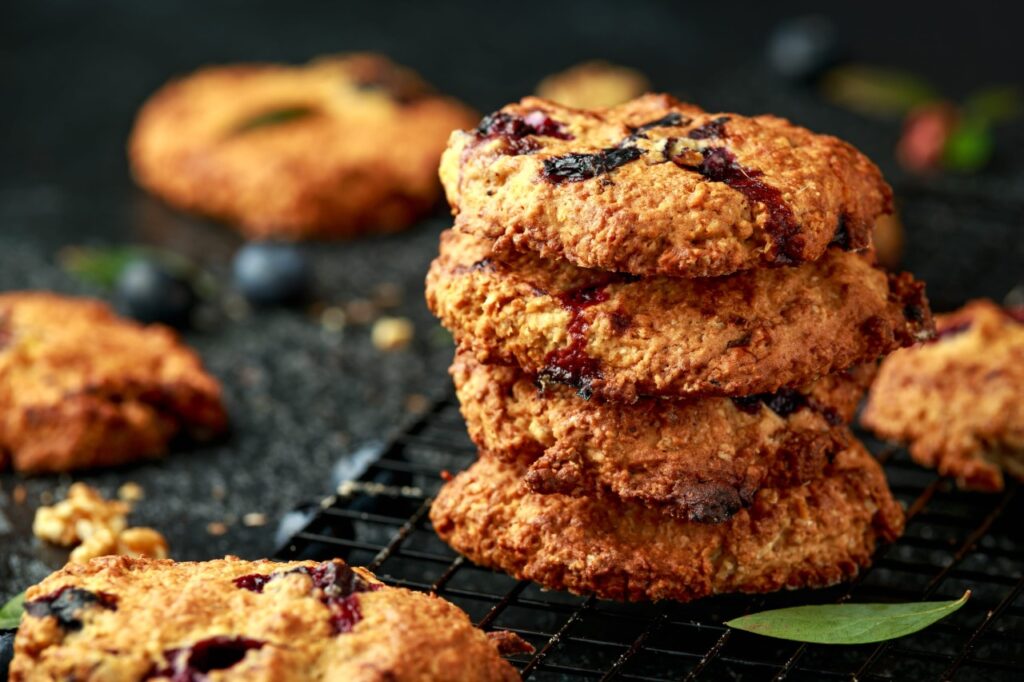
High-protein snacks have quickly become a staple in modern diets. From gym routines to busy workdays, they promise convenience, energy, and better nutrition in just a few bites. With bold labels and health-focused marketing, it is easy to believe these options are always the smarter choice.
But not every product delivers what it claims. Many snacks that advertise high protein also come with added sugars, refined ingredients, and hidden calories that can shift their overall value. What looks healthy on the surface may not always support your goals.
Understanding what is actually inside these snacks can make a real difference. By looking beyond the label, you can choose options that truly nourish your body instead of simply sounding good on paper.
1. Protein Bars
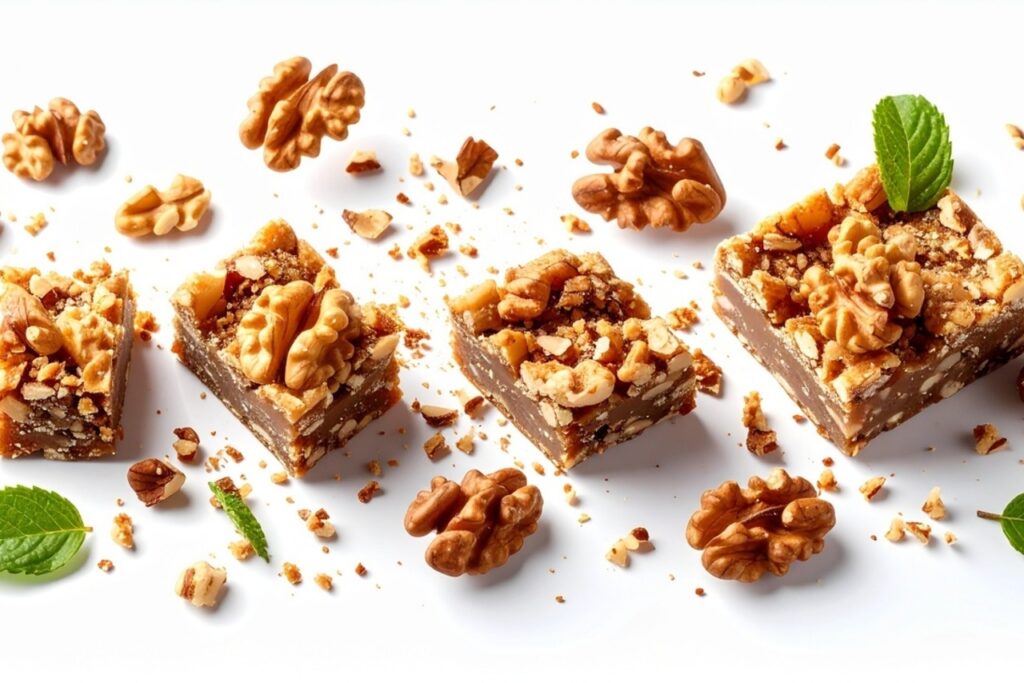
They are often sold as the perfect grab-and-go solution for busy days. Wrapped in sleek packaging and labeled with bold protein claims, protein bars appear to offer a quick nutritional win. Many people rely on them as a substitute for a balanced snack.
A closer look at the ingredient list tells a different story. Many bars contain added sugars, sugar alcohols, and syrups to improve taste and texture. Some also include highly processed protein isolates rather than whole food sources.
While they do provide protein, the overall nutritional balance is often lacking. The calorie load can be high, and the protein content may not be enough to justify it. In many cases, whole foods like nuts or eggs deliver better value.
2. Flavored Greek Yogurt

At its core, Greek yogurt is known for its high protein content and creamy texture. It has long been considered a smart and satisfying snack that supports muscle health and keeps you full.
The issue arises when flavors are added. Many flavored versions include significant amounts of added sugar, sometimes comparable to desserts. This changes the nutritional profile more than most people realize.
The protein remains, but the added sugar can outweigh the benefits. Choosing plain yogurt and adding fresh fruit is often a better approach. It allows you to control sweetness while keeping the protein advantage intact.
3. Protein Cookies
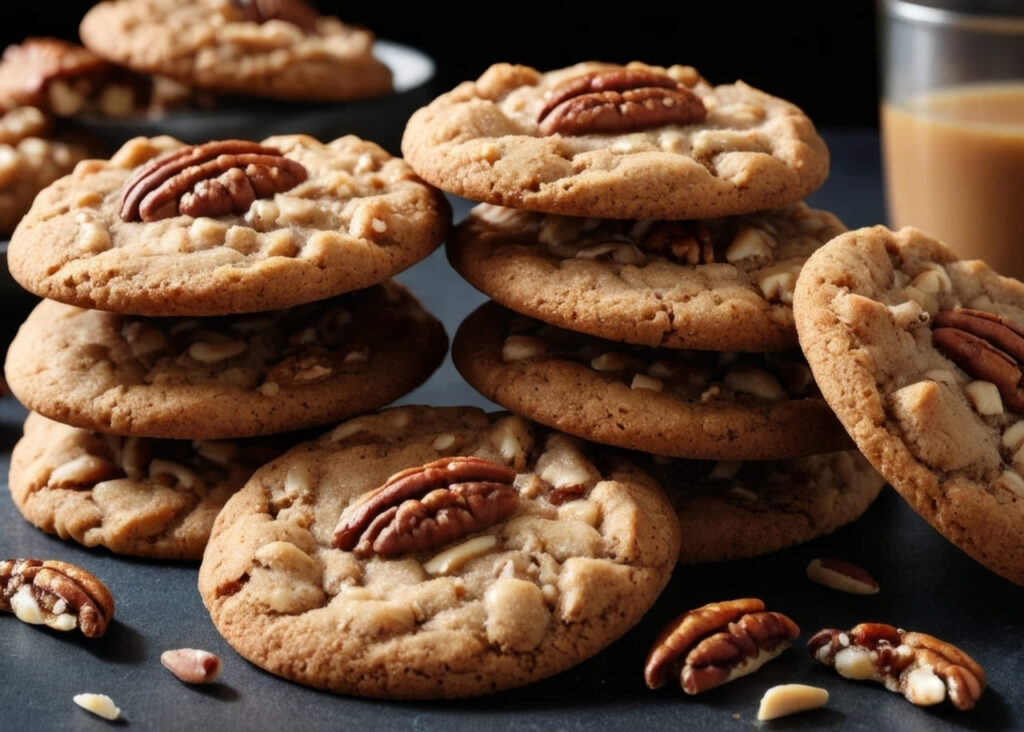
They present themselves as a guilt-free indulgence, combining the comfort of a cookie with the promise of added protein. This makes them appealing to those trying to balance cravings with nutrition while still enjoying something sweet.
However, many of these cookies rely on refined flour, added fats, and sweeteners to maintain their taste and texture. The protein added is often modest compared to the calorie content, making them less effective as a true protein snack.
As a result, they function more like a treat than a reliable protein source. While they can fit into a balanced diet occasionally, they should not be relied on as a primary way to meet daily protein needs.
4. Granola and Protein Granola
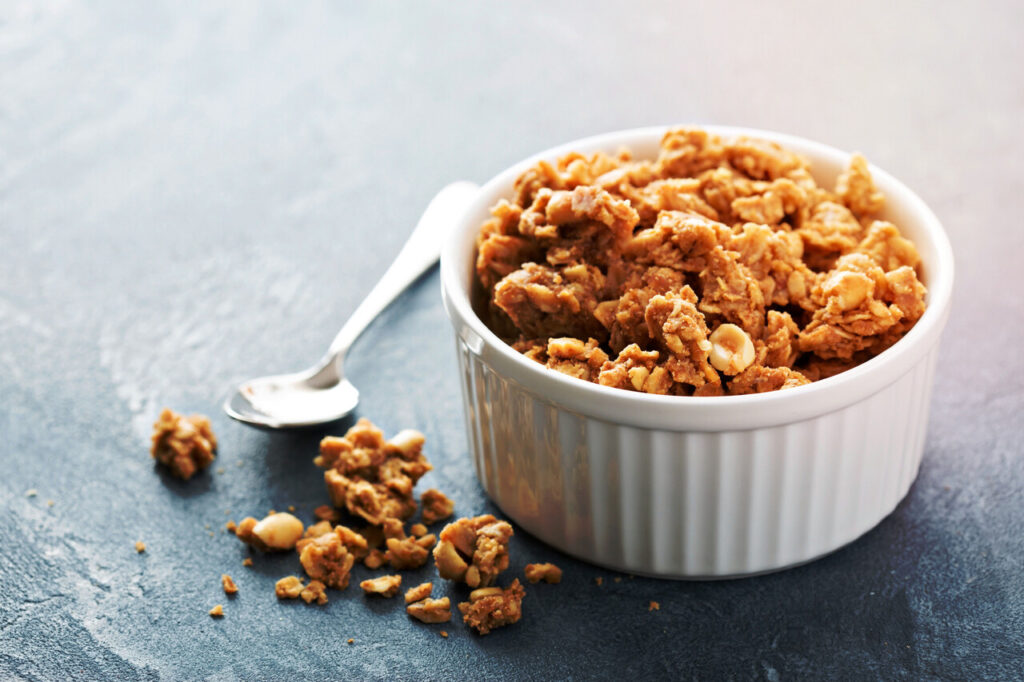
Granola is often associated with health, thanks to ingredients like oats and nuts. Protein versions take this a step further by highlighting added protein content on the label to attract health-conscious buyers.
In reality, many granolas are calorie-dense due to added oils and sweeteners used to create their crunchy texture. Even protein varieties may only offer a small increase in protein compared to the total calorie load.
This combination can make portion control difficult over time. While granola can be part of a healthy diet, it works best in moderation and when paired with higher-protein foods like yogurt or milk.
5. Peanut Butter Spreads (Flavored or Sweetened)

Peanut butter naturally contains protein and healthy fats, making it a popular and satisfying snack option. In its simplest form, it can be both nutritious and filling when used in controlled portions across meals or snacks.
Flavored or processed versions often change that balance. Added sugars, hydrogenated oils, and flavorings are commonly included to enhance taste, improve texture, and extend shelf life for longer storage.
These additions can reduce the overall nutritional quality. While the protein content remains, the extra ingredients increase calories and reduce benefits, making natural versions with minimal ingredients a more reliable choice.
6. Ready-to-Drink Protein Smoothies
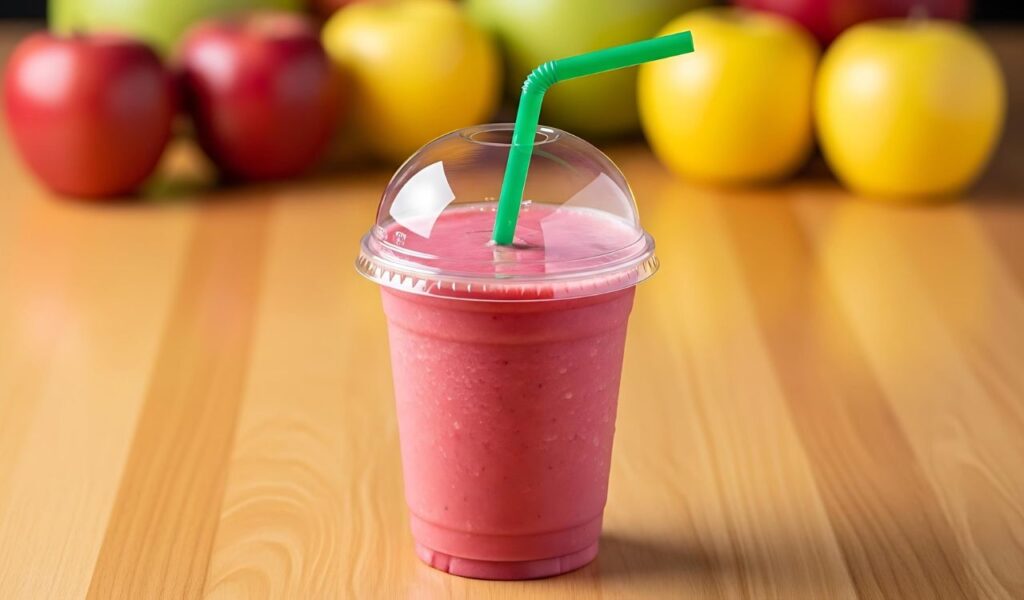
Convenience is the biggest selling point of bottled protein drinks. They promise a quick boost without preparation, making them especially appealing for busy routines, travel days, and on-the-go lifestyles.
However, many of these products contain added sugars, stabilizers, and artificial flavors. Some also use lower-quality protein sources that may not be as effective as whole food-based options in supporting nutrition.
The protein content can vary widely between brands. In some cases, the amount is lower than expected for the calorie count. Reading labels carefully helps you understand what you are actually consuming daily.
7. Breakfast Cereals with Added Protein
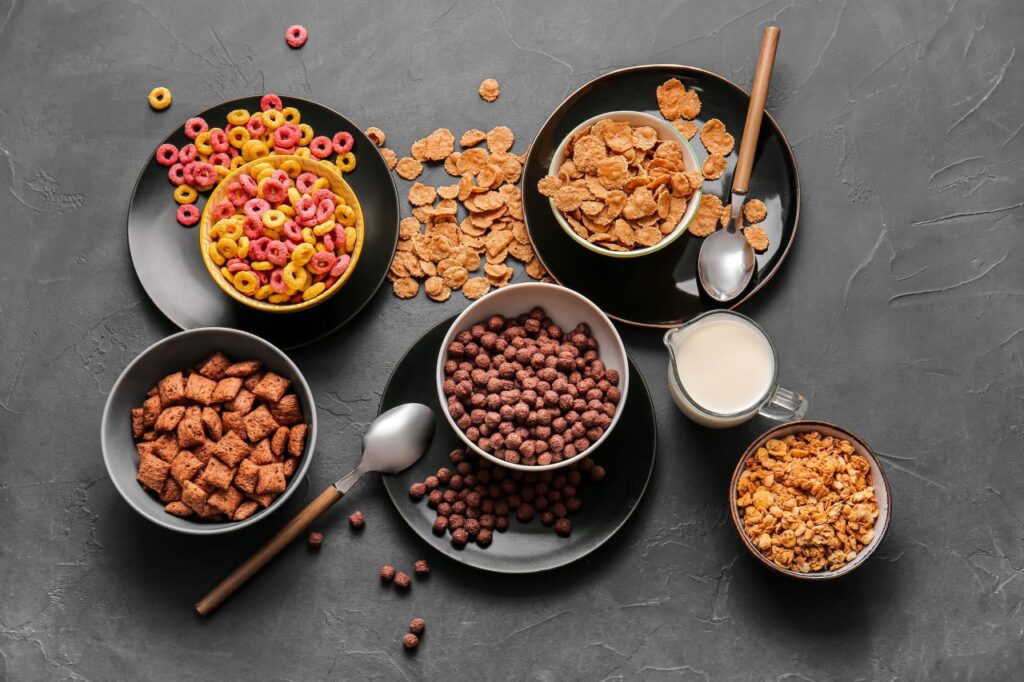
Cereal has long been a quick breakfast option, and the addition of protein seems like a logical upgrade. Many brands now promote higher protein content as a key selling point to attract buyers and health-focused consumers.
Despite this, many cereals still rely on refined grains and added sugars. The protein is often added in small amounts and may not significantly improve the overall nutritional profile of the product.
This creates a mismatch between expectation and reality. While convenient, these cereals may not provide lasting energy or fullness compared to more balanced, protein-rich breakfast choices made from whole foods.
8. Trail Mixes with “Protein Boost” Labels
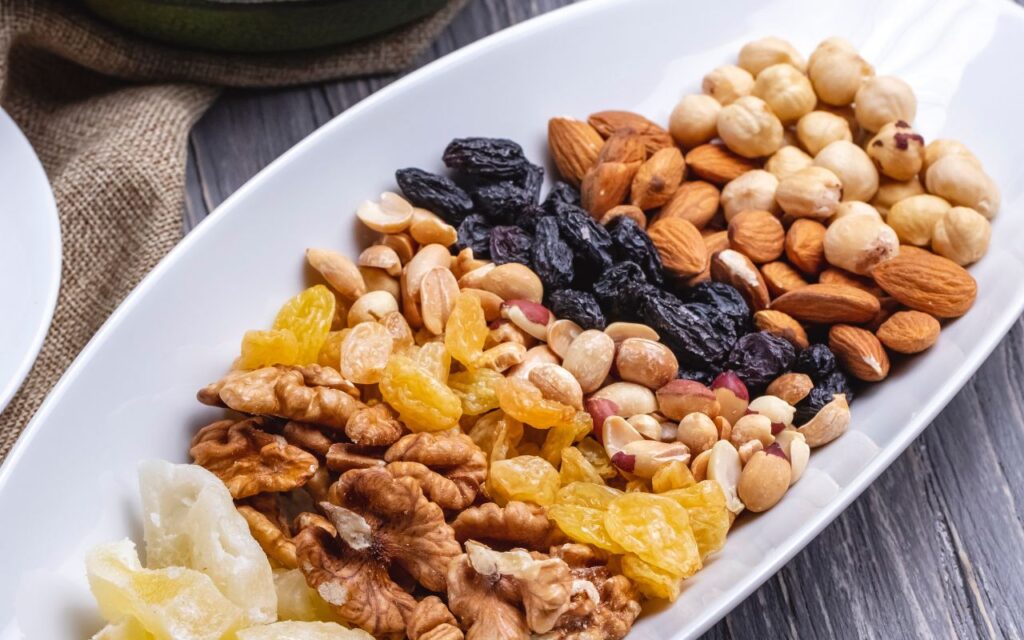
Trail mix is often seen as a balanced snack, combining nuts, seeds, and dried fruits. The presence of nuts does provide a natural and reliable source of protein along with healthy fats and some fiber for satiety.
The problem comes with added ingredients. Chocolate pieces, sweetened fruits, and coated nuts can quickly increase sugar and calorie content, shifting the snack away from its intended healthy image over time.
Even with a protein label, the overall balance may not support your goals. Portion size becomes important, as it is easy to overconsume without realizing it during casual snacking, work breaks, or travel routines.
9. Veggie Chips with Added Protein Claims
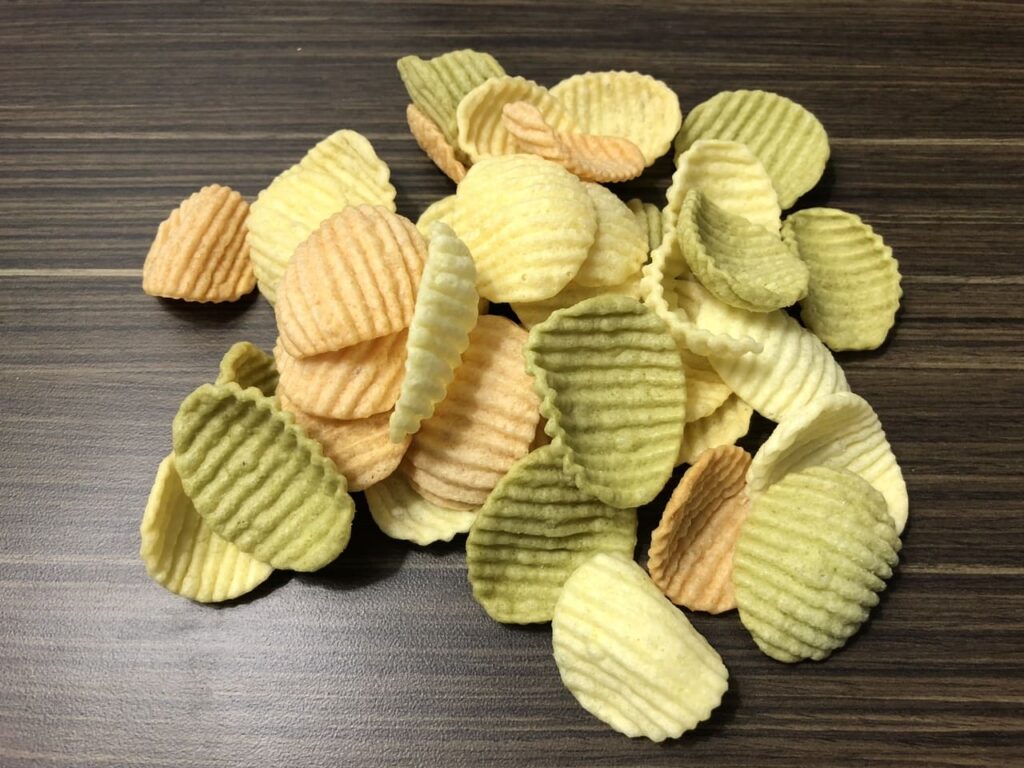
They are marketed as a smarter alternative to traditional chips, often highlighting vegetable content and added protein. This creates the impression of a healthier and more balanced snack choice for daily use and quick cravings.
In reality, many veggie chips are still highly processed. They are often made from starches and powders rather than whole vegetables, with added protein included in relatively small and less impactful amounts.
The final product may be low in meaningful protein and similar in calories to regular chips. While they can satisfy cravings, they do not offer the same benefits as whole vegetables or truly protein-rich foods in a balanced diet.